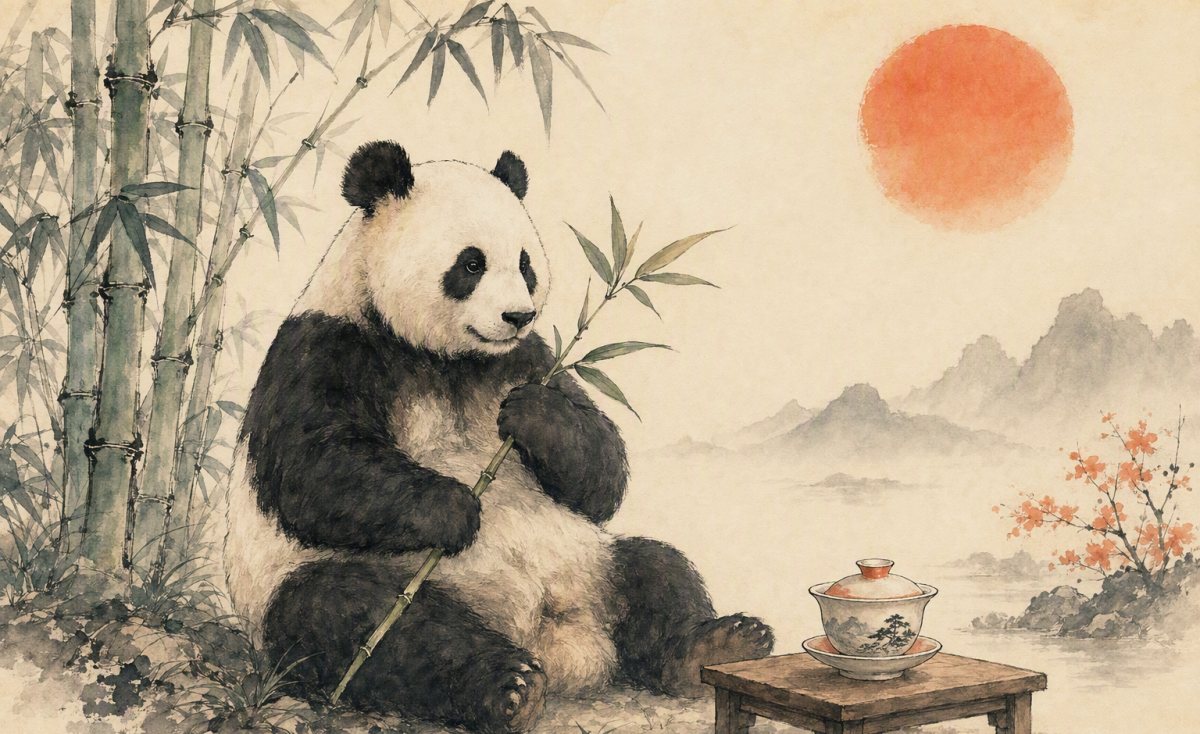
Chengdu’s official city slogan is “a city you won’t want to leave”, and the pandas, teahouses and chilli-laced food do make a strong case.
Pandas Done Right
The Chengdu Research Base of Giant Panda Breeding opens 7:30am — be among the first through, walk straight to the outdoor enclosures, and you’ll watch adults demolish bamboo for an hour before the heat forces them to sleep. The pink, squirrel-sized newborns appear in the nursery August–September. Half a day is right; longer if you join the Dujiangyan volunteer program.
Slow Chengdu
- People’s Park: bamboo chairs, ¥20 tea, ear-cleaning masters and match-making corners. The most unhurried morning in China.
- Kuanzhai Alleys: restored Qing lanes — teahouses, brick courtyards, snacks.
- Jinli Street: lantern-lit night market, best after dark.
- Wenshu Monastery: working temple with a vegetarian restaurant and garden teahouse.
Hotpot School
Order the split “yuanyang” pot: clear broth for cooling, red sea of chilli and Sichuan peppercorn for courage. Dip in sesame-oil-garlic sauce (it tames the fire). Order tripe, duck blood, lotus root and beef in oil. Sweat is part of the experience.
Day Trips
Leshan Giant Buddha (71m, carved into a cliff, 1.5h), Dujiangyan’s ancient irrigation works + Mount Qingcheng, and the eastern Chengdu “new landmarks” of Taikoo Li after dark.
Practical
March–June and September–November are mildest. Metro is good; a private driver is best for the panda-base early start. The AI trip planner prices Chengdu routes with Leshan and Dujiangyan included.