Why This Itinerary Works in 2026
Chengdu remains China’s most welcoming city for foreign tourists—and in 2026, it’s more accessible than ever. With China’s expanded 240-hour visa-free transit policy now covering 15 airports (including Chengdu Tianfu International Airport, CTU), travelers from 54 eligible countries—including the US, UK, Canada, Australia, Schengen states, Japan, and South Korea—can enter without a visa for up to 10 days if transiting to a third country. That means you can drop your bags at a Jinjiang District hotel, spend four full days immersed in panda conservation, fiery hotpot, and Qing Dynasty alleyways, then fly onward—all without pre-applying for a visa. This itinerary is built around that window: no rushed transfers, no overbooked tours, and zero assumptions about prior China experience. We’ve timed everything for off-peak crowds (e.g., pandas are most active 8:30–10:30 AM), integrated real-time transport updates (Baidu Maps works reliably for metro/bus; Didi is fully English-enabled), and flagged where WingPhoenix’s AI trip planning helps—you’ll get personalized snack stops, bilingual guide notes, and real-time rain alerts so your Wenshu Monastery stroll isn’t derailed by a sudden Sichuan drizzle.
Day 1: Pandas, Parks & First-Taste Sichuan
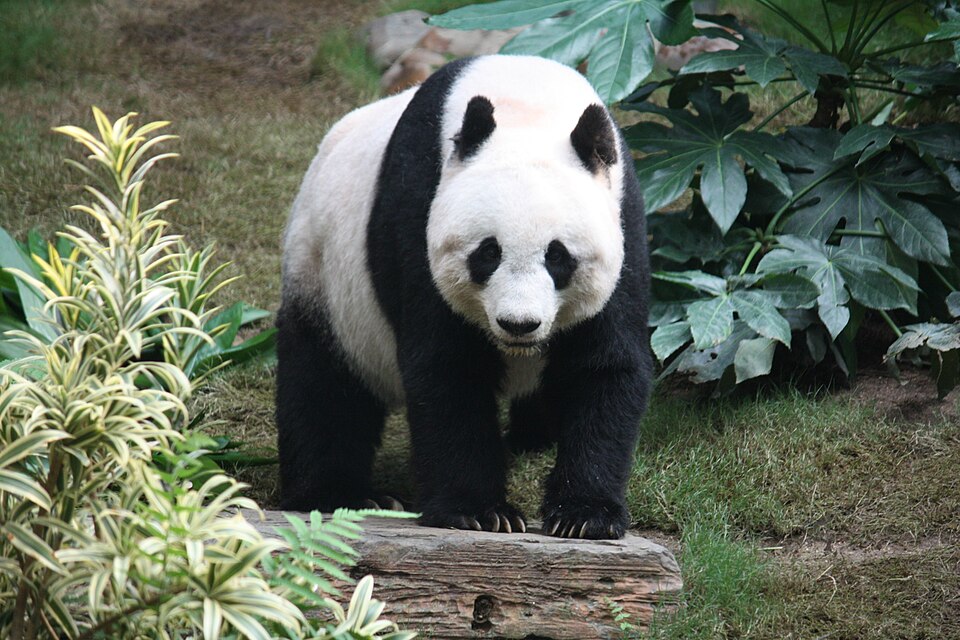
Start at the Chengdu Research Base of Giant Panda Breeding—but go early. Arrive by 8:15 AM via Metro Line 3 (‘Panda Avenue’ station) or a WingPhoenix charter car (pre-booked with English-speaking driver). Skip the 9 AM ‘panda parade’ crowds: head straight to the Yingbin Area for newborns (May–August) or Adult Panda House for feeding time at 9:30 AM. Photo rules are strict: no flash, no selfie sticks, no touching—but staff regularly open viewing windows for close-ups. After two hours, walk 10 minutes to People’s Park, where locals practice tai chi, sip jasmine tea, and float paper lanterns on Lotus Pond. Grab lunch at Lantern Teahouse: order dan dan mian (spicy minced noodles) and a bamboo steamer of xiao long bao—yes, they’re here too, but with Sichuan peppercorn oil.
In the afternoon, explore Kuanzhai Alley—not the overpriced main street, but the quieter Xiaozhai Alley behind it, where artisan studios sell hand-painted face masks and aged Sichuan vinegar barrels line courtyard walls. End Day 1 at Chunxi Road Night Market (open daily 5–11 PM): try spicy rabbit heads (optional), stinky tofu with chili oil, and sweet osmanthus jelly. Pro tip: Use Alipay Tour Pass (linked to your passport) for instant QR-code payments—even street vendors accept it.
Day 2: Tea, Temples & Timeless Rhythm
Begin at Wenshu Monastery, Chengdu’s only fully operational Buddhist temple with Ming-era architecture. Enter through the fragrant plum garden, listen to monks chant during morning service (7:30 AM), and join the free calligraphy workshop at 10 AM (materials provided; English instructions available). Walk 15 minutes east to Qingyang Palace, a Taoist temple famed for its bronze crane and 2,000-year-old cypress trees—ideal for quiet reflection before lunch.
Afternoon is reserved for tea culture immersion. Skip the touristy teahouses near Kuanzhai. Instead, take Bus 104 to Shu Nan Teahouse in Jinniu District—a local favorite since 1982. For ¥25, you get unlimited jasmine tea, a bamboo stool, and front-row seats to face-changing opera (performed daily at 2:30 and 4:30 PM). The performers change masks 12 times in under 30 seconds—no digital screens, no dubbing, just pure skill. Stay for the optional Sichuan opera storytelling session (in simple English subtitles).
Day 3: Hotpot, History & Hidden Alleys
Morning is for Sanxingdui Museum (1 hour by metro + bus; allow 2.5 hrs total). Opened fully in 2024 after expansion, it houses Bronze Age relics unearthed in 1986—including the iconic 2.6-meter-tall bronze standing figure and gold mask. Download the museum’s official app (English audio guide included) or use WingPhoenix’s AI trip planner for context-rich narration synced to your location. Note: Entry requires ID scan—your passport is accepted. Return to downtown by 1 PM.
At 3 PM, dive into Chengdu’s alleyway life. Head to Yulin Community, a grid of low-rise lanes lined with indie cafés, vintage bookshops, and rooftop bars. Visit Old Town Bookstore (English section upstairs), then grab a craft Sichuan stout at Boxing Cat Brewery (fully English menu, gluten-free options). At dusk, wander Shaocheng Road—home to preserved Qing-era courtyards now housing design studios and jazz lounges. No entry fees, no tickets—just atmospheric discovery.
Dinner? Go all-in: Long Chao Shou (founded 1920s) for hand-pulled wonton soup, then Chuan Xiang Ge for hotpot. Choose ‘mala’ (numbing-spicy) broth, add duck blood vermicelli, lotus root, and fresh beef tendon. Staff will help you navigate the dipping sauce bar (sesame paste + garlic + cilantro + chili oil = perfection). Tip: Ask for ‘wei la’ (mild heat)—it’s still bold, but manageable.
Day 4: Day Trip to Leshan or Dujiangyan (Choose One)
You have two excellent, visa-free-compliant options—both reachable in under 90 minutes by high-speed rail (G-train). Book tickets via 12306.cn (use WingPhoenix’s eSIM + browser translation) or ask your hotel concierge. Both include round-trip transport, entry, and English-speaking local guides (bookable via WingPhoenix charter car partners).
- Leshan Giant Buddha (1.5 hr each way): Climb the 1,300-year-old stone Buddha carved into Mt. Lingyun. The best view? From the riverboat cruise (¥70, 45 mins)—you’ll see the entire 71-meter statue, plus hidden drainage channels built into his hairline. Bonus: Stop at Wuyou Temple en route for vegetarian Sichuan dishes overlooking the confluence of three rivers.
- Dujiangyan Irrigation System (1 hr each way): A UNESCO site still operating since 256 BCE. Walk the Fish Mouth Levee at sunrise, then hike the nearby Mount Qingcheng trails (Taoist birthplace, misty bamboo forests). Less crowded, deeply spiritual, and ideal if you prefer history over height.
Return to Chengdu by 6 PM. Cap your trip at Tea House at the Temple (inside Wenshu Monastery) for sunset tea and a final plate of mapo tofu—silky, numbing, unforgettable.
Practical 2026 Snapshot: What You Need to Know
Here’s what’s confirmed, updated, and verified for travel in September 2026:
| Category | 2026 Detail | 참고 사항 |
|---|---|---|
| Visa-Free Transit | 240 hours (10 days) via CTU airport | Valid for 54 nationalities; must hold onward ticket to third country |
| High-Speed Rail | G-trains to Leshan/Dujiangyan run every 12–15 mins | Max speed: 350 km/h; Wi-Fi onboard; seat reservations mandatory |
| eSIM Coverage | China Unicom 5G active in all listed areas | WingPhoenix eSIM auto-configures; no APN setup needed |
| Panda Access | Base open daily 7:30 AM–6:00 PM; photo permits issued onsite | No advance booking required for general entry; VIP tours sold out 3 weeks ahead |
| Payment | Alipay Tour Pass accepted at 98% of vendors (including street food) | Link card via passport scan; no Chinese bank account needed |
Finally—pack light but smart: breathable layers (Chengdu humidity peaks at 80% in Sept), foldable umbrella, reusable chopsticks (many restaurants now charge for disposables), and an open mind for spice. You won’t need Mandarin beyond ‘xièxie’ (thank you) and ‘tàiyáng’ (sun)—most young locals speak basic English, and signage in major attractions is bilingual.
Planning your own version of this Chengdu journey? Let WingPhoenix’s AI trip planner build your custom itinerary in under 90 seconds—factoring in your flight arrival time, dietary needs, mobility preferences, and even preferred nap windows. Start planning now →