Looking for the best things to do in Beijing? This guide covers 15 must-see spots that balance the imperial icons every first-timer wants — the Forbidden City, Tiananmen Square, the Great Wall, the Summer Palace — with the local experiences that make the capital feel alive: hutong lanes, temples, art districts, and Peking duck. Most visitors comfortably clear the core sights in three full days, while four to five days lets you add the Great Wall plus a museum or market without rushing. Beijing anchors most China travel itineraries, and because the sights cluster into a few neighborhoods, it is far easier to navigate than its enormous size suggests. Below is an ordered rundown with how to group the spots, what to compare, and how to plan around them.
The Forbidden City & Jingshan Park
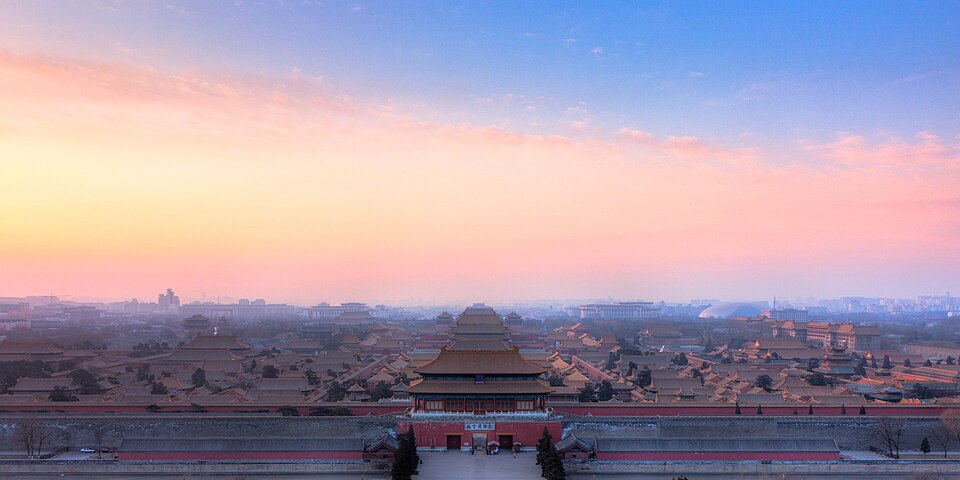
The Forbidden City is the single most important thing to do in Beijing. For nearly 500 years it served as the imperial palace of the Ming and Qing dynasties, and it remains the world’s largest surviving wooden palace complex. Enter at the Meridian Gate, follow the central axis through the great halls, then slip into the side courtyards to dodge crowds. Book a morning ticket slot — daily entry is capped and popular times sell out. Directly north, Jingshan Park rewards a ten-minute climb with the definitive panorama of the palace’s golden roofs, especially at sunset.
Tiananmen Square & the National Museum
Tiananmen Square, one of the largest public squares on earth, links the Forbidden City to the modern civic core. Security and bag screening are standard, so build in buffer time. On its eastern side, the National Museum of China offers a free (reservation-required) crash course in Chinese history and art — a smart rainy-day stop that helps the temples and palaces elsewhere “click.” Confirm each site’s current entry rules on official channels, as policies change.
Temple of Heaven
The Temple of Heaven is where emperors once performed harvest rituals, and its circular Hall of Prayer for Good Harvests is one of the most photographed structures in the city. Come at dawn to watch locals practicing tai chi and dancing in the surrounding park, or mid-morning for clearer architectural photos. It sits south of the center and pairs neatly with a hutong or food afternoon.
The Summer Palace
A short drive from downtown, the Summer Palace is a vast lakeside imperial garden built around Kunming Lake and Longevity Hill. Cruise the lake, walk the painted Long Corridor, and climb to the Tower of Buddhist Incense for the signature view. Allow at least half a day — it is one of the few Beijing sights where you genuinely feel the scale of imperial leisure, and it anchors a western-suburbs day.
The Great Wall Near Beijing
No list of things to do in Beijing is complete without the Great Wall, and the sections closest to the capital each suit a different traveler. Match the section to your tolerance for crowds, drive time, and how rugged you want the stonework to look.
| Section | Transfer from center | Crowds | Condition | Best for |
|---|---|---|---|---|
| Badaling | Shortest hop | Busiest | Fully restored; cable car & funicular | First-timers, families, limited mobility |
| Mutianyu | Moderate | Busy but manageable | Restored, forested; toboggan descent | Best all-round balance of scenery and access |
| Jinshanling | Longer drive | Quietest | Partly restored; longer ridge hikes | Photographers and hikers who want space |
For most visitors Mutianyu is the friendliest compromise. On the way you can also reach the Ming Tombs and their stone-lined Sacred Way to make the drive north efficient. Transfer times and ticket rules vary, so treat these as typical and confirm specifics when you book — a private car with driver removes the guesswork on the day.
Hutongs, Drum Tower & Shichahai
The grey-tiled hutong lanes are Beijing’s oldest residential fabric. Start at the Drum and Bell Towers, then drift through Nanluoguxiang and the Shichahai / Houhai lakeside alleys, where courtyard houses have become teahouses, bars, and design shops. This is the best part of the city to explore on foot or by rickshaw, and it gives your itinerary the everyday texture the grand monuments miss.
Temples & Gardens: Lama Temple, Confucius Temple & Beihai Park
The Lama Temple (Yonghegong) is Beijing’s grandest Tibetan Buddhist monastery, crowned by a towering sandalwood statue, while the quieter Confucius Temple and its stele forest offer a calm contrast nearby. A short walk away, Beihai Park — one of the oldest surviving imperial gardens — centers on a wooded island and a white dagoba, and it is where locals picnic year-round and skate the frozen lake in winter. These three sit comfortably on one half-day route through the old north-central city.
Modern Beijing: 798 Art District & the Olympic Green
For a break from the imperial circuit, the 798 Art District fills decommissioned military factories with galleries, installations, cafés, and design stores beneath Bauhaus-era roofs — a favorite of younger travelers and photographers. To the north, the Olympic Green gathers the 2008 landmarks, the Bird’s Nest stadium and the glass Water Cube, into a plaza that comes alive after dark. Both suit a relaxed half-day rather than a rushed stop.
Markets, Food & Peking Duck
Panjiayuan, the “Dirt Market,” is the destination for antiques, jade, and curiosities, while the Qianmen and Wangfujing areas concentrate flagship stores and food halls. No Beijing trip is finished without Peking duck — lacquered, carved tableside, and wrapped in thin pancakes. As with all China travel dining, keep an open mind on the snack-street specialties and order what looks appealing rather than merely exotic.
How Many Days You Need in Beijing
These 15 spots group naturally into neighborhoods, which is the key to a smooth trip:
- 3 days: Forbidden City + Jingshan + Tiananmen + National Museum; one Great Wall section; Temple of Heaven + hutongs + Lama Temple.
- 4–5 days: Add the Summer Palace, Beihai, the 798 Art District, a market-and-food evening, and either the Ming Tombs or the Olympic Green.
- Base for onward travel: Beijing is a natural launchpad before heading west to Xi’an or south to Shanghai by high-speed rail.
Deciding what to pair with the capital? Our Beijing vs Shanghai comparison helps you choose, and the best time to visit China guide covers seasonal timing nationwide.
Getting Around, Visas & Practical Notes
Beijing’s subway is extensive, affordable, and increasingly English-friendly, linking most sights on this list; for the Great Wall and western suburbs, a pre-arranged car saves real time. Working maps and ride-hailing depend on data, so a China eSIM set up before you fly keeps you online from the moment you land. On entry, China’s visa, transit, and exemption rules change over time and differ by nationality — always verify your requirements with the official National Immigration Administration or a Chinese embassy or consulate. Prices across this guide are typical ranges to help you plan; confirm current figures at the time of booking.
Plan Your Beijing Trip With Confidence
Once you know which of these things to do in Beijing matter most, the next step is turning the list into a day-by-day route. Our trip planner sequences the sights by neighborhood, and the guides library collects deeper city and route write-ups. For travelers who would rather have logistics handled, explore China tour packages or premium customization to build a private Beijing itinerary around your pace.
FAQ
What are the top three things to do in Beijing?
The three non-negotiable highlights are the Forbidden City, a section of the Great Wall (Mutianyu is a popular choice), and the Summer Palace. Together they represent imperial power, military history, and garden design, and most three-day itineraries are built around them.
How many days do I need for Beijing?
Three full days covers the essentials at a comfortable pace. Four to five days lets you add the Great Wall plus a museum, the 798 Art District, or a market-and-food evening without hurrying. Treat three days as the sensible minimum for the capital itself.
Is one day enough to see the Great Wall from Beijing?
Yes — a day trip is very common and works well if you start early with reliable transport. Mutianyu and Badaling are the most convenient, while Jinshanling is quieter but needs a longer drive. A private car lets you pick the section that fits your schedule rather than a fixed group-tour timetable.
Do I need to book Beijing attractions in advance?
For major draws such as the Forbidden City, advance reservation is strongly recommended because daily entry is capped and morning slots fill quickly. Museum and temple policies can change, so check each site’s official booking channel rather than assuming walk-up entry will work.
Is Beijing English-friendly for first-time visitors?
Major sights, subway lines, and hotels use English signage, and an eSIM with translation and map apps covers the rest. For smoother communication at the Great Wall or local markets, an English-speaking guide or a customized itinerary removes most of the friction.