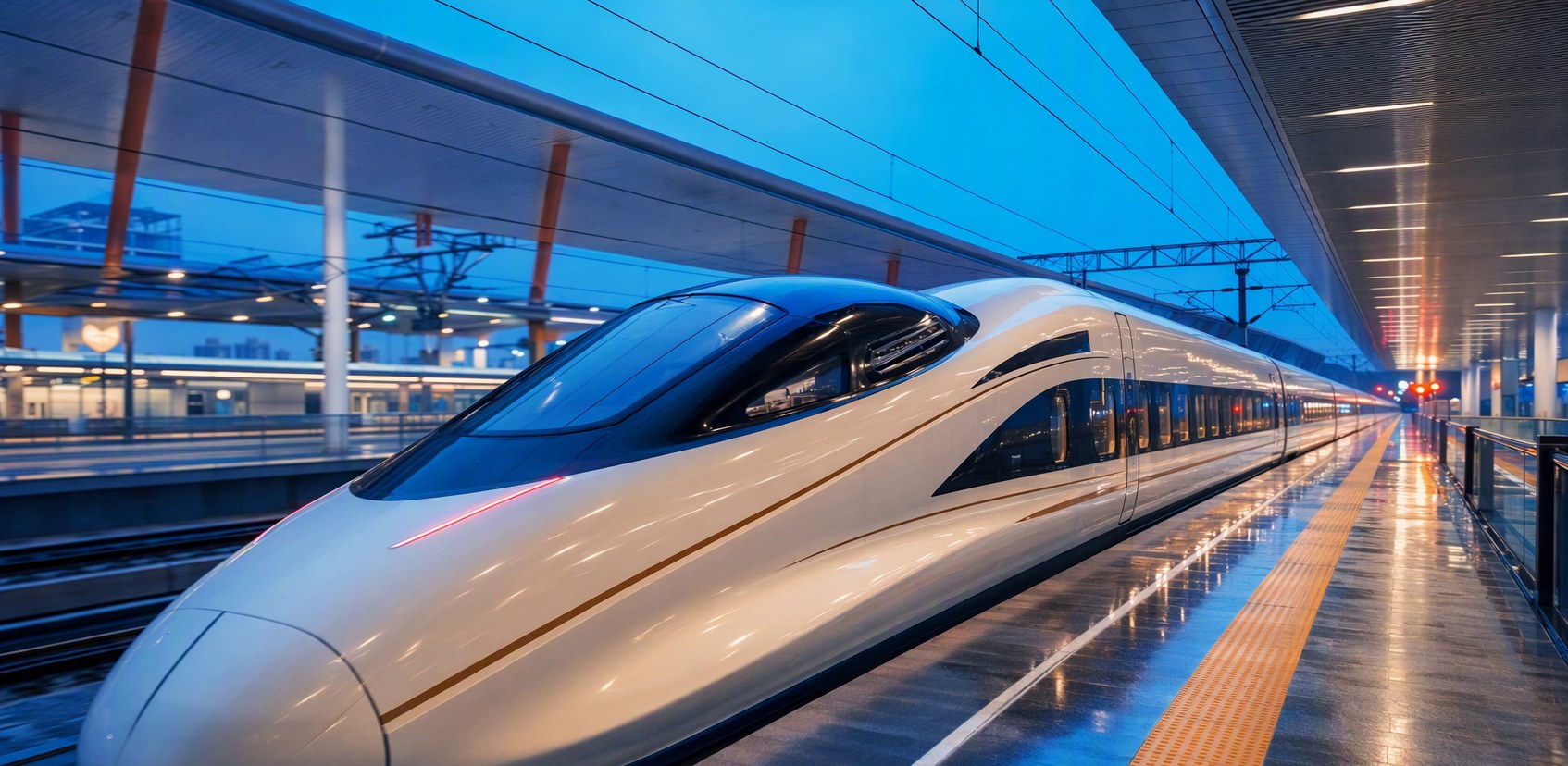
Why Take the Bus in China?
In 2026, China’s intercity bus network remains indispensable—not as a backup to high-speed rail, but as its essential counterpart. While bullet trains dominate major corridors (Beijing–Shanghai, Guangzhou–Shenzhen), over 380,000 km of provincial and rural highways are served almost exclusively by buses. They reach places where rails don’t go: Tiger Leaping Gorge in Yunnan, the Miao villages of southeastern Guizhou, or the Karakoram foothills near Tashkurgan in Xinjiang. Buses also serve as vital connectors for the 240-hour visa-free transit policy: if you’re flying into Chengdu (CTU), Xi’an (XIY), or Hangzhou (HGH) en route to a third country, you can take a same-day bus to Leshan, Hanzhong, or Wuzhen—and still qualify for visa-free entry, provided your outbound flight departs within 10 days.
Types of Buses You’ll Encounter
China classifies buses by speed, comfort, and licensing—knowing the difference saves time, money, and discomfort:
- Express Coach (Kuàisù Kèchē): Most common for 100–500 km trips; reclining seats, AC, luggage underfloor. Look for blue-and-white livery with ‘省际’ (inter-provincial) or ‘市际’ (inter-city) labels.
- Sleeper Bus (Wòpū Chē): Used on overnight routes >600 km (e.g., Kunming–Dali, Chengdu–Chongqing). Seats convert to flat bunks (3-tier or 4-tier); bring earplugs and an eye mask. Not recommended for first-timers due to limited restroom access and motion sensitivity.
- County/ Township Bus (Xiāndào Chē): Unmarked white vans or minibus shuttles connecting county seats to remote villages. No online booking; cash-only, depart when full. Common in Guangxi, Guizhou, and western Sichuan.
- City-to-Scenic-Area Shuttle: Fixed-route buses from urban transport hubs directly to attractions (e.g., Beijing’s 877 to Badaling Great Wall, Hangzhou’s Y2 to Lingyin Temple). Often cheaper and more frequent than taxis—even during peak season.
How to Buy Tickets in 2026
While ticket windows remain widespread, mobile integration has accelerated rapidly. Here’s what works now:
WeChat Mini Programs (e.g., “China Bus Ticket”, “Bus365”) accept foreign cards via UnionPay or Alipay Tour Pass. Scan QR codes at stations or search within WeChat—no Chinese phone number needed. Real-time seat maps show availability, departure gates, and even bus model (e.g., Yutong ZK6125H9 with USB ports).
Offline counters at major transport hubs (e.g., Guangzhou Baiyun Bus Terminal, Xi’an Chengdong Bus Station) accept cash and UnionPay—but English signage is rare. Bring your destination written in Chinese characters (ask your hotel or use WingPhoenix’s AI trip planner to generate bilingual itineraries with station names pre-translated).
Hotel concierges and hostels in tourist cities (Lijiang, Zhangjiajie, Yangshuo) often book same-day tickets for ¥5–¥15 service fee—worth it for complex transfers or rural routes like Dali → Shaxi → Jianchuan.
What to Expect Onboard
Modern express coaches feature LED departure boards, individual reading lights, and mandatory seat belts (enforced since 2024). Free Wi-Fi is advertised widely—but actual speeds average 0.8–2 Mbps, sufficient only for messaging and offline map use. Power outlets (220V AC + USB-A) are standard on buses built after 2022. Restroom stops occur every 2–3 hours on longer routes, typically at designated service areas with clean (though sometimes unheated) facilities and ¥2–¥5 toilet fees.
Drivers follow strict schedules: delays beyond 15 minutes trigger SMS notifications (if registered) and automatic refunds via original payment method. If you miss your bus, most terminals allow free rebooking within 2 hours—just show ID and ticket QR code at the service desk.
Key Routes & Practical Timetables (2026)
The following routes are verified operational as of September 2026—with frequency, duration, and fare data updated per provincial transport bureau reports:
| Route | Departure Point | Arrival Point | Duration | Frequency (Daily) | Fare (CNY) | Notes |
|---|---|---|---|---|---|---|
| Chengdu → Jiuzhaigou | Chengdu Xinnanmen Bus Station | Jiuzhaigou County Bus Terminal | 8–9 hrs | 6 (07:30–14:00) | ¥168 | Mountain road; prone to weather delays Apr–Oct. Book 3+ days ahead in peak season. |
| Guilin → Yangshuo | Guilin South Bus Station | Yangshuo Bus Terminal | 1 hr 15 min | Every 20 min (06:00–19:00) | ¥22 | Most scenic section: passes karst peaks along Li River’s southern bank. |
| Lijiang → Shangri-La | Lijiang Bus Station (Gucheng) | Shangri-La Bus Terminal | 3 hrs 40 min | 4 (08:00, 10:30, 13:00, 15:30) | ¥85 | Altitude gain: 2,400 m → 3,300 m. Oxygen bottles available onboard for ¥15. |
| Xiamen → Nanputuo Temple Shuttle | Xiamen Hubin Bus Stop (near ferry terminal) | Nanputuo Temple Entrance | 22 min | Every 12 min (06:15–22:30) | ¥1 (Alipay/WeChat Pay only) | No cash accepted. Route #BRT 1 (‘BRT’ = Bus Rapid Transit). |
Safety, Etiquette & Pro Tips
China’s bus system is statistically safer than private car travel—fatal accidents per million passenger-km dropped 37% between 2022–2026 due to mandatory driver fatigue monitoring and AI-powered road condition alerts. Still, exercise these precautions:
• Always verify your bus license plate before boarding. Legitimate coaches display a 12-digit provincial license (e.g., ‘川A 123456’) plus a green ‘营运证’ (road transport permit) sticker on the front windshield.
• Keep valuables visible. Theft is extremely rare on express coaches—but opportunistic snatching occurs at crowded terminals. Use anti-theft crossbody bags, not backpacks.
• Carry snacks and water. While some services offer bottled water (¥3–¥5), long-haul routes may skip rest stops during holidays. Avoid street food near stations—hygiene standards vary widely.
• Download offline maps. Baidu Maps (with English UI toggle) works better than Google Maps for real-time bus tracking—even without active internet, cached bus stop names and transfer logic function reliably.
For multi-leg journeys—say, Kunming → Dali → Lijiang → Shangri-La—WingPhoenix’s AI trip planner auto-calculates optimal bus connections, integrates live delay data, and generates bilingual PDF tickets with station codes and gate numbers. It also flags visa-free transit eligibility windows so you never forfeit your 240-hour window by missing a connection.
Whether you’re chasing sunrise over the rice terraces of Yuanyang or tracing Silk Road oases near Dunhuang, China’s buses open doors no train ever will. They’re not just transport—they’re quiet classrooms in regional dialects, impromptu tea ceremonies with fellow travelers, and the most authentic way to witness how 1.4 billion people move across mountains, rivers, and time zones—every single day.
Plan your seamless, bus-integrated China itinerary with WingPhoenix’s AI trip planner today.