Wuhan sits where the Han River meets the Yangtze, and the city is split by water into three historic towns: Wuchang, Hankou and Hanyang. It has a recorded history going back roughly three thousand years, a role as central China’s transport and industrial hub, and a food culture that locals defend fiercely. Most foreign travellers pass through on a train and never leave the station. This guide explains what a stop actually involves, how to time it, and what to check before you go.
Why Wuhan deserves a stop
The main practical argument is geography. Wuhan sits on major high-speed rail lines, so several of China’s biggest cities are reachable within a few hours by train. Exact journey times and train numbers change with the timetable, so check the current schedule on the official booking channel rather than trusting any figure you read online. The useful search terms are your origin and destination stations — for Wuhan these are typically Wuhan, Hankou or Wuchang station, and they are not interchangeable, so confirm which one your train uses before booking accommodation. Our step-by-step guide to booking tickets on 12306 covers the process for foreign passports.
Within the city, the appeal is a mix of river scenery, museums, temple architecture and street food. It is not a city of one headline sight; it rewards a day and a half of wandering more than a rushed afternoon.
The main sights, honestly described
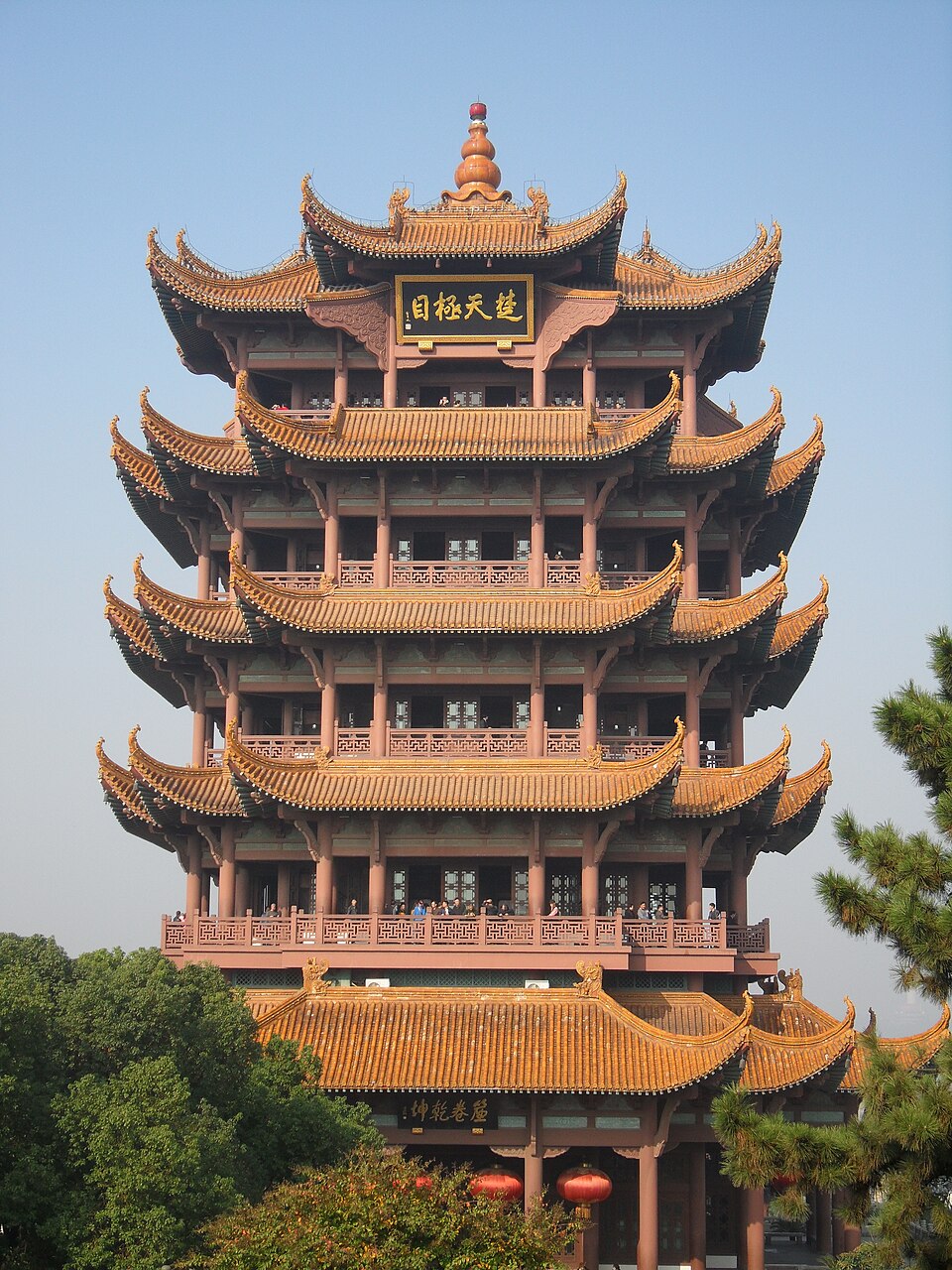
Yellow Crane Tower is the city’s emblem, a reconstructed tower on a hill above the Yangtze with views over the river and the bridge. It is popular, so expect crowds at weekends and public holidays. Nearby, walking the Yangtze River Bridge gives you the scale of the river and the three-town layout in one go.
The Hubei Provincial Museum is the strongest indoor sight, best known for its ancient chime bells and other excavated bronzes. Entry arrangements and any reservation requirements for Chinese museums change, so check the museum’s official page or a current reservation platform before travelling — see our notes on which Chinese attractions actually require reservations for foreigners.
East Lake is a large lake-and-park area with a long greenway loop, best explored by bike or on foot over a half day. Guiyuan Temple is a working Buddhist temple known for its hall of arhat statues. In spring, cherry blossom viewing draws large local crowds, particularly around Wuhan University; access to campus areas during blossom season is usually controlled, so verify current arrangements locally rather than assuming you can walk in.
What to eat in Wuhan
Wuhan’s signature breakfast is hot dry noodles — sesame-dressed wheat noodles, usually mixed with chilli oil and pickles, eaten fast and standing or walking. It is the dish to try on your first morning. Other local staples include doupi, a rice-and-egg-skin parcel with sticky rice inside, and steamed Wuchang fish. Duck neck, sold spiced and vacuum-packed from small shops, is the city’s default snack.
Hubu Alley is the well-known food street, though it is tourist-oriented; nearby residential streets often serve better and cheaper versions of the same dishes. Prices are low by Chinese big-city standards, but rather than quoting figures, check current prices on site or in a delivery app. If you have dietary restrictions, our guide to halal and vegetarian food in China explains how to ask and what to look for. Payment is overwhelmingly by phone; see our cashless travel guide for WeChat Pay and Alipay before you arrive, and carry a small cash backup.
When to go and how long to stay
Spring and autumn are the comfortable windows. Late March brings cherry blossoms and large crowds; October and November bring clearer, cooler weather. Summer in Wuhan is famously hot and humid, and winter is grey and damp. Two full days covers the main sights at a relaxed pace; one day works if you treat it as a rail-hub stopover and pick either the museum-and-tower cluster or the food-and-lake cluster. For broader seasonal context, see China in October and China in November.
Practical planning notes
Wuhan has a metro system that connects the main rail stations and most sights; our China metro guide explains how to ride and pay. Not every hotel in China is registered to accept foreign guests, so confirm this before booking — our guide to hotels that accept foreign guests covers what to check. Internet access, translation and mobile data are the other three things worth sorting before you fly; our guides to internet access in China and the language barrier and translation apps explain the options and how to verify what works on your device.
Frequently asked questions
Is Wuhan worth visiting for foreign tourists?
Yes, if you value food, river scenery and museums over headline monuments, and especially if you are already crossing central China by rail. It works well as a one- or two-night stop rather than a dedicated long trip.
How many days do I need in Wuhan?
Two days is comfortable for the tower, the museum, East Lake and a food street. One day is enough for a focused stopover if you choose either the cultural sights or the lake and food.
How do I get to Wuhan?
High-speed rail connects it to several major cities, and Tianhe International Airport serves domestic and some international routes. Check current timetables and train numbers on the official booking channel, and note that Wuhan has more than one main rail station.
What should I eat first in Wuhan?
Hot dry noodles, ideally at breakfast. Follow with doupi, steamed Wuchang fish and duck neck. Verify opening hours and prices on site, since small shops change frequently.
Do I need to book attractions in advance?
Some Chinese museums and popular sites require timed reservations, and rules differ for foreign passports. Check each site’s official page or a current reservation platform a few days ahead rather than assuming walk-in entry.
Treat Wuhan as a working city with a strong food culture and a genuine river setting rather than a checklist destination, confirm your train station, museum reservations and hotel eligibility before you commit, and it will repay the stop.