
Posted on — Leave a comment

China Visa Rules 2026: Fast Entry for Tourists

What’s New in China Visa Policy for 2026

China’s visa framework has evolved significantly since 2024 — and 2026 brings the most traveler-friendly adjustments yet. As of January 2026, the 240-hour visa-free transit policy now applies to nationals from 54 countries (up from 53), including new additions like Poland and Chile. Crucially, the policy has been expanded to cover 19 airports nationwide — including Xi’an Xianyang (XIY), Chengdu Tianfu (TFU), and Hangzhou Xiaoshan (HGH) — not just the original eight hubs like Beijing Capital (PEK) and Shanghai Pudong (PVG). Also new: travelers transiting through two Chinese cities (e.g., PEK → CTU → onward flight) may now qualify for 240h if both airports are on the approved list and they hold confirmed onward tickets within the window. All documentation must be submitted digitally via the China Immigration Service App before arrival — paper forms are no longer accepted at participating ports.

Who Qualifies for Visa-Free Entry in 2026?

Three main pathways exist for visa-free or simplified entry in 2026:

  • 240-Hour Transit Exemption: For air passengers arriving and departing by air from one of the 19 designated airports, with a confirmed onward ticket to a third country/region within 240 hours (10 days). Must hold a valid passport (min. 3 months validity beyond stay), and be a national of an eligible country (see table below).
  • 15-Day Visa-Free Access for Cruise Passengers: Applies to passengers arriving via international cruise ships docking at Tianjin, Shanghai, Dalian, Qingdao, Xiamen, or Zhuhai — provided they join a registered tour group or enter independently under the port’s approved self-guided program (available at Shanghai Wusongkou and Xiamen International Cruise Terminal as of July 2026).
  • 144-Hour Transit (for select nationalities): Still active for 53 countries, but now only available at seven designated land/sea/air corridors (e.g., Guangzhou–Shenzhen–Hong Kong rail corridor, Yunnan–Vietnam border crossings). This route requires pre-registration via local Public Security Bureau Exit-Entry Administration — not handled automatically at the border.

Note: The U.S., Canada, UK, Australia, Germany, France, Italy, Spain, Japan, South Korea, Singapore, and New Zealand all qualify for both the 240h transit exemption and the 15-day cruise waiver in 2026 — but not simultaneously. You must choose one pathway per entry.

When You Still Need a Visa (and How to Get One)

If you’re planning a stay exceeding 10 days, entering overland, or flying into non-designated airports (e.g., Lhasa Gonggar/LXA, Kashgar/KHG), a tourist (L) visa remains mandatory. As of March 2026, China’s overseas visa centers have fully digitized applications: applicants submit forms, photos, and supporting documents (hotel bookings, round-trip flight itinerary, bank statements covering ≥USD $3,000) via the Visa Application Service Centre portal. Biometrics are required only once every five years — and many applicants (including those from the EU, UK, and Australia) now qualify for visa-on-arrival at select airports if traveling with a pre-approved invitation letter from a registered Chinese travel agency.

Processing time averages 4 working days for standard service (USD $60); expedited (2-day) service costs USD $120 and is available in 28 countries. Importantly, all L visas issued in 2026 are automatically multiple-entry for up to 10 years for U.S. and Canadian passport holders, and 5 years for UK, Australian, and Japanese citizens — a major upgrade from prior single-entry norms.

Entry Requirements Beyond the Visa

Even with visa-free status, immigration officers routinely check three items upon arrival:

  1. Proof of onward travel: A confirmed flight, train, or ferry ticket departing China within 240 hours — screenshots are accepted, but PDF e-tickets are strongly recommended.
  2. Accommodation confirmation: At least one night’s booking in mainland China (Airbnb, hotels, or licensed guesthouses — homestays without business licenses are not accepted).
  3. Returnable funds: While not formally enforced, carrying ≥USD $500 in cash or showing accessible funds (via bank app screenshot) helps resolve queries quickly.

Also critical: your passport must have at least two blank visa pages and be valid for 6 months beyond your planned departure date. Passport renewal within the last 12 months? Bring your old passport too — officers often request it to verify continuity.

240-Hour Transit Eligibility: Countries & Airports (2026)

The following table lists all 54 eligible nationalities and their corresponding 240h-qualified airports as verified by China’s National Immigration Administration (NIA) as of September 2026. Note: “✓” indicates direct eligibility; “△” means eligibility only when arriving from a third country (not direct from home country).

Country Airports (✓ = Direct, △ = Third-Country Only)
United States PEK, PVG, CTU, XIY, HGH, SZX, CAN, NKG, TSN, KMG, CGO, CSX, HRB, SIA, URC, SYX, XMN, CKG, TFU
Germany PEK, PVG, CTU, XIY, HGH, SZX, CAN, NKG, TSN, KMG, CGO, CSX, HRB, SIA, URC, SYX, XMN, CKG, TFU
Japan PEK, PVG, CTU, XIY, HGH, SZX, CAN, NKG, TSN, KMG, CGO, CSX, HRB, SIA, URC, SYX, XMN, CKG, TFU
Australia PEK, PVG, CTU, XIY, HGH, SZX, CAN, NKG, TSN, KMG, CGO, CSX, HRB, SIA, URC, SYX, XMN, CKG, TFU
Poland (new in 2026) PEK, PVG, CTU, XIY, HGH, SZX, CAN, NKG, TSN, KMG, CGO, CSX, HRB, SIA, URC, SYX, XMN, CKG, TFU

Pro tip: If your airline doesn’t issue boarding passes for your onward flight until check-in, ask for a printed itinerary confirmation from their customer service before departure. Immigration desks at PVG and PEK routinely deny entry without verifiable onward proof — even for visa-exempt nationals.

Smart Planning Tips for Stress-Free Entry

First-time visitors often underestimate how much preparation smooths the process. Here’s what seasoned travelers do:

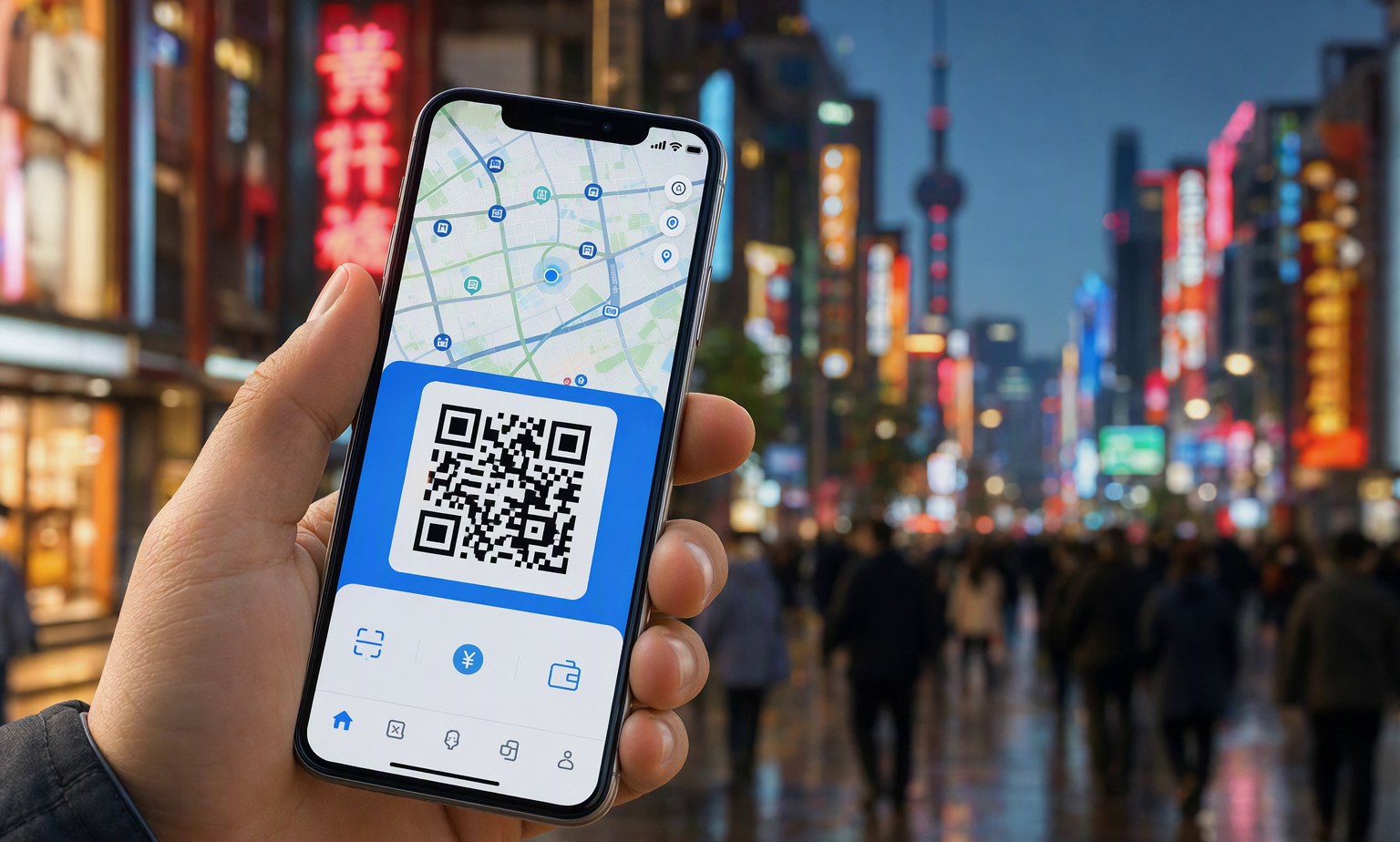
  • Download and register the China Immigration Service App (iOS/Android) 72 hours before departure. Upload your passport, photo, and flight details — you’ll receive a QR code valid for 7 days.
  • Carry a printed copy of your WingPhoenix AI trip plan — it includes hotel addresses, contact numbers, and daily routes, which immigration officers occasionally reference for legitimacy checks.
  • Use WingPhoenix’s AI trip planner to auto-generate compliant itineraries that align with visa-free time windows and accommodation requirements — especially helpful when juggling multi-city 240h routes (e.g., Shanghai → Hangzhou → Suzhou → Shanghai).
  • Avoid overstaying: The 240-hour clock starts at passport stamp time, not landing time. Arriving at PVG at 23:50 on Monday? Your deadline is 23:50 next Thursday — not Friday.

Remember: Visa-free ≠ unconditional access. Authorities retain the right to deny entry for inconsistent documentation, unclear purpose, or past immigration violations — even with full compliance. When in doubt, apply for an L visa. It’s faster, more flexible, and grants peace of mind across all 338 Chinese cities.

Planning your 2026 China trip? Let WingPhoenix’s AI trip planner build a compliant, personalized itinerary in under 90 seconds — complete with visa-aligned dates, verified hotels, and real-time transport options. Start planning now.

Posted on

Spring Festival Travel in China: What to Know & Where to Go (2026)

Spring Festival travel in China is one of the most rewarding — and logistically intense — ways to experience the country. Chinese New Year 2026 falls on February 17, with the official public holiday running roughly February 15–22 (subject to State Council confirmation). Plan for it and you get temple fairs, family reunion dinners, lantern displays, and a festive energy no other week matches. Wing it and you hit Chunyun — the world’s largest annual migration — with sold-out trains, closed local restaurants, and peak-season hotel rates. This guide tells you what to expect, which cities work brilliantly for a first-time visitor, which to avoid, and how to book before everything sells out.

When Is Chinese New Year 2026 and 2027?

Spring Festival follows the lunisolar calendar. Chinese New Year 2026 begins on Tuesday, February 17 (Year of the Horse), and the associated statutory holiday is typically a seven- to nine-day window closing mid-February. Chinese New Year 2027 begins on Saturday, February 6 (Year of the Goat). The festival ends fifteen days later with the Lantern Festival — around March 3 in 2026 — which is a lovely shoulder-week alternative if you want atmosphere without peak Chunyun crowds. Confirm exact holiday dates from official Chinese government sources about three months before travel, because adjustments are common.

How Chunyun Reshapes China Travel

Chunyun is the 40-day travel window that starts roughly 15 days before Chinese New Year’s Eve. Officially, several billion domestic trips happen during this period. In practice, high-speed rail and flights out of tier-one cities fill up the moment 12306 opens advance sales, and small factory towns in Guangdong and Zhejiang visibly empty out as workers head home. For a foreign visitor on a China travel plan, this means three rules: book intercity transport the second tickets open, expect flight prices to roughly double on peak departure days, and treat the actual three holiday days (Eve plus Day 1–2) as a slower, more local experience rather than a museum-hopping sprint.

Should You Visit China During Spring Festival?

Yes — with the right framing. You will love it if you want culture, food, and colour, and if you are flexible about which cities you visit. You will hate it if your China travel itinerary depends on spontaneous train changes or small independent restaurants. Below is an honest trade-off table.

Aspect During Chinese New Year Week Two Weeks Before / After
Atmosphere Peaks — lanterns, temple fairs, fireworks, red decorations Festive build-up or wind-down, still decorated
Major attractions Most open, some close early on Eve Normal hours, moderate crowds
Local restaurants Many family-run places shut for 1–2 weeks Open as usual
Trains and flights Sold out fast, peak pricing Easier, cheaper, still busy
Hotel rates Resort towns spike; business cities drop Mixed, closer to normal
Crowds at sites Domestic tourism surges — expect queues Noticeable but manageable

Best Cities for Spring Festival in China

Some cities lean into the holiday harder than others, and for first-time visitors these are the strongest choices for spring festival travel china itineraries.

Beijing is the classic pick: temple fairs at Ditan and Longtan, decorated hutongs, and quieter world-class museums because international visitors thin out. Hotel prices dip while business travel collapses.

Xi’an layers Tang-dynasty lantern displays over the Muslim Quarter and the ancient city wall. The Yongxingmen night market runs through most of the holiday.

Chengdu is warm, food-focused, and famously laid-back. Teahouses in People’s Park stay open, hotpot restaurants rotate shifts, and the Qingyang Palace flower fair draws locals rather than tourists.

Guilin and Yangshuo offer karst scenery and a milder climate than northern China; West Street in Yangshuo is used to foreign visitors and stays open. Hangzhou and Shanghai make a nice East China pairing — Shanghai’s Yu Garden lantern festival is photogenic and Hangzhou’s West Lake is quiet in the winter mist.

Where to Skip (or Save for Another Year)

Shenzhen, Guangzhou’s tech suburbs, and factory towns across the Pearl River Delta go almost silent for two weeks as workers return to Hunan, Sichuan, and Jiangxi. Harbin’s Ice and Snow Festival is spectacular but often runs into late February, straining transport on peak days. Tibet and Xinjiang require extra permits that become difficult while local offices close for the holiday, so plan those regions outside the Spring Festival window.

What’s Open and What’s Closed

National museums, UNESCO sites, and large attractions generally stay open, sometimes with reduced hours on Chinese New Year’s Eve and Day 1. Independent restaurants, tailor shops, and family-run guesthouses often close for three to fourteen days. Convenience chains, malls in tier-one cities, and hotel restaurants keep running. Metro systems stay on; long-distance buses thin out sharply. Confirm any small business one week ahead through WeChat or your hotel concierge.

Transport: Trains, Flights, and Private Drivers

Foreign passports can be registered on 12306 online, and high-speed rail remains the most comfortable option on major routes such as Beijing–Xi’an or Shanghai–Hangzhou. Tickets release 15 days ahead and disappear in minutes for peak dates; keep departure days flexible. Flights are more forgiving on availability but far pricier on the busiest routes. If your China travel itinerary covers rural Yunnan, Guizhou, or Anhui villages, a private driver is often worth it — you skip station crowds entirely. See our airport transfer guide for arrival logistics.

Money, SIM, and Practical Prep

Activate a working data plan the moment you land — our China travel eSIM covers the whole trip, and you will need mobile payment, translation, and ride-hailing apps within minutes of leaving the airport. ATMs work normally, but bank branches close, so cash out before Eve. WeChat Pay and Alipay now accept most foreign cards; link them before you fly.

What Does Spring Festival Travel Cost?

Festival weeks inflate flight and resort pricing while business-city hotels in Beijing, Shanghai, and Shenzhen actually dip because corporate travel stops. A realistic mid-range China trip cost for the holiday week is roughly the same as a normal week in tier-one cities and about 30–60% higher in resort areas such as Sanya or Lijiang. Use our China trip cost budget baseline as a starting point and confirm every price at checkout.

Cultural Etiquette and Things Not to Do

Learn two greetings: “Xin Nian Kuai Le” (Happy New Year) works anywhere; “Gong Xi Fa Cai” is the classic wealth-blessing phrase. Avoid scheduling difficult conversations on Day 1, and do not gift clocks or umbrellas. Photograph temple-fair performances from a respectful distance and ask before close-up portraits of vendors. If a Chinese friend invites you to family dinner, arrive with fruit, tea, or a small gift from home.

Sample 7-Day Spring Festival Itinerary

This route favours low-risk transport and predictable opening hours. Adjust it against our China travel planning framework before booking.

  • Days 1–3, Beijing: Forbidden City, Temple of Heaven, hutong walk, Ditan temple fair.
  • Day 4, Xi’an by high-speed rail: arrive midday; evening Muslim Quarter and city wall.
  • Day 5, Xi’an: Terracotta Warriors in the morning, Yongxingmen at night.
  • Day 6, Chengdu by flight: teahouse culture in People’s Park, hotpot dinner.
  • Day 7, Chengdu: Giant Panda Base early, Kuanzhai Xiangzi, evening departure.

Prefer not to self-plan? Our free trip planner and premium customization service specifically account for holiday-week closures.

Book Help or Browse Set Departures

Travellers who want zero logistical risk usually pick one of two paths. Multi-city China tours with a guide handle festival-date re-sequencing and lock private vehicles before public tickets sell out. Or browse the wider guides index and self-plan around the cities you care about.

FAQ

Is China open to tourists during Spring Festival?

Yes. China welcomes visitors year-round, and visa-exempt transit, visa-free entry for many passports, and standard tourist visas all continue during the holiday, though consular offices abroad and Chinese government offices abroad close for the same week — check current rules with official Chinese government sources before applying. Tourist attractions and hotels remain open; only small local businesses pause.

How many days should I allow for Spring Festival in China?

Four to seven days lets you experience the reunion dinner, the first three “big” days, and at least one temple fair or lantern festival without chasing trains. If you want to combine the holiday with regular sightseeing, arrive four or five days before Chinese New Year’s Eve and depart two or three days after Day 3 to avoid the sharpest transport peaks.

Do attractions close during Chinese New Year?

Major museums, UNESCO sites, and ticketed attractions stay open, though a few shorten hours on Chinese New Year’s Eve and Day 1. Small temples, local parks, and independently run shops are more likely to pause for three to fourteen days. Confirm opening hours directly with the venue or your hotel one week in advance.

Is it more expensive to travel in China during Spring Festival?

Transport is more expensive and hotels in resort towns are up by a noticeable margin. Business hotels in Beijing, Shanghai, and Shenzhen are often cheaper than normal because corporate bookings vanish. Overall, budget 15–30% more than the same length of trip in an average week, and lock prices early rather than waiting for last-minute deals that rarely appear during this window.

Can I travel with kids or as a solo female during Chinese New Year?

Yes, with sensible planning. Family groups actually find Spring Festival easier because Chinese hosts are warm and forgiving with children during the holiday. Solo female travellers typically feel very safe — one of the safest weeks to be out, in fact, because many local bars and clubs are closed. Read our broader safety guide for context on general China travel.

Posted on — Leave a comment

China Visa-Free Transit: 240-Hour Rules in 2026

What Is the 240-Hour Visa-Free Transit Policy?

Launched in 2019 and significantly expanded through 2025–2026, China’s 240-hour (10-day) visa-free transit policy allows citizens of 54 countries—including the U.S., U.K., Canada, Australia, Germany, France, Japan, South Korea, and all Schengen Area nations—to enter mainland China without a visa, provided they meet strict eligibility criteria. As of September 2026, the policy applies in 24 cities and provincial-level regions, including Beijing, Shanghai, Guangzhou, Chengdu, Xi’an, Hangzhou, Qingdao, Dalian, Xiamen, Wuhan, Kunming, Tianjin, Chongqing, Shenyang, Changchun, Harbin, Nanjing, Ningbo, Shenzhen, Zhuhai, Fuzhou, Xining, Urumqi, and Hohhot.

Who Qualifies—and Who Doesn’t?

Eligibility hinges on three non-negotiable conditions:

  • You must hold a valid passport from one of the 54 designated countries (check the latest list on the China Visa Application Service Center site);
  • You must be transiting through China en route to a third country or region (e.g., flying London → Shanghai → Tokyo qualifies; London → Shanghai → Beijing does not);
  • You must hold confirmed onward air, cruise, or train tickets departing within 240 hours (10 days) of entry—and your departure must originate from the same city or province where you entered (e.g., entering via Shanghai Pudong Airport means your exit flight must also depart from Shanghai).

Note: Dual nationals must use the passport of an eligible country for both entry and exit. Travelers from non-qualifying countries (e.g., India, Russia, Brazil, Mexico) remain ineligible—even with residence permits from qualifying nations. Also, Hong Kong SAR, Macau SAR, and Taiwan are considered separate jurisdictions under this rule: traveling from New York → Shanghai → Taipei does not satisfy the ‘third country’ requirement.

How to Apply & What Documents You’ll Need at Immigration

There is no pre-application—but preparation is critical. At immigration, present:

  • A passport valid for at least 3 months beyond your intended departure date;
  • Confirmed onward ticket (printed or digital, showing flight/train/cruise number, date, and destination);
  • Completed Entry/Exit Card (Form I-94 equivalent)—now fully digitized in most major airports, but keep a paper copy handy;
  • Proof of accommodation for your entire stay (hotel booking confirmation or invitation letter if staying with friends/family);
  • Return or onward boarding pass (if already checked in).

Immigration officers may ask about your itinerary, funds, or travel purpose—but tourism, short business meetings, and family visits are all permitted. No invitation letter or bank statement is mandatory unless requested. Processing typically takes under 15 minutes at dedicated 240h transit lanes in Beijing Capital, Shanghai Pudong, Guangzhou Baiyun, and Chengdu Tianfu airports.

Where You Can Go—and What You Can’t Do

Under the 240h policy, you’re permitted to travel freely within the administrative boundaries of the city or province where you entered. For example:

Entry Point Permitted Area Key Cities Included Not Permitted
Shanghai Pudong Airport Entire Shanghai Municipality Shanghai, Zhujiajiao, Songjiang Suzhou (Jiangsu), Hangzhou (Zhejiang)
Guangzhou Baiyun Airport Guangdong Province Guangzhou, Shenzhen, Zhuhai, Foshan Hong Kong (requires separate entry permit)
Xi’an Xianyang Airport Shaanxi Province Xi’an, Tongchuan, Baoji Lanzhou (Gansu), Chengdu (Sichuan)
Chengdu Tianfu Airport Sichuan Province Chengdu, Leshan, Mianyang Kunming (Yunnan), Chongqing (municipality, not Sichuan)

You cannot cross provincial borders—even by high-speed rail—without a valid Chinese visa. Attempting to do so may result in denied boarding or on-the-spot fines. Also prohibited: employment, formal study, journalism, or long-term residency applications. All other tourist activities—including shopping, dining, sightseeing, and cultural workshops—are fully allowed.

Pro Tips for a Smooth 240h Transit Experience

1. Book flights with buffer time. Allow at least 4 hours between arrival and onward departure check-in—not just flight time. Delays happen; missing your outbound flight voids your 240h status and triggers overstay penalties.

2. Print everything. While many airports scan QR codes, older terminals (e.g., Urumqi Diwopu, Xining Caojiapu) still require physical copies of tickets, hotel bookings, and passports with entry stamps.

3. Use WingPhoenix’s AI trip planning tool before you go. Input your entry city, dates, and interests to auto-generate a realistic 2–5 day itinerary—including metro routes, opening hours, crowd forecasts, and real-time eSIM activation tips. It’s especially helpful for first-timers navigating Shanghai’s metro or Xi’an’s ancient walls without language barriers.

4. Leverage local transport smartly. In Beijing and Shanghai, use Metro + Alipay Tourist Pass (pre-loaded with ¥100) for seamless transfers. In Guangzhou and Chengdu, Didi International app works reliably with English UI and credit card payments. Avoid unlicensed taxis outside airports.

5. Know your limits on extensions. The 240h period cannot be extended, even for medical emergencies. If you fall ill, contact your embassy and apply for a temporary stay permit at the local Public Security Bureau Exit-Entry Administration—this requires documentation and may take 3+ working days.

When the 240h Policy Isn’t Right for You

If your plans involve multiple provinces (e.g., Beijing → Xi’an → Chengdu), require stays longer than 10 days, or include work-related activities, a standard L (tourist) visa remains your best option. Processing times average 4–7 working days at Chinese consulates abroad—or 2–3 days via expedited service. Note: As of July 2026, U.S. citizens applying in the U.S. can now submit digitally via Visa for China Online, with biometrics waived for applicants under 14 or over 70.

For complex multi-city itineraries, WingPhoenix’s AI trip planning helps map visa-compatible routes, flag transit risks, and generate compliant documents—all in one place. Whether you’re squeezing in the Terracotta Warriors during a layover or turning a 9-day transit into a curated Silk Road preview, our tools align with 2026’s latest entry rules.

Ready to plan your visa-free China stopover? Start building your 240h itinerary now.

Posted on — Leave a comment

China Visa Requirements 2026: What’s New & How to Apply

What’s Changed in China Visa Rules for 2026

As of 2026, China has expanded its visa-free transit policy to cover 54 countries — including the U.S., UK, Canada, Australia, most EU states, Japan, South Korea, Singapore, and New Zealand — under the 240-hour (10-day) visa-free transit scheme. This remains unchanged from 2025 but is now more widely implemented across 27 eligible cities, including Chengdu, Xi’an, Qingdao, Dalian, Xiamen, and Hangzhou — not just Beijing, Shanghai, and Guangzhou. Crucially, travelers must hold confirmed onward tickets departing China within 240 hours *and* enter/exit via designated airports or ports (e.g., Shanghai Pudong, Chengdu Tianfu, Xi’an Xianyang). Land border crossings (e.g., Hong Kong–Shenzhen or Mongolia–Erenhot) do not qualify. Also new in 2026: the Ministry of Foreign Affairs now accepts digital passport-style photos uploaded directly via the online visa application portal — no more physical photo submission required.

Which Visa Type Do You Need?

Most short-term foreign tourists require either an L (tourist) visa or qualify for visa-free transit. Here’s how to decide:

  • L Visa: Required for stays >240 hours, group-independent travel, land entry, or if your nationality isn’t covered by the transit list (e.g., India, Brazil, Russia).
  • 240-Hour Visa-Free Transit: Valid only if you arrive by air or sea at one of the 27 designated ports, stay within the administrative boundaries of that city (or approved adjacent provinces, e.g., Shanghai + Jiangsu/Zhejiang), and depart within 240 hours.
  • M Visa (Business): Acceptable for tourism if accompanied by a formal invitation letter from a Chinese company — but processing takes longer and is less flexible than L.
  • Q2 Visa (Family Visit): For visiting relatives in China; requires notarized invitation and proof of relationship — not recommended for general tourism.

Note: The 144-hour transit policy (introduced in 2013) has been fully superseded by the 240-hour version as of January 2026 and is no longer issued.

Step-by-Step Application Guide for L Visa (2026)

If you need an L visa, follow this verified process (average processing time: 4–7 business days, expedited options available):

  1. Check eligibility & document checklist: Valid passport (6+ months validity), completed online form (via cova.mfa.gov.cn), one digital photo (48×33 mm, white background, no glasses/headwear unless religious), round-trip flight itinerary, hotel bookings covering entire stay, and bank statements showing ≥USD $3,000 or equivalent (or sponsorship letter if applicable).
  2. Book appointment: Use the official China Visa Application Service Center (CVASC) portal (visaforchina.cn) — select your nearest center (e.g., London, New York, Sydney, Frankfurt). Appointments fill fast; book 10–14 days ahead.
  3. Submit in person or via authorized agent: Biometrics (fingerprints + photo) are mandatory for first-time applicants aged 14–70. Minors under 14 and seniors over 70 may be exempted with supporting documents.
  4. Track & collect: Use your CVASC reference number. Most centers offer courier return (fee: ~USD $25–$40).

Pro tip: Apply at least 3 weeks before departure. Some nationalities (e.g., U.S. citizens) may receive single-entry L visas valid for 3 months from issue date — meaning your trip must start within that window.

240-Hour Visa-Free Transit: Real-World Scenarios

Understanding where and how this works prevents denied boarding or airport detention. Below is a practical breakdown:

Scenario Eligible? Key Conditions
Fly LAX → Shanghai Pudong → Tokyo (72h later) ✅ Yes Must stay in Shanghai or travel to Jiangsu/Zhejiang; exit via air/sea from same or adjacent port (e.g., fly out from Hangzhou Xiaoshan)
Fly Paris → Chengdu → Kathmandu (192h later) ✅ Yes Chengdu Tianfu Airport is eligible; Kathmandu is a third country — acceptable
Fly NYC → Shenzhen (via HK MTR) → Bangkok ❌ No Entry via land border (Lo Wu/Lok Ma Chau) invalidates 240h exemption
Fly Dubai → Guangzhou → Ho Chi Minh City (264h later) ❌ No Exceeds 240-hour limit — even by 24 hours — disqualifies automatic entry
Fly Berlin → Beijing → Seoul (216h later) + day trip to Tianjin ✅ Yes Tianjin is within the Beijing-Tianjin-Hebei coordinated zone — permitted under 240h rules

Remember: Immigration officers at Chinese airports have final discretion. Carry printed copies of your onward ticket, accommodation confirmation, and travel insurance — even if not requested. WingPhoenix’s AI trip planning tool helps auto-generate compliant itineraries that align with 240h constraints, flagging potential timing or zoning risks before you book.

Common Pitfalls & How to Avoid Them

Over 12% of visa applications are delayed or rejected due to avoidable errors. Here’s what to watch for in 2026:

  • Photo mismatch: CVASC’s AI photo validator now rejects images with shadows, tilted heads, or JPEG compression artifacts — use their free online preview tool before uploading.
  • Itinerary inconsistencies: Your flight dates must exactly match your stated duration of stay. Saying “7 days” but booking flights 10 days apart triggers manual review.
  • Hotel bookings without address: Generic reservations (e.g., “Booking.com confirmation”) without full street address and registration number are routinely challenged. Use hotels registered with China’s Public Security Bureau (PSB) — WingPhoenix’s partner accommodations always comply.
  • Expired or incomplete insurance: While not mandatory, insurers like Allianz and World Nomads now issue China-specific policies with PSB-recognized emergency assistance numbers — highly recommended for smooth entry.

Finally, note that visa issuance does not guarantee entry. Customs and Border Protection (CBP) officers may ask for additional proof of funds, return intent, or itinerary clarity — especially for solo female travelers or those under 25. Keep your WingPhoenix AI-generated itinerary PDF on hand: it includes timestamps, transport modes, and contact details for every booked service — making verification instant.

Final Tips Before You Go

• Double-check your passport’s expiration date — it must extend at least six months beyond your planned departure from China.
• If applying for visa-free transit, print two copies of your onward boarding pass — digital versions are often insufficient at immigration kiosks.
• Download the official China Immigration Service app (iOS/Android) to pre-register your passport and receive real-time status updates.
• Save the 24-hour helpline for foreign nationals: +86-12367 (English support available 24/7).
• Remember: Visa-free transit does not permit work, study, or long-term residence — any violation carries fines and future entry bans.

Whether you’re qualifying for seamless 240-hour transit or navigating L visa logistics, smart preparation saves stress and keeps your China journey on track. For personalized, regulation-compliant route planning — including automatic 240h compliance checks, eSIM activation reminders, and charter car coordination — try WingPhoenix’s AI trip planner today.

Start building your 2026 China itinerary now →

Posted on — Leave a comment

China Travel Itinerary 2026: Build Your Perfect Route

A China travel itinerary is a day-by-day route that links cities, sights, transport, and hotels into a plan that actually fits your time and pace. For first-time visitors, the most reliable templates are 7 days (Beijing plus one Great Wall section, then Xi’an), 10 days (Beijing–Xi’an–Shanghai, the “classic golden triangle”), or 14 days (that triangle plus Chengdu, Guilin, or Zhangjiajie). Build yours by picking one anchor city, adding geographically compatible branches, and letting high-speed rail connect stops under 900 km. This guide walks through the four proven routes, the day-count math, and the specific sequencing choices that turn a list of sights into a smooth China travel itinerary in 2026. If you want a ready-made skeleton, start from our trip planner and edit.

How to Build a China Travel Itinerary Step by Step

Every good China travel itinerary solves the same five problems in the same order: how long the trip is, which city anchors it, which branches pair geographically, which transport connects them, and which sights genuinely need a booking versus a walk-up. Skipping any one of these is why so many first itineraries fall apart on the ground. Work through them in order before committing to flights.

  1. Fix your arrival and departure cities and how many nights you have.
  2. Choose one anchor (Beijing, Shanghai, Chengdu, or Guangzhou/Shenzhen) as your base.
  3. Add two or three branch cities within 4–7 rail hours of each other.
  4. Sequence days so you always finish the trip at an international gateway.
  5. Reserve the tickets that genuinely have quotas; leave the rest open.

The Classic 10-Day Golden Triangle

Beijing (3 nights) → Xi’an (2 nights) → Shanghai (4 nights), connected by high-speed rail, is the default first-time China travel itinerary for good reason. Every leg is under six hours on a G-train, every city has international airport access, and the sight set covers imperial history (Forbidden City, hutongs), ancient military history (Terracotta Warriors, city wall), and modern China (the Bund, Pudong, French Concession). Add one day trip—Mutianyu or Jinshanling for the Great Wall, Zhujiajiao for water towns—and you have a genuinely full itinerary without sprinting. Detailed daily plans live in the guide library.

The 7-Day Short Break

One week is tight but workable if you compress to two cities instead of three. Beijing (4 nights, including one Great Wall day) plus Shanghai (2 nights, one travel morning by rail) fits cleanly. The alternative pairing—Shanghai (3 nights) plus either Hangzhou or Suzhou (2 nights), with a day each for the water town—works if you want scenic calm over monumental history. Skip Xi’an in a 7-day trip; the 6-hour rail from Beijing or Shanghai eats too much of your budget of days.

The 14-Day First-Visit Expanded Route

Two weeks lets you keep the golden triangle and add one region that matches your interest: Chengdu (4 extra days including pandas and a Dujiangyan or Leshan day trip), Guilin & Yangshuo (3 extra days of karst rivers and rural walks), Zhangjiajie (3 extra days of Avatar-mountains hiking), or Huangshan (3 extra days of mountain villages and tea). Fly the added region as an open-jaw route so you do not double back through Shanghai or Beijing. If you have exactly 12 days, do the golden triangle plus a shortened Chengdu leg with one panda morning, and skip the mountain detour.

Regional China Travel Itineraries (Single-City Depth)

Instead of a triangle, some travelers prefer one region explored properly. Three regional routes work especially well: Yunnan (Kunming → Dali → Lijiang → Shangri-La, ~10 days), Sichuan & Chongqing (panda base, Leshan Buddha, Jiuzhaigou, Chongqing hotpot, ~9 days), and Jiangnan (Shanghai → Suzhou → Hangzhou → Nanjing, ~7 days). These quieter routes reward slower pacing and are the right call for repeat visitors or travelers who hate long inter-city transit.

Transport: How Each Leg Changes the Route

Route Pattern Best Transport Door-to-Door Time Why It Shapes the Itinerary
Beijing ⇄ Shanghai High-speed rail (G) ~5.5 hrs Cheaper and simpler than flying; saves hotel night vs. an evening flight
Beijing ⇄ Xi’an High-speed rail ~5 hrs Fly only when you want to keep an extra night in Beijing
Shanghai ⇄ Chengdu Flight ~3.5 hrs Rail is 12+ hours; flying keeps the route realistic in 14 days
Xi’an ⇄ Guilin Flight ~2.5 hrs No fast direct rail; flying lets you keep the karst week in a 14-day plan
Mountain regions Private driver Varies Rail ends at the base city; hire a car for Huangshan villages, Yunnan loop, Jiuzhaigou; see charter travel

Sample Day-by-Day: 10-Day Golden Triangle

Day 1 arrive Beijing, hutong walk near your hotel. Day 2 Forbidden City + Jingshan + Beihai, evening Peking duck. Day 3 one Great Wall section (Mutianyu or Jinshanling), Temple of Heaven at dusk. Day 4 Summer Palace + Lama Temple, evening rail to Xi’an. Day 5 Terracotta Warriors + Huaqing Springs. Day 6 Muslim Quarter breakfast, bike the city wall, evening rail to Shanghai. Day 7 Shanghai Museum + Nanjing Road + the Bund at night. Day 8 French Concession walk + Yu Garden + Tianzifang. Day 9 day trip to Suzhou or Zhujiajiao. Day 10 Pudong Lujiazui + depart. Adapt freely—this is a scaffold, not a script.

Sequencing Rules That Save Real Time

  • Always open and close your China travel itinerary at an international gateway (Beijing, Shanghai, Guangzhou, Chengdu, or Xi’an) so you can fly out on time.
  • Order cities roughly north→south or west→east, never zig-zag; a Beijing–Shanghai–Xi’an–Shanghai route wastes a full day backtracking.
  • Spend two nights minimum in any city with more than three must-see sights; single nights force you into rush mode.
  • Place a mountain or hiking day early in the trip while legs are fresh, not the night before your flight home.
  • Save one buffer half-day per five travel days for weather, missed trains, or a museum you want to revisit.

Adjusting the Route for Your Interests

Kids and grandparents: drop the fastest-paced cities, extend Beijing or Shanghai, add a Chengdu panda morning. History buff: Beijing → Xi’an → Luoyang → Kaifeng, skipping Shanghai. Nature first: Guilin → Yangshuo → Zhangjiajie with a rail exit. Food-led: Guangzhou → Shunde → Chengdu → Chongqing. Modern China: Shanghai → Shenzhen → Guangzhou → Hong Kong (a different entry category). Each variant swaps sights and hotels without breaking the underlying itinerary logic.

Common Itinerary Mistakes to Avoid

  • Beijing and Shanghai in three days each plus a mountain detour. You will spend more time packing than sightseeing.
  • Zig-zag city order. Route planning beats a hotel-star list—plot on a map before you book.
  • All sightseeing, no slack. A China travel itinerary with no unstructured hour or two in each city is fragile to weather, queues, and jet lag.
  • Booking a mountain resort as your last stop. Missed rain or fog leaves no backup day before your flight.
  • Ignores Chinese holidays. Even a well-built route falls apart if you arrive at the Forbidden City on the first Friday of National Day week.

Self-Guided, Group Tour, or Fully Custom

Self-guided gives the cheapest headline number and total flexibility but puts every booking on you. Fixed-departure China tours lock in hotels, inter-city tickets, and guides at a transparent per-person rate—ideal if it is your first Asia trip or you travel with parents. Premium customization keeps a private guide and driver but lets you set the route. Most visitors land in the middle: a self-guided skeleton in the big cities, a couple of chartered driver days in mountain or rural legs.

Cost and Booking Windows

Ground costs in China vary by city tier, hotel grade, and season, so plan in bands—hostel-and-local-food at the low end, four-star business hotels with occasional chartered days in the middle, five-star and private-driver travel at the top. International flights often exceed a week’s ground cost, so plan them together with the itinerary; typical ranges shift seasonally—confirm exact prices at booking on our cost page. Trains open sales about 15 days out, peak-season hotels 60–90 days out, and attractions with real-name quotas (Forbidden City, Potala Palace) 1–7 days out.

Pre-Trip Setup: Data, Payments, Apps

Fix three operational pieces before you fly so the itinerary works on the ground. Mobile data: activate a China travel eSIM so maps, translation, and payment apps come online the moment you land. Payments: WeChat Pay and Alipay both accept international cards for most merchants, but carry renminbi cash for rural stops. Apps: pre-install Amap or Baidu Maps, Trip.com for trains and hotels, and DiDi for last-mile rides. Do this a week before departure, not the night before.

FAQ

What is the best China travel itinerary for 10 days?

Beijing (3 nights, including a Great Wall day), Xi’an (2 nights for Terracotta Warriors and the city wall), then Shanghai (4 nights including a Suzhou or water-town day trip). The legs are all high-speed rail under six hours, all three cities have international flights, and the route covers history, culture, and modern China without zig-zagging.

How many cities should I visit in a two-week trip?

Three to five is the realistic range. Fewer than three under-uses your arrival week; more than five means every day ends with a hotel change and a train station. A great two-week plan is the golden triangle plus Chengdu, or the triangle plus a scenic Yunnan loop.

Should I include Hong Kong or Macau in a China travel itinerary?

Only if you already plan enough time. Hong Kong and Macau have separate entry rules and a full airport transfer day each way. Adding them to a 10-day mainland itinerary usually steals two days from sights without adding much variety. In a 14-day plan, a Hong Kong stop before or after works well.

Do I need to plan every day of the itinerary?

No. Plan the transport, first-night hotels, and one or two anchor sights per city; leave the rest flexible. Over-planned itineraries collapse the first time it rains, a train is delayed, or you find a neighborhood you actually want to linger in.

How do I combine this with a private driver?

Use a private driver where the rail map ends—Huangshan villages, the Yunnan loop, Jiuzhaigou from Chengdu, wine regions around Beijing. In megacities, metro plus DiDi is faster and cheaper. Chartered cars usually quote a fixed daily rate plus fuel and parking; confirm exact prices when booking.

Posted on — Leave a comment

China Travel Planning: The Complete 2026 Framework

China travel planning is the process of turning a long list of sights into a realistic route, budget, and booking timeline for a trip to mainland China. For most first-time visitors, a well-planned trip follows five steps: choose a season and trip length, pick one anchor city plus two or three regions, connect them with high-speed rail, arrange a mobile data plan and airport transfers before you fly, and reserve peak-season tickets (Forbidden City, Terracotta Warriors, Zhangjiajie) 1–7 days ahead through official channels. A 10-day first trip usually covers Beijing, Xi’an, and Shanghai; a two-week trip adds Chengdu or Guilin. This is the exact framework we use with clients of our trip planner.

Step 1 — Pick Your Travel Window and Trip Length

China is huge: the same calendar week can mean plum-blossom chill in Harbin, mild spring in Hangzhou, and pre-monsoon humidity in Sanya. Start by choosing when you can realistically travel, then let that decide the route. Shoulder seasons (mid-April to early June, September to mid-November) offer the best mix of weather, low domestic-holiday crowding, and reasonable hotel rates. Two windows deserve extra caution: Chinese New Year (late January to mid-February) and National Day Golden Week (around October 1), both of which trigger the world’s largest domestic migrations. Trip length matters more than travelers expect: six days feels rushed on the classic Beijing–Xi’an–Shanghai line; ten days is comfortable; two weeks unlocks a second region. Browse our city-by-city guides for sample day-by-day routes.

Step 2 — Confirm Visa, Entry, and Transit Rules Early

Before you book flights, confirm what applies to your passport. As of this writing, mainland China offers visa-free short stays for citizens of dozens of countries, plus a transit-without-visa policy covering many major gateway cities. Eligible nationalities, permitted regions, and stay length change; verify current requirements with the National Immigration Administration or the nearest Chinese embassy before you commit. Our detailed post on China visa rules covers the standard tourist (L) visa and the paperwork most travelers actually file. If you are transiting between international flights, research visa-free transit rules before leaving home—airlines may deny boarding if your documents do not match their reading of the policy.

Step 3 — Choose an Anchor City, Then Build Outward

Do not spread a short trip across five cities. Pick one anchor—Beijing in the north, Shanghai in the east, Chengdu in the west, Guangzhou or Shenzhen in the south—and treat other stops as branches. Anchors share four advantages: more direct international flights, denser metro and rail networks, English-friendly hotels, and enough museums, food halls, and parks to justify two full days even if onward plans shift. Add branches that pair well geographically: Beijing with Datong, Pingyao, or Harbin; Shanghai with Suzhou, Hangzhou, or Huangshan; Xi’an with Chengdu, Guilin, or Zhangjiajie. Linking Beijing, Shanghai, Guilin, Chengdu, and Xi’an in eight days wastes half the trip in transit.

Step 4 — Compare Transport Options for Each Leg

China’s high-speed rail handles most 300–900 km hops faster than flying once you include airport security and check-in. Long legs (Beijing to Guilin, Shanghai to Chengdu) still favor planes. Metro plus DiDi covers the last mile in every major city. Private drivers fill the gap where rail does not reach—remote villages around Huangshan, the Dali–Lijiang loop, or wine regions near Beijing; see charter travel options. For the final leg from any big airport, review China airport transfers.

Mode Best For Booking Lead Time Notes for Foreigners
High-speed rail (G/D trains) 300–900 km inter-city hops ~15 days (12306 opens sales) Passport required for ticket pickup; see our metro and subway guide for city-rail tips
Domestic flight Long legs over 1,200 km or tight connections 4–8 weeks Second ID sometimes required at security; arrive 2 hrs early
Overnight sleeper train Scenic slow routes or saving a hotel night 15 days Soft-sleeper cabins in pairs or fours; not on every route
Metro + DiDi Within-city travel in tier-1/2 cities None DiDi has English app; some cards declined—test before you need it
Private driver / chartered van Mountain areas, multi-stop days, family groups 1–4 weeks Typically a fixed daily rate plus fuel and parking

Step 5 — Book Accommodation Around Metro Stations

Hotel quality per yuan in China runs ahead of comparable Western rates, but the daily cost of a bad location compounds on every trip. Prioritise hotels within a five-minute walk of a metro station on a line that reaches your main sights, not near a nominal “city centre” that is really an old administrative district. Business-tier chains (Ji Hotel, Atour, Crystal Orange, Hyatt Place, Holiday Inn Express) deliver consistent quality and English-speaking front desks at typical three- to four-star rates; confirm current rates when you book. Independent boutique hotels can be charming but may not register foreign guests—a legal requirement you cannot work around at midnight.

Step 6 — Solve Data, Payment, and Apps Before You Fly

Three things shape daily China travel more than any museum ticket: mobile data, payment, and pre-installed apps.

  • Data. A China travel eSIM that routes through a local carrier is the easiest option; activate before you land. Physical SIMs at arrival halls require passport checks.
  • Payment. WeChat Pay and Alipay dominate. Both now support international cards for most purchases, though some merchants still cannot accept them. Keep a small renminbi cash reserve for temples, wet markets, and rural taxis.
  • Apps. Install Amap or Baidu Maps (Google Maps is degraded on the mainland), Trip.com for trains and hotels, a translation app with offline packs, and DiDi for ride-hailing.

Step 7 — Reserve Peak-Demand Tickets, Not Everything

Do not pre-book every museum weeks ahead. Reserve only high-demand, low-capacity sites where the ticket is genuinely scarce: the Forbidden City (real-name tickets sell out quickly in peak season), the Potala Palace in Lhasa (regulated daily quota), and any date-sensitive performance in Beijing or Shanghai. Most other museums accept walk-up purchases with your passport. Our Beijing attractions guide and Great Wall guide spell out what to book and what to leave open.

Step 8 — Decide: Self-Guided, Package, or Fully Custom

Three planning models work for most visitors. Self-guided gives maximum flexibility and the lowest headline cost, but you own every booking, transfer, and language gap. Fixed-destination China tours handle hotels, inter-city tickets, guides, and most entrances at a transparent per-person rate—convenient for first-timers, families with kids, or older travelers. Premium customization sits in between: private guide and driver, route designed around your interests. The right model depends on trip length, group composition, and how much operational load you want to carry.

What to Budget: Typical Cost Ranges

Costs vary widely by city tier, season, and hotel grade. Rather than pin a single number, plan in bands: hostels and local food at the low end; four-star business hotels mixing rail with a few chartered days in the middle; five-star hotels, private drivers, and domestic flights at the top. International flights from your home country often exceed a week’s ground cost, so plan both together. See our breakdown of China trip cost for realistic per-day bands.

A Nine-Day Framework You Can Adapt

For a first trip in spring or autumn, a common framework is: three days in Beijing (Forbidden City, one Great Wall section, hutong food walk), two days in Xi’an (Terracotta Warriors, city wall, Muslim Quarter), one rail day to Shanghai, two days in Shanghai (French Concession, museums, one Suzhou or Zhujiajiao side trip), one flex day. Swap Xi’an for Chengdu if pandas and Sichuan cuisine matter more than ancient capitals; swap the Suzhou day for Hangzhou if you prefer lakes and tea. Browse Guilin & Yangshuo or Zhangjiajie to add a southern scenery week.

Common China Travel Planning Mistakes

  • Too many cities, too few nights. Three days in each of five cities is exhausting and expensive; fewer bases with more nights.
  • Ignoring domestic holidays. Any trip overlapping National Day or Chinese New Year will feel the crush even at remote sites.
  • No backup data plan. A dead phone in China means no maps, no translation, no payment—download offline packs before you leave.
  • Booking hotels that cannot register foreigners. Small guesthouses sometimes cannot; check before you pay.

Pre-Flight Checklist

  1. Passport valid six months after your return date.
  2. Visa or visa-free route confirmed with an official source for your nationality.
  3. Anchor city chosen, peak-holiday windows avoided or planned for.
  4. Peak-demand tickets (Forbidden City, Potala, one Great Wall section) reserved.
  5. eSIM, offline translation, and payment methods tested before departure.
  6. First-night hotel booked near a metro station and confirmed for foreign-guest registration.
  7. Backup indoor day plan for weather-sensitive sights.

FAQ

How many days do I need for a first trip to China?

Ten days is the sweet spot for Beijing, Xi’an, and Shanghai without exhaustion. Seven days still works if you focus on two cities. Two weeks lets you add Chengdu, Guilin, or a Yellow Mountain day.

When should I start China travel planning?

Nine to twelve months out gives the widest flight options and lets you lock peak-season hotel rates. Six months is comfortable for shoulder season. Under three months is workable, but you will pay more for flights and see fewer good hotel choices if your dates overlap Chinese holidays.

Is China hard to plan without a local agent?

Not for a first big-city trip—trains, hotels, and payment apps support English, and most major attractions publish clear ticket rules. Adding rural regions, tight rail connections, or multi-generation family logistics is where a good planning tool or a custom itinerary service starts paying for itself.

Do I need to book every train and hotel in advance?

No. Book trains that cross peak-holiday or weekend dates and long overnight routes. Reserve hotels for your first two nights in each city so you land with a bed; leave a few nights flexible. Popular sites with real quotas—the Forbidden City and Potala Palace—do need careful planning.

How is China travel planning different from Europe or Japan?

Three practical differences: distances are larger (inter-city legs are often 1,000 km), the payment and app ecosystem is different from the West, and foreign passport holders face extra registration steps for hotels and trains. Otherwise itinerary pacing and transport planning work on the same principles as any other long-haul trip.

Posted on — Leave a comment

Guilin vs Yangshuo: Which Base to Stay In

If you can only pick one base in Guangxi, choose Yangshuo. The tower karst, cycling routes, bamboo rafting, climbing schools and nightlife cluster around the West Street core, and riverside guesthouses put you inside the postcard views rather than commuting to them. Keep Guilin for one arrival night, a stopover near the airport or train station, or a day trip to Longji Rice Terraces. The Guilin vs Yangshuo question is not which is “better” but which fits your route, tolerance for tour-bus crowds and appetite for outdoor activity.

Quick Verdict by Traveler Type

Solo backpackers, couples and photographers should stay in Yangshuo. Families usually want one night in Guilin for the easier airport connection, then Yangshuo for the rest. Senior travelers who prefer elevator hotels and reliable English at reception feel more at home in Guilin, using day trips to reach the karst. If you are combining Guangxi with a wider China travel itinerary, three nights in Yangshuo with one arrival night in Guilin is the standard split. Map it against your arrival city using our trip planner.

Guilin vs Yangshuo at a Glance

Factor Guilin Yangshuo
Vibe Regional city, practical Tourism town, walkable core
Scenery Karst needs a drive Karst surrounds the town
Airport Directly served ~90 min road transfer
Rail Guilin West HS hub Yangshuo Station 30 km out
Best activity Longji day trip, caves Rafting, cycling, climbing
Nightlife Quiet local bars West Street, live music
Lodging Business chains Boutique guesthouses, villas
Best for Stopover, family comfort Photography, slow travel

Getting Between the Two

The distance is roughly 65 km; the drive is 80-90 minutes on the expressway. Public coaches depart Guilin’s main bus station frequently but drop at Yangshuo county station, a short tuk-tuk from West Street. High-speed trains link Guilin West to Yangshuo Station in about 25 minutes, though Yangshuo Station still needs a 30-minute ground transfer. The Li River cruise itself functions as one-way transport. Late-night arrivals are easier with a pre-booked private driver than a taxi negotiation. Fares vary seasonally; treat them as a typical range and confirm at booking.

Why Choose Guilin as Your Base

Guilin earns its keep as a gateway. Flights from Shanghai, Guangzhou, Chengdu, Xi’an and Beijing land here, and the city has more four- and five-star chains than Yangshuo does boutique properties. The town hosts Elephant Trunk Hill, Reed Flute Cave and the Two Rivers and Four Lakes night cruise, all reachable in half-day slots. Longji Rice Terraces, the most photogenic day trip in Guangxi, sit two hours north of Guilin but three-plus from Yangshuo, which tilts the split toward a Guilin overnight if Longji is on your list.

Why Choose Yangshuo as Your Base

Yangshuo is where most people’s mental image of Guangxi lives. Karst peaks rise in clusters around the Liu River, paddy fields fill the gaps, and you can walk out of your guesthouse into that scene. Activities concentrate fast: Xingping rafting is 30 minutes away, the Ten-Mile Gallery cycling loop starts at town’s edge, Moon Hill is a short climb, and climbing schools run routes at every grade. West Street brings Western food, live music and English menus after dark.

How Many Days to Split

Four nights is the sweet spot inside a broader China trip: one in Guilin, three in Yangshuo. Extend to six by adding two nights at a Yangshuo riverside guesthouse or Xingping so mornings and evenings are yours rather than the cruise crowd. If you only have three nights, skip Guilin entirely and transfer straight from the airport to Yangshuo. Add a Longji overnight only if sunrise over the terraces matters enough to justify three to four hours of road each way.

Where to Stay in Each Town

In Guilin, pick a hotel on the west bank of the Li River near Renmin Road; you can walk to the night market and catch an early airport van. In Yangshuo, choose your micro-area: West Street is loud and walkable, the Liu River banks are quieter with pool villas and mountain views, and Xingping is deep countryside for photographers. Room quality varies widely, so see actual photos before booking via our custom trip desk.

Li River Cruise: Transfer or Day Trip

The four-hour cruise from Mopanshan Pier to Puxian Dock links Guilin and Yangshuo in one scenic segment. Boats range from larger three-deck ferries to smaller craft, but they run the same channel, so scenery depends more on water level and weather than ticket class. If you skip the full cruise, the Xingping bamboo raft covers the 20-yuan banknote stretch at a lower, stop-friendly vantage. Sailing status shifts with rain; confirm with your operator the day before.

Xingping, Ten-Mile Gallery and Side Trips

Xingping village, 45 minutes north, rewards an early climb of Laozhai Hill and a slow riverside lunch. The Ten-Mile Gallery east of Yangshuo chains West Ferry, Daxu Village, Big Bamboo Sea and Moon Hill into a single e-bike day. Pairing Guangxi with Zhangjiajie works well for tower-carst lovers; add the glass bridge guide if you also go there.

Food, Nightlife and Daily Cost

Guilin rice-noodle soup is the region’s standard breakfast, but Yangshuo is where the Western-food scene lives: pizza, bagels, craft beer and reliable coffee cluster around West Street. Guilin has more local-only menus and quieter evenings. Per-meal prices in both towns sit near mainland Chinese city averages; tourist-zone figures shift seasonally, so treat published numbers as a range and confirm when ordering.

Season and Weather Notes

April to early June brings high humidity and rain that can cancel rafting at short notice. July to September is hot with occasional typhoon-influenced storms. October and November offer the clearest light. December to February is cool, sometimes gray. Golden Week and May Day overwhelm both towns with domestic crowds. Entry rules for short-stay China travel shift; check the latest 240-hour transit note and National Immigration Administration releases rather than third-party summaries.

Which Base Fits Your Trip Style

Families: one Guilin night, then Yangshuo with a private driver instead of coaches and car seats. Couples: skip Guilin and go straight to a riverside guesthouse. Solo photographers: two nights in Xingping, two in Yangshuo. Older travelers: a Guilin-chain hotel plus a serviced Yangshuo apartment. First-timers combining Guangxi with classic China tour cities like Xi’an or the Terracotta Warriors: one Guilin night, three Yangshuo, fly out of Guilin.

Sample Four-Day Itinerary

Day 1: Arrive Guilin midday, hotel near Two Rivers and Four Lakes, evening river light cruise. Day 2: Morning at Reed Flute Cave or Elephant Trunk Hill, private transfer to Yangshuo after lunch, West Street for dinner. Day 3: Sunrise bamboo raft and 20-yuan viewpoint at Xingping, afternoon Ten-Mile Gallery cycling. Day 4: Free morning for a cooking class or climbing lesson, transfer to Guilin airport or Guilin West for the onward leg. Broader templates are in our Guangxi guides library.

Common Mistakes to Avoid

Do not book two Guilin nights and one Yangshuo night; end the trip in the more scenic town. Do not treat the Li River cruise and Xingping raft as interchangeable. Do not drive into West Street’s core; e-bikes and walking are faster. Plan offline maps and a working China eSIM before you land. Confirm raft and cruise departure times the night before, especially after heavy rain.

FAQ

Is Yangshuo worth visiting over Guilin?

For most travelers, yes. Yangshuo is smaller, more scenic on foot or by bike, and closer to the karst that defines the region. Guilin is best used as a transport hub or a single-night stopover.

How far is Guilin from Yangshuo and how long is the transfer?

About 65 kilometers. A private car is 80 to 90 minutes, a high-speed train between Guilin West and Yangshuo Station is roughly 25 minutes plus a short ground hop, and the Li River cruise takes about four hours including boarding.

Is the Li River cruise still worth it, or is Xingping enough?

They are different experiences. The cruise is a longer, calmer, catered stretch that doubles as transport. Xingping rafting is shorter, closer to the water and lets you stop for the 20-yuan banknote viewpoint. If you have time for only one, pick based on whether you want a scenic transfer or an active outdoor morning.

What is the best time of year to visit Yangshuo and Guilin?

October and November typically offer the clearest light and driest conditions. April to June brings lush green karst but higher humidity and rain cancellations. Avoid Chinese national holidays, especially Golden Week in early October.

Do I need a guide or can I travel independently?

Independent travel is straightforward if you have a working China eSIM, offline maps and a mobile-payment app. A driver or local guide adds the most value for Longji, Xingping sunrise and countryside cycling. See our China tours and premium customization pages if you want the local layer arranged.

Posted on — Leave a comment

China Visa-Free Transit: 240h Rules Explained

What Is the 240-Hour Visa-Free Transit Policy?

Effective since January 2024 and fully operational across 26 Chinese cities as of 2026, China’s 240-hour visa-free transit policy allows eligible foreign nationals to enter mainland China without a visa for up to 10 days — provided they arrive and depart via designated international airports or seaports on separate international flights or cruises. This is not a tourist visa exemption, but a transit facilitation measure: you must hold confirmed onward tickets to a third country or region (not the country you arrived from), with departure scheduled no later than 240 hours (10 full days) after entry.

The policy replaces earlier 72- and 144-hour versions and now covers more nationalities and entry points — making it the most accessible entry pathway for short-stay travelers in 2026. Crucially, unlike the older rules, the 240h window starts at entry stamp time, not midnight, and includes weekends and holidays — no extensions are granted.

Who Qualifies — and Which Countries Are Included?

As of September 2026, citizens of 54 countries are eligible, including all Schengen Area members, the UK, Ireland, USA, Canada, Australia, New Zealand, Japan, South Korea, Singapore, Malaysia, Thailand, Philippines, Indonesia, and Brazil — plus select others like Argentina, Chile, Mexico, and the UAE. A full list is published by China’s National Immigration Administration (NIA) and updated quarterly; WingPhoenix cross-checks this monthly to ensure accuracy for our users.

Eligibility requires three conditions:

  • You hold a valid passport issued by one of the 54 qualifying countries (minimum 3 months’ validity beyond your planned departure date);
  • You have confirmed onward travel to a third country or region (e.g., flying from London → Shanghai → Tokyo is eligible; London → Shanghai → London is not);
  • You enter and exit through one of the 26 officially designated ports — all of which support the 240h rule as of 2026.

Where Can You Enter? The 26 Approved Ports in 2026

Unlike earlier iterations, the 240h policy now applies uniformly across all 26 designated entry/exit points — no regional restrictions apply. These include major gateways like Beijing Capital (PEK), Shanghai Pudong (PVG), Guangzhou Baiyun (CAN), Chengdu Tianfu (TFU), Xi’an Xianyang (XIY), and Shenzhen Bao’an (SZX), plus emerging hubs such as Dalian Zhoushuizi (DLC), Qingdao Jiaodong (TAO), and Xiamen Gaoqi (XMN). Notably, Hainan Island remains under its own separate 30-day visa-free policy for 59 nationalities — do not confuse the two.

For clarity, here’s the complete list of 2026-approved ports:

City Airport/Port Code Type Notes
Beijing PEK, PKX Airport Both Capital & Daxing accepted
Shanghai PVG, SHA Airport Pudong & Hongqiao both qualify
Guangzhou CAN Airport Includes cruise terminal at Nansha
Chengdu TFU Airport Tianfu only (CTU no longer accepted)
Xiamen XMN Airport Also accepts ferry arrivals from Taiwan
Qingdao TAO Airport Newly added in March 2026
Dalian DLC Airport + Seaport Yacht arrivals permitted under pilot program
Hangzhou HGH Airport Expanded to include charter flights (2026 update)

Note: Entry via land borders (e.g., from Vietnam, Laos, or Russia) is not covered — only air and sea arrivals at these 26 points. Also, if you’re transiting through two Chinese cities (e.g., PEK → PVG → Tokyo), you may still qualify — but you must obtain the 240h permit upon first entry and present both onward tickets to immigration.

How to Apply — It’s On Arrival (No Pre-Application)

There is no online form, no fee, and no pre-approval. Eligible travelers simply proceed to the special transit counter (clearly marked in English) upon arrival at any of the 26 ports. Bring:

  • Your valid passport;
  • Printed or digital copy of your confirmed outbound ticket (must show third-country destination and date within 240h);
  • Proof of accommodation for your entire stay (hotel booking, Airbnb confirmation, or invitation letter from a registered host);
  • Return boarding pass or e-ticket — note that some airports (e.g., PVG, CAN) now scan QR codes directly from airline apps.

Immigration officers will verify eligibility, stamp your passport with a “240-Hour Transit Permit”, and issue a small bilingual slip listing your permitted stay period and departure deadline. Keep this slip — you’ll need to surrender it upon exit.

Common reasons for denial include: incomplete onward documentation, mismatched names between passport/tickets, or attempting to re-enter China within 90 days of a prior 240h stay (a soft NIA guideline enforced at discretion).

What You Can (and Can’t) Do on a 240h Permit

You may travel freely within any province or municipality — no geographical restrictions apply. That means entering in Beijing and touring Xi’an, Chengdu, and Guilin is fully permitted — provided you depart from one of the 26 designated ports before the 240h clock expires. You may also use high-speed rail, domestic flights, charter cars, and metro systems without additional permits.

However, key limitations remain:

  • You cannot work, study, or conduct paid journalism — this is strictly for tourism, family visits, or business meetings;
  • You may not extend or convert the 240h permit into a visa — overstay penalties start at ¥500/day;
  • You must depart from an approved port — exiting via land border or unlisted airport voids the permit and triggers overstay procedures;
  • If you fly into PEK but leave from CAN, confirm both airports appear on your outbound ticket — some airlines require code-share verification.

Pro tip: Use WingPhoenix’s AI trip planner to auto-generate compliant 240h itineraries — it validates port combinations, checks flight windows, and flags potential bottlenecks (e.g., tight rail connections between cities) before you book. Our system syncs real-time flight data from CAAC and integrates with 2026’s updated NIA eligibility database.

Planning Your 240h Trip? Start Here

The 240h visa-free transit is ideal for multi-city explorers — think: 3 days in Shanghai, 2 in Hangzhou, 2 in Nanjing, and 3 in Beijing — all within one seamless entry. But timing matters: factor in airport transfers (PVG to downtown Shanghai takes ~1 hr by Maglev), domestic check-in windows (2+ hrs for flights), and weekend crowds at major sites like the Forbidden City or West Lake.

Remember: While the policy is generous, it’s not automatic. Always double-check your nationality’s status on the official NIA portal within 72 hours before departure, and carry physical backups of all documents. For stress-free execution — especially if combining transit with charter car bookings, eSIM activation, or same-day metro card top-ups — WingPhoenix offers integrated 240h-ready packages with verified local partners.

Ready to build your compliant, flexible, and fully booked 240-hour China itinerary? Start planning with WingPhoenix’s AI trip planner now.

Posted on — Leave a comment

Free Interactive China Travel Map Planner: Plot Cities, Distances and Drive Times

Most itineraries are still built in a notes app: a list of cities typed in order of fame, with no sense of the ground between them. That is exactly how you end up booking a mountain day trip that is five hours of switchbacks, or two “nearby” cities that are a four-hour drive apart.

A map planner fixes this by making distance visible. Ours is free, works on any phone, and takes about five minutes to produce a route you can actually drive. Here is how to use it properly.

What the tool does

Four modes, one map:

  • Plan: tap the map to drop numbered stops, or draw a freehand line and let it snap to real places. Each segment between stops is labelled with its distance, and the route totals show kilometres and estimated drive time.
  • Guide: an audio-guide layer for the city you are in — attractions filtered by history, food, nature, culture or photo spots, each with a short narrated story you can play on the walk over.
  • Sketch: mark the places you actually visited with notes, photos and a voice memo, then export a hand-drawn style route card to share.
  • Area: jump between regions and countries, and filter the map to the part of China you are visiting.

The city library covers more than a hundred Chinese destinations plus the major international ones, each with suggested days, best season and headline sights.

Step 1: Dump everything you want onto the map

Resist ordering. Tap every candidate city, park and site — the Great Wall sections, a water town, a mountain, that rice terrace you saw a photo of. Ten minutes of greed now gives you something honest to cut down.

Step 2: Read the segment labels and start cutting

This is where the tool earns its keep. Look at the kilometres printed on each dashed segment and apply three rules:

  • Anything over 400 km between consecutive stops needs a flight or a high-speed train, or it becomes a whole travel day.
  • Two long drives on the same day is a red flag — delete one of the stops.
  • Mountain and plateau segments cost far more time than their distance suggests. Add a third to the estimate.

Then reorder. Dragging stops into a better sequence often removes 200 km without losing a single sight — the tool renumbers and relabels as you go.

Step 3: Let it suggest the days

Enter how many days you have and let the planner allocate. A sensible default is about two days per city, and the suggestion will tell you when your stop count no longer fits your calendar. That is the moment to delete a city rather than shorten every stay.

Step 4: Turn the route into an itinerary

Once the line looks sane, generate the day-by-day version: which city on which night, what sits between them, where a car beats the train. Send it to a designer if you want it priced with a driver-guide and hotels; otherwise export it and book it yourself. Both work — the value is that your route is already realistic.

Step 5: Use the guide layer while you are there

This is the part people skip and then wish they had not. On the ground, switch to guide mode in each city: it lists attractions around you by category, so you can decide whether that side street museum or noodle hall is worth the twenty minutes. When something is genuinely good, drop a sketch pin on it with a photo — that becomes your own map of the trip afterwards.

Why visual planning saves real money

Three concrete savings. First, fewer domestic flights: a route reordered by distance often removes a hop entirely. Second, better transport choices: seeing that two stops are 180 km apart tells you a car is right and a flight is silly. Third, fewer wasted nights: cutting one city to keep two is the difference between a trip you remember and a series of hotel lobbies.

Who should use it

  • First-timers who cannot yet judge Chinese distances — this is the fastest way to learn the geography.
  • Self-drivers and photographers building a route with specific stops in a specific order.
  • Families who need to see whether “one more day in Chengdu” fits before committing.
  • Anyone comparing two draft routes — plot both and read the totals.

Getting started

The planner is free and runs in your browser on the homepage map — no account needed to plot and save a route. Pair it with your connectivity (plans on our travel eSIM page) and you have the two things that decide how a China trip actually feels: a route that fits the calendar, and data that works the moment you land.

Frequently asked questions

Does it work on a phone?

Yes — the map is full-screen on mobile with the mode switcher along the top, which is how most people use it on the road.

How accurate are the drive times?

They are road-distance estimates, so treat mountain and border-crossing routes as slower than shown.

Can I save and come back to a route?

Yes. Drafts save locally, and the travel journal keeps the route with your notes and photos.

Is it only for China?

China is the deep library, with major destinations across Asia, Europe and beyond for multi-country trips.

A full walkthrough, with numbers

Say you want Beijing, Pingyao, Xi’an and Chengdu in nine days. Drop all four on the map and the tool immediately tells the story:

  1. Beijing → Pingyao reads roughly 400 km; that is a rail day, not a driving day.
  2. Pingyao → Xi’an is long and awkward overland; the sensible move is rail back through a hub or a short flight.
  3. Xi’an → Chengdu is a spectacular rail journey through the Qinling mountains — keep it on the train.
  4. Suggested duration comes out at eight days for four cities, which fits — and if you add Shanghai, the tool pushes you to twelve.

That single pass prevents the classic mistake: booking five cities in nine days because the names were famous and the gaps were invisible.

Using each mode well

Plan mode

Tap to drop stops, drag markers to nudge them, and use the draw tool when you have a road trip shape rather than a city list. Distance labels on each segment update as you reorder, so the cost of every decision is visible immediately.

Guide mode

Once you are in a city, switch to guide mode and filter by what you actually have time for — history, food, nature, culture or photo spots. It answers the 4 p.m. question: “what is worth twenty minutes from here?”

Sketch mode

Pin the places you loved with a photo or a voice note. By the last day you have your own annotated map of the trip, which is a better souvenir than a folder of photos and a far better starting point for the next one.

Area mode

Jump straight to the region you are visiting — north, east, southwest, Silk Road — and see which cities are in the library with their suggested days and best season.

Planning with another person

The most effective pattern for couples and groups: each person plots their wish list separately, then merge onto one map. Disagreements about which city to cut resolve much faster when the distance labels make the argument for you — nobody has to be the one who said no.

Why this beats a list

A list optimises for names you recognise. A map optimises for the thing you cannot visualise from a list: the ground in between. Since travel time is the largest fixed cost on any China itinerary, planning where that cost is visible is simply better planning.

Posted on — Leave a comment

China Visa Rules 2026: What Foreign Travelers Need to Know

Who Needs a Visa — and Who Doesn’t?

As of 2026, over 50 nationalities qualify for some form of visa exemption or simplified entry to mainland China. The most impactful update is the permanent expansion of the 240-hour (10-day) visa-free transit policy, now active at all 26 designated airports and 7 seaports, including Beijing Capital (PEK), Shanghai Pudong (PVG), Guangzhou Baiyun (CAN), Chengdu Tianfu (TFU), Xi’an Xianyang (XIY), Shenzhen Bao’an (SZX), and Dalian Zhoushuizi (DLC). To qualify, you must:

  • Hold a passport from one of the 54 eligible countries (including the US, UK, Canada, Australia, Germany, France, Japan, South Korea, Singapore, and New Zealand);
  • Have a confirmed onward ticket to a third country or region departing within 240 hours;
  • Enter and exit through different ports (e.g., arrive in Shanghai, depart from Beijing — allowed since March 2025);
  • Present proof of accommodation and sufficient funds (bank statement or credit card with ≥$500 available balance).

Note: Hong Kong SAR, Macau SAR, and Taiwan are not considered ‘third countries’ — so transiting from London → Shanghai → Taipei does not qualify. Also, the 240-hour clock starts at passport control clearance, not flight arrival.

Visa Types & Application Essentials (2026)

If you don’t qualify for visa-free transit or plan to stay longer than 10 days, you’ll need a standard visa. The most common categories for tourists are:

Visa Type Max Stay Validity Key Requirements (2026) Processing Time
L (Tourist) 30–90 days per entry 3–12 months, single/multiple entry Round-trip itinerary, hotel bookings, bank statement (≥$2,000), invitation letter if visiting friends/family 4–7 working days (standard); 2-day rush service available at +$85 USD)
M (Business) Up to 180 days 6–12 months, multiple entry Invitation letter from registered Chinese company, business registration copy, employer letter 5–8 working days
Q2 (Family Visit) Up to 120 days 6 months, single entry (up to 5-year multi-entry for close relatives) Chinese citizen’s ID copy + household registration (hukou), notarized kinship certificate, invitation letter 7–10 working days

Applications must be submitted via an authorized Chinese Visa Application Service Center (CVASC) — not directly at embassies. As of January 2026, CVASCs operate in 42 countries, including all EU capitals, major US cities (NYC, LA, Chicago), Toronto, Sydney, Tokyo, and Singapore. All applicants aged 14–70 must appear in person for biometrics (photo + fingerprint scan). Children under 14 and adults over 70 may submit by proxy with notarized authorization.

What’s Changed in 2026: Digital Upgrades & New Flexibility

China has accelerated digital integration across its visa ecosystem. Key 2026 updates include:

  • e-Visa pilot launched for 12 countries: As of July 2026, citizens of Singapore, UAE, Kazakhstan, Thailand, Malaysia, Philippines, Indonesia, Vietnam, Cambodia, Laos, Myanmar, and Brunei can apply online via the Visa for China portal and receive approval within 48 hours — no in-person biometrics required.
  • QR-coded visa stickers: All L, M, and Q2 visas issued after April 2026 include scannable QR codes linked to real-time status verification via the official China Immigration Services App (available on iOS/Android).
  • Extended validity for frequent travelers: Applicants with two or more prior China visas (issued 2021–2025) and clean entry records now automatically qualify for 5-year multiple-entry L visas — no additional documentation needed.
  • No more notarized invitation letters for solo tourists: The requirement for notarized letters from Chinese hosts has been abolished for L visas; hotel bookings or Airbnb reservations (with host contact info) suffice.

Also new: If your visa expires while you’re legally in China, you may apply for an extension at local Exit-Entry Administration (EEA) offices — but only for compelling reasons (e.g., medical emergency, flight cancellation due to typhoon). Extensions are capped at 30 days and require proof, doctor’s note, or airline confirmation.

Entry Process: From Airport to City — What to Expect

Upon arrival, foreign nationals undergo automated immigration kiosks at all Tier-1 airports (PEK, PVG, CAN, SZX, XIY, TFU). You’ll scan your passport, take a photo, and print a customs declaration slip. Officers may still conduct random secondary checks — especially if your itinerary shows rapid back-to-back entries or stays near visa duration limits.

Customs declarations are now fully digital via the China Customs WeChat Mini Program (search “China Customs” in WeChat). Declare cash over ¥20,000 (~$2,750 USD), tobacco/alcohol above duty-free allowances, or restricted items (e.g., fresh fruit, soil, unlicensed drones). Note: Bringing in foreign SIM cards or satellite phones remains prohibited unless pre-registered with MIIT (rare for tourists).

Once cleared, proceed to baggage claim and then the eSIM activation zone (available at PEK, PVG, CAN, and TFU). WingPhoenix partners with China Unicom and China Telecom to offer instant eSIM activation — scan a QR code at the kiosk, choose your data plan (from 1GB/7 days to unlimited 30-day), and connect in under 90 seconds. No physical SIM swap needed.

Troubleshooting Common Issues — Real 2026 Scenarios

My 240-hour transit window is expiring mid-afternoon — can I check out of my hotel early and wait at the airport? Yes — but you must remain airside or re-clear immigration. Once you exit the international transit area (e.g., enter Shanghai city), your 240-hour clock continues running. Many travelers mistakenly assume leaving the airport resets the timer — it does not.

I applied for an L visa but my trip got delayed — can I change the entry date? No. The visa’s entry validity period is fixed (e.g., “valid for entry between 01 Oct 2026 – 30 Dec 2026”). If you miss that window, you must reapply — even if the visa sticker hasn’t expired. However, if your visa is still valid and you simply haven’t entered yet, you may use it anytime within that window.

I’m traveling with kids — do they need separate visas? Yes. Every traveler, regardless of age, requires their own visa or visa exemption eligibility. Infants on parents’ passports are no longer accepted — all children must have individual biometric passports (ICAO-compliant) and separate visas.

My visa was denied — what can I do? Denials cite vague reasons like “insufficient ties to home country.” In 2026, you may request a formal explanation within 30 days and resubmit with stronger evidence: property deeds, employment contracts with salary slips, or enrollment letters for students. Reapplication is free — but wait at least 14 days before retrying.

Plan Smarter, Not Harder

Navigating China’s entry rules doesn’t have to mean hours of paperwork and uncertainty. With WingPhoenix’s AI trip planning tool, you can generate a fully compliant itinerary — complete with realistic transit windows, accommodation proofs, and visa-ready day-by-day plans — in under 90 seconds. Just input your nationality, travel dates, and interests, and our system cross-checks real-time policy updates (including 240-hour transit eligibility) and auto-generates document templates. For deeper personalization — like aligning your visa validity with Great Wall hikes *and* Yangtze River cruises — our human-curated add-ons ensure every detail meets EEA expectations.

Whether you’re flying into Chengdu for panda encounters or hopping from Guangzhou to Xiamen via high-speed rail, getting your entry right is the first step to a seamless China journey. Don’t wing it — plan it.

Start your AI-powered China trip plan now →