Posted on — Leave a comment

Best Time to Visit China by Season & Region

The best time to visit China for most first-time China travel is during the shoulder seasons of spring (April to May) and autumn (September to October), when daytime temperatures are mild, skies are often clear, and major sights stay comfortable to explore. Because the country stretches from subtropical south to cold north, and from sea level up onto the Tibetan plateau, the truly ideal month depends on where you are going and what you want to see. This guide breaks China’s seasons down by weather, region, crowds, and trip style so you can lock onto your own best window, and shows you where to find deeper planning in our China travel guides.

The Short Answer: When Should You Go?

If you want one safe default, aim for late April to early June or September to mid-October. These windows sit between the harshest summer heat and the coldest winter, and they avoid the biggest domestic travel surges. Beijing, Xi’an, Shanghai, and the classic first-timer circuit are all at their most pleasant in these months. If your trip is flexible, book within these windows; if it is fixed around a specific event or landscape, read on, because some of China’s headline experiences are only worth it in their off-peak season.

China’s Four Seasons at a Glance

China’s scale means a single national answer is only half the story, but the four broad seasons set the rhythm for most itineraries. The table below summarizes the general trade-offs, and you can refine them with a route builder in our trip planner.

Season Months Best for Watch out for
Spring April to May City sightseeing, flowers, photo-friendly light, comfortable rail journeys Occasional dust in the north, mulberry-silk season, spring-break crowds
Summer June to August Mountains, plateau, Yunnan, coastal escapes, long daylight Heat and humidity in the east and south, plum rains, family-peak prices
Autumn September to October Photography, hiking, the Great Wall, clear skies, harvest colors Golden Week surge in early October, busy top attractions
Winter November to March Ice festivals, empty temples, southern warmth, budget fares Cold and dry in the north, some high-mountain closures, Lunar New Year travel

Spring (April to May): Mild Cities and Blooms

Spring is arguably the most reliable all-round season for China travel. Northern cities like Beijing and Xi’an warm up without the summer swelter, cherry and peach blossoms soften parkland, and long-distance trains run comfortably. On the Yangtze and in the south, temperatures are pleasant though rain becomes more frequent toward May. It is an excellent season for first visits to the Forbidden City or a Great Wall section, when you can walk for hours without heat or ice slowing you down.

Summer (June to August): Go High, Go North, Go Coastal

Summer suits travelers who head for altitude or latitude. The eastern megacities and central plains are hot and humid, and southern China sees its plum-rain and typhoon season, so plan around it rather than through it. This is the prime window for the Tibetan plateau, the grasslands, and cooler mountain regions, and it is peak season for family trips because schools are out. If you travel in summer, prioritize early-morning starts, indoor midday breaks, and reliable connectivity for live re-planning; our China eSIM guide explains how to stay online without a local contract.

Autumn (September to October): The Photographers’ Season

Autumn is many seasoned travelers’ favorite time. Humidity drops, the light turns golden, and landscapes across the country hit peak color, from rice terraces to mountain forests. The Great Wall, Zhangjiajie, and desert routes in the west are especially rewarding. The one caveat is the National Day Golden Week around the first week of October, when domestic tourism spikes dramatically. If you can, schedule your autumn highlights just before or after that week.

Winter (November to March): Ice, Emptiness, and Warm Havens

Winter is the contrarian’s season and a genuinely great one. Crowds thin, admission lines shrink, and prices often soften, making it ideal for temple-hopping and museum days. The far north transforms into a spectacle, as covered in our China winter travel guide, while travelers who dislike cold can retreat to the warm subtropical south. The main date to steer around is Lunar New Year, when hundreds of millions travel home and transport fills for weeks. Dressed properly, a northern winter city break is one of the most memorable China travel experiences.

Best Time to Visit by Region

Because weather varies so widely, the smartest way to choose is by region rather than by a single national calendar. The table below maps headline destinations to their sweet spots.

Region / Destination Prime window Good value window Generally avoid
Beijing, Xi’an (north) April to May, September to October Late October, March Deep winter cold, summer heat
Shanghai, Suzhou, Hangzhou (east) April to May, October November June plum rains, August typhoons
Guilin, Yangshuo (south) April to October March, November Peak summer humidity
Yunnan loop March to May, October June to September Wettest weeks in summer
Tibet, western plateau May to September April, October Deep winter for high passes
Heilongjiang (Harbin) December to February January festivals Mild but flat summer

Avoid the Golden Weeks: When Crowds Peak

Two periods dominate China’s travel calendar. National Day Golden Week in early October and the Lunar New Year period in late January to February bring the heaviest domestic movement of the year. Trains, flights, and top attractions sell out, and prices climb. If your dates are fixed, book transport and tickets as early as the official on-sale window allows and consider quieter nearby alternatives. If your dates are flexible, the simplest advice is to travel just outside these surges, where the same sights feel dramatically calmer.

Matching the Season to Your Trip Style

Think about what you came for. Culture-first travelers do best in spring and autumn, when outdoor sites are comfortable. Photographers and hikers favor autumn’s clear, colorful weeks. Families often have only summer, so lean toward plateau and mountain routes and shorter drives. Adventure and off-beat travelers can use winter for emptiness and ice events. Travelers who want everything, and want it smooth, frequently pair a season-optimal route with a curated China tour so logistics match the weather rather than fight it.

Getting Around Once You Pick a Window

Season choice and transport choice are linked. Rain and heat make long outdoor train-station walks harder, and cold months favor door-to-door comfort. China’s high-speed rail is fast and comfortable across most seasons, while a private car with a driver keeps you on schedule through variable weather and lets you flex a route day by day. For transfers and multi-city days, many travelers arrange a charter car with a driver to remove the friction of stations and taxi queues, and typical price ranges should always be confirmed at booking time.

Weather, Visas, and Practical Notes

Always treat seasonal weather as a planning guide, not a guarantee: download a reliable forecast app closer to departure and pack in layers. On entry rules, visa and visa-free transit policies change, so verify current requirements with the official National Immigration Administration and the nearest Chinese embassy or consulate before you book. Health and altitude matter too, and travel insurance is wise for plateau and winter itineraries. When you are ready to shape a season-tuned route, a custom itinerary can be matched to your exact travel month.

Sample Seasonal Itineraries

For a spring or autumn first trip, a Beijing, Xi’an, and Shanghai circuit hits the classics in the best light. In summer, a plateau or Yunnan route keeps you cool and is best taken slowly, as outlined in our Yunnan travel guide. Winter shines for a northern ice-festival trip or a warm-south reset. Whatever the season, give yourself one unplanned day, because the best China travel moments are often the ones you did not schedule.

FAQ

What is the single best month to visit China?

October is often the top all-round choice, combining mild temperatures, low humidity, and clear skies across much of the country, provided you finish before the early-October Golden Week crowds. April and May are close runners-up for the same reasons.

Is summer a bad time to visit China?

Not at all, but it should shape your route. The east and south are hot and rainy in summer, so travelers do best heading to the plateau, grasslands, mountains, and coastal north during June to August.

Which dates should I avoid for a China trip?

Avoid the National Day Golden Week in early October and the Lunar New Year travel period, when domestic demand peaks, transport fills, and popular sights become crowded. Check exact official holiday dates for your travel year.

When is the best time for the Great Wall?

Autumn is the classic choice for crisp air and golden foliage, though spring is equally comfortable for walking. Summer works but can be hot and wet, and winter is quiet and photogenic if you dress warmly and watch for icy steps.

Does the best season change if I travel with kids?

Yes. Families usually travel in the summer school holidays, so favor cooler mountain and plateau destinations, shorter drives, and flexible door-to-door transport to keep long days comfortable for younger travelers.
Posted on — Leave a comment

Shanghai 5-Day Itinerary: Bund, French Concession & Beyond

Why This Itinerary Works in 2026

Shanghai remains the top gateway city for international visitors entering China—and with good reason. In 2026, the 240-hour (10-day) visa-free transit policy covers 54 countries, including the US, UK, Canada, Australia, most EU states, Japan, South Korea, and Singapore—provided you enter and exit via designated airports (Pudong or Hongqiao) and hold onward tickets to a third country. Unlike the older 72/144-hour rules, this expanded window gives real breathing room: arrive Sunday, explore five full days, and depart Saturday without visa paperwork. Our itinerary assumes arrival on Day 1 morning and departure on Day 6 morning—maximizing time while respecting transit compliance.

Day 1: The Bund & Puxi Pulse

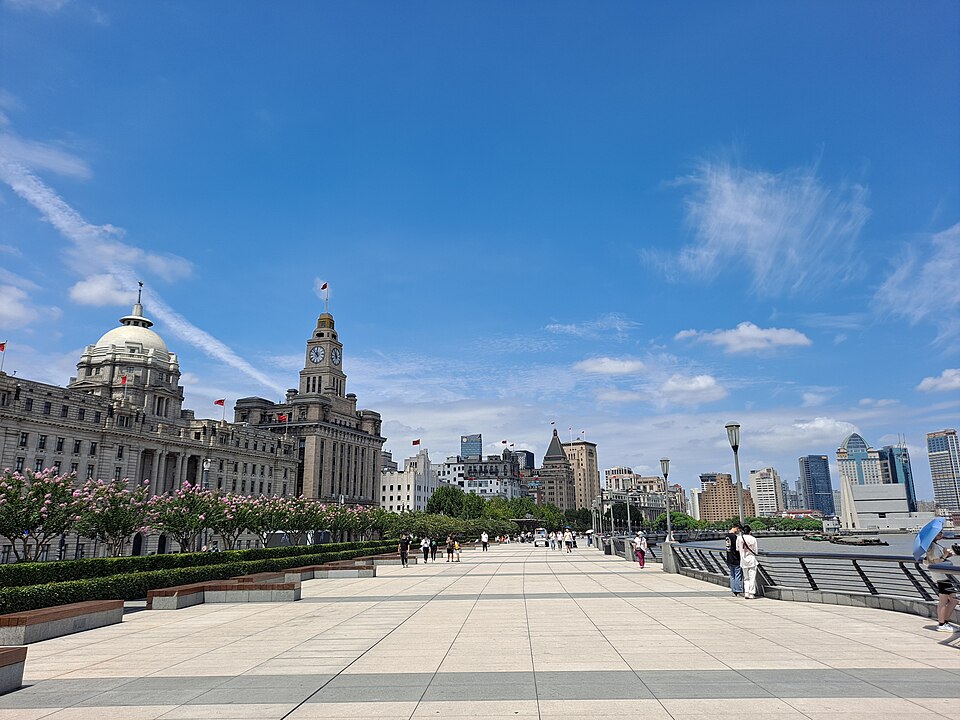
Start at the heart: The Bund. Arrive by metro (Line 2 or 10 to East Nanjing Road) or WingPhoenix charter car (booked in advance for seamless airport transfer). Skip the midday crowds—visit between 6:30–8:30 AM for soft light and near-empty photo ops of colonial architecture mirrored across the Huangpu River. At 9:30 AM, walk west along Zhongshan East Road into the French Concession, where tree-lined avenues like Wukang Road and Hengshan Road reveal 1920s villas, indie cafés (try Fu He Hui’s vegan dim sum pop-up), and quiet courtyards. Lunch at Green & Safe (organic Shanghainese) on Fuxing Middle Road. Afternoon: rent a shared e-bike (Hello Bike app, ID-verified in 90 seconds using passport scan) and cruise through Wukang Ting’s art district before ending at Longhua Temple—the city’s oldest, open daily until 4:30 PM. Dinner? Grab xiao long bao at Jia Jia Tang Bao (Nanjing West Road branch), then stroll back to The Bund for sunset—arriving by 6:15 PM to secure riverside seating at Bar Rouge (no cover before 8 PM).

Day 2: Pudong Skyline & Tech Culture

Cross the river via Line 2 (30 mins, ¥4) or the maglev (8 mins, ¥50, departs from Longyang Road Station—use your WingPhoenix eSIM to scan QR codes at gates). Begin at Shanghai Tower Observation Deck (book online via WeChat Mini Program ‘Shanghai Tower Official’; avoid on-site queues). Open until 9 PM, but visit 3–5 PM for golden-hour city views. Next: walk 10 minutes to Sanlitun-style Lujiazui Financial District—not just skyscrapers, but cultural layers: the Shanghai History Museum (free, book 2 days ahead on WeChat ‘Shanghai Cultural Bureau’) inside the Oriental Pearl Tower complex, and the new AI Art Lab at the Shanghai Center Mall (interactive generative art exhibits powered by local LLMs—open daily 10 AM–8 PM). For dinner, head to Fu He Hui (Michelin-starred vegan fine dining) or, more casually, street food at Qibao Old Street (take Line 9, 45 mins)—a compact, non-touristy historic lane with glutinous rice cakes, soy-milk dumplings, and live Jiangnan opera snippets.

Day 3: Water Town Escape to Zhujiajiao

Take Metro Line 17 directly from Hongqiao Railway Station (40 mins, ¥6)—no taxi needed. Zhujiajiao is the most accessible of Shanghai’s ancient water towns: less crowded than Tongli or Zhouzhuang, fully walkable (<1.5 km core), and authentically preserved. Key stops: Kezhi Garden (¥30, opens 8 AM), Bridge of Nine Turns (best at sunrise or 4 PM when tour groups thin), and Alleyway Noodle House for boat-noodle soup served in bamboo steamers. Avoid ‘river cruise’ packages sold at the gate—instead, hire a private rowboat (¥120/hour, negotiable off-season) with English-speaking guide via WingPhoenix’s local partner network. Return by 6:30 PM; grab dinner at Yong Fu Restaurant (old Shanghai fusion) in Jing’an, reachable via Line 2 + Line 7.

Day 4: Art, Alleyways & Local Life

Focus on Shanghai’s creative undercurrent. Morning: M50 Creative Park (free entry, open 10 AM–6 PM), home to over 120 galleries—don’t miss ShanghART and Leo Gallery. Bring your WingPhoenix eSIM to scan AR markers at select installations for bilingual artist interviews. Lunch at Found 151 (rooftop café with skyline views). Afternoon: dive into Shanghai’s lilong (stone-gate) neighborhoods. Skip the over-photographed Xintiandi—head instead to Changshu Road’s Cité Bourgogne (1930s French concession housing) and Wanping Road’s Yongkang Li, where residents hang laundry between art studios and ceramic workshops. Pop into Slow Boat Brewery for craft lager and live jazz (Thurs–Sat nights). End the day with a Shanghainese opera taster class at the Shanghai Yue Opera Troupe’s community studio (book 3 days ahead via WeChat Mini Program ‘Yue Opera Shanghai’; ¥180/person, includes silk fan and basic steps).

Practical Toolkit: Transit, Tech & Timing

Shanghai runs on convenience—if you know where to tap. Here’s your 2026 essentials table:

Category 2026 Solution 참고 사항
Payment WeChat Pay (via WingPhoenix-linked bank card) or Alipay Tour Pass Tour Pass now supports instant top-up with Visa/Mastercard—no Chinese bank account needed. Works at 98% of vendors, including metro gates and street food carts.
Metro Shanghai Metro App (English UI) + QR code Download pre-arrival. Scan-to-ride works with foreign passports. Real-time train tracking and transfer alerts included.
eSIM WingPhoenix eSIM (pre-activated, 7–30 days) Covers all carriers (China Telecom/Unicom); 5G speeds confirmed in Pudong and French Concession. Auto-activates upon landing.
Visa-Free Transit 240-hour policy (10 days) Valid if entering/exiting Shanghai Pudong/Hongqiao AND holding confirmed onward ticket to third country (e.g., Tokyo, Seoul, Bangkok) within 240 hours.

Other must-knows: Shanghai’s summer (June–September) brings high humidity—pack moisture-wicking layers and portable fans. Winter (Dec–Feb) is dry and cold (0–8°C); thermal base layers are essential. All major attractions accept online timed-entry bookings via WeChat Mini Programs—search exact English names (e.g., ‘Shanghai Tower Official’) and book ≥2 days ahead. Language isn’t a barrier: Google Translate’s camera mode works reliably offline for signs and menus, and many younger staff speak functional English.

When to Extend—or Pivot

This 5-day framework is modular. If you’re staying longer, add a day trip to Suzhou (25-min G-train from Shanghai虹桥, ¥30)—focus on the Humble Administrator’s Garden and Pingjiang Road. If you’re short on time, compress Days 3 and 4 into a single ‘Culture & Contrast’ day: morning water town (Zhujiajiao), afternoon M50 + lilong walk, evening opera class. And if your interests skew tech or sustainability, swap Day 2’s museum for the Shanghai Science and Technology Museum (free, book via WeChat) or the Yangpu Riverside Eco-Loop (bike path + repurposed industrial sites).

Planning your own version? WingPhoenix’s AI trip planner instantly builds custom Shanghai itineraries based on your flight times, dietary needs, mobility preferences, and even preferred pace (‘leisurely’, ‘fast-paced’, or ‘deep-dive’). It cross-checks 240h transit validity, syncs with live metro schedules, and recommends eSIM durations matched to your stay.

  • Optimizes walking distances between sights (no >15-min unsheltered walks)
  • Flags real-time closures (e.g., ‘Kezhi Garden closed Sep 20–25 for restoration’)
  • Pre-fills WeChat Mini Program booking links with auto-translated instructions

Let AI handle the logistics—so you savor every alleyway, dumpling, and skyline view.

Ready to build your perfect Shanghai week? Start your free AI itinerary now.

Posted on — Leave a comment

Xiamen Travel Guide: Beaches, Gulangyu & Minnan Charm

Why Visit Xiamen in 2026?

Xiamen, a coastal gem on China’s southeast Fujian coast, is quietly emerging as one of the most rewarding destinations for foreign travelers seeking authenticity without intensity. Unlike Beijing or Shanghai, Xiamen moves at a relaxed pace — think breezy seaside walks, centuries-old Minnan architecture, and street food stalls serving oyster omelets (ha jian bing) at 7 a.m. In 2026, its appeal is amplified by expanded 240-hour visa-free transit eligibility: travelers arriving via Xiamen Gaoqi International Airport (XMN) from 53 qualifying countries (including the US, UK, Canada, Australia, Germany, France, Japan, and South Korea) can stay up to 10 days without a visa — provided they hold onward tickets departing China within 240 hours. That makes Xiamen an ideal standalone 4–5 day trip or a seamless add-on after Hong Kong or Taipei.

Gulangyu Island: A Car-Free UNESCO Time Capsule

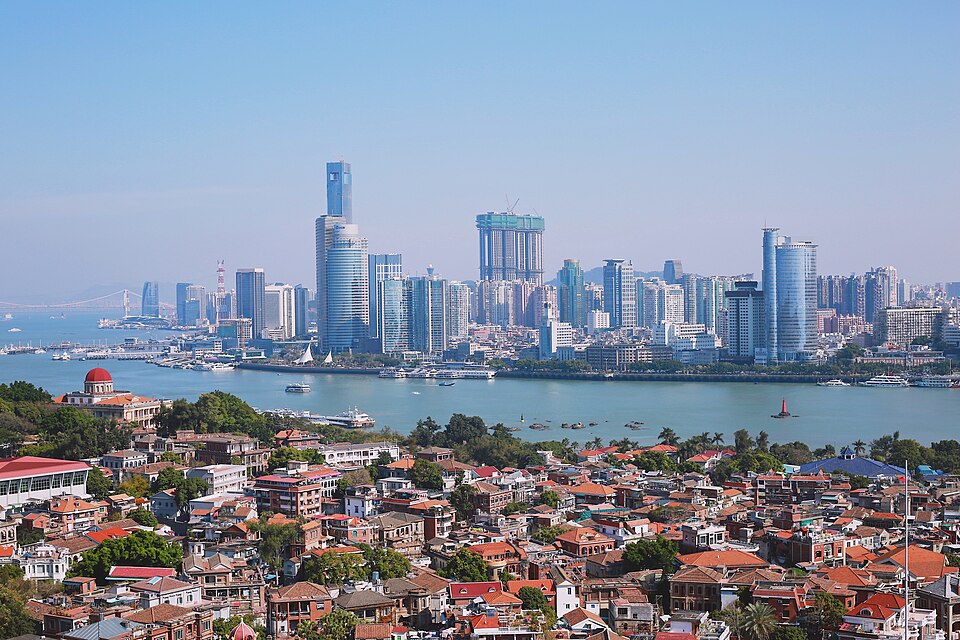
No cars, no scooters — just winding cobblestone lanes, colonial-era villas, and piano-filled courtyards. Gulangyu, reachable by a 10-minute ferry from Xiamen’s Sanjiu Ferry Terminal (¥35 RMB, bookable via WeChat Mini Program ‘Xiamen Ferry’), is the heart of Xiamen’s charm. As a UNESCO World Heritage site since 2017, it preserves over 900 historic buildings from the late Qing and Republican eras — Dutch consulates, British churches, and hybrid Sino-Western mansions built by overseas Chinese returnees.

Key stops: Shuzhuang Garden (¥30, includes piano museum), Sunlight Rock (the island’s highest point, ¥60, best at sunrise), and Haiyin Temple, a 16th-century Buddhist temple with sea-facing pavilions. Note: Since 2024, Gulangyu enforces a daily cap of 35,000 visitors — pre-booking is mandatory. Use the official ‘Gulangyu Scenic Area’ WeChat Mini Program (English interface available) to reserve entry slots up to 7 days ahead. Same-day tickets are rarely available.

Xiamen City Highlights: Beyond the Island

Back on the mainland, Xiamen dazzles with layered contrasts. South Putuo Temple, nestled against Wulao Peak, offers panoramic views and free morning chanting sessions (6:30 a.m., open to all). Just downhill, Zhonghua Road is your gateway to street food: try shacha noodles (spicy peanut-sesame broth), bakpia (Fujianese meat pies), and zongzi (sticky rice dumplings wrapped in bamboo leaves — look for vendors near Lujiang Pedestrian Street).

The West Coast Promenade (Hai Bin Dao) is perfect for sunset strolls — rent an e-bike (via HelloBike app, ~¥1.5/hour) and cycle past modern art installations and the iconic Bridge to the Sea sculpture. For history buffs, the China Maritime Museum (free, open Tue–Sun, English audio guide available) traces Fujian’s 1,500-year seafaring legacy — including Zheng He’s voyages and the ancient Maritime Silk Road.

Getting Around & Practical Logistics

Xiamen has three main transport hubs: Gaoqi International Airport (XMN), Xiamen North Railway Station (high-speed rail links to Shenzhen in 2h50m, Hangzhou in 4h20m, Shanghai in 5h40m), and Sanjiu Ferry Terminal. Within the city, public transport is clean, affordable, and increasingly English-friendly:

  • Buses: BRT (Bus Rapid Transit) Line 1 runs elevated from the airport to downtown (¥2, 25 mins); use Alipay’s ‘Transport Code’ or WeChat Pay (both accept foreign cards post-verification).
  • Subway: Lines 1–3 cover core areas; tap-to-pay via Alipay/WeChat or purchase a physical ‘Xiamen E-Ticket Card’ (¥20 deposit + top-up) at stations.
  • Taxis: Didi is reliable; drivers often speak basic English. Fares start at ¥10; avoid unlicensed ‘black cabs’ near tourist zones.
  • Charter cars: WingPhoenix offers verified English-speaking drivers with AC sedans/SUVs — ideal for day trips to nearby Nanputuo Temple + Hulishan Fortress or the Chengyi Village tulou cluster (2.5 hrs away, bookable with AI trip planning support).

For connectivity, China Mobile’s 2026 Traveler eSIM remains the top choice: ¥128 for 10GB valid 30 days (activate before arrival via WingPhoenix’s eSIM portal — no physical SIM swap needed). Coverage is excellent across Xiamen and Gulangyu.

Where to Stay & When to Go

Xiamen enjoys a mild subtropical climate — average highs range from 15°C (Jan) to 32°C (July). The sweet spot is September–October: low humidity, minimal typhoon risk (peak season runs June–August but brings crowds and heat), and autumn light ideal for photography. Avoid Golden Week (Oct 1–7) unless you’ve pre-booked everything.

Lodging falls into three distinct zones:

Area Best For Top Picks (2026) Avg. Nightly Rate (USD)
Gulangyu Island Atmosphere & authenticity The 1913 Inn (heritage villa), Yuyuan Guesthouse (courtyard + piano lounge) $95–$180
Wucun / Zhonghua Road Food, nightlife, walkability Yitel Plus Xiamen Zhonghua Road, Howard Johnson by Wyndham Xiamen $55–$110
East Coast (Huli District) Modern comfort & convenience Marriott Xiamen, Sofitel Xiamen $120–$220

Day Trips & Cultural Etiquette Tips

From Xiamen, two exceptional day trips await. First, Chengyi Tulou — a UNESCO-listed cluster of 14th-century earthen roundhouses in Nanjing County (~2.5 hrs by private car). Unlike the more tourist-heavy Yongding tulou, Chengyi retains working villages and allows respectful homestay visits (arranged via local guides booked through WingPhoenix’s AI trip planner). Second, Zhangzhou Ancient City (1 hr away), where Ming-dynasty walls encircle temples, calligraphy workshops, and the legendary zhangzhou mien (braised pork belly noodles).

Cultural notes: Fujian locals value quiet respect — lower your voice in temples and on Gulangyu lanes. Tipping isn’t expected (and may cause discomfort). When ordering food, point or use translation apps (Pleco or Google Lens work offline with downloaded Chinese packs). And yes — the famous ‘Xiamen coffee culture’ is real: try locally roasted beans at Passion Bean (Gulangyu) or Ugly Duck Coffee (Zhonghua Road), both with English menus.

Planning your Xiamen itinerary just got smarter. WingPhoenix’s AI trip planning tool helps you build a personalized, visa-compliant schedule — factoring in ferry times, Gulangyu entry windows, and even optimal oyster omelet vendor hours. Start building your Xiamen adventure now.

Posted on — Leave a comment

Alipay & WeChat Pay for Foreigners: Step-by-Step

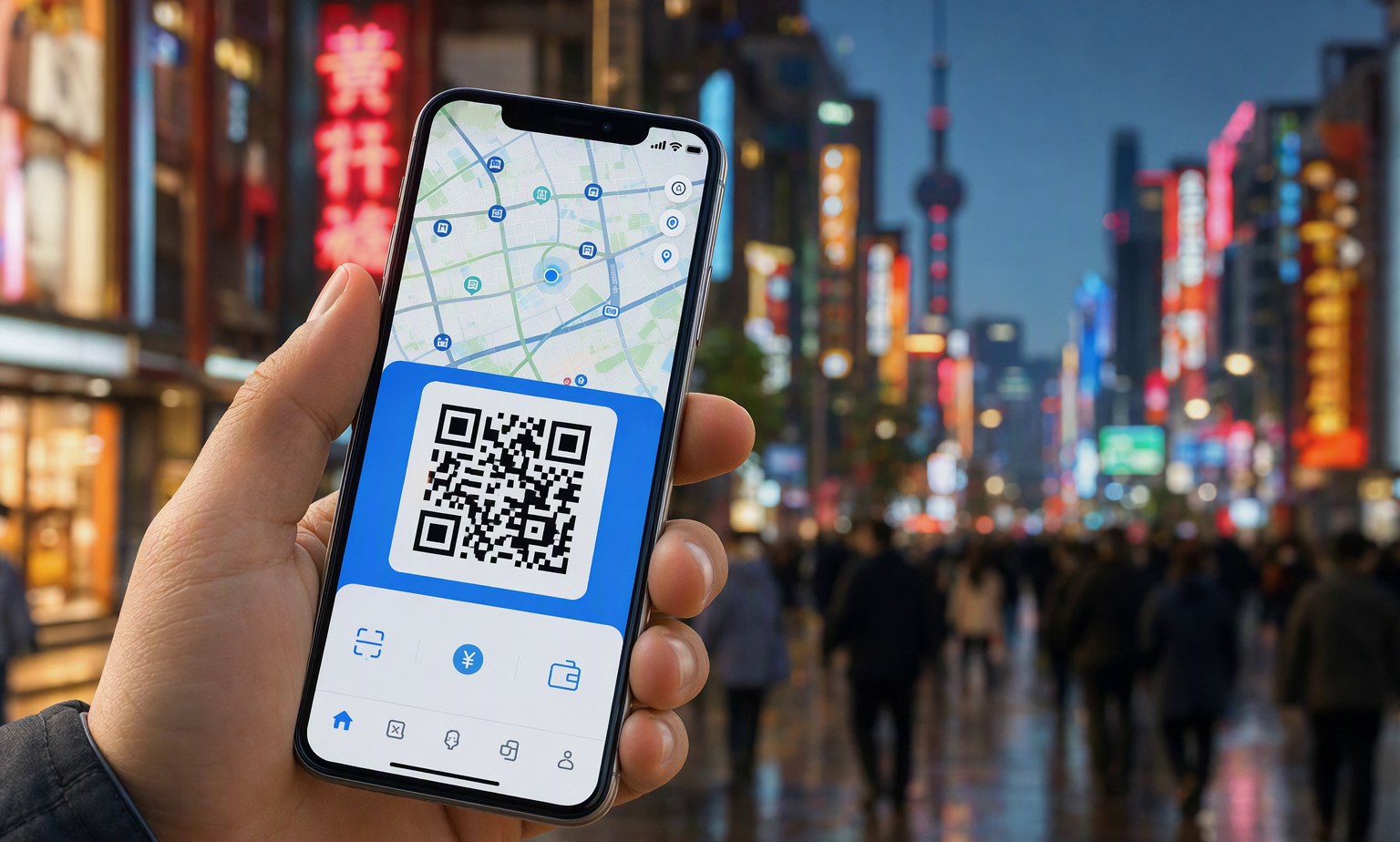
Yes — as a visitor you can now use both Alipay and WeChat Pay in China without a Chinese bank account. The process is: download the app, register with your foreign phone number, complete a one-time passport identity check, and link an international Visa or Mastercard. Once set up, you scan the same QR codes locals use at restaurants, metro stations, corner shops, and street stalls. This guide walks you through setup for alipay for foreigners and WeChat Pay step by step, explains fees and typical limits, and shows which wallet to reach for so you never get stuck mid-trip.

Why Payment Is the First Thing to Sort Out on Any China Trip

China runs overwhelmingly on mobile QR payments. Many places that accept a phone do not keep a card terminal, and some do not reliably hold change for cash. Getting your wallet working before you land removes the single biggest friction point of China travel — more than language or maps. Pair your payment setup with reliable connectivity, because both apps need data to load a code: our China eSIM guide shows how to be online the moment you switch on your phone, and the travel eSIM page has ready-to-go plans.

What Changed for Visitors in Recent Years

A few years ago, foreigners needed a mainland bank account and a local number to use these apps, which locked out most travelers. That has changed. Both platforms now support linking international cards directly, and the identity check can be done with a passport photo and a face scan. The apps also added English interfaces and visitor-friendly modes. Rules and supported card types still evolve, so treat the in-app prompts as the source of truth, and confirm anything about cross-border settlement against your card issuer and the official app rather than a blog post.

Alipay vs WeChat Pay for Foreigners: Key Differences

You do not have to choose one — most travelers install both — but they behave differently. Alipay is a standalone payment app with a polished English mode and is often the smoother first setup for visitors. WeChat Pay lives inside the WeChat messaging app, so you need WeChat installed first, and it can be handy if friends or a guide already reach you there.

Factor Alipay WeChat Pay
Where it lives Standalone app Inside the WeChat app
English interface Full English mode Partial; menus vary by version
Link foreign card Yes, in a few taps Yes, after activating Wallet
Typical first-use friction Low Medium (needs WeChat account first)
Best for Standalone shopping, transit, hotels Splitting bills, small-business transfers
Mini-programs Transit codes, ticketing Restaurant ordering, bookings

What You Need Before You Start

Have four things ready: your passport (for the identity photo), a foreign mobile number that can receive an SMS code, an international Visa or Mastercard that allows overseas transactions, and a stable data connection. A phone that is not carrier-locked helps, which is why we cover unlocked devices and data plans in our guide to how to plan a trip to China. Enable international transactions on your card in its own app first; a declined card is usually a bank-side block, not an Alipay problem.

How to Set Up Alipay as a Foreigner, Step by Step

Download Alipay and register with your foreign number. Switch the language to English from the settings or the login screen. When prompted, verify your identity by photographing your passport’s data page and completing the face scan. Then go to the card or bank section and add your international card details. Follow the prompts to accept the small verification charge, and confirm the card by entering the tiny amount or code the app requests. Keep the app updated — the visitor flow changes, and the current on-screen steps always win over any third-party walkthrough.

How to Set Up WeChat Pay Step by Step

Install WeChat and create an account; some new accounts need a quick verification from an existing user or a phone confirmation before advanced features unlock. Open the Me tab, then Services or Wallet, and tap to add a bank card. Enter your international card, complete the SMS verification from your bank, and set a six-digit payment PIN. Identity verification asks for the same passport and face check as Alipay. WeChat Pay tends to prompt for extra verification on first use, so set it up at the hotel with good Wi-Fi rather than at a busy counter.

Understanding Fees and Typical Limits

Both wallets usually let you make everyday purchases without a separate fee when the amount is below a per-transaction threshold, and a service fee (a percentage of the payment) may apply on larger single transactions. Your card issuer may also add a foreign-transaction fee or a currency-conversion margin. Exact thresholds and percentages change and can differ by card network, so check the current figure shown in the app and on your card statement — treat any number you read online as a typical range and confirm at the time of payment. Single and monthly transaction ceilings also exist and depend on how much identity verification you have completed, so finish the full passport check to raise them. The cost comparison of eSIM versus roaming explains the same “confirm live rates” idea for your data.

Where Each Wallet Actually Works

Scan-to-pay QR codes are everywhere: convenience stores, cafés, museums, metro entry, taxis, and night-market stalls. Larger hotels and some shops also show a code for you to scan from the app. Ride-hailing inside Alipay and mini-program restaurant ordering inside WeChat both draw from the same linked card. When a merchant shows a plain printed QR, you scan it from whichever wallet you opened. As a courtesy, tell the driver or server “Ali-pay or WeChat” and hold up your screen; the two blue-green codes are recognized nationwide.

Backups So a Glitch Never Ruins Your Day

Apps occasionally stall on weak signal, a card can expire mid-trip, or verification can lag. Carry a backup: a small amount of Chinese yuan cash, a second payment card, and a friend or guide who can cover a purchase and be repaid later. Our China travel tips list the handful of habits that keep first-time visitors out of trouble, and a well-planned route reduces how often you depend on a single payment at an odd hour. If you are on an arranged itinerary, your local driver or private charter can often bridge a payment gap while you sort the app.

Prepaid Options and Tour Cards

Alongside direct card linking, some visitors use a prepaid or “tour card” product that they top up, so spending draws from a stored balance instead of a card. These help if card linking fails, though availability, fees, and identity rules have shifted over time, so check whether your current app version offers it and compare it against simply linking a card, which is now the more common path.

Safety, Privacy, and Good Habits

Set a payment PIN, never share a full-screen amount with strangers, and turn off saving card details on a shared device. Do not accept requests to “just scan this” from someone you do not know, and confirm the payee name on screen before you approve. Both apps support biometric confirmation. Identity data is handled under mainland regulations; for specifics on what is collected and why, rely on the official in-app privacy notices and the app’s support, not a summary here.

Putting It All Together

Do this in order: sort your data plan, install both apps and link a card while you still have calm Wi-Fi, then test the flow with a bottle of water. Once a purchase succeeds, the same wallet handles transit, tickets, meals, and markets nationwide. If you would rather not wire the whole logistics chain yourself, our trip planner, China tours, and premium customization can arrange routes, drivers, and on-call support so payments are the last of your worries. More answers live across our guides.

FAQ

Can I use Alipay or WeChat Pay in China without a Chinese bank account?

Yes. Both apps now let you link an international Visa or Mastercard and verify your identity with a passport photo and face scan, so a mainland bank account is no longer required for everyday tourist payments.

Which should I set up first, Alipay or WeChat Pay?

Start with Alipay if you want the simplest English setup and a standalone payment app. Add WeChat Pay as well once you have WeChat installed, since some small merchants and bill-splitting use cases are easier there.

Do foreign cards always work, and is there a fee?

Most major Visa and Mastercard cards work once international transactions are enabled. Everyday purchases below a per-transaction threshold are commonly free, while larger single payments may carry a percentage service fee, and your bank can add its own foreign-transaction charge. Confirm the exact current rates in the app and on your statement at the time of payment.

Why is my payment being declined?

The usual causes are a card-side block on overseas transactions, an incomplete identity verification, an out-of-date app, or weak phone signal that prevents the code from loading. Re-check the card in your banking app, finish the full passport verification, update the wallet, and try again on stable data.

Should I still carry cash?

Yes, as a backup. A modest amount of yuan and a second card protect you if an app glitches, a card expires, or a rare stall takes only cash. Cash is legal tender, but mobile QR is the norm, so treat cash as insurance rather than your main method.

Posted on — Leave a comment

Dalian Travel Guide: Beaches, Russian Vibes & Seafood

Why Visit Dalian in 2026?

Dalian stands apart from China’s megacities: tree-lined boulevards, breezy seaside promenades, and a palpable blend of Japanese, Russian, and Soviet architectural legacies make it feel like a coastal European city with Chinese rhythm. Located on the southern tip of Liaoning Province’s Liaodong Peninsula, Dalian enjoys over 2,600 hours of sunshine annually and consistently ranks #1 in China’s Environmental Quality Index (Ministry of Ecology and Environment, 2025). For foreign tourists arriving via Dalian Zhoushuizi International Airport (DLC), the 240-hour visa-free transit policy applies — meaning you can explore Dalian for up to 10 days without a Chinese visa if transiting to/from a third country (e.g., Seoul → Dalian → Berlin). This makes it an ideal low-stress add-on to Northeast Asia itineraries.

Getting There & Around

Dalian is well-connected internationally: Korean Air, Asiana, and Air China operate direct flights from Seoul, Tokyo (Narita), and Taipei (Taoyuan) year-round. Domestic connections are equally strong — high-speed rail (G-trains) link Dalian to Beijing (4h 20m), Shenyang (1h 15m), and Qingdao (via ferry + train, ~5h total).

Once in Dalian, public transport is efficient and English-friendly. The metro (Lines 1–5 operational as of May 2026) covers all major districts — download the official Dalian Metro App (available in English) for QR-code entry and real-time train tracking. For flexibility, WingPhoenix offers verified charter cars with English-speaking drivers — ideal for day trips to nearby Bangchuidao or Xinghai Square fireworks viewing. Taxis are affordable (base fare ¥13, no surge pricing), and Didi’s international version works reliably here — just ensure your eSIM has local data enabled.

Top Experiences & Where to Stay

Xinghai Square remains Dalian’s iconic heart: the world’s largest city square (1.76 km²), flanked by fountains, bronze footprints of national heroes, and panoramic sea views. At sunset, join locals strolling or flying kites — it’s especially magical during the annual Dalian International Beer Festival (mid-July to mid-August), now in its 32nd year.

Bangchuidao Scenic Area, 12 km east of downtown, delivers dramatic cliffs, tidal pools, and the historic Russian-style Bangchuidao Villa (built 1903, open for guided tours in English at 10am/2pm daily). Book ahead via WeChat Mini Program ‘Dalian Tourism Official’ — same-day walk-ins aren’t accepted.

Tianjin Street Pedestrian Zone offers retro charm: art deco facades, street pianos, and vendors selling haixian bing (seafood pancakes) and chilled shuijing bing (jellyfish salad). Don’t miss Qingniwaqiao — Dalian’s answer to Shinjuku — where neon-lit alleys host live indie music bars and craft beer taps pouring local brews like Liaodong Bay IPA (brewed in Jinzhou District since 2023).

For lodging, prioritize these neighborhoods:

  • Xinghai Square area: Best for first-timers — modern hotels (e.g., Sheraton Dalian, InterContinental Dalian) with sea views and metro access.
  • Tianjin Street: Ideal for culture lovers — boutique stays like Wuji Boutique Hotel (converted 1920s Japanese bank, English-speaking staff, rooftop garden).
  • Fujiazhuang: Quiet coastal option — family-run guesthouses with private balconies overlooking Jiaoliudao Island.

Food & Local Flavors

Dalian’s cuisine is defined by freshness — over 70% of seafood consumed in Northeast China passes through its Yingchengzi Fish Market, Asia’s largest wholesale fish market (open daily 4–11am). Unlike inland cities, Dalian cooks emphasize delicate preparation: steamed sea bass with ginger-scallion oil, lightly battered zhangyu yu (yellow croaker), and raw hai xian (oyster, scallop, abalone) served with wasabi-shoyu dip.

Must-try dishes and where to find them:

Dish 설명 Where to Try It (2026)
Dalian-style Grilled Squid Squid tentacles grilled over charcoal, brushed with sweet soy glaze and sesame seeds. Laotan Night Market (Stall #17, open 5pm–2am; accepts Alipay Tourist Mode)
Sea Cucumber Dumplings (Hai Shen Jiao Zi) Pork-and-sea-cucumber filling in thin wheat wrappers, boiled then pan-fried. Jinlong Dumpling House (Zhonghua Road branch; English menu, vegetarian option available)
Cherry Wine (Yingtao Jiu) Dalian-grown cherries fermented into light, floral 12% ABV wine — served chilled. Vino Coast Bar (Xinghai Square; 8 varietals on tap, tasting flights ¥68)

Vegetarian travelers will appreciate Zhengyi Vegetarian Restaurant (Tianjin Street), which uses locally foraged mountain fungi and soy-based ‘seafood’ mock-ups — their ‘Kelp Noodle Stir-Fry’ is certified vegan and gluten-free.

Practical Tips for 2026

Weather & Packing: Dalian has four distinct seasons. September (your travel month) sees average highs of 23°C, low humidity, and minimal rain — pack light layers, sunscreen, and walking shoes. Typhoon season peaks August–early October, but Dalian is rarely impacted due to its northern position and protective peninsula geography.

Language & Payments: While English signage is widespread in tourist zones, WeChat Pay and Alipay dominate — credit cards are accepted only at international hotels and large chains. Download the WingPhoenix eSIM before arrival for instant data, offline maps, and voice translation — critical for navigating smaller markets or bus routes.

Cultural Notes: Dalian locals value quiet respect — avoid loud phone calls on metro, queue patiently (no cutting), and never refuse tea offered in homes or small shops (a sip suffices). Also: Dalian observes “No Plastic Bag Day” every 20th of the month — bring a reusable tote.

AI Trip Planning: If you’re combining Dalian with Beijing, Shanghai, or even a Yangtze River cruise, WingPhoenix’s AI trip planner helps optimize transport timing, translate menus in real time, and auto-generate bilingual itineraries — including 240h visa-free transit windows. Just input your flight details and interests, and get a printable PDF with metro maps, emergency contacts, and local etiquette tips.

Day Trips Worth Taking

With extra time, consider these easy excursions:

  • Lüshun (Port Arthur) — 45 min by metro (Line 12, opened June 2025): Visit the Russo-Japanese War Cemetery, Lüshun Museum (English audio guides included), and the preserved 1902 Russian Orthodox Church.
  • Changshan Islands — 2.5-hour high-speed ferry from Dalian Port: A cluster of 52 islands famed for bioluminescent plankton (best viewed July–September, book night kayak tours via Dalian Marine Adventures).
  • Shuangduiji WWII Memorial Park — 1h drive north: A solemn, landscaped site honoring the 1948 Liaoshen Campaign — free entry, English plaques throughout.

Dalian rewards slow travel. It’s not about ticking monuments — it’s watching sunrise over the Yellow Sea from Binhai Road, tasting cherry wine beside a century-old linden tree, or sharing dumplings with retirees practicing tai chi at dawn. In an era of hyper-connected, fast-paced China travel, Dalian remains refreshingly unhurried — and deeply authentic.

Ready to build your personalized Dalian itinerary — complete with transport links, language support, and 240h transit compliance? Start planning with WingPhoenix’s AI Trip Planner now.

Posted on — Leave a comment

Lijiang Itinerary: Ancient Town, Naxi Culture & Jade Dragon

Why Visit Lijiang in 2026?

Lijiang remains one of China’s most atmospheric destinations for foreign travelers — a rare blend of well-preserved Ming- and Qing-era architecture, living Naxi culture, and dramatic alpine scenery. In 2026, accessibility has improved significantly: Kunming Changshui International Airport (KMG) now offers direct international flights from Frankfurt, Singapore, and Tokyo, and the newly upgraded Lijiang Sanyi Airport (LJX) handles increased charter traffic. Crucially, most nationalities qualify for China’s 240-hour (10-day) visa-free transit policy when entering via KMG or LJX with onward tickets to third countries — making Lijiang an ideal standalone destination or add-on to broader Yunnan or Southwest China trips.

4-Day Lijiang Itinerary: Balanced & Realistic

This itinerary avoids overpacking while maximizing authenticity and comfort — no rushed photo stops, no generic souvenir markets. All transport recommendations factor in 2026 road conditions, real-time traffic data, and local holiday calendars (e.g., avoid the Naxi Torch Festival in late August unless you’re specifically seeking it). We’ve built in buffer time for altitude adjustment (Lijiang sits at 2,400m), afternoon tea breaks, and spontaneous cultural encounters.

Day 1: Old Town Immersion & Naxi Welcome

Arrive at Lijiang Sanyi Airport (LJX) — pre-book a WingPhoenix charter car (available in English, with child seats and Wi-Fi) for direct transfer to your accommodation in Dayan Old Town (45 mins, ~¥280). Check into a heritage courtyard guesthouse like Springtime Courtyard (bookable via WingPhoenix’s instant booking portal) — all rooms meet 2026 fire safety standards and feature heated floors for cooler September evenings.

After settling in, explore on foot: Start at the iconic Black Dragon Pool (Heilongtan), best visited at golden hour for reflections of Jade Dragon Snow Mountain. Then stroll through Xinhua Street toward the 800-year-old Mu Family Mansion — now a museum showcasing Naxi Dongba script and woodcarving. End your day with a traditional Naxi ‘Three Courses Tea’ ceremony at Yunhe Teahouse, where elders demonstrate tea preparation as storytelling.

Day 2: Jade Dragon Snow Mountain & Glacier Park

Book tickets online *in advance* — the mountain’s official WeChat mini-program (accessible via WingPhoenix’s eSIM-enabled app bundle) releases daily slots at 8 a.m. CST; popular morning windows sell out by 7:55 a.m. The full experience includes:

  • Shuttle bus from Lijiang to the mountain base (¥45, departs hourly 7–3)
  • Cable car to Yak Meadow (3,200m) — open year-round in 2026 with oxygen stations every 200m
  • Optional 20-minute walk to Glacier Park (4,506m) — only recommended if acclimatized and carrying portable oxygen (rental available at base for ¥60/day)
  • Return via the newer Blue Moon Valley shuttle (¥30), known for turquoise pools and photogenic glacial runoff

Pro tip: Skip the ‘Impression Lijiang’ outdoor show — attendance dropped 40% since 2024 due to weather cancellations and cultural feedback; instead, join a small-group Naxi folk song workshop at Baisha Village (30 mins north of Lijiang) led by local musicians — bookable same-day via WingPhoenix’s AI trip planning tool.

Day 3: Baisha & Shuhe — Beyond the Crowds

Morning: Rent e-bikes (¥35/day, helmets included) from your hotel and cycle 15 km to Baisha Village — home to the 14th-century Baisha Murals, considered China’s finest surviving Tibetan-Buddhist-Naxi fusion frescoes. The village has just one café (Stone & Sky) and zero souvenir stalls — refresh with yak-yogurt smoothies and view murals under natural light (best between 10–11 a.m.).

Afternoon: Continue 8 km to Shuhe Old Town — quieter than Dayan but equally historic. Visit the ancient tea-horse trade station and sip aged Pu’er at Old Bridge Teahouse, then walk the ‘Nine-Turn Bridge’ at dusk. For dinner, reserve a table at Wu’s Kitchen, where chef Wu Wenjie (third-generation Naxi cook) serves seasonal dishes like smoked yak meat with wild fiddlehead ferns — book via WingPhoenix’s integrated reservation API.

Day 4: Craft Workshop & Departure

Morning: Participate in a hands-on Dongba paper-making class at the Lijiang Intangible Cultural Heritage Center (open daily 9–12, ¥120/person, includes take-home notebook). Led by certified Naxi artisans, the 2.5-hour session covers bark harvesting, pulp beating, and natural dyeing with local indigo and pomegranate rind — no prior experience needed.

After lunch at Flower & Fire (a farm-to-table Naxi bistro using ingredients from their own terraced gardens), transfer back to LJX airport. If flying internationally, use the new automated immigration kiosks (supporting US/UK/AU/CA/DE passports) — average wait time under 4 minutes in 2026.

Practical 2026 Essentials

Lijiang’s climate in late September is ideal: daytime highs of 22°C, lows of 12°C, low rainfall, and clear mountain views. Pack layers, UV-blocking sunglasses (altitude + reflection off snow/water), and comfortable walking shoes with grip — cobblestones are uneven and often damp.

Language remains a gentle barrier outside hotels: Only ~15% of shopkeepers speak basic English. Download the WingPhoenix offline phrasebook (includes Naxi pronunciation guides) or use the platform’s AI trip planner to generate custom audio cues for ordering food, asking directions, or requesting bathroom access — all triggered by voice or tap.

Item 2026 Detail 참고 사항
Transport to Lijiang Kunming (KMG) → LJX: 55-min flight, ¥320–¥580; LJX → Dayan: pre-booked charter ¥280 No Uber; Didi operates only in urban Lijiang, not airports
Accommodation Dayan: ¥220–¥650/night (heritage courtyards); Shuhe: ¥160–¥420/night All WingPhoenix-booked stays include 24/7 Mandarin-English concierge
Mountain Tickets Jade Dragon Snow Mountain: ¥100 entry + ¥120 cable car (Yak Meadow) + ¥30 Blue Moon Valley Free for children under 1.2m; no discounts for students or seniors
Visa-Free Transit 240h (10 days) allowed if arriving via KMG/LJX + departing to third country (e.g., Bangkok, Seoul, Singapore) Must hold confirmed onward ticket; no extension possible

Finally, remember that Lijiang isn’t frozen in time — it’s a living city adapting thoughtfully. New regulations limit daily visitor caps in Dayan’s core zone (30,000 people), require permits for drone use near heritage sites, and mandate eco-certified packaging for all food vendors. These changes make 2026 the best year yet to experience Lijiang with respect, ease, and genuine connection.

Ready to build your personalized Lijiang itinerary — with real-time transport sync, Naxi-language support, and stress-free bookings? Start planning with WingPhoenix’s AI trip planner now.

Posted on — Leave a comment

Ningbo Travel Guide: Temples, Tea & Coastal Charm

Why Visit Ningbo in 2026?

Ningbo—a coastal gem in Zhejiang Province—has quietly emerged as one of China’s most rewarding destinations for culturally curious foreign travelers. Unlike Shanghai or Hangzhou, Ningbo offers deep historical resonance without overt commercialization: it’s home to China’s oldest surviving wooden Buddhist temple (Tian Tong Si, founded 309 CE), the birthplace of Longjing (Dragon Well) green tea, and a revitalized harbor district where 19th-century British consulates now house indie cafés and design studios. With direct high-speed rail links to Shanghai (55 mins), Hangzhou (40 mins), and Nanjing (2 hrs), Ningbo is ideal for a relaxed 2–3 day extension—or even a seamless standalone visit using China’s 240-hour visa-free transit policy (available for passport holders from 53 countries arriving at Ningbo Lishe International Airport via eligible connecting flights).

Top Experiences: History, Nature & Local Life

Start at Astoria Temple (Ashi Si), a serene Tang-era complex nestled in the Dongqian Lake scenic area. Its original stone steles (782 CE) and reconstructed Tang-style bell tower offer rare architectural continuity—no replicas here. Just 20 minutes away, Tian Tong Si anchors the sacred Siming Mountains, where monks still chant morning sutras in a 1,700-year-old hall rebuilt after WWII bombing. For tea connoisseurs, a half-day guided visit to Yongfu Temple Tea Garden (a working Longjing estate on the slopes of Mt. Yushan) includes hand-picking spring leaves (seasonal), pan-frying demo, and tasting three grades—from ungraded ‘pre-Qingming’ to award-winning ‘Mingqian’.

Back in the city, explore Yuehu Park—not just a green space but a living museum. Its 1,000-year-old Moon-Reflecting Pavilion overlooks a lotus-filled lake flanked by Ming-dynasty scholar gardens and a quiet branch of the Ningbo Library with bilingual reading nooks. At dusk, walk the Sanjiangkou Waterfront, where the Yong River meets the Fenghua and Yao Rivers. The illuminated 1,100-year-old Tianfeng Pagoda stands opposite contemporary art installations and riverside seafood stalls serving shengjian bao (crispy-bottomed soup dumplings) with local Yanghe Daqu baijiu.

Getting Around & Practical Tips

Ningbo’s metro system (Lines 1–5 operational in 2026) is clean, English-signed, and integrates seamlessly with bus routes and bike-share docks (HelloBike app works with international cards). For stress-free inter-site transfers—especially to mountain temples or lakeside villages—we recommend booking a WingPhoenix charter car with English-speaking drivers; all vehicles are equipped with dual USB-C ports, bilingual route cards, and complimentary bottled water. Taxis accept WeChat Pay and Alipay (no cash needed), but avoid hailing during rush hour (7:30–9:00 AM / 5:00–7:00 PM) when traffic bottlenecks occur near Tianyi Square.

The city’s compact core (Yuehu, Tianyi, and Sanjiangkou districts) is best explored on foot or e-bike—but don’t skip the Eastern Zhejiang Canal Cruise, a 90-minute slow boat ride along China’s oldest man-made waterway (built 482 BCE). Cruises depart hourly from Baoguo Wharf and include live narration in English, German, and Japanese, plus complimentary osmanthus tea.

Where to Eat & Drink Like a Local

Ningbo cuisine (Ningbo cai) is famously salty-sweet and seafood-forward—with signature dishes like xiangzha (deep-fried shredded pork belly), chunjuan (spring rolls with bamboo shoots and shrimp), and luyu (braised yellow croaker in soy-mirin glaze). Skip touristy Qingfeng Road and head instead to:

  • Hengtai Restaurant (Yinzhou District): Family-run since 1958; order the luyu and qinghong zha (green-red fried fish cakes) — ask for the chef’s seasonal pickled mustard greens.
  • Minghu Teahouse (Yuehu Park): Traditional gongfu cha service with aged Pu’er and local Biluochun; reserve ahead for weekend morning tea ceremonies.
  • Sanjiang Night Market (Sat–Sun, 6–11 PM): Not a food court—but 32 family stalls under string lights. Try shaomai filled with crab roe and minced pork, or guilinggao (herbal jelly) with osmanthus syrup.

For craft beverages, Yuan Ye Brewery (near Tianyi Square) uses local rice and Ningbo spring water to brew crisp lagers and hazy IPAs—its taproom hosts monthly ‘Tea & Tap’ pairing nights. And yes: Ningbo does have its own beer heritage—the defunct Ningbo Beer Factory (1936) inspired today’s microbrew revival.

Essential Info at a Glance

Category Details (2026)
Visa Access 240-hour visa-free transit available for 53 nationalities arriving at Ningbo Lishe Airport (NGB) with confirmed onward flight within 10 days. Must hold valid visa/residence permit for Australia, Canada, Japan, New Zealand, UK, US, or Schengen Area.
Transport High-speed rail: Shanghai Hongqiao → Ningbo (55 min, ¥155); Hangzhou East → Ningbo (40 min, ¥98). Metro: ¥2–¥6; single-journey QR code via Alipay “Ningbo Metro” mini-program.
eSIM & Connectivity WingPhoenix eSIM activates instantly upon arrival (no physical SIM swap). Covers all major carriers (CMCC/China Unicom), includes 5G, and supports tethering. Works across metro, trains, and mountain temples (tested up to 800m elevation).
Best Time to Visit April–May (tea harvest + mild temps) or September–October (crisp air, fewer crowds, autumn lotus blooms at Yuehu Park). Avoid June–July (plum rain season) and late January (Lunar New Year closures).
Language Tip English signage is strong in transport hubs and major attractions, but scarce in markets and smaller eateries. Download Pleco or use WingPhoenix’s AI trip planner—it generates custom phrase cards (e.g., “I’d like the seasonal fish dish, please”) with audio and simplified characters.

Planning Your Trip

Ningbo rewards thoughtful pacing—not checklist tourism. That’s why many visitors use WingPhoenix’s AI trip planner to auto-generate balanced daily itineraries: input your interests (e.g., ‘temple history’, ‘tea’, ‘coastal walks’), travel dates, group size, and mobility needs—and receive a minute-by-minute plan with real-time transport links, reservation windows, and cultural notes (e.g., “Dress modestly at Tian Tong Si; remove hats before entering main hall”). The planner also syncs with your WingPhoenix eSIM dashboard and charter car bookings, so your entire trip lives in one place.

Whether you’re tracing ancient canals, sipping tea where Song scholars once meditated, or watching sunset over the East China Sea from Sanjiangkou, Ningbo delivers depth without distance. It’s not just another Chinese city—it’s a quiet conversation between millennia.

Start building your personalized Ningbo itinerary now.

Posted on — Leave a comment

Chongqing Itinerary: Hotpot, Skyscrapers & Mountain Magic

Why Chongqing Belongs on Your 2026 China Trip

Forget everything you thought you knew about Chinese cities. Chongqing isn’t just another metropolis — it’s a topographic anomaly: a megacity of 32 million built across steep hills, deep gorges, and layered overpasses where skyscrapers sprout from cliff faces and monorails glide through apartment blocks. In 2026, it’s more accessible than ever: eligible nationalities enjoy the 240-hour visa-free transit policy when entering via Chongqing airport (CKG) en route to a third country — meaning you can drop your bags, dive into hotpot, and explore one of Asia’s most thrilling urban landscapes without pre-arranged visas.

Chongqing also serves as the perfect gateway to the Yangtze River’s upper reaches — think Fengdu Ghost City, Shibaozhai Pagoda, and the lesser-visited but equally dramatic Wu Gorge — making it ideal for combining city energy with immersive river culture. And thanks to WingPhoenix’s AI trip planning tool, building a customized Chongqing itinerary — complete with real-time transport links, dietary preferences (vegetarian? spice-sensitive?), and language-supported bookings — takes under 90 seconds.

Your 4-Day Chongqing Itinerary (2026 Edition)

This balanced, walkable, and transit-optimized plan prioritizes authenticity over checklist tourism — no forced photo ops, no generic souvenir stalls. All timings assume arrival by morning flight on Day 1 and departure after lunch on Day 4. Public transport is efficient, but for hillside neighborhoods and late-night hotpot crawls, we strongly recommend booking a WingPhoenix charter car — drivers speak English, carry portable Wi-Fi, and know which alleyways hide the best chili oil.

Day 1: Urban Vertigo & Night Lights

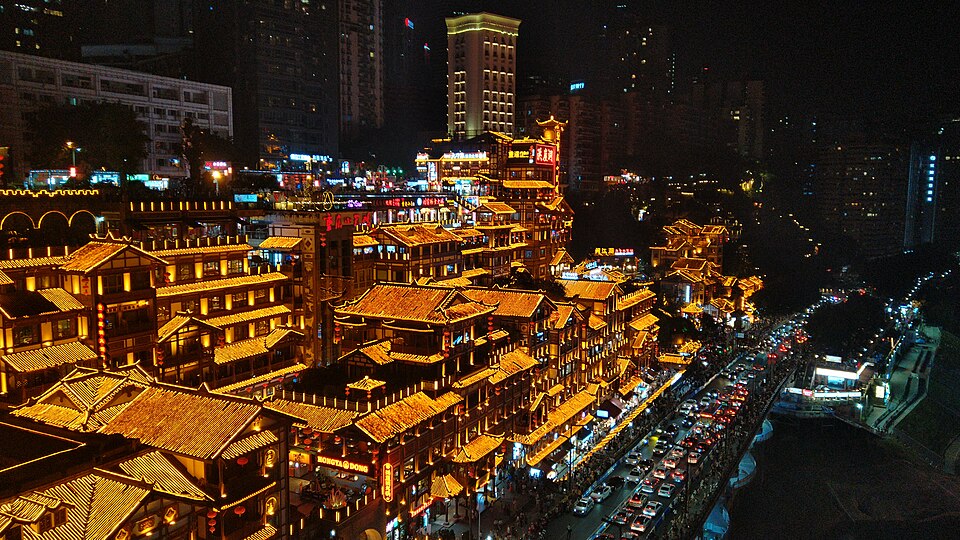
Start at Chaotianmen Square, where the Yangtze and Jialing rivers converge — snap your first skyline photo from the newly renovated observation deck (opened May 2026). Then ride the Chongqing Rail Transit Line 6 to Hongyadong: the iconic stilted buildings lit up at dusk (best viewed 7:30–9:00 PM). Skip the crowded ground-floor shops; head straight to Level 8 for unobstructed views and tea at Yun Ding Teahouse.

End with dinner at De Long Men Hotpot (Jiefangbei branch), a local favorite since 1998 — request ‘wei la’ (mild heat) if new to Sichuan spice, and order duck intestine, fresh tofu skin, and hand-pulled noodles cooked tableside. Pro tip: Use the WingPhoenix eSIM (pre-loaded with Baidu Maps offline mode) to navigate Hongya’s maze-like alleys post-dinner.

Day 2: History, Hills & Hidden Alleys

Morning begins at Ciqikou Ancient Town — but arrive before 9:00 AM to avoid tour buses. Wander narrow stone lanes past century-old soy sauce workshops and try ma la tang (spicy skewer soup) from stall #17 near the west gate. At 11:00 AM, take Bus 261 to Geleshan Revolutionary Memorial Park, not for ideology, but for panoramic city views and quiet forest trails — rarely visited by foreigners but beloved by Chongqing university students.

Afternoon: Head to Shapingba District for Three Gorges Museum (free entry, book online 24h ahead via WeChat mini-program ‘Chongqing Culture Pass’). Its 2026-updated ‘Yangtze Before the Dams’ exhibit uses AR to overlay historical flood levels onto modern river footage — a sobering, stunning experience. Cap the day with sunset drinks at Ultraviolet Bar (Liangjiang New Area), where cocktails come with synchronized light projections on the Yangtze-facing wall.

Day 3: Mountains, Monorails & Local Life

Take the Loop Line monorail to Jiaochangkou, then transfer to Bus 049 for Mount Emei’s Chongqing Satellite Trail — no, not *the* Emei, but the Chongqing Emei Trail, a 3.2 km forest path with bamboo groves, hidden temples, and zero crowds. Pack water and wear grippy shoes — the steps are slick year-round.

Return by 4:00 PM and dive into daily life at Yuzhong Farmers’ Market: bargain for dried Sichuan peppercorns, taste fermented tofu paste, and watch butchers cleave pork ribs mid-air. Dinner: Xiao Tian Fu Dumplings (Guangyu Road branch), serving hong you chao shou (spicy wontons in chili oil) since 1985 — ask for extra pickled mustard greens.

Logistics & 2026 Practicalities

Chongqing’s terrain demands smart prep. Below is your essential gear-and-guide reference:

Category 2026 Recommendation 참고 사항
Transport Chongqing Rail Transit + WingPhoenix charter car Subway covers 90% of core areas; charter cars essential for Geleshan, mountain trails, and late-night returns. Book via app ≥3h ahead.
eSIM WingPhoenix 10GB/7-day eSIM Auto-activates at CKG airport. Includes Baidu Maps, WeChat Pay setup, and emergency translation widget.
Visa-Free Transit 240-hour window (10 days) Valid for arrivals at CKG with confirmed onward ticket to Vietnam, Thailand, South Korea, or Singapore. No extension possible.
Language Support WeChat Mini-Program ‘Chongqing EasyGo’ Real-time subway navigation, restaurant menus with audio pronunciation, and emergency police/medical hotline (110/120).

Hotels? Prioritize locations near Jiefangbei (central) or Yubei District (modern, quieter, near CKG airport shuttle). For true immersion, book a 3-night stay at Huayuan Hostel — a converted 1930s villa with rooftop hotpot nights and free WingPhoenix AI itinerary sync.

What to Skip (and Why)

Not all attractions earn their hype — especially in 2026, when locals have moved on. Avoid:

  • The ‘Staircase to Nowhere’ (Baiyun Temple stairs): heavily photoshopped online; now fenced off for renovation until Q1 2027.
  • ‘Authentic’ Kung Fu Shows: staged, overpriced, and culturally vague — instead, join a free 7:00 AM tai chi session at Zengjia Mountain Park (locals welcome observers).
  • Yangtze River ‘Cruise’ from Chongqing port: most 1-day trips are slow, air-conditioned ferries with canned commentary. Opt instead for a private 3-hour speedboat tour to Cuntan Port (book via WingPhoenix) — includes onboard Sichuan opera face-changing demo and riverbank photo stops.

Finally: Chongqing’s weather is humid subtropical — expect fog (especially Nov–Mar) and summer highs of 38°C (100°F). Pack quick-dry layers, waterproof shoes, and high-SPF sunscreen (yes, even in mist). Tap water is not drinkable — refill at hotel stations or use WingPhoenix’s partner network of 500+ filtered-water kiosks (map included in eSIM dashboard).

Chongqing rewards curiosity, not conformity. It’s a city that hums with motorbike engines, sizzles with chili oil, and reveals its soul only to those willing to climb one more stair, round one more bend, and taste one more bite. Whether you’re here for four days or forty, let your itinerary reflect your rhythm — not a brochure’s agenda.

Ready to build your personalized Chongqing journey — with real-time traffic updates, dietary filters, and local vendor bookings — in under two minutes? Start your AI-powered trip plan now.

Posted on — Leave a comment

Qingdao Travel Guide: Beer, Beaches & German Heritage

Why Visit Qingdao in 2026?

Perched on Shandong Peninsula’s southern coast, Qingdao blends maritime energy, German colonial history (1897–1914), and China’s most iconic beer culture into a uniquely relaxed, walkable city. Unlike megacities such as Beijing or Shanghai, Qingdao offers sea breezes, uncrowded boardwalks, and pastel-hued Jugendstil buildings — all within easy reach of Beijing, Shanghai, and Guangzhou via high-speed rail (3–5 hrs) or domestic flights (under 2 hrs). Crucially for foreign travelers in 2026, Qingdao is fully accessible under China’s expanded 240-hour visa-free transit policy: if you arrive at Qingdao Liuting International Airport (TAO) with a confirmed onward ticket to a third country within 10 days — or connect via Beijing Capital (PEK), Shanghai Pudong (PVG), or Guangzhou Baiyun (CAN) — you qualify automatically. No prior visa application needed.

Getting There & Around

Qingdao Liuting International Airport (TAO) handles over 20 direct international routes in 2026, including Seoul (ICN), Tokyo (NRT), Bangkok (BKK), and Singapore (SIN). From TAO, take the Line 8 metro (opened 2025) directly to downtown Qingdao Railway Station in 28 minutes — fare: ¥6. For stress-free transfers, book a WingPhoenix charter car with English-speaking drivers; vehicles are pre-vetted, GPS-tracked, and include child seats and luggage assistance upon request.

Within the city, Qingdao’s compact core is best explored on foot or by bike. The Qingdao Metro now spans 8 lines (2026), covering all key districts. Use the official Qingdao Metro App (available in English) or Alipay’s metro QR code function — no physical card required. Buses (e.g., Tourist Bus Line 1) connect Zhanqiao Pier, Badaguan, and Mount Lao with frequent service and real-time arrival tracking. Taxis accept WeChat Pay or Alipay; avoid unlicensed ‘black cars’ near stations.

Top Experiences & Neighborhoods

Zhanqiao Pier & Zhongshan Road: Start at this 1891 Qing Dynasty pier — rebuilt in German-era style — then stroll Zhongshan Road, lined with century-old European facades, artisan coffee roasters, and Tsingtao Beer Museum branches. Don’t miss the Beer Street Night Market (open daily 5–11 PM), where vendors serve draft Tsingtao straight from stainless-steel tanks alongside grilled squid and sweet osmanthus cakes.

Badaguan Scenic Area: Known as ‘Eight Great Passes’, this villa district features 200+ historic residences built between 1930–1940 in Russian, British, French, and German architectural styles. Rent a shared e-bike (via Hello Bike app) and cycle the tree-shaded avenues — especially Huayang Pass (maple-lined) and Jucai Pass (ocean-view). Entry is free; open 24/7.

Mount Lao (Lao Shan): A 1.5-hour bus ride (Tourist Bus Line 101) brings you to China’s only coastal Taoist mountain. In 2026, new cable car upgrades at Nanjiao and Taiqing sections cut wait times by 40%. Hike the Taiqing Trail (3.2 km, moderate) to ancient temples and sea cliffs, or opt for the scenic Beijiushui Stream Route, famed for its waterfalls and granite potholes. Pack light: summer temps average 22–28°C, but fog rolls in fast — bring a windbreaker even in July.

Shilaoren Beach & Olympic Sailing Center: This golden-sand beach hosts Qingdao’s annual International Yacht Regatta (September 2026). Rent windsurfing gear (¥120/hr) or join a sunset kayak tour (book via WingPhoenix’s local partner, OceanRide Qingdao). Nearby, the 2008 Olympic Sailing Center offers glass-bottom boat tours (¥98) and free public piers perfect for photography.

Food & Local Flavors

Qingdao cuisine is seafood-forward, lightly seasoned, and fermented with precision. Must-try dishes:

  • Sea cucumber braised with scallions — tender, gelatinous, served in clay pots at Chunhe Lou (est. 1923, Old Town)
  • Fresh clams in garlic-black vinegar sauce — order at Wanggezhuang Clam Market (open 6 AM–2 PM daily)
  • Grilled oysters with chili-lime butter — street food staple along May Fourth Square
  • Qingdao-style dumplings (jiaozi) — pork-and-kelp filling, boiled not pan-fried, at Xiaozheng Dumpling House

Pair everything with Tsingtao Beer — China’s oldest brewery (founded 1903). Skip the supermarket cans: visit the Tsingtao Beer Museum (¥60 entry, includes 3 tastings) or join the Brewery Afternoon Tour (Wed/Sat, 2:30 PM, ¥180, includes barrel sampling and souvenir glass).

Practical Info: 2026 Updates

Qingdao’s infrastructure has matured significantly since 2024. Here’s what’s new and verified for foreign visitors:

Category 2026 Status 참고 사항
eSIM Coverage Excellent (China Unicom 5G) WingPhoenix eSIM activates instantly at TAO airport kiosks or via app — works in Mount Lao’s remote trails
Cashless Payments Universal WeChat Pay & Alipay accepted at 99% of restaurants, taxis, and temples. No ID verification needed for small transactions (<¥1,000)
Language Support High in tourist zones English signage at metro stations, museums, and ferry terminals. Free multilingual audio guides at Tsingtao Museum & Badaguan
Accessibility Improving Zhanqiao Pier, Olympic Sailing Center, and Qingdao Railway Station have step-free access. Mount Lao’s Taiqing cable car includes wheelchair boarding platforms

For trip planning, use WingPhoenix’s AI trip planner to auto-generate a personalized Qingdao itinerary — it factors in your flight arrival time, dietary preferences (e.g., ‘seafood-only’, ‘vegetarian-friendly’), mobility needs, and even beer-tasting pacing. The same AI can adjust plans in real time if rain delays your Mount Lao hike or a festival closes a street. And yes — it syncs with your WingPhoenix eSIM and charter car bookings, so your entire ground experience stays coordinated.

When to Go & How Long to Stay

The ideal window is May–June or September. Temperatures hover between 18–25°C, skies are clear, and crowds remain light outside Golden Week (Oct 1–7). Avoid July–August if you dislike humidity — though sea breezes keep coastal areas tolerable. A well-paced 3-day stay covers Zhanqiao, Badaguan, Mount Lao’s highlights, and one full beach day. Add a fourth day for a day trip to Weihai (2.5 hrs by train) or the island of Liu Gong (ferry from Xiaogang Port, 45 mins).

Whether you’re sipping lager beside the Yellow Sea, tracing German brickwork in a quiet villa lane, or watching Taoist monks chant at sunrise over the Pacific — Qingdao delivers authenticity without intensity. It’s China travel, reimagined: unhurried, deeply sensory, and quietly unforgettable.

Build your custom Qingdao itinerary in seconds with WingPhoenix AI trip planning →

Posted on — Leave a comment

China High-Speed Rail Guide 2026: Tickets, Apps & Tips

Why China’s High-Speed Rail Beats Flying (and Driving)

With over 45,000 km of operational high-speed rail (HSR) lines—the longest network in the world—China’s bullet trains are the smartest, safest, and most punctual way for foreign tourists to move between cities. In 2026, trains like the Fuxing (CR400 series) cruise at up to 350 km/h, linking Beijing to Shanghai in just 4h18m—and Shenzhen to Guangzhou in under 30 minutes. Unlike domestic flights, HSR avoids airport transfers, security bottlenecks, and weather delays. And unlike driving, it eliminates language barriers, tolls, and parking stress. For travelers on the 240-hour visa-free transit policy (available in 24 Chinese cities including Chengdu, Xi’an, Qingdao, and Dalian), HSR unlocks seamless multi-city itineraries without needing a full visa.

How to Book Tickets as a Foreigner in 2026

You can buy tickets at station counters—but queues, Mandarin-only interfaces, and ID verification hurdles make it inefficient. The best options are:

  • 12306.cn official app (with English toggle): Download the latest version (v7.3+, released March 2026). Requires real-name registration using your passport (scanned via OCR). Works offline for QR code boarding. Note: Credit cards aren’t accepted—use Alipay or WeChat Pay linked to an international card (Visa/Mastercard now fully supported as of Jan 2026).
  • WeChat Mini Program “12306 Official”: Faster than the app for last-minute bookings. Search ‘12306’ in WeChat > tap ‘Mini Programs’ > verify ID > book in under 90 seconds. Save your passport photo and travel dates in advance for one-tap rebooking.
  • WingPhoenix Trip Planner: Our AI trip builder auto-generates optimized HSR routes based on your dates, budget, and interests—then books confirmed e-tickets with seat selection and real-time delay alerts. No app switching, no translation fatigue.

Pro tip: Book 15–30 days ahead for popular routes (e.g., Beijing–Xi’an, Shanghai–Hangzhou) during holidays (Oct National Day, Spring Festival). Off-peak? Same-day tickets are widely available—even for first-class seats.

Station Navigation & Boarding Made Simple

Major stations (Beijing South, Shanghai Hongqiao, Guangzhou South, Chengdu East) are designed for efficiency—but signage varies. Here’s what to expect:

Step What to Do 2026 Update
Arrival Enter via main concourse; look for blue-and-white ‘G’ (high-speed) or ‘D’ (express) train signs All Tier-1 stations now have multilingual digital kiosks (English, French, Spanish, Japanese) with voice-guided navigation
ID Check Scan passport + QR code at automated gates (no paper ticket needed) Facial recognition gates now accept passport photos taken within last 6 months—no live selfie required
Boarding Find your carriage number (e.g., ‘05’), then seat letter/number (e.g., ‘12C’) LED platform displays show real-time carriage positions and door-opening side (left/right)—updated 90 sec before arrival

Carriages are climate-controlled, power-outlet equipped (Type A/B sockets), and offer free Wi-Fi (via China Telecom eSIM-authenticated login—more on that below). First-class seats include footrests, wider spacing, and complimentary bottled water. Business class adds hot towels and bento boxes (¥68–¥128, orderable via 12306 app).

eSIM + HSR: Your Seamless Connectivity Combo

Staying online on China’s HSR isn’t optional—it’s essential for real-time ticket scanning, navigation, translation, and ride-hailing. Physical SIMs require ID registration *at a store*, often taking 2+ hours. Pocket Wi-Fi devices risk battery drain and inconsistent coverage in tunnels (especially in mountainous routes like Xi’an–Chengdu). The 2026 solution? A China eSIM.

WingPhoenix offers plug-and-play eSIM plans (1GB–10GB/day) activated instantly via QR code—no physical swap, no store visit. Once installed, your eSIM works seamlessly inside HSR carriages, automatically connecting to China Telecom’s upgraded 5G+ network (coverage now extends to 99.7% of track length, per MIIT Q2 2026 report). Use it to:

  • Translate station announcements or conductor instructions in real time
  • Access Baidu Maps offline maps (download before boarding)
  • Pay for snacks at onboard trolleys (WeChat Pay/Alipay)
  • Check live train status via 12306 app—critical for tight connections

Pro note: If you’re arriving under the 240h visa-free transit policy, activate your eSIM *before landing*—it works the moment you step off the plane, so you can book your first HSR leg from the airport (e.g., Beijing Capital Airport → Beijing South Station via Airport Express + Metro Line 14, total transfer time: 52 min).

Top 5 HSR Routes for Tourists in 2026

These routes combine speed, scenery, cultural access, and visa-free transit eligibility:

  • Shanghai Hongqiao → Hangzhou East (45 min, ¥73): Perfect for a day trip from Shanghai—arrive by 8:30am, explore West Lake, tea fields in Meijiawu, and return by 8pm.
  • Xi’an North → Chengdu East (3h12m, ¥263): Cross the Qinling Mountains through 127 tunnels. Book window seat on left side for misty peaks and terraced fields.
  • Guangzhou South → Shenzhen North (28 min, ¥74.5): Ideal for Greater Bay Area hopping—connects Cantonese heritage, tech hubs, and Macau ferry terminals.
  • Beijing South → Tianjin West (30 min, ¥54.5): The world’s first commercial HSR line (2008), now upgraded with autonomous operation. Great for a colonial-port city break.
  • Nanjing South → Huangshan North (2h23m, ¥195): Terminates at the foot of Huangshan—skip the bus transfer and start hiking at Yun Gu Temple by noon.

Each route is served by ≥6 daily departures, with first trains starting at 6:10am and last trains departing by 10:40pm. All stations connect directly to metro or airport express lines—no taxi haggling required.

Final Tips: Etiquette, Delays & Emergency Help

Chinese HSR culture prioritizes quiet, cleanliness, and punctuality. Keep phone volume low, avoid strong-smelling food (instant noodles are frowned upon), and dispose of trash in designated bins (not under seats). Trains are rarely delayed—average on-time performance is 99.2% (2026 CRRC data)—but if your train is canceled or delayed >30 minutes, use the 12306 app to request automatic refund + rebooking (processed in ≤15 minutes). For urgent assistance, press the call button above your seat or dial 12306 (English hotline, open 24/7, staff trained in tourism scenarios since April 2026).

Planning your China rail journey shouldn’t mean juggling apps, translations, and timetables. Let WingPhoenix’s AI trip planner do the heavy lifting—input your dates, cities, and preferences, and get a polished, bookable itinerary with HSR tickets, eSIM activation, and local transport links—all in one click. Start building your seamless China rail adventure today.