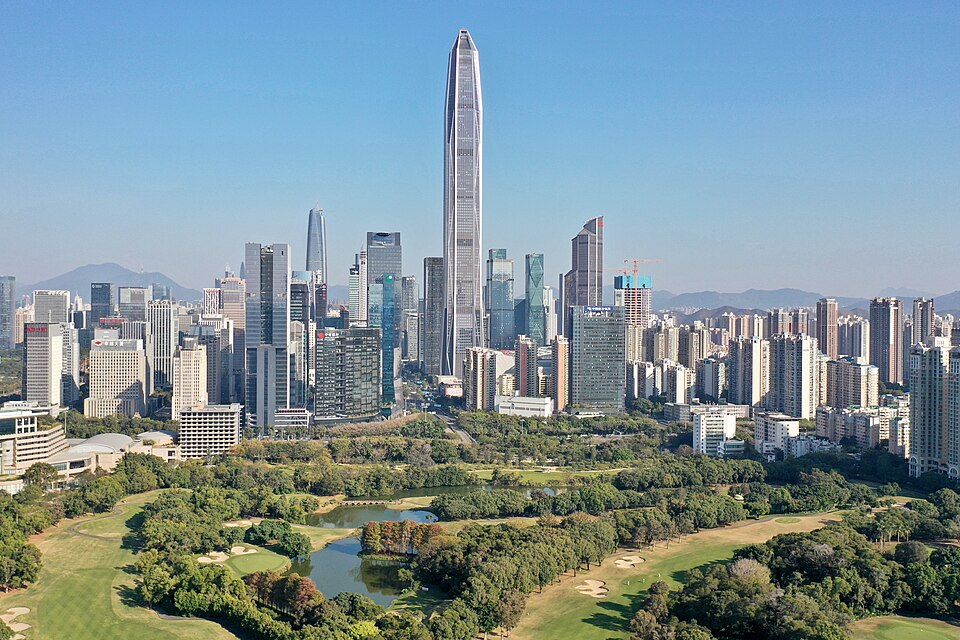
Shenzhen is the city that did not exist a few decades ago and now runs on a scale that surprises first-time visitors. It began as a fishing and farming area on the Pearl River delta, was designated a special economic zone in 1980, and grew into a metropolis of skyscrapers, tech campuses and beach suburbs in roughly one working lifetime. Most leisure travellers skip it and pass straight through to Hong Kong. That is a missed opportunity, because Shenzhen offers a rare combination: a live lesson in urban transformation, a serious design and gallery scene, decent beaches, and one of the world’s densest electronics retail districts. It also sits directly on the Hong Kong border, which makes it unusually easy to combine with a wider Greater Bay Area trip.
Why Shenzhen is worth your time
The appeal is not a single monument. It is the mix. You can spend a morning in a renovated old village, an afternoon in a contemporary art district, an evening watching the sun set over Shenzhen Bay, and still be within a short metro ride of the Hong Kong boundary. Business travellers have known this for years; leisure travellers are only starting to notice.
Two practical points shape any visit. First, the city is long and linear, stretching east to west along the coast, so distances between districts are real. Second, English is more widely understood here than in most Chinese cities, largely because of the tech and export workforce, but you should still expect everyday transactions to run through Chinese apps. For the basics of paying, see this China cashless travel guide, and for getting around, the China metro guide explains how ticketing and transfers work.
What to see and do
The Ping An Finance Centre observation deck sits high in the city’s tallest tower and gives the clearest sense of how far the sprawl reaches. Check the operator’s own page for current opening hours, last entry times and whether booking ahead is required, since these change with season and weather.
OCT-Loft, converted from factory buildings, holds galleries, studios and independent cafes, and is best on a weekday when it is quieter. Nantou Ancient City, despite the name, is a restored urban neighbourhood of narrow lanes, small shops and food stalls rather than an archaeological site. Dafen Oil Painting Village is a working art-production district where painters copy and produce canvases at speed; if you commission a portrait, agree the price, size and collection time in writing before work starts.
On the coast, Dameisha and Xiaomeisha are the main beach areas, with the former generally busier and more developed. Swimming conditions, lifeguard cover and seasonal closures vary, so check locally on the day rather than assuming the beach is open. Shenzhen Bay Park is the reliable sunset option, with a long waterfront path and views across to Hong Kong.
For families, Window of the World and Splendid China are large theme parks built around miniature and replica landmarks. They are dated in places but remain popular. Verify current ticket prices, opening hours and ride closures on the official park pages before committing a day.
Huaqiangbei and the electronics markets
Huaqiangbei is the reason many people come. It is a district of multi-storey malls selling components, accessories, phones, laptops and repair services. It is genuinely useful and genuinely confusing.
Practical rules: know the exact model and specification you want before you arrive; compare at least three stalls; ask whether the item is new retail stock, refurbished, or a display sample, and get that stated on the receipt; test everything on the spot, including battery health and ports; and check whether the warranty is honoured in your home country, which it often is not. Payment is normally by phone app, so have your payment method working before you go. If you would rather not negotiate alone, a local guide or a car with a driver removes most of the friction.
Day trips and the Hong Kong border
Shenzhen’s position is its biggest logistical advantage. High-speed rail links Futian and other stations with Hong Kong, and the journey is short enough to make a day trip realistic. Guangzhou is also reachable quickly by rail, and is worth it for the food alone. Macau can be reached via the Zhuhai border crossings, but allow more time than you would expect for immigration and onward transport.
Do not assume border rules from memory. Whether you need a visa, and which entry scheme applies to you, depends on your nationality, your route and your onward ticket. Read the current rules on official immigration or embassy pages, and check our 240-hour visa-free transit guide and the China visa rules overview before booking anything non-refundable. For rail ticketing with a foreign passport, the process is explained in this train ticket guide.
When to go and how long to stay
October to December is the most comfortable window: drier, cooler and easier for walking. Spring is also workable. May to September brings heat, humidity and typhoon risk, which can disrupt flights, ferries and outdoor plans at short notice. If you travel in summer, build slack into your schedule and keep an eye on official weather warnings.
Two to three days covers the city core, one beach afternoon and Huaqiangbei. Add one or two days if you want Hong Kong, Guangzhou or Macau in the same trip. A week is comfortable for a Greater Bay Area loop.
Getting around and practical notes
The metro is extensive, cheap and signed in English, and it is usually faster than road transport at peak times. Ride-hailing works well; taxis are metered but drivers rarely speak English, so have your destination written in Chinese. Mobile data matters more here than in most cities because so much runs through apps, so sort out connectivity before you fly — this comparison of eSIM versus physical SIM covers the trade-offs. If you are arriving at the airport and heading straight to a hotel, pre-booking a transfer removes the first-hour guesswork.
Frequently asked questions
Is Shenzhen worth visiting for leisure travellers?
Yes, if you are interested in contemporary cities, design, electronics or easy access to Hong Kong. It is less rewarding if you want traditional historic sights, which are limited compared with Xi’an, Beijing or Hangzhou.
How do I get from Shenzhen to Hong Kong?
High-speed rail from Futian and other stations is the fastest option, with border crossings also available by road and ferry. Entry requirements depend on your nationality and route, so verify the current rules on official immigration pages before you travel.
Can I buy electronics in Huaqiangbei as a tourist?
Yes, but treat it as a negotiation. Confirm whether an item is new retail stock or a sample, test it before paying, and ask about warranty coverage in your own country.
What is the best time of year to visit Shenzhen?
October to December is generally the most comfortable, with lower humidity and less rain. Summer brings heat and typhoon risk, which can affect flights and outdoor plans.
How many days do I need in Shenzhen?
Two to three days is enough for the main districts, a beach and the electronics markets. Add time if you plan to include Hong Kong, Guangzhou or Macau.
Shenzhen rewards a little preparation more than most Chinese cities, because so much of what makes it interesting is spread out and app-dependent. Sort your payment method, data and border paperwork in advance, decide whether you want the beach or the markets as your anchor, and the city becomes straightforward rather than overwhelming.