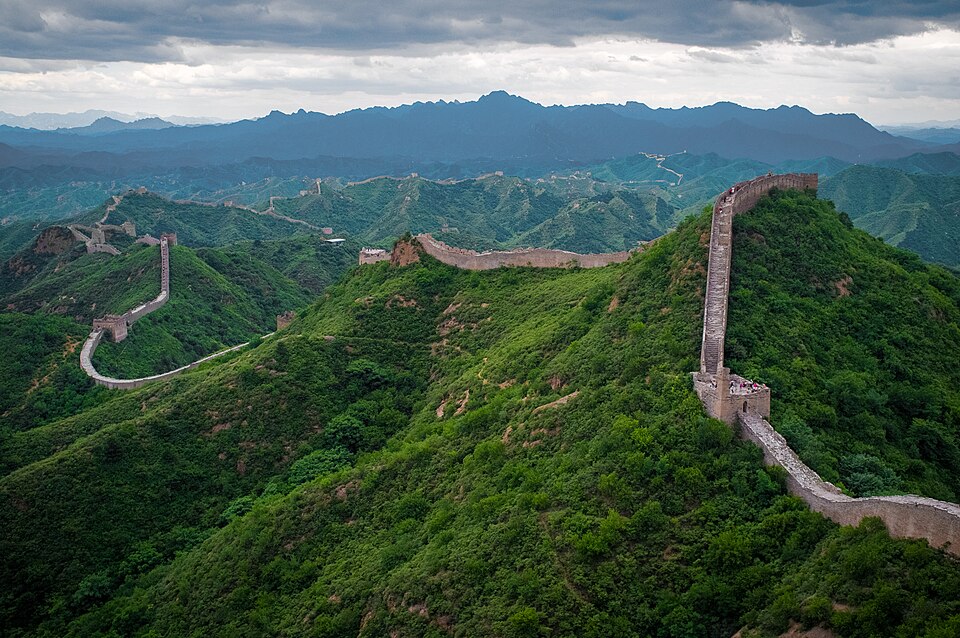
“The Great Wall” is actually dozens of separate sections around Beijing. Choosing the right one makes the difference between a transcendent morning and a slow shuffle behind 10,000 selfie sticks. Here’s the honest comparison.
Badaling: The Famous One
Best for: tight schedules, accessibility needs, the “official” photo.
The most-visited, most-restored, most-crowded section — 10 million visitors a year. Pros: cable car, wheelchair access, direct train (1 hour from Beijing), easy half-day trip. Cons: crowds are genuinely staggering, touts everywhere, the wall feels polished rather than ancient. Go on a weekday at 7:30 AM opening or skip it.
Mutianyu: The Sweet Spot (Our Default Recommendation)
Best for: 95% of travelers.
90 minutes from Beijing, fully restored but with genuine Ming-dynasty character — watchtowers, granite flanks, forested ridges. Crucially: a toboggan slide down that kids and adults adore. Crowds are maybe 20% of Badaling’s. Cable car up (or chairlift), toboggan down. Tickets include entry + round-trip lift; book ahead via official channels or let your driver-guide handle it. The C*********** hike between towers 14–20 gives you the postcard shot with elbow room.
Jinshanling: The Photographer’s Wall
Best for: photographers, hikers, sunrise/sunset missions.
Partly-unrestored wall 2.5 hours from Beijing, marching across wild ridgelines — the image you’ve seen in National Geographic. Thin crowds even in summer. Trade-offs: no easy transport (private car essential), steeper uneven sections, needs a full day with a dawn or dusk slot. The classic hike is Jinshanling→Simatai West (3–4 hours, moderately strenuous).
Quick Comparison
- Time from Beijing: Badaling 1h / Mutianyu 1.5h / Jinshanling 2.5h
- Crowds: Badaling extreme / Mutianyu moderate / Jinshanling light
- Difficulty: Badaling easy / Mutianyu easy-moderate / Jinshanling moderate
- Scenery: Badaling fine / Mutianyu great / Jinshanling spectacular
- Fun factor: Badaling museum-ish / Mutianyu toboggan! / Jinshanling adventure
Other Sections Worth Knowing
Jiankou — wild, crumbling, illegal-to-hike sections attract serious photographers; go with a guide or not at all. Huanghuacheng — wall meets lake, quiet and pretty. Simatai — night-time illuminations and the only section with a “wild wall” permit system. Gubeikou — for solitude seekers with strong legs.
Seasons on the Wall
- Spring (April–May): green, clear, mild — ideal.
- Summer (June–Aug): hot and hazy; start at 7:30 AM, done by 11.
- Autumn (Sept–Oct): golden light, crisp air — book Mutianyu tickets well ahead.
- Winter (Nov–March): snow-dusted and nearly empty; brutal wind at exposed sections — dress like you mean it.
Logistics Made Easy
Public transport to Mutianyu involves bus swaps and haggling; to Jinshanling it barely exists. The move everyone ends up wishing they’d made: a private driver for the day (~$95–130 per car) — door-to-wall, tickets handled, lunch at a farmhouse restaurant, back by mid-afternoon. Our Beijing tour packages all include Great Wall visits with section choice and timing optimized for crowds.
Ticket Booking Realities (2026)
Badaling requires real-name advance booking (passport). Mutianyu sells entry+lift bundles at the site, but peak days sell out — book via official WeChat account or your guide. Jinshanling has on-site sales but go early. Comfort tip: every section has plenty of steps and slopes — wear real shoes, not flip-flops, and bring more water than you think.