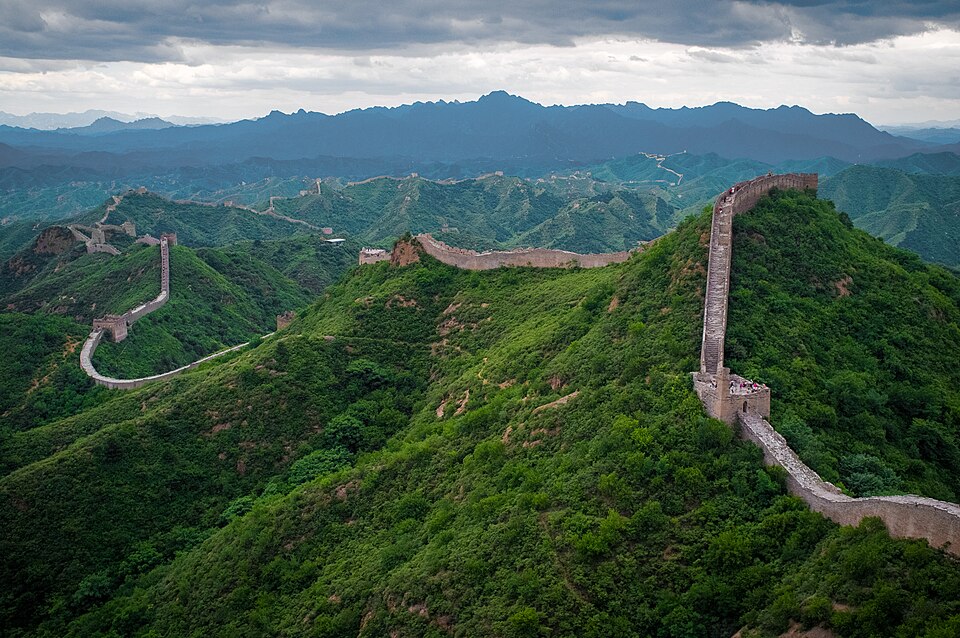
“The Great Wall” is not one place. Around Beijing it is dozens of separate sections, some rebuilt into smooth promenades, others left as crumbling ridges with grass pushing through the brick. Choosing between them shapes your entire day: two hours of crowds and coach horns, or a quiet ridgeline walk with the wall running empty to the horizon. This guide compares the sections most visitors actually consider, explains how to reach them, and flags what you need to verify before you commit.
Badaling: the famous, accessible option
Badaling is the section most people picture, and the one most people visit. It is fully restored, has cable car and pulley options, and offers step-free access along parts of the route, which makes it the practical choice for travellers with mobility needs or very tight schedules.
It is also the busiest. Expect tour groups, hawkers and a heavily polished surface rather than weathered stone. If you go, aim for opening time on a weekday and leave by mid-morning. Verify current opening hours, last entry and whether your chosen day needs a reservation on the official Badaling booking channel before you travel — these details change by season.
Mutianyu: the default recommendation
Mutianyu sits roughly 90 minutes from central Beijing and suits most visitors. It is restored but retains genuine Ming character: watchtowers at regular intervals, granite flanks, forested ridges in every direction. Crowds are a fraction of Badaling’s, and the toboggan run down is a genuine highlight for children and adults alike.
You can ride a cable car or chairlift up and walk, or take the toboggan down. Entry and lift tickets are usually sold as bundles; on peak days they can sell out, so check the official Mutianyu channels or a reputable operator in advance. The walk between the higher towers rewards the effort with the classic wall-snaking-over-ridges view and far fewer people in your photographs.
Jinshanling: for photographers and hikers
Jinshanling is partly unrestored and roughly 2.5 hours from Beijing, marching across wild ridgelines. It is the wall you have seen in magazines. Even in summer, crowds are thin.
The trade-offs are real. Public transport is impractical, so a private car is effectively essential. Sections are steep and uneven underfoot. Plan a full day, ideally with a dawn or dusk slot for the light. The classic route continues toward Simatai West, a hike of several hours that is moderately strenuous. Check locally whether any portion is closed for restoration, as access changes.
Other sections worth knowing
Jiankou is wild and crumbling, and some stretches are officially off-limits to hikers; go with a licensed guide or not at all. Huanghuacheng combines wall and reservoir views and stays quiet. Simatai runs night-time illuminations and has historically operated a permit system for its wilder stretches — confirm the current arrangement before planning around it. Gubeikou suits strong walkers chasing solitude.
Getting there and booking
Public transport to Mutianyu involves bus changes and some negotiation; to Jinshanling it barely exists. Many visitors end up hiring a private driver for the day, which removes the transport problem and lets you arrive before the coaches. Ask your hotel or operator for a written quote covering waiting time and tolls rather than a verbal estimate.
Reservations matter more than they used to. Several major Beijing attractions now require real-name advance booking with a passport, and the Great Wall sections are no exception on busy dates. The mechanics are explained in this guide to booking attractions in China as a foreigner. If you are paying on site, it helps to know how mobile payments work; see this cashless travel guide for WeChat Pay and Alipay.
Trains from Beijing to the surrounding region are covered in this China train travel guide, though for the wall itself a car is usually simpler.
Seasons and what to wear
Spring brings green hills and mild air. Summer is hot and often hazy; start early and finish before midday. Autumn offers the best light and crisp temperatures, which also means the popular sections book out further ahead. Winter is snow-dusted and nearly empty, with brutal wind on exposed ridges — dress accordingly.
Whichever section you choose, expect steps, slopes and uneven stone. Wear proper shoes, carry more water than feels necessary, and check the day’s weather rather than the forecast for central Beijing, which tells you little about conditions on the ridge.
Frequently asked questions
Which Great Wall section is best for a first visit?
Mutianyu suits most first-time visitors: restored enough to be comfortable, wild enough to feel historic, and far less crowded than Badaling. If you have limited time or mobility requirements, Badaling is the more practical choice.
Do I need to book Great Wall tickets in advance?
Increasingly, yes, at least on weekends, holidays and in autumn. Requirements vary by section and season, so check the official booking channel for your chosen section a few days ahead and look specifically for whether real-name passport registration is required.
Can I visit the Great Wall without a tour?
Yes. Mutianyu and Badaling are both reachable independently, though Mutianyu involves bus changes. Jinshanling and the wilder sections are much harder without a private car or organised transport.
Is the toboggan at Mutianyu suitable for children?
It is popular with families, but there are age, height and supervision rules, and it closes in wet weather. Check the conditions on the day at the ticket office rather than assuming it will run.
How much time should I allow?
A half day is enough for Badaling or Mutianyu including travel from Beijing. Jinshanling and the wild sections deserve a full day, particularly if you want sunrise or sunset light.
Whichever section you pick, the difference between a good day and a frustrating one usually comes down to timing: arrive early, confirm your booking and transport the day before, and check the operator’s own page for current hours and access rather than relying on any guide, including this one.