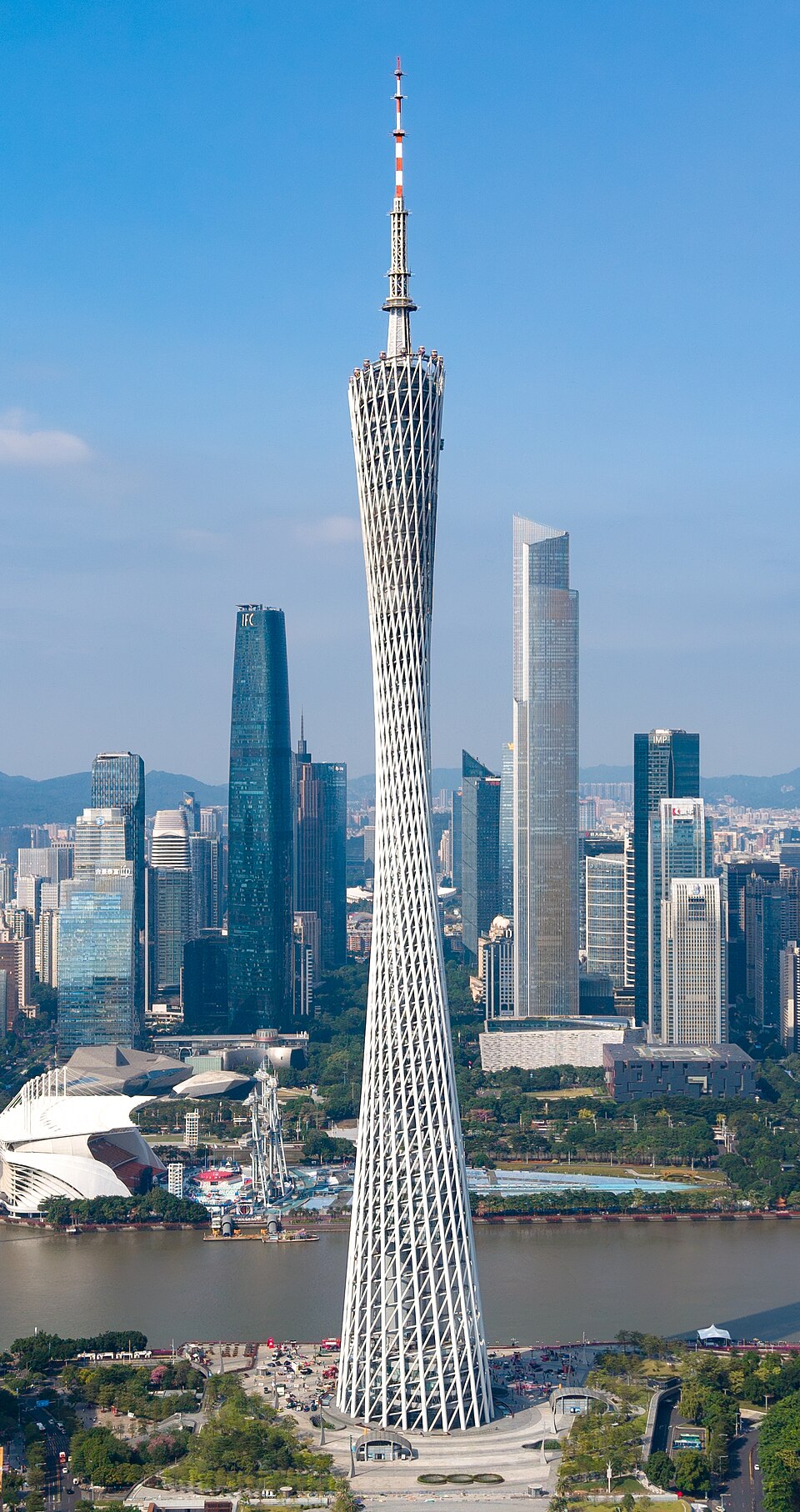
Guangzhou is China’s trading capital, a port city with roughly 2,200 years of recorded history. It is a place of banyan-lined boulevards, imperial academies, wholesale markets that never seem to close, and a skyline crowned by the Canton Tower. Most visitors pass through on the way to Hong Kong or Shenzhen; those who stay find a walkable historic core, one of the country’s best metro networks, and food that justifies a trip on its own. This guide covers the main sights, realistic day trips, timing, and how to get around without losing hours to guesswork.
The essential sights
Canton Tower anchors the Zhujiang New Town skyline. The observation decks give the Pearl River panorama, and after dark the structure runs through a full lighting programme. Ticket tiers, deck heights and opening hours change with season and maintenance, so check the tower’s own booking page before you commit to a slot, and note whether your chosen tier includes the outdoor deck.
Shamian Island is the car-free colonial quarter, laid out with Victorian banks, consulates and churches along the river. It is the city’s most atmospheric stroll and works well in the late afternoon. Chen Clan Ancestral Hall is the most lavishly decorated building in South China, with roof sculpture, brick carving and ivory work; it now houses the Guangdong Folk Art Museum. Sacred Heart Cathedral in Yuexiu is a full-scale Gothic structure built entirely of granite, unusual in Asia and worth a short detour.
The Pearl River night cruise remains the classic way to see the illuminated bridges and towers from the water, with several piers and ticket classes. Baiyun Mountain offers a green escape north of the centre, with cable cars and walking trails; go early to avoid both heat and queues. Many Guangzhou attractions now use timed online reservations, particularly around public holidays, so read our guide to booking attractions in China before you build a fixed schedule.
Food: what to eat and where
Cantonese cooking is the reason many people come. Dim sum in the morning, roast goose, rice noodle rolls, claypot rice and late-night congee are all part of the routine, and the city’s food streets reward wandering more than planning. Our Guangzhou street food guide lists specific dishes and neighbourhoods. If you keep halal, vegetarian or both, check the practical notes in halal and vegetarian food in China before you rely on a restaurant being open or suitable.
Day trips from Guangzhou
Foshan, west of the city, is known for ancestral temples and its association with kung fu traditions; it is reachable by metro and intercity rail. Shunde, south of the centre, is widely regarded as a food destination in its own right and makes a long half-day or a full day. Further afield, the Hong Kong–Zhuhai–Macau Bridge connects the region by road, though coach and shuttle arrangements need checking in advance.
High-speed rail puts Shenzhen and Hong Kong within easy reach, and the timings are short enough for a day trip if you start early. Services, seat classes and departure stations vary, so confirm schedules and buy tickets through the official channels described in our 12306 booking walkthrough. Cross-border trips also raise passport and entry questions that differ by nationality; treat any visa or transit claim you read online as unverified until you check it on an official government page.
When to go
Autumn and winter, roughly November to March, bring the year’s most comfortable weather. The Canton Fair runs in phases during spring and autumn and fills hotels across the city, so if your dates overlap, book accommodation early and expect higher rates. Summer is hot and humid with heavy rain and typhoon risk along the coast. Our month-by-month notes for China in November and October help you weigh crowds against conditions.
Getting around
Guangzhou’s metro is one of the best in China and covers nearly everything a visitor wants, with English signage and app-based payment. Bikes fill the short gaps, and the BRT corridors serve some routes faster than the metro at peak times. Fares, first and last train times and line extensions change, so check the operator’s own page or a current metro map rather than relying on a screenshot. For broader context on payment and gates, see the China metro guide.
For day trips, a private driver saves hours where rail does not reach the door. As for planning tools, an AI itinerary can help you sequence a Guangzhou-centred route, but verify every opening time, price and booking requirement against the venue. Our notes on using AI for a China itinerary without invented opening hours explain where these tools tend to fail.
Practical preparation
Mobile payment is close to universal, but foreign cards do not always work in every wallet or terminal, so carry a backup. Read the cashless travel guide before you fly. Internet access, translation apps and pharmacy basics are worth sorting in advance rather than on arrival day.
Frequently asked questions
How many days do I need in Guangzhou?
Two full days cover the main sights comfortably; three or four allow a day trip to Foshan or Shunde and a slower food itinerary. Add a day if you plan to cross to Hong Kong or Macau.
Is Guangzhou worth visiting on a first China trip?
Yes, particularly if you want Cantonese food, colonial-era architecture and a working port city rather than a polished tourist centre. It also pairs well with Hong Kong, Shenzhen and Guilin by rail.
Do I need to book Canton Tower tickets in advance?
It is wise during holidays and weekends. Check the tower’s official booking page for current deck options, time slots and any closure notices, since these change and we do not publish figures that may be out of date.
Can I visit Guangzhou visa-free?
Some nationalities qualify for visa-free entry or 240-hour transit, but the rules are specific about ports, onward tickets and permitted regions. Confirm your own eligibility on an official immigration or embassy page before booking.
Is English widely spoken?
Less than in Shanghai or Beijing. Hotel desks usually manage, but taxis, markets and smaller restaurants often do not. A translation app and a few written Chinese phrases make a real difference.
Treat Guangzhou as a city to move through slowly: one long walk along the river, one morning of dim sum, one hill or one island, and a day trip by rail. Verify times, tickets and entry rules on official pages as your dates approach, and the rest tends to look after itself.