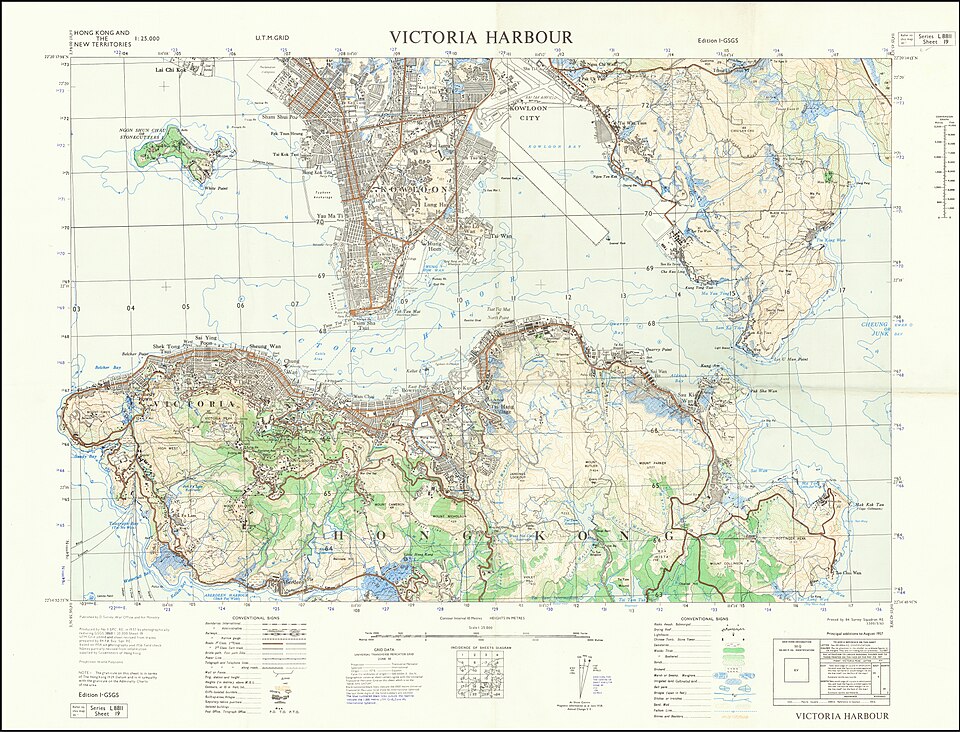
Hong Kong packs a global city, roughly 260 islands and some of Asia’s best hiking into about 1,100 square kilometres. That density is the point: you can ride a 19th-century funicular to a ridge walk in the morning, eat dim sum for lunch, and be on a car-free island by mid-afternoon. This guide covers the sights that genuinely repay the time, how to eat well without spending much, where to escape the towers, and the practical details — transport, money, borders — that determine whether a short trip feels smooth or stressful.
Getting around: Octopus, MTR and ferries
The MTR is the backbone of any visit: clean, frequent and signed in English. Buy an Octopus card shortly after arrival at a customer service centre or machine, then top it up in cash. It is a stored-value card rather than a discount pass, and it is accepted on most buses, trams, ferries and in many convenience stores, which makes it the simplest way to stop worrying about exact change. Check the current deposit, top-up rules and refund conditions on the official Octopus website before you rely on it, and note that you can also add the card to some phone wallets — verify which ones are supported in your region rather than assuming.
Taxis are plentiful and metered, but cross-harbour journeys involve tunnel charges, so the Star Ferry is often the better crossing. For mainland China legs, the high-speed rail network connects from West Kowloon, and if you are continuing onwards it is worth reading up on China High-Speed Rail Seat Classes and Onboard Food (2026) and How to Book Train Tickets in China: 12306 Step by Step so you know what you are buying.
The classic sights, done properly
Victoria Peak. The Peak Tram has run since 1888 and remains the theatrical way up; buses and taxis also reach the top for less. Both the tram and the Sky Terrace charge separately, so check current fares and opening times on the operator’s own page rather than trusting a blog. Once up, skip the crowded terrace for the circular Lugard Road loop — a flat, roughly hour-long walk with harbour views that improves as you go.
Star Ferry. The crossing between Tsim Sha Tsui and Central is one of the cheapest worthwhile things you can do in the city. Pay with Octopus or cash; check the operator’s timetable for first and last sailings, which vary by route and season.
Tsim Sha Tsui promenade and the Avenue of Stars. The free waterfront view is best around the evening light show. Confirm the current start time and whether it is running on the Hong Kong Tourism Board’s site — schedules have changed in the past.
Temple Street Night Market. Fortune tellers, Cantonese opera buskers and claypot rice restaurants. It is a market, so prices are negotiable and opening nights vary; go hungry and expect to eat at plastic stools.
Big Buddha and Po Lin Monastery. On Lantau, reached by the Ngong Ping 360 cable car, by bus, or on foot via the Lantau Trail. Cable car services close for maintenance, so check the operator’s site for the day you plan to travel.
Eating like a local
Start mornings in a cha chaan teng — a Hong Kong-style café — with milk tea and a pineapple bun. Dim sum is a morning-to-lunch affair; arrive early at the older, trolley-service places for the full experience. Roast goose, wonton noodles, beef brisket and egg waffles are all worth seeking out, and Sham Shap Po and Mong Kok reward wandering more than planning. Cheap, excellent meals are normal here rather than exceptional, but note that many small restaurants are cash-only or take only local payment apps, so carry some notes. If you are travelling onwards into the mainland, our China Cashless Travel Guide: WeChat Pay & Alipay 2026 explains how the two systems differ.
Hiking and islands
The Dragon’s Back is the best-known ridge walk: a few hours of undulating path ending above Big Wave Bay, reachable by bus from Shau Kei Wan. It is exposed, so carry water and start early in summer. Cheung Chau is a car-free island with a waterfront seafood strip and a ferry from Central; Lamma and Peng Chau are quieter alternatives. Trail conditions, ferry timetables and typhoon arrangements change, so check the Agriculture, Fisheries and Conservation Department and the ferry operator before setting out. In typhoon season, plans should stay flexible.
Practical planning and crossing to the mainland
October to December generally brings the clearest views and the most comfortable walking weather. English is widely used in hotels and on transport, but less so in neighbourhood restaurants; a translation app helps. Mobile data, SIM and eSIM choices are covered in our Internet Access in China: Wi-Fi, eSIM and Roaming Explained guide, which is relevant if you are combining Hong Kong with the mainland.
Hong Kong connects to Shenzhen by high-speed rail from West Kowloon and by several land crossings, including the Lok Ma Chau and Shenzhen Bay control points. Immigration and visa rules differ between Hong Kong and the mainland, and eligibility for visa-free transit into the mainland depends on your nationality, your route and your onward ticket. Verify your own situation on the official immigration website or at a Chinese embassy before booking, and check current entry requirements rather than relying on older advice. Cross-border coaches and private car transfers exist but add cost and border time; rail is usually faster. For a wider mainland context, see China Visa-Free Transit: 240-Hour Guide 2026.
Frequently asked questions
How many days do I need in Hong Kong?
Three full days covers the Peak, the harbour, one market evening, dim sum and a hike or island. Five days lets you add Lantau properly and slow down. Anything less and you will spend most of it in transit.
Is Hong Kong expensive?
Accommodation is the main cost and it is high by regional standards. Transport, ferries and everyday food are inexpensive, and hiking is free. Set your budget around your hotel rather than your meals.
Do I need cash, or can I use a card?
Cards work in hotels, chains and larger restaurants. Small eateries, markets and taxis often prefer cash or Octopus. Carry a few hundred Hong Kong dollars and top up as needed.
Can I visit Shenzhen as a day trip?
Often yes, but it depends on your nationality and which entry route you use. Check the current rules for your passport and confirm your onward plans before travelling to the border, and allow extra time at peak periods.
When is the best time to visit?
October to December for clear skies and comfortable temperatures. Summer is hot, humid and in typhoon season; spring can be hazy and wet.
Hong Kong rewards a loose plan rather than a packed one: pick two or three anchors, leave room for a ferry you did not intend to take, and check operator pages for times, fares and closures the week you travel. That approach will serve you better than any fixed checklist.
[…] Hong Kong travel guide […]