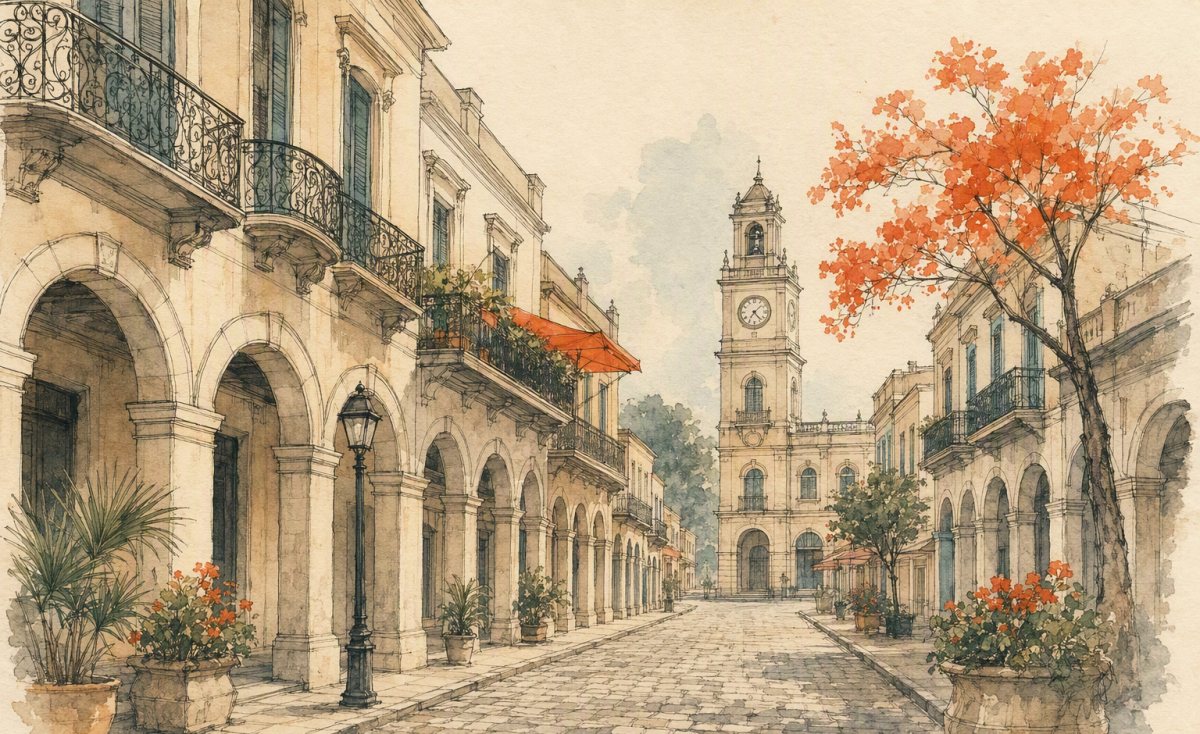
Tianjin sits roughly half an hour from Beijing by high-speed train, which makes it one of the easiest two-day additions to a Beijing itinerary and one of the most rewarding. The city was carved into foreign concessions in the nineteenth and early twentieth centuries, and the architecture, river frontage and food culture still carry that layered history. This guide covers the main districts, how to move between them, what to eat, and how to check the details that change, such as opening hours, reservations and train times.
Getting there and getting around
High-speed trains run between Beijing South and Tianjin several times an hour, and the journey is short enough to treat as a day trip, though two days suits the city better. Schedules and seat classes change, so check the current timetable rather than relying on any figure you read elsewhere. If you are booking independently, the step-by-step process for the official booking channel is covered in How to Book Train Tickets in China: 12306 Step by Step, and seat categories are explained in China High-Speed Rail Seat Classes and Onboard Food.
Within Tianjin, the metro is the simplest way to link the train stations, the Five Great Avenues and the river. Taxis and ride-hailing work well for shorter hops. The Binhai district, where the library and coastal sights sit, is a separate trip east and is best done as a dedicated half or full day rather than squeezed into a city-centre afternoon.
The Five Great Avenues (Wudadao)
This grid of streets holds around two thousand villas built in the 1920s and 1930s, when nine nations administered concessions here. The architecture ranges from English cottages to Italianate villas and German-style townhouses, and many former residences of warlords, officials and writers now function as cafés, guesthouses or small museums. The lanes themselves are the attraction; walking is the best way to see them, with bicycles and horse-carriages available if you prefer. Some individual houses charge admission and keep limited hours, so check at the door or on the site’s own listing before planning around a specific building.
The Hai River, the skyline and Italian Style Town
The Hai River is the spine of the city, crossed by bridges of different eras and lined with walking paths that are pleasant in the evening. The Tientsin Eye Ferris wheel is built over the river on a bridge, and the surrounding promenades fill with families after dark. Italian Style Town, a short walk from the river, has arcaded piazzas, cafés and restaurants that are at their best at lantern-hour, when the lighting comes on.
The Binhai Library, with its curved book terraces around a central sphere, is the most photographed interior in the region and sits in the Binhai cultural district. It is a working public library, so entry arrangements, reservation requirements and opening days are subject to change. Check the library’s own official page for current visitor rules and whether a booking is needed before you travel out there.
What to eat and where to laugh
Tianjin takes its breakfast and its snacks seriously. Goubuli baozi is the city’s best-known dumpling brand, with a flagship that draws visitors and branches that locals tend to prefer; quality and pricing vary by branch, so treat the name as a starting point rather than a guarantee. Jianbing guozi, the savoury breakfast crêpe with a crisp fried cracker inside, originated here and is sold from street stalls across the city in the morning. Erduoyan fried cake and mahua, the twisted fried dough, are traditional snacks associated with the Ancient Culture Street area.
Crosstalk, or xiangsheng, is Tianjin’s signature performance form, staged in teahouses around the old town and the river. Even without following the Chinese, the timing and audience reaction carry the show. Tickets are usually bought at the venue or through local booking platforms; confirm the current performance schedule directly, as teahouse programmes shift seasonally. If dietary restrictions matter to you, the practical guidance in Halal and Vegetarian Food in China: A Practical Guide is worth reading before you go.
The Binhai add-on
Beyond the library, Binhai has a decommissioned aircraft carrier opened as a theme park and stretches of coastal wetland that make a modern counterpoint to the concession-era centre. These are spread out and not walkable from one another, so plan transport in advance and check each site’s official page for current opening arrangements, since seaside attractions in particular operate seasonally.
When to go and how to plan it
Spring and autumn, roughly April to May and September to October, give the most comfortable walking weather. Winter brings sharp river winds but often clear skies, and the indoor sights remain open. Tianjin slots neatly into a Beijing trip as a two-day branch, and the combined route is the kind of thing a planning tool handles well if you verify the details it produces; see AI Travel Planner for China: What It Plans Well and Where It Breaks for where those tools tend to go wrong. A private car with driver is a reasonable option if you want to cover the Five Great Avenues and the Binhai circuit in a single day without depending on public transport.
Frequently asked questions
Is Tianjin worth visiting from Beijing?
Yes, if you have two spare days. The concession architecture, riverfront and food scene are distinct from Beijing’s, and the train journey is short. A single rushed day covers only the Five Great Avenues and the river; two days allow for Binhai as well.
Do I need to book the Binhai Library in advance?
Possibly. Public libraries in China sometimes require advance reservation and sometimes restrict entry on certain days. Check the library’s official page or its official booking channel shortly before your visit, and look specifically for visitor reservation rules and closed days.
Can I see the main sights without speaking Chinese?
Largely yes. Signage in the main tourist areas is often bilingual, and translation apps handle the rest. For teahouse crosstalk, the performance is enjoyable without full comprehension, but booking by phone may be difficult, so ask your hotel to help or use a booking platform. See The Language Barrier in China: Translation Apps and Essential Phrases for practical setup.
How do I pay for things in Tianjin?
Mobile payment dominates, and foreign cards can often be linked to the main payment apps, though support varies by card issuer and app version. Carry some cash as a backup and verify your app works before you leave Beijing.
Should I stay overnight or day-trip?
Overnight is better. Evening is when the riverfront and Italian Style Town are at their most atmospheric, and a day trip forces you back to Beijing before that. Two nights gives a comfortable pace.
Treat every specific detail here, from train times to library entry rules, as something to confirm on the operator’s or venue’s own page close to your travel date, and build the trip around what you find rather than what any guide, including this one, states as fixed.