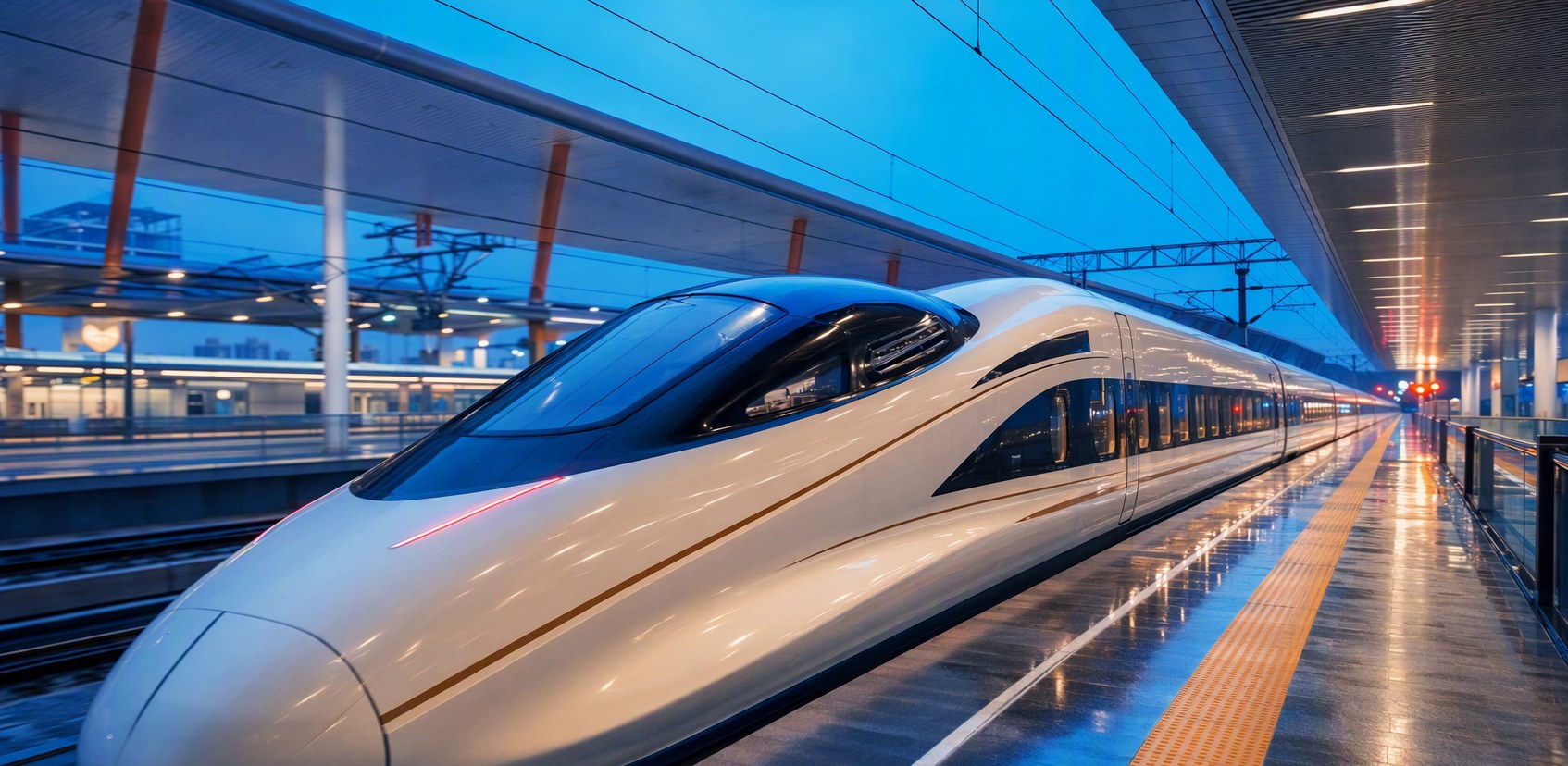
Why China’s High-Speed Rail Beats Flying (and Driving)
With over 45,000 km of operational high-speed rail (HSR) lines—the longest network in the world—China’s bullet trains are the smartest, safest, and most punctual way for foreign tourists to move between cities. In 2026, trains like the Fuxing (CR400 series) cruise at up to 350 km/h, linking Beijing to Shanghai in just 4h18m—and Shenzhen to Guangzhou in under 30 minutes. Unlike domestic flights, HSR avoids airport transfers, security bottlenecks, and weather delays. And unlike driving, it eliminates language barriers, tolls, and parking stress. For travelers on the 240-hour visa-free transit policy (available in 24 Chinese cities including Chengdu, Xi’an, Qingdao, and Dalian), HSR unlocks seamless multi-city itineraries without needing a full visa.
How to Book Tickets as a Foreigner in 2026
You can buy tickets at station counters—but queues, Mandarin-only interfaces, and ID verification hurdles make it inefficient. The best options are:
- 12306.cn official app (with English toggle): Download the latest version (v7.3+, released March 2026). Requires real-name registration using your passport (scanned via OCR). Works offline for QR code boarding. Note: Credit cards aren’t accepted—use Alipay or WeChat Pay linked to an international card (Visa/Mastercard now fully supported as of Jan 2026).
- WeChat Mini Program “12306 Official”: Faster than the app for last-minute bookings. Search ‘12306’ in WeChat > tap ‘Mini Programs’ > verify ID > book in under 90 seconds. Save your passport photo and travel dates in advance for one-tap rebooking.
- WingPhoenix Trip Planner: Our AI trip builder auto-generates optimized HSR routes based on your dates, budget, and interests—then books confirmed e-tickets with seat selection and real-time delay alerts. No app switching, no translation fatigue.
Pro tip: Book 15–30 days ahead for popular routes (e.g., Beijing–Xi’an, Shanghai–Hangzhou) during holidays (Oct National Day, Spring Festival). Off-peak? Same-day tickets are widely available—even for first-class seats.
Station Navigation & Boarding Made Simple
Major stations (Beijing South, Shanghai Hongqiao, Guangzhou South, Chengdu East) are designed for efficiency—but signage varies. Here’s what to expect:
| Step | What to Do | 2026 Update |
|---|---|---|
| Arrival | Enter via main concourse; look for blue-and-white ‘G’ (high-speed) or ‘D’ (express) train signs | All Tier-1 stations now have multilingual digital kiosks (English, French, Spanish, Japanese) with voice-guided navigation |
| ID Check | Scan passport + QR code at automated gates (no paper ticket needed) | Facial recognition gates now accept passport photos taken within last 6 months—no live selfie required |
| Boarding | Find your carriage number (e.g., ‘05’), then seat letter/number (e.g., ‘12C’) | LED platform displays show real-time carriage positions and door-opening side (left/right)—updated 90 sec before arrival |
Carriages are climate-controlled, power-outlet equipped (Type A/B sockets), and offer free Wi-Fi (via China Telecom eSIM-authenticated login—more on that below). First-class seats include footrests, wider spacing, and complimentary bottled water. Business class adds hot towels and bento boxes (¥68–¥128, orderable via 12306 app).
eSIM + HSR: Your Seamless Connectivity Combo
Staying online on China’s HSR isn’t optional—it’s essential for real-time ticket scanning, navigation, translation, and ride-hailing. Physical SIMs require ID registration *at a store*, often taking 2+ hours. Pocket Wi-Fi devices risk battery drain and inconsistent coverage in tunnels (especially in mountainous routes like Xi’an–Chengdu). The 2026 solution? A China eSIM.
WingPhoenix offers plug-and-play eSIM plans (1GB–10GB/day) activated instantly via QR code—no physical swap, no store visit. Once installed, your eSIM works seamlessly inside HSR carriages, automatically connecting to China Telecom’s upgraded 5G+ network (coverage now extends to 99.7% of track length, per MIIT Q2 2026 report). Use it to:
- Translate station announcements or conductor instructions in real time
- Access Baidu Maps offline maps (download before boarding)
- Pay for snacks at onboard trolleys (WeChat Pay/Alipay)
- Check live train status via 12306 app—critical for tight connections
Pro note: If you’re arriving under the 240h visa-free transit policy, activate your eSIM *before landing*—it works the moment you step off the plane, so you can book your first HSR leg from the airport (e.g., Beijing Capital Airport → Beijing South Station via Airport Express + Metro Line 14, total transfer time: 52 min).
Top 5 HSR Routes for Tourists in 2026
These routes combine speed, scenery, cultural access, and visa-free transit eligibility:
- Shanghai Hongqiao → Hangzhou East (45 min, ¥73): Perfect for a day trip from Shanghai—arrive by 8:30am, explore West Lake, tea fields in Meijiawu, and return by 8pm.
- Xi’an North → Chengdu East (3h12m, ¥263): Cross the Qinling Mountains through 127 tunnels. Book window seat on left side for misty peaks and terraced fields.
- Guangzhou South → Shenzhen North (28 min, ¥74.5): Ideal for Greater Bay Area hopping—connects Cantonese heritage, tech hubs, and Macau ferry terminals.
- Beijing South → Tianjin West (30 min, ¥54.5): The world’s first commercial HSR line (2008), now upgraded with autonomous operation. Great for a colonial-port city break.
- Nanjing South → Huangshan North (2h23m, ¥195): Terminates at the foot of Huangshan—skip the bus transfer and start hiking at Yun Gu Temple by noon.
Each route is served by ≥6 daily departures, with first trains starting at 6:10am and last trains departing by 10:40pm. All stations connect directly to metro or airport express lines—no taxi haggling required.
Final Tips: Etiquette, Delays & Emergency Help
Chinese HSR culture prioritizes quiet, cleanliness, and punctuality. Keep phone volume low, avoid strong-smelling food (instant noodles are frowned upon), and dispose of trash in designated bins (not under seats). Trains are rarely delayed—average on-time performance is 99.2% (2026 CRRC data)—but if your train is canceled or delayed >30 minutes, use the 12306 app to request automatic refund + rebooking (processed in ≤15 minutes). For urgent assistance, press the call button above your seat or dial 12306 (English hotline, open 24/7, staff trained in tourism scenarios since April 2026).
Planning your China rail journey shouldn’t mean juggling apps, translations, and timetables. Let WingPhoenix’s AI trip planner do the heavy lifting—input your dates, cities, and preferences, and get a polished, bookable itinerary with HSR tickets, eSIM activation, and local transport links—all in one click. Start building your seamless China rail adventure today.