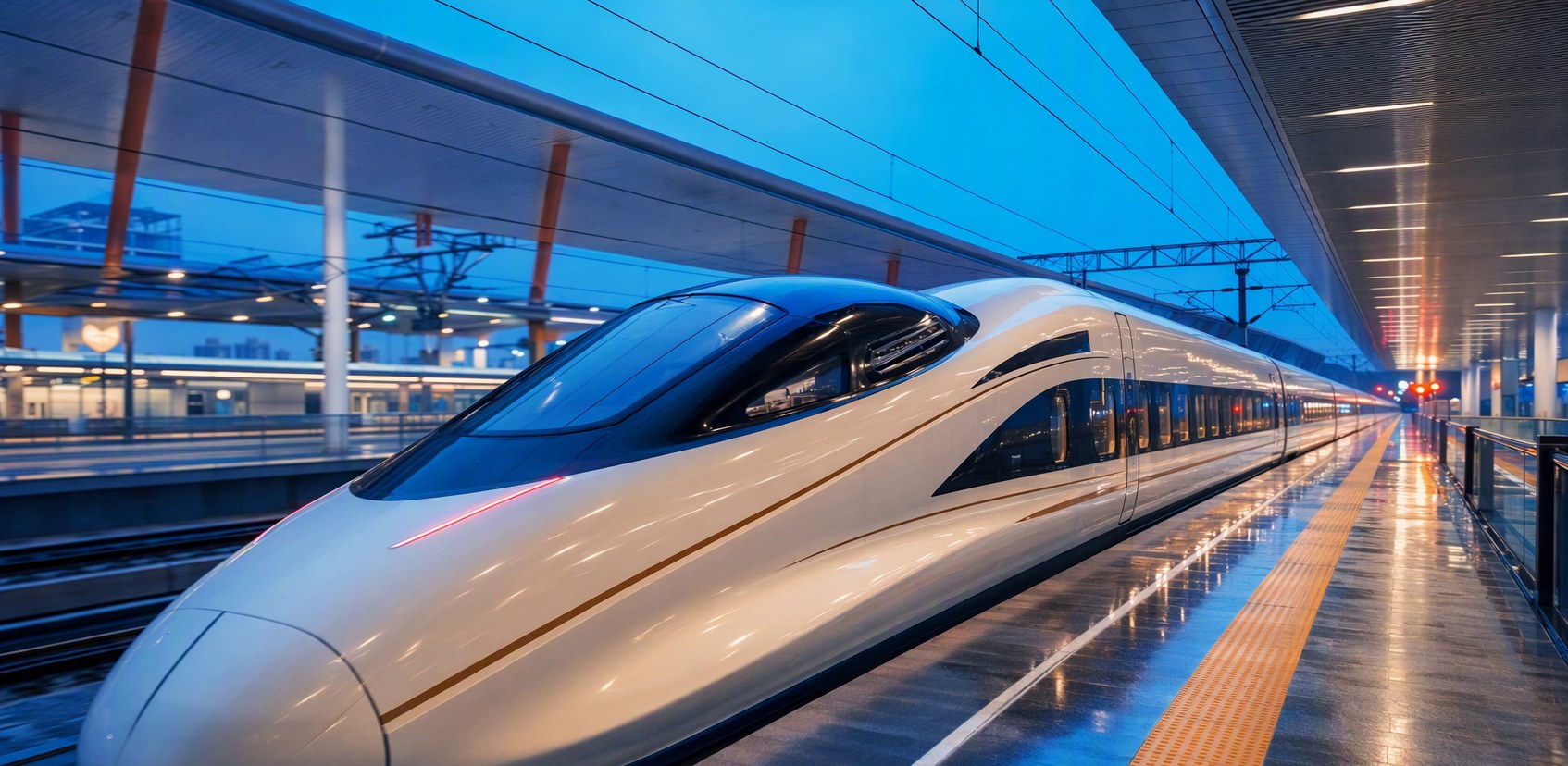
Why China’s Metro Beats Taxis (and Why You’ll Love It)
China operates the largest, fastest-growing, and most technologically advanced urban rail network on Earth — with over 11,000 km of track across 55+ cities as of mid-2026. For foreign tourists, metro travel isn’t just convenient; it’s often the *only* reliable way to avoid traffic gridlock, language barriers at taxi stands, and inconsistent ride-hailing app coverage outside Tier-1 hubs. Unlike buses or shared bikes, metros run on time (average punctuality: 99.8%), accept contactless payments from foreign cards (via Alipay Tour Pass or WeChat Pay), and feature multilingual signage in English, Japanese, and Korean — plus real-time AI translations on digital displays in Beijing, Shanghai, Guangzhou, and Shenzhen.
Metro Access by City: What Works in 2026
Not all Chinese metros are equal — and not all accept foreign payment methods seamlessly. Below is your verified 2026 city-by-city breakdown:
| City | Lines (2026) | Foreign Card Support? | eSIM/QR Required? | Key Notes |
|---|---|---|---|---|
| Beijing | 27 lines | Yes (Alipay Tour Pass only) | No — physical QR card optional | Free transfers within 30 min; 240h visa-free transit passengers get free metro map + e-ticket voucher at Capital Airport T3 info desks |
| Shanghai | 20 lines + 1 maglev | Yes (WeChat Pay & Alipay) | No — but QR codes scan faster than NFC | Maglev connects Pudong Airport to Longyang Road (8 min); no ID check required for foreigners |
| Guangzhou | 16 lines | Yes (Alipay Tour Pass) | Yes — mandatory QR via Alipay app | English announcements every 3 stops; transfers to Foshan Metro now fully integrated (same QR code) |
| Shenzhen | 17 lines | Yes (WeChat Pay & Alipay) | No — but NFC-enabled Apple/Google Pay works at all gates | AI station assistants speak English upon voice command; 240h visa-free transit travelers receive complimentary 3-day metro pass at Luohu or Futian checkpoints |
| Hangzhou | 12 lines | Limited (Alipay Tour Pass only) | Yes — QR code required | West Lake scenic line (Line 10) has panoramic windows & bilingual audio guides; bike-sharing docks integrated at 92% of stations |
Step-by-Step: Riding Your First Metro Ride (No Mandarin Needed)
You don’t need to read Chinese characters — just follow this foolproof sequence used daily by 40M+ riders:
- Step 1: Download Alipay or WeChat Pay before arrival (set up Tour Pass in Alipay or link international card in WeChat Pay).
- Step 2: At station entrance, locate the blue “Scan QR Code” gate (not the red “Swipe Card” lane). Look for the icon: 📱 + 🚪.
- Step 3: Open your payment app > tap “Transport” > select city > generate QR. Hold phone 2–3 cm from scanner — green light = go.
- Step 4: Inside, follow color-coded line maps (each line has unique color + number). Platform signs show next train arrival (in seconds) and final destination in English.
- Step 5: Exit: Scan same QR again at exit gate. Fare auto-deducts — average cost: ¥2–¥8 (US$0.30–$1.10) per trip.
No ticket machines. No paper tickets. No passport checks — unless you’re using the 240h visa-free transit benefit, in which case present your boarding pass + passport at designated service counters (e.g., Beijing Capital T3, Shanghai Pudong T2, Guangzhou Baiyun T2).
Pro Tips for Stress-Free Metro Travel
Avoid rush hour. In Beijing and Shanghai, 7:30–9:00 AM and 5:00–7:00 PM are peak crush times — especially Line 1 (Beijing), Line 2 (Shanghai), and Line 3 (Guangzhou). Opt for earlier or later trains, or use the ‘Quiet Car’ (marked with blue signage) introduced in 2025 on high-frequency lines.
Strollers and luggage? Yes — but know the rules. Foldable strollers and carry-on bags (<20kg) are permitted anytime. Oversized luggage (≥40L) requires off-peak travel (10:00–15:00) and must be tagged at station service desks — free of charge. All major airports (PEK, PVG, CAN, SZX) have dedicated metro entrances with escalators, elevators, and luggage trolleys.
Lost? Use station AI kiosks. Touchscreen kiosks in Beijing, Shanghai, Shenzhen, Hangzhou, and Chengdu offer live translation, route planning, and emergency assistance in 12 languages. Simply say “Where is West Lake?” or “How do I get to Forbidden City?” — voice recognition works offline.
Accessibility is real — and expanding. As of July 2026, 100% of new metro lines (and 82% of existing ones) are fully wheelchair-accessible, with tactile paving, braille signage, priority seating, and staff-assisted boarding. Station staff wear blue vests with white “Assist” badges — they’ll guide you step-by-step, no questions asked.
Beyond the Basics: Metro Perks You Didn’t Know Existed
China’s metros are more than transport — they’re cultural corridors. In Xi’an, Line 4’s murals depict Tang Dynasty court life; in Chengdu, Line 10 features Sichuan opera face-changing animations on platform screens; in Xiamen, Line 2 runs underwater through a 3.2km tunnel beneath the sea — with glass viewing panels and marine-life soundscapes.
And yes — you can use your WingPhoenix AI trip planner to auto-generate metro-friendly itineraries. Just input your dates, interests (e.g., “temple visits + food markets”), and preferred cities — the planner will map optimal metro routes, flag transfer points, calculate walking distances to/from stations, and even sync real-time delay alerts. A second WingPhoenix AI feature helps translate station announcements live if your earbuds support transcription.
For long-haul travelers, note that metro passes now integrate with national rail: With a valid G-train ticket (e.g., Beijing–Tianjin HSR), you get 2 hours of free metro rides in both cities — activated automatically when scanning your train QR at metro gates. This applies to all 240h visa-free transit users traveling between airports and city centers.
Finally: never assume ‘subway’ means ‘underground’. In Chongqing, Line 2 snakes through mountains and across bridges — sometimes above rooftops, sometimes inside cliffs. In Qingdao, Line 1 runs along coastal cliffs with ocean views. In Lanzhou, Line 1 crosses the Yellow River via an underwater tunnel lit with fiber-optic stars. The metro is China’s quietest, most immersive introduction to its geography — and its future.
Ready to ride like a local? Start building your stress-free, metro-optimized China itinerary today — plan with WingPhoenix’s AI trip planner.