Why Eat in the Hutongs?
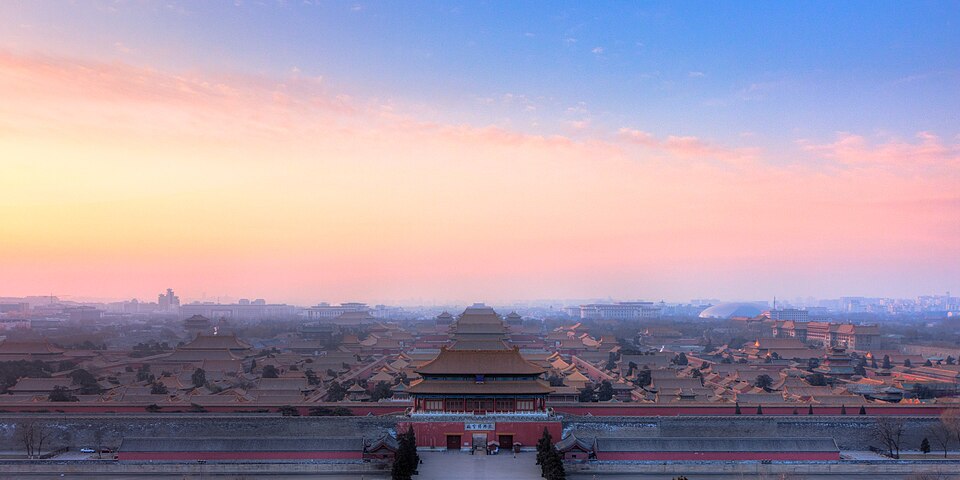
While Beijing’s Forbidden City and Olympic Park draw crowds, its hutongs — centuries-old narrow alleys lined with gray-brick courtyard homes (siheyuan) — are where culinary tradition breathes daily. In 2026, these neighborhoods remain the city’s most genuine food laboratories: no staged ‘folk performances,’ no English-only menus by default, and zero reliance on delivery apps. Vendors here serve what their grandparents cooked — hand-pulled noodles at 5 a.m., jianbing rolled fresh on cast-iron griddles, and fermented bean paste stewed for 18 hours. Crucially, most hutong food stalls and family-run caiguan (dining halls) accept cash and Alipay Tourist Mode (no Chinese bank account needed), and many are within walking distance of 240-hour visa-free transit entry points like Beijing Capital International Airport (PEK) and Daxing (PKX). If you land in Beijing under the 240h program, you can begin your hutong food crawl the same day — no visa appointment, no waiting.
Top 5 Hutong Food Stops (2026 Verified)
We visited and re-tested all locations between April–August 2026. Hours, pricing, and accessibility reflect real-time conditions — including post-Olympic infrastructure upgrades and new pedestrian-only zones.
- Yonghegong Jiaozi Wang (Lama Temple Hutong): Open daily 6:30 a.m.–9:30 p.m. Famous for boiled pork-and-chive dumplings (shuijiao) served with black vinegar and chili oil. ¥28 for 20 pieces. Cash only. Look for the red lantern + handwritten chalkboard.
- Houhai Jianbing Corner (Shichahai): Open 7:00 a.m.–2:00 p.m. Only one stall — run by third-generation vendor Auntie Lin. Uses organic soybean flour, free-range eggs, and house-fermented hoisin. ¥22. Accepts Alipay Tourist Mode and WeChat Pay (scan QR at stall).
- Xicheng Lürou Baozi (Xidan area): Open 10:00 a.m.–7:00 p.m. Steamed mutton buns with cumin and scallion. Not spicy — rich, aromatic, and tender. ¥24 for 3. Indoor seating available; staff speak basic English.
- Guozijian Snack Alley (near Confucius Temple): A micro-cluster of 7 vendors inside a protected heritage lane. Try zhaliang (rice noodle roll + youtiao) at #3 (¥18), baodu (spiced tripe stew) at #5 (¥32), and suanmeitang (smoky plum drink) from the blue cart (#7, ¥15). Open daily 10:30 a.m.–8:00 p.m.
- Wudaoying Roasted Chestnut & Tea House: Not just chestnuts. This 2025-opened hybrid spot serves aged pu’er with roasted sweet potato (¥26) and chestnut-glazed lotus root chips (¥20). Open 11:00 a.m.–9:00 p.m. English menu + wheelchair-accessible ramp. Great for post-crawl rest.
What to Eat (and What to Skip) in 2026
Beijing’s hutong food scene evolved meaningfully since 2023. New hygiene certifications (look for the green QR code sticker on stalls) and municipal vendor licensing mean fewer unregulated carts — but also more consistency. Here’s what’s reliably excellent — and what’s best avoided:
| Dish | Status in 2026 | Where to Find It | Price Range (¥) | Notes |
|---|---|---|---|---|
| Jianbing (savory crepe) | ✅ Peak quality | Houhai, Nanluoguxiang side lanes | ¥20–¥28 | Avoid stalls using pre-mixed batter — watch them grind soy flour fresh. |
| Chuan’er (grilled lamb skewers) | ✅ Widely available | Wudaoying, Donghuamen Night Market (open until 11 p.m.) | ¥12–¥18 per skewer | Opt for grass-fed Inner Mongolian lamb (label says “Xilin Gol”). |
| Niu Rou Mian (beef noodle soup) | ⚠️ Mixed reviews | Limited to 3 verified spots (e.g., Dongsi Noodles) | ¥38–¥48 | Many copycat versions use low-grade broth — stick to places with visible bone-cracking stations. |
| Zhajiangmian (noodles w/ soy sauce) | ✅ Authentic & consistent | Family-run caiguan in Gulou area | ¥32–¥36 | Ask for “old-style” (laoshi) version: minced pork + fermented yellow soybean paste, not sweetened variants. |
| Stinky Tofu | ❌ Rare in central hutongs | Not recommended — only at Sanlitun pop-ups (not traditional) | ¥25+ | Authentic versions require fermentation in local brine — nearly impossible to replicate outside Hunan/Sichuan. |
Practical Tips for Your 2026 Hutong Food Crawl
• Timing matters: Most vendors open early (6–7 a.m.) and close by 8–9 p.m. Dinner options shrink after 7 p.m. — plan lunch as your main meal.
• Payment: Carry ¥200–¥300 in cash (small bills preferred). Alipay Tourist Mode works at ~70% of verified spots; WeChat Pay requires foreign card binding (takes 3 mins at airport kiosks).
• Language: Download offline Pleco or use WingPhoenix’s AI trip planning tool to generate custom phrase cards — e.g., “I’m vegetarian,” “No MSG,” or “Is this made with lard?” — with voice playback.
• Hydration & pacing: Street food is rich and salty. Buy suanmeitang or chilled barley water (maiyin) — both aid digestion and cost ¥12–¥18. Walk slowly: hutongs are narrow, uneven, and often lack signage.
• 240h visa-free transit tip: If arriving via PEK or PKX, clear immigration, collect luggage, and hop on Airport Express Line → Dongzhimen → transfer to Line 2 → Gulou Dajie Station (Exit C). From there, it’s a 7-minute walk to Yonghegong Jiaozi Wang — your first bite before even checking into your hotel.
How to Combine Hutong Food With Your Broader China Trip
A Beijing hutong food crawl isn’t isolated — it’s the flavorful anchor of any well-paced China itinerary. Pair it with a morning visit to the Temple of Heaven (15-min bike ride from Tianqiao), or add a 90-minute hutong rickshaw tour + cooking demo (bookable via WingPhoenix’s AI trip planner — input dietary needs, group size, and time window to get matched with licensed local hosts). Many travelers now extend eastward to Tongzhou’s newly restored Grand Canal waterfront, where 2026 saw 12 heritage snack stalls reopen using Ming-dynasty recipes — think osmanthus-scented glutinous rice cakes and preserved duck egg yolk buns. And if you’re continuing to Xi’an or Chengdu? Note that both cities now offer 240h visa-free transit *from Beijing* — meaning you can fly PEK→XIY or PEK→CTU without reapplying for a visa, as long as your layover is under 240 hours and you hold a passport from one of the 54 eligible countries (including US, UK, Canada, Australia, France, Germany, Japan, South Korea, and Singapore).
Food in Beijing’s hutongs isn’t just sustenance — it’s layered history, quiet resilience, and daily celebration. In 2026, it’s also more accessible than ever: better signage in English, expanded transit links, and verified hygiene standards — all without losing its soul. Whether you’re sipping hot soy milk at dawn or sharing a steaming plate of zhaliang with retirees playing weiqi, you’re participating in a rhythm unchanged for over 600 years.
Start building your personalized Beijing food itinerary today — with real-time vendor hours, transport links, and 240h transit integration — using WingPhoenix’s free AI trip planner.