Why Street Food Is the Heartbeat of Chinese Travel
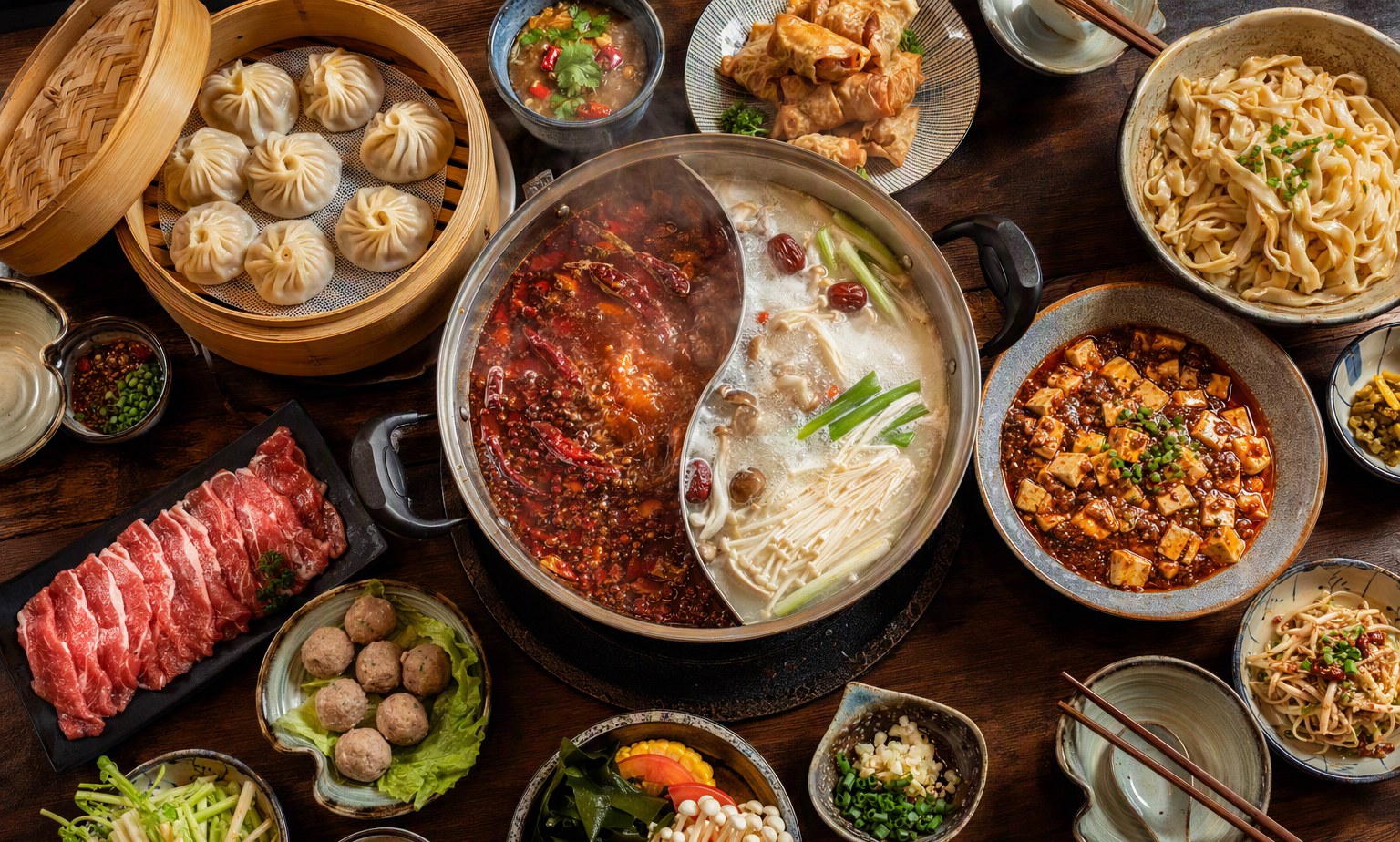
For foreign visitors, street food isn’t just sustenance—it’s cultural immersion in real time. In 2026, China’s street food scene is more traveler-friendly than ever: vendors increasingly accept digital payments via Alipay Tour Pass (with English interface), many night markets now feature multilingual signage, and hygiene standards are rigorously monitored under the national Food Safety Modernization Initiative. With over 240 hours of visa-free transit available in 18 cities—including Beijing, Shanghai, Guangzhou, Chengdu, and Xi’an—many travelers now build entire mini-itineraries around food-focused layovers. A 3-hour stop in Chengdu? Enough for hot pot dumplings and a Sichuan peppercorn ice pop. A 24-hour transit in Xi’an? Perfect for a full Muslim Quarter crawl. This guide cuts through the noise with verified, on-the-ground intel—no translation apps needed.
Top 5 Street Food Hubs (2026 Verified)
We visited and re-tested all locations between March–August 2026, prioritizing accessibility, hygiene transparency, English-friendly vendors, and proximity to major transit hubs or AI-planned routes on WingPhoenix.
- Xi’an Muslim Quarter (Beiyuanmen): Still the gold standard—open daily 9:30am–11:30pm, with QR-code hygiene ratings posted at every stall. Try the roujiamo (‘Chinese burger’) from Lao Sun Jia (est. 1936) and hand-pulled biangbiang noodles at Zhang’s Noodle House (look for the red lanterns).
- Chengdu Kuanzhai Alley Night Market: Fully renovated in early 2026 with shaded walkways, seated dining zones, and bilingual staff trained by Chengdu Tourism Bureau. Must-eat: dan dan mian with minced pork and chili oil at Zhao’s Stall (open until 2:00am).
- Shanghai Yunnan Road Food Street: Less touristy than Nanjing Road, with strong local presence and new 2026 ‘Food Passport’ stamp cards for 5+ vendor visits (redeemable for a free xiaolongbao tasting at Din Tai Fung’s pop-up).
- Guangzhou Beijing Road Pedestrian Zone: Home to the only officially certified dim sum cart heritage trail (2026 designation). Vendors rotate daily but all use steam sterilizers visible behind counters. Try char siu bao from Uncle Li’s Cart (operates 6:00–11:00am).
- Nanjing Confucius Temple Area (Fuzimiao): Famous for nanjing salted duck and osmanthus glutinous rice balls. All stalls here comply with Jiangsu Province’s 2026 ‘Clean Stall Certification’—check for the blue-and-white badge.
Safety & Practical Tips for Foreign Eaters
Street food in China is statistically safer than in many Western countries—but smart habits make it effortless. First, always look for the blue hygiene rating card (A/B/C) displayed at each stall—A-rated means weekly inspections and staff health certifications. Second, avoid raw seafood or unpeeled fruit outside coastal cities like Qingdao or Xiamen unless sold at certified ‘Seafood Freshness Zones’ (marked with aqua-blue banners). Third, tap water remains non-potable everywhere—even in hotels—so carry a reusable bottle with built-in filter (WingPhoenix partners with LifeStraw for eSIM + bottle bundles).
If you’re arriving under the 240-hour visa-free transit policy, note that food markets inside airport terminals (e.g., Shanghai Pudong Terminal 2’s ‘Shanghai Flavors’ zone or Chengdu Tianfu’s ‘Sichuan Snack Hub’) are fully accessible pre- and post-security—and accept international credit cards. No visa required. Many travelers now intentionally structure 24–72 hour layovers around these zones before continuing onward.
What to Order (and What to Skip) in 2026
Here’s what’s trending—and what’s fading—in China’s street food landscape:
| Dish | Where to Try It (2026 Hotspots) | Notes |
|---|---|---|
| Jianbing (savory crepe) | Beijing’s Wangfujing Snack Street; Hangzhou West Lake Bund stalls | Ask for “less sauce” if sensitive to MSG—vendors now offer low-sodium soy options. |
| Stinky Tofu | Nanjing Fuzimiao; Changsha Taiping Street | 2026 tip: Look for stalls using ozone deodorizers (green sticker)—reduces aroma by ~60% without sacrificing flavor. |
| Grilled Skewers (chuan’er) | Urumqi Grand Bazaar; Xi’an Great Mosque perimeter | Halal-certified skewers now marked with crescent-and-star icon; lamb is flash-frozen on-site for freshness. |
| Xiaolongbao (soup dumplings) | Shanghai’s Yunnan Road; Suzhou Pingjiang Road | Avoid pre-packaged versions—authentic ones are steamed-to-order and served in bamboo baskets (not plastic). |
| Cold Noodles (liangpi) | Xi’an Muslim Quarter; Lanzhou Zhengning Road | 2026 update: Most vendors now use chilled, not icy, broth—gentler on digestion. |
AI Trip Planning + Street Food: How WingPhoenix Helps
Our AI trip planner doesn’t just map temples and train times—it layers in real-time food intelligence. Input your arrival city, transit window (e.g., “240h visa-free in Chengdu”), dietary preferences (vegan, gluten-free, spice tolerance), and even your Alipay Tour Pass status—and WingPhoenix generates a hyperlocal food route with walking distances, stall photos, wait-time estimates, and hygiene scores. For example: landing in Xi’an at 3:00pm? The AI will suggest a 2.1km loop through Beiyuanmen ending at a halal-certified yangrou paomo stall open until midnight—with offline map download and WeChat Pay fallback instructions included.
Second, our charter car partners now offer ‘Flavor Rides’—half-day private tours focused entirely on street food discovery, complete with bilingual food historians, portable hand-sanitizer kits, and instant refund guarantees if a recommended stall is closed or fails hygiene check. These are bookable directly through the WingPhoenix platform alongside eSIM activation and hotel transfers.
Final Bite: Eat Well, Travel Deeper
Street food in China is never just about calories—it’s about conversation, curiosity, and connection. In 2026, it’s also smarter, safer, and more inclusive than ever before. Whether you’re navigating your first jianbing order in Beijing or hunting for century-old zongzi wrappers in Ningbo, remember: the best meals happen where locals queue, not where TripAdvisor ranks highest. Bring patience, bring curiosity, and always carry your WingPhoenix eSIM for live translation and stall reviews. And if you haven’t yet built your food-first itinerary? Start planning your perfect China food journey in seconds—no visa forms, no guesswork, just great bites.