Why Going Cashless Is Essential (and Tricky) in 2026
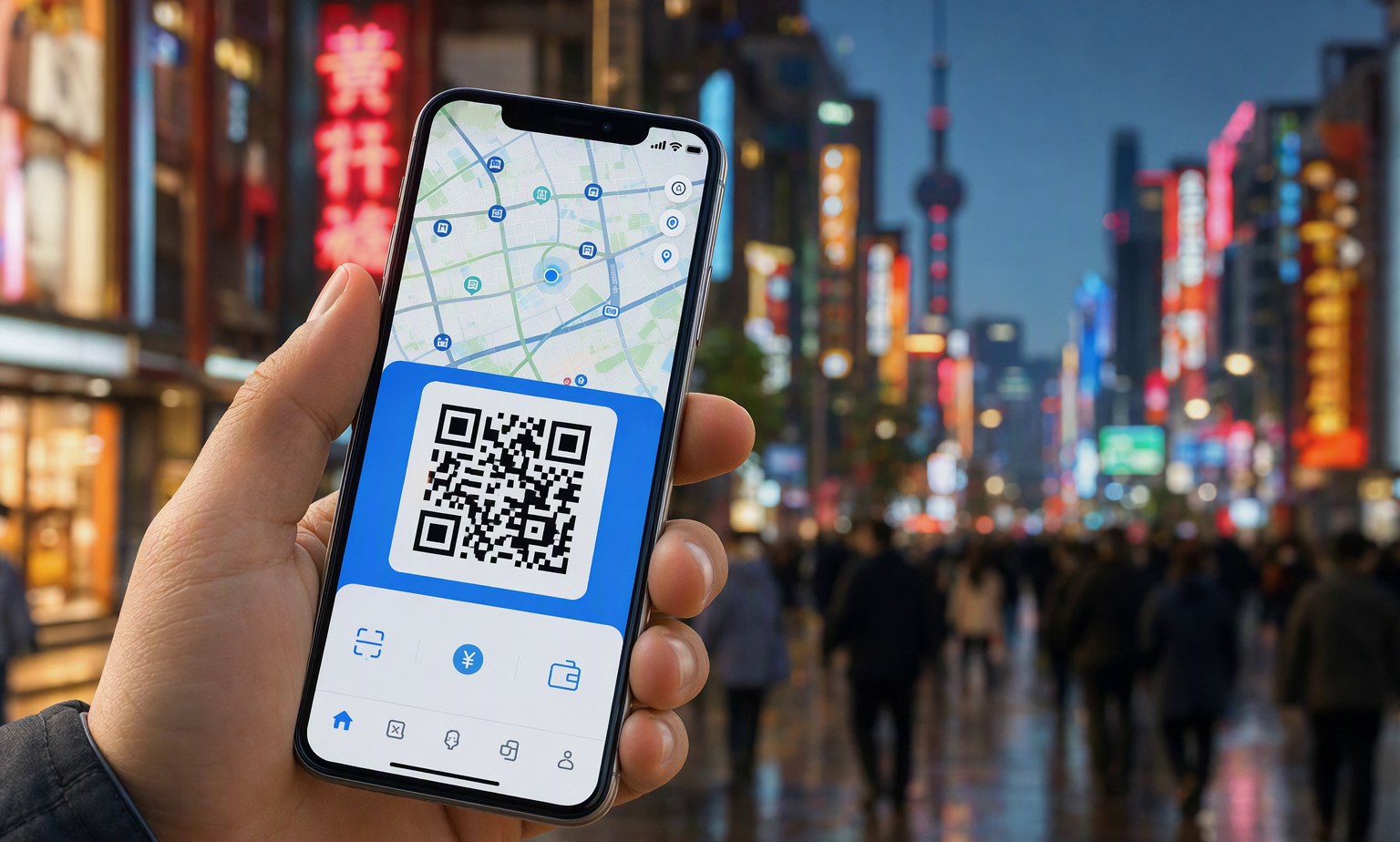
In 2026, over 92% of retail transactions in China’s top 20 cities occur via mobile payment—cash is increasingly rare outside rural post offices or some small family-run noodle shops. For foreign visitors, this isn’t just convenient—it’s often necessary: many metro turnstiles, bike-share docks, and even hotel self-check-in kiosks accept only WeChat Pay or Alipay. But here’s the catch: neither app works out-of-the-box for overseas users. Without proper setup—including ID verification, bank linking, and (critically) enabling the 240-hour visa-free transit feature where applicable—you’ll hit repeated “payment failed” alerts.
Step-by-Step Setup: From Arrival to First Scan
Start before you land. Download WeChat and Alipay on your phone (iOS/Android). Install them *before* arriving in China—both restrict account creation from within mainland IP addresses for security reasons. Once installed:
- Verify your identity using your passport (WeChat requires facial scan + passport photo; Alipay accepts passport upload plus SMS verification via your home-country number).
- Link a Visa/Mastercard (both apps now support international cards as of Q2 2026—no Chinese bank account needed).
- Top up your e-wallet: WeChat allows up to ¥3,000 (≈$420 USD) per transaction; Alipay permits ¥5,000 (≈$695 USD) per day. Both accept instant top-ups via card or PayPal (added in late 2025).
- If entering under the 240-hour visa-free transit policy (available at 18 airports including Beijing Capital, Shanghai Pudong, Guangzhou Baiyun, and Chengdu Tianfu), ensure your passport shows a confirmed onward ticket departing within 10 days. This status unlocks full Alipay TourPass functionality—no Chinese SIM or local bank required.
Where It Works (and Where It Doesn’t)
Mobile payments dominate urban infrastructure—but coverage varies by tier. In Tier-1 cities (Beijing, Shanghai, Guangzhou, Shenzhen), expect seamless use at 98% of venues. In Tier-2 hubs like Chengdu, Hangzhou, or Xi’an, ~90% accept QR payments—but smaller vendors may still rely on cash-only or require manual Alipay “TourPass” activation. Rural areas (e.g., Guizhou villages or Xinjiang county towns) remain largely cash-dependent.
Below is a quick-reference table of common use cases across major cities:
| Service | Works with Int’l Cards? | Notes (2026) |
|---|---|---|
| Subway (Beijing/Shanghai) | ✅ Yes (via WeChat/Alipay QR) | Scan-to-enter at all stations; no need for physical card. Metro app integration added in March 2026. |
| Dida (Didi) Rides | ✅ Yes | Pay directly in Didi app using linked WeChat/Alipay. No surcharge for int’l cards. |
| Street Food Stalls | ⚠️ ~70% (mostly QR) | Vendors in tourist zones (Nanjing Road, West Lake side, Muslim Quarter) display bilingual QR codes. Carry ¥50–100 cash for outliers. |
| Hotel Check-In Kiosks | ✅ Yes (most chains) | Holiday Inn, Ibis, and Jin Jiang now accept Alipay/WeChat for deposits and checkout. Wanda Reign and The Peninsula require front-desk processing. |
| High-Speed Rail (12306 App) | ⚠️ Partial | Book tickets with int’l card via 12306 app, but boarding requires QR code *generated inside Alipay/WeChat*. Enable “12306 Travel Service” in Alipay for auto-sync. |
Troubleshooting: When Payments Fail
“Payment declined” errors usually stem from one of five causes—each fixable in under 90 seconds:
1. Location Services Off: Both apps require GPS enabled to verify you’re physically in China. Toggle it on before scanning.
2. Outdated Verification: If you created your account >6 months ago, re-verify ID in Alipay’s “My Account > Real-Name Auth” section—new KYC rules took effect in January 2026.
3. Card Not Whitelisted: Some EU-issued cards (especially Revolut, Wise, or N26) trigger fraud filters. Add your card to Alipay *before* departure using your home Wi-Fi—not airport lounge Wi-Fi.
4. Insufficient Balance: Even with card linkage, Alipay defaults to e-wallet balance first. Manually select “Pay with Card” at checkout if low on funds.
5. Transit Status Not Activated: Under 240h visa-free transit? Open Alipay → tap “Search” → type “TourPass” → follow prompts. You’ll receive a ¥1,000 virtual balance valid for 10 days—no top-up needed.
Smart Workarounds & Pro Tips
• Use WingPhoenix’s AI trip planner to pre-load city-specific payment guides: it flags which metro stations require QR entry (e.g., all Shanghai Line 14 gates) and recommends vendors with English QR labels. Just enter your itinerary and nationality—we auto-detect eligibility for 240h transit benefits and suggest optimal wallet setup timing.
• Carry two wallets: One with ¥200–300 cash for emergencies (small teahouses, temple donations, bus fare in Yangshuo), and one digital wallet topped up weekly. Avoid exchanging large sums at airports—rates are 8–12% worse than UnionPay ATMs in city centers (e.g., Bank of China near Nanjing East Road).
• Enable offline QR: In WeChat, go to Me > Services > Wallet > Settings > Offline Mode. Generates a static QR valid for 3 minutes without signal—crucial in subway tunnels or mountainous areas like Zhangjiajie.
• Split bills? Use WeChat’s “Group Payment”—tap “+” in any chat → “Transfer” → “Split Bill”. Works cross-border: your UK friend pays in GBP, converted live at mid-market rate (no fees).
• Avoid “fake QR” scams: Never scan unsolicited codes sent via WeChat message or posted on flyers. Legitimate merchants display official blue-and-white Alipay/WeChat logos with registered business names underneath.
What’s New in 2026: Faster, Smarter, Safer
This year brought three major upgrades: (1) The People’s Bank of China launched “Cross-Border QR Code Interoperability”, letting WeChat users pay at Alipay-accepting vendors (and vice versa) without switching apps—live in 12 cities as of July 2026; (2) Facial payment terminals now appear at 40% of convenience stores (FamilyMart, Lawson) and all Starbucks locations—just look at the camera and blink; (3) Alipay’s new “Travel Shield” mode automatically freezes your wallet if location jumps >500 km in <1 hour (e.g., after landing), requiring biometric unlock—a direct response to 2025 phishing spikes.
Remember: China’s cashless ecosystem rewards preparation—not improvisation. Setting up your accounts 72 hours pre-departure saves hours of frustration. And if your itinerary includes multiple cities or complex transport links, WingPhoenix’s AI trip planner helps optimize payment readiness by city, venue type, and transit status—so you spend less time troubleshooting and more time tasting dumplings.