Six dynasties made Nanjing their capital, and the city wears that history lightly. You can walk a Ming-era city wall above a lake, climb Purple Mountain through memorial forest, eat salted duck bought from a shop window, and cross the Qinhuai River at night under lanterns — all in a weekend. Nanjing sits about an hour from Shanghai by high-speed train, which makes it an easy addition to a Yangtze Delta route rather than a separate trip. What follows is a practical guide to the main sites, the food worth planning around, a two-day structure, and the booking details that actually trip people up.
The city wall and Xuanwu Lake
The Ming city wall is the reason to start here. Substantial stretches survive, and the section above Xuanwu Lake is the most rewarding: you walk or cycle on top of the ramparts with water on one side and city on the other. Go early. Sunrise light on the wall is the best of the day, and the plum blossom season in late winter and early spring draws crowds that make the same walk far slower by mid-morning.
Check the wall’s opening hours and whether cycle hire is running on the day you visit — both change seasonally, and sections occasionally close for maintenance. Look for the official Nanjing city wall or Xuanwu Lake scenic area page rather than relying on an old blog post.
Purple Mountain: Sun Yat-sen Mausoleum and Ming Xiaoling
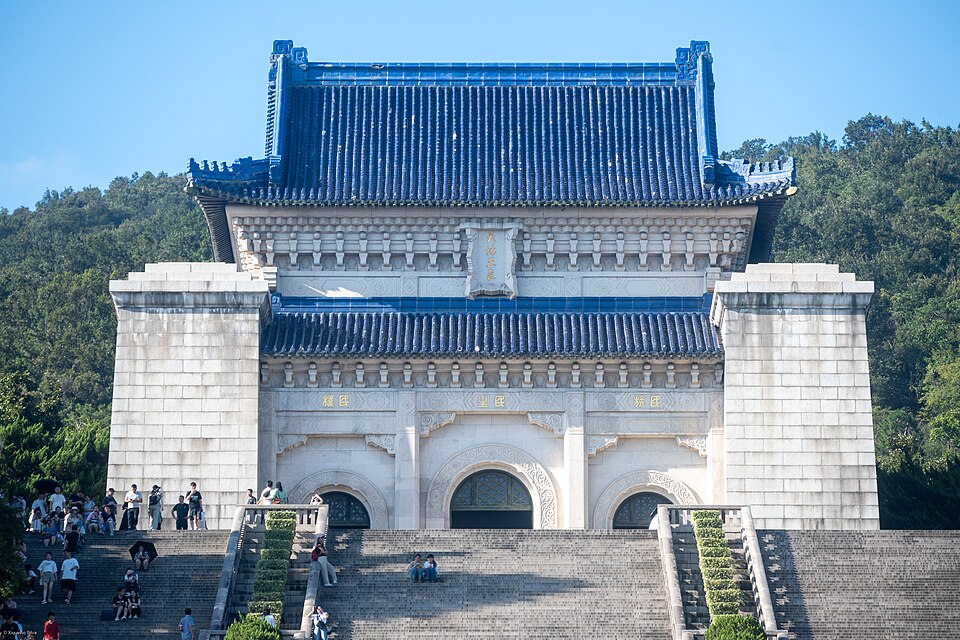
The Sun Yat-sen Mausoleum is the centrepiece of Purple Mountain. The approach is a long climb through monumental forest, ending at a broad flight of granite steps. It is a solemn site, not a theme park, and it is busy. Arrive at opening if you can.
Pair it with Ming Xiaoling, the tomb of the first Ming emperor, where the Sacred Way is lined with stone animals and officials. The two sites sit in the same wooded area, so a single half-day works if you are realistic about walking distances and use the internal shuttle where it runs.
Purple Mountain is where reservation rules matter most in Nanjing. Many major Chinese attractions now require advance booking through an official WeChat mini-programme or website, often with a passport number and sometimes with a daily quota. Requirements vary by site and change; check the official page for each attraction before you travel. Our guide to booking attractions in China as a foreign visitor explains what to look for and how to register without a Chinese ID.
Confucius Temple, the Qinhuai River and Laomendong
The Confucius Temple area and the Qinhuai River are the classic Nanjing evening. The lantern-lit boat cruise is the standard experience, and the surrounding lanes are dense with snack stalls and shops. It is touristy, and it is still worth doing once.
Laomendong, a restored quarter of Ming-style facades, is the better stop for eating and wandering. Come hungry and graze rather than committing to one restaurant. If you are travelling with dietary restrictions, read our guide to halal and vegetarian food in China before you go, since Nanjing’s signature dishes are not vegetarian by default.
Presidential Palace and the Massacre Memorial
The Presidential Palace compresses a great deal of Chinese political history into one compound, spanning the imperial, republican and modern eras. Allow more time than you expect; the grounds are extensive.
The Nanjing Massacre Memorial is sobering and essential. It is well presented, and it is not a light stop. Give it space in your schedule rather than slotting it between two cheerful activities. Both sites may require advance reservation or have restricted entry on certain days — verify on their official pages before setting out.
What to eat in Nanjing
Duck blood and vermicelli soup is the signature bowl, savoury and warming. Salted duck is the classic takeaway, sold by weight from specialist shops and often vacuum-packed for travel. Add tangbao (soup dumplings) and pan-fried beef dumplings from the old lanes near the Presidential Palace.
Nanjing food is not especially spicy, which makes it a comfortable stop for most palates. Payment is the bigger practical issue: many small vendors prefer mobile payment, so set up WeChat Pay or Alipay before you arrive. Our cashless travel guide covers the setup, and China Welcome by UnionPay explains the card-based alternative if you would rather not link a foreign card to an app.
A two-day plan, and getting there
Day one: Purple Mountain in the morning (Sun Yat-sen Mausoleum plus Ming Xiaoling), the city wall at Xuanwu Lake for late-afternoon light, then the Qinhuai River cruise after dark. Day two: the Presidential Palace, the Massacre Memorial, Xuanwu Lake at ground level, and Laomendong in the evening.
Nanjing is roughly an hour from Shanghai on the Beijing–Shanghai high-speed line. Book seats in advance, especially around weekends and public holidays. Our step-by-step guide to booking on 12306 covers passport registration and collection, and the seat class comparison helps you decide what to pay for on a short hop.
Scenically, late winter and early spring bring the plum blossom, and late autumn turns the Ming wall’s ginkgo trees gold. Summer is hot and humid; winter is cold and grey but quiet.
Frequently asked questions
How many days do I need in Nanjing?
Two full days cover the core: Purple Mountain, the city wall, the Qinhuai River area, the Presidential Palace and the Massacre Memorial. Three days lets you slow down, add a museum or a second wall section, and eat properly rather than grabbing snacks between sights.
Do I need to book Nanjing attractions in advance?
Often, yes — particularly Purple Mountain sites and the Massacre Memorial. Rules, quotas and opening days change, so check each attraction’s official page or mini-programme shortly before your visit and look specifically for whether foreign passports are accepted for booking and what identification is required at entry.
Is Nanjing worth visiting from Shanghai?
It is one of the easiest add-ons on the network: about an hour by high-speed train, with frequent departures. It works well as a two-night stop between Shanghai and Suzhou, or as a day trip if you accept that you will only see a fraction of the city.
What should I eat in Nanjing?
Salted duck, duck blood and vermicelli soup, tangbao and pan-fried beef dumplings. Salted duck travels well if you want to take some home, though check any food import rules for your destination before buying.
How do I pay for things in Nanjing?
Mobile payment dominates, including at small food stalls. Set up WeChat Pay or Alipay with a foreign card before you travel, and keep a small amount of cash as a backup. Verify current limits and supported cards on the app’s own help pages, since these change.
Nanjing rewards a little preparation more than most Chinese cities, because its best sites are spread across a mountain, a lake and a riverbank, and several of them now expect you to book ahead. Sort your reservations, your payment app and your train tickets first, then let the city itself be the easy part.