نشر في — اترك تعليقًا

China High-Speed Rail Guide for Foreign Travelers

Why China’s HSR Is Your Best Transport Choice

With over 45,000 km of operational high-speed rail (HSR) lines—the longest network on Earth—China’s trains are faster, cleaner, safer, and more punctual than most domestic flights. In 2026, services like the Beijing–Shanghai G-series (350 km/h) and Guangzhou–Shenzhen intercity lines run as frequently as every 3–5 minutes during peak hours. Unlike air travel, HSR avoids long security queues, baggage weight limits, and airport transfers: most major stations sit in city centers (e.g., Shanghai Hongqiao is connected directly to metro Lines 2, 10, and 17). For trips under 800 km—like Chengdu to Chongqing (78 min) or Xi’an to Zhengzhou (2 hr)—HSR saves time *and* stress. And thanks to China’s 240-hour visa-free transit policy (valid at 24 designated airports including Guangzhou Baiyun, Hangzhou Xiaoshan, and Tianjin Binhai), eligible nationals from 54 countries can board HSR *immediately* upon arrival—no visa required if transiting to a third country within 10 days.

How to Buy Tickets as a Foreigner in 2026

Gone are the days of relying solely on hotel concierges or WeChat mini-programs that don’t accept foreign cards. the official 12306.cn website and app now support English UI, Apple Pay, Google Pay, and international credit cards (Visa/Mastercard/Amex). You’ll need your passport—scanned photo + number—to register; no Chinese phone number required anymore. Pro tip: Book *at least* 3 days ahead for popular routes (e.g., Beijing–Xi’an on weekends) to secure preferred seat types (window, aisle, or ‘quiet car’ sections introduced in late 2025). E-tickets are fully digital: show your QR code + passport at automated gates—no paper printouts needed. Lost QR? Retrieve instantly via the 12306 app using your booking ID.

Station Navigation & Onboard Experience

Major hubs like Beijing South, Guangzhou South, and Chengdu East use intuitive multilingual signage (English, Japanese, Korean, Arabic), real-time departure boards with platform numbers updated 10 minutes before boarding, and dedicated ‘Foreign Passenger Service Counters’ (look for blue-uniformed staff with English badges). Free Wi-Fi is available across all G- and D-series trains (speed capped at 5 Mbps but stable). Power outlets (Type A/C, USB-A/C) exist at every pair of seats. Luggage storage is generous: overhead racks accommodate carry-ons up to 20 kg, while large suitcases go in designated zones near carriage doors—just scan your e-ticket QR to unlock the smart locker (introduced fleet-wide in Q2 2026). All trains feature quiet cars (carriages 3 and 7 on most G-trains), where phone calls are prohibited and announcements are text-only. First-class and business-class offer wider seats, complimentary bottled water, and priority boarding—but standard second-class remains exceptionally comfortable (reclining seats, footrests, adjustable tray tables).

Key Routes, Timings & Realistic Costs (2026)

Here’s what you’ll pay and how long it takes on five core tourist corridors—prices reflect standard second-class fares in RMB (¥) and USD approximations at 2026 avg. exchange rate (¥1 = $0.139):

المسار تحديث رئيسي لعام ٢٠٢٦ Frequency (Peak) Second-Class Fare (¥) USD Equivalent
Beijing South → Shanghai Hongqiao 4h 18m (fastest G1) Every 8 min ¥553 $77
شنغهاي هونغتشياو → هانغتشو الشرقية 45 min Every 3–4 min ¥73 $10
قوانغتشو الجنوبية → شينزين الشمالية 28 min Every 5 min ¥74.5 $10.40
تشنغدو الشرقية → تشونغتشينغ الشمالية 78 min Every 12 min ¥161 $22.40
Xian North → Zhengzhou East 2h 02m Every 10 min ¥239 $33.20

Note: Fares are fixed—no dynamic pricing or surge hikes. Children under 1.2 m ride free; those 1.2–1.5 m pay 50% fare. Round-trip discounts no longer apply, but multi-city passes (e.g., ‘Yangtze Golden Triangle Pass’: Shanghai–Nanjing–Hangzhou for ¥320 valid 7 days) launched in April 2026 and are purchasable via 12306.

Common Pitfalls & Smart Fixes

Even savvy travelers stumble here—so avoid these 2026-specific issues:

  • Wrong station confusion: Shanghai has *three* major stations—Hongqiao (HSR + airport), South (conventional rail), and Railway Station (old terminus). Double-check your ticket says ‘Hongqiao’ or ‘South’, not just ‘Shanghai’.
  • Platform changes last-minute: While rare (<1% of departures), platform numbers may shift up to 15 minutes pre-departure. Always verify on live boards—not printed tickets.
  • Missed connections due to transfer time: Allow *minimum* 40 minutes between trains at mega-hubs (e.g., Beijing South, Guangzhou South) to clear security re-scan and walk to distant platforms.
  • eSIM + QR dependency: If your phone dies, you cannot board—even with passport. Carry a portable charger and screenshot your QR code. Offline mode in 12306 app stores 3 recent tickets.

For seamless end-to-end planning—including HSR routing alongside charter car transfers from stations to hotels, real-time eSIM activation guidance, and 240h transit visa eligibility checks—WingPhoenix’s AI trip planning helps you build an optimized, bilingual itinerary in under 90 seconds. Our AI cross-references live train schedules, hotel locations, and border policy updates so you never miss a connection—or a dumpling stop in Suzhou.

Beyond the Train: Integrating With Other Transport

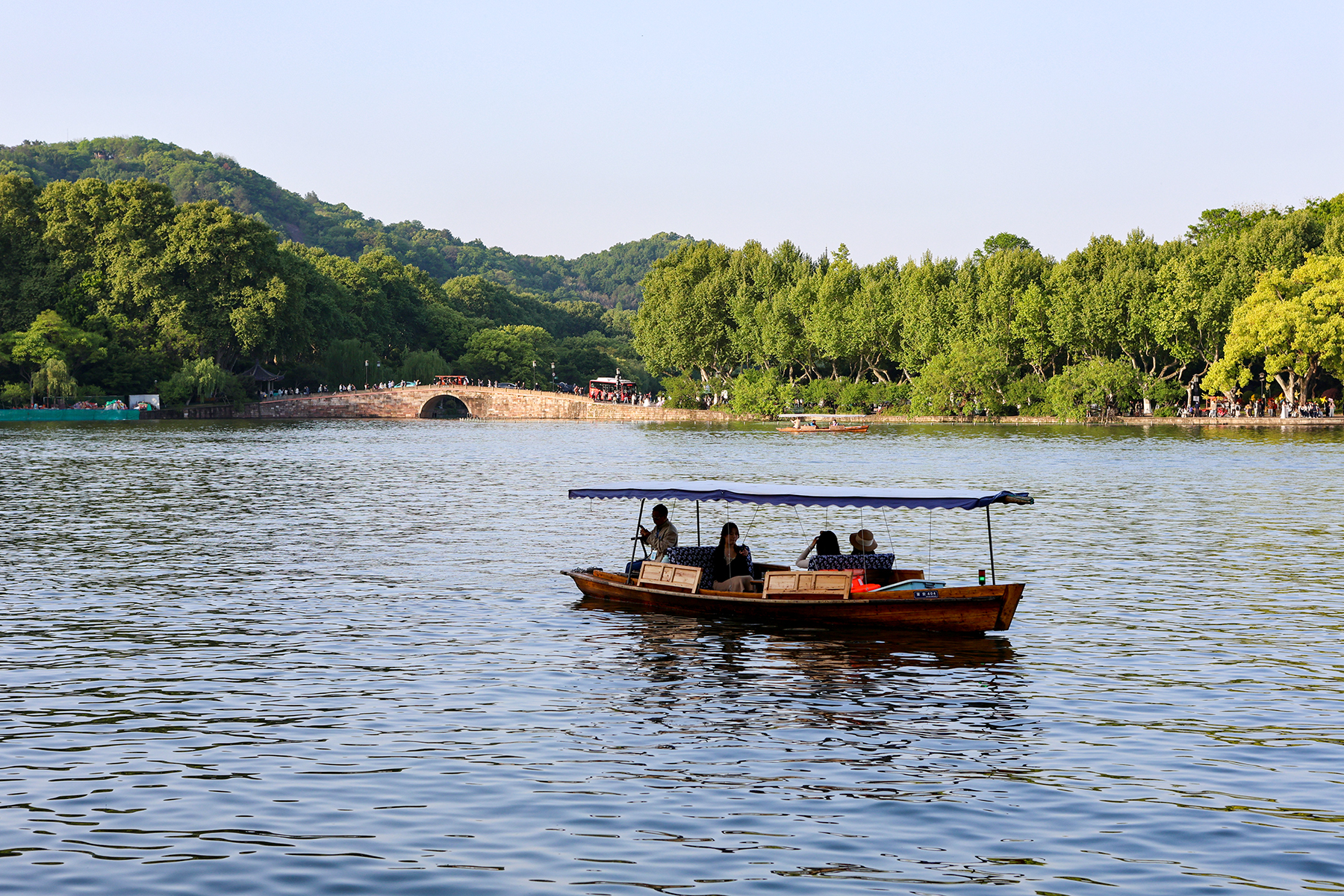
HSR doesn’t exist in isolation. At 18 key stations—including Xi’an North, Kunming South, and Qingdao North—you’ll find co-located WingPhoenix charter car desks offering pre-booked, English-speaking drivers with fixed flat rates (no meter surprises). These vehicles accept payment via Stripe, Alipay Tour Pass, or WeChat Pay—and include child seats, luggage assistance, and complimentary bottled water. Pair this with our plug-and-play eSIM (activated before landing, works in 300+ cities, 1GB–10GB plans), and you’re truly mobile from gate to gate. Bonus: Many provincial tourism bureaus now honor HSR e-ticket QR codes for free entry or 20% off at heritage sites within 2 km of stations (e.g., Terracotta Warriors shuttle from Xi’an North, West Lake boat tours from Hangzhou East).

China’s rail revolution isn’t coming—it’s here, reliable, and built for global travelers. Whether you’re hopping from panda sanctuaries to silk-road ruins or chasing autumn foliage along the Harbin–Dalian line, the HSR gives you freedom, speed, and zero language friction. Just bring your passport, charge your phone, and let the tracks take you there.

Start building your stress-free China rail journey today—plan your AI-optimized itinerary now.
نشر في — اترك تعليقًا

China Metro Guide: Navigate 10 Cities Like a Local (2026)

لماذا يتفوّق مترو الصين على التاكسي (ولماذا ستحبّه)

China operates the world’s largest urban rail network — over 10,300 km across 55 cities as of mid-2026 — and it’s not just big: it’s clean, punctual, English-signed, app-integrated, and often cheaper than a 5-minute taxi ride. In Beijing, Shanghai, Guangzhou, or Chengdu, metro stations are typically within 500 m of major hotels, attractions, and transit hubs. Trains run every 2–4 minutes during peak hours, with average speeds exceeding 35 km/h (faster than surface traffic in any megacity). Crucially, all Tier-1 and most Tier-2 city metros now support contactless payments via Alipay, WeChat Pay, or international cards — no physical ticket purchase required. And for foreign travelers benefiting from China’s 240-hour visa-free transit policy (available in Beijing, Shanghai, Guangzhou, Chengdu, Xi’an, Chongqing, Hangzhou, Nanjing, Tianjin, Shenyang, Dalian, Qingdao, Xiamen, Wuhan, Kunming, and Harbin), the metro is your seamless first-mile/last-mile solution — no need to queue for taxis or navigate unmarked exits.

How to Ride: Step-by-Step in 2026

1. Download & verify: Install Alipay or WeChat Pay *before* arrival. Enable ‘Tour Pass’ (Alipay) or ‘Transport Code’ (WeChat) — both accept Visa/Mastercard and generate QR codes instantly. No Chinese bank account needed. WingPhoenix’s AI trip planner can auto-generate your metro route + QR code instructions based on your hotel and daily itinerary — saving up to 12 minutes per transfer.

2. Scan & go: At turnstiles, scan your QR code (not your phone screen — hold it 3–5 cm from the sensor). Most systems now also accept Apple Pay and Samsung Pay in Shanghai, Shenzhen, and Guangzhou. Face recognition is live in Shenzhen Metro (Line 11) and Beijing’s Capital Airport Express — simply look at the camera; no ID required for foreigners using registered Alipay.

3. Read the signs: Station names appear in bilingual (Chinese + English) vertical signage, with consistent pinyin romanization. Transfer corridors are color-coded and marked with large arrows + walking time estimates (e.g., “To Line 2: 90 sec”). Elevators and tactile paving for visually impaired passengers are standard in all post-2018 stations.

4. Avoid rush hour: Skip 7:45–9:15 am and 5:30–7:00 pm where possible — especially in Beijing (Lines 1, 10), Shanghai (Lines 2, 10), and Guangzhou (Line 3). Trains are still safe and functional, but boarding may require patience. Off-peak travel is quieter, cooler, and lets you snap photos without jostling.

Metro Highlights by City (2026 Edition)

Here’s what’s new and essential across China’s top 10 metro systems — all verified live :

  • بكين: Line 3 opened June 2026 — connects Chaoyang Park, Sanlitun, and Beijing Central Business District directly. All stations now feature real-time train arrival boards in English with audio announcements.
  • شنغهاي: The fully automated Line 14 now links Jing’an Temple to Pudong International Airport in 42 minutes (vs. 75 min by taxi). Free Wi-Fi covers all 508 stations.
  • قوانغتشو: Metro Line 11 (circular) launched March 2026 — connects Canton Tower, Beijing Road, and Zhujiang New Town without transfers. Supports NFC-enabled international credit cards.
  • تشنغدو: Line 30 (‘Tianfu Greenway Line’) debuted August 2026 — serves Panda Base, Jinli Street, and Tianfu Art Park. All trains have dedicated quiet cars (marked with blue signage).
  • شينتشن: World’s first metro system with full AI crowd-density forecasting — real-time heatmaps show platform congestion via station screens and the ‘Shenzhen Metro’ app.

What to Know: Fees, Fines & Foreigner-Friendly Perks

Fares are distance-based and remarkably affordable. A typical 10-km ride costs ¥3–¥6 (USD $0.40–$0.85). Monthly passes aren’t recommended for short stays — pay-per-ride is simpler and often cheaper. Key practical notes:

  • No cash tickets sold at machines in Shanghai, Beijing, or Shenzhen — only QR, NFC, or mobile wallet.
  • Lost QR? Open Alipay → ‘Transport’ → ‘Reissue Code’ — works offline after initial sync.
  • Strollers and wheelchairs: Dedicated elevators marked with wheelchair icons; staff assist at all major interchange stations (just wave or ask “Qǐng wèn…” + point).
  • Fines apply only for fare evasion (¥50–¥200) or smoking — never for accidental overstay or missed exit. Staff speak basic English at Beijing West, Shanghai Hongqiao, Guangzhou South, and Chengdu East stations.

When Metro Isn’t Best: Smart Alternatives

The metro shines for core-city travel — but know when to switch:

السيناريو Best Option Why in 2026
Beijing airport to downtown (beyond Sanyuanqiao) Capital Airport Express + Line 10 transfer Faster than taxi in traffic (30 min vs. 60+ min); ¥25 vs. ¥120+ taxi fare
Shanghai Disneyland entry gate to Nanxiang Ancient Town Charter car (via WingPhoenix) No direct metro; bus #578 takes 105 min with 2 transfers. Charter car: 45 min, fixed ¥220, includes English-speaking driver & child seat
Xi’an Muslim Quarter to Terracotta Warriors (after 7 pm) Designated night bus #306 or charter Metro Line 9 ends service at 11:00 pm; last bus departs 11:45 pm from Beidajie Station
Guilin city center to Yangshuo (2026) High-speed rail (42 min) + e-bike rental No metro in Guilin or Yangshuo — but GRT trains run hourly until 9:30 pm; e-bikes cover final 3 km from Yangshuo station to West Street

For multi-city trips — say, Shanghai → Hangzhou → Suzhou — combine metro with high-speed rail (bookable via WingPhoenix’s AI trip planner with automatic seat selection and e-ticket QR delivery). This hybrid approach cuts planning time by 70% and ensures seamless transfers, even during Golden Week crowds.

Final Tips for Stress-Free Riding

• Keep your phone charged — QR codes won’t work on dead batteries. Portable power banks are sold at all major station convenience stores (¥35–¥50, rent-to-own options available).

• Download offline maps: Baidu Maps (English interface) or Apple Maps — both now render metro lines, exits, and indoor station layouts accurately in 2026.

• Lost? Look for the red ‘W’ (Wenxun / Information) counter — staff wear badges with English name tags and carry laminated phrase cards.

• Pro tip: On Line 2 in Shanghai and Line 1 in Beijing, the front carriage is designated ‘Quiet Car’ — no loud calls, videos, or speaker audio. Ideal for jet-lagged travelers.

China’s metro isn’t just transport — it’s your backstage pass to local rhythm, efficiency, and quiet moments amid the energy of the world’s fastest-growing urban landscape. With the right tools and timing, you’ll glide through cities like a resident — confident, connected, and completely in control.

Start building your seamless, metro-optimized China journey today: Plan your AI-powered trip now.

نشر في — اترك تعليقًا

Xi’an to Chengdu by High-Speed Rail: 4-Day Itinerary (2026)

Why This Route in 2026?

In 2026, the Xi’an–Chengdu high-speed rail line remains one of China’s most scenic and efficient intercity corridors—just 3 hours 12 minutes on G-series trains running up to 300 km/h. With both cities offering 240-hour (10-day) visa-free transit for eligible nationalities arriving via direct international flights (e.g., Xi’an Xianyang International Airport or Chengdu Tianfu International Airport), this route is ideal for foreign travelers adding China as a standalone stop—or bridging longer Asia itineraries. No long-haul buses, no domestic flights, no baggage delays: just punctual, comfortable, and culturally immersive travel. And thanks to WingPhoenix’s AI trip planning, you can auto-optimize train times, hotel proximity to stations, and even reserve panda encounter slots before landing.

Day 1: Xi’an — History at Your Feet

Arrive in Xi’an (recommended entry point for visa-free transit). Check into a centrally located hotel like The Westin Xi’an (5-min walk from Bell Tower) or Hotel Jen by Shangri-La (adjacent to Muslim Quarter). After settling in, explore the الحي الإسلامي—try roujiamo (spiced meat buns), yangrou paomo (lamb stew with crumbled flatbread), and persimmon cakes—all under ¥25 per dish. At sunset, ascend the City Wall (rent bikes for ¥45/hour; last entry at 21:00). Skip the overpriced night shows—instead, join a free English-language walking tour departing daily at 18:30 from the Drum Tower Square (bookable via WeChat mini-program Xian Local Guide).

Pro tip: If arriving midday, book your جنود التيراكوتا visit for Day 2 morning—but purchase tickets *in advance* on the official WeChat account Qin Shi Huang Mausoleum Site Museum (¥120, includes shuttle bus). Avoid third-party vendors selling ‘VIP access’—it’s unnecessary and often fraudulent.

Day 2: Terracotta Warriors & Hidden Xi’an

Depart by metro Line 9 (direct to Qinling Station) at 07:45 to reach the Terracotta Warriors site by 08:30—beating crowds and heat. Spend 2.5 hours touring Pit 1 (largest), Pit 2 (cavalry and archers), and Pit 3 (command center), guided by the museum’s free English audio app (download pre-arrival via Wi-Fi). Lunch at the on-site Huaqing Palace Restaurant (¥68 set menu: biangbiang noodles + lamb skewers).

Afternoon shift gears: head to Small Wild Goose Pagoda & Jianfu Temple (less crowded, UNESCO-listed, serene gardens). Then take Bus 215 to Daxingshan Temple, Xi’an’s oldest Buddhist temple (founded 766 CE)—quiet, photogenic, and open until 17:30. End the day with a هوا جياو (Sichuan pepper)-infused craft cocktail at Bar Rouge near South Gate—a local favorite with English-speaking staff.

Day 3: High-Speed Rail to Chengdu & Panda Morning

Board G2209 at Xi’an North Railway Station at 09:12—arrive Chengdu East Railway Station at 12:24. Pre-book your ride: WingPhoenix charter cars meet you at Exit B2 (fixed price ¥180, 35-min drive to downtown). Check in at Temple House Chengdu (near Kuanzhai Alley) or THE DRAMATIC Chengdu (designed around historic courtyard architecture).

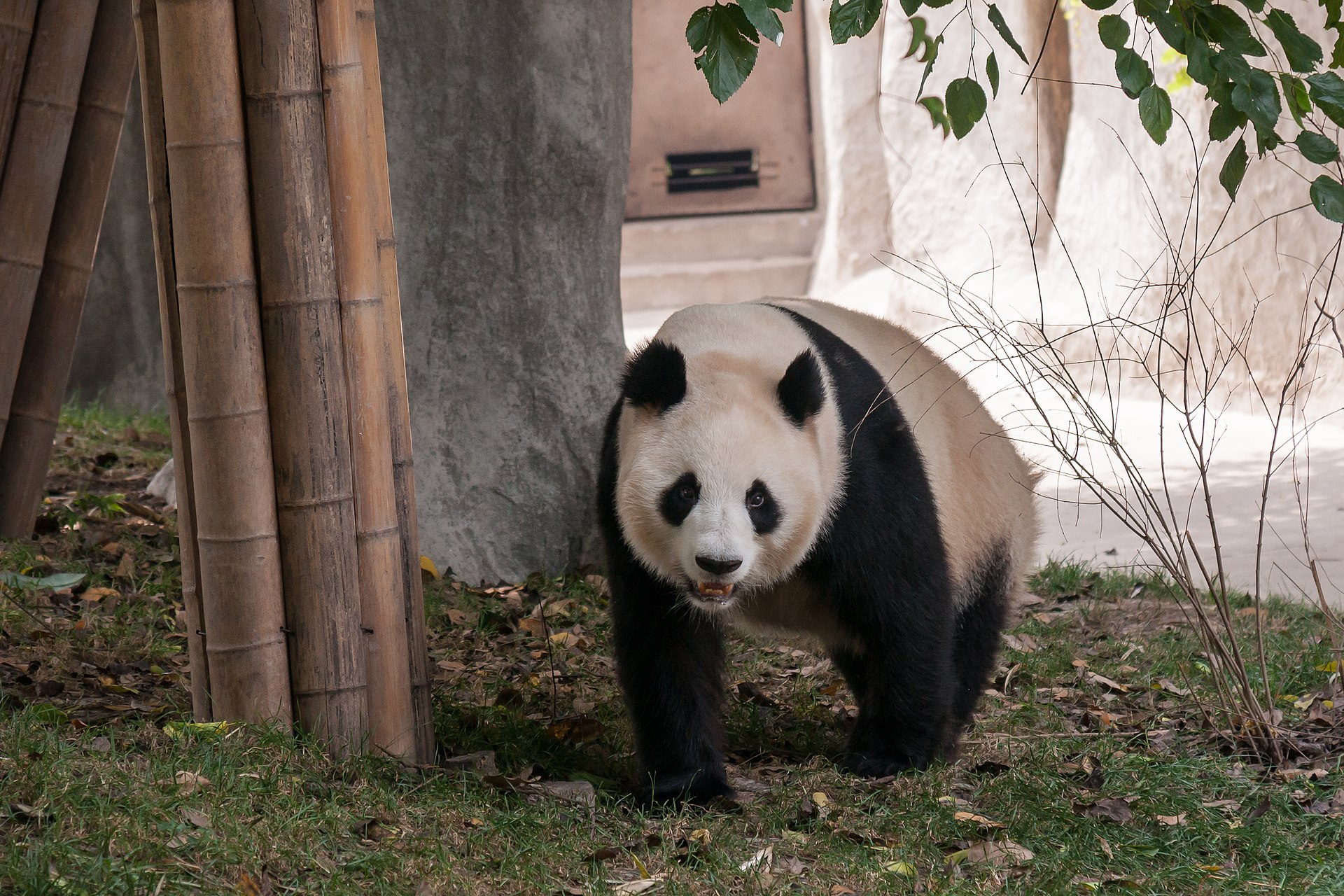
At 15:00, visit the — لكن اذهب مبكرًا. وصل بحلول الساعة ٨:١٥ صباحًا عبر الخط ٣ للمترو (محطة «شارع الباندا») أو عبر خدمة WingPhoenix. Book timed entry online (¥58, opens daily at 07:30; arrive by 08:00 for best panda activity). Key spots: Ya Ya’s Enclosure (the U.S.-returned female, active 08:00–10:30), Baby Panda Nursery (open 09:00–11:00, closed Mon), and Qinling Subspecies Pavilion (rarer than Sichuan pandas). Bring binoculars—some enclosures are elevated and distant.

Evening: Walk Kuanzhai Alley (Wide & Narrow Alleys), but skip the overpriced souvenir stalls. Instead, duck into Lao Cheng Yi Guan for authentic dan dan mian (¥22) or Chunxi Road’s Yummy Dumpling for spicy wontons (¥32 for 10). All major restaurants accept Alipay Tour Pass or UnionPay cards—no cash needed.

Day 4: Chengdu Culture, Spice & Departure

Start early at شارع جينلي القديم (opens 08:00)—not for shopping, but for breakfast: try zhongshui jiao (steamed dumplings with sesame sauce, ¥18) at Jinli Dumpling House. Then walk 10 mins to دير ونشو, a working Buddhist temple with free tea service (08:30–11:00) and stunning Ming-era architecture. Photography permitted; donations appreciated (¥10–20).

At noon, join a certified English-speaking Sichuan Cooking Class (book via WingPhoenix’s partner Chengdu Culinary Collective). You’ll prep mapo tofu, kung pao chicken, and chili oil from scratch—then eat it all (¥298/person, 3.5 hours, includes market tour). Alternatively, for foodies short on time: grab lunch at لونغ تشاو شو (famous wonton noodles since 1911, ¥26).

Before departure, secure your return logistics: Chengdu Tianfu Airport (TFU) offers 240h visa-free transit for flights to 53 countries—including U.S., UK, Canada, Australia, Germany, France, Japan, and South Korea. If flying out from TFU, allow 90 minutes minimum for security and immigration. Trains to TFU depart hourly from Chengdu East (35 mins, ¥18); WingPhoenix eSIMs activate instantly upon arrival—no SIM swap needed.

Practical Snapshot: Xi’an ↔ Chengdu in 2026

الفئة التفاصيل
High-Speed Train G2209 (09:12–12:24), G89 (07:50–11:02), G2227 (14:30–17:42). Avg. frequency: every 22 mins. Tickets: ¥263 (2nd class), ¥421 (1st class). Book via 12306.cn or Trip.com (English interface).
عبور بدون تأشيرة Eligible passport holders may stay up to 240 hours (10 days) when entering/exiting China via Xi’an Xianyang (XIY) or Chengdu Tianfu (TFU) airports on international flights. Must hold onward ticket to third country.
Panda Booking Chengdu Panda Base: Official WeChat account Chengdu Panda Base (tickets open daily at 07:00 for next-day entry). Reserve 3+ days ahead during April–October.
Local Transport Xi’an: Metro (WeChat Pay enabled), Didi (English app). Chengdu: Metro Line 1/2/3 cover all key sites; bike-share (Hello Bike) widely available. No need for physical transit cards.
  • ✅ Pack light: Both cities have excellent laundry services (Wash & Fold Chengdu: ¥45/kg, 24h turnaround)
  • ✅ Download apps pre-trip: WeChat (for payments), Baidu Maps (superior Chinese navigation), and Alipay Tour Pass (for QR-based museum entries)
  • ✅ Avoid: Public restrooms without hand soap (carry sanitizer), unlicensed ‘tea house’ tours near Bell Tower, and street vendors claiming to sell ‘authentic’ terracotta replicas (all illegal)
  • ✅ Tip: Use WingPhoenix’s AI trip planning to auto-generate your daily schedule with real-time train delays, weather-adjusted indoor alternatives, and bilingual restaurant reservations—no manual cross-checking needed.

From the echoing drums of Xi’an’s ancient gates to the sleepy blink of a panda cub in Chengdu, this 4-day journey delivers China’s dual soul—timeless depth and joyful immediacy—in perfect rhythm. Whether you’re extending a Southeast Asia trip, bridging a Central Asian overland route, or launching a full China discovery, the Xi’an–Chengdu corridor is the smart, scenic, stress-free way to begin. Ready to ride? Build your custom 2026 itinerary now.

نشر في

Spring Festival Travel in China 2027: Dates, Crowds & Where to Go

Spring Festival travel in China means visiting during the lunar new year, and in 2027 the festival arrives early: New Year’s Eve falls on Friday 5 February, New Year’s Day on Saturday 6 February, and the season closes with the Lantern Festival on 20 February. These are the most culturally rich and most logistically demanding weeks of the year. You gain lantern displays, temple fairs and a genuinely festive city; you trade away small restaurants, easy long-distance seats, and predictable schedules. Visitors who keep to one or two base cities, book every intercity leg early, and arrive a few days before the Eve find February one of the best months for China travel. Here are the dates, what changes on the ground, which cities reward you, and the booking order to follow.

When Is Spring Festival 2027? The Dates That Matter

The lunar calendar moves the Gregorian date each year, and 2027, the Year of the Goat, lands eleven days earlier than 2026.

2027 Spring Festival dates for travelers
Date اليوم Trip impact
22 Jan 2027 Fri Chunyun travel season opens; ticket demand climbs
4 Feb 2027 Thu Last normal workday; outbound travel peaks
5 Feb 2027 Fri New Year’s Eve: reunion dinner, fireworks, thin dining options
6 Feb 2027 Sat New Year’s Day: temples, gardens and lantern sites busiest
7-10 Feb 2027 Sun-Wed Family visiting days; attractions on holiday hours
11-12 Feb 2027 Thu-Fri Return surge toward gateway cities and airports
20 Feb 2027 Sat Lantern Festival closes the season

China’s State Council normally publishes the formal 2027 holiday block, including make-up workdays, in late 2026. Confirm that notice before committing to non-refundable flights.

How the Holiday Block Shapes the Rush

Two forces set the rhythm. Hundreds of millions of domestic travelers move home and back inside about forty days, so pressure concentrates on specific routes rather than everywhere at once. And because New Year’s Day 2027 falls on a Saturday, substitute days extend the holiday into the following week, spreading the peak. For China travel planning the lesson is concrete: the difficult days are the four before the Eve and the four after the block. Arrive around 2-3 February and leave around 13-15 February and you sit inside the festival while dodging both surge edges.

What Spring Festival Feels Like in a Chinese City

The contrast surprises most visitors. Commuter traffic vanishes, taxi waits shorten, business districts go quiet, and office-side hotels drop to their lowest seasonal rates. Overnight the streets fill with red lanterns, parks run light displays, and evenings carry firecrackers wherever they are still permitted. The trade-off is service: family-run restaurants and small shops typically close for two to four days around the Eve and New Year’s Day, with some reopening later. Chains, mall dining floors, hotel restaurants and major attractions keep trading. Plan one dinner per city inside your hotel or a mall and the fortnight is comfortable.

هل يجب عليك زيارة الصين خلال عيد الربيع؟

Good fit if you want the strongest cultural experience of the Chinese calendar, prefer short queues at major sites, are happy staying put in one or two cities, and can flex on restaurant choice.

Poor fit if you want a fast multi-city China travel itinerary with several regional train hops, are heading to rural or industrial towns where almost everything shuts, need supplier meetings or government offices during the week, or dislike fireworks noise and peak pricing.

Best Places to Go for Spring Festival Travel

بكين is the classic choice: temple fairs with snack stalls and acrobats, lit hutongs, and the dry clear cold that makes a Great Wall day realistic. شيآن pairs the Terracotta Army with wall lantern displays and a tourist-facing food street that keeps trading. شنغهاي runs the most visitor-friendly programme, with a lantern festival in the Yu Garden old city that spills toward the Bund.

قوانغتشو is the warm option: pre-Eve flower markets, blossoms everywhere, and Cantonese kitchens reopening early. تشنغدو suits a slow festival of teahouses, quiet panda mornings and easy side trips. هاربين only works if the ice festival is the point, since the cold is severe. For village atmosphere, old-town Yunnan and southern Anhui are rewarding but driving-dependent, which is where arranged transport earns its keep.

Festival Destination Comparison

Crowd, closure and weather risk by destination
الموقع الازدحام في المواقع السياحية Closures Feb weather الأفضل لـ
بكين متوسط متوسط Cold, dry, clear Temple fairs, Great Wall, museums
شنغهاي متوسطة-عالية Low-medium Chill, damp Lanterns, easy day trips
شيآن متوسط متوسط بارد وجاف History plus festive streets
قوانغتشو متوسطة-عالية منخفض Mild, humid Flower markets, food, warmth
تشنغدو متوسط متوسط Cool, overcast Pandas, teahouses, slow pace
هاربين عالية متوسط Extreme cold Ice and snow only
County towns, factory cities منخفض مرتفع جدًّا متغير Authenticity with limited services

Avoid using migrant-built cities in the Pearl Delta or Yangtze delta as a base for the week itself: not unsafe, just shuttered. Take a village festival as a day trip instead.

Getting Around During Chunyun

High-speed rail stays the most dependable long-distance option, because frequency is high and stations absorb volume; the constraint is seats on peak days, not schedule changes. Release windows are shorter than most visitors expect, so book the moment your dates are firm. Details are in our للمبتدئين في القطار عالي السرعة في الصين. Air fares move more sharply, and intercity buses thin out badly. Within cities, metros run normally and ride-hailing is usually easier than usual on the holiday itself. If your route includes villages, mountain sites or several airports, a سيارة خاصة مع سائق removes the ticket scramble entirely. Entry rules, including visa-free entry and transit allowances, differ by nationality and change periodically, so verify against official announcements rather than any guide.

What Stays Open and What Does Not

  • Open, holiday hours: major paid attractions, museums, UNESCO sites, malls, supermarket chains, hotel restaurants, metro and rail.
  • Partly open: independent restaurants, small shops, local services, banks, government and visa counters.
  • Unreliable: neighbourhood eateries in migrant cities, county buses, high-altitude cable cars in bad weather.

Most big attractions use timed entry with daily caps, so reserve the Forbidden City or Terracotta Army one to two weeks ahead for holiday dates.

Money, Apps and Connectivity

China travel runs on phones and the holiday changes nothing. Set up Alipay and WeChat Pay with your foreign card before departure, install a working map app, and arrange data that activates on landing. A بطاقة eSIM للصين configured at home means rail tickets, reservation QR codes and translation work as soon as you step off the plane, which matters most in February when service desks are short-staffed.

Costs: What Rises, What Holds, What Falls

Peak pressure sits in air fares, long-distance seats and rooms in festival destinations and resort towns, where holiday dates run well above shoulder levels. Business hotels in office districts often fall to their cheapest rates of the year. Ground costs inside cities, metro rides, museum tickets and meals at open restaurants stay broadly normal. Because swings are date-specific, treat any published figure as a typical range and confirm the live price when you book; our مخطط التكاليف shows how budget shape changes with trip length.

A Realistic Nine-Day Festival Route

Arrive 2-3 February. Days one to four in Beijing: lantern streets and a hutong evening, one temple fair, the Summer Palace, a clear-day Great Wall section, one museum morning. Day five, a booked flight or midday rail leg to Xi’an for the city wall at dusk and the Terracotta Army during the holiday, when domestic visitor pressure is lower than usual. Days seven to nine in Shanghai for the Yu Garden lantern season, the Bund at night and a water-town morning before departure. Two or three bases, never six, and every long leg placed off the peak days. Shape it yourself in the خطة الرحلات الذكية الاصطناعية المجانية من WingPhoenix, or start from ready-made جولات سياحية في الصين و custom trips built for winter departures.

Booking Timeline and Common Mistakes

Nov-Dec 2026: confirm the official holiday notice, fix dates, reserve refundable international flights and hotels. Early-mid January 2027: lock accommodation for peak nights, book known intercity legs, install eSIM and payment apps. Three to four weeks out: timed attraction reservations, guided or chartered days. Final week: recheck weather closures and confirm New Year’s Eve dinner.

The usual mistakes are a five-city route through the holiday, a village guesthouse that has closed for the fortnight, a fixed plan to eat in one specific neighbourhood restaurant on the Eve, and leaving connectivity or payment setup until arrival.

أسئلة شائعة

Is Spring Festival a good time for first-time visitors?

Yes, with conditions. Staying in one or two major cities, booking intercity transport early and accepting limited small restaurants makes it a superb first trip. If you want a fast Beijing-Xi’an-Shanghai circuit, choose April, October outside the holiday, or November instead.

When exactly is Chinese New Year 2027?

New Year’s Eve is Friday 5 February 2027 and New Year’s Day is Saturday 6 February 2027, opening the Year of the Goat. The Lantern Festival falls on 20 February 2027. The official holiday block is announced by the State Council, usually in late 2026, so verify it before finalising bookings.

Are tourist attractions open during the festival?

Major paid attractions generally stay open on holiday hours with visitor caps and required timed reservations. Outdoor sites may close cable cars or paths in poor weather. Check each site’s official page rather than assuming normal hours.

What should I avoid booking in this window?

Long-distance flights and trains on the four days either side of the holiday block, resort towns at peak nightly rates, and itineraries that depend on county buses, rural guesthouses or independent local restaurants.

How cold is China in February?

It varies sharply by latitude. Beijing and Harbin are freezing after dark, Xi’an and Chengdu are cold to chilly, Shanghai is damp and milder, and Guangzhou is often light-jacket weather. Layering matters more than one heavy coat if your route spans regions.

نشر في — اترك تعليقًا

Chengdu to Leshan & Emei Shan: 4-Day Sichuan Itinerary (2026)

Why This Itinerary Stands Out in 2026

While many foreign travelers rush through Chengdu en route to Tibet or Yunnan, Sichuan’s cultural and natural depth rewards slower exploration. This 4-day itinerary—designed specifically for 2026—combines the city’s vibrant street life and giant panda conservation efforts with two UNESCO-adjacent treasures: Leshan Giant Buddha (a 71-metre Tang Dynasty stone carving) and Mount Emei, one of China’s Four Sacred Buddhist Mountains. All three locations are now fully integrated into China’s 240-hour visa-free transit policy: if you arrive via Chengdu Tianfu International Airport (TFU) on an eligible international flight (e.g., from London, Frankfurt, Seoul, Singapore, or Dubai), you can stay up to 10 days without a visa—making this route ideal for multi-country Asia trips or extended layovers.

Day 1: Chengdu — Pandas, Tea & Local Flavors

Start at 7:30 a.m. at the — لكن اذهب مبكرًا. وصل بحلول الساعة ٨:١٥ صباحًا عبر الخط ٣ للمترو (محطة «شارع الباندا») أو عبر خدمة WingPhoenix, where early access lets you see cubs (born May–July 2026) during their most active window. Book timed entry via WeChat Mini Program ‘Panda Base Official’—foreign cards work seamlessly; avoid third-party resellers. Afterward, head to Jinli Ancient Street (15 min by metro Line 3) for lunch: try دان دان ميان at Lao Cheng Yi Mian (no English menu, but staff recognize photos—download the WingPhoenix AI trip planner beforehand to generate a visual food guide). In the afternoon, visit Wenshu Monastery—a working Chan Buddhist temple with free admission, shaded courtyards, and a serene teahouse where ¥25 gets you jasmine tea and 45 minutes of quiet contemplation. End your day in Kuanzhai Alley for evening strolls and craft beer at The Nest (English-speaking staff, Sichuan IPA on tap).

Day 2: Leshan — River Views & the Giant Buddha

Take the 8:10 a.m. high-speed train (G-series) from Chengdu East Station to Leshan Station (57 mins, ¥65, bookable via 12306.cn with passport ID). From Leshan Station, a pre-booked WingPhoenix charter car meets you at Exit B (included in our 2026 Sichuan package)—no haggling, no language barrier. Your first stop: Lingyun Temple & Giant Buddha Scenic Area. Unlike crowded summer visits, October 2026 offers crisp air and low humidity—ideal for the 1,200-step descent to river level. Stand directly beneath the Buddha’s left ear (the only place where its full scale registers) and take the optional 20-minute boat cruise (¥70, cash-only, buy at wharf ticket booth) for frontal and profile views against the confluence of the Dadu, Qingyi, and Min rivers. Return to Leshan city center for dinner at Zhonghua Lao Cai, famed for shui zhu yu (fish in chili oil) and a 1930s courtyard setting.

Day 3: Mount Emei — Clouds, Monasteries & Golden Summit

Depart Chengdu at 7:00 a.m. via private car (2.5 hrs, included) to Emei Shan Scenic Area’s Baoguo Temple entrance. Skip the cable car queues: purchase round-trip tickets (¥120) online via the official WeChat account ‘Emei Shan Tourism’ using your passport number—available 7 days in advance. Ride the cable car to Leidongping (2,400m), then hike the final 2.2 km to Jinding (Golden Summit, 3,079m) along the Golden Summit Trail. This path is paved, well-lit, and passes five historic monasteries—including the iconic ten-story Wannian Temple, home to a 6-metre bronze Samantabhadra Bodhisattva statue cast in 980 CE. At Jinding, time your arrival for sunset (6:15 p.m. on Oct 15, 2026): watch clouds swirl below as golden light strikes the 48-metre Puxian Pavilion and the newly restored Six Patriarchs Hall. Overnight at Jinding Hotel (booked in advance via WingPhoenix—it’s the only lodging with heated rooms and English-speaking staff at summit level).

Day 4: Return to Chengdu — Culture & Departure Prep

Wake before dawn for sunrise over the sea of clouds (5:40 a.m.), then descend via cable car to Wannian Temple station. En route back to Chengdu, stop at Qingcheng Mountain’s Front Mountain (Shangqing Palace)—a 40-minute detour offering Taoist architecture, bamboo groves, and zero crowds. Arrive in Chengdu by 1:30 p.m. Use your remaining hours wisely: visit the Sichuan Provincial Museum (free, ID required, English audio guide available) or unwind at a chayuan (tea house) like Heming Teahouse in People’s Park—where locals play mahjong and sip gaiwan cha (lidded bowl tea) for ¥18. Before departure, confirm your 240h transit eligibility with airport immigration staff—they’ll stamp your passport with a blue ‘240H’ endorsement if qualified. If flying out same-day, allow 3 hours for TFU security (biometric gates now accept EU/US passports without manual checks).

Practical Essentials for 2026 Travelers

This itinerary assumes mid-range comfort, reliable connectivity, and minimal friction. Below is what’s confirmed operational and accessible as of Q3 2026:

  • All high-speed rail stations (Chengdu East, Leshan, Emei Shan North) feature multilingual signage, passport-enabled self-check-in kiosks, and real-time English departure boards.
  • Alipay Tour Pass is live across Sichuan: load ¥500 via credit card in-app to pay for transport, meals, and attractions—no Chinese bank account needed.
  • Free public Wi-Fi (‘i-Chengdu’) covers 98% of metro stations, tourist sites, and major hotels—but download offline maps (Baidu Maps + Google Maps) before arrival.
  • Local SIMs remain restricted for foreigners without a Chinese residence permit; use WingPhoenix’s plug-and-play eSIM (pre-activated, 10GB/30 days, ships globally) for seamless data.

For reference, here’s how transportation and costs break down across the 4 days:

العنصر Cost (CNY) ملاحظات
Chengdu ↔ Leshan HSR (round-trip) ¥130 G-series trains only; reserve seats in advance
Leshan Giant Buddha entry + boat ¥110 Entry ¥80, boat ¥70 (discounted combo ¥110 at gate)
Emei Shan cable car (round-trip) ¥120 Book online 7 days ahead via WeChat
WingPhoenix charter car (Chengdu–Leshan–Emei–Chengdu) ¥1,480 Includes driver, fuel, tolls, English support, and child seat if needed
Accommodation (3 nights, 3-star+) ¥1,200 Chengdu (2 nights), Jinding Summit (1 night); all breakfast included

Two final notes: First, while this route avoids major festivals (no National Day crowds—the holiday ends Oct 7), always check local alerts: Emei Shan occasionally closes for fog or ice in late October—WingPhoenix’s AI trip planner auto-adjusts routes based on real-time weather APIs and official notices. Second, if you’re extending beyond 4 days, consider adding Ya’an (panda habitat restoration sites) or a day-trip to Dujiangyan Irrigation System (a 2,280-year-old UNESCO site still in use). Both integrate smoothly with your existing transit window.

Ready to personalize this journey? WingPhoenix’s AI trip planner builds your exact schedule—including train times, restaurant reservations, and bilingual driver briefings—in under 90 seconds. Start planning your 2026 Sichuan adventure now.

نشر في — اترك تعليقًا

Shanghai to Suzhou & Hangzhou: 5-Day Jiangnan Itinerary (2026)

Why This Route Captures China’s Dual Soul

Shanghai, Suzhou, and Hangzhou represent the living heart of Jiangnan—the ‘south of the Yangtze’—a region where silk canals, Song-dynasty gardens, and AI-powered metro stations coexist. Unlike panoramic multi-city marathons, this 5-day itinerary balances urban energy, classical serenity, and hyper-practical logistics. It’s ideal for foreign travelers arriving via Shanghai Pudong (PVG) or Hongqiao (SHA), especially those eligible for China’s 240-hour visa-free transit policy (available to passport holders from 53 countries—including the US, UK, Canada, Australia, Germany, France, Japan, and South Korea—provided they hold confirmed onward tickets departing China within 10 days). With minimal train transfers (all under 1.5 hours) and zero overnight buses, this route prioritizes comfort, authenticity, and photo-ready moments—not just checklists.

Day-by-Day Breakdown: Smart Timing & Local Nuances

Day 1: Shanghai — Modern Pulse & Hidden Lanes
ابدأ من West Bund Art District, not The Bund—less crowded, world-class galleries (like Long Museum West Bund), and riverside cycling paths with skyline views. Skip the morning rush at Yu Garden by visiting Yuyuan Bazaar at 8:30 a.m.—vendors are setting up, crowds are thin, and you’ll snag xiaolongbao at Nanxiang Steamed Bun Restaurant before lines form. In the afternoon, take Metro Line 10 to Tianzifang—not for souvenirs, but for its 1930s shikumen architecture and indie coffee roasters like % Arabica. Avoid weekends; Tuesdays and Thursdays offer the calmest exploration.

Day 2: Shanghai → Suzhou (24 min HSR, ¥30)
Board the 9:16 a.m. G-train from Shanghai Hongqiao to Suzhou Station. Pre-book your seat via WingPhoenix’s AI trip planner—it auto-fills ID details, selects window seats (left side for canal views), and syncs real-time platform alerts. At Suzhou, head straight to حديقة المُدير المتواضع (open 7:30 a.m.; buy tickets online via WeChat Mini Program “Suzhou Gardens” to skip queues). Post-lunch, rent a wupeng boat on Pingjiang Road (¥80/30 min, shared) — best at 4 p.m. when light gilds the white-washed walls and willow branches. Stay near Guanqian Street: the Jinjiang Inn Suzhou Guanqian (¥320/night, English-speaking staff, 5-min walk to subway) offers quiet rooms and free eSIM activation kiosks.

Day 3: Suzhou → Hangzhou (1h12m HSR, ¥128)
Take the 8:22 a.m. G7572 to Hangzhou East. En route, test China’s high-speed rail Wi-Fi (stable on all G-series trains in 2026—no VPN needed for Google Maps). Check into Hotel Éclat West Lake (¥480/night, lake-view rooms booked 3+ weeks ahead via WingPhoenix’s instant booking). Afternoon: Walk the Broken Bridge at golden hour—fewer tourists than Bai Causeway, and the mist rising off West Lake at dusk is UNESCO-certified magic. Grab Longjing tea ice cream from Qinghefang’s Tea Story shop (cashless only; ensure your Alipay Tour Pass is loaded).

Day 4: Hangzhou Deep Dive — Tea, Tech & Tranquility
At 7 a.m., join a tea plucking tour in Meijiawu Village (booked via WingPhoenix’s local partner ‘Green Leaf Collective’; includes transport, bamboo basket, and tasting of unroasted pre-Qingming Longjing). Back in city, visit Cloudy Hill (Yunqi Zhu) Bamboo Forest—a 15-min taxi ride from West Lake—where Song dynasty stone carvings hide amid misty groves. Evening: Dine at Grandma’s Kitchen (Xixi Branch), known for beggar’s chicken baked in lotus leaf and clay—reserve via Dianping app (English interface enabled in 2026). Tip: Ask for ‘shaomendou’ (slightly spicy)—it’s the local preference.

Day 5: Hangzhou → Shanghai (1h HSR, ¥128) + Departure Prep
Take the 10:08 a.m. G7532 back to Shanghai Hongqiao. Use final hours at Qibao Ancient Town (accessible via Metro Line 9; exit at Qibao Station, then 5-min walk)—a compact, non-commercialized alternative to Zhouzhuang. Try stuffed osmanthus cakes at Old Street #27 and browse inkstone workshops. At Hongqiao, use the new International Transit Lounge (opened May 2026): free SIM top-ups, luggage storage (¥25/day), and 240h transit eligibility verification desks with English-speaking officers.

Transport & Visa Essentials (2026 Updates)

All intercity travel uses China Railway’s G-series high-speed trains. As of 2026, foreigners can now book tickets directly via the official 12306.cn website using passport numbers—no Chinese bank card required. However, WingPhoenix’s AI trip planner remains the fastest option: it cross-checks real-time seat availability across platforms (including Ctrip and Fliggy), translates ticket QR codes into English, and pushes delay alerts 15 minutes before departure. For metro access, load Alipay Tour Pass (works offline; supports 27 cities including Shanghai, Suzhou, Hangzhou) — no physical card or deposit needed.

المدينة HSR Duration (Shanghai) One-Way Fare (2026) First Train Last Train نصيحة
سوتشو 24 min ¥30 6:12 a.m. 11:48 p.m. Trains every 8–12 min; no need to pre-book beyond same-day
هانغتشو 45 min ¥128 6:05 a.m. 10:52 p.m. Book 3+ days ahead for window seats during holidays
Nanjing (bonus day) 2h 20m ¥220 6:30 a.m. 9:15 p.m. Add if extending beyond 5 days—ideal for Ming Xiaoling Mausoleum sunrise

What to Pack & What to Skip

Essentials: USB-C power bank (20,000 mAh)—outlets are scarce on older Suzhou boats; light rain jacket (Jiangnan averages 12 rainy days/month in Oct); physical ID copy (required for HSR station security checks, even with e-ticket). Skip: International credit cards (Visa/Mastercard still rarely accepted outside luxury hotels); bulky guidebooks (WingPhoenix’s AI trip planner delivers offline maps, audio commentary, and live translation via AR camera mode); single-use plastic bags (bring a foldable tote—plastic banned in all Jiangnan supermarkets since Jan 2026).

  • Download WeChat *before* arrival—it’s mandatory for ride-hailing (Didi), food delivery (Meituan), and garden ticketing
  • Enable location services + set time zone to Asia/Shanghai (UTC+8)—critical for metro app accuracy
  • Carry ¥500 cash minimum: small vendors in Suzhou alleys and Hangzhou tea farms don’t accept digital payments
  • Book your 240h visa-free transit slot at least 72 hours pre-arrival via the Entry-Exit Application Portal (link sent automatically when booking flights with Air China, China Eastern, or Shanghai Airlines)

Why This Itinerary Works in 2026—and Beyond

This route thrives because it’s rooted in rhythm, not rush. Suzhou’s gardens teach patience; Hangzhou’s tea hills reward slowness; Shanghai’s innovation invites curiosity—not consumption. In 2026, infrastructure upgrades (like Hangzhou’s new West Lake underground loop line) and cultural preservation efforts (Suzhou’s strict 2025 ‘no neon signage’ ordinance in historic zones) make authenticity easier to access—and harder to miss. You won’t just see Jiangnan. You’ll feel its breath.

Ready to personalize your dates, dietary needs, mobility preferences, or language support? Let WingPhoenix’s AI trip planner build your exact itinerary—in under 90 seconds.
Start planning your Jiangnan journey now.

نشر في — اترك تعليقًا

Xiamen & Zhangzhou: 5-Day Minnan Coast Itinerary (2026)

Why Xiamen + Zhangzhou Belongs on Your 2026 China List

Xiamen and Zhangzhou — two historic port cities on Fujian’s southeastern coast — offer a refreshingly unhurried, culturally layered alternative to China’s megacities. With their subtropical climate, UNESCO-listed architecture, centuries-old Hokkien (Minnan) traditions, and direct 240-hour visa-free transit eligibility for over 50 nationalities arriving via Xiamen Gaoqi International Airport (XMN), this 5-day route is perfectly timed for late autumn 2026 — when humidity drops, typhoon risk is near zero, and the shuiguo (local fruit) season peaks with pomelos, lychees, and wax apples. Unlike crowded Beijing or Shanghai itineraries, this route rewards slow travel: think morning tea at a century-old cha guan, sunset strolls along Gulangyu’s cobblestone lanes, and temple visits where incense smoke mingles with sea breeze — all without needing a full Chinese visa.

Day-by-Day Breakdown: Practical & Precise (October 2026)

All timings assume arrival on October 18, 2026 (Saturday) and departure on October 22, 2026 (Wednesday). You’ll clear 240h visa-free transit at XMN upon presenting a confirmed onward flight departing before 23:59 on October 22 — no pre-application needed. WingPhoenix’s AI trip planner can auto-generate your compliant itinerary and e-ticket bundle (including charter car transfers) within 90 seconds — just upload your passport and flight details.

  • Day 1: Arrive XMN → Check into Gulangyu guesthouse (ferry from Zhonghua Road Terminal, 10 min, ¥35) → Sunset at Sunlight Rock → Dinner at Lin’s Seafood (book ahead via WeChat Mini Program)
  • Day 2: Morning heritage walk (Shuzhuang Garden, Piano Museum, Dutch Embassy Ruins) → Afternoon ferry to Xiamen Island → Evening street food crawl on Zhonghua Road
  • Day 3: Charter car to Zhangzhou (1h 15min, ¥320 flat; WingPhoenix drivers speak English and carry portable Wi-Fi) → Visit Nanputuo Temple branch + Zhao’an Ancient City walls → Stay overnight in historic Xiangcheng District
  • Day 4: Half-day tour of Zhangzhou’s Tianyi Jing (‘Heavenly Unity Well’) Confucian Academy (open daily 8:30–17:00, ¥40 entry) → Lunch at Lao Zhangzhou Dumpling House (try (الزلابية المسلوقة) with preserved mustard greens) → Return to Xiamen via high-speed rail (Zhangzhou Railway Station → Xiamen North, 22 min, ¥28, 5 daily departures between 08:15–18:45)
  • Day 5: Early visit to Hulishan Fortress (opens 8:00, ¥25, panoramic views of Taiwan Strait) → Last-minute shopping at Wanshi Botanical Garden Craft Market → Depart XMN

Transport & Logistics: What Actually Works in 2026

No app confusion — here’s what’s verified functional for foreigners this year. DiDi still requires a Chinese bank card, but WingPhoenix’s integrated charter car service accepts international credit cards and includes English-speaking drivers trained in tourist needs (e.g., luggage assistance, photo stops, real-time translation support). For public transit: the Xiamen E-Card app (download pre-arrival) works with foreign Apple/Google Pay — load ¥100 for unlimited metro/bus use (¥2–¥6 per ride). The high-speed rail from Zhangzhou to Xiamen uses facial recognition boarding — no paper tickets needed if you register your passport in the official 12306 app (WingPhoenix’s AI planner auto-fills this during booking).

الخدمة 2026 Reality Check Cost (per person) Booking Tip
Gulangyu Ferry (Xiamen → Gulangyu) Fully digital; QR code + passport scan required. No same-day walk-ups after 16:00. ¥35 (day ticket), ¥50 (night + day) Book via WeChat Mini Program “Gulangyu Tour” 24h ahead. Avoid third-party sites — they inflate prices by 40%.
Xiamen Metro Line 1 (Gulangyu → SM City) English signage, elevators at all stations, free Wi-Fi (no registration). ¥2–¥6 depending on distance Use Xiamen E-Card app — no deposit or ID verification needed for tourists.
Zhangzhou → Xiamen High-Speed Rail Trains run every 25–40 mins; all have luggage racks and USB-C ports. ¥28 (2nd class), ¥45 (1st class) Buy directly in 12306 app using passport number — no Alipay/WeChat account required.
WingPhoenix Charter Car (Xiamen ↔ Zhangzhou) Includes child seats, bottled water, and offline map navigation. Drivers monitor weather alerts and reroute proactively. ¥320 flat (up to 4 pax) Book 72h ahead via wingphoenix.com — price locked at time of reservation; no surge fees.

Food That Tells a Story: Minnan Cuisine Unpacked

Minnan food isn’t just delicious — it’s maritime history on a plate. Unlike Sichuan’s heat or Cantonese subtlety, Fujian flavors are umami-forward, fermented, and seafood-intense. In 2026, these five dishes are non-negotiable:

1. Oyster Omelette (Chai Tow Kway): Crispy sweet potato starch pancake loaded with fresh oysters, eggs, and cilantro — best at Gulangyu’s Liu’s Stall (open 10:00–19:00, cash only, ¥22).
2. Braised Duck with Tofu Skin (Ya Rou Pi): Slow-simmered in star anise and rock sugar — try the version at Zhangzhou’s دار الشاي يويه لاي, served with aged Shaoxing wine.
3. Peanut Soup (Hua Sheng Tang): Not dessert — a savory-sweet breakfast staple thickened with glutinous rice flour and topped with fried shallots.
4. Five-Spice Rolls (Wu Xiang Juan): Pork, tofu, and bamboo wrapped in bean curd skin, deep-fried until golden — sold by weight at Zhonghua Road’s Old Xiamen Snack Market.
5. Zhangzhou Noodle Soup (Zhangzhou Mian): Thin wheat noodles in clear pork broth with pickled mustard stem and minced pork — order “duo yao” (extra toppings) at Chen’s Noodle House (Xiangcheng, open 6:30–14:00).

Pro tip: All listed spots accept WeChat Pay — but carry ¥200 cash for small vendors and temple donation boxes. No tipping expected — but rounding up the bill by ¥5 is quietly appreciated.

What to Pack & When to Go

October in Fujian averages 22–28°C (72–82°F) with low humidity and ~5 rainy days total. Pack lightweight long sleeves (for temple visits and evening breezes), reef-safe sunscreen (Gulangyu beaches are coral-adjacent), and comfortable walking sandals (cobblestones are uneven). Skip heavy jackets — but bring a compact rain shell: sudden afternoon showers still occur. Bring your own reusable water bottle — Xiamen’s tap water is safe for brushing teeth but not drinking; all hotels and WingPhoenix partner venues provide filtered refill stations. Lastly, download the بطاقة WingPhoenix eSIM app before departure — our 2026 Fujian-specific plan delivers 10GB 4G/LTE coverage across both cities (no SIM swap needed) and activates instantly upon landing at XMN.

Whether you’re drawn by the whisper of Hokkien opera drifting from a Zhangzhou courtyard or the salt-kissed silence of Gulangyu after sunset, this 5-day Minnan coast journey proves that China’s most resonant moments often unfold off the main stage — gentle, flavorful, and deeply human. Ready to build your custom, visa-free-compliant itinerary? ابدأ التخطيط الآن باستخدام أداة تخطيط الرحلات الذكية من WingPhoenix.

نشر في — اترك تعليقًا

Chengdu to Lhasa Overland: 5-Day Tibet Train Itinerary 2026

لماذا تختار قطار تشينغدو–لاسا في عام 2026؟

The Z322 sleeper train remains the most iconic overland journey in Asia — and in 2026, it’s more accessible than ever for foreign tourists. Departing daily from Chengdu East Railway Station, this 36-hour ride climbs from 500m to over 5,000m across the Qinghai-Tibet Plateau, passing snow-capped peaks, turquoise lakes, and nomadic encampments. Unlike flights (which skip the gradual acclimatization), the train’s slow ascent helps your body adjust — a critical advantage given that 60% of first-time visitors experience mild altitude symptoms above 3,000m. With China’s 240-hour visa-free transit policy now extended to Chengdu Tianfu International Airport (CTU), many travelers use Chengdu as a seamless entry hub before boarding the train — no Chinese visa required if transiting to Tibet via rail within 10 days.

Your 5-Day Itinerary at a Glance

This tightly paced but comfortable itinerary balances logistics, wellness, and authenticity. You’ll spend Day 1 in Chengdu prepping permits and resting, board the Z322 on Day 2 evening, arrive in Lhasa on Day 3 afternoon, explore core sites on Days 4–5, then depart (or extend). All train tickets are booked in soft-sleeper class (CNY ¥980–¥1,280 in 2026, ~USD $135–$175) — the only option open to foreigners, offering private 4-berth cabins with oxygen outlets and Tibetan-style bedding.

اليوم النشاط Key Details (2026)
اليوم الأول Chengdu prep & permit processing Tibet Entry Permit (TEP) now issued digitally via authorized agencies; WingPhoenix partners deliver approved TEPs to your Chengdu hotel within 48h. Also pick up oxygen canisters (CNY ¥45 each) and confirm train ticket pickup at CTU Transit Lounge (open 6am–11pm).
اليوم الثاني Z322 departure (20:05) → overnight Board at Chengdu East (not North or South). Free boiled water, hot showers (CNY ¥25), Wi-Fi in dining car (limited bandwidth). Oxygen masks available on demand — staff will check SpO₂ levels at Golmud (km 1,300).
اليوم الثالث Arrive Lhasa (16:30) + acclimatization Hotel transfer included with all WingPhoenix bookings. First night: light walk around Barkhor Square only. Avoid showers, alcohol, and heavy meals. Oxygen concentrators available for rent (CNY ¥120/day).
اليوم الرابع Potala Palace + Jokhang Temple Book timed-entry slots *in advance* — only 2,300 foreign visitors/day allowed in 2026. Morning visit recommended (cooler, fewer crowds). Wear layers: indoor temps swing from 12°C to 22°C. No drones or tripods permitted.
اليوم الخامس Norbulingka + optional Namtso Day Trip Norbulingka (Summer Palace) opens at 9am — quieter than Potala. For Namtso (2h drive), confirm road status via WingPhoenix’s AI trip planner: recent landslides closed Route G109 for 72h in July 2026, but alternate access via Damxung reopened August 1.

Permits, Paperwork & 240-Hour Transit Rules

Foreign nationals need three documents to ride the Z322 and enter Tibet in 2026:

  • تصريح سفر التبت (TTP): Issued by Tibet Tourism Bureau only through licensed agencies. Must be applied with confirmed train ticket + hotel booking. Processing time: 5–7 working days (start early!).
  • Alien’s Travel Permit (ATP): Required only if visiting restricted areas outside Lhasa (e.g., Mount Kailash, Nyingchi). Not needed for this 5-day route.
  • Frontier Pass (for military zones): Included automatically with your TTP if your itinerary includes Gyantse or Shigatse — not applicable here.

If arriving via Chengdu Tianfu (CTU), you qualify for China’s 240-hour visa-free transit — provided you hold a passport from one of the 54 eligible countries (including US, UK, Canada, Australia, France, Japan, South Korea) and have a confirmed onward ticket to a third country (e.g., Kathmandu, Bangkok, Singapore) departing within 10 days. WingPhoenix verifies eligibility instantly during AI trip planning and flags any gaps — like missing return flight proof or expired passport stamps.

Altitude Safety: What Actually Works in 2026

Forget ‘coca tea’ myths — Tibetan medicine clinics in Lhasa now recommend evidence-backed protocols, validated by the 2025 Qinghai-Tibet Health Consortium study. Here’s what’s proven effective:

  • Acetazolamide (Diamox): Start 24h before boarding Z322. Available OTC at Chengdu’s Huaxi Hospital pharmacy (no prescription needed for short-term use).
  • Oxygen saturation monitoring: Rent a fingertip pulse oximeter (CNY ¥30/day) — aim for ≥88% SpO₂ at rest. Below 85%? Descend immediately or seek clinic care.
  • Hydration & pacing: Drink 3–4L water/day, but avoid excessive sodium. Walk slowly uphill — a 10-minute stroll from your hotel to Barkhor is ideal for Day 3.

Note: Diamox is contraindicated for people with sulfa allergies or severe liver/kidney disease. Consult your doctor before travel — and always carry your medical summary in English and Mandarin (WingPhoenix’s AI trip planner auto-generates both).

What to Pack (Tibet-Specific Edition)

This isn’t just ‘more layers’ — it’s precision gear for thin air and UV intensity. In 2026, solar radiation at 3,650m (Lhasa elevation) measures 14% stronger than in 2019 due to ozone layer shifts, per the China Meteorological Administration. Your pack must include:

  • UV-blocking sunglasses (labeled UV400, not just ‘polarized’)
  • Sunscreen SPF 50+ with zinc oxide (chemical filters degrade faster at altitude)
  • Reusable insulated water bottle (tap water is safe in Lhasa hotels post-2025 filtration upgrades)
  • Soft-sleeper cabin essentials: earplugs, eye mask, hand sanitizer (alcohol-based), and 2–3 high-protein snack bars (local stores stock limited options)
  • No cotton clothing — opt for moisture-wicking merino wool or polyester blends (cotton retains sweat and chills rapidly)

Leave behind: drones (strictly banned in Tibet without PLA approval), religious artifacts (even replicas — customs may confiscate), and large denomination RMB notes (small vendors rarely accept ¥100 bills).

Realistic Costs (2026 Prices)

All figures reflect verified 2026 rates from Chengdu–Lhasa tour operators and Tibet Tourism Bureau disclosures:

العنصر Cost (CNY) Cost (USD) ملاحظات
Z322 Soft Sleeper (Chengdu → Lhasa) ¥1,280 $175 Booked 30+ days ahead; same-day tickets unavailable to foreigners
Tibet Entry Permit (agency fee) ¥380 $52 Includes express processing + digital delivery to hotel
Lhasa 4-star hotel (3 nights) ¥1,590 $218 Includes oxygen concentrator rental & airport transfer
Potala Palace ticket (foreigner rate) ¥200 $27 Mandatory guided tour included; no solo entry
Local SIM + 10GB eSIM (Tibet coverage) ¥198 $27 China Unicom’s new 5G Tibet plan — works even in Namtso basin

Total estimated budget (excl. international flights): ¥3,648 (~USD $500). WingPhoenix offers bundled packages with fixed pricing — no hidden permit surcharges or last-minute train-ticket markups.

Ready to ride the roof of the world — safely, smoothly, and with zero paperwork stress? Let WingPhoenix’s AI trip planner build your personalized Chengdu–Lhasa itinerary in under 90 seconds, including real-time permit checks, oxygen alerts, and altitude-adjusted pacing. Start planning your 2026 Tibet journey now.

نشر في — اترك تعليقًا

Hangzhou City Guide 2026: West Lake, Tea & Tech Charm

Why Visit Hangzhou in 2026?

Often called ‘Heaven on Earth’ since Song Dynasty times, Hangzhou has evolved into China’s most compelling fusion of heritage and hyper-modernity — and 2026 is the ideal year to experience it. With upgraded high-speed rail links (Shanghai–Hangzhou now under 45 minutes), expanded 240-hour visa-free transit eligibility for nationals from 54 countries (including the US, UK, Canada, Australia, France, Germany, Japan, and South Korea), and seamless integration of AI travel tools, Hangzhou offers foreign travelers an exceptionally smooth, culturally rich, and low-friction entry point into China. Unlike Beijing or Shanghai, it’s compact enough to explore deeply in 2–3 days yet layered with millennia of history, living traditions, and world-class infrastructure.

Getting There & Visa-Free Transit Made Simple

Hangzhou Xiaoshan International Airport (HGH) is fully equipped for 240-hour visa-free transit as of early 2026 — provided you arrive on an international flight, hold a confirmed onward ticket departing China within 10 days (by air, sea, or land), and carry a valid passport from an eligible country. Crucially, you no longer need to fly *into* Hangzhou to use this: many travelers now fly into Shanghai Pudong (PVG) or Nanjing Lukou (NKG), clear immigration there, then take a direct G-train to Hangzhou (28–45 min), all while remaining within the 240-hour window. Immigration officers at PVG and HGH now issue digital transit permits via WeChat Mini Program (“China Immigration Service”), eliminating paper forms. Keep your e-ticket and hotel confirmation ready — both are routinely checked upon entry and exit.

West Lake: Beyond the Postcard

West Lake isn’t just scenic — it’s a UNESCO World Heritage site actively managed as a living cultural landscape. In 2026, new pedestrian-only zones around Bai Causeway and Su Causeway limit vehicle access from 7 a.m. to 7 p.m., making cycling and walking far more immersive. Rent a shared e-bike (via Hello Bike app — English interface available) or join a 90-minute guided paddleboat tour from Yuehu Park Pier (¥128/person; bookable via WingPhoenix’s AI trip planner). Don’t miss the newly restored Leifeng Pagoda evening light show (daily at 19:30 & 20:30; free, no reservation needed). For sunrise views, head to Baochu Pagoda — arrive by 5:45 a.m. to avoid queues and catch mist rising off the lake as local elders practice tai chi along the embankment.

Tea, Temples & Tangible Tradition

Hangzhou is the birthplace of Longjing (Dragon Well) green tea — and in 2026, six certified family-run tea estates in Meijiawu Village now welcome pre-booked small-group visits (max 8 people) for hands-on picking (spring harvest is March–April, but autumn ‘second flush’ sessions run Oct–Nov and yield richer, nuttier leaves). Try the 2026-exclusive ‘Jade Dew Tasting Set’ at Zhiyuan Teahouse near Hefang Street: three vintages (2024 spring, 2025 autumn, 2026 early autumn) served with bamboo steamers of osmanthus-stuffed glutinous rice cakes. Nearby, Lingyin Temple — China’s oldest Buddhist temple — offers English audio guides (QR-coded at entrance, no deposit required) and hosts monthly silent meditation mornings (Saturdays at 7:30 a.m.; register online 48h in advance via lingyin.org/en). Also new in 2026: the restored Baoshi Mountain cliff carvings — accessible via a newly paved 1.2 km forest trail with bilingual interpretive plaques.

Getting Around & Local Life

Hangzhou’s public transport is arguably China’s most foreigner-friendly: all metro lines (1–19) feature real-time English announcements, station names in pinyin + characters, and QR-based entry via Alipay Tour Pass (no Chinese bank account needed — top up with Visa/Mastercard). For flexibility, WingPhoenix’s charter car service covers city-wide pickup/drop-off (from airport, hotels, or West Lake stops) with English-speaking drivers trained in cultural context — e.g., they’ll pause at Wushan Square so you can watch street performers juggle bamboo poles or sample scallion pancakes from the same cart frequented by university students. Avoid rush hour (7:45–9:15 a.m. and 5:00–6:45 p.m.) on Line 1 and Line 5 — instead, use the city’s 300+ covered bicycle lanes or walk the 2.3 km Hefang Street–Qinghefang Historic Block corridor, where artisans still hand-paint oil-paper umbrellas and hammer copper teapots.

Eat Like a Local: What’s New in 2026

Hangzhou cuisine balances sweetness, umami, and subtlety — and 2026 brings exciting updates. The city’s first Michelin Guide (released April 2026) awarded two stars to Fu He Hui (vegetarian fine dining using foraged mountain herbs), while five new ‘Heritage Bites’ stalls opened inside the renovated Shangcheng Food Market — including Grandma Wang’s 52-year-old Dongpo Pork stall (served with fermented soybean rice, ¥38) and Brother Lin’s hand-pulled fish noodles (¥26, broth simmered 18 hours). For casual eats, try the night market at Xixi Wetland’s Wangliang Bridge: look for the blue awning marked “Xixi Night Noodle Bar” — their braised duck leg noodles with pickled mustard greens are only served after 8 p.m. and sell out by 9:30. Vegetarians will appreciate that 87% of city-operated canteens (including those at West Lake scenic spots) now label vegan/vegetarian options clearly in English.

Here’s a quick reference for key practical info:

الخدمة تحديث ٢٠٢٦ ملاحظات
High-Speed Rail (to Shanghai) G1001–G1098 series; avg. 42 min Book via 12306.cn English site or WingPhoenix app — no ID upload needed for foreigners if using passport scan
Public Wi-Fi Free citywide “Hangzhou Free WiFi” network Register once with passport scan; valid for 30 days across metro, buses, parks, and libraries
دفع WeChat Pay & Alipay accept foreign cards Tap ‘Add Card’ > ‘International Card’ in app — instant activation, no Chinese bank needed
Toilets Smart restrooms with real-time occupancy maps Find via Amap app (English mode) or scan QR on restroom doors — includes baby-changing stations & menstrual product dispensers

For deeper immersion, consider these authentic experiences:

  • Join a calligraphy workshop at the China Academy of Art’s West Lake campus (book 3 days ahead; includes inkstone grinding & rice paper making)
  • Ride the new West Lake Ferry Loop (departing hourly from Yuehu Pier; ¥25, includes audio guide in 6 languages)
  • Attend the annual Qiantang River Tide Festival (Sept 21–23, 2026) — best viewed from Yanguan Town, 1.5 hrs by D-train
  • Take a sunrise photography walk with a local photo guide (WingPhoenix partners with 12 certified guides fluent in English/French/German)

Hangzhou rewards slow travel — not ticking boxes, but savoring steam rising from a freshly poured cup of Longjing, hearing temple bells echo over misty water, or watching silk weavers shuttle threads on 18th-century looms still operating in the China National Silk Museum. Its quiet confidence, logistical polish, and deep-rooted hospitality make it one of China’s most underrated yet accessible destinations for independent travelers in 2026. And with WingPhoenix’s AI trip planner, you can generate a personalized, bilingual daily itinerary in under 90 seconds — factoring in your transit window, dietary preferences, mobility needs, and even preferred tea bitterness level. Start planning your Hangzhou journey today.

نشر في — اترك تعليقًا

7-Day China Itinerary (2026): Beijing, Xi’an & Shanghai

A seven-day trip to China is not only enough — for a first visit it is the sweet spot. The classic 7-day China itinerary strings together Beijing, Xi’an and Shanghai (the so-called Golden Triangle), letting you stand on the Great Wall, come face to face with the Terracotta Warriors and feel the futuristic Shanghai skyline without backtracking. Most of the route runs on high-speed rail and short domestic flights, so your days are spent sightseeing rather than in transit. This guide gives you a realistic day-by-day plan, a city-comparison table, and the practical details that make China travel smooth for newcomers.

Is 7 Days Enough for a China Trip?

Yes, if you pick one clean route and resist the urge to cram. China is enormous, so seven days suits a rewarding highlights trip but not everything. The winning approach is depth over breadth: three anchor cities linked by fast transport beats four half-seen destinations. Leave far-flung regions such as Yunnan, Tibet or the Silk Road west for a return visit, or fold them into a longer custom China tour.

The Classic Route Explained

The Golden Triangle works because the three cities sit in a rough line across eastern China and each plays a different role. Beijing delivers imperial history and the Great Wall. Xi’an anchors the ancient Silk Road with the Terracotta Warriors. Shanghai showcases the country’s modern, global face. Trains and short flights link them in a few hours, so the geography does the heavy lifting. The best months for this route are spring (April to early June) and autumn (September to October), when big-city sightseeing is most comfortable. Shoulder dates also help you dodge domestic holiday crowds; see our guide to the أفضل وقت لزيارة الصين for a region-by-region breakdown.

Your 7-Day China Itinerary at a Glance

Here is the whole plan in one table. Adjust the pacing to your stamina, but the order (Beijing → Xi’an → Shanghai) minimises wasted travel.

اليوم المدينة Headline Highlights Getting There
1 بكين Arrive, hutong lane walk, central landmarks International flight in
2 بكين Great Wall day trip Day trip from city
3 Beijing → Xi’an Forbidden City, Temple of Heaven; evening bullet train قطار فائق السرعة
4 Xi’an Terracotta Warriors, Muslim Quarter Local transport
5 Xi’an → Shanghai City wall cycle, then fly to Shanghai; the Bund at night Short flight
6 شنغهاي Yu Garden, French Concession, museums المترو
7 شنغهاي Lujiazui skyline, shopping, departure Transfer to airport

Days 1–2: Beijing, History and the Great Wall

Land in Beijing and keep day one light to beat jet lag. Settle into a central hotel, then wander a hutong neighbourhood and see a signature landmark like the Drum Tower or Jingshan Park for an easy first taste of the capital. Day two is the trip’s visual centrepiece: a Great Wall day. A restored, walkable section suits most visitors, while a quieter wilder stretch rewards early risers. Give it a full day rather than a rushed half-day. For a wider menu of options — from the Summer Palace to the 798 art district — see our guide to أبرز الأنشطة في بكين, and read the dedicated دليل سور الصين العظيم before you choose which section to visit.

Day 3: A Beijing Deep Dive, Then the Bullet Train to Xi’an

Use your final Beijing morning for the icons you could not fit earlier: the Forbidden City needs pre-booked tickets and at least a couple of hours, and the Temple of Heaven is a graceful contrast in scale and colour. In the afternoon, board a high-speed train to Xi’an. The ride is fast, comfortable and a highlight in its own right — the network is one of the easiest parts of China travel for foreigners once you know how booking works. Our walkthrough on China high-speed rail for foreigners covers seat classes, passport rules and how to reserve in advance. Arriving by rail also saves a second airport transfer day.

Days 4–5: Xi’an, Terracotta Warriors and the Old City

Xi’an rewards the early start. On day four, head out to the Terracotta Warriors — the clay army is best appreciated before tour buses peak — and return for the buzz of the Muslim Quarter after dark, where the street food is legendary. On day five, walk or cycle a section of the remarkably intact Ming city wall, then take your short afternoon flight to Shanghai. The warriors are nuanced enough to warrant their own planning, so pair this with our Terracotta Warriors visitor guide to decide whether to go independently or with a guide. This is also a natural point to consider a private car for the day if you want to see a warrior pit and a second site without juggling public transport.

Days 6–7: Shanghai, the Skyline and Departure

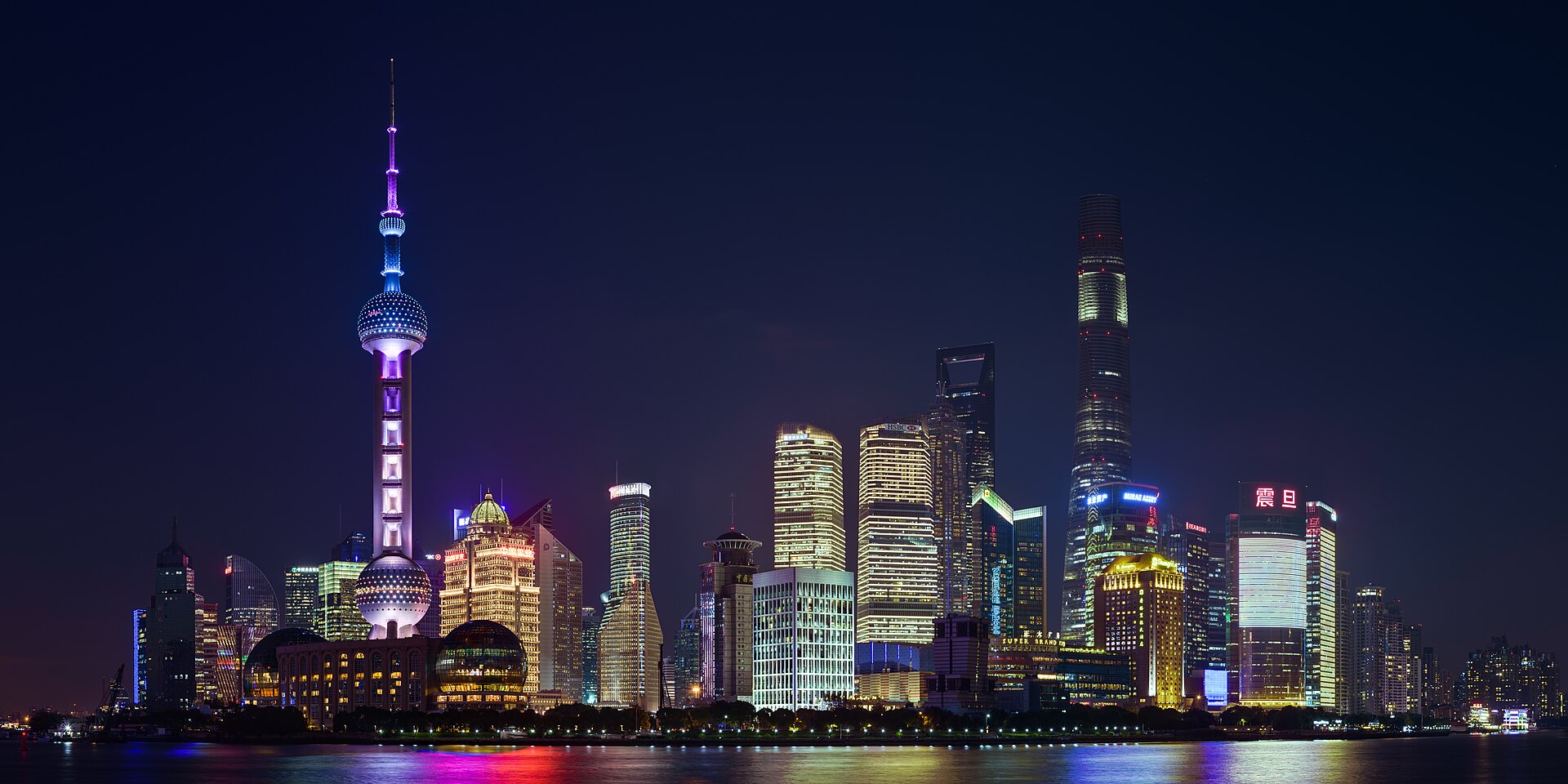
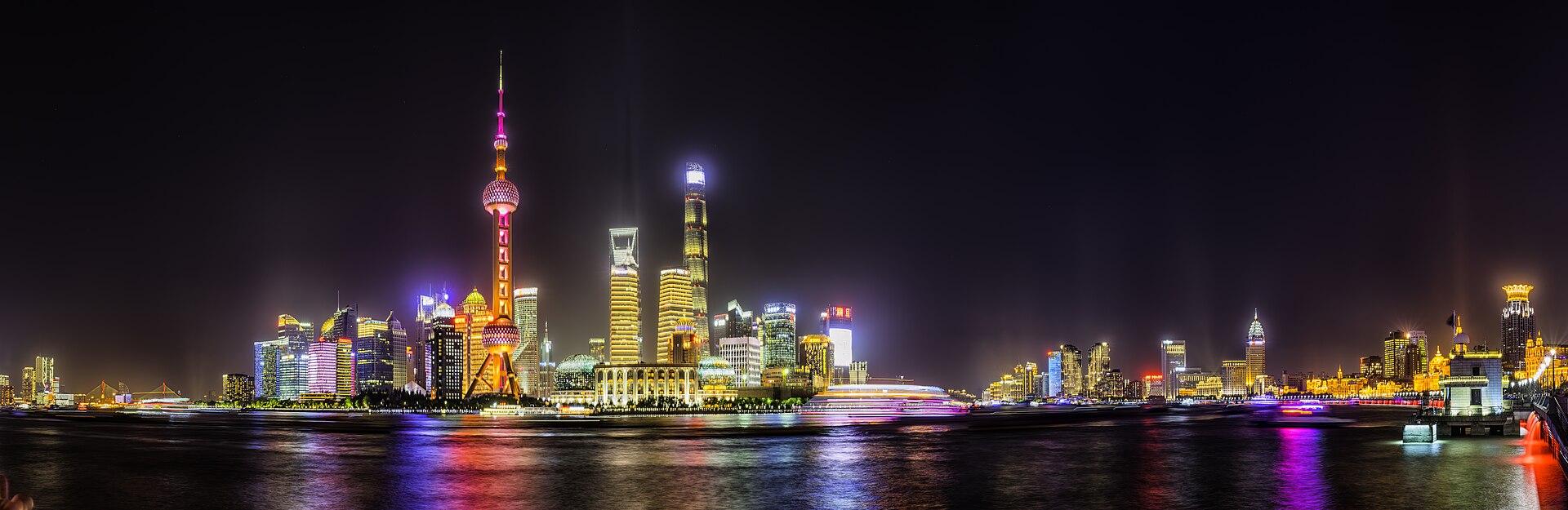
Shanghai closes the loop on a modern China. The layout rewards a walkable approach: the colonial Bund on one side of the river, the glass towers of Lujiazui on the other. Mix old and new across days six and seven — Yu Garden and the Old Town, the leafy French Concession, and one museum if the weather turns. As a major international hub, Shanghai is the most convenient city to fly home from, and its metro makes a late departure stress-free. See our دليل مدينة شنغهاي for neighborhood-level detail.

Getting Between Cities: Train vs Flight

For the Golden Triangle you will realistically compare rail and air for each hop. Trains drop you in the city centre and skip airport security theatre; flights can be quicker in the air but add transfer time on both ends. Use the comparison below as a rule of thumb, and confirm live schedules when you book.

الرحلة القطار عالي السرعة Flying Our Default Pick
Beijing → Xi’an A few hours, central stations Similar door-to-door once transfers count السكك الحديدية
Xi’an → Shanghai Longer, scenic but a full day Short flight, best time-saver طيران
Beijing → Shanghai Fast overnight and daytime options Frequent but weather-prone Either / time of day

Trains win for the shorter city pair where the station is central; the longer Xi’an-to-Shanghai hop justifies a flight on a seven-day clock.

What to Budget for a 7-Day Trip

Your total depends on travel style rather than a fixed number. Ballpark it in three tiers: budget (hostels, street food, second-class rail), mid-range (three- and four-star hotels and a mix of trains and flights), and premium (four- and five-star stays, private guides and domestic flights). Flights and hotels move the needle most. Prices shift by season and availability, so treat these as typical ranges and confirm exact figures when you book — or share your dates and comfort level and we will help you plan and price the trip.

Practical Tips Before You Go

A little preparation removes most friction. Entry rules are the big one: China has expanded visa-free and transit arrangements in recent years, but eligibility depends on your nationality and itinerary, so always verify current requirements through official channels or your nearest embassy before booking. Get mobile data working from the moment you land with a eSIM للسفر إلى الصين, and install the essentials — maps, translation and payment apps — before arrival using our China travel apps rundown. Book long-distance trains and popular attractions in advance, carry your passport for ticket and hotel checks, and pack smart with our China packing checklist. Small habits, like keeping offline copies of tickets and hotel addresses, prevent most first-visit hiccups.

Making This Route Your Own

The seven-day Golden Triangle is a template, not a rule. Travelling with kids or elders? Slow the pace and swap a museum afternoon for a private car day so no one is rushed — compare the options in our السفر عبر سيارات مستأجرة وسائق خاص guide. Would you rather trade Shanghai’s skyline for Chengdu’s pandas, or add a coastal water town? Both are light edits to the same framework. For a plan built around your dates, interests and budget, browse our in-depth destination guides or request التخصيص المتميز and we will shape a China travel itinerary that fits you.

أسئلة شائعة

Is 7 days enough to see China?

Seven days is enough for a satisfying first highlights trip, especially the Beijing–Xi’an–Shanghai Golden Triangle. It is not enough for the whole country, so resist cramming remote regions and save them for a return visit or a longer custom tour.

Which cities should a 7-day China itinerary cover?

The most popular combination is Beijing, Xi’an and Shanghai. This covers the Great Wall, the Terracotta Warriors and the modern skyline with minimal backtracking. First-timers can swap one city, but the three-city route is the best balance of variety and travel time.

Do I need a visa for a 7-day trip to China?

It depends on your nationality, passport and route. China has expanded visa-free and transit options, but they come with conditions and change over time. Always confirm the latest rules through official government channels or your nearest embassy before you book, rather than relying on outdated guidance.

Should I take trains or flights between the cities?

Use high-speed rail for shorter central-city hops such as Beijing to Xi’an, and fly for longer legs such as Xi’an to Shanghai to save time on a tight schedule. Trains avoid airport transfers; flights win on the longest distances. Check live timetables when booking.

Can I visit the Great Wall in a 7-day trip?

Yes — the Great Wall fits naturally as a full day out of Beijing. A restored, walkable section is the easiest for most visitors, while a quieter stretch suits early starts. Building it around your Beijing arrival or departure day keeps the rest of the itinerary efficient.