Posted on — Leave a comment

Jiaxing · Wuxi — 4-Day Eastern China Itinerary (2026)

Eastern China in 4 days: Jiaxing, Wuxi, sequenced for the smoothest travel and the best light — with water towns as the through-line.

Route at a glance

JiaxingWuxi

Day-by-day itinerary

DAY
1

Jiaxing

Arrival & first look
Jiaxing
09:00Arrive in Jiaxing. Your private driver meets you and transfers you to the hotel (about 45–90 min from the airport).
11:00Early check-in, drop your bags and freshen up.
12:30Welcome lunch — a local lunch spot recommended by your guide.
14:30Gentle orientation: a guided stroll through Jiaxing old quarter with short photo stops.
17:00Return to the hotel to rest. Activate your eSIM and set up Alipay / WeChat Pay with your card.
19:00Dinner at a recommended local restaurant — a regional dinner.
20:30Easy evening: a night view or free time. Your guide briefs you for tomorrow.
Overnightin Jiaxing.

Daily reminders · applies every day

  • Carry your passport (plus a visa copy) — hotels and sites may check ID.
  • Confirm tomorrow’s driver pickup time with your guide.
  • Keep both cash and a topped-up mobile-payment app (Alipay / WeChat Pay).
  • Charge your phone and power bank before heading out.
  • Download the offline map for today’s area.
  • Complete hotel check-in registration.
  • Activate your eSIM / local SIM and test the data.
  • Save the hotel address in Chinese to show taxi drivers.
DAY
2

Jiaxing

On the road to Wuxi
07:30Breakfast at the hotel and pack.
09:00Free morning for a last stroll or souvenir shopping in Jiaxing.
11:00Check out; private transfer to the station / airport for the intercity leg to Wuxi.
13:00Arrive Wuxi; check in or drop your bags at the hotel.
14:30Afternoon orientation of Wuxi with your guide — A guided visit to a second attraction..
18:30Dinner in Wuxi — a regional dinner.
20:30Free evening. Overnight in Wuxi.
DAY
3

Wuxi

Settle in & explore
Wuxi
07:30Breakfast at the hotel.
08:30Depart with your guide for this morning’s highlights.
09:15A walking tour of Wuxi's centre and landmarks.
11:15A café break in a lively neighbourhood.
12:30Lunch — a local lunch spot recommended by your guide.
14:00Free time for shopping and strolling.
16:00A relaxed afternoon activity of your choice.
17:30Return to the hotel to freshen up; free time.
19:00Dinner — a regional dinner.
20:30Free evening to relax at the hotel.
22:00Back to the hotel. Overnight in Wuxi.
DAY
4

Wuxi

Final morning & departure
07:30Breakfast at the hotel and pack.
09:00Final stroll or last souvenir shopping near the hotel.
11:00Check out and settle any incidentals.
12:00Private transfer to the airport / station; your guide assists with check-in.
—End of services. Safe travels — thank you for travelling with WingPhoenix!

Getting around

Leg Distance Recommended
Jiaxing → Wuxi 93 km Private car / coach

Practical tips

  • April–May & Sept–Oct are the sweet spot for most of China; avoid the Oct 1–7 National Day crowds.
  • Set up Alipay / WeChat Pay and install a China eSIM before you land.
  • Pre-book timed-entry tickets for major sights (Forbidden City, Terracotta Army, Panda Base).
  • Emergencies: Police 110 · Ambulance 120 · Tourism hotline 12301 · WingPhoenix 24/7 WhatsApp +86 180 3801 6100.
Want this as a fully bookable trip — hotels, private car, English guides & live pricing? Build it free in the WingPhoenix AI trip planner or WhatsApp +86 180 3801 6100. Browse all China itineraries →
Posted on — Leave a comment

China Metro Guide: How to Ride in 2026

Why Metro Beats Taxis in China’s Top Cities

In 2026, China operates the world’s largest urban rail network: over 11,500 km across 51 cities — from Beijing’s 27-line web to Shenzhen’s AI-optimized signaling and Chengdu’s new Line 30 (opened June 2026). For foreign tourists, metros are faster, safer, cleaner, and dramatically cheaper than ride-hailing or taxis — especially during rush hour or rain. A typical 8-km trip costs ¥2–¥6 (US$0.30–$0.90); a taxi charges ¥25–¥45 plus surge during festivals. With over 98% of stations offering English signage (mandated by China’s 2025 Tourism Accessibility Standard), real-time platform displays, and staff trained in basic English, the metro is now the default first transport choice — even for first-time visitors.

How to Pay: QR Codes, eSIMs & Physical Cards

Forget paper tickets. As of January 2026, all Tier-1 and Tier-2 cities (including Shanghai, Guangzhou, Xi’an, Hangzhou, Wuhan, and Dalian) accept only contactless payments via:

  • WeChat Pay or Alipay (linked to international cards — verified in under 90 seconds using facial recognition at kiosks)
  • China Telecom/China Unicom eSIM plans (all WingPhoenix eSIMs include pre-loaded metro QR wallets — no app download needed)
  • Physical Yang Cheng Tong (Guangzhou), Shanghai Public Transportation Card (SPTC), or Beijing Yikatong — sold at station booths or convenience stores (¥20 deposit + minimum ¥10 top-up; refundable at departure)

⚠️ Important: Apple Wallet transit cards (e.g., Suica, Octopus) do not work on Chinese metro systems. Also, UnionPay cards without NFC chips are rejected at gates. If you’re arriving on 240-hour visa-free transit (e.g., via Beijing Capital, Shanghai Pudong, or Chengdu Tianfu), buy your first eSIM or card within 2 hours of landing — most airport metro stations (like Shanghai Hongqiao or Guangzhou Baiyun Terminal 2) have bilingual kiosks open 24/7.

Station Navigation: What the Signs *Really* Mean

Chinese metro signage follows strict national standards — but subtle cues trip up newcomers. Here’s what to watch for:

Symbol / Text Meaning 2026 Update
“Exit A/B/C” + arrow + building icon (e.g., 🏢) Direct indoor access to that building — no street exposure. Common in Shanghai (Hongkou SOHO), Shenzhen (COEX Mall), and Beijing (Capital Airport T3) All new exits (2025–26) include indoor air quality index (AQI) LEDs — green = safe, yellow = mask recommended
“Transfer → Line X” with blue circle + white number Same-station transfer (no exit needed). Follow floor arrows — average walk time is now under 2.4 minutes thanks to widened corridors (per 2025 MOHURD retrofit mandate) Blue circles now pulse gently to guide visually impaired riders; tactile path strips installed in 92% of transfer corridors
“First/Last Train” + time + direction (e.g., “To Xizhimen 05:12–23:47”) Service window for that exact terminus — not the full line. Last train to Beijing South Railway Station may depart 12 mins earlier than last train to Xizhimen QR codes next to timetables now link directly to live tracking on WeMetro and Baidu Maps (English UI enabled by default)

Pro tip: At Beijing’s Xidan or Shanghai’s People’s Square, look for the “Tourist Transfer Route” signs — turquoise with a compass icon 🧭. These mark shortest-path, elevator-accessible routes between lines, bypassing escalators and crowded concourses.

Avoiding Peak Hour Chaos: Timings & Tactics

China’s metro peak hours are sharper and more predictable than most Western systems:

  • Mornings: 7:20–9:10 (commuters head to offices; avoid Beijing Lines 1, 2, 10; Shanghai Lines 2, 10, 12)
  • Evenings: 17:30–19:00 (students + office workers return; worst on Guangzhou Line 3, Chengdu Line 2)
  • Festival surges: During National Day (Oct 1–7, 2026), expect 40–60% higher volume — especially at Xi’an North Railway Station (Line 2/4/14 interchange) and Hangzhou East (Lines 1/4/6/19). Stations deploy AI crowd-density dashboards (visible on platform screens) showing real-time occupancy % per carriage — aim for carriages marked ≤65%.

If you’re on 240-hour visa-free transit and planning a quick city tour (e.g., Shanghai Pudong → The Bund → Yu Garden in one day), take Line 2 from the airport at 10:45 am — it avoids morning crush and arrives at Nanjing East Road in 42 minutes flat. Bonus: All Line 2 trains feature quiet carriages (marked with ear-icon stickers) where phone calls and loud audio are prohibited — ideal for jet-lagged travelers.

What to Do If You Get Lost (or Stuck)

Don’t panic — help is immediate and multilingual:

✅ Scan any station QR code (on pillars, ticket machines, or ceiling signs) to open WeMetro’s English voice-guided navigation — includes spoken directions, platform photos, and live train countdowns. No data? Download offline maps via WingPhoenix’s AI trip planner before arrival — it auto-detects your entry city and preloads metro schematics, station POIs, and exit-level photos.

✅ Find the “Service Counter” (绿色服务台) — always marked with a green logo and headset icon. Staff speak English, Japanese, and Korean (mandated since 2025). They issue free printed route cards and can override gate errors (e.g., if your QR expires mid-transfer).

✅ Use the emergency intercom (red button beside doors) — connects directly to station control with live English translation via AI voice bridge (deployed nationwide in Q2 2026). Response time: under 45 seconds.

❌ Don’t rely solely on Google Maps — its China metro data hasn’t been updated since 2022. Instead, use Baidu Maps (English toggle in Settings > Language) or the official municipal apps (e.g., “Shanghai Metro Official” or “Beijing Subway”). All integrate real-time delays, door-closing alerts, and accessibility status (elevator outages flagged in red).

Bonus: Metro-Friendly Itineraries for Visa-Free Travelers

If you’ve landed on 240-hour visa-free transit, maximize your time with these metro-only day routes (zero taxi needed):

  • Chengdu: Tianfu International Airport → Line 18 → South Railway Station → Line 1 → Jinjiang → Exit 5 → Kuanzhai Alley (1 hr 12 min, ¥8)
  • Shanghai: Pudong Airport → Maglev → Longyang Road → Line 2 → Jing’an Temple → Exit 8 → West Nanjing Rd shopping → Line 12 → Yu Garden (1 hr 28 min, ¥12 including Maglev)
  • Guangzhou: Baiyun Airport T2 → Line 3 → Tiyu Xilu → Line 1 → Chen Clan Ancestral Hall → Exit A → Canton Tower shuttle bus (free with metro QR) (1 hr 05 min, ¥9)

WingPhoenix’s AI trip planner helps you build these routes instantly — input your airport, layover window, and interests (food, history, photo ops), and it generates a step-by-step metro itinerary with live gate numbers, walking times, and QR wallet prep instructions. Whether you’re transiting through Kunming or exploring Xi’an for 4 days, let AI handle the logistics — so you savor every moment.

Plan your seamless China metro journey now →

Posted on — Leave a comment

Chengdu · Dali · Emei Shan — 7-Day Southwest China Itinerary (2026)

A curated 7-day journey: Chengdu, Dali, Emei Shan. Each day has timed activities, a getting-around table and packing reminders, so you can book or self-drive with confidence.

Route at a glance

ChengduDaliEmei Shan

Day-by-day itinerary

DAY
1

Chengdu

Arrival & first look
Chengdu
09:00Arrive in Chengdu. Your private driver meets you and transfers you to the hotel (about 45–90 min from the airport).
11:00Early check-in, drop your bags and freshen up.
12:30Welcome lunch — a regional set-menu lunch at a local favourite.
14:30Gentle orientation: a guided stroll through Chengdu old quarter with short photo stops.
17:00Return to the hotel to rest. Activate your eSIM and set up Alipay / WeChat Pay with your card.
19:00Dinner at a recommended local restaurant — a celebrated local restaurant (your guide's pick).
20:30Easy evening: a night view or free time. Your guide briefs you for tomorrow.
Overnightin Chengdu.

Daily reminders · applies every day

  • Carry your passport (plus a visa copy) — hotels and sites may check ID.
  • Confirm tomorrow’s driver pickup time with your guide.
  • Keep both cash and a topped-up mobile-payment app (Alipay / WeChat Pay).
  • Charge your phone and power bank before heading out.
  • Download the offline map for today’s area.
  • Complete hotel check-in registration.
  • Activate your eSIM / local SIM and test the data.
  • Save the hotel address in Chinese to show taxi drivers.
  • Use the metro or a private car to beat rush-hour traffic.
  • Watch for pickpockets in crowded markets.
DAY
2

Chengdu

Full-day exploration
07:30Breakfast at the hotel.
08:30Depart with your guide for this morning’s highlights.
09:15A city-highlights drive with photo stops at panoramic viewpoints.
11:15Visit a top museum or gallery with a local guide.
12:30Lunch — a regional set-menu lunch at a local favourite.
14:00A food crawl through a local market with tastings.
16:00Free time for last-minute shopping.
17:30Return to the hotel to freshen up; free time.
19:00Dinner — a celebrated local restaurant (your guide's pick).
20:30A riverside night cruise.
22:00Back to the hotel. Overnight in Chengdu.
DAY
3

Chengdu

On the road to Dali
07:30Breakfast at the hotel and pack.
09:00Free morning for a last stroll or souvenir shopping in Chengdu.
11:00Check out; private transfer to the station / airport for the intercity leg to Dali.
13:00Arrive Dali; check in or drop your bags at the hotel.
14:30Afternoon orientation of Dali with your guide — A botanical garden or park and a relaxed boat ride..
18:30Dinner in Dali — a celebrated local restaurant (your guide's pick).
20:30Free evening. Overnight in Dali.
DAY
4

Dali

Settle in & explore
Dali
07:30Breakfast at the hotel.
08:30Depart with your guide for this morning’s highlights.
09:15A walking tour of Dali's centre and landmarks.
11:15A café break in a lively neighbourhood.
12:30Lunch — a local lunch spot recommended by your guide.
14:00Free time for shopping and strolling.
16:00A relaxed afternoon activity of your choice.
17:30Return to the hotel to freshen up; free time.
19:00Dinner — a regional dinner.
20:30Free evening to relax at the hotel.
22:00Back to the hotel. Overnight in Dali.
DAY
5

Dali

On the road to Emei Shan
07:30Breakfast at the hotel and pack.
09:00Free morning for a last stroll or souvenir shopping in Dali.
11:00Check out; private transfer to the station / airport for the intercity leg to Emei Shan.
13:00Arrive Emei Shan; check in or drop your bags at the hotel.
14:30Afternoon orientation of Emei Shan with your guide — A guided visit to a second attraction..
18:30Dinner in Emei Shan — a regional dinner.
20:30Free evening. Overnight in Emei Shan.
DAY
6

Emei Shan

Settle in & explore
Emei Shan
07:30Breakfast at the hotel.
08:30Depart with your guide for this morning’s highlights.
09:15Guided hike along Emei Shan's signature trail with viewpoint photo stops.
11:15Picnic breakfast at a scenic clearing.
12:30Lunch — a farmhouse lunch with regional dishes.
14:00Boat ride or viewpoint-hopping across the valley (weather permitting).
16:00Golden-hour walk to a nearby viewpoint.
17:30Return to the hotel to freshen up; free time.
19:00Dinner — a warming highland stew with seasonal vegetables.
20:30Stargazing and an early night.
22:00Back to the hotel. Overnight in Emei Shan.
DAY
7

Emei Shan

Final morning & departure
07:30Breakfast at the hotel and pack.
09:00Final stroll or last souvenir shopping near the hotel.
11:00Check out and settle any incidentals.
12:00Private transfer to the airport / station; your guide assists with check-in.
—End of services. Safe travels — thank you for travelling with WingPhoenix!

Getting around

Leg Distance Recommended
Chengdu → Dali 666 km High-speed rail
Dali → Emei Shan 541 km High-speed rail

Practical tips

  • Pre-book timed-entry tickets for major sights (Forbidden City, Terracotta Army, Panda Base).
  • Verify your visa / 240-hour visa-free transit before booking flights.
  • High-speed rail is fast and punctual — book real-name tickets on 12306 in advance.
  • Emergencies: Police 110 · Ambulance 120 · Tourism hotline 12301 · WingPhoenix 24/7 WhatsApp +86 180 3801 6100.
Want this as a fully bookable trip — hotels, private car, English guides & live pricing? Build it free in the WingPhoenix AI trip planner or WhatsApp +86 180 3801 6100. Browse all China itineraries →
Posted on — Leave a comment

Enshi & Wuhan — 5 Days in Central China (2026)

Here is a 5-day route through Central China — Enshi, Wuhan — designed for first-timers who want terracotta wonders without overpacking the schedule.

Route at a glance

EnshiWuhan

Day-by-day itinerary

DAY
1

Enshi

Arrival & first look
Enshi
09:00Arrive in Enshi. Your private driver meets you and transfers you to the hotel (about 45–90 min from the airport).
11:00Early check-in, drop your bags and freshen up.
12:30Welcome lunch — a local lunch spot recommended by your guide.
14:30Gentle orientation: a guided stroll through Enshi old quarter with short photo stops.
17:00Return to the hotel to rest. Activate your eSIM and set up Alipay / WeChat Pay with your card.
19:00Dinner at a recommended local restaurant — a regional dinner.
20:30Easy evening: a night view or free time. Your guide briefs you for tomorrow.
Overnightin Enshi.

Daily reminders · applies every day

  • Carry your passport (plus a visa copy) — hotels and sites may check ID.
  • Confirm tomorrow’s driver pickup time with your guide.
  • Keep both cash and a topped-up mobile-payment app (Alipay / WeChat Pay).
  • Charge your phone and power bank before heading out.
  • Download the offline map for today’s area.
  • Complete hotel check-in registration.
  • Activate your eSIM / local SIM and test the data.
  • Save the hotel address in Chinese to show taxi drivers.
DAY
2

Enshi

On the road to Wuhan
07:30Breakfast at the hotel and pack.
09:00Free morning for a last stroll or souvenir shopping in Enshi.
11:00Check out; private transfer to the station / airport for the intercity leg to Wuhan.
13:00Arrive Wuhan; check in or drop your bags at the hotel.
14:30Afternoon orientation of Wuhan with your guide — A guided visit to a second attraction..
18:30Dinner in Wuhan — a regional dinner.
20:30Free evening. Overnight in Wuhan.
DAY
3

Wuhan

Settle in & explore
Wuhan
07:30Breakfast at the hotel.
08:30Depart with your guide for this morning’s highlights.
09:15A walking tour of Wuhan's centre and landmarks.
11:15A café break in a lively neighbourhood.
12:30Lunch — a local lunch spot recommended by your guide.
14:00Free time for shopping and strolling.
16:00A relaxed afternoon activity of your choice.
17:30Return to the hotel to freshen up; free time.
19:00Dinner — a regional dinner.
20:30Free evening to relax at the hotel.
22:00Back to the hotel. Overnight in Wuhan.
DAY
4

Wuhan

Full-day exploration
07:30Breakfast at the hotel.
08:30Depart with your guide for this morning’s highlights.
09:15An orientation drive around Wuhan with photo stops.
11:15Explore a signature street or square.
12:30Lunch — a local lunch spot recommended by your guide.
14:00A guided visit to a second attraction.
16:00A scenic walk or viewpoint stop.
17:30Return to the hotel to freshen up; free time.
19:00Dinner — a regional dinner.
20:30A local show or night market.
22:00Back to the hotel. Overnight in Wuhan.
DAY
5

Wuhan

Final morning & departure
07:30Breakfast at the hotel and pack.
09:00Final stroll or last souvenir shopping near the hotel.
11:00Check out and settle any incidentals.
12:00Private transfer to the airport / station; your guide assists with check-in.
—End of services. Safe travels — thank you for travelling with WingPhoenix!

Getting around

Leg Distance Recommended
Enshi → Wuhan 463 km High-speed rail

Practical tips

  • High-speed rail is fast and punctual — book real-name tickets on 12306 in advance.
  • April–May & Sept–Oct are the sweet spot for most of China; avoid the Oct 1–7 National Day crowds.
  • Set up Alipay / WeChat Pay and install a China eSIM before you land.
  • Emergencies: Police 110 · Ambulance 120 · Tourism hotline 12301 · WingPhoenix 24/7 WhatsApp +86 180 3801 6100.
Want this as a fully bookable trip — hotels, private car, English guides & live pricing? Build it free in the WingPhoenix AI trip planner or WhatsApp +86 180 3801 6100. Browse all China itineraries →
Posted on — Leave a comment

China Airport Transit Tips: 240-Hour Visa-Free Guide 2026

What Is the 240-Hour Visa-Free Transit Policy?

As of 2026, China permits foreign nationals from 54 eligible countries to enter without a visa for up to 240 hours (10 days) when transiting through designated international airports and seaports. This policy — officially expanded and streamlined in early 2025 — is now available at 27 entry points, including Beijing Capital (PEK), Shanghai Pudong (PVG), Guangzhou Baiyun (CAN), Chengdu Tianfu (TFU), Xi’an Xianyang (XIY), Kunming Changshui (KMG), and Shenzhen Bao’an (SZX). Unlike earlier versions requiring onward tickets to a third country, the updated rule allows travel *within mainland China only*, provided your departure flight (or cruise) originates from a different country than your arrival — e.g., flying from Berlin → Shanghai → Tokyo qualifies; Berlin → Shanghai → Berlin does not.

Eligibility Checklist: Do You Qualify?

To benefit from the 240-hour visa-free transit in 2026, you must meet all four criteria:

  • You hold a passport from one of the 54 approved countries (including the US, UK, Canada, Australia, France, Germany, Japan, South Korea, Singapore, and all Schengen states).
  • Your layover is between 24 and 240 hours (i.e., minimum 1 full day, maximum 10 days).
  • You arrive at and depart from two *different* Chinese ports of entry — or the same port if departing by sea (e.g., Shanghai airport in, Shanghai cruise terminal out).
  • You hold confirmed onward tickets with dates and seat reservations (e-tickets accepted; screenshots or PDFs suffice).

Note: Your nationality must match the passport used for both arrival and departure. Dual citizens must use the same passport throughout. Also, travelers arriving via Hong Kong, Macau, or Taiwan are *not* eligible — the policy applies only to direct international arrivals into mainland China.

Where Can You Go During Your 240-Hour Stay?

Under the current rules, you may travel freely within the administrative region(s) of your port of entry — and, crucially, across multiple provinces *if your airport serves as a regional hub*. For example:

Airport (IATA) Permitted Travel Area Key Cities Accessible (2026) Notes
Shanghai PVG Jiangsu, Zhejiang, Anhui, Shanghai Shanghai, Hangzhou, Nanjing, Suzhou, Huangshan Huangshan requires ~3h high-speed train; book seats in advance.
Beijing PEK Beijing, Tianjin, Hebei, Shanxi, Inner Mongolia Beijing, Tianjin, Datong, Chengde Datong (Yungang Grottoes) reachable in 2h by bullet train.
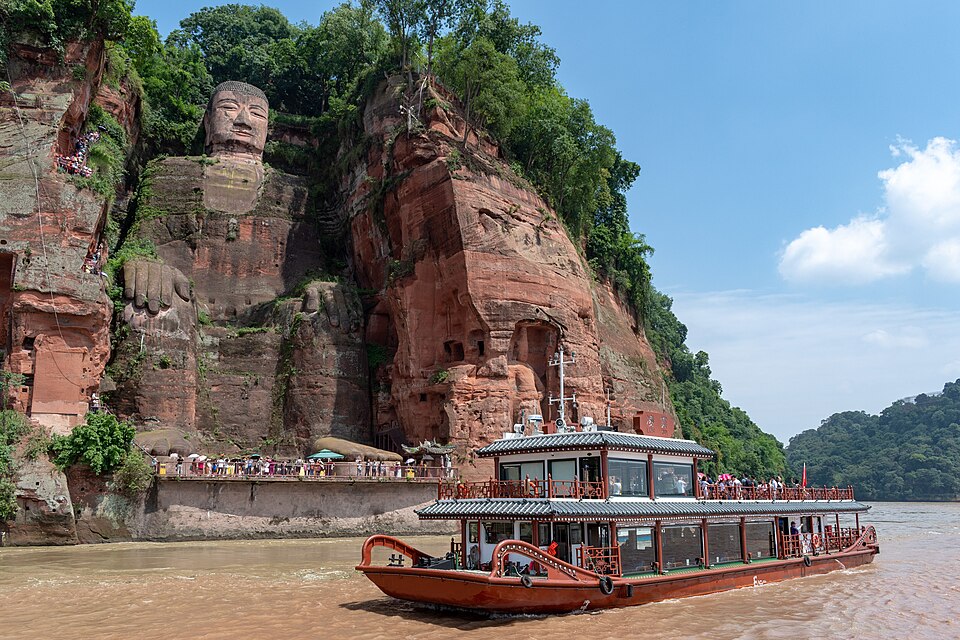
Chengdu TFU Sichuan, Chongqing, Guizhou, Yunnan Chengdu, Chongqing, Leshan, Kunming Leshan Giant Buddha is 1h by train; Kunming is 3h 20m (G-series).
Guangzhou CAN Guangdong, Guangxi, Hainan, Fujian Guangzhou, Shenzhen, Zhuhai, Guilin, Sanya Guilin (Li River) is 2h 45m by train; Sanya requires flight or overnight train.

Crucially, no separate provincial permits are needed — just present your onward ticket and passport at immigration. Border control officers verify eligibility digitally using the Entry-Exit Record System (EERS), so keep your QR-coded e-ticket handy on your phone or printed.

Practical On-Ground Tips for First-Time Transit Travelers

Once cleared, you’ll receive a blue transit permit slip stamped with your permitted stay duration and exit deadline. Here’s how to make the most of it:

Transportation: Metro cards (e.g., Shanghai’s Suica-compatible ‘Metro QR’ or Beijing’s ‘Beijing Tong’) can be purchased at airport kiosks using WeChat Pay or Alipay (set up before arrival — download WeChat, bind card, enable Mini Program permissions). High-speed trains require ID scanning — your passport works at all stations, but reserve seats in advance via 12306.cn (English interface live since April 2026) or Trip.com.

Accommodation: Hotels registered with Public Security Bureau (PSB) will register your stay automatically upon check-in. Confirm this during booking — unregistered hostels or homestays risk fines and exit delays. WingPhoenix’s AI trip planning tool helps filter compliant hotels and auto-generates your itinerary with real-time train schedules and hotel PSB status.

Connectivity: Buy a China eSIM before landing — WingPhoenix offers plug-and-play eSIMs with 1–10 GB data valid for 7–30 days, activated instantly upon arrival. Physical SIMs require ID registration and take 20+ minutes at airport counters; eSIMs skip the line entirely.

Currency & Payments: While cash (RMB) is still accepted everywhere, over 92% of vendors now accept mobile payments. Download Alipay and complete real-name verification *before departure* (requires passport photo + bank card). WeChat Pay remains limited for foreigners unless linked to a Chinese bank account — avoid relying on it exclusively.

Avoid These Common Pitfalls

Despite its convenience, the 240-hour policy trips up many travelers due to timing misunderstandings and documentation oversights:

Time starts at immigration clearance — not plane touchdown. If your flight lands at 22:00 and you clear customs at 23:40, your 240 hours begin then. Factor in 60–90 mins for baggage claim, customs, and transport to city center — especially at PVG or PEK during peak hours (07:00–09:30 and 18:00–21:00).

No extensions or renewals are allowed. Overstaying triggers automatic blacklisting for future visa-free entries and possible on-the-spot fines (¥500/day). Set two phone alarms: one 24 hours before expiry, another 4 hours prior.

Transit ≠ Tourist visa exemption for Tibet, Xinjiang, or restricted zones. Even with 240-hour clearance, you cannot enter Lhasa, Kashgar, or military-sensitive areas like parts of Inner Mongolia near the border. Attempting entry results in immediate detention and deportation.

Children count too. Every traveler — including infants — must hold their own passport and meet all eligibility requirements. Family groups should apply collectively at the same immigration counter to avoid separation delays.

Make It Seamless With WingPhoenix

Planning a 240-hour transit trip involves juggling flight times, train bookings, hotel registrations, and local regulations — all while jet-lagged. WingPhoenix’s AI trip planner simplifies it: upload your inbound/outbound e-tickets, select preferred cities and pace (leisurely vs. fast-paced), and get a step-by-step, regulation-compliant itinerary — complete with verified PSB hotels, real-time 12306 train links, and eSIM activation codes. It’s trusted by over 142,000 foreign travelers in 2026 alone.

Ready to turn your layover into a highlight? Start your free AI-powered China transit plan now.

Posted on — Leave a comment

Southwest China 6-Day Itinerary: Leshan · Lijiang · Jiuzhaigou (2026)

Thinking about Leshan, Lijiang, Jiuzhaigou? This 6-day plan strings them together with realistic pacing, high-speed-rail hops and fairy-tale lakes, plus a printable day-by-day breakdown.

Route at a glance

LeshanLijiangJiuzhaigou

Day-by-day itinerary

DAY
1

Leshan

Arrival & first look
Leshan
09:00Arrive in Leshan. Your private driver meets you and transfers you to the hotel (about 45–90 min from the airport).
11:00Early check-in, drop your bags and freshen up.
12:30Welcome lunch — a local lunch spot recommended by your guide.
14:30Gentle orientation: a guided stroll through Leshan old quarter with short photo stops.
17:00Return to the hotel to rest. Activate your eSIM and set up Alipay / WeChat Pay with your card.
19:00Dinner at a recommended local restaurant — a regional dinner.
20:30Easy evening: a night view or free time. Your guide briefs you for tomorrow.
Overnightin Leshan.

Daily reminders · applies every day

  • Carry your passport (plus a visa copy) — hotels and sites may check ID.
  • Confirm tomorrow’s driver pickup time with your guide.
  • Keep both cash and a topped-up mobile-payment app (Alipay / WeChat Pay).
  • Charge your phone and power bank before heading out.
  • Download the offline map for today’s area.
  • Complete hotel check-in registration.
  • Activate your eSIM / local SIM and test the data.
  • Save the hotel address in Chinese to show taxi drivers.
DAY
2

Leshan

On the road to Lijiang
07:30Breakfast at the hotel and pack.
09:00Free morning for a last stroll or souvenir shopping in Leshan.
11:00Check out; private transfer to the station / airport for the intercity leg to Lijiang.
13:00Arrive Lijiang; check in or drop your bags at the hotel.
14:30Afternoon orientation of Lijiang with your guide — A guided visit to a second attraction..
18:30Dinner in Lijiang — a regional dinner.
20:30Free evening. Overnight in Lijiang.
DAY
3

Lijiang

Settle in & explore
Lijiang
07:30Breakfast at the hotel.
08:30Depart with your guide for this morning’s highlights.
09:15A walking tour of Lijiang's centre and landmarks.
11:15A café break in a lively neighbourhood.
12:30Lunch — a local lunch spot recommended by your guide.
14:00Free time for shopping and strolling.
16:00A relaxed afternoon activity of your choice.
17:30Return to the hotel to freshen up; free time.
19:00Dinner — a regional dinner.
20:30Free evening to relax at the hotel.
22:00Back to the hotel. Overnight in Lijiang.
DAY
4

Lijiang

On the road to Jiuzhaigou
07:30Breakfast at the hotel and pack.
09:00Free morning for a last stroll or souvenir shopping in Lijiang.
11:00Check out; private transfer to the station / airport for the intercity leg to Jiuzhaigou.
13:00Arrive Jiuzhaigou; check in or drop your bags at the hotel.
14:30Afternoon orientation of Jiuzhaigou with your guide — A guided visit to a second attraction..
18:30Dinner in Jiuzhaigou — a regional dinner.
20:30Free evening. Overnight in Jiuzhaigou.
DAY
5

Jiuzhaigou

Settle in & explore
Jiuzhaigou
07:30Breakfast at the hotel.
08:30Depart with your guide for this morning’s highlights.
09:15Guided hike along Jiuzhaigou's signature trail with viewpoint photo stops.
11:15Picnic breakfast at a scenic clearing.
12:30Lunch — a farmhouse lunch with regional dishes.
14:00Boat ride or viewpoint-hopping across the valley (weather permitting).
16:00Golden-hour walk to a nearby viewpoint.
17:30Return to the hotel to freshen up; free time.
19:00Dinner — a warming highland stew with seasonal vegetables.
20:30Stargazing and an early night.
22:00Back to the hotel. Overnight in Jiuzhaigou.
DAY
6

Jiuzhaigou

Final morning & departure
07:30Breakfast at the hotel and pack.
09:00Final stroll or last souvenir shopping near the hotel.
11:00Check out and settle any incidentals.
12:00Private transfer to the airport / station; your guide assists with check-in.
—End of services. Safe travels — thank you for travelling with WingPhoenix!

Getting around

Leg Distance Recommended
Leshan → Lijiang 457 km High-speed rail
Lijiang → Jiuzhaigou 794 km High-speed rail

Practical tips

  • Set up Alipay / WeChat Pay and install a China eSIM before you land.
  • Pre-book timed-entry tickets for major sights (Forbidden City, Terracotta Army, Panda Base).
  • Verify your visa / 240-hour visa-free transit before booking flights.
  • Emergencies: Police 110 · Ambulance 120 · Tourism hotline 12301 · WingPhoenix 24/7 WhatsApp +86 180 3801 6100.
Want this as a fully bookable trip — hotels, private car, English guides & live pricing? Build it free in the WingPhoenix AI trip planner or WhatsApp +86 180 3801 6100. Browse all China itineraries →
Posted on — Leave a comment

China Train Travel Guide: Tickets, Apps & Tips 2026

Why China’s High-Speed Rail Is Your Best Travel Companion

With over 45,000 km of operational high-speed rail (HSR) lines—the world’s largest network—China’s trains are faster, more punctual, and far more comfortable than domestic flights for journeys under 8 hours. In 2026, services like the Fuxing bullet trains (G-series) cruise at up to 350 km/h between Beijing–Shanghai (4h18m), Guangzhou–Shenzhen (29 min), and Chengdu–Chongqing (62 min). Unlike airports, HSR stations sit in city centers, eliminating costly transfers and security delays. For foreign tourists on 240-hour visa-free transit (available in 19 Chinese cities including Shanghai, Guangzhou, Chengdu, Xi’an, and Tianjin), train travel lets you seamlessly extend your layover into a multi-city cultural immersion—no visa required, as long as you depart from the same eligible port within the 10-day window.

How to Book Train Tickets in 2026 (No WeChat Pay Needed)

You no longer need a Chinese bank account or WeChat Pay to book tickets. As of March 2026, 12306.cn (China Railway’s official site) offers full English-language support and accepts Visa, Mastercard, and Apple Pay. You’ll need your passport number (exactly as in your passport) and a verified mobile number—WingPhoenix provides a free temporary China eSIM upon booking, which delivers SMS verification instantly. Tickets open for sale 15 days before departure; popular routes (e.g., Beijing–Xi’an, Hangzhou–Shanghai) sell out 72+ hours ahead during holidays like National Day (Oct 1–7, 2026) or Spring Festival (Jan 29–Feb 4, 2027). Pro tip: Book round-trip tickets separately—there’s no discount for return journeys, but it gives flexibility if plans change.

Understanding Train Classes, Seats & What to Expect

China’s HSR uses three main classes, all with air conditioning, power outlets, and bilingual announcements:

  • G-series (High-Speed): Fastest (300–350 km/h), most frequent, connects Tier-1 and Tier-2 cities.
  • D-series (Express): Slightly slower (200–250 km/h), often used for regional links (e.g., Kunming–Dali, Lijiang–Dali).
  • Z/T/K-series (Conventional): Overnight or budget options—avoid unless traveling >12 hours or seeking local experience (not recommended for first-time visitors).

Seat types matter: Second Class is spacious (2+3 configuration, ample legroom); First Class offers wider seats (2+2) and extra recline; Business Class (only on select G-trains) has lie-flat seats, complimentary snacks, and priority boarding—but costs 2.5× Second Class. All tickets include a reserved seat—no standing allowed on HSR. You’ll receive an e-ticket QR code via email; show it at the gate (no paper needed). At stations, follow red ‘G’ signs and scan at automated gates using your passport or QR code.

Navigating Major Stations & Making Connections

Top-tier stations—Beijing South, Shanghai Hongqiao, Guangzhou South, Xi’an North—are vast but well-signposted in English. Look for color-coded platforms: green = G-trains, blue = D-trains. Real-time departure boards update every 30 seconds. Allow 50 minutes minimum for intercity connections (e.g., arriving at Shanghai Hongqiao on a G102 and catching G128 to Hangzhou East), and 90 minutes if switching terminals (e.g., Beijing West → Beijing South requires metro transfer). Free Wi-Fi (‘ChinaRail_WiFi’) is available but spotty; download offline maps and train status apps beforehand. The 12306 app (iOS/Android) shows live platform changes, delay alerts, and station layouts—enable notifications for your booked trips.

Practical Table: Top 6 HSR Routes for Foreign Tourists in 2026

Route Duration Frequency (Daily) Best For Visa-Free Transit Friendly?
Shanghai Hongqiao → Hangzhou East 45–52 min 182 trains Day trip to West Lake, tea plantations Yes (both in Shanghai/Hangzhou 240h zones)
Guangzhou South → Shenzhen North 29–34 min 156 trains Urban contrast, tech hubs, food markets Yes (both in Guangdong 240h zone)
Xi’an North → Chengdu East 3h11m–3h45m 84 trains Terracotta Warriors + pandas in one week Yes (Xi’an & Chengdu both approved)
Beijing South → Tianjin West 30–35 min 112 trains Hutongs, cuisine, opera — ideal for layovers Yes (Tianjin is a 240h port)
Chengdu East → Chongqing North 1h10m–1h28m 76 trains Sichuan hotpot, mountain views, modern skyline Yes (Chongqing is a 240h port)
Kunming South → Dali 1h55m–2h10m 42 trains Erhai Lake, Bai culture, slow travel vibe No (Dali not yet a 240h port; enter via Kunming)

Pro Tips, Pitfalls & AI Planning Help

Avoid these common missteps: Don’t rely solely on third-party sites like Trip.com—they sometimes show outdated schedules or charge hidden fees; always verify on 12306. Never board without scanning your passport or QR code—even if the gate appears open. Station staff speak limited English, so save key phrases: ‘Wo yao qu [city]’ (I want to go to [city]), ‘Zhe ge che zhan shi shenme shihou kaiche?’ (When does this train depart?). Carry bottled water—carriages have free hot water dispensers (for tea or instant noodles), but cold water isn’t provided. If traveling during peak season (May–Oct), book sleeper berths *only* on overnight D/Z trains—and confirm bedding is included (some budget services charge extra).

For stress-free planning, WingPhoenix’s AI trip planner auto-generates optimized HSR itineraries based on your visa-free window, interests, and pace—factoring in station walking times, meal breaks, and real-time 2026 timetable updates. It also syncs your confirmed train tickets directly to your eSIM-enabled phone for offline access. Another AI trip planner feature helps adjust routes on-the-fly if weather or schedule changes occur—critical when navigating China’s dynamic transport ecosystem.

Whether you’re squeezing in a day trip from Shanghai to Suzhou, hopping from Xi’an to Pingyao via Taiyuan (2h45m, 12 daily), or threading a 240-hour visa-free loop through Chengdu–Chongqing–Guiyang, China’s rails offer unmatched speed, safety, and scenic value. Just remember: arrive early, scan twice, and let the tracks carry you deeper into the heart of modern China.

Ready to build your seamless, AI-optimized China rail itinerary? Start planning now → WingPhoenix Trip Planner

Posted on — Leave a comment

Enshi & Zhengzhou — 4 Days in Central China (2026)

A 4-day Central China itinerary linking Enshi, Zhengzhou, built around dramatic mountains — with hour-by-hour suggestions, transport and food stops you can copy straight into your trip.

Route at a glance

EnshiZhengzhou

Day-by-day itinerary

DAY
1

Enshi

Arrival & first look
Enshi
09:00Arrive in Enshi. Your private driver meets you and transfers you to the hotel (about 45–90 min from the airport).
11:00Early check-in, drop your bags and freshen up.
12:30Welcome lunch — a local lunch spot recommended by your guide.
14:30Gentle orientation: a guided stroll through Enshi old quarter with short photo stops.
17:00Return to the hotel to rest. Activate your eSIM and set up Alipay / WeChat Pay with your card.
19:00Dinner at a recommended local restaurant — a regional dinner.
20:30Easy evening: a night view or free time. Your guide briefs you for tomorrow.
Overnightin Enshi.

Daily reminders · applies every day

  • Carry your passport (plus a visa copy) — hotels and sites may check ID.
  • Confirm tomorrow’s driver pickup time with your guide.
  • Keep both cash and a topped-up mobile-payment app (Alipay / WeChat Pay).
  • Charge your phone and power bank before heading out.
  • Download the offline map for today’s area.
  • Complete hotel check-in registration.
  • Activate your eSIM / local SIM and test the data.
  • Save the hotel address in Chinese to show taxi drivers.
DAY
2

Enshi

On the road to Zhengzhou
07:30Breakfast at the hotel and pack.
09:00Free morning for a last stroll or souvenir shopping in Enshi.
11:00Check out; private transfer to the station / airport for the intercity leg to Zhengzhou.
13:00Arrive Zhengzhou; check in or drop your bags at the hotel.
14:30Afternoon orientation of Zhengzhou with your guide — A guided visit to a second attraction..
18:30Dinner in Zhengzhou — a regional dinner.
20:30Free evening. Overnight in Zhengzhou.
DAY
3

Zhengzhou

Settle in & explore
Zhengzhou
07:30Breakfast at the hotel.
08:30Depart with your guide for this morning’s highlights.
09:15A walking tour of Zhengzhou's centre and landmarks.
11:15A café break in a lively neighbourhood.
12:30Lunch — a local lunch spot recommended by your guide.
14:00Free time for shopping and strolling.
16:00A relaxed afternoon activity of your choice.
17:30Return to the hotel to freshen up; free time.
19:00Dinner — a regional dinner.
20:30Free evening to relax at the hotel.
22:00Back to the hotel. Overnight in Zhengzhou.
DAY
4

Zhengzhou

Final morning & departure
07:30Breakfast at the hotel and pack.
09:00Final stroll or last souvenir shopping near the hotel.
11:00Check out and settle any incidentals.
12:00Private transfer to the airport / station; your guide assists with check-in.
—End of services. Safe travels — thank you for travelling with WingPhoenix!

Getting around

Leg Distance Recommended
Enshi → Zhengzhou 631 km High-speed rail

Practical tips

  • Verify your visa / 240-hour visa-free transit before booking flights.
  • High-speed rail is fast and punctual — book real-name tickets on 12306 in advance.
  • April–May & Sept–Oct are the sweet spot for most of China; avoid the Oct 1–7 National Day crowds.
  • Emergencies: Police 110 · Ambulance 120 · Tourism hotline 12301 · WingPhoenix 24/7 WhatsApp +86 180 3801 6100.
Want this as a fully bookable trip — hotels, private car, English guides & live pricing? Build it free in the WingPhoenix AI trip planner or WhatsApp +86 180 3801 6100. Browse all China itineraries →
Posted on — Leave a comment

Silk Road China: Dunhuang & Turpan Travel Guide

The most rewarding, most accessible slice of the Silk Road for first-time visitors runs through two oasis cities: Dunhuang in Gansu and Turpan in Xinjiang. Dunhuang holds the Mogao Caves — a thousand years of Buddhist art sealed in desert cliffs — plus crescent-shaped dunes and the ruined gates of the ancient Chinese frontier. A short hop west, Turpan delivers earthen cities two millennia old, an underground irrigation system still running today, and the hottest landscape in China. You can combine both in 7–10 days by train or flight via Lanzhou, Xi’an or Urumqi, and most travellers find this the single most memorable stretch of any China travel itinerary.

Why Dunhuang and Turpan Define the Silk Road

For roughly 1,500 years, the Silk Road was not a road but a chain of oasis towns where caravans carried silk, spices, faith and ideas between Chang’an (modern Xi’an) and the Mediterranean. Dunhuang sat at the fork where the route split around the Taklamakan Desert, and grew rich enough to commission the Mogao Caves. Turpan, below sea level and blisteringly hot, was a stopover kingdom where Chinese, Persian, Turkish and Indian cultures visibly mixed. Today both are easy to reach and still feel remote — the Silk Road paradox that makes them worth the journey.

Mogao Caves: The Heart of the Silk Road

The Mogao Grottoes are the reason most people come: 735 numbered caves carved into a kilometer of cliff, decorated between the 4th and 14th centuries, with murals, statues and a 35-metre Maitreya Buddha. Visits are strictly managed. You watch two short films at the visitor centre, then a guide takes a small group through a set of caves that varies by ticket type and season. Peak summer tickets sell out days — sometimes hours — ahead, so book through the official Mogao website or WeChat channel as early as your dates allow; categories, prices and rules are published there and change seasonally, so confirm at booking. Photography inside the caves is not permitted. Allow a half day at minimum.

Mingsha Mountains and Crescent Lake

Below the Mogao cliffs rise the Mingsha (“Ringing Sand”) Dunes, and cupped among them is Yueyaquan, a crescent lake that has survived millennia of desert winds. The scenic area runs sand sleds, camel rides and cafés climbing the dunes — busy, commercial and still beautiful at sunset, when the lake turns gold. Go late in the day after the Mogao Caves and treat it as a two-to-three-hour visit, not a full-day one.

West of Dunhuang: Jade Gate, Yangguan and the Yardang

The ancient frontier runs west from town, usually done as a long day trip. Yumen Pass (the Jade Gate) is a squat earthen watchtower marking where caravans left Han-dynasty China, with a small museum and surviving Han Great Wall beacon towers nearby. Yangguan is mostly imagination and salt flats — desolate and lovely. The showpiece is Dunhuang Yardang National Geopark roughly 160 km west, where wind has carved the desert floor into castles, towers and a “Lion Sphinx” ridge. The loop is 250–300 km of driving, exactly the situation where a private driver beats hourly buses; many Silk Road tour packages include it for the same reason.

Turpan: Ruins, Karez Wells and Oasis Life

Turpan’s water — channelled for 2,000 years through the karez, an underground well-and-tunnel network you can still visit — made it the crossroads kingdom of Gaochang. Highlights: Jiaohe Ancient City, a fully surviving earthen town on a cliff plateau, devastating at dusk; the Gaochang ruins; Bezeklik Thousand Buddha Caves; the 18th-century Emin Minaret; and the kitschy-but-charming Grape Valley. The Turpan Museum is small, well-curated and features naturally mummified remains from basin cemeteries. Most sights are 30–60 minutes of driving apart, so organise around two bases rather than rushing everything in one day.

Getting to Dunhuang and Turpan

Dunhuang has its own airport (DHN) with regular or seasonal links to cities like Xi’an, Lanzhou and Chengdu — schedules shift, so verify when booking. Rail reaches Dunhuang station via Liuyuan; overnight trains from Lanzhou and Xi’an are the classic approach. Turpan is served by Turpan North station on the high-speed line from Urumqi (roughly an hour or so) and by older trains at Turpan station; Urumqi’s airport (URC) is the international gateway. First-timers typically fly into Xi’an or Lanzhou and work west through Zhangye and Jiayuguan to Dunhuang, then Turpan and Urumqi. Our guide to buying train tickets with a foreign passport covers the booking mechanics.

Sample Silk Road Itineraries

How much of the corridor you do depends on total trip length. Three shapes work well:

Option Duration Route Best for
Eastern push 7–8 days Xi’an → Lanzhou → Zhangye → Jiayuguan → Dunhuang → fly out First-timers, history-led itineraries, moderate pace
Desert core 5–6 days Fly into Dunhuang (Mogao + west loop) → train/flight to Turpan → out via Urumqi Travellers already in western China or short on time
Twin oases deep-dive 9–12 days Dunhuang + west loop → all Turpan sites → Urumqi + Heavenly Lake Photographers, culture travellers, Xinjiang curiosity

Plugging one into a full China travel planning sheet? Our trip planner maps rail and flight legs, and ready-made China tour packages cover the classic route.

Best Time for Silk Road Travel

The sweet windows are May–June and September–mid-October: warm days, cool evenings, manageable crowds. July–August brings peak domestic tourism, heavy Mogao ticket pressure and furnace-level heat in Turpan — doable with siesta hours, but not fun. Winter is cheap and empty but cold, with some desert activities scaling back. Golden Week and the summer holidays are the two periods to avoid; see our best time to visit China breakdown for the fuller picture.

Getting Around: Private Car, Train or Bus

Trains and flights connect the cities, but the best sights — Yardang, Jiaohe at dusk, Bezeklik — sit 30–180 km off the rails. Your options: scheduled buses plus taxis (cheapest, slowest, most rigid); a hired driver for loop days (more cost, far less waiting — compare on our charter and private driver page); or an organised tour that folds logistics in. Many foreign travellers land on a customised trip that keeps private cars where sights are spread and public transport where it is strong.

Food, Stay and Everyday Costs

Dunhuang and Turpan are mid-sized cities with everything from budget chains to four-star hotels; peak-season prices climb, and a realistic all-in daily budget resembles other inland China destinations — see our China travel cost planner for samples by trip length. On the Gansu side, eat wheat-noodle everything and lamb; in Turpan, the Uyghur table is the event: kebabs, baked naan, polo rice, cold noodles, and grapes and melons in season worth the trip alone. Typical price ranges are modest; confirm package prices at the time of ordering.

Practical Tips for Foreign Travellers

Carry your passport: hotels, ticket windows and stations require identity registration, and checks are more frequent on this corridor. Payment is overwhelmingly mobile — set up Alipay or WeChat Pay with your foreign card before arrival, and keep small cash for stalls. Download maps offline before landing, since Google services don’t work; our China eSIM guide covers staying connected and the China travel guides index covers apps and etiquette. Distances are real — build rest into transfer days, and in summer carry more water than feels normal.

Is the Silk Road Right for Your China Trip?

It is not the easiest first China trip — transfers are longer and English thinner than on the Beijing–Xi’an–Shanghai classic. But if you want landscape that makes sense of the history, it is unbeatable: empty desert passes, cave art that stops conversation, and oasis towns whose street languages still sound like the old route. The corridor is straightforward to travel; for context read our take on whether China is safe, and treat Xinjiang-specific entry or registration details as official-source items, since requirements change.

FAQ

How many days do I need for Dunhuang and Turpan?

Three full days in Dunhuang (Mogao, the west loop, Crescent Lake) and two to three in Turpan covers the essentials. With transfers, five to seven days total is realistic, and both slot well into a 10–14 day China travel itinerary.

Can I visit the Mogao Caves without booking in advance?

Off-season, often yes. In July, August and around holidays, advance purchase through the official Mogao channels is effectively mandatory as daily quotas sell out — reserve as soon as dates are fixed and confirm categories and prices at that time.

Is the Silk Road suitable for families or older travellers?

Yes, with pacing. Cave visits involve walking and standing, desert sites mean heat, and long drives are the main tax. Morning cave visits, late-afternoon dune stops and a driver on spread-out days make it very manageable.

Do I need special permits for Turpan or Xinjiang?

Ordinary foreign tourism in Turpan and Urumqi generally requires no special permit beyond your Chinese visa and passport registration, but rules for specific areas change; verify current requirements through official channels shortly before travel.

Which comes first — Dunhuang or Turpan?

Most travellers run east to west: Dunhuang first from Gansu, then Turpan via Urumqi. The reverse works if you enter Xinjiang by air. Either way, split the cross-border day with a stop at Guazhou or the desert scenery along the way.
Posted on — Leave a comment

Guiyang & Emei Shan — 6 Days in Southwest China (2026)

Plan 6 days across Guiyang, Kunming, Emei Shan on this ready-to-go Southwest China route — day-by-day timings, inter-city distances and a route map, all tweakable in minutes.

Route at a glance

GuiyangKunmingEmei Shan

Day-by-day itinerary

DAY
1

Guiyang

Arrival & first look
Guiyang
09:00Arrive in Guiyang. Your private driver meets you and transfers you to the hotel (about 45–90 min from the airport).
11:00Early check-in, drop your bags and freshen up.
12:30Welcome lunch — a local lunch spot recommended by your guide.
14:30Gentle orientation: a guided stroll through Guiyang old quarter with short photo stops.
17:00Return to the hotel to rest. Activate your eSIM and set up Alipay / WeChat Pay with your card.
19:00Dinner at a recommended local restaurant — a regional dinner.
20:30Easy evening: a night view or free time. Your guide briefs you for tomorrow.
Overnightin Guiyang.

Daily reminders · applies every day

  • Carry your passport (plus a visa copy) — hotels and sites may check ID.
  • Confirm tomorrow’s driver pickup time with your guide.
  • Keep both cash and a topped-up mobile-payment app (Alipay / WeChat Pay).
  • Charge your phone and power bank before heading out.
  • Download the offline map for today’s area.
  • Complete hotel check-in registration.
  • Activate your eSIM / local SIM and test the data.
  • Save the hotel address in Chinese to show taxi drivers.
DAY
2

Guiyang

On the road to Kunming
07:30Breakfast at the hotel and pack.
09:00Free morning for a last stroll or souvenir shopping in Guiyang.
11:00Check out; private transfer to the station / airport for the intercity leg to Kunming.
13:00Arrive Kunming; check in or drop your bags at the hotel.
14:30Afternoon orientation of Kunming with your guide — A guided visit to a second attraction..
18:30Dinner in Kunming — a regional dinner.
20:30Free evening. Overnight in Kunming.
DAY
3

Kunming

Settle in & explore
Kunming
07:30Breakfast at the hotel.
08:30Depart with your guide for this morning’s highlights.
09:15A walking tour of Kunming's centre and landmarks.
11:15A café break in a lively neighbourhood.
12:30Lunch — a local lunch spot recommended by your guide.
14:00Free time for shopping and strolling.
16:00A relaxed afternoon activity of your choice.
17:30Return to the hotel to freshen up; free time.
19:00Dinner — a regional dinner.
20:30Free evening to relax at the hotel.
22:00Back to the hotel. Overnight in Kunming.
DAY
4

Kunming

On the road to Emei Shan
07:30Breakfast at the hotel and pack.
09:00Free morning for a last stroll or souvenir shopping in Kunming.
11:00Check out; private transfer to the station / airport for the intercity leg to Emei Shan.
13:00Arrive Emei Shan; check in or drop your bags at the hotel.
14:30Afternoon orientation of Emei Shan with your guide — A guided visit to a second attraction..
18:30Dinner in Emei Shan — a regional dinner.
20:30Free evening. Overnight in Emei Shan.
DAY
5

Emei Shan

Settle in & explore
Emei Shan
07:30Breakfast at the hotel.
08:30Depart with your guide for this morning’s highlights.
09:15Guided hike along Emei Shan's signature trail with viewpoint photo stops.
11:15Picnic breakfast at a scenic clearing.
12:30Lunch — a farmhouse lunch with regional dishes.
14:00Boat ride or viewpoint-hopping across the valley (weather permitting).
16:00Golden-hour walk to a nearby viewpoint.
17:30Return to the hotel to freshen up; free time.
19:00Dinner — a warming highland stew with seasonal vegetables.
20:30Stargazing and an early night.
22:00Back to the hotel. Overnight in Emei Shan.
DAY
6

Emei Shan

Final morning & departure
07:30Breakfast at the hotel and pack.
09:00Final stroll or last souvenir shopping near the hotel.
11:00Check out and settle any incidentals.
12:00Private transfer to the airport / station; your guide assists with check-in.
—End of services. Safe travels — thank you for travelling with WingPhoenix!

Getting around

Leg Distance Recommended
Guiyang → Kunming 428 km High-speed rail
Kunming → Emei Shan 523 km High-speed rail

Practical tips

  • April–May & Sept–Oct are the sweet spot for most of China; avoid the Oct 1–7 National Day crowds.
  • Set up Alipay / WeChat Pay and install a China eSIM before you land.
  • Pre-book timed-entry tickets for major sights (Forbidden City, Terracotta Army, Panda Base).
  • Emergencies: Police 110 · Ambulance 120 · Tourism hotline 12301 · WingPhoenix 24/7 WhatsApp +86 180 3801 6100.
Want this as a fully bookable trip — hotels, private car, English guides & live pricing? Build it free in the WingPhoenix AI trip planner or WhatsApp +86 180 3801 6100. Browse all China itineraries →