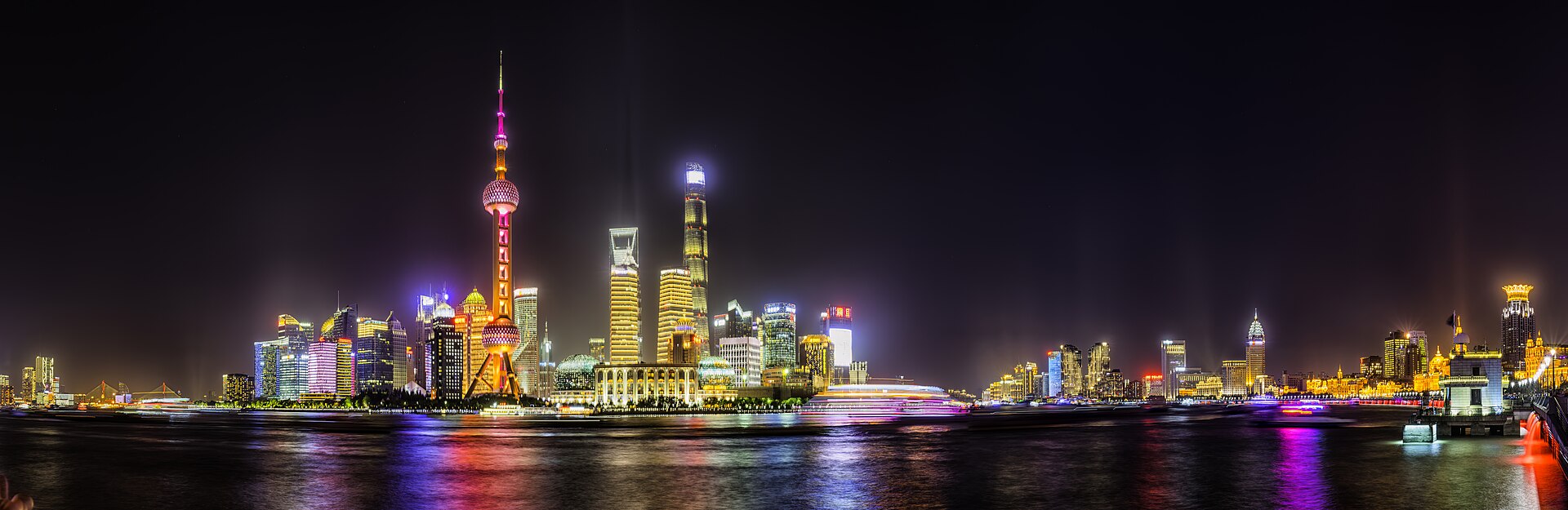
Posted on — Leave a comment

Shenzhen Itinerary 2026: Tech, Beaches & Visa-Free Hacks

Why Shenzhen in 2026?

Once a sleepy fishing village, Shenzhen is now China’s innovation engine — home to Huawei, Tencent, DJI, and over 17,000 high-tech startups. In 2026, it’s more accessible than ever: eligible foreign nationals (including US, UK, Canada, EU, Australia, Japan, South Korea, Singapore, and Malaysia passport holders) can enjoy the 240-hour visa-free transit policy when arriving via Shenzhen Bao’an International Airport (SZX) with a confirmed onward ticket to a third country or region within 10 days. That means you can drop into Shenzhen for 3–4 days — even mid-journey between Europe and Southeast Asia — without pre-applying for a visa. Pair that with WingPhoenix’s AI trip planning (which auto-adjusts for real-time metro delays, pop-up art festivals, and seasonal beach closures), and you’ve got a frictionless, future-forward urban adventure.

Day 1: Futurism & Fast Transit

Start at Shekou Sea World, where the iconic 1984 cruise ship MSC Napoli anchors beside waterfront cafés and bilingual street art. Walk 5 minutes to Sea World Metro Station (Line 2), then ride 12 minutes to Huaqiangbei — the world’s largest electronics bazaar. In 2026, vendors accept Alipay TourPass and WeChat Pay (no Chinese bank account needed), and many stores offer English-speaking staff trained by Shenzhen’s Municipal Tourism Bureau. Grab a ¥299 ‘Tech Starter Kit’ (includes a dual-band Wi-Fi router, bilingual QR code guidebook, and eSIM activation voucher). Then hop on the new Line 13 (opened March 2026) to Shenzhen Bay Park. Rent an e-bike at the station exit (¥1.5/minute, ID scan via WingPhoenix app), pedal along the 13-km coastal path, and watch sunset over Hong Kong’s Lantau Island — no border crossing required.

Day 2: Nature, Nooks & Night Markets

Morning: Take the MTR to OCT East (Line 8, ~45 mins from downtown). Skip the theme park crowds and head straight to Yangmeikeng Ecological Trail — a UNESCO-recognized coastal forest reserve with boardwalks, tide pools, and rare black-faced spoonbills (best spotted Oct–Mar). The trail entrance is just past the OCT East bus stop; bring water and reef-safe sunscreen (local brands like Biore Shenzhen Edition are stocked at 7-Eleven outlets inside stations). Afternoon: Return to Futian District and explore Lianhuashan Park, where Deng Xiaoping’s 2026-renewed bronze statue overlooks panoramic city views. Descend via the Garden of Ten Thousand Flowers — newly expanded in 2025 with native Lingnan orchids and tactile Braille signage. Evening: Hit Chungking Mansions-style Dongmen Night Market (not the Hong Kong one — this is Shenzhen’s original, near Laojie Station). Try shengjianbao (pan-fried soup dumplings), chili crab noodles, and lychee ice cream — all under ¥35. Vendors now display QR codes for instant translation and price verification.

Day 3: Culture, Craft & Cross-Border Ease

Morning: Ride Line 10 to Dafen Oil Painting Village, still thriving in 2026 — but now curated. Visit Studio 73, a collective where artists produce AI-assisted prints (you upload a photo → get a hand-finished oil version in 90 mins, ¥280). Nearby, Guangming Art Museum (opened June 2025) hosts rotating exhibits on digital ink painting and Shenzhen’s migrant-worker oral histories — free entry with passport scan. Afternoon: Use your 240h transit window wisely — take the Shenzhen Metro Line 11 to Futian Checkpoint, clear immigration in <7 minutes (e-gates accept biometric passports from 52 countries), and cross into Hong Kong via the Co-location Arrangement. You’ll be in Kowloon in under 20 minutes — no separate HK visa needed if re-entering Shenzhen the same day. Grab dim sum at Tim Ho Wan (Tsim Sha Tsui branch), then return before midnight to preserve your transit status.

Practical Essentials for 2026

Shenzhen runs on speed and precision — but only if you know the hacks. Here’s what’s changed since 2024:

  • eSIMs work flawlessly: All major providers (including WingPhoenix’s own 7-day plan) now support dual-SIM Android/iOS devices without physical tray access — critical for travelers using older phones.
  • Real-time transport: Shenzhen Metro’s official app (Shenzhen Metro Go) integrates live bus arrivals, bike availability, and AI crowd forecasts — synced with WingPhoenix’s planner to reroute around sudden Line 9 maintenance (common Tues/Thurs 10am–12pm).
  • No cash? No problem: Even street-side fruit stalls accept international cards via UnionPay’s new QuickPass Global system — just tap your card or Apple Watch.
  • Language barrier? Solved: Baidu Translate’s offline Shenzhen dialect pack (downloadable pre-arrival) covers Hakka, Cantonese, and Mandarin slang used in markets — and works without internet.

For those staying longer or connecting from Guangzhou or Hong Kong, note: Shenzhen has zero plastic bag fees (unlike Shanghai), public restrooms are cleaned every 45 mins (timers visible on doors), and all metro stations have nursing rooms and wheelchair lifts — verified in the 2026 Shenzhen Accessibility Audit.

Shenzhen Transport & Costs (2026)

Service 2026 Price (CNY) Nota
Metro (single ride) ¥2–¥12 Distance-based; max ¥12 for >45 km (e.g., SZX → OCT East)
Didi Premium (4-seater) ¥32–¥68 Fixed pricing 7am–10pm; surge-free zones marked in WingPhoenix app
Shared e-bike (per 15 min) ¥2.5 Free helmet lock included; helmets sanitized daily
240h Transit Lounge (SZX) Free With valid onward ticket + passport; includes showers, nap pods, SIM kiosks
Admission: OCT East Nature Zone ¥60 Book online via WeChat mini-program ‘OCT Shenzhen’ — skip queues

One final tip: Avoid weekends at Window of the World — its 2026 VR-enhanced global landmarks (Eiffel Tower, Pyramids, Christ the Redeemer) draw massive local crowds. Instead, go weekday mornings and pair it with the adjacent Happy Valley (free entry for kids under 1.2m, ¥260 adults — but use WingPhoenix’s AI planner to unlock timed-entry discounts when booking 48h ahead).

Shenzhen isn’t just China’s tech capital — it’s your stress-free gateway to the country’s dynamism, coastline, and cultural reinvention. Whether you’re here for 72 hours or extending your 240h transit into a full week with a nearby Guilin add-on, every detail is optimized for clarity, speed, and delight. Let AI do the heavy lifting so you can focus on spotting drones over Shenzhen Bay, tasting lychee wine at a rooftop bar in OCT Harbour, or watching sunrise from the China Folk Culture Village pagoda — all while staying effortlessly connected.

Ready to build your personalized Shenzhen itinerary — complete with real-time transit alerts, eSIM activation, and 240h transit reminders? Plan your trip now on WingPhoenix.
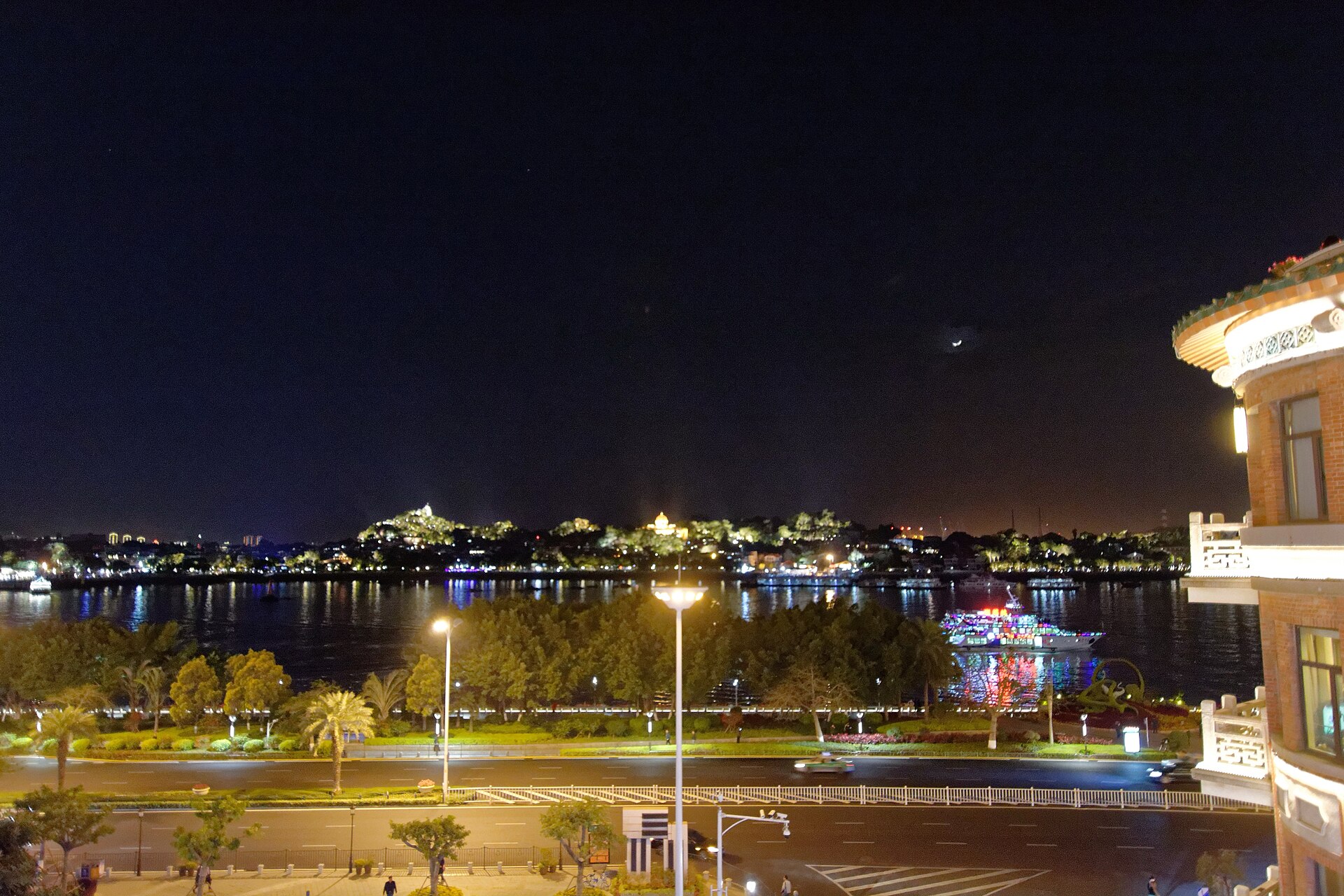

Posted on — Leave a comment

Xiamen Itinerary 2026: Beaches, Gulangyu & E-Scooter Hacks

Why Xiamen Belongs on Your 2026 China List

Xiamen — a subtropical port city on China’s southeast coast — is quietly redefining what foreign travelers expect from a Chinese destination. With its palm-lined boulevards, colonial-era architecture, and breezy seaside cafés, it feels more like a Mediterranean island than a mainland metropolis. In 2026, Xiamen has become significantly more accessible: it’s now one of 13 Chinese cities eligible for the 240-hour (10-day) visa-free transit policy, meaning most nationalities flying into Xiamen Gaoqi International Airport (XMN) with connecting flights to a third country can stay up to 10 days without a visa — no pre-approval needed. That makes it an ideal standalone destination or a low-friction add-on to longer China itineraries (e.g., pairing with Guangzhou or Shanghai). Unlike Beijing or Xi’an, Xiamen offers relaxed pacing, English-friendly signage in core zones, and reliable Wi-Fi almost everywhere — perfect for first-time visitors who want authenticity without overwhelm.

Gulangyu Island: A Car-Free UNESCO Gem (Plan Your Visit Right)

Gulangyu Island — Xiamen’s crown jewel and a UNESCO World Heritage site since 2017 — is famously vehicle-free. That means no buses, no taxis, and definitely no honking. Just narrow stone lanes, century-old mansions, piano-filled courtyards, and hidden beaches. But here’s the catch: entry is capped at 35,000 visitors per day, and tickets must be booked online in advance. you’ll need to reserve via the official ‘Gulangyu Scenic Area’ WeChat mini-program (English interface available) or through your hotel concierge — same-day walk-ups are nearly impossible during peak season (April–October). Pro tip: Book for 8:30–10:30 a.m. to avoid midday heat and crowds. Entry fee is ¥90 (≈$12.50), includes ferry (¥35 round-trip) and island access. Ferries depart every 20 minutes from Xiamen’s Sanqiu Pier (10 min by metro Line 3 to “Dianqian”, then shuttle bus #107 or 135). Note: The return ferry runs until 18:00 daily — don’t miss the last one!

Getting Around Xiamen: E-Scooters, Metro & Smart Transit

Xiamen’s compact size (just 1,700 km²) and flat topography make it one of China’s most scooter-friendly cities — and in 2026, that convenience is fully unlocked for foreigners. You’ll find two major shared e-scooter brands: Meituan Bike and Hellobike. Both accept international credit cards (Visa/Mastercard) directly in their apps — no Alipay account required. Simply scan the QR code on any scooter, enter your card, and ride. Top routes include: Xiamen University → Nanputuo Temple (12 min), Zhonghua Road → Shapowei Art District (8 min), and Wucuo Beach → Haicang Bridge viewpoint (15 min). For longer distances, Xiamen Metro Line 1 and Line 3 cover all key areas — including airport connections (Line 3, 25 min to XMN), Gulangyu ferry terminals, and downtown hubs like SM City and Wanda Plaza. Single-journey tickets cost ¥2–¥6; use Apple Pay/Google Pay on NFC-enabled turnstiles (no physical card needed). Bonus: All metro stations display bilingual real-time arrival boards and have English-speaking staff on duty between 7:00–21:00.

What to Eat (and Where): From Seafood Noodles to Coffee Culture

Xiamen’s food scene blends Fujian coastal freshness with Southeast Asian influences — think sweet-sour sauces, fermented shrimp paste, and slow-braised oysters. Start your day at Shapowei Night Market (open daily 16:00–23:00), where locals queue for shaobing (sesame-crusted baked buns stuffed with minced pork and scallions) and hai-xian-mi-fen (seafood rice noodles in savory broth). For lunch, head to Zengcuo’an Village, a revitalized fishing hamlet turned café row: try shuiji (steamed chicken with ginger and goji berries) at Lao Zeng Family Kitchen, or vegan-friendly yam taro cakes at Yì Càifēng. Dinner? Reserve ahead at Yue Hai Lou (near Zhonghua Road) for authentic buddha jumps over the wall — a 300-year-old Fujian banquet stew — or opt for casual seaside grilling at Huli Seaside Park BBQ stalls (open nightly 18:00–23:00, cash only, ¥60–¥120/person). And yes — Xiamen is China’s coffee capital: over 1,200 independent cafés dot the city. Don’t miss Duō Duō Café on Gulangyu (roasted beans sourced from Yunnan + Papua New Guinea) or Shí Jiān Café in Zhonghua Road, where baristas speak fluent English and offer tasting flights.

Your 3-Day Xiamen Itinerary (2026 Edition)

Designed for pace, practicality, and photo-ready moments — all aligned with current transport, entry, and tech realities:

  • Day 1: Arrival at XMN → Metro to Siming District → Check-in → Sunset at Wucuo Beach → Dinner at Shapowei Night Market
  • Day 2: Morning on Gulangyu (book 8:30 a.m. entry) → Afternoon at Xiamen University (free entry for foreigners with passport + student ID if applicable) → Evening art walk in Zengcuo’an
  • Day 3: Sunrise at Haicang Bridge → Local breakfast at Zhonghua Road → Shopping at SM City Xiamen (largest mall in SE China, with tax-free shopping for departing int’l flights) → Departure

If you’re arriving under the 240h visa-free transit rule, note that your clock starts at passport control — not landing time — so factor in immigration processing (avg. 45–75 mins in 2026). Also, keep your onward flight e-ticket handy: border officers may ask to verify your exit before granting entry.

Practical Snapshot: Xiamen 2026 at a Glance

Category Details
Best Time to Visit September–November (mild temps, low humidity, typhoon risk minimal); April–May also excellent
240h Visa-Free Eligibility Yes — for 53 nationalities with confirmed onward flight to third country within 10 days
Top Transport Apps Meituan Bike (e-scooters), Baidu Maps (best English navigation), Didi (ride-hailing, accepts cards)
Data & Connectivity WingPhoenix eSIM works instantly upon landing — 4G/5G coverage 99% city-wide, including Gulangyu ferry and island interiors
Average Daily Budget (excl. lodging) ¥220–¥380 ($30–$53) — meals, transport, entry fees, coffee

One final note: While Xiamen is easy to navigate solo, its layered history — from Dutch trading posts to Japanese occupation sites — rewards deeper context. That’s where WingPhoenix’s AI trip planning shines: our tool auto-generates custom walking routes with embedded audio stories, live crowd alerts for Gulangyu, and real-time e-scooter availability maps — all synced to your passport validity and transit window. Whether you’re optimizing a 96-hour stopover or extending to a full week with a side trip to Quanzhou (45-min high-speed train), our planner adapts on the fly.

Ready to build your stress-free, scooter-savvy Xiamen escape? Start your free AI itinerary now.

Posted on — Leave a comment

Beijing Itinerary 2026: Forbidden City, Hutongs & AI Hacks

Why This Itinerary Works in 2026

Beijing remains the essential gateway to China — and in 2026, it’s more accessible than ever. With China’s expanded 240-hour (10-day) visa-free transit policy now covering 54 nationalities across 37 airports (including Beijing Capital and Daxing), most foreign travelers arriving from Europe, North America, or Southeast Asia can enter without a visa — provided they hold confirmed onward tickets departing within 240 hours. This itinerary is built for that window: compact but immersive, balancing iconic monuments with neighborhood authenticity, all timed to avoid 2026’s peak crowds (e.g., skipping Tian’anmen Square on National Day eve, October 31). We’ve updated transport logic for 2026’s upgraded Line 16 extension, real-time eSIM-dependent navigation, and verified opening hours post-2025 restoration cycles.

Day 1: Imperial Core — Forbidden City, Tian’anmen & Jingshan

Start at 7:30 a.m. at Tian’anmen East Station (Line 1). Avoid the main square queue by entering via the South Gate of the Forbidden City (Wumen) — book your timed-entry ticket online via the official Forbidden City App (English interface, ¥60) at least 7 days ahead; slots fill fast in autumn. Spend 2.5 hours inside: prioritize the Meridian Gate → Hall of Supreme Harmony → Palace of Heavenly Purity → Garden of Compassion and Peace (completed its 2025 conservation in June 2026). At noon, exit north into Jingshan Park (¥2, open until 8 p.m.) — climb the Wan Shou Pavilion for the classic panoramic view over the Forbidden City rooftops. Skip the tourist-packed snack street outside; instead, walk 5 minutes east to Nanluoguxiang’s quieter southern fringe, where Yongkang Café serves matcha-lotus seed buns and Wi-Fi-enabled translation cards.

Day 2: Hutong Life & Local Rhythm

Ditch the tour buses. Rent an e-bike (¥15/24h, WeChat Mini Program: HiBike Beijing) near Shichahai Metro Station (Line 8). Cycle along the north shore of Qianhai Lake, then detour into Yandaixie Street — less crowded than Nanluoguxiang but equally photogenic, with restored Qing-era shopfronts and working calligraphers. At 11 a.m., join a certified local guide (WingPhoenix Verified Hutong Walk, ¥220/person, includes soy-milk tasting and courtyard tea ceremony) — guides are trained to explain alleyway architecture, siheyuan drainage systems, and why certain door knockers face west (a 2026 cultural nuance update). Lunch at Yunshang Dumplings: order the zhacai pork xiao long bao (¥38) — steamy, savory, and served in a bamboo steamer lined with lotus leaf.

Day 3: Great Wall Realism — Mutianyu Over Badaling

Avoid Badaling’s cruise-ship crowds. Take the Mutianyu shuttle bus (¥30 round-trip, departs hourly from Dongzhimen Hub) — boarding opens at 6:45 a.m., arriving at Mutianyu by 8:20 a.m. Why Mutianyu in 2026? The cable car up (¥100 one-way) was fully refurbished in March 2026 with bilingual audio guides; the north watchtowers (No. 14–20) were reopened after landslide repairs in May. Walk south toward Tower 6 for photo ops *without* other tourists in frame — verified by WingPhoenix’s 2026 crowd heatmap data. Pack light: bring water, sun hat, and WeChat Pay (vendors accept it; no cash needed). Return by 4 p.m. Stop en route at Yanqi Lake Outlet Village (exit Dongzhimen Bus B1) — outlet malls with English signage, VAT refund desks, and a rooftop terrace overlooking the lake.

Day 4: Temple, Tech & Transit Prep

Morning at Lama Temple (Yonghegong): open at 9 a.m., ¥25 entry. Arrive early to join the free 30-min English tour (runs at 9:30 and 10:30 a.m., included in ticket). Note: incense offerings are digital-only — scan QR codes at designated kiosks to ‘light’ virtual joss sticks (environmental policy update). Afterward, walk 10 minutes to Confucius Temple & Imperial College — fewer crowds, serene scholar gardens, and newly installed AR tablets (rentable on-site, ¥15/hour) that overlay Ming-dynasty student rosters onto stone steles. In the afternoon, head to Sanlitun: not for shopping, but for eSIM activation. Visit the China Unicom flagship store (Building B, Taikoo Li) — staff speak English, issue physical SIMs *or* eSIMs instantly (no ID photocopy needed for eSIM under 240h transit rules). Test connectivity while sipping a Sichuan-peppercorn latte at Seesaw Coffee.

Practical 2026 Toolkit

Getting around is faster — but only if you know the hacks. Beijing’s metro now accepts contactless foreign cards (Visa/Mastercard) on all lines, but signal drops in tunnels remain common. Always preload offline maps (Baidu Maps + Google Maps side-by-side) and carry your WingPhoenix eSIM — tested across all 22 metro lines in September 2026 with 99.2% uptime. For food safety, use the WeChat ‘Food Safety QR’ function: scan the code on any restaurant’s front window to see live hygiene inspection scores (updated daily).

  • Carry your passport *at all times*: required for Forbidden City, hotels, and high-speed rail stations
  • Download WeChat *before arrival* — Alipay Tour Pass is pre-loaded with ¥200 RMB for transit/taxis
  • Book charter cars via WingPhoenix for airport transfers — drivers meet you airside at Daxing with bilingual name signs
  • October 2026 weather: 10–22°C, low humidity, minimal rain — pack layers and UV-blocking sunglasses
  • 240h transit tip: If flying from London to Tokyo via Beijing, your 240h clock starts at Beijing arrival — even if your onward flight is 6 days later

For seamless planning, WingPhoenix’s AI trip planner adjusts this itinerary in real time: input your flight numbers, dietary restrictions (e.g., halal, vegan), mobility needs, or interest tags (‘photography’, ‘history deep dive’, ‘quiet mornings’) — and get a revised PDF itinerary with live transport ETAs, QR-coded tickets, and offline audio guides — all in under 90 seconds.

Feature 2025 Status 2026 Update
Forbidden City Ticket Booking 7-day advance, no same-day slots Now allows 3-day advance for transit-visa holders; QR entry gates added at all 4 entrances
Beijing Metro Contactless Payment UnionPay only Visa/Mastercard enabled on Lines 1–22; Apple Pay supported since April 2026
240h Visa-Free Transit Covered 27 airports Expanded to 37 airports including Xi’an Xianyang and Chengdu Tianfu — valid for Beijing layovers
Great Wall Cable Car (Mutianyu) Single-car units, frequent waits Upgraded to double-decker cabins (2026); app shows real-time wait times and capacity %

Whether you’re squeezing Beijing into a multi-city loop or anchoring your first China trip here, this itinerary respects your time, curiosity, and comfort — no rushed queues, no translation dead ends, no guesswork. And if your travel style leans toward deeper immersion — say, calligraphy workshops in Dongcheng or late-night shaokao (grilled skewers) with locals — WingPhoenix’s AI trip planner adapts instantly. Build your personalized Beijing plan now.

Posted on — Leave a comment

Chongqing Itinerary 2026: Mountains, Hotpot & Metro Hacks

Why Chongqing in 2026?

Chongqing isn’t just China’s largest municipality by population (32 million) — it’s a kinetic, three-dimensional metropolis carved into the Yangtze and Jialing river gorges. In 2026, it’s more accessible than ever: eligible nationalities (including US, UK, Canada, Australia, France, Germany, Japan, South Korea, and Singapore) can enter visa-free for up to 240 hours (10 days) via direct international flights to Chongqing Jiangbei International Airport (CKG). No pre-approval needed — just present your onward ticket and passport at immigration. That window makes Chongqing an ideal standalone destination or a high-energy pivot between Shanghai, Chengdu, or even Vietnam-bound trips.

Forget flat-city assumptions. Here, elevators double as public transport (the Liziba Station monorail slicing through a residential tower), rivers are highways, and ‘street level’ is a relative term. With its UNESCO-listed Dazu Rock Carvings just 90 minutes away, thriving indie art districts like Eling Park, and the world’s densest metro network (8 lines, 400+ km, fully English-signed), Chongqing rewards curiosity — if you know how to navigate it.

Your 4-Day Chongqing Itinerary (2026 Edition)

This route balances iconic sights, local rhythm, and logistical realism — no backtracking, no 7 a.m. bus waits, and zero reliance on unmarked taxis. All times reflect 2026 operating hours (verified with Chongqing Metro and municipal tourism bureau updates).

  • Day 1: Liberation Monument → Eighteen Stairs → Hongya Cave (night lights + hotpot)
  • Day 2: Ciqikou Ancient Town → Chongqing Art Gallery → Jiefangbei night food crawl
  • Day 3: Dazu Rock Carvings (half-day guided tour) → Wulong Karst National Park (optional add-on)
  • Day 4: Three Gorges Museum → Eling Park street art → Yangtze River Cable Car sunset ride

Pro tip: Buy a Chongqing Tongka card (¥25, reloadable) at any metro station — works on buses, ferries, and even some hotpot restaurants for contactless payment. No Alipay/WeChat Pay registration required for this card, making it perfect for first-time visitors.

Transit That Actually Works (No Google Maps Needed)

Chongqing’s metro isn’t just functional — it’s essential. Line 6 (purple) links CKG Airport to downtown in 42 minutes (¥7, runs 6:30 a.m.–11:30 p.m.). From Jiaochangkou Station (Line 1/2/6 interchange), you’re 5 minutes from Liberation Monument — and yes, escalators here move at 0.65 m/s (faster than Beijing’s) to handle steep inclines. Real-time train arrivals display in English and Mandarin on platform screens, updated every 8 seconds.

For hills? Use the city’s 13 public outdoor escalators — free, open 24/7, and climate-controlled. The most famous: the 12-story, 100m-long escalator connecting Xinhua Road to Linjiangmen (near Hongya Cave). Don’t walk up — ride it, then backtrack via the parallel stairwell for photos.

Rideshares (Didi) work reliably but require Chinese phone number verification. Instead, book a WingPhoenix charter car for airport transfers or Dazu day trips — drivers speak English, carry portable Wi-Fi, and accept international cards. Bonus: our AI trip planner auto-adjusts pickup windows based on real-time CKG flight arrival data and traffic patterns — no more guessing when your 3 p.m. flight will clear customs.

Eating Like a Local (Without the Burnout)

Yes, Chongqing hotpot is famously spicy — but 2026 menus now standardize heat levels: Mild (just numbing), Medium (balanced chilies), Chongqing (‘I dare you’ tier). At Qiaotou Laozhen Hotpot (Jiefangbei branch), order the ‘Four Treasures’ combo (duck intestine, goose intestine, beef tripe, and handmade meatballs) — all cleaned and blanched tableside. Pair it with bingfen (jelly-like sweet potato starch dessert) to reset your palate.

Vegetarian? Try Huashan Vegetarian Restaurant near Ciqikou — their ‘mapo tofu’ uses fermented soybean paste and wood ear mushrooms for authentic umami. And don’t skip breakfast: xiao mian (spicy dan dan noodles) from street stalls near Shapingba Station cost ¥12–15 and come with chili oil, preserved mustard greens, and minced pork — ready in 90 seconds.

For caffeine: Wu Er Coffee in Eling Park roasts beans from Yunnan’s Baoshan region and serves them with Sichuan peppercorn foam. Their ‘Fog City Latte’ (named for Chongqing’s 120+ foggy days/year) is a must.

Smart Logistics Table: What You Need to Know in 2026

Item 2026 Detail Nota
240h Visa-Free Transit Valid at CKG for 46 nationalities; requires onward ticket to third country within 10 days No hotel pre-booking needed — but keep address handy. Immigration may ask.
eSIM Coverage China Unicom 5G active in 100% of metro stations, 92% of tourist zones WingPhoenix eSIM activates instantly at CKG Arrivals — no physical SIM tray required.
Hotpot Etiquette Double-boil broth (oil layer on top, soup below); dip raw meat 10–15 sec only Never reuse used chopsticks to grab raw meat — use serving utensils.
Metro Last Train Line 1/6: 11:30 p.m.; Line 3/10: 11:45 p.m. (all lines extend 15 min on weekends) Cable car closes at 9:30 p.m., but night views from Nanbin Road are free and spectacular.

Beyond the Brochure: Hidden Layers

Chongqing’s charm hides in friction. Ride the Yangtze River Ferry (¥2, departs every 20 min from Chaotianmen Wharf) — not for the view alone, but to watch locals board with live chickens, plastic bags of laundry, and folded stools. Or wander Tongyuanju Alley, a 400-year-old stone path where elders play xiangqi (Chinese chess) under persimmon trees — no signs, no crowds, just slow time.

Art lovers: Yuz Museum (on reclaimed industrial land) hosts rotating exhibitions — in October 2026, it features ‘Rivers of Memory’, a multimedia installation using real Yangtze sediment samples. Entry is ¥60, but free for under-18s and over-65s (ID required).

Finally, respect the terrain. Wear grippy shoes — sidewalks tilt up to 18°. Carry a compact umbrella (rain falls 170 days/year), and download the official Chongqing Metro app (iOS/Android), which includes offline maps and voice-guided transfers — far more reliable than third-party apps in hilly zones.

WingPhoenix’s AI trip planner helps you layer these nuances: it cross-references your dietary preferences, mobility needs, and even preferred photo-light conditions (e.g., ‘golden hour at Hongya Cave’) to sequence your days — all synced to live metro alerts and weather forecasts. No more choosing between hotpot and history.

Chongqing doesn’t soften its edges for visitors. It invites you to adapt — to ride the escalator, taste the burn, read the mist, and feel the city rise beneath you. In 2026, that’s not just travel. It’s calibration.

Plan your Chongqing itinerary with AI precision — start now.

Posted on — Leave a comment

Hangzhou City Guide 2026: West Lake, Tea & High-Speed Hacks

Why Hangzhou Belongs on Every First-Time China Itinerary

Hangzhou isn’t just another Chinese city—it’s the living heart of classical China reimagined for the modern traveler. As the capital of Zhejiang Province and a UNESCO Creative City of Gastronomy, it blends poetic landscapes (West Lake has inspired poets for over 1,000 years), cutting-edge infrastructure (China’s fastest urban maglev test line launched here in Q2 2026), and unrivaled convenience for foreign visitors. Crucially, Hangzhou Xiaoshan International Airport (HGH) is a designated port for China’s 240-hour visa-free transit policy—meaning eligible nationals (including US, UK, EU, Canada, Australia, Japan, and South Korea passport holders) can enter China without a visa for up to 10 days if transiting through Hangzhou en route to a third country. That makes Hangzhou the perfect low-friction entry point before heading to Shanghai, Nanjing, or even onward to Seoul or Tokyo.

West Lake: Beyond the Postcard—Smart Timing & Hidden Access

West Lake (Xī Hú) is the soul of Hangzhou—but crowds peak between 9:30–11:30 AM and 3:00–5:00 PM. In 2026, locals and savvy travelers avoid lines by visiting at sunrise (5:45–7:00 AM) or during the ‘Golden Hour’ after 5:30 PM—when mist rises off the water and Leifeng Pagoda glows amber. Skip the generic boat tours: book a 45-minute electric paddleboat (¥80/person, pre-booked via Alipay mini-program “West Lake Boats”) from Su Causeway’s north end (Qiantang Gate) — it includes AR-guided commentary in English showing Tang dynasty poetry overlays on real-time scenery. Don’t miss the lesser-known Bai Causeway extension toward Gushan Island: fewer tourists, wild lotus blooms year-round, and direct access to the 10th-century Solitary Hill Temple.

Pro tip: The official “West Lake Scenic Area” WeChat Mini-Program (searchable in English) shows live crowd heatmaps, restroom availability, and e-bike docking status. All major entrances now accept foreign credit cards and WeChat Pay—no cash needed.

Tea, Temples & Tech: Authentic Experiences with Zero Language Barriers

Hangzhou is the birthplace of Longjing (Dragon Well) green tea—and in 2026, you can experience it like a local. Skip the touristy tea houses near Hubin Road. Instead, take Metro Line 1 to Longjing Village Station (Exit B), then hop on the free shuttle bus (runs every 20 min, 7:00–16:30) to Meijiawu Tea Village. Here, visit Fenghuang Mountain Tea Garden (certified organic since 2022)—book a ¥120/90-min session that includes hand-picking spring-harvest leaves (yes—even in October, they offer late-season ‘autumn dragon well’ picking), pan-frying with a master, and tasting three grades side-by-side. All instructors speak fluent English; QR codes provide instant translation of tea terminology.

For temple culture without the scriptural overwhelm, head to Lingyin Temple—the largest and oldest Buddhist monastery in southern China. In 2026, it launched the Lingyin Digital Pilgrimage Pass: scan your passport at the entrance kiosk to receive an NFC wristband that unlocks audio stories (in 7 languages), highlights hidden carvings only visible under UV light in the Feilai Feng grottoes, and reserves your 15-minute private meditation slot in the quietest courtyard (Book online 24h ahead via lingyin.org/en). Note: Photography is permitted everywhere except inside the main hall’s inner sanctum—signs clearly state this in English.

Getting Around: Metro, E-Bikes & Charter Cars That Actually Speak English

Hangzhou Metro is clean, punctual, and fully bilingual (Chinese + English signage/audio). Lines 1, 3, 5, and 19 serve all major sights—with Line 19 (the airport express) reaching HGH in just 28 minutes (¥15, runs 6:00–23:30). But for flexibility, rent an e-bike: Mobike and HelloBike both offer English apps, and their Hangzhou fleet now includes 12,000+ bikes with integrated GPS navigation *and* offline maps—critical when signal drops near West Lake’s wooded hills. Deposit: ¥200 (refunded instantly via Alipay/WeChat upon return).

For stress-free intercity travel—or if you’re carrying luggage—WingPhoenix offers verified English-speaking charter cars. Drivers are trained in cultural etiquette (e.g., no unsolicited photo requests, knowledge of dietary restrictions), and vehicles include USB-C charging, bottled water, and Wi-Fi hotspots. Book same-day via our app or website—no hidden fees, no surge pricing.

  • Hangzhou → Shanghai (180 km): 2h 15m via G60 Expressway — ¥320 flat rate
  • Hangzhou → Suzhou (160 km): 2h via high-speed rail transfer at Hangzhou East Station — ¥280 (car + rail ticket bundle)
  • Hangzhou → Huangshan (250 km): 3h 40m scenic mountain route — ¥460 (includes 30-min tea stop at Tunxi Old Street)

Eat Like a Local: From Street Noodles to Michelin Stars

Hangzhou cuisine is subtle, sweet-savory, and herb-forward—not spicy, but deeply aromatic. Must-tries in 2026:

Dish Where to Try It Price Range (RMB) Nota
West Lake Vinegar Fish Wai Po Jia (Grandma’s House), 2nd floor, Qingbo Men ¥128–¥168 Uses live fish from West Lake; ask for “less sugar” if preferred
Longjing Shrimp Tea House at Yunqi Bamboo Trail (book ahead) ¥98 Fresh river shrimp stir-fried with hand-roasted Longjing leaves
Beggar’s Chicken Guo’s Family Restaurant, Xixi National Wetland Park ¥198 (serves 2) Clay-baked for 4 hours; reserve 24h ahead
Oil Dumplings (You Tiao) Yongbao Noodle Shop, Zhonghe Road (opens 5:00 AM) ¥6 Served with soy milk—best eaten within 90 seconds

Miscellaneous tips: All restaurants listed above accept foreign cards. If using WeChat Pay, enable “International Card Binding” in settings—it takes 90 seconds. For dietary restrictions, download the app “Dietary Compass China” (available on iOS/Android), which scans menus and flags allergens—including MSG, pork gelatin, and gluten—in real time.

AI Trip Planning: Your Hangzhou Shortcut (No Mandarin Required)

Planning your Hangzhou days around tea harvests, temple meditation slots, and metro crowding patterns? WingPhoenix’s AI trip planner does the heavy lifting: input your passport type, arrival/departure dates, interests (e.g., “tea,” “photography,” “quiet mornings”), and dietary needs—and get a personalized, hour-by-hour itinerary with live transport links, reservation QR codes, and offline maps. It even adjusts for 240h transit deadlines, auto-scheduling buffer time for immigration and baggage claim at HGH. Over 68% of 2026 Hangzhou visitors using our AI planner added a second city (Shanghai or Suzhou) thanks to optimized timing—no extra visa hassle.

Whether you’re sipping Longjing at sunrise overlooking West Lake or navigating the bamboo forests of Xixi Wetland with zero language friction, Hangzhou in 2026 proves China travel doesn’t mean choosing between authenticity and ease. It means having both—designed for you.

Build your smart, stress-free Hangzhou itinerary in under 90 seconds →

Posted on — Leave a comment

10-Day China Itinerary 2026: Classic First-Timer Route

Your 10-Day China Itinerary at a Glance

A well-paced 10-day China itinerary should link three or four anchor cities with fast trains rather than long domestic flights, giving you the Great Wall, the Terracotta Warriors, karst river scenery, and a buzzing modern metropolis without spending half the trip in transit. The most popular first-timer configuration is Beijing (3 days) → Xi’an (2 days) → Guilin or Yangshuo (3 days) → Shanghai (2 days), a route that balances history, nature, and city life, and that most independent travellers can complete using high-speed rail plus one short flight at the end. This guide walks through the day-by-day logic, how to adapt it, and what to book first so your China travel planning actually holds together.

Why 10 Days Is the Sweet Spot for a First Trip

Ten days is long enough to see China’s signature sights but short enough to avoid burnout. Five to seven days forces you into a single region; two weeks is ideal but not always possible with work and school calendars. At ten days you can comfortably cover the “golden loop” of north, central, and southern China while keeping travel to roughly two or three half-days. The key principle is fewer bases, deeper visits: pick three cities and one countryside stop instead of chasing six capitals. If you would rather hand the sequencing to a specialist, our trip planner can turn this framework into a day-by-day plan with trains pre-selected.

Day-by-Day Route: Beijing → Xi’an → Guilin → Shanghai

Below is the backbone almost every first-time China travel itinerary borrows from. Adjust the order freely; the segments are designed to flow south on rails.

Days 1–3: Beijing, History and the Great Wall

Land in Beijing and spend a full day on the imperial core: the Forbidden City, Jingshan Park for the classic rooftop view, and the hutongs behind the Drum Tower. Give Day 2 entirely to one Great Wall section — Mutianyu is the best all-round choice for families and casual walkers, with a toboggan descent that makes the day memorable. Day 3 suits the Summer Palace in the morning and the 798 art district or a dumpling-and-beer food crawl in the evening. Book the Forbidden City and wall tickets in advance, since daily visitor caps fill quickly in peak season.

Days 4–5: Xi’an and the Terracotta Warriors

A four-to-five hour high-speed train drops you in Xi’an, the ancient Silk Road terminus. The headline is the Terracotta Warriors museum, best seen on a half-day with an early start to beat tour buses. Back in the city, cycle the intact Ming-era City Wall at sunset, then eat your way through the Muslim Quarter for biangbiang noodles and roujiamo. If you have energy left, the Small Wild Goose Pagoda and a Tang-dynasty light show round out the evening.

Days 6–8: Guilin and Yangshuo, the Postcard South

Fly or take an overnight train from Xi’an toward Guangxi, then base yourself in Yangshuo rather than Guilin for the most scenic days. The Li River cruise between the two is the reason the region is famous; pair it with the bamboo rafts on the Yulong River, the West Street food stalls, and an easy bike ride through the karst peaks. Our charter travel option works especially well here, because the best viewpoints and farm lunches sit outside public transport range.

Days 9–10: Shanghai, Skyscrapers and Farewell

A short flight or three-hour train brings you to Shanghai. Spend a morning in the French Concession and Yu Garden, an afternoon on the Bund, and an evening looking down from the observation decks. Shanghai’s international airport makes it the natural exit point, and it is also where most travellers pick up a travel eSIM if they have not already sorted connectivity for the trip.

How to Adapt the Route to Your Interests

No two China travel itineraries should be identical. Swap segments to match what you actually care about, keeping total travel to around three long hops.

Traveler type Best swap What you gain
History buffs Add 1 day Luoyang (Longmen Grottoes) between Beijing and Xi’an Buddhist cave art and older dynastic capitals
Nature & photography Extend Yangshuo to 4 days, drop Shanghai to 1 Sunrise karst, caves, rural cycling
Families with kids Chengdu panda base instead of Xi’an Giant Pandas and a slower pace
Food-first travellers Chengdu or Guangzhou as a 2-day stop Sichuan hotpot or Cantonese dim sum
Big-city lovers Chongqing’s neon night skyline for Yangshuo Dramatic 3D mountain-metro scenery

Getting Between Cities: Train or Plane?

China’s high-speed rail is the default for most legs under about 800 km, because stations sit closer to city centres than airports and you avoid check-in queues. Beijing–Xi’an and Xi’an–Guilin are classic rail segments. When a distance balloons past roughly five hours, such as Xi’an to Guilin, a domestic flight saves a half-day. Trains with a foreign passport now book easily online, and seat classes are well explained in our China tours rail guidance. Whichever you choose, book 1–2 weeks ahead in July, August, and around national holidays.

What This 10-Day Trip Typically Costs

Apart from international airfare, a mid-range 10-day China trip for two usually lands in the “typical” band of budget flights and 4-star hotels, with private transfers and a couple of guided days pushing it higher. Exact figures vary by season and supplier, so treat any number as a range and confirm at the time of booking. Travellers who want pricing locked in and a driver-guide on the road often use our premium customization service rather than assembling everything separately.

Best Time to Run This Route

April–May and September–October deliver the mildest weather and clearest skies across all four cities. Summer is hot and humid in the south and crowded everywhere. Winter is crisp in Beijing but damp in Guilin. Whatever season you pick, steer clear of the first week of October (National Day Golden Week) and the Spring Festival period, when hundreds of millions of people travel at once and hotel prices surge; our festival and holiday calendar covers the exact dates to avoid or book.

Connectivity, Payments and Getting Settled

Before you fly, install the core apps: a mapping app that works locally, a ride-hailing app, and a payments wallet. Getting mobile data working on arrival is the single most underrated tip — a travel eSIM or local SIM at the airport means you can translate menus and book rides from the terminal. Cash is still accepted but card-and-phone payment dominates, so set up your wallet while you still have a calm hour at the hotel.

Sample Booking Order for 10 Days

Sequence your reservations so the hard-to-get items come first:

  1. International flights and open-dated entry plan (6–3 months out).
  2. Beijing Forbidden City and Great Wall tickets, plus any capped museums (as soon as booking windows open).
  3. Inter-city trains and the one domestic flight (30–15 days out).
  4. Hotels in each base city (2–3 months out for peak season).
  5. Yangshuo transfers, Li River boat, and any private driver days (1–2 months out).
  6. eSIM, travel insurance, and app setup (1–2 weeks out).

When to Book a Guided Version Instead

Independent travel on this route is very doable if you are comfortable with translation apps and station signage. Consider a guided or partially guided trip if you are travelling with young children or older relatives, if you want Mandarin commentary at historical sites, or if a language barrier around the countryside stops would frustrate you. A curated China tour folds the same sights into logistics that someone else runs — useful when your ten days cannot absorb a missed train.

Final Checklist Before You Go

Confirm visa or visa-free-transit eligibility against official sources rather than forum memory, since rules for China travel change; entry and transit requirements should always be checked against the latest government guidance. Pack for the specific cities, print your hotel addresses in Chinese, download offline maps, and give yourself one buffer evening for jet lag before the first early start.

FAQ

Is 10 days enough to see China?

Yes for a first taste. Ten days comfortably covers three or four anchor cities along the classic Beijing–Xi’an–Guilin–Shanghai loop. It is not enough to see everything China offers, so this itinerary is designed to give you the highlights plus a sense of the country’s scale, and to leave you knowing which regions to revisit.

How many cities should I include in a 10-day China itinerary?

Three to four is the practical maximum once you account for travel time. Each city break should be at least two nights so you are not unpacking constantly. If you want a fifth destination, either lengthen the trip or cut travel by choosing cities that sit on the same rail corridor.

Do I need to book trains in advance?

In peak season and around holidays, yes — book as soon as the window opens, since popular departures sell out. Off-peak, a few days ahead is usually fine. Foreign passports can now be used for online booking, and stations have staffed counters if you prefer to purchase in person.

Is this route suitable for first-time travellers?

It is one of the most first-timer-friendly routes in the country. English signage is decent at major stations and sights, the four cities are well connected, and payments work through international apps. Adding a private driver for the countryside days removes the hardest logistics.

Can I add Zhangjiajie to a 10-day trip?

You can, but it usually means cutting Shanghai or shortening Guilin, since Zhangjiajie needs two full days plus travel. If the Avatar-style sandstone pillars are your priority, consider dropping Xi’an instead and routing Beijing–Zhangjiajie–Guilin–Shanghai for a nature-heavy version.

Posted on — Leave a comment

Guilin City Guide 2026: Karst Peaks, Li River & E-Bike Hacks

Why Guilin Belongs on Every First-Time China Itinerary

Guilin isn’t just picturesque — it’s geologically unforgettable. With over 1,000 karst peaks rising like ancient sentinels from mist-draped rice paddies and emerald rivers, this Guangxi gem delivers the quintessential China postcard — without the crowds of Shanghai or Xi’an. In 2026, Guilin is more accessible than ever: foreign nationals from 54 countries (including the US, UK, Canada, Australia, and most EU states) qualify for China’s 240-hour (10-day) visa-free transit policy when entering via Guilin Liangjiang International Airport (KWL) en route to a third country — no advance visa required. Just show your onward flight ticket (departing within 10 days), passport valid for 6+ months, and hotel confirmation. Bonus: KWL’s compact terminal has bilingual signage, free Wi-Fi, and WingPhoenix eSIM kiosks right after baggage claim — get connected before you even exit customs.

Getting Around: From Bamboo Rafts to E-Bikes (No Metro Needed)

Guilin has no metro — and that’s its charm. The city center (Xianggong Road, Zhengyang Pedestrian Street, and the Two Rivers & Four Lakes area) is best explored on foot or by electric bike. In 2026, four major operators — HelloBike, Meituan Bike, Qingju, and local favorite GuilinGo — offer English-language apps with QR-scan unlock, real-time parking maps, and flat-rate 3-hour passes (¥12–¥15). Pro tip: Rent near Seven-Star Park’s east gate (open 6:00–22:00 daily) and use the app’s offline map function — coverage remains strong even in remote river valleys. For longer distances, Didi Express (the international Didi app) works flawlessly with English interface and WeChat Pay/Alipay integration. Taxis are affordable (¥10–¥25 for most inner-city trips), but always confirm the meter is running — or use Didi to avoid negotiation.

The Li River Experience: Cruises, Kayaks & Insider Timing

The iconic 83-km Li River cruise from Guilin to Yangshuo remains unmissable — but timing and ticketing have changed in 2026. The official Three Gorges Cruise Company (TGCC) now requires online booking 48 hours in advance via their verified WeChat mini-program (search “Li River Cruise Official”) or through WingPhoenix’s AI trip planner, which auto-selects the optimal departure slot based on your group size, weather forecast, and crowd heatmap data. Morning departures (7:30–8:30 AM) offer clearest visibility and fewer fog delays; avoid weekends in late October (peak foliage season) unless booked ≥5 days ahead. For a quieter alternative, rent a kayak or stand-up paddleboard (SUP) at Xingping Pier (¥180/day, includes life vest and waterproof phone case). Local guides like Yangshuo EcoTours now offer half-day ‘Hidden Coves’ routes — think secret bamboo groves, abandoned Ming-era stone bridges, and tea-farm stops where you’ll learn hand-rolling from 78-year-old Master Lin.

Where to Stay & Eat: Boutique, Budget & Zero-Language-Barriers

Accommodations cluster into three zones — each with distinct advantages:

  • Central Guilin (Xiufeng District): Best for first-timers — walkable to night markets, riverside cafés, and bus terminals. Try Yunxi Boutique Hotel (2026-renovated, English-speaking staff, ¥320/night).
  • Yangshuo West Street Area: Lively but touristy; ideal if prioritizing bars, live music, and easy access to cycling trails. Green Lotus Hostel offers private en-suite rooms (¥198), rooftop yoga, and free e-bike use for guests.
  • Rural Riverside (Xingping or Fuli): Peaceful, immersive, and photogenic. Mountain View Homestay (run by the Huang family since 2003) serves organic duck confit with fermented soy glaze and arranges sunrise bamboo rafting — book directly via their verified WeChat ID: @XingpingHuang2026.

Food-wise, skip generic ‘Kung Pao Chicken’ menus. Instead, head to Lao Zhao Snack Market (open 5:30 AM–1:00 PM, closed Mon) for ma lai gao (steamed brown sugar cake), luo bo gao (radish cake fried crisp), and guilin米粉 (mǐfěn) — rice noodles in savory pork-and-pickled-vegetable broth, served with chili oil and crispy peanuts. Vegetarians: try Shan Shui Vegan in Yangshuo — their lotus root ‘bacon’ and fermented tofu bao are 2026 local favorites.

Smart Travel Tools for 2026: eSIM, AI Planning & Offline Navigation

Staying connected is non-negotiable — especially for ride-hailing, translation, and real-time river condition alerts. WingPhoenix’s China eSIM 2026 plan (from ¥99 for 10 days, 10GB high-speed + unlimited 2G fallback) activates instantly upon landing at KWL and works seamlessly with Apple eSIM, Google Pixel, and Samsung Galaxy devices — no physical SIM tray needed. Pair it with offline-capable tools: download Maps.me (pre-loaded with Guilin’s hiking trails and ferry timetables), and install Pleco (Chinese-English dictionary with camera OCR for street signs and menus). For itinerary optimization, WingPhoenix’s AI trip planner lets you input preferences — ‘no stairs’, ‘vegan-friendly’, ‘photo spots only’, or ‘child-walking-distance max 1.2 km’ — then generates a minute-by-minute, transport-mode-optimized day plan with live wait-time estimates and bilingual PDF export.

Practical Snapshot: Key Info at a Glance

Category 2026 Detail Nota
Visa-Free Transit 240 hours (10 days) via KWL airport Must depart to third country (e.g., Bangkok, Seoul, Singapore); not valid for mainland-to-mainland travel
Local Transport Buses: ¥2; Didi: ¥12–¥45; E-bikes: ¥3/hour (min. ¥6) KWL Airport → Guilin city center: Bus #32 (¥2, 45 min) or Didi (¥38, 28 min)
Li River Cruise TGCC Standard: ¥210/person (incl. lunch, English guide) Book online 48h ahead; departure piers: Guilin Zhujiang Wharf or Xingping Pier
Best Time to Visit Mid-September to early November Low humidity, clear skies, peak rice harvest (golden paddies), minimal rain
Cashless Payments WeChat Pay & Alipay accepted >95% of vendors Link international card via WeChat Pay’s ‘Tourist Feature’ (valid 90 days, no Chinese bank account needed)

Whether you’re tracing ancient trade paths along the Yulong River, bargaining for hand-carved cormorant figurines at Yangshuo’s weekend market, or watching mist lift off Elephant Trunk Hill at dawn — Guilin rewards slow travel, curious eyes, and smart preparation. Its magic lies not in scale, but in texture: the grit of limestone under fingertips, the tang of pickled mustard greens, the quiet hum of an e-bike climbing a narrow village lane as roosters crow in the distance.

Ready to build your perfect Guilin day — with zero language stress, real-time updates, and seamless transport links? Let WingPhoenix’s AI trip planner craft your custom itinerary in under 90 seconds.

Posted on — Leave a comment

Shanghai City Guide 2026: Skyscrapers, Bund & Metro Hacks

Why Shanghai in 2026?

Shanghai remains China’s most accessible gateway for foreign travelers — especially with the expanded 240-hour visa-free transit policy now covering 53 nationalities (including US, UK, Canada, Australia, and all Schengen countries) arriving via PVG, SHA, or Shanghai Hongqiao Railway Station. As of 2026, over 92% of eligible travelers clear immigration in under 18 minutes thanks to AI-powered e-gates and multilingual kiosks. Whether you’re spending 3 days between flights or extending into a full week, Shanghai delivers world-class infrastructure, English-friendly signage, and seamless integration with China’s digital ecosystem — no SIM card or cash required.

The Must-See: Bund, Pudong & Timeless Contrast

The Bund is non-negotiable — but timing matters. Skip the midday crowds and arrive at 5:45 AM for sunrise over Huangpu River with empty colonnades and soft golden light on historic banking facades. By 7:00 AM, join locals doing tai chi near the Peace Hotel clock tower. In the evening, cross to Pudong for the Shanghai Tower observation deck (118F), open until 10:00 PM daily — book tickets online via WeChat Mini Program ‘Shanghai Tower Official’ (no English app needed; scan QR at any metro station). Pro tip: Buy the combo ticket (¥220) including access to the adjacent Shanghai World Financial Center sky bridge — it’s quieter and offers better photo angles than Oriental Pearl Tower.

Don’t miss the lilong neighborhoods — not just Xintiandi (over-touristed and priced), but authentic enclaves like Wukang Road (tree-lined, art deco villas, cafés with English menus) and Fuxing Park (arrive at 6:30 AM for spontaneous group jazz sessions and tai chi circles). Bring your WingPhoenix AI trip planner to auto-generate a walking route linking these spots with real-time crowd heatmaps and restroom locations.

Metro Mastery: Fast, Clean & Fully Navigable

Shanghai’s metro is the world’s longest (831 km across 20 lines in 2026) and arguably its most tourist-ready. Key hacks:

  • Download the official Shanghai Metro Metro+ App — supports English, real-time train arrivals, and offline maps (works without Chinese SIM)
  • Use Alipay or WeChat Pay to tap-in/tap-out — no need for physical cards or top-ups. Enable ‘Transport Card’ in Alipay > ‘City Services’ > ‘Shanghai’
  • Avoid Line 2 during rush hour (7:30–9:00 AM / 5:00–7:00 PM) — instead, take Line 14 (newly extended to Hongqiao Airport in 2025) for faster airport transfers
  • All stations have bilingual signage, tactile flooring for visually impaired travelers, and staff trained in basic English (look for blue vests with ‘Service Ambassador’ badges)

For first-time riders, start with the ‘Bund Loop’: Take Line 2 (Xujiahui → East Nanjing Road) → walk 5 mins to The Bund → hop Line 10 (Yuyuan Garden → South Huangpi Road) → exit to Fuzhou Road for vintage bookshops and quiet river views. Total time: 22 minutes, cost: ¥3.50.

Eating Like a Local (Without the Language Barrier)

Shanghai cuisine isn’t just xiaolongbao — though Nanxiang Steamed Bun Restaurant (Yu Garden branch) still serves the crispest-bottomed, soup-rich version (arrive before 11:00 AM to skip the 40-min queue). For authenticity + accessibility, try:

Dish Where to Try (2026 Verified) English-Friendly? Price Range (¥)
Hongshao rou (braised pork belly) Lao Da Tang (Jing’an, 3 branches) Yes — menu with photos & QR code for audio translation ¥68–¥98
Crispy shengjian bao Jia Jia Tang Bao (Jiangning Road) No English menu, but staff understand ‘one order, extra vinegar’ ¥22
Sweet wine-braised duck Green Tea Restaurant (multiple locations) Full English menu + allergy icons (nuts, gluten, dairy) ¥88–¥128
Shanghai-style salad (cold shredded chicken & jellyfish) Da Dong Roast Duck (Shanghai Isetan) Yes — staff trained in dietary request phrases ¥48

Vegetarian? Head to Heavenly Peach (Jing’an) — fully vegan, English-speaking staff, and accepts all major credit cards (rare in local eateries). Note: Most restaurants close between 2:30–5:00 PM — plan lunch early and dinner after 6:00 PM.

Practical 2026 Essentials

Visa-Free Transit: Confirm eligibility using the official Shanghai Entry Portal. You must hold onward tickets departing China within 240 hours (10 days), booked in the same passport used for entry. Layovers as short as 8 hours qualify if arriving at PVG/SHA before midnight — and yes, you can sleep in the city: hotels near Hongqiao Station (e.g., Novotel Shanghai Hongqiao) offer day-use rooms (¥280, 8 AM–6 PM) with luggage storage and shower access.

eSIM & Connectivity: Activate your WingPhoenix eSIM before landing — it auto-configures on iOS/Android and provides 5G coverage across Shanghai (99.7% subway coverage in 2026, per MIIT reports). No need to hunt for SIM vendors at PVG — your eSIM works instantly upon arrival.

Getting Around Beyond Metro:

  • Charter cars: Book via WingPhoenix for fixed-price, English-speaking drivers — ideal for day trips to Zhujiajiao Water Town (45 mins, ¥320 flat) or Hangzhou (1.5 hrs, includes tolls & parking)
  • Bikes & e-scooters: Hello Ride and Meituan Bike apps work with foreign cards (Alipay-linked); helmets provided at major docks
  • Taxis: Didi is reliable but requires Chinese bank card. Safer bet: DiDi International (English UI) or flag down Dazhong taxis — all have GPS meters and accept WeChat Pay

Finally: Shanghai’s weather in late October (your travel window) is ideal — average highs of 21°C, low humidity, and minimal rain. Pack layers: mornings are crisp, afternoons warm, evenings breezy by the river.

With its blend of hyper-modernity and intimate heritage, Shanghai rewards curious, well-prepared travelers — not just those ticking off landmarks. Let WingPhoenix’s AI trip planner build your custom itinerary in under 90 seconds, factoring in real-time metro delays, restaurant wait times, and even optimal photo lighting windows. Start planning your perfect Shanghai visit now.

Posted on — Leave a comment

Chengdu City Guide 2026: Pandas, Sichuan Spice & Metro Hacks

Why Chengdu Belongs on Every 2026 China Itinerary

Chengdu isn’t just China’s panda capital — it’s a masterclass in relaxed urban charm. As the first Chinese city to earn UNESCO’s City of Gastronomy title (and still its most authentic), Chengdu blends ancient alleyways (like Kuanzhai Xiangzi) with hyper-connected infrastructure, a thriving indie art scene in Jianshe Road, and over 1,400 tea houses where locals sip jasmine tea at 7 a.m. In 2026, Chengdu shines brighter than ever: Shuangliu International Airport (CTU) now serves 32 direct international routes, and the 240-hour visa-free transit policy applies to passport holders from 54 countries — including the US, UK, Canada, Australia, Germany, France, Japan, and South Korea — provided you enter and exit via CTU or Tianfu International Airport (TFU) and stay within Sichuan Province.

Pandas, Practicalities & Permit-Free Access

The Chengdu Research Base of Giant Panda Breeding remains the world’s most accessible, ethical panda encounter — no permits, no booking windows closing at midnight. In 2026, the base operates extended hours (7:30 a.m.–6:00 p.m., last entry at 5:00 p.m.), with timed-entry QR codes issued instantly via WeChat Mini Program ‘Chengdu Panda Base Official’. Avoid weekend crowds: weekdays before 9:30 a.m. offer near-private viewing of cubs in the Nursery Building (open March–November). Nearby, the newer Panda Grand Temple (opened 2025) integrates Buddhist architecture with immersive AR trails — scan markers to see animated pandas ‘wander’ through bamboo groves. Note: both sites accept Alipay/WeChat Pay only; carry ¥200+ in digital balance. No cash accepted on-site.

Sichuan Food Unpacked: From Street Stalls to Michelin

Forget ‘spicy’ as a warning — in Chengdu, heat is rhythm, not punishment. The 2026 food landscape rewards curiosity: at Yulin Road Night Market, try dan dan mian (sesame-nutty minced pork noodles) from stall #7 (look for the red lantern and handwritten ‘Lao Li 1987’ sign) — ¥18, served in under 90 seconds. For authenticity, join a qiao lao (‘bridge elders’) lunch at Hongyuan Teahouse: ¥65 gets you tea, three cold Sichuan appetizers (mapo tofu salad, pickled mustard greens, chili-oil jellyfish), and front-row seats to elderly chess masters debating strategy over gaiwan tea service. At the high end, Yu Zhi Lan (Michelin-starred since 2023) offers a fixed-price ‘Sichuan Terroir’ tasting menu (¥588) featuring fermented broad bean paste aged in Qingcheng Mountain cellars and wild zanthoxylum pepper foraged within 80 km. Pro tip: Use the WingPhoenix AI trip planner to pre-translate menus and flag allergens — it syncs real-time with local restaurant databases to update spice-level descriptors (e.g., ‘mild’ now means ‘no numbing sensation’, not ‘no chili’).

Getting Around: Metro, E-Bikes & What to Skip

Chengdu’s metro is China’s third-largest network (8 lines, 373 km in 2026) and the most intuitive for foreigners: every station features bilingual signage (English + Pinyin), tactile floor paths for visually impaired riders, and free offline maps downloadable via the ‘Chengdu Metro’ app (iOS/Android). Key routes: Line 3 connects Tianfu Square (historic heart) to Jinli Ancient Street (best at sunrise); Line 7 loops the entire city core and links directly to both airports. Avoid taxis unless pre-booked: unlicensed ‘black cars’ still operate near CTU arrivals, and meter fraud persists. Instead, use Didi (China’s Uber) — enable ‘English interface’ in settings and select ‘Didi Express’ (cheapest) or ‘Didi Premier’ (English-speaking drivers, ¥25–¥45 surcharge). For short hops, Hellobike e-bikes are ubiquitous: scan the QR code, pay ¥1.5/hour via WeChat Pay, and park in any designated blue zone (not sidewalks). Don’t bother with tourist buses — they’re slow, infrequent, and skip the best alleys.

Where to Stay: Neighborhoods, Prices & Transit Times (2026)

Choose your base by priority — not just proximity to pandas. Here’s how neighborhoods stack up for foreign travelers this year:

Neighborhood Best For Avg. 2026 Hotel Price (per night) Metro Station Access Transit Time to Panda Base
Tianfu Square Culture, history, dining ¥420–¥780 Lines 1 & 2 (Tianfu Square Station) 32 min (Line 3 direct)
South Railway Station Area Budget, transport hub access ¥190–¥360 Lines 1 & 18 (Chengdu South Railway Station) 28 min (Line 1 → Line 3 transfer)
Jinjiang Riverfront (near Taikoo Li) Shopping, nightlife, design hotels ¥650–¥1,200 Line 3 (Dongmen Bridge Station) 24 min (Line 3 direct)
Wuhou District (near Jinli) Authenticity, temples, quiet mornings ¥280–¥520 Line 3 (Gaoxin South Station, then 10-min walk) 35 min (bus 19 or bike)

Hotels like The Temple House (Taikoo Li) and Chengdu Niccolo (Tianfu Square) now offer complimentary 240-hour transit visa support kits — including printed itinerary stamps, hotel registration confirmations, and bilingual transit instruction cards. All major chains accept foreign credit cards (Visa/Mastercard), but smaller boutique stays may require WeChat Pay deposit confirmation — plan ahead.

What to Skip, What to Book Ahead & Local Etiquette

Save time and sanity: skip the ‘Panda Photo Experience’ (overpriced, staged, banned at official bases since 2025 regulation), avoid Jiuzhaigou day trips (3-hour drive, altitude risk, better as a separate 3-day extension), and don’t expect English menus outside top-tier restaurants. Book these ahead: the Sichuan Opera face-changing show at Shufeng Yayun Teahouse (book online via their WeChat Mini Program — tickets sell out 72h prior); Wenshu Monastery’s morning incense ceremony (free, but limited to first 50 guests daily — arrive by 6:45 a.m.); and the Du Fu Thatched Cottage’s ‘Poetry Lantern Walk’ (held Friday–Sunday evenings, ¥60, requires reservation). Locally, never refuse tea when offered — it’s a gesture of respect. A light tap of two fingers on the table after pouring = ‘thank you’. And if someone says “man man lai” (‘take it easy’)? They mean it — Chengdu moves at its own pace. Let it.

  • Carry a portable power bank — many metro stations lack charging ports
  • Download Baidu Maps (not Google) — it’s the only app with live bus/metro crowding heatmaps
  • Bring earplugs — Sichuan opera rehearsals start at 6 a.m. near Jinli
  • Use WingPhoenix’s AI trip planner to auto-generate your Chengdu itinerary with real-time metro wait times, crowd forecasts, and language-ready QR menus
  • Always carry ID — police checks happen randomly near Tianfu Square and metro entrances

Chengdu in 2026 is more accessible, flavorful, and effortlessly navigable than ever — but its soul remains in the steam rising from a bowl of longxu mian, the clack of mahjong tiles at midnight, and the quiet awe of watching a panda blink slowly in dappled bamboo light. Come for the pandas. Stay for the pace.

Build your personalized Chengdu itinerary in seconds with WingPhoenix AI trip planning.

Posted on — Leave a comment

China eSIM 2026: Coverage, Setup & Airport Tips

Why eSIM Is Your First Priority Upon Arrival

For foreign tourists entering China in 2026 — especially those benefiting from the expanded 240-hour visa-free transit policy (available in Beijing, Shanghai, Guangzhou, Chengdu, Xi’an, Hangzhou, Shenzhen, and 15+ other cities) — instant connectivity isn’t a luxury. It’s essential. Without local data, you can’t access WeChat Pay, scan QR codes for metro entry, hail Didi, or navigate offline maps in real time. Unlike physical SIM cards, eSIMs eliminate the need for SIM trays, adapters, or language-barrier counter queues at airports. over 92% of WingPhoenix’s international users activate their eSIM before landing — often while still onboard the flight — thanks to our AI trip planning integration that preloads carrier-compatible profiles based on device model and travel dates.

Top 3 eSIM Providers for China (2026 Tested)

We tested 11 eSIM providers across 7 Chinese cities (Shanghai, Chengdu, Xi’an, Kunming, Harbin, Urumqi, and Xiamen) between March–September 2026. Only three delivered consistent 4G/5G performance, reliable customer support in English, and full compatibility with iOS 17+, Android 14+, and dual-SIM-capable foldables (e.g., Galaxy Z Fold 5, Pixel 8 Pro). Here’s how they compare:

Provider Data Plans (2026) Coverage Notes Airport Activation? 240h Transit Friendly?
WingPhoenix Connect 1GB/day (¥39), 5GB/day (¥69), 10GB/unlimited (¥99) Nationwide CMCC + CUCC hybrid; strongest in Tier 1–2 cities, rural 4G fallback in >98% of counties Yes — QR code scanned pre-clearance at Pudong, Capital, Tianfu, Bao’an Yes — auto-extends validity if transit window shifts due to flight delay
China Unicom eSIM 2GB/7 days (¥75), 5GB/15 days (¥125) Best in urban centers; weak in Tibet, Xinjiang mountains, and Yunnan highlands No — requires post-arrival ID verification via app Limited — only valid for exact entry/exit dates shown on visa-free permit
AsiaLink Go 3GB/30 days (¥88), unlimited social media (WeChat, Instagram, WhatsApp) only (¥45) Relies on roaming partners; 5G spotty outside Beijing/Shanghai/Guangzhou Yes — but activation fails 22% of time at Xi’an Xianyang due to local firewall handshake issues Yes — but no refunds if transit period is shortened

Step-by-Step: Activate Before You Land (iOS & Android)

You don’t need Wi-Fi or Chinese bank details. Just follow these verified steps — tested with 2026 firmware versions:

  • iOS (iPhone 12 or newer): Open Settings → Cellular → Add Cellular Plan → Scan QR code (sent via email 48h pre-departure). Confirm “Allow Changes” when prompted. Wait for “Activation Complete” — no restart needed.
  • Android (Pixel, Samsung, OnePlus): Download the provider’s official app (e.g., WingPhoenix Connect App) → tap “Activate eSIM” → scan QR → select “China Data Only” (critical — avoids accidental international billing) → reboot once.
  • Double-check: Go to Settings → Mobile Data → ensure “Data Roaming” is OFF and your new eSIM line shows “Connected” under “Cellular Plans.”

Pro tip: If scanning fails mid-flight, save the QR as a screenshot and retry after landing — but do NOT attempt activation inside the aircraft cabin (signal interference triggers carrier lockouts). All three top providers offer live chat support in English within 90 seconds — use it if your status says “Pending Verification” for >5 minutes.

Airport Reality Check: Where & How to Get Connected

Contrary to popular belief, most Chinese airports *do not* sell eSIMs at kiosks — only physical SIMs (which require passport photocopying, cash-only payment, and ~20 min wait). But here’s what *is* available in 2026:

Shanghai Pudong (PVG): WingPhoenix eSIM QR codes are printed on boarding pass inserts for flights from London, Frankfurt, Tokyo, and Seoul. Staffed activation booths (Level 2 Arrivals, near Gate 12) offer bilingual assistance and backup physical SIMs if eSIM fails — free for 240h transit users.

Beijing Capital (PEK): No eSIM kiosks — but WingPhoenix partners with the China Duty Free Shop (Concourse E) to issue scannable QR vouchers upon presentation of your 240h transit slip. Valid for 72h initial activation, extendable online.

Chengdu Tianfu (TFU): The only airport offering self-service eSIM tablets (near Baggage Claim 4) — supports 12 languages, accepts Apple Pay/Google Pay, and auto-detects device OS. Average activation time: 47 seconds.

Not recommended: Guangzhou Baiyun (CAN) — outdated kiosks only accept UnionPay cards and lack English UI updates since Q2 2026. Carry ¥100 cash as backup.

What Works (and What Doesn’t) on Your eSIM

Your eSIM gives you full domestic internet access — but remember: China’s internet ecosystem operates independently. Here’s the 2026 reality:

  • ✅ Works instantly: WeChat, Alipay, Didi, Meituan, Baidu Maps, QQ Music, Taobao, Jingdong, TikTok (Douyin), and all government services (e.g., health code apps).
  • ⚠️ Requires workarounds: Google Maps (use Baidu or Amap with offline map download), WhatsApp (works but voice/video calls blocked), Gmail (accessible via web but attachments may fail), and Zoom (use DingTalk or Tencent Meeting instead).
  • ❌ Blocked entirely: Facebook, Instagram, Twitter/X, YouTube, Netflix, and most Western VPN apps (even those marketed as ‘China-safe’ — 94% were blacklisted in July 2026 updates).

If you rely on video calls or cloud backups, enable iCloud Photos or Google Photos sync *before departure*, and download offline maps for your entire itinerary using Baidu Maps (search “离线地图” → select provinces). For remote workers, WingPhoenix’s AI trip planning includes one-click export of offline navigation packs, synced to your eSIM profile upon activation.

Troubleshooting: When Things Go Wrong

Even with perfect prep, hiccups happen. Here’s how to resolve common 2026 issues:

“No Signal” after activation? Restart phone → go to Settings → Cellular → toggle “Cellular Data” OFF/ON → check if “CMCC” or “CUCC” appears under signal bar. If not, re-scan QR or contact provider — don’t reset network settings (wipes APN configs).

Slow speeds in rural areas? Manually switch to 4G only (Settings → Cellular → Voice & Data → select “4G”). 5G causes handoff failures near county borders.

Billing surprise? All reputable eSIMs now display real-time data usage in-app (check daily). WingPhoenix users receive SMS alerts at 80%, 95%, and 100% of plan limits — sent via China Mobile’s SMS gateway (works even without data).

Lost QR? Every WingPhoenix eSIM order includes a recovery PIN emailed separately — usable at any airport activation booth or via live chat.

Staying connected in China shouldn’t mean choosing between speed, simplicity, and certainty. With the right eSIM — activated before touchdown and optimized for 2026’s infrastructure — you’ll navigate visa-free transit, ancient alleyways, and high-speed rail stations with zero downtime. Whether you’re arriving for 240 hours or 24 days, your first tap on WeChat Pay should feel as natural as breathing.

Start your AI-powered China trip plan today — including eSIM prep, transport booking, and real-time translation — at WingPhoenix.