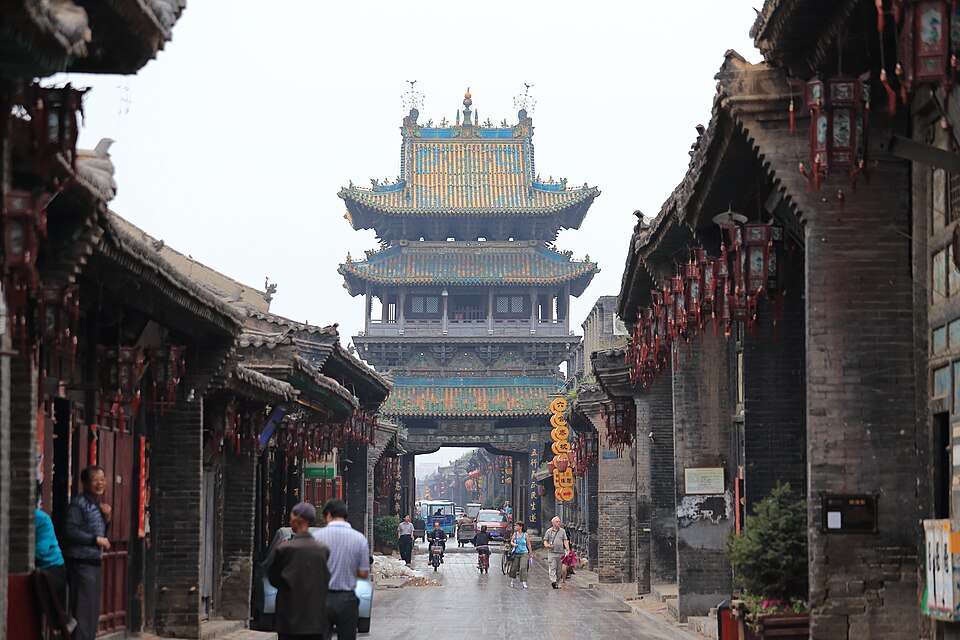
Here is a 4-day route through North China & Central China — Pingyao, Luoyang — designed for first-timers who want ancient capitals without overpacking the schedule.
Route at a glance
Day-by-day itinerary
DAY
1
1
Pingyao
Arrival & first look

09:00Arrive in Pingyao. Your private driver meets you and transfers you to the hotel (about 45–90 min from the airport).
11:00Early check-in, drop your bags and freshen up.
12:30Welcome lunch — a local lunch spot recommended by your guide.
14:30Gentle orientation: a guided stroll through Pingyao old quarter with short photo stops.
17:00Return to the hotel to rest. Activate your eSIM and set up Alipay / WeChat Pay with your card.
19:00Dinner at a recommended local restaurant — a regional dinner.
20:30Easy evening: a night view or free time. Your guide briefs you for tomorrow.
Overnightin Pingyao.
Daily reminders · applies every day
- Carry your passport (plus a visa copy) — hotels and sites may check ID.
- Confirm tomorrow’s driver pickup time with your guide.
- Keep both cash and a topped-up mobile-payment app (Alipay / WeChat Pay).
- Charge your phone and power bank before heading out.
- Download the offline map for today’s area.
- Complete hotel check-in registration.
- Activate your eSIM / local SIM and test the data.
- Save the hotel address in Chinese to show taxi drivers.
DAY
2
2
Pingyao
On the road to Luoyang
07:30Breakfast at the hotel and pack.
09:00Free morning for a last stroll or souvenir shopping in Pingyao.
11:00Check out; private transfer to the station / airport for the intercity leg to Luoyang.
13:00Arrive Luoyang; check in or drop your bags at the hotel.
14:30Afternoon orientation of Luoyang with your guide — A guided visit to a second attraction..
18:30Dinner in Luoyang — a regional dinner.
20:30Free evening. Overnight in Luoyang.
DAY
3
3
Luoyang
Settle in & explore

07:30Breakfast at the hotel.
08:30Depart with your guide for this morning’s highlights.
09:15A walking tour of Luoyang's centre and landmarks.
11:15A café break in a lively neighbourhood.
12:30Lunch — a local lunch spot recommended by your guide.
14:00Free time for shopping and strolling.
16:00A relaxed afternoon activity of your choice.
17:30Return to the hotel to freshen up; free time.
19:00Dinner — a regional dinner.
20:30Free evening to relax at the hotel.
22:00Back to the hotel. Overnight in Luoyang.
DAY
4
4
Luoyang
Final morning & departure
07:30Breakfast at the hotel and pack.
09:00Final stroll or last souvenir shopping near the hotel.
11:00Check out and settle any incidentals.
12:00Private transfer to the airport / station; your guide assists with check-in.
—End of services. Safe travels — thank you for travelling with WingPhoenix!
Getting around
| Leg | Distance | Recommended |
|---|---|---|
| Pingyao → Luoyang | 288 km | High-speed rail |
Practical tips
- Pre-book timed-entry tickets for major sights (Forbidden City, Terracotta Army, Panda Base).
- Verify your visa / 240-hour visa-free transit before booking flights.
- High-speed rail is fast and punctual — book real-name tickets on 12306 in advance.
- Emergencies: Police 110 · Ambulance 120 · Tourism hotline 12301 · WingPhoenix 24/7 WhatsApp +86 180 3801 6100.
Want this as a fully bookable trip — hotels, private car, English guides & live pricing? Build it free in the WingPhoenix AI trip planner or WhatsApp +86 180 3801 6100. Browse all China itineraries →