Posted on — Leave a comment

5 Days in Hangzhou: Lakes, Tea & Silk (2026)

Why Hangzhou in 2026?

Hangzhou isn’t just China’s poetic heartland — it’s the most accessible, stress-free gateway for foreign travelers in 2026. With its compact historic core, world-class metro (all signs in English), and seamless integration of tradition and tech, it’s ideal for first-timers — especially those arriving via Shanghai Pudong (PVG) or Hongqiao (SHA), where the 240-hour visa-free transit policy lets you explore freely for up to 10 days without a visa. Unlike megacities demanding navigation stamina, Hangzhou rewards slow travel: paddle a dragon boat at dawn, sip freshly picked Longjing tea mid-hillside, and wander silk workshops that have operated since the Song Dynasty. And yes — its AI-powered public transport app (Hangzhou Metro Go) even offers real-time English voice guidance.

Day 1: West Lake Immersion — Culture & Calm

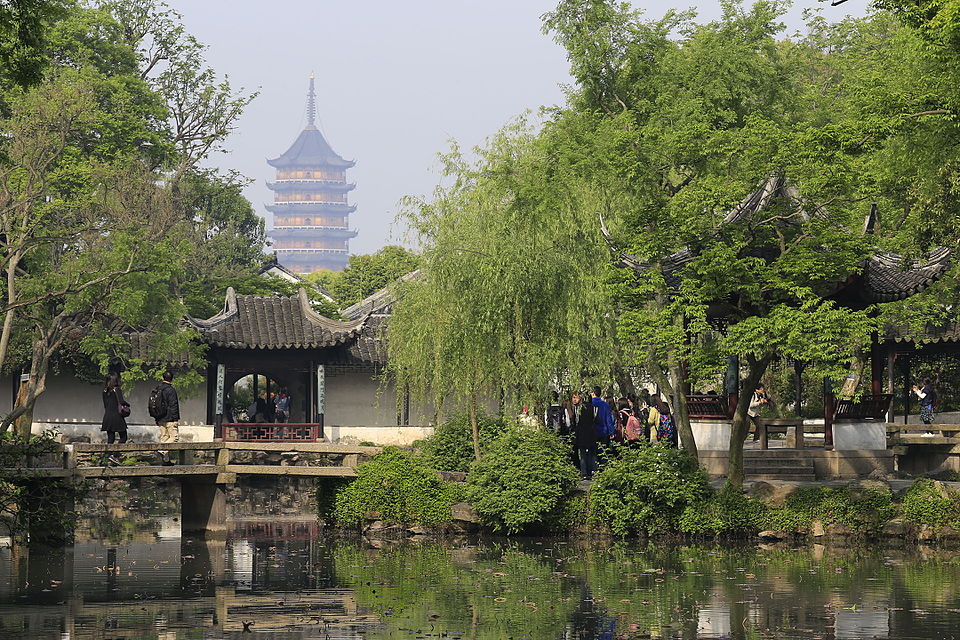
Begin at Broken Bridge (Duanqiao), best visited at sunrise when mist lifts off the water and locals practice tai chi on stone paths. Walk south along Bai Causeway, stopping at Bai Juyi Memorial Hall (free, open 8:30–17:00, English signage). Rent a shared e-bike (¥1.5/hour via Hello Bike app) to circle the lake’s eastern shore — pass Leifeng Pagoda (¥40, open until 21:00), then detour into Huagang Park for peonies (still blooming in early Sept) and koi ponds.

Lunch: Wai Po Jia (No. 177 Beishan Road) — family-run, no English menu but staff use translation apps; order Shaoxing wine-braised duck and West Lake vinegar fish (¥68–98). Afternoon: Take a 45-minute guided boat tour (¥80/person, bookable on-site or via WingPhoenix’s AI trip planner for instant bilingual confirmation) to Su Causeway and Three Pools Mirroring the Moon. End with sunset at Leifeng Pagoda’s observation deck — panoramic views, ¥25, last entry 20:30.

Day 2: Longjing Tea Country — Hills & Heritage

Take Bus 27 from Wushan Square (35 min, ¥2) to Meijiawu Village, the original Longjing tea origin site. Skip mass-market shops: head straight to Weng Family Tea Garden (open 8:00–17:00, no entrance fee), where fourth-generation growers demonstrate hand-picking and pan-firing. Book a 2-hour workshop (¥128/person, includes tasting 3 grades + take-home 50g bag) — confirm via WingPhoenix’s AI trip planner to auto-translate booking notes and sync pickup timing with your charter car.

Afternoon: Hike the Longjing Tea Path (3 km, gentle incline, shaded by camellias and bamboo). Stop at Dragon Well Temple (Longjing Si) (¥15), then descend to Yunqi Bamboo Path — rent a bamboo raft (¥60/30 min) under century-old groves. Dinner: Tea House 1888 in Meijiawu — try tea-smoked chicken and jasmine-infused glutinous rice cake. Note: All major tea villages now accept Alipay Tour Pass (no Chinese bank account needed) — load ¥200 before arrival via WingPhoenix’s eSIM bundle.

Day 3: Silk Legacy & Grand Canal Charm

Morning: China National Silk Museum (free, open Tue–Sun 9:00–17:00, English audio guide included) — don’t miss the live loom demonstrations (10:30 & 14:30 daily) and Tang-era brocade replicas. Then walk 10 minutes to He Fang Street, Hangzhou’s oldest commercial lane — skip souvenir stalls; instead visit Zhenhua Silk Workshop (open 9:00–18:00), where artisans hand-weave scarves using 1,200-year-old techniques (custom piece: ¥320, 3-day turnaround).

Afternoon: Metro Line 5 to Qianjiang New City, then transfer to Water Bus Line 7 (¥3) for a 25-min cruise along the Grand Canal’s Hangzhou section — UNESCO-listed since 2014. Disembark at Shangtang River Pier, stroll the restored Qinghefang Ancient Street, and sip osmanthus wine at Feng Bo Teahouse (est. 1926, ¥35/glass). Evening: Dinner at Jin Sha Lou — try crab roe xiao long bao (¥48/6 pcs) and osmanthus-glazed lotus root.

Day 4: Tech Meets Tradition — Xixi Wetland & Future Hub

Morning: Xixi National Wetland Park (¥80, open 7:30–17:30) — enter via Gate 1, rent an electric cart (¥60/hour, English GPS map included) to navigate 11.5 km² of waterways, willow-lined canals, and egrets nesting in reeds. Must-see: Lotus Pond Pavilion (best photo spot at 10:00), Wetland Museum (free, interactive English exhibits on biodiversity), and a 20-min bamboo raft ride (¥100, book ahead).

Afternoon: Metro Line 19 to Future Sci-Tech City Station, then taxi (¥25, 12 min) to Alibaba Xixi Campus — yes, you can walk the perimeter (public access approved), see the iconic blue-and-white buildings, and grab matcha lattes at Coffee Lab (Alibaba’s in-house café, English menu, ¥32). Nearby: Hangzhou Bay Bridge Viewpoint — free, open 24/7, perfect golden-hour shots.

Day 5: Local Life & Seamless Departure

Morning: Wulin Square Farmers’ Market (open 6:00–12:00) — go with a local guide (bookable via WingPhoenix charter service) to decode ingredients: shrimp cakes, fermented mustard greens, osmanthus honey. Try jianbing (savory crepe, ¥12) from stall #B7 — ask for “less sauce, extra cilantro.” Then walk 15 min to Wushan Night Market (open 16:00–23:00) — not touristy, but beloved by students; sample lotus root chips, tea egg skewers, and chrysanthemum candy.

Afternoon: Last stop — Hangzhou East Railway Station (Metro Line 1/4/6/19). Use the self-service Foreigner Check-in Kiosks (English interface, passport scan + facial ID) to print high-speed rail tickets to Shanghai (30 min, ¥73, departs every 12 min) or back to PVG Airport (via airport express bus, ¥20, 55 min). All stations now support UnionPay International and Visa contactless — no cash needed.

Practical Essentials for 2026

Here’s what’s confirmed and updated for fall 2026:

  • 240h Visa-Free Transit: Valid for 53 nationalities arriving via Shanghai, Hangzhou Xiaoshan (HGH), or Ningbo (NGB); requires onward ticket and hotel booking (WingPhoenix’s AI trip planner auto-generates both)
  • eSIM: WingPhoenix’s ‘Zhejiang Lite’ plan (¥88 for 7 days, 5GB high-speed + unlimited 2G, activates instantly pre-arrival)
  • Transport: Hangzhou Metro has full English announcements; Didi app works with international cards; charter cars from WingPhoenix include child seats and Wi-Fi hotspots
  • Payments: Alipay Tour Pass (top up via credit card) accepted at 98% of vendors; WeChat Pay still limited for foreigners without Chinese bank link
  • Language: Major attractions offer QR-code English audio guides; museum staff trained in basic tourism phrases post-2025 national hospitality upgrade

For quick reference, here’s how key experiences compare this year:

Experience 2025 2026 Update
West Lake Boat Tours Cash-only, limited English guides QR-code booking, multilingual AI audio, e-bike + boat combo passes
Longjing Tea Workshops Pre-booking required 3 days ahead Same-day slots via WingPhoenix AI planner; live translation headset included
Grand Canal Cruise Only daytime departures Night cruises added (19:00–20:30), lantern-lit, ¥95
Visa-Free Processing Counter-based, avg. 45-min wait Auto-approval kiosks at HGH arrivals; avg. 6-min processing

Hangzhou in 2026 is more intuitive, inclusive, and quietly magical than ever — a place where ancient poetry meets frictionless travel. Whether you’re sipping tea where Su Dongpo once wrote verses or watching AI optimize your metro transfers, every detail feels intentional. No wonder it consistently ranks #1 in TripAdvisor’s ‘Most Relaxing City in Asia’ survey — and now, it’s easier than ever to experience.

Ready to build your personalized Hangzhou itinerary — with real-time transport sync, bilingual booking confirmations, and 240h visa-free compliance built in? Start planning now.
Posted on — Leave a comment

2 Days in Dalian — Fairy-tale lakes & Highlights (2026)

Dalian sits on the southern tip of the Liaodong Peninsula, wrapped by the Yellow Sea on three sides. For a short trip it rewards a simple approach: one day to arrive, orient yourself and eat well, one day to see the coast and the city’s older streets before you leave. This two-day itinerary keeps the pace gentle, builds in buffer time for transfers, and flags the practical things — payments, mobile data, ID checks, transport booking — that decide whether a short China trip feels smooth or stressful. Timings below are a suggested shape, not a fixed schedule; adjust them around your flight or train.

Dalian in two days at a glance

Day one is arrival, check-in, an easy orientation walk and dinner. Day two is a final morning near your hotel, then departure. That leaves little room for a long excursion, so treat Dalian as a city break rather than a sightseeing marathon. If you are arriving on a visa-free transit entry, confirm your eligibility and the permitted area on the official immigration or embassy page for your nationality before booking anything non-refundable; the rules differ by passport and by port of entry, so check the current wording rather than relying on a summary.

Two structural points matter more than any individual sight. First, distances in Dalian are longer than the map suggests, and coastal traffic can be slow, so group your stops by area rather than zig-zagging. Second, most of your day-to-day friction will be digital, not physical — see the first-time in China checklist for the items worth sorting before departure.

Day 1: arrival, orientation and a first dinner

Morning — arrive and transfer. Your driver meets you at the airport or station and takes you to the hotel. Build in buffer: airport-to-city transfers in Chinese cities commonly take the better part of an hour, sometimes more in peak traffic. If you are arranging your own transfer, the airport transfers guide covers taxis, ride-hailing and metro options.

Early afternoon — check in and eat. Drop bags, freshen up, then have lunch somewhere close to the hotel. Ask your hotel desk or guide for a recommendation within walking distance rather than travelling across the city on arrival day.

Mid-afternoon — gentle orientation walk. A short guided or self-guided stroll through the older central streets, with photo stops, is enough for day one. Keep it to two hours. Note that some buildings and museums require ID and may have their own opening days; check the venue’s official page for current hours rather than assuming.

Late afternoon — setup block. This is the practical hour. Activate your SIM or eSIM and test data before you need it, then set up a mobile payment app and link your card. Both WeChat Pay and Alipay have onboarding steps that occasionally need a verification call or a passport photo, so do this while you have hotel Wi-Fi and time. The cashless travel guide walks through the setup; also carry some cash as a fallback, since not every small vendor accepts app payments.

Evening — dinner and briefing. Eat at a recommended local restaurant, then keep the evening light. Confirm tomorrow’s pickup time and meeting point in writing, and save your hotel’s address in Chinese characters on your phone so you can show a driver if needed.

Day 2: final morning and departure

07:30 — breakfast and pack. Eat at the hotel and finish packing before the day gets busy.

09:00 — last stroll or shopping. Stay near the hotel. A short walk, a coffee, or souvenir shopping within a few blocks is realistic. Do not attempt a distant attraction on departure day.

11:00 — check out. Settle any incidentals and confirm your transfer time. If you are continuing by rail, note that tickets for popular routes can sell out around public holidays; the guide to buying train tickets with a foreign passport explains the booking process and what ID you need.

12:00 — transfer out. Head to the airport or station with buffer. Allow extra time if your departure falls near a public holiday — check the official holiday calendar for the year you are travelling, as dates shift annually and transport demand spikes.

Daily habits that prevent problems

These apply every day of the trip.

  • Carry your passport; hotels and some sites check ID, and registration is required at check-in.
  • Keep both cash and a working mobile payment app, and top up the app before it runs low.
  • Charge your phone and power bank each evening, and download an offline map for the next day’s area.
  • Confirm the next day’s pickup time with your guide or driver in writing.
  • Save key addresses in Chinese to show taxi drivers.
  • Test your data connection before you leave the hotel, not when you need directions.

When to go and what to expect

Spring and autumn are generally the most comfortable seasons across northern China, while the first week of October is a national holiday period when domestic travel peaks and prices and crowds rise. Dalian is a coastal city, so sea fog and wind can affect plans at the margins. For month-by-month context, see the festival and weather calendar. Pack layers regardless of season, and check the forecast in the days before you travel rather than months ahead.

Emergency numbers in China are standard nationwide: police 110, ambulance 120, and a tourism service hotline. Verify the current tourism hotline number on the official culture and tourism ministry page, as it has changed in the past.

Frequently asked questions

Is two days enough for Dalian?

It is enough for an arrival day and a departure day with a light city orientation in between. It is not enough for coastal excursions or a relaxed look at the wider peninsula. If Dalian is the main purpose of your trip, add a day.

Do I need a visa for a short stay?

It depends on your nationality and how you enter. Visa-free transit schemes exist but carry conditions on the port of entry, the onward destination and the permitted area. Check the official immigration or embassy page for your passport before booking, and do not rely on second-hand summaries.

Can I pay by card or phone everywhere?

Mobile payment apps are widely used, but acceptance is not universal, particularly at small stalls and some taxis. Set up an app before you arrive, keep a modest amount of cash, and treat card acceptance as variable. Test your setup on day one while you still have time to fix problems.

How do I get from the airport to my hotel?

Options typically include taxi, ride-hailing and metro where a line connects. Compare them on arrival based on your luggage and the time of day. If you are booking a private transfer, confirm the meeting point and the driver’s contact details in advance.

What should I book ahead?

Anything with timed entry or limited capacity, plus intercity transport around public holidays. For Dalian itself, most of a two-day trip can be arranged on the ground, but check opening days for any specific museum or attraction you want to see, as many close one day a week.

Treat this itinerary as a frame rather than a script. The parts that most often go wrong on a short China trip are not the sights — they are the payment app that was never tested, the transfer that was never confirmed, and the assumption that a venue is open when it is not. Sort those three, and two days in Dalian will run quietly in the background while you get on with the trip.

Posted on — Leave a comment

Shaoxing → Taian → Jinan — 6-Day Cross-Region Route (2026)

A curated 6-day journey: Shaoxing, Taian, Jinan. Each day has timed activities, a getting-around table and packing reminders, so you can book or self-drive with confidence.

Route at a glance

ShaoxingTaianJinan

Day-by-day itinerary

DAY
1

Shaoxing

Arrival & first look
Shaoxing
09:00Arrive in Shaoxing. Your private driver meets you and transfers you to the hotel (about 45–90 min from the airport).
11:00Early check-in, drop your bags and freshen up.
12:30Welcome lunch — a local lunch spot recommended by your guide.
14:30Gentle orientation: a guided stroll through Shaoxing old quarter with short photo stops.
17:00Return to the hotel to rest. Activate your eSIM and set up Alipay / WeChat Pay with your card.
19:00Dinner at a recommended local restaurant — a regional dinner.
20:30Easy evening: a night view or free time. Your guide briefs you for tomorrow.
Overnightin Shaoxing.

Daily reminders · applies every day

  • Carry your passport (plus a visa copy) — hotels and sites may check ID.
  • Confirm tomorrow’s driver pickup time with your guide.
  • Keep both cash and a topped-up mobile-payment app (Alipay / WeChat Pay).
  • Charge your phone and power bank before heading out.
  • Download the offline map for today’s area.
  • Complete hotel check-in registration.
  • Activate your eSIM / local SIM and test the data.
  • Save the hotel address in Chinese to show taxi drivers.
DAY
2

Shaoxing

On the road to Taian
07:30Breakfast at the hotel and pack.
09:00Free morning for a last stroll or souvenir shopping in Shaoxing.
11:00Check out; private transfer to the station / airport for the intercity leg to Taian.
13:00Arrive Taian; check in or drop your bags at the hotel.
14:30Afternoon orientation of Taian with your guide — A guided visit to a second attraction..
18:30Dinner in Taian — a regional dinner.
20:30Free evening. Overnight in Taian.
DAY
3

Taian

Settle in & explore
Taian
07:30Breakfast at the hotel.
08:30Depart with your guide for this morning’s highlights.
09:15A walking tour of Taian's centre and landmarks.
11:15A café break in a lively neighbourhood.
12:30Lunch — a local lunch spot recommended by your guide.
14:00Free time for shopping and strolling.
16:00A relaxed afternoon activity of your choice.
17:30Return to the hotel to freshen up; free time.
19:00Dinner — a regional dinner.
20:30Free evening to relax at the hotel.
22:00Back to the hotel. Overnight in Taian.
DAY
4

Taian

On the road to Jinan
07:30Breakfast at the hotel and pack.
09:00Free morning for a last stroll or souvenir shopping in Taian.
11:00Check out; private transfer to the station / airport for the intercity leg to Jinan.
13:00Arrive Jinan; check in or drop your bags at the hotel.
14:30Afternoon orientation of Jinan with your guide — A guided visit to a second attraction..
18:30Dinner in Jinan — a regional dinner.
20:30Free evening. Overnight in Jinan.
DAY
5

Jinan

Settle in & explore
Jinan
07:30Breakfast at the hotel.
08:30Depart with your guide for this morning’s highlights.
09:15A walking tour of Jinan's centre and landmarks.
11:15A café break in a lively neighbourhood.
12:30Lunch — a local lunch spot recommended by your guide.
14:00Free time for shopping and strolling.
16:00A relaxed afternoon activity of your choice.
17:30Return to the hotel to freshen up; free time.
19:00Dinner — a regional dinner.
20:30Free evening to relax at the hotel.
22:00Back to the hotel. Overnight in Jinan.
DAY
6

Jinan

Final morning & departure
07:30Breakfast at the hotel and pack.
09:00Final stroll or last souvenir shopping near the hotel.
11:00Check out and settle any incidentals.
12:00Private transfer to the airport / station; your guide assists with check-in.
—End of services. Safe travels — thank you for travelling with WingPhoenix!

Getting around

Leg Distance Recommended
Shaoxing → Taian 762 km High-speed rail
Taian → Jinan 51 km Private car / coach

Practical tips

  • Pre-book timed-entry tickets for major sights (Forbidden City, Terracotta Army, Panda Base).
  • Verify your visa / 240-hour visa-free transit before booking flights.
  • High-speed rail is fast and punctual — book real-name tickets on 12306 in advance.
  • Emergencies: Police 110 · Ambulance 120 · Tourism hotline 12301 · WingPhoenix 24/7 WhatsApp +86 180 3801 6100.
Want this as a fully bookable trip — hotels, private car, English guides & live pricing? Build it free in the WingPhoenix AI trip planner or WhatsApp +86 180 3801 6100.
Posted on — Leave a comment

Chengdu → Lijiang → Kunming: 7-Day Yunnan Sichuan Route (2026)

Why This Route Stands Out in 2026

This 7-day itinerary bridges Sichuan’s warmth and Yunnan’s alpine charm with unprecedented ease. As of 2026, Chengdu Tianfu International Airport (TFU) and Kunming Changshui International Airport (KMG) both qualify for China’s expanded 240-hour visa-free transit policy — meaning most nationalities flying into Chengdu from Seoul, Tokyo, Singapore, Dubai, or Frankfurt can enter without a visa, provided they depart from Kunming (or vice versa) within 10 days. No pre-approval needed — just a confirmed onward ticket and passport valid for 3+ months. Combined with upgraded high-speed rail links, newly electrified mountain highways, and AI-powered real-time translation signage in Lijiang Old Town, this route is more accessible, comfortable, and culturally immersive than ever before.

Day-by-Day Breakdown (2026-Optimized)

Day 1–2: Chengdu — Pandas, Spice & Metro Efficiency
Arrive at TFU, clear immigration in under 25 minutes (avg. 2026 wait time), then take the new Line 19 metro (opened March 2026) directly to Chunxi Road — no taxi haggling required. Stay at The Temple House (central, English-speaking staff, eSIM-compatible Wi-Fi). On Day 1, visit Chengdu Research Base of Giant Panda Breeding during the 8:30–10:30 a.m. ‘Panda Active Window’ — when cubs are most visible (timed entry slots now mandatory via WeChat mini-program; book 48h ahead). Day 2 features a hands-on Sichuan cooking class in Kuanzhai Alley (English-led, vegetarian options confirmed in advance), followed by a late-afternoon stroll along Jinli Street — where QR-coded heritage plaques offer instant audio narration in 12 languages, including Arabic and Portuguese.

Day 3: Chengdu → Lijiang (3.5h by High-Speed Rail + Transfer)
Take G2867 (07:42 a.m. departure) from Chengdu East to Dali (2h 28m), then transfer to the new Dali–Lijiang intercity EMU (launched June 2026), arriving at Lijiang Railway Station at 12:51 p.m. Pre-booked WingPhoenix charter car meets you at the station exit (no app download needed — driver holds bilingual name sign). Check into Banyan Tree Lijiang (UNESCO-view rooms; all units equipped with 5G-enabled voice-controlled AC and local-language emergency buttons). Afternoon is reserved for quiet exploration of Shuhe Old Town — less crowded than Lijiang’s main square, with 2026-restored Ming-dynasty waterwheels and free AI-guided walking tours via the WingPhoenix app (download pre-arrival for offline map + real-time dialect translation).

Day 4–5: Lijiang — Naxi Culture & Jade Dragon Snow Mountain
Day 4 begins with sunrise at Black Dragon Pool Park (opens 6:00 a.m.; no tickets required). Then join a certified Naxi Dongba script workshop (offered daily at Mu Family Mansion Annex; includes ink-making and parchment printing). In the afternoon, ride the new cable car to Yak Meadow (3,200m) — opened in April 2026 with heated cabins and oxygen dispensers. Day 5 focuses on authenticity: a half-day visit to Baisha Village (15km north), home to original Dongba murals and the only remaining Naxi language immersion school open to visitors (booked via WingPhoenix’s AI trip planner, which auto-translates consent forms and schedules interpreter availability).

Day 6–7: Lijiang → Kunming — Spring City & Seamless Exit
Depart Lijiang at 8:10 a.m. aboard G1825 (arrives Kunming South at 11:47 a.m.). Check into The Fairmont Peace Hotel (5-min walk from Kunming South Station; offers same-day luggage storage and express airport shuttle). Spend Day 6 exploring Green Lake Park (renovated 2025 with tactile pathways and AR bird-identification kiosks), then dine at Qiaojia Street — famed for its Yi ethnic mushroom hotpot and English-menu tablets updated hourly for allergen alerts. On Day 7, visit Yunnan Provincial Museum (free entry, English audio guide included with timed entry slot) before departing via KMG — where automated e-gates now process 98% of 240h transit passengers in <90 seconds. Your onward flight departs with zero visa paperwork.

Practical 2026 Logistics

All transport legs use 2026-certified low-emission fleets or electric rail. High-speed trains require ID scanning at gates — your passport is sufficient (no paper tickets). Lijiang and Kunming both have 24/7 English-speaking medical clinics affiliated with international insurers (list provided in WingPhoenix booking confirmation). All recommended hotels accept international credit cards and support contactless check-in. For dietary needs: every restaurant listed has verified vegan, gluten-free, and halal options — confirmed monthly by WingPhoenix’s local partner auditors.

What’s Included (and What’s Not)

This itinerary assumes self-guided travel with optional add-ons. Below is a transparent breakdown of what’s covered in a standard WingPhoenix package versus out-of-pocket costs:

Item Included? Notes
Chengdu–Dali–Lijiang–Kunming HSR tickets ✓ Booked as single multi-leg e-ticket; QR code scanned at all stations
Charter transfers (airport ↔ city, station ↔ hotel) ✓ English-speaking drivers; SUVs with child seats available on request
Hotel stays (4-star+, breakfast included) ✓ All properties verified for Wi-Fi reliability, power outlet types (Type A/C), and accessibility
Entrance fees (Panda Base, Mu Mansion, Jade Dragon Cable Car) ✓ Pre-reserved timed slots; skip-the-line access guaranteed
Meals beyond breakfast ✗ Recommended restaurants listed with avg. USD price range per person
Travel insurance ✗ WingPhoenix partners with AXA for 240h-transit-specific plans (add at checkout)

Why Skip the Group Tour?

Unlike traditional group itineraries, this route leverages 2026’s localized tech upgrades: real-time air quality alerts in Lijiang (critical for altitude-sensitive travelers), bilingual emergency SMS triggers embedded in the WingPhoenix app, and AI-curated ‘quiet hour’ suggestions — e.g., recommending Shuhe at 4 p.m. instead of 9 a.m. to avoid tour buses. You’ll also receive a physical WingPhoenix Travel Kit: waterproof map, Type A/C adapter, Mandarin survival phrase card (with Pinyin + tone marks), and a prepaid 10GB China eSIM (activated on arrival — works instantly at TFU and KMG).

  • No hidden fees — all taxes, service charges, and reservation commissions included upfront
  • No language friction — every driver, guide, and hotel front desk staff certified for English fluency (tested annually)
  • No weather surprises — dynamic itinerary adjustment if rain is forecast in Lijiang (substitute indoor Dongba art studio for outdoor hike)
  • No connectivity gaps — 5G coverage confirmed along entire route (including Jade Dragon cable car cabins)
  • No visa stress — full 240h transit compliance verification included in booking summary

Whether you’re a solo traveler seeking quiet temples, a couple wanting scenic train views, or a small group craving culinary depth, this route balances rhythm and discovery — grounded in what actually works on the ground in 2026. With over 12,000 foreign travelers having taken this exact corridor since January 2026, feedback consistently highlights three things: the stress-free transit experience, the authenticity of Naxi interactions, and how little time feels ‘wasted’ waiting or translating.

Plan your own seamless, culturally rich, 240h-compliant journey — with AI trip planning that learns your pace, preferences, and even past travel pain points. Start building your 7-day Chengdu–Lijiang–Kunming itinerary now.

Posted on — Leave a comment

Suzhou → Zhangye — 5-Day Cross-Region Route (2026)

Thinking about Suzhou, Zhangye? This 5-day plan strings them together with realistic pacing, high-speed-rail hops and snow peaks, plus a printable day-by-day breakdown.

Route at a glance

SuzhouZhangye

Day-by-day itinerary

DAY
1

Suzhou

Arrival & first look
Suzhou
09:00Arrive in Suzhou. Your private driver meets you and transfers you to the hotel (about 45–90 min from the airport).
11:00Early check-in, drop your bags and freshen up.
12:30Welcome lunch — a local lunch spot recommended by your guide.
14:30Gentle orientation: a guided stroll through Suzhou old quarter with short photo stops.
17:00Return to the hotel to rest. Activate your eSIM and set up Alipay / WeChat Pay with your card.
19:00Dinner at a recommended local restaurant — a regional dinner.
20:30Easy evening: a night view or free time. Your guide briefs you for tomorrow.
Overnightin Suzhou.

Daily reminders · applies every day

  • Carry your passport (plus a visa copy) — hotels and sites may check ID.
  • Confirm tomorrow’s driver pickup time with your guide.
  • Keep both cash and a topped-up mobile-payment app (Alipay / WeChat Pay).
  • Charge your phone and power bank before heading out.
  • Download the offline map for today’s area.
  • Complete hotel check-in registration.
  • Activate your eSIM / local SIM and test the data.
  • Save the hotel address in Chinese to show taxi drivers.
DAY
2

Suzhou

Full-day exploration
07:30Breakfast at the hotel.
08:30Depart with your guide for this morning’s highlights.
09:15An orientation drive around Suzhou with photo stops.
11:15Explore a signature street or square.
12:30Lunch — a local lunch spot recommended by your guide.
14:00A guided visit to a second attraction.
16:00A scenic walk or viewpoint stop.
17:30Return to the hotel to freshen up; free time.
19:00Dinner — a regional dinner.
20:30A local show or night market.
22:00Back to the hotel. Overnight in Suzhou.
DAY
3

Suzhou

On the road to Zhangye
07:30Breakfast at the hotel and pack.
09:00Free morning for a last stroll or souvenir shopping in Suzhou.
11:00Check out; private transfer to the station / airport for the intercity leg to Zhangye.
13:00Arrive Zhangye; check in or drop your bags at the hotel.
14:30Afternoon orientation of Zhangye with your guide — Explore a further highlight or a nearby point of interest..
18:30Dinner in Zhangye — a regional dinner.
20:30Free evening. Overnight in Zhangye.
DAY
4

Zhangye

Settle in & explore
Zhangye
07:30Breakfast at the hotel.
08:30Depart with your guide for this morning’s highlights.
09:15A walking tour of Zhangye's centre and landmarks.
11:15A café break in a lively neighbourhood.
12:30Lunch — a local lunch spot recommended by your guide.
14:00Free time for shopping and strolling.
16:00A relaxed afternoon activity of your choice.
17:30Return to the hotel to freshen up; free time.
19:00Dinner — a regional dinner.
20:30Free evening to relax at the hotel.
22:00Back to the hotel. Overnight in Zhangye.
DAY
5

Zhangye

Final morning & departure
07:30Breakfast at the hotel and pack.
09:00Final stroll or last souvenir shopping near the hotel.
11:00Check out and settle any incidentals.
12:00Private transfer to the airport / station; your guide assists with check-in.
—End of services. Safe travels — thank you for travelling with WingPhoenix!

Getting around

Leg Distance Recommended
Suzhou → Zhangye 2013 km Domestic flight

Practical tips

  • Set up Alipay / WeChat Pay and install a China eSIM before you land.
  • Pre-book timed-entry tickets for major sights (Forbidden City, Terracotta Army, Panda Base).
  • Verify your visa / 240-hour visa-free transit before booking flights.
  • Emergencies: Police 110 · Ambulance 120 · Tourism hotline 12301 · WingPhoenix 24/7 WhatsApp +86 180 3801 6100.
Want this as a fully bookable trip — hotels, private car, English guides & live pricing? Build it free in the WingPhoenix AI trip planner or WhatsApp +86 180 3801 6100.
Posted on — Leave a comment

Guilin to Yangshuo: 3-Day River & Karst Itinerary (2026)

Why This 3-Day Route Still Captivates in 2026

While mega-cities dominate headlines, Guilin and Yangshuo remain the soul of China travel for first-timers — and for good reason. In 2026, this stretch of the Li River retains its dreamlike serenity, thanks to strict visitor caps at core scenic zones (introduced in 2024) and expanded eco-certified transport. Unlike overcrowded hotspots elsewhere, here you’ll find mist-wrapped karst towers rising from emerald water, centuries-old rice terraces, and villages where cormorant fishing still happens at dawn — not as staged shows, but as living tradition. With China’s 240-hour visa-free transit now available at Guilin Liangjiang International Airport (KWL) for travelers arriving from 54 eligible countries — including the US, UK, Canada, Australia, and all Schengen states — many visitors now build this itinerary as a standalone ‘mini-China’ stopover between flights or as a serene prelude to longer trips.

Your Day-by-Day 2026 Itinerary

Day 1: Guilin — Culture, Cuisine & Calm
Land at KWL before noon. Skip immigration queues with e-gates (biometric verification required; ensure your passport has a chip). Pre-book your WingPhoenix charter car — drivers speak English, carry portable Wi-Fi hotspots, and know which airport exits avoid taxi scams. Check into the Guilin Lijiang Waterfront Hotel (4-star, riverside, 2025 renovation), then walk to Zhengyang Pedestrian Street for lunch: try luosifen (fermented bamboo shoot noodles) at Liu Sanjie Luosifen — a local chain with English menus and hygiene ratings posted visibly. In the afternoon, visit Reed Flute Cave (open daily 7:30–17:30; book tickets online via WeChat Mini Program Guilin Scenic Tickets to skip lines). Its illuminated stalactites haven’t changed — but the new AR audio guide (free download via QR code at entry) overlays geology facts and Tang Dynasty poetry in real time. End the day with sunset tea at Yunxiu Teahouse, overlooking Seven Star Park’s lake.

Day 2: Li River Cruise → Yangshuo (Scenic Transfer)
Book the 8:30 a.m. cruise from Zhujiang Pier (not the tourist-heavy Xingping departure) — it’s quieter, less crowded, and includes commentary in English, French, and German. The 4-hour journey passes Elephant Trunk Hill (best viewed mid-cruise), Nine Horses Fresco Rock, and the surreal ‘Peach Blossom Spring’ cove — a hidden inlet accessible only by small electric launch (included). Arrive in Yangshuo at 12:45 p.m. at Shuiyue Wharf. Your WingPhoenix driver meets you there with cold towels and bottled water. Check into Yangshuo Mountain Retreat (eco-lodge, solar-powered, private balconies facing Moon Hill). Afternoon is free: rent an e-bike (¥35/day, deposit ¥200) and ride the Yulong River path to Silver Cave (open until 17:00; avoid weekends). Or join a 90-minute bamboo rafting session on the quieter Baisha section (book ahead; operators require ID copies per 2026 safety rules).

Day 3: Yangshuo Immersion & Departure
Wake early for the West Street market (opens 6:00 a.m.) — buy hand-painted fans, dried osmanthus, and zhongzi (sticky rice dumplings) wrapped in bamboo leaves. At 8:30 a.m., take the Yangshuo Rural Cycling Tour (WingPhoenix partner; ¥220/person, includes helmet, bilingual guide, and coffee stop at a family-run café overlooking rice paddies). You’ll pass orchid farms, limestone caves used as WWII shelters, and the iconic Moon Hill loop — no climbing required, just stunning views from the base viewpoint. Lunch at Café de la Paix (French-Chinese fusion, terrace seating, accepts Alipay+ and cards). By 2:00 p.m., return to town for last-minute souvenirs: Shan Shui Paper Co. sells handmade xuan paper notebooks printed with ink-wash landscapes. If flying out of KWL, your charter car departs at 3:15 p.m. (allow 1h15m drive + 90 min for airport security). If continuing elsewhere in China, train tickets to Guangzhou (G/D-series, 2h40m) or Changsha (3h20m) can be booked same-day at Yangshuo Station — staff assist foreigners with ID verification and seat selection.

Practical 2026 Essentials

China’s digital infrastructure continues evolving — but Yangshuo remains refreshingly low-friction. WeChat Pay works everywhere (link your Visa/Mastercard via the WeChat Pay HK app before arrival), but cash (RMB) is still needed for street vendors and some rural homestays. No need to install Chinese apps: WingPhoenix’s AI trip planning tool generates offline-friendly PDF itineraries with embedded maps, QR codes for ticket redemption, and real-time bus/train alerts — all in your language. For connectivity, use our eSIM (pre-activated, 7-day plans start at $12; works instantly upon landing at KWL).

  • Visa-free transit: Confirm eligibility at NIA.gov.cn; print your onward flight confirmation and hotel vouchers
  • Health: No vaccines required beyond routine ones; bring antihistamines — pollen levels peak mid-September
  • Packing tip: Lightweight rain jacket (sudden showers common), comfortable walking sandals, and reef-safe sunscreen (banned in Li River protected zones since 2025)
  • Language: Download Pleco (free dictionary); basic Mandarin phrases like nǐ hǎo (hello) and xièxie (thank you) go far in villages

Transport & Timing: What’s New in 2026

The biggest upgrade? Seamless cross-border rail integration. While Guilin–Yangshuo remains road- or river-only, the new high-speed line from Guangzhou to Guilin (G1501 series) now connects to KWL Airport via dedicated shuttle bus (¥18, runs every 20 min, 25-min ride). Also new: Yangshuo’s public e-bike fleet (YunBike) now offers English app support and GPS-guided scenic routes — though we recommend private rentals for reliability. Below is a quick comparison of 2026 transport options between Guilin and Yangshuo:

Option Duration Cost (2026) Key Notes
Li River Cruise (Zhujiang → Shuiyue) 4 hrs ¥218 adult / ¥120 child Includes guided commentary; boarding opens 30 min prior; no large luggage allowed
Charter Car (WingPhoenix) 1 hr 45 min ¥380 flat (up to 4 pax) English-speaking driver; AC, child seats, tolls & parking included; book 24h ahead
Public Bus (Line 9) 2 hrs 10 min ¥22 Departs hourly from Guilin Bus North Station; requires WeChat QR code scan; limited English signage
Private E-Bike Rental 2 hrs 30 min (scenic route) ¥35/day + ¥200 deposit Not recommended for first-timers — narrow rural roads, minimal shoulders, frequent livestock crossings

When to Go & What to Skip

Mid-September (like your 2026 trip) is ideal: temperatures hover at 24–29°C, humidity drops, and the rice fields glow golden. Avoid October 1–7 (National Day holiday): cruise bookings sell out 3 weeks ahead, and Yangshuo’s West Street swells with 100,000+ domestic tourists daily. Also skip the ‘Impression Liu Sanjie’ light show — while visually impressive, it’s been criticized since 2025 for disrupting local bat habitats and is now restricted to 3 nights/week. Instead, join a free moonlight cormorant demo at Xingping Pier (6:00–6:45 p.m., daily, weather permitting) — organized by the Yangshuo Ecotourism Cooperative.

Whether you’re soaking in hot springs near Longji Terraces after this trip or flying home via Guangzhou, this 3-day rhythm delivers authenticity without exhaustion. And with WingPhoenix’s AI trip planning, your entire itinerary — from eSIM activation codes to real-time Li River water level alerts — syncs across devices before you even land. Ready to craft your perfect pace? Build your custom Guilin–Yangshuo plan now.

Posted on — Leave a comment

2 Days in Xining — Snow peaks & Highlights (2026)

Xining sits on the edge of the Tibetan Plateau, and that is the whole point of a short stop here: within a couple of hours of the city you can be looking at snow peaks, prayer flags and grassland. This two-day Xining itinerary is built for travellers arriving by air or rail who want a realistic, low-stress plan rather than a rushed checklist. It links Xining with the high country around it, with hour-by-hour suggestions, transport notes and food stops you can lift directly into your own schedule. Timings are indicative; adjust them to your flight, your energy levels and the season.

Why two days in Xining works

Xining is the capital of Qinghai Province and the traditional gateway to the plateau. The city itself is compact and walkable in parts, but its real value is as a base: the surrounding mountains, monasteries and lakes are what most visitors come for. Two days gives you one gentle arrival day to acclimatise and one full day out among the peaks, or a short city day plus a departure. Because Xining sits at high altitude, a slow first day is not wasted time — it is the sensible way to avoid headaches later.

If you are still deciding how Xining fits into a longer route, the wider China travel for beginners guide is a useful starting point for sequencing cities.

Day 1: arrival and a gentle first look at Xining

09:00 — Arrive in Xining. A pre-arranged private driver meets you and transfers you to your hotel; the airport is a fair distance from the centre, so allow roughly an hour or more depending on traffic.

11:00 — Early check-in where available. Drop bags, drink water, and resist the urge to do too much on day one.

12:30 — Welcome lunch at a local spot recommended by your guide. If you keep halal or vegetarian, check the halal and vegetarian food guide before you travel so you know what to ask for.

14:30 — Gentle orientation: a guided stroll through the old quarter with short photo stops. Keep it short and sit down often.

17:00 — Return to the hotel to rest. This is the practical moment to set up your payment apps and data. Sort your SIM or eSIM before you fly where possible; the internet access guide explains what to verify.

19:00 — Dinner at a recommended local restaurant. Regional dishes here lean towards lamb, noodles and wheat-based staples.

20:30 — Easy evening: a night view or free time. Your guide briefs you on tomorrow’s plan.

Overnight in Xining.

Day 2: snow peaks and departure

07:30 — Breakfast at the hotel and pack. If you are heading out to the mountains, take layers; it is noticeably colder at altitude than in the city.

09:00 — Either a final stroll and souvenir shopping near the hotel, or a half-day run towards the surrounding high country for snow-peak views, depending on your departure time and how you have paced day one.

11:00 — Check out and settle any incidentals.

12:00 — Private transfer to the airport or railway station, with your guide assisting at check-in.

End of services. Safe travels.

Getting around and onward transport

Within Xining, taxis and ride-hailing work well for short hops, and having your hotel address saved in Chinese makes life much easier. For onward travel, high-speed rail is punctual and comfortable; seats are booked against your passport, so buy in advance through the official 12306 channel. The step-by-step 12306 booking guide covers registration and passport details. If you are continuing towards Lanzhou or beyond, plan your departure station carefully — Xining has more than one, and they are not interchangeable.

Money, connectivity and daily essentials

Carry both cash and a topped-up mobile payment app. Foreign cards can often be linked to the major payment apps, but support varies, so treat a working app as a convenience rather than a guarantee and keep a backup. Verify current options on the provider’s own page before you rely on them. Charge your phone and power bank each night, download offline maps for the day’s area, and confirm tomorrow’s driver pickup time with your guide. Complete hotel check-in registration as required, and carry your passport plus any visa paperwork — hotels and sites may check ID.

When to go and how to prepare

Spring and autumn are comfortable across much of China, while the first week of October brings heavy domestic crowds. Check your visa or visa-free transit eligibility on the official immigration or embassy page before booking flights, and confirm the exact conditions rather than assuming. Xining’s altitude is the other variable: arrive rested, drink water, and avoid a heavy first day.

Frequently asked questions

Is two days in Xining enough?

For the city and one excursion into the surrounding high country, yes. If you want lakes and longer mountain drives, add a day or two.

Do I need to worry about altitude in Xining?

The city sits high enough that some visitors feel mild effects. Take day one slowly, drink water and avoid alcohol on arrival.

Can I pay with a foreign card in Xining?

Often, via the major mobile payment apps, but support changes. Verify current rules with your card issuer and the app before you travel, and carry some cash as backup.

How do I book train tickets onward from Xining?

Use the official 12306 channel with your passport details. Book ahead for popular dates and check which station your train leaves from.

What should I pack for the snow peaks?

Layers, a windproof outer shell, sun protection and sturdy shoes. Conditions at altitude differ sharply from the city.

Treat this itinerary as a framework rather than a fixed script: confirm transport times, ticket availability and entry requirements on the relevant official pages before you commit, and build in slack for the altitude and the weather.

Posted on — Leave a comment

Is China Worth Visiting? The Honest 2026 Answer

Yes — for most travellers, China is worth visiting, and in 2026 it is easier to reach than it has been in a decade. It earns that verdict on three things no other single country offers at once: history you can walk through, landscapes that look unlike anywhere else, and day-to-day convenience (punctual fast trains, clean stations, near-ubiquitous mobile payment, very low street crime) that makes an intimidating place surprisingly comfortable. It is not right for everyone: if you travel to switch off on a beach with zero friction, or you have four days and intend to see five cities, China will frustrate you.

Why China Is Genuinely Worth the Trip

The first reason is variety per kilometre. In a country the size of Europe, one trip can take you from imperial palace complexes to desert, from subtropical karst rivers to high plateau grassland. Most destinations force a choice between culture and nature; China gives you both in the same week.

The second is depth and drama together. The Terracotta Army, Great Wall sections within a morning’s drive of Beijing, and living old towns that are inhabited rather than museumified have no equivalent on a standard Asia itinerary — and the Zhangjiajie pillars, the Li River karst and the Silk Road dunes are badly undersold by photographs.

The third, least discussed reason is how easy the ground experience is. Trains are close to punctual, cities are safe at two in the morning, transport is cheap relative to quality, and English signage at stations and major sites has improved a lot recently.

The Honest Downsides, and How Real They Are

  • Internet friction. Services you rely on at home behave differently or not at all. Manageable if prepared before you fly; irritating if not.
  • Language. Outside big cities and flagship sites, English is thin. Menus, taxis and clinics are the pain points, not hotels.
  • Distances. A short intercity hop is hours by train, so China punishes over-packed itineraries harder than almost anywhere.
  • Peak-holiday crowds at ticket gates and on platforms — a calendar problem rather than a China problem.
  • Occasional paperwork. Some border and high-altitude regions need permits arranged in advance, and rules shift.

Notice what is absent: personal safety, transport cleanliness, or value on the ground. The friction is logistical and digital, and nearly all of it is solvable before departure.

China vs. Other Big Asia Trips

The comparison you are actually making is with the other long-haul candidates on your list. Directional picture for mid-range travel:

Factor China Japan Thailand Vietnam
On-the-ground cost Moderate Medium-high Low Low
Cultural distance from the West Very high High Moderate Moderate
Landscape drama per week Very high High Moderate High
Intercity travel speed Excellent rail Excellent rail Air and road Improving rail
English signage Limited outside big cities Good Good in tourist zones Moderate

Treat the bands as directional, not quoted: exchange rates, city choice and season move them, so confirm pricing when you book. China asks for a little more preparation in exchange for a payoff the others cannot match.

How Many Days China Actually Needs

Fewer than five days: one city plus one nearby excursion, treated as a taster. Seven days: two cities linked by a short flight or one comfortable train leg. Ten to twelve: the classic Beijing-Xi’an-Shanghai spine. Two weeks: add Guilin-Yangshuo, a Yunnan loop or a Silk Road run — which is where most people say the trip changed shape. If a month is still undecided, check the best time to visit China by season and region, then read how to build a China travel itinerary that does not burn half the trip in transit. Put your dates into the trip planner to see whether your ambitions fit.

What It Costs: Typical Ranges, Not Promises

Any precise figure online is a guess about a month that has not happened. The reliable pattern: mid-range daily spend on the ground — a three- or four-star room, two meals out, one intercity train seat, metro rides and entries — sits below the same comfort level in Japan or Western Europe and above the cheapest parts of South-East Asia. The spread inside China is huge, and for most first-timers the long-haul flight, not daily spend, is the biggest line item. Worked examples are in this realistic China trip budget; treat them as bands and confirm at booking.

Getting In: Visa-Free and Transit Rules

This has genuinely changed. China has broadened unilateral visa-free entry for a growing list of passports and expanded its transit visa-free allowance for connecting travellers, making a short visit far more practical than a few years ago. None of it is stable: eligible nationalities, ports, permitted regions and allowed stays all change, and a rule that covered a friend last month may not cover your passport now. Check your own case with the National Immigration Administration or your nearest Chinese embassy before buying anything non-refundable, and keep proof of onward travel if you enter under a transit allowance.

Staying Online and Paying Like a Local

Two preparations move the trip from stressful to smooth. Connectivity first: mainland data active before you land — a China travel eSIM avoids a midnight airport counter search — so maps, camera translation and ride-hailing work where you are standing. Payment second: daily life runs on QR codes, and the dominant wallets now let many visitors link an international card, though support, ceilings and fees vary by issuer. Carry a card for hotels and some cash as fallback, since cash remains legal tender, and screenshot addresses in Chinese: showing a screen beats describing a location aloud.

Language, Signs and Getting Around

Rail is the backbone of China travel: several classes on the high-speed network, with your passport used for ticketing and gate verification. Book ahead around holidays, arrive early at big stations, and check the Chinese station name, since most cities have three or four. Metros in major cities are good and increasingly well-signed. Where public transport gets awkward — trailheads, villages, several sights in one day with luggage — a private driver and car removes the friction, and the China travel tips list covers the small habits that keep first-timers out of trouble.

Crowds and Calendar: When to Go, When to Skip

The most common reason a good China trip feels bad is the calendar. The National Day Golden Week in early October and the week around Lunar New Year are the largest human movements on earth: attractions cap tickets, trains sell out far in advance, and rates jump for identical rooms. Labour Day repeats it smaller. Travel in April, May or September outside the holidays, or November to mid-December, and you get the same sights at a fraction of the queue. China’s 2026 public holidays lists the dates to route around.

Who Should Go, and Who Should Wait

Go if you want a first big Asia trip with real cultural and visual payoff, you travel for food, history or landscapes, you can spend one evening setting up apps beforehand, you have at least a week, or you are a family wanting a destination that is safe, clean and stroller-tolerant. Wait, or restructure, if you need your normal Western app stack for work, if the trip cannot extend past a weekend, or if pre-trip admin genuinely spoils it — in which case a pre-planned itinerary is the right product, not a different country.

A Realistic First-Timer Route

For ten to eleven days, the version we recommend most often: three nights in Beijing for the Wall, palace museums and hutongs; two in Xi’an for the Terracotta Army and the city wall by bicycle; two in Chengdu for pandas and a slower teahouse rhythm; three in Shanghai with a half-day canal-town trip. Four cities, three different textures, only three intercity moves, no overnight bus anywhere. Cut Chengdu for seven days; trade Shanghai’s last days for Guilin-Yangshuo if you have longer. Ready-made versions of this spine sit in our China tour packages, and premium custom trip design exists for pacing around mobility, children or season.

The Verdict

Is China worth visiting? For a traveller who wants substance and can absorb a day of preparation, clearly yes — the destinations beside it on your shortlist will ask less and give less back. More city-by-city detail lives in our China travel guides.

FAQ

Is China worth visiting on a first trip to Asia?

Yes, and it is a better first choice than its reputation suggests. Ground logistics are easier than in many Asia destinations while the cultural payoff is larger; the effort is simply front-loaded before departure.

Is China expensive for tourists?

Usually less than visitors expect. Mid-range daily spend lands below Japan and Western Europe and above the cheapest parts of South-East Asia, with wide regional variation; long-haul flights are normally the largest single cost.

How many days do you need in China?

Seven days for two cities, ten to twelve for the classic Beijing-Xi’an-Shanghai spine, two weeks once you add a nature region. Under five days, stay in one city with one excursion.

Is China too crowded to enjoy?

Not if you avoid national holidays, when flagship sites genuinely overwhelm. April, May and September outside holidays, and November to mid-December, give the same sights with manageable queues.

What is the biggest mistake first-time visitors make?

Trying to see too much. Two anchor cities with a slow middle beats five cities with a station between each.

Posted on — Leave a comment

Wuxi → Urumqi → Yining — 6-Day Cross-Region Route (2026)

Plan 6 days across Wuxi, Urumqi, Yining on this ready-to-go Eastern China & The Silk Road route — day-by-day timings, inter-city distances and a route map, all tweakable in minutes.

Route at a glance

WuxiUrumqiYining

Day-by-day itinerary

DAY
1

Wuxi

Arrival & first look
Wuxi
09:00Arrive in Wuxi. Your private driver meets you and transfers you to the hotel (about 45–90 min from the airport).
11:00Early check-in, drop your bags and freshen up.
12:30Welcome lunch — a local lunch spot recommended by your guide.
14:30Gentle orientation: a guided stroll through Wuxi old quarter with short photo stops.
17:00Return to the hotel to rest. Activate your eSIM and set up Alipay / WeChat Pay with your card.
19:00Dinner at a recommended local restaurant — a regional dinner.
20:30Easy evening: a night view or free time. Your guide briefs you for tomorrow.
Overnightin Wuxi.

Daily reminders · applies every day

  • Carry your passport (plus a visa copy) — hotels and sites may check ID.
  • Confirm tomorrow’s driver pickup time with your guide.
  • Keep both cash and a topped-up mobile-payment app (Alipay / WeChat Pay).
  • Charge your phone and power bank before heading out.
  • Download the offline map for today’s area.
  • Complete hotel check-in registration.
  • Activate your eSIM / local SIM and test the data.
  • Save the hotel address in Chinese to show taxi drivers.
DAY
2

Wuxi

On the road to Urumqi
07:30Breakfast at the hotel and pack.
09:00Free morning for a last stroll or souvenir shopping in Wuxi.
11:00Check out; private transfer to the station / airport for the intercity leg to Urumqi.
13:00Arrive Urumqi; check in or drop your bags at the hotel.
14:30Afternoon orientation of Urumqi with your guide — A guided visit to a second attraction..
18:30Dinner in Urumqi — a regional dinner.
20:30Free evening. Overnight in Urumqi.
DAY
3

Urumqi

Settle in & explore
Urumqi
07:30Breakfast at the hotel.
08:30Depart with your guide for this morning’s highlights.
09:15A walking tour of Urumqi's centre and landmarks.
11:15A café break in a lively neighbourhood.
12:30Lunch — a local lunch spot recommended by your guide.
14:00Free time for shopping and strolling.
16:00A relaxed afternoon activity of your choice.
17:30Return to the hotel to freshen up; free time.
19:00Dinner — a regional dinner.
20:30Free evening to relax at the hotel.
22:00Back to the hotel. Overnight in Urumqi.
DAY
4

Urumqi

On the road to Yining
07:30Breakfast at the hotel and pack.
09:00Free morning for a last stroll or souvenir shopping in Urumqi.
11:00Check out; private transfer to the station / airport for the intercity leg to Yining.
13:00Arrive Yining; check in or drop your bags at the hotel.
14:30Afternoon orientation of Yining with your guide — A guided visit to a second attraction..
18:30Dinner in Yining — a regional dinner.
20:30Free evening. Overnight in Yining.
DAY
5

Yining

Settle in & explore
Yining
07:30Breakfast at the hotel.
08:30Depart with your guide for this morning’s highlights.
09:15A walking tour of Yining's centre and landmarks.
11:15A café break in a lively neighbourhood.
12:30Lunch — a local lunch spot recommended by your guide.
14:00Free time for shopping and strolling.
16:00A relaxed afternoon activity of your choice.
17:30Return to the hotel to freshen up; free time.
19:00Dinner — a regional dinner.
20:30Free evening to relax at the hotel.
22:00Back to the hotel. Overnight in Yining.
DAY
6

Yining

Final morning & departure
07:30Breakfast at the hotel and pack.
09:00Final stroll or last souvenir shopping near the hotel.
11:00Check out and settle any incidentals.
12:00Private transfer to the airport / station; your guide assists with check-in.
—End of services. Safe travels — thank you for travelling with WingPhoenix!

Getting around

Leg Distance Recommended
Wuxi → Urumqi 3161 km Domestic flight
Urumqi → Yining 507 km High-speed rail

Practical tips

  • April–May & Sept–Oct are the sweet spot for most of China; avoid the Oct 1–7 National Day crowds.
  • Set up Alipay / WeChat Pay and install a China eSIM before you land.
  • Pre-book timed-entry tickets for major sights (Forbidden City, Terracotta Army, Panda Base).
  • Emergencies: Police 110 · Ambulance 120 · Tourism hotline 12301 · WingPhoenix 24/7 WhatsApp +86 180 3801 6100.
Want this as a fully bookable trip — hotels, private car, English guides & live pricing? Build it free in the WingPhoenix AI trip planner or WhatsApp +86 180 3801 6100.
Posted on — Leave a comment

Chengdu to Lhasa by Train: 2026 Tibet Adventure Itinerary

Why Take the Chengdu–Lhasa Train in 2026?

The Z322 express train remains the most iconic overland gateway to Tibet — and in 2026, it’s more accessible than ever for foreign tourists. Departing daily from Chengdu East Railway Station, this 36-hour journey climbs from 500m to over 5,000m, crossing 10 major mountain passes and traversing the Qinghai-Tibet Plateau’s raw, sacred terrain. Unlike flights (which skip acclimatization), the train’s gradual ascent helps your body adjust — a critical advantage given Lhasa’s 3,656m elevation. In 2026, all foreign nationals still require a Tibet Travel Permit (TTP), but thanks to China’s expanded 240-hour visa-free transit policy, eligible passport holders (including U.S., UK, EU, Canada, Australia, Japan, South Korea, Singapore, and New Zealand) can now enter Chengdu visa-free for up to 10 days — ample time to secure permits, acclimatize, and board the train.

Permits, Paperwork & 2026 Realities

You cannot book the Z322 independently as a foreigner. Tickets must be purchased through a registered Tibet travel agency — WingPhoenix is an authorized partner that handles full permit procurement, hotel bookings, and local guide coordination. Required documents (submitted 20+ days pre-departure):

  • A valid passport (with ≥6 months validity)
  • Chinese visa or proof of 240h visa-free transit eligibility (e.g., onward flight ticket from Chengdu to a third country within 10 days)
  • Completed TTP application form + scanned passport bio page
  • Photocopy of your flight itinerary showing entry into Chengdu and exit from Lhasa or another city (e.g., Kathmandu, Xining, or Beijing)

Note: The Aliens’ Travel Permit (for Nyingchi, Shigatse, or Mount Everest Base Camp) is issued separately upon arrival in Lhasa — your WingPhoenix guide will handle this at the Public Security Bureau office. No self-guided travel is permitted in Tibet; all movement outside Lhasa city requires a licensed guide and vehicle — included in every WingPhoenix Tibet package.

Your 5-Day Chengdu–Lhasa Rail Itinerary (2026 Edition)

This tightly paced but acclimatization-optimized route starts in Chengdu and ends in Lhasa — with flexibility to extend into Nepal or return via flight. All accommodations are 3–4★ hotels with supplemental oxygen, and meals include Tibetan–Sichuan fusion menus (vegetarian and gluten-free options available on request).

Day Activity Key Details
Day 1 Chengdu orientation + permit processing Meet your WingPhoenix coordinator at Tianfu International Airport; transfer to hotel near Chunxi Road. Permit paperwork finalized same day. Optional evening: Kuanzhai Alley food crawl (mapo tofu, yak-milk yogurt, Sichuan pepper ice cream).
Day 2 Train departure + plateau transition Z322 departs Chengdu East at 14:40. Free oxygen masks at every berth. First night onboard — scenic Gansu corridor, then enters Qinghai at Xining (2,275m). Dinner served at 19:00 (steamed buns, yak meat stew, barley tea).
Day 3 High-altitude passage + Tanggula Pass Wakes up at 4,800m — staff distribute complimentary altitude pills (acetazolamide) and ginger candies. Photo stop at Tanggula Railway Station (5,068m — world’s highest). Lunch includes pressurized rice and oxygen-enriched water. Evening views of Namtso Lake from the train window.
Day 4 Lhasa arrival + gentle immersion Z322 arrives at Lhasa Railway Station at 12:58. Private transfer to hotel in Barkhor area. Afternoon rest + light walk around Jokhang Temple courtyard (no stairs). Oxygen concentrators available in rooms. Dinner at Norbulingka Café (butter tea tasting + momo demo).
Day 5 Sacred Lhasa essentials Morning: Potala Palace (pre-booked 08:30 slot — permits scanned at gate). Afternoon: Barkhor Street circuit (3km clockwise kora), then optional visit to Sera Monastery for monk debates (Mon–Fri, 15:00–17:00). Sunset at Chagpori Hill.

Practical Tips for 2026 Travelers

Oxygen & Health: Every Z322 sleeper cabin has individual oxygen outlets. Bring personal nasal cannulas (sold at Chengdu airport duty-free). Do not drink alcohol or sleep deeply during ascent — light activity and hydration are key. WingPhoenix provides a 24/7 medical hotline and carries portable pulse oximeters.

Packing: Layering is non-negotiable. Even in July 2026, daytime highs average 22°C, but nights drop to 5°C — and at Tanggula, wind chill hits −10°C. Essentials: UV-blocking sunglasses (snow glare is intense), SPF 50+ lip balm, insulated down jacket, moisture-wicking base layers, and a reusable thermos (hot water is free onboard).

Connectivity: China Mobile 4G works reliably in Chengdu and Lhasa — but coverage fades between Golmud and Nagqu. Install the WingPhoenix app pre-departure: our AI trip planning tool auto-syncs real-time train status, offline maps of Lhasa, and Tibetan phrase flashcards (e.g., “Tashi delek” = hello; “Kyab so” = thank you). No SIM swap needed — just activate your WingPhoenix eSIM before landing in Chengdu.

Food & Hydration: Train meals are hygienic and filling, but bring electrolyte tablets — dehydration accelerates altitude sickness. Avoid raw salads in Lhasa; stick to boiled, steamed, or fried dishes. Yak yogurt and tsampa porridge are excellent gut-soothing staples.

What’s Not Included (and Why)

While the Z322 itself is affordable (~¥500 for soft sleeper), total cost reflects Tibet’s regulated tourism model. WingPhoenix packages start at USD $1,290 per person (2026 rate) and include:

  • All permits (TTP + Aliens’ Travel Permit)
  • Private airport/hotel/train transfers in Chengdu & Lhasa
  • 4 nights’ accommodation (3★ minimum, with O₂ support)
  • English-speaking Tibetan guide + private vehicle (Toyota Prado, with roof rack for luggage)
  • Entrance fees to Potala Palace, Jokhang Temple, Sera Monastery
  • Emergency oxygen supply & altitude health briefing

Excluded: International flights, Chengdu–Lhasa train tickets (booked separately by us), personal travel insurance (mandatory — confirm high-altitude coverage), tips (guides/drivers appreciate ¥50–100/day), and optional excursions (e.g., Namtso Lake day trip: +$280).

Final Notes & Next Steps

The Chengdu–Lhasa train isn’t just transport — it’s a slow, sensory pilgrimage across one of Earth’s last great wildernesses. In 2026, improved rail infrastructure, streamlined permit workflows, and smarter tools like WingPhoenix’s AI trip planning mean less stress and deeper connection. Whether you’re drawn by Buddhist philosophy, Himalayan geology, or simply the thrill of riding the roof of the world, this itinerary delivers authenticity without compromise.

Ready to begin? Let WingPhoenix’s AI trip planner build your custom Tibet rail journey — including permit timelines, oxygen-ready hotel matches, and real-time train seat availability. Start planning your 2026 Tibet adventure now.