Posted on — 1 Comment

Hong Kong Travel Guide 2026: Peak, Harbour & Local Eats

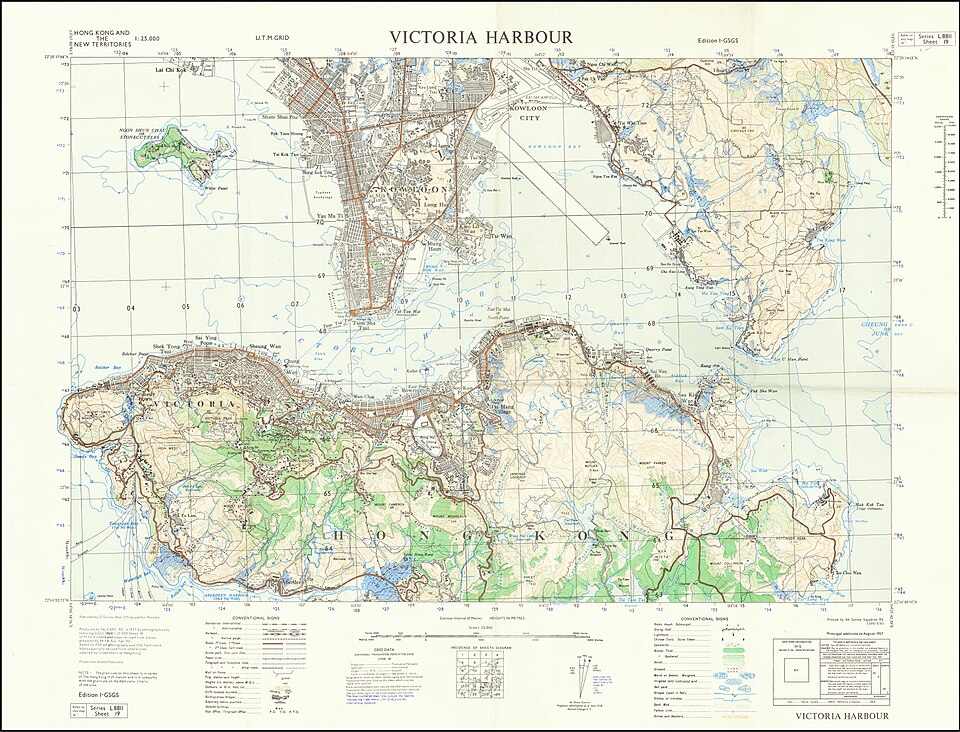
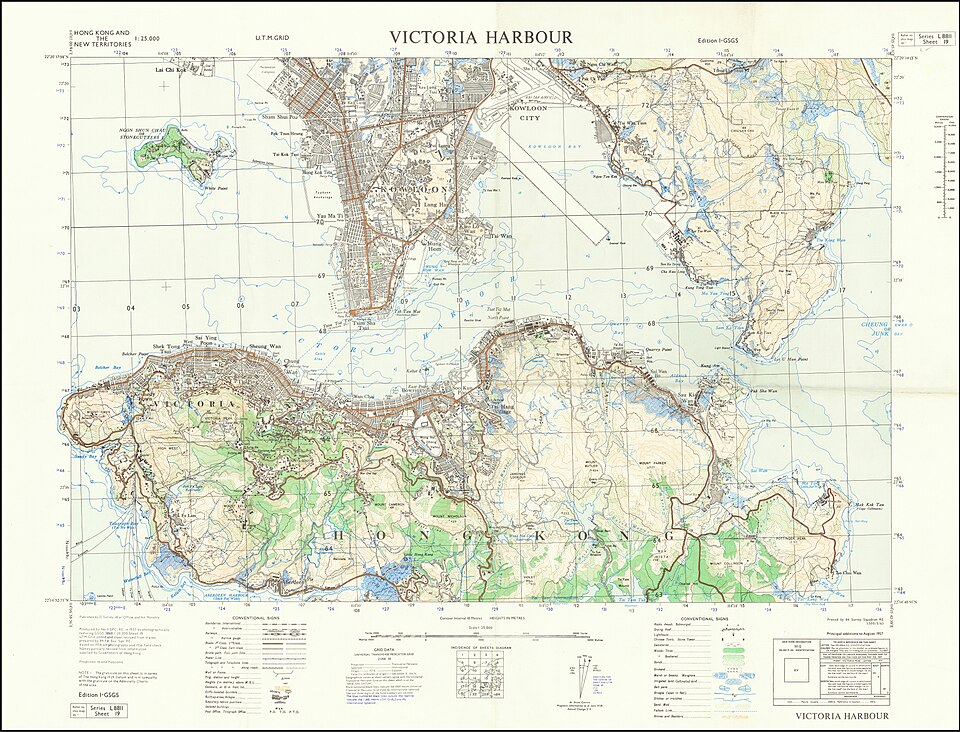
Hong Kong packs a global city, 260 islands and some of Asia’s best hiking into 1,100 square kilometres. Here is how to see it well.

The Unmissables

  • Victoria Peak: take the 1888 Peak Tram (or the cheaper bus) for the classic harbour panorama; walk the circular Lugard Road loop.
  • Star Ferry: the cheapest great cruise on earth — cross Victoria Harbour between Tsim Sha Tsui and Central for pennies.
  • Tsim Sha Tsui promenade & Avenue of Stars: best free view of the 8pm Symphony of Lights.
  • Temple Street Night Market: fortune tellers, Cantonese opera buskers and claypot rice.
  • Big Buddha & Po Lin Monastery: ride the Ngong Ping 360 cable car on Lantau Island.

Eat Like a Local

Start mornings at a cha chaan teng (Hong Kong-style café) with milk tea and pineapple buns. Dim sum at Lin Heung or Tim Ho Wan, roast goose in Sham Shui Po, egg waffles in Mong Kok. Michelin-level meals under $10 are normal here.

Beyond the City

The Dragon’s Back trail is a 2-hour ridge hike ending at Big Wave Bay beach. Cheung Chau island is a car-free weekend escape with seafood on the waterfront.

Practical Tips

Get an Octopus card on arrival — it works on every ferry, bus, tram and 7-Eleven. The MTR is world-class. October–December brings the clearest Peak views.

Combine with the Mainland

Hong Kong connects to Shenzhen by 15-minute high-speed rail and multiple land borders. Our AI trip planner builds combined HK–Shenzhen–Macau itineraries, and private cross-border car charter removes all border friction.

Posted on — Leave a comment

Hong Kong 3-Day Itinerary: Classic Sights & Hidden Islands

Three days in Hong Kong is enough for the classics plus one island escape. This itinerary balances icons, food and green space.

Day 1: Hong Kong Island Icons

Morning: Star Ferry from Tsim Sha Tsui to Central, then Mid-Levels escalator and Tai Kwun heritage arts centre. Lunch: dim sum in Sheung Wan. Afternoon: Man Mo Temple, then the Peak Tram for sunset over the harbour. Night: SoHo bars or a dai pai dong dinner.

Day 2: Kowloon Street Life

Morning: Wong Tai Sin Temple and the Chi Lin Nunnery’s Tang-style gardens. Lunch in Sham Shui Po — the city’s best cheap-eats district (try the tofu pudding and roast goose). Afternoon: Mong Kok markets (ladies’ market, goldfish market, flower market). Evening: Tsim Sha Tsui promenade for the Symphony of Lights, then Temple Street night market.

Day 3: Island or Trail

Choice A: Lantau — Ngong Ping cable car, Big Buddha, Po Lin Monastery and Tai O fishing village stilt houses. Choice B: the Dragon’s Back hike, Big Wave Bay beach and Shek O village for sunset seafood.

Food Checklist

Milk tea, pineapple bun with butter, egg tarts at Tai Cheong, wonton noodles, roast goose, claypot rice, egg waffles. Two food stops a day minimum.

Make It Easy

Hotel bases: Tsim Sha Tsui for views, Central for walkability, Mong Kok for budget. For a seamless Greater Bay trip, our AI trip planner covers Hong Kong plus Shenzhen, Macau and Guangzhou, with private charter cars across borders.

Posted on — Leave a comment

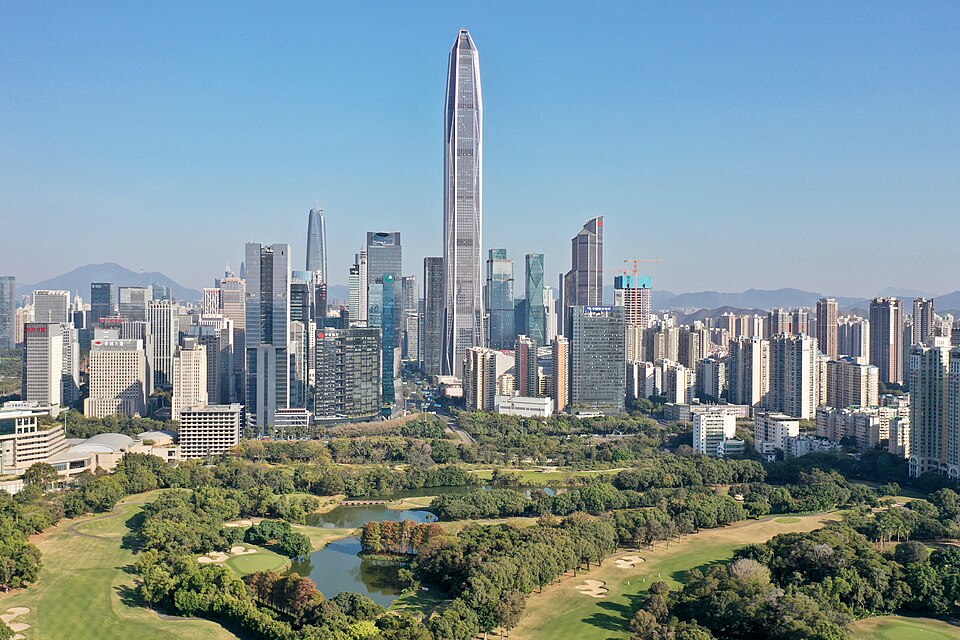
Shenzhen Travel Guide 2026: Tech Capital, Beaches & Day Trips

China’s Silicon Valley is also one of its most surprising tourist cities. Forty years ago Shenzhen was a fishing village; today it packs 17 million people, a forest of supertalls, theme parks and subtropical beaches into one hyper-modern package — and it is the perfect gateway between Hong Kong and mainland China.

Top Things to Do in Shenzhen

  • Ping An Finance Centre observation deck: 116 floors up, the best city view in South China. On clear days you can see Hong Kong’s New Territories.
  • OCT-LOFT creative park: converted factory district with galleries, indie bookstores and craft coffee — Shenzhen’s most walkable neighborhood.
  • Dafen Oil Painting Village: thousands of artists painting everything from Van Gogh replicas to custom portraits. Great for unique souvenirs.
  • Dameisha & Xiaomeisha beaches: free city beaches on the east coast, 40 minutes from downtown.
  • Shenzhen Talent Park & Shenzhen Bay promenade: evening light shows against the skyline, best enjoyed by rental bike.
  • Window of the World & Splendid China: miniature-world theme parks, kitschy but genuinely fun for families.

What to Eat

Shenzhen is a city of migrants, so every regional cuisine is here and excellent. Hunt dim sum in Shekou, Hunan spice in Huaqiangbei, and late-night seafood stalls at Shenzhen Bay. Dongmen food street in Luohu is the classic grazing route.

How Many Days?

Two full days cover the highlights; four lets you add a beach day and a side trip. High-speed trains connect Shenzhen to Guangzhou (30 min), Changsha (3.5h) and Guilin (3h).

Getting There & Around

Fly into Bao’an Airport (SZX) or arrive by high-speed rail from Hong Kong West Kowloon (15 minutes). The metro is spotless, English-signed and cheap. Most attractions are within walking distance of a station.

Best Time to Visit

October to April is dry and warm. Summer is hot, humid and typhoon-prone, though hotel prices drop sharply.

Plan Your Trip

Want a private driver who knows the city’s food streets and avoids the tourist traps? Check our Shenzhen car charter services, or let the AI trip planner build your route in minutes.

Posted on — Leave a comment

China Food Guide for First-Timers: What to Order Region by Region

“Chinese food” abroad is a pale shadow of the real thing — a continent of eight great cuisines, thousands of regional dishes, and a street-food scene with no equivalent. Here’s the first-timer’s field guide.

The Regional Big Eight (And What to Order)

  • Beijing: Peking duck (carved tableside, wrapped with hoisin and scallion), zhajiang noodles, jianbing egg crepes for breakfast, “hutong” lamb skewers.
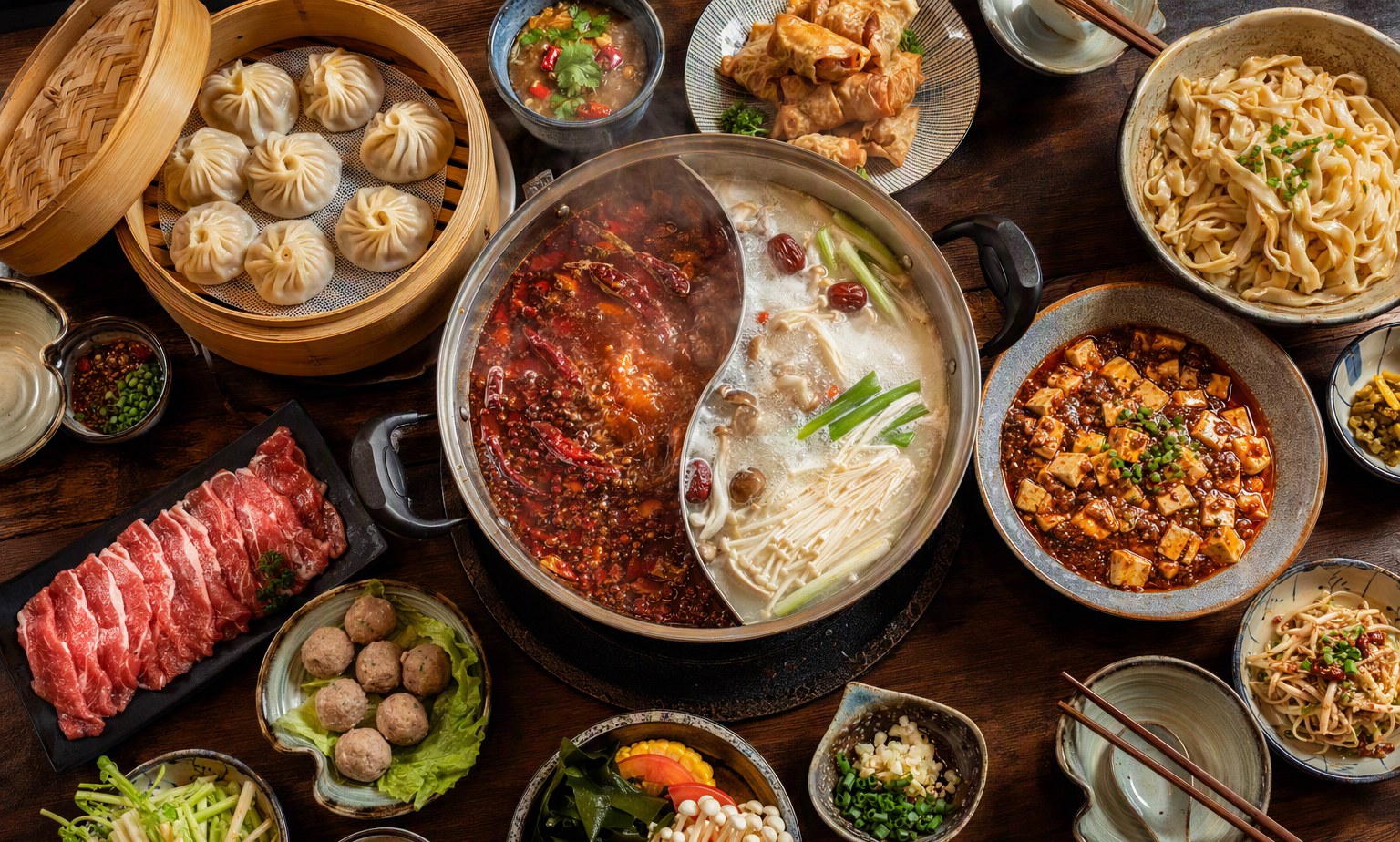
  • Sichuan/Chongqing: hotpot (numbing Sichuan peppercorn + chili oil — order the split “yuanyang” pot for a mild side), mapo tofu, dan dan noodles, wontons in chili oil.
  • Cantonese (Guangzhou/HK): dim sum mornings — har gow shrimp dumplings, char siu bao barbecue pork buns, rice-noodle rolls; roast goose; congee.
  • Shanghai/Jiangnan: xiaolongbao soup dumplings (nibble the skin, slurp the broth), red-braised pork, hairy crab in autumn, scallion oil noodles.
  • Xi’an: Muslim Quarter’s roujiamo (“Chinese burger”), hand-pulled biangbiang noodles, lamb paomo soup, cold-skin liangpi.
  • Yunnan: crossing-the-bridge rice noodles, grilled goat cheese, mushroom hotpot in summer, flower cakes.
  • Hunan: hotter-and-prouder cousin of Sichuan — steamed fish with chopped chili, stinky tofu (better than it smells, truly).
  • Fujian: Buddha Jumps Over the Wall (luxury slow-cooked soup), oyster omelets, supreme soup culture.

Spice Survival

“Mild” in Sichuan means “Western hot.” Learn “bú là” (不辣, “not spicy”) and “wēi là” (微辣, “mildly spicy”) — and point at them on your translation app. Sichuan peppercorns don’t add heat; they add a citrusy numbness (má). Milk beats water for chili emergencies. Every region has non-spine-tingling classics; spice is optional, not mandatory.

How Ordering Actually Works

Restaurants give you a paper menu to tick dishes — often with pictures. Point at what neighboring tables eat; it works. Dishes arrive as ready and are shared — order one dish per person plus one extra, rice as anchor. Lazy Susans are standard at round tables. Tea is usually free; napkins sometimes cost ¥1. Menus without pictures: your translation camera is your friend.

Street Food Rules

Busy stall = fresh oil = safe food. The queue is the review score. Breakfast streets and night markets are the two great arenas: jianbing (crepe), baozi (steamed buns), chuanr (skewers), stinky tofu, tanghulu (candied hawthorn). Bring small bills or Alipay. If a stall looks sleepy at lunch, skip it.

Eating With Your Guide = Eating Deeper

Menus hide the good stuff; locals order off-menu. Our food-forward tours include driver-guides who translate, order regional specialties you’d never find, and steer you to the stall their families actually eat at. Vegetarian, halal (excellent in Xi’an!) and allergy needs: tell us once, handled everywhere.

Drinks & Digestifs

Beer (Tsingtao, local craft everywhere now) is cheap and everywhere at meals. Baijiu is the nuclear option — toast with it, sip politely. Tea culture is the soul: Longjing greens in Hangzhou, pu-erh in Yunnan, jasmine with Cantonese meals. Bring some home from our tea collection — properly sourced, unlike airport “tea.”

The Five Dishes to Prioritize

If you only have two weeks: Peking duck in Beijing, soup dumplings in Shanghai, dim sum in Guangzhou or HK, hotpot in Chengdu, and the Muslim Quarter in Xi’an at night. That’s the pilgrimage. Everything else is glorious gravy.

Posted on — Leave a comment

Best Time to Visit China: Month-by-Month Guide 2026

China spans latitudes from Siberian winters to tropical beaches — the “best time” depends entirely on where you’re going. Here’s the honest month-by-month picture.

The Short Answer

April–May and September–October are the golden windows for most of China: mild temperatures, blue skies, and manageable crowds. October 1–7 (Golden Week) and Chinese New Year are the two worst periods — half of China is traveling, prices double, attractions are shoulder-to-shoulder.

Month by Month

January — Harbin Ice Festival & ski season

North China is freezing (Beijing -5°C, Harbin -20°C) but sunny and dramatically photogenic: the Harbin Ice & Snow Festival opens January 5 and is genuinely spectacular. South China (Guangzhou, Shenzhen, Hainan) stays mild — Sanya is beach-warm. Low season prices everywhere except Harbin and ski resorts.

February — Chinese New Year (avoid or embrace)

The holiday falls on Feb 17, 2026. Cities empty out as families return home — Beijing’s attractions become wonderfully quiet, but many small restaurants close for a week, and all transport is slammed. Lantern Festival (day 15) is magical. Book hotels months ahead or travel after the holiday week.

March — quiet, cheap, blossoming

Shoulder-season steal: crowds are thin, flights and hotels dip 20–30%. Jiangnan (Shanghai, Hangzhou, Suzhou) shows plum and early cherry blossoms. North China can still be dusty; bring layers.

April — the first golden month

Possibly China’s best all-round month: 15–22°C across the north, Luoyang peonies in full bloom, cherry blossoms in Wuhan and Beijing’s Yuquan. Book the Great Wall and Forbidden City a week ahead.

May — warm and lush

Great everywhere before summer humidity arrives. May 1–5 is a mini Golden Week — avoid those five days or embrace the festival energy. Zhangjiajie and Guilin green up beautifully.

June — green season, start of rain

Warm (but not yet brutal), lush landscapes, fewer crowds. Rainy season begins in the south. Yangshuo’s Li River is dramatic in mist. North China stays mostly dry.

July & August — hot, crowded, but summer holidays

Peak domestic travel season: families everywhere, 35°C+ in most cities. Escape routes: Yunnan (Kunming, Dali, Lijiang) stays a perfect 22°C, and Tibet has its clearest skies. Elsewhere: early-morning sightseeing, afternoon museums, cold beer at night.

September — the second golden month begins

Humidity breaks, skies clear, crowds thin after summer holidays. Mid-September through mid-October is the single best window for Beijing, Xi’an, Shanghai and the Great Wall.

October — peak beauty, one landmine

Early October is China at its most beautiful — autumn colors in the north, perfect temperatures. But Oct 1–7 Golden Week is the year’s busiest travel period; hotels and trains sell out and prices surge. From Oct 8, it’s magical and calm.

November — autumn colors, lowest prices

Crisp, sunny, quiet and cheap: Beijing’s Fragrant Hills turn fiery red, the Great Wall at Mutianyu is gorgeous and half-empty. Pack a warm layer.

December — winter wonderland economics

Low season: hotel prices drop 30–50%, attractions are quiet. Beijing’s Forbidden City under fresh snow is legendary (photographers chase exactly this). Harbin festival prep begins. South China is cool and comfortable.

Best Time by Destination

  • Beijing / Great Wall: April–May, Sept–mid-Oct, November
  • Shanghai / Hangzhou / Suzhou: March–May, Sept–Nov
  • Xi’an: March–May, Sept–November
  • Chengdu (pandas): year-round; March–June and Sept–Nov most comfortable
  • Guilin / Yangshuo: April–October (misty rain adds drama)
  • Zhangjiajie: April–June and Sept–October
  • Yunnan (Dali, Lijiang, Shangri-La): March–June is ideal; pleasant most of the year
  • Tibet: April–June and September–October (permits needed — allow 3+ weeks planning)
  • Hainan / Sanya beaches: November–March
  • Harbin Ice Festival: December–February

Plan Around the Weather

Whatever month you choose, our AI trip planner factors in seasonal routing, and our private tour packages include climate-appropriate pacing — museum-heavy afternoons in summer, sunset walks in autumn.
Posted on — Leave a comment

China Golden Triangle Itinerary: Beijing, Xi’an & Shanghai in 10 Days

The China Golden Triangle is the classic first-time route linking Beijing, Xi’an and Shanghai — three cities that show three different faces of China: imperial history, ancient civilisation, and modern ambition. Ten days is the sweet spot: enough to see each properly without rushing, connected by fast trains so you lose no time to transit. Here is a day-by-day plan with realistic transfer times.

Why the Golden Triangle works for first-timers

Each leg is a short high-speed rail hop, so you spend your days sightseeing, not travelling. You get the Great Wall and Forbidden City, the Terracotta Army, and the Bund — the images people picture when they think of China — in one efficient loop. It is also the route most China tour packages are built around, and it is easy to customise.

The 10-day route at a glance

Days City Highlights Travel to next
1–3 Beijing Forbidden City, Great Wall (Mutianyu), Temple of Heaven, hutongs Rail to Xi’an ~6 h (or fly 2 h)
4–6 Xi’an Terracotta Army, City Wall, Muslim Quarter, Big Wild Goose Pagoda Rail to Shanghai ~6 h (or fly 2.5 h)
7–10 Shanghai The Bund, Yu Garden, French Concession, day trip to Suzhou or water town Depart

Days 1–3: Beijing

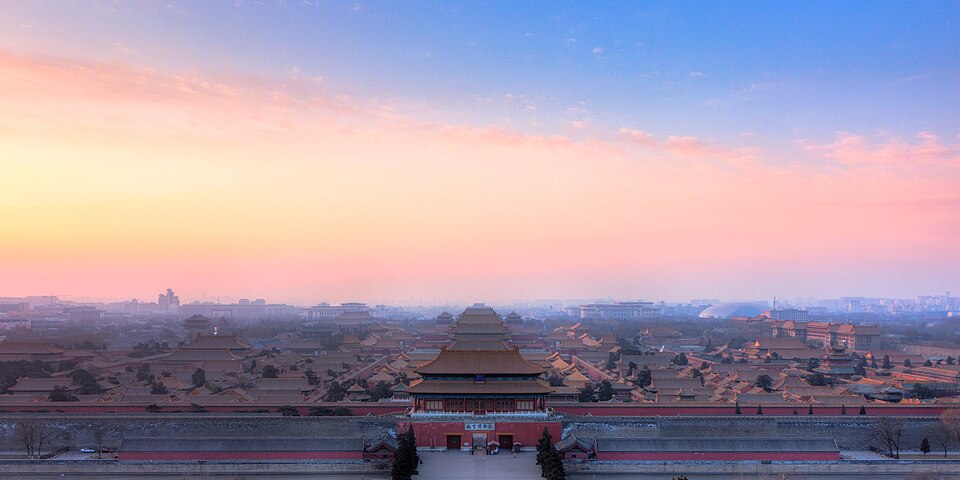
Land, settle near Wangfujing or the Second Ring, and take it easy the first afternoon. Day two is the Great Wall — go to Mutianyu for a cable car up and toboggan down, and let a private car and driver handle the round trip so you start early and beat the crowds. Day three covers the Forbidden City and Jingshan Park, then the Temple of Heaven. Book Forbidden City tickets in advance; they are passport-linked and sell out.

Days 4–6: Xi’an

Take the morning train (or a short flight) to Xi’an. The Terracotta Army is the anchor — give it half a day and go early. Cycle the top of the ancient City Wall in the afternoon, then eat your way through the Muslim Quarter at night. Add the Big Wild Goose Pagoda and the Shanxi_history museum if you have a third day.

Days 7–10: Shanghai

Shanghai is the modern finale. Walk the Bund at dusk, get lost in Yu Garden’s old bazaar, and coffee-hop the French Concession. Use one day for a water town (Zhujiajiao) or Suzhou’s gardens — both are under an hour away. This is where a short trip planner session helps you slot the day trip without overpacking the schedule.

Getting around & practical tips

  • High-speed rail is the spine of the route; book second class for value, first class on the long legs.
  • Keep a China eSIM active so mapping and payment apps work between cities.
  • Peak domestic-holiday weeks (Golden Week, Spring Festival) are crowded and pricey — avoid if you can.

FAQ

How many days for the China Golden Triangle?

Ten days is ideal — three in Beijing, three in Xi’an, and four in Shanghai including a day trip. Seven days works if you trim each city to the highlights.

Is it better to take the train or fly between the cities?

For Beijing–Xi’an and Xi’an–Shanghai, flying saves about four hours but adds airport time; the train is scenic and city-centre to city-centre. Either is fine — pick based on fare and schedule.

Do I need a guide for the Golden Triangle?

No, it is one of the most independent-traveller-friendly routes in China. A local driver for the Great Wall and Terracotta day trips is the most useful upgrade.

What does a 10-day Golden Triangle trip cost?

For a mid-range trip, budget a few hundred US dollars per person per day including hotels, rail, tickets and meals; premium private tours run higher. Prices vary by season — confirm current rates when you book.

Posted on — Leave a comment

Great Wall of China Guide: Mutianyu vs Badaling vs Jinshanling

“The Great Wall” is actually dozens of separate sections around Beijing. Choosing the right one makes the difference between a transcendent morning and a slow shuffle behind 10,000 selfie sticks. Here’s the honest comparison.

Badaling: The Famous One

Best for: tight schedules, accessibility needs, the “official” photo.

The most-visited, most-restored, most-crowded section — 10 million visitors a year. Pros: cable car, wheelchair access, direct train (1 hour from Beijing), easy half-day trip. Cons: crowds are genuinely staggering, touts everywhere, the wall feels polished rather than ancient. Go on a weekday at 7:30 AM opening or skip it.

Mutianyu: The Sweet Spot (Our Default Recommendation)

Best for: 95% of travelers.

90 minutes from Beijing, fully restored but with genuine Ming-dynasty character — watchtowers, granite flanks, forested ridges. Crucially: a toboggan slide down that kids and adults adore. Crowds are maybe 20% of Badaling’s. Cable car up (or chairlift), toboggan down. Tickets include entry + round-trip lift; book ahead via official channels or let your driver-guide handle it. The C*********** hike between towers 14–20 gives you the postcard shot with elbow room.

Jinshanling: The Photographer’s Wall

Best for: photographers, hikers, sunrise/sunset missions.

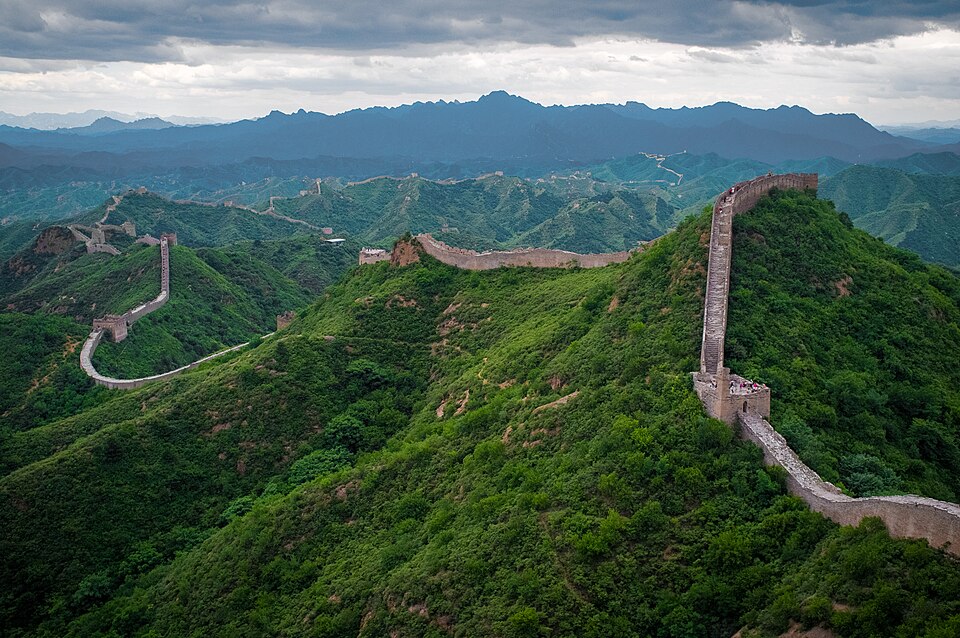
Partly-unrestored wall 2.5 hours from Beijing, marching across wild ridgelines — the image you’ve seen in National Geographic. Thin crowds even in summer. Trade-offs: no easy transport (private car essential), steeper uneven sections, needs a full day with a dawn or dusk slot. The classic hike is Jinshanling→Simatai West (3–4 hours, moderately strenuous).

Quick Comparison

  • Time from Beijing: Badaling 1h / Mutianyu 1.5h / Jinshanling 2.5h
  • Crowds: Badaling extreme / Mutianyu moderate / Jinshanling light
  • Difficulty: Badaling easy / Mutianyu easy-moderate / Jinshanling moderate
  • Scenery: Badaling fine / Mutianyu great / Jinshanling spectacular
  • Fun factor: Badaling museum-ish / Mutianyu toboggan! / Jinshanling adventure

Other Sections Worth Knowing

Jiankou — wild, crumbling, illegal-to-hike sections attract serious photographers; go with a guide or not at all. Huanghuacheng — wall meets lake, quiet and pretty. Simatai — night-time illuminations and the only section with a “wild wall” permit system. Gubeikou — for solitude seekers with strong legs.

Seasons on the Wall

  • Spring (April–May): green, clear, mild — ideal.
  • Summer (June–Aug): hot and hazy; start at 7:30 AM, done by 11.
  • Autumn (Sept–Oct): golden light, crisp air — book Mutianyu tickets well ahead.
  • Winter (Nov–March): snow-dusted and nearly empty; brutal wind at exposed sections — dress like you mean it.

Logistics Made Easy

Public transport to Mutianyu involves bus swaps and haggling; to Jinshanling it barely exists. The move everyone ends up wishing they’d made: a private driver for the day (~$95–130 per car) — door-to-wall, tickets handled, lunch at a farmhouse restaurant, back by mid-afternoon. Our Beijing tour packages all include Great Wall visits with section choice and timing optimized for crowds.

Ticket Booking Realities (2026)

Badaling requires real-name advance booking (passport). Mutianyu sells entry+lift bundles at the site, but peak days sell out — book via official WeChat account or your guide. Jinshanling has on-site sales but go early. Comfort tip: every section has plenty of steps and slopes — wear real shoes, not flip-flops, and bring more water than you think.

Posted on — Leave a comment

China With Kids: Family Travel Guide (Ages, Routes & Tips)

China with children is easier — and more fun — than most parents expect. Trains are clean and fast, food is crowd-pleasing, and the highlights (pandas! wall! castles!) map surprisingly well onto kid brains. Here’s the practical playbook.

Best Ages & Timing

Ages 5–12 is the sweet spot: old enough for the Great Wall (with toboggan reward), young enough to be awed by everything. Toddlers are doable but slow you down — stairs, crowds, no diapers in public restrooms. Trips of 8–12 days beat marathon hauls; one “pool morning” per five days keeps everyone sane.

The Kid-Approved Route: 10 Days

  • Beijing (4 days): Great Wall at Mutianyu (toboggan!), Forbidden City scavenger hunt, rickshaw hutong ride, Kung Fu show, Beijing Zoo pandas.
  • Chengdu (2 days): the crown jewel — Chengdu Research Base of Giant Panda Breeding, go at 7:30 AM feeding time. Add a tea-house afternoon and face-changing Sichuan opera.
  • Shanghai (3 days): Disneyland (uncrowded by Orlando standards), Shanghai Ocean Aquarium, Bund skyline at night, maglev train at 430 km/h — kids lose their minds.

Connect with high-speed trains (2–4 hour hops) or short flights; both handle families well. Our family tour packages run exactly this shape with car seats, kid menus and nap-window scheduling built in.

Practical Realities

  • Strollers: bring a light folding one. Subway elevators exist but finding them is a quest; carriers win in old towns.
  • Diapers/formula: available in every convenience store; bring familiar snacks for picky eaters.
  • Food: dumplings, fried rice, noodles, sweet baozi — even fussy kids eat well. McDonald’s and KFC are everywhere as backup (and their bathrooms are reliably clean).
  • Bathrooms: assume squat toilets outside hotels; carry tissue and hand sanitizer.
  • Safety: excellent — the main hazard is crowd separation at sights. Write your hotel name and WhatsApp number on a card in each kid’s pocket.

Documents for Children

Kids need their own passports and Chinese visas (same 10-year validity for US citizens). Bring birth certificates if surnames differ from parents’. On trains, children under 1.2m ride free (no seat), 1.2–1.5m at half price — passports needed for real-name booking.

Pacing Rules That Save Trips

One major sight per day, mornings only. After lunch, pool/courtyard downtime while heat and crowds peak. Evening = food adventure, not another temple. Build in “bribe stops”: the maglev, the panda plush store, the Bund light show. Two kid-highlights per three days is plenty.

Why Families Use Our Drivers

With kids, a 7-seat MPV with English-speaking driver is transformative: car seats pre-installed, stroller stowed, milk warmed, tantrum-driven schedule changes absorbed without re-booking anything. Custom family itineraries with realistic pacing: try the AI trip planner (select “Family”) or WhatsApp our designers directly.

Posted on — Leave a comment

How to Pay in China as a Foreigner: Alipay, WeChat & Cash Guide

China went nearly cashless years before the West. Street vendors sell $1 potatoes by QR code. The good news: since 2023, Alipay and WeChat Pay both accept foreign credit cards smoothly. Here’s the complete setup.

Setup Before You Fly (10 Minutes)

  1. Alipay: download, register with your phone number and passport, add your Visa/Mastercard/Amex under “Me → Bank Cards.” Done — you can now pay anywhere Alipay is accepted, which is everywhere.
  2. WeChat Pay: WeChat → Me → Services → Wallet → add card. Slightly clunkier UI, equally universal once set.
  3. Set both apps’ language to English before arrival.

Foreign cards work for payments but not for person-to-person transfers — you can pay merchants, not send money to individuals. Some tiny vendors’ QR codes are personal-transfer type and will decline foreign cards; just pay cash there.

Transaction Realities

  • Most payments under ¥200 have no fee; above that, ~3% international card fee may apply (Alipay caps it; check your card’s foreign transaction fee too).
  • Tap “Pay” → scan the merchant’s QR (most common) or show your QR for them to scan. The app shows the merchant name and amount before you confirm.
  • Refunds reverse automatically — keep the app’s transaction records for big purchases.

Cash: How Much to Carry

Not dead, just demoted. Exchange $100–200 worth of RMB at your arrival airport or bank (rates at airports are acceptable in China). Use it for: tiny vendors, emergencies, tips, temples. ¥500 total lasts most travelers a week. Keep small bills — nobody has change for ¥100 anymore.

Where Plain Credit Cards Still Work

International hotels, upscale restaurants, and tourist-adjacent shops take Visa/Mastercard. Everyone else — taxis, metro, convenience stores, noodle joints, ticket booths — is QR-only. Union Pay alone won’t save you; the apps are the universal key.

Paying Us (Shameless but Useful)

For tour deposits and charter bookings, we accept card payment through our secure site (PayPal/Visa/MC), Alipay, WeChat, and cash to drivers. Everything is receipted. Book at tour packages or get a full quote from the trip planner.

Common Pitfalls

  • Registering the apps inside China: SMS verification codes sometimes fail to arrive on foreign numbers roaming in China. Set up before departure.
  • Assuming Apple/Google Pay works: they work ONLY where physical cards work — which is almost nowhere. Bind cards to Alipay/WeChat instead.
  • Losing your phone: carry one backup payment method: a second card in Alipay, or that cash float.
  • Tipping confusion: not expected in China — no taxi tips, no restaurant tips. Guides and drivers appreciate $10–20/day if they were excellent, but it’s genuinely optional.

The One-Line Summary

Ten minutes of app setup at home buys you friction-free payments across the entire country. Do it before your flight, keep ¥500 backup cash, and money becomes the least of your China worries.

Posted on — Leave a comment

China Trip Cost 2026: Realistic Budget Breakdown Per Day

Planning a China trip in 2026 and wondering what it will actually cost? Here is a realistic, no-fluff breakdown based on real prices — not brochure numbers.

Quick Answer: Daily Budget Per Person

China is cheaper than Japan or Western Europe, but the range is wide. A comfortable mid-range trip costs $120–200 per person per day including a private car and driver, 4-star hotels, and entrance fees. Budget travelers can manage on $50–80, while a luxury private tour runs $300–500+.

Cost by Category

1. Accommodation (25–35% of budget)

International 4-star hotels in Beijing or Shanghai average $70–110/night. Chinese 5-star brands like Sofitel or Shangri-La run $130–250. Boutique courtyard hotels in old towns (Pingyao, Lijiang) offer character at $60–100. Book 2–3 months ahead for Golden Week (Oct 1–7) and Chinese New Year — prices double and rooms vanish.

2. Private car with driver (20–30%)

This is where our charter services come in. A 5-seat sedan with English-speaking driver runs about $95–130/day (9 hours, fuel and tolls included). A 7-seat business MPV is $120–160, and 25-seat coaches about $280–380/day. Overages beyond 9 hours or 100 km are billed transparently — check the trip planner for an instant AI cost estimate.

3. Food (10–15%)

China is a food paradise at every level. Street breakfast (jianbing, baozi) costs $1–2. A local restaurant lunch is $5–10 per person. A proper Peking duck dinner runs $20–40. Fine dining in luxury hotels: $60–120.

4. Attractions (5–10%)

Forbidden City: $8. Terracotta Warriors: $16. Great Wall (Mutianyu, incl. cable car): $25. Zhangjiajie glass bridge: $20. Most tickets now require passport-based online booking — a guide or driver service handles this for you.

5. Intercity transport

High-speed rail Beijing–Shanghai (2nd class): $90, 4.5 hours. Domestic flights booked early: $60–150 per leg. Private intercity transfers with sightseeing stops cost more but turn dead travel time into tour time.

Three Real Example Budgets (10 days, 2 people)

  • Budget tier — $1,600 total: 3-star hotels, trains, group day tours, street food.
  • Comfort tier — $3,800 total: 4-star hotels, private car + driver in each city, HSR between cities, mixed dining. This is what most of our clients choose.
  • Premium tier — $8,500+ total: 5-star hotels, business-class trains, private English guide throughout, VIP skip-the-line access.

Hidden Costs to Plan For

Tips are not expected in China but appreciated for great guides ($10–20/day). Visa fees: $140 for US citizens (10-year multiple entry). Travel insurance: $5–12/day. Toilet of the West: virtually free — museums and attractions have free entry restrooms everywhere.

How to Save Without Ruining the Trip

Travel in shoulder season (April–May, September–October is peak; March and November are quiet and cheap). Combine cities along one high-speed rail corridor. Book charter cars by the day, not hour, and share costs with travel companions — a 7-seater costs barely more than a sedan.

Get an Exact Quote in Minutes

Every trip is different. Use our free Планировщик поездок ИИ — enter your cities, dates, hotel level and budget, and get a day-by-day itinerary with a full cost breakdown in about two minutes. No email required to see the plan.