Why Summer in China Is Worth the Heat
June through August brings soaring temperatures across much of China—but also vibrant energy, lush landscapes, and cultural moments you won’t find at any other time. While coastal and southern cities like Guangzhou and Fuzhou hover near 35°C (95°F) with high humidity, mountainous and northern regions—including Kunming, Lijiang, and Inner Mongolia’s grasslands—offer refreshing relief (18–25°C / 64–77°F). Crucially, summer is the only season when UNESCO-listed Pingyao hosts its International Photography Festival (July 15–August 15, 2026), and when Yangtze River cruise operators run full-schedule departures from Chongqing to Yichang—complete with onboard tea ceremonies and nighttime lantern releases. With 240-hour visa-free transit now available at 18 Chinese airports—including Chengdu Tianfu, Xi’an Xianyang, and Hangzhou Xiaoshan—many travelers are using summer as their low-barrier entry point to explore beyond Beijing or Shanghai.
Cool Destinations That Beat the Heat
Avoid midday sun without sacrificing authenticity: target destinations where elevation, latitude, or microclimate naturally moderate summer temps. Kunming—the “Spring City”—averages 21°C (70°F) year-round and sits at 1,900m altitude. Its Dianchi Lake bike paths and Stone Forest day trips are best enjoyed before 11 a.m. Lijiang, at 2,400m in Yunnan, stays below 27°C (81°F) even in July; its ancient Naxi quarter fills with live folk music at dusk. For something unexpected, head to Mohe in Heilongjiang—the northernmost city in China—where summer highs average just 22°C (72°F) and you can chase the Midnight Sun along the Amur River. All three cities are fully covered by WingPhoenix’s AI trip planning tool, which automatically adjusts daily itineraries based on real-time weather feeds and local event calendars.
Festivals, Food & Local Rhythms
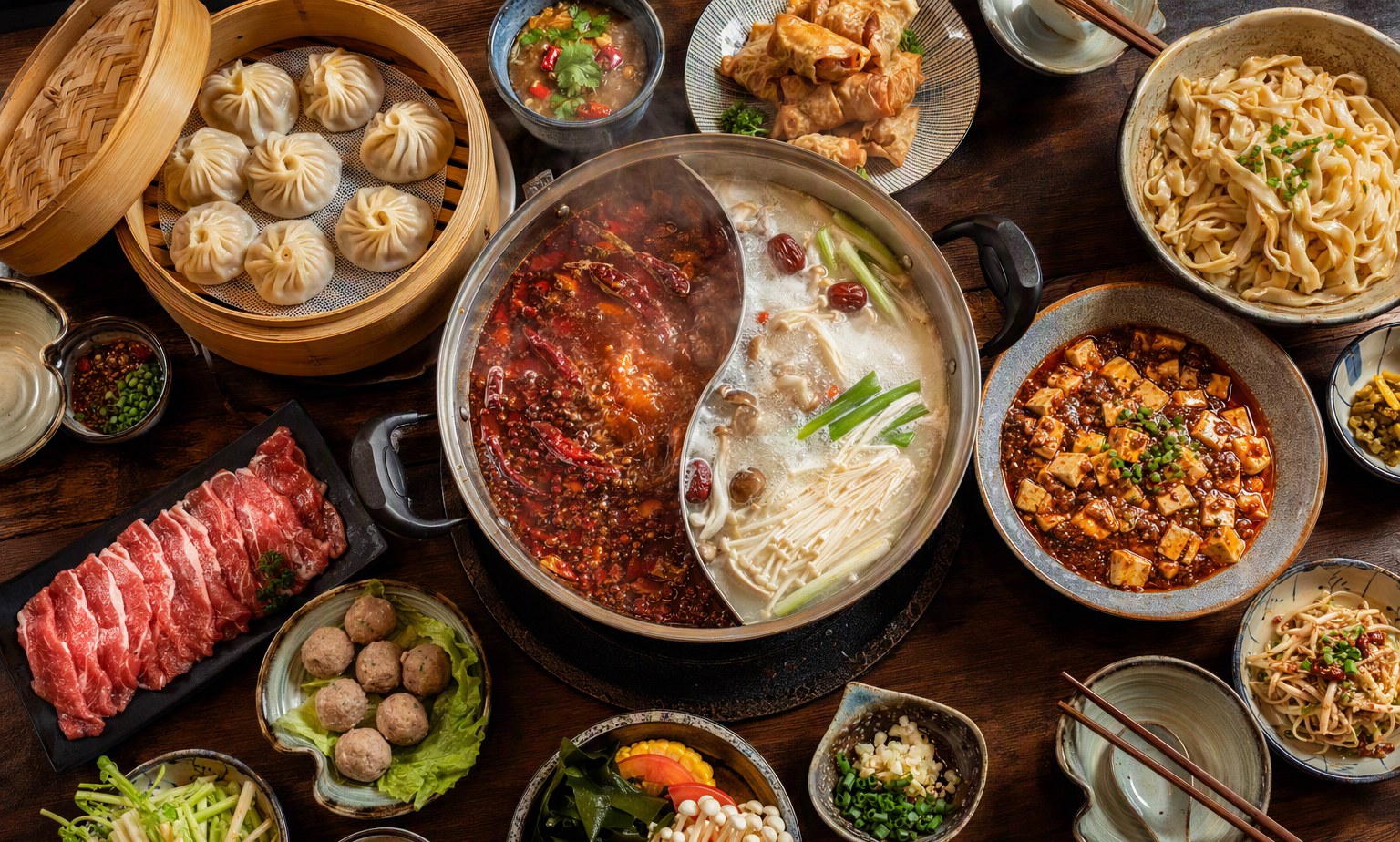
Summer pulses with sensory-rich traditions. The Duanwu Festival (Dragon Boat Festival), falling on June 1, 2026, draws crowds to Suzhou’s Grand Canal for racing teams in silk-draped boats—and yes, you can paddle alongside them via pre-booked community regattas. In Xinjiang, the Tianshan Pastoral Festival (July 10–20) celebrates nomadic culture with horseback archery, fermented mare’s milk tasting, and yurt-stay packages validated for 240h visa-free transit holders arriving via Urumqi Diwopu Airport. Street food shines too: Shandong’s Weihai serves chilled sea cucumber jelly (a local delicacy since Ming Dynasty times), while Chengdu’s night markets offer ice-brewed Sichuan tea—steeped cold for 12 hours to preserve floral notes without bitterness. Pack light cotton layers: evenings cool quickly in high-altitude zones, and air-conditioning indoors often runs at 16°C (61°F).
Smart Logistics: Transport, Data & Timing
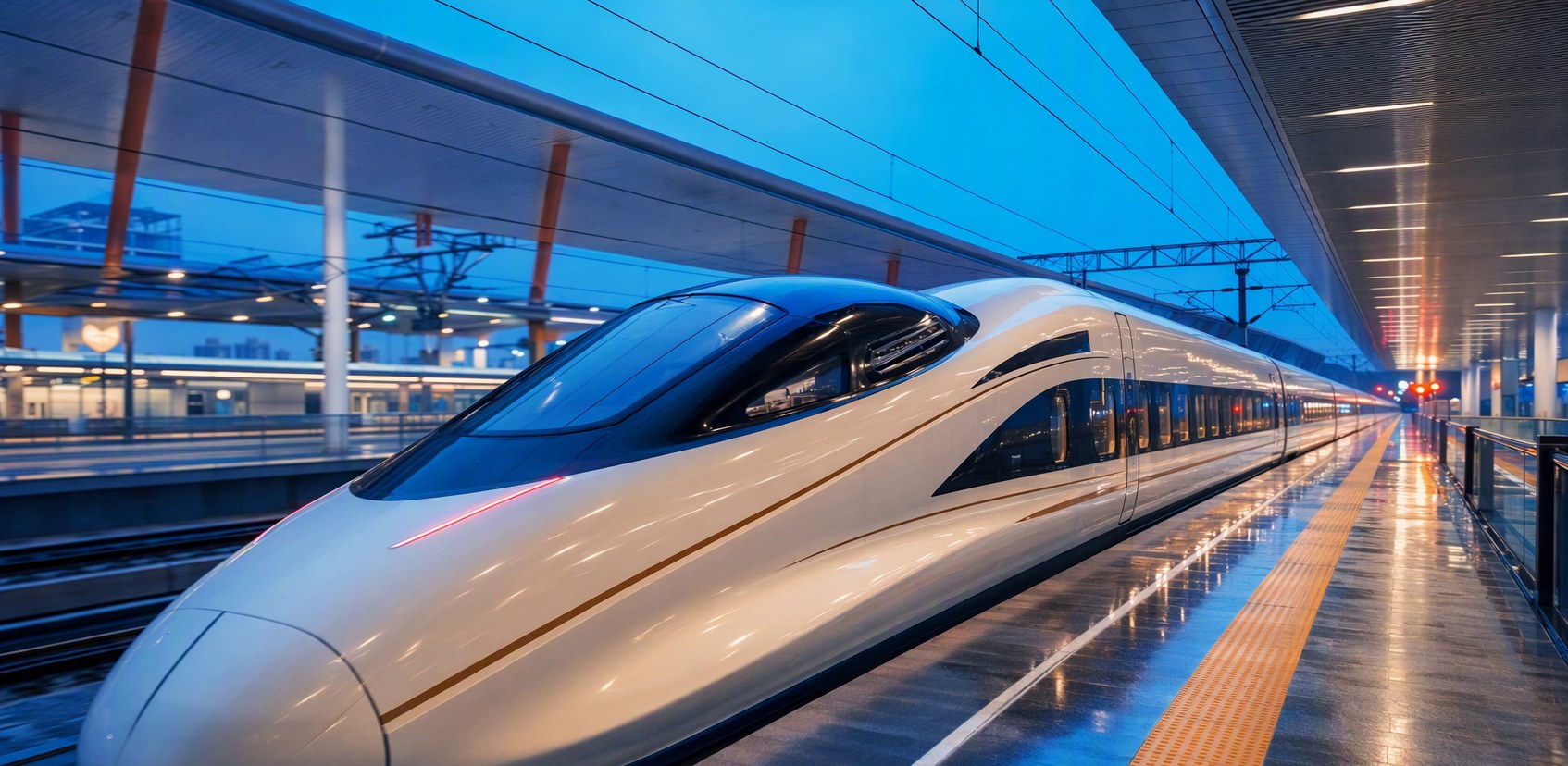
Summer travel demands smart timing—not just for comfort, but for reliability. High-speed rail remains your most efficient option: the Beijing–Xi’an G-series runs every 12 minutes (2h 55m), and all trains now feature dedicated quiet carriages (bookable via 12306 app with English interface). Avoid domestic flights during peak monsoon windows: July sees up to 40% delays in Guangdong and Fujian provinces due to typhoon-related cancellations—opt instead for overnight sleeper trains (e.g., Guangzhou–Kunming Z-series, 11h) with private cabins and Wi-Fi. For connectivity, WingPhoenix eSIMs activate instantly upon landing—even before passport control—and include 10GB/day data valid across all 31 provinces. They’re pre-configured to bypass geo-restrictions on Google Maps, WhatsApp, and Instagram, and work seamlessly with your existing device. Don’t forget: many museums (like the Shanghai Museum and Shaanxi History Museum) require timed-entry reservations—now mandatory for foreign visitors in 2026 and bookable up to 7 days ahead via WeChat mini-programs.
What to Pack & What to Skip
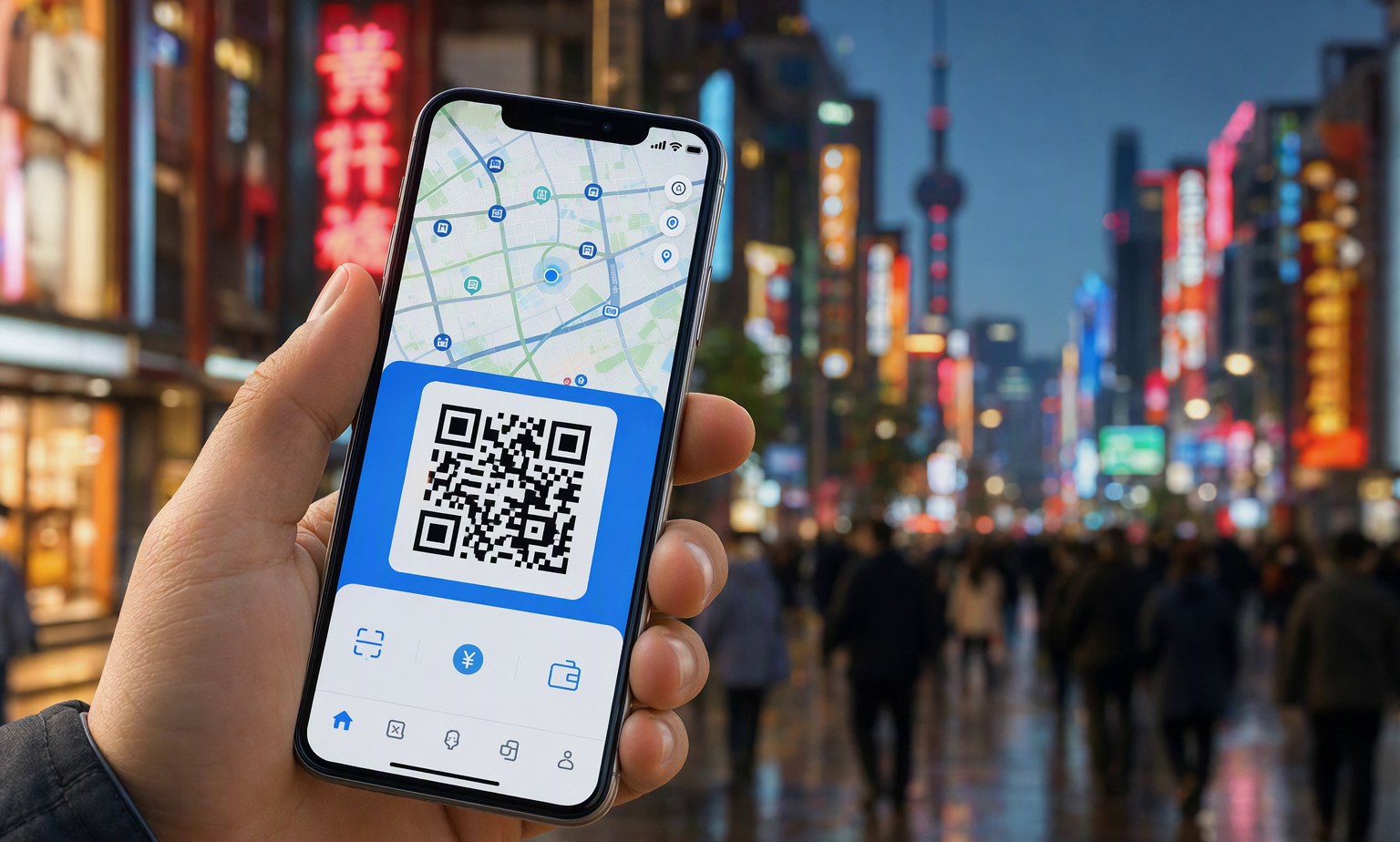
Forget heavy raincoats—lightweight, quick-dry nylon ponchos are better for sudden downbursts. Prioritize UV-blocking accessories: wide-brimmed hats, polarized sunglasses, and SPF50+ sunscreen labeled “broad spectrum” (many local brands lack UVA protection). Carry reusable water bottles: tap water isn’t potable, but over 95% of hotels, train stations, and airports now offer free filtered-water refill kiosks—just scan a QR code on-site. Skip single-use plastic bags: they’re banned in all Tier-1 cities since April 2026, and vendors expect cloth totes or foldable mesh bags (sold for ¥5–¥12 at convenience stores).
Here’s a quick-reference table for key summer travel logistics:
| Item | 2026 Requirement/Note | Where to Arrange |
|---|---|---|
| 240h Visa-Free Transit | Valid for citizens of 53 countries; requires onward flight ticket + hotel booking confirmation | Pre-verified via WingPhoenix portal before arrival |
| High-Speed Rail ID | Passport required for boarding; facial recognition gates now standard at all major stations | Book via 12306 app (English UI) or WingPhoenix charter car + rail combo |
| Museum Reservations | Mandatory for foreigners; max 3 people per slot; no walk-ins permitted | WeChat mini-program “Museum Booking China” or integrated into WingPhoenix AI planner |
| eSIM Activation | Instant activation on landing; supports dual-SIM Android/iOS devices | Purchase pre-departure at wingphoenix.com/esim |
Finally, know what’s off-limits: drones require advance permits from local PSB (Public Security Bureau) offices—even for hobby use—and are banned within 5km of government buildings, railways, and historical sites like the Forbidden City. And while WeChat Pay dominates offline transactions, cash (RMB) is still essential for rural markets, temple donations, and small family-run guesthouses outside metro areas.
Final Tips for a Seamless Summer Trip
• Book early: July–August is peak season for international students and diaspora families returning home—hotel rates in Chengdu, Xi’an, and Guilin rise 35–60% YoY.
• Stay hydrated intelligently: Avoid ice in street drinks unless served in sealed, branded packaging (e.g., Wahaha or Nongfu Spring).
• Leverage AI planning wisely: WingPhoenix’s AI trip planner cross-references real-time AQI (Air Quality Index) forecasts, so if PM2.5 spikes above 150 in Beijing on your planned hiking day, it auto-swaps your Badaling Great Wall visit for a guided indoor calligraphy workshop in a hutong courtyard—with same-day booking confirmation.
• Time zone note: China uses a single time zone (CST, UTC+8), regardless of geography—so sunrise in Kashgar (westernmost city) is officially at 7:30 a.m., though solar noon occurs closer to 1:30 p.m. locally.
Whether you’re chasing glacier-fed rivers in Tibet, sampling mango pomelo sago in Guangzhou night markets, or watching lanterns drift down the Li River at sunset—summer in China rewards preparation, curiosity, and a little local insight. Start building your climate-smart, festival-timed, visa-free-optimized itinerary today.