Posted on — Leave a comment

China SIM Card Guide: eSIM vs Physical in 2026

Why connectivity decides the trip, not the itinerary

Most planning advice for China starts with sights. The thing that actually decides whether a first week goes smoothly is smaller: whether your phone can open a map, scan a code and show a ticket. Payment QR codes, ride-hailing, metro entry, translation and restaurant menus all assume a working data connection, and several of them assume it right now, in the fifteen minutes between leaving the aircraft and reaching the arrivals exit.

That is why the eSIM-or-SIM question is worth settling before you fly rather than at the airport. The two options solve different problems, and the one that suits a two-day stopover is often the wrong choice for a three-week rail route.

What an eSIM changes on arrival day

An eSIM is installed before you travel: you receive a QR code or an activation link, add the profile while you still have reliable Wi-Fi at home, and the data plan starts when the phone registers on a network in China. The practical gain is time and certainty at the worst moment of the trip – the arrival hall, where you need a map before you need anything else.

The trade-offs are equally concrete. A data-only eSIM gives you no local number, which matters if you plan to receive verification codes from Chinese services or make local phone calls. Some devices handle a second profile awkwardly, and older phones may not support eSIM at all – check your exact model on the manufacturer’s page rather than assuming. And because activation happens remotely, a mistake is harder to fix on the ground than a queue at a counter where a person can see the phone.

When a physical SIM is still the right answer

A local SIM card is worth preferring in three situations: your phone has no eSIM support; you need a working local number for the whole stay; or you are in China long enough that a larger plan with voice minutes and SMS is better value than a short travel bundle.

Buying one in China normally means identity registration: bring the passport, expect the shop or kiosk to record it, and allow time for that step at the airport rather than treating it as a two-minute task. Availability of English-speaking staff, opening hours and what you are actually charged vary by outlet and change over time, so confirm on the carrier’s own store page or ask at the counter before you commit – not from a blog post, including this one.

Four things to check before buying any data plan

  • What the plan is sized by. Some are priced by duration, some by data volume, some by both. A “how many days” label and a “how much data” label answer different questions – find out which one runs out first.
  • Whether a local number is included. If a service sends you a code by SMS, a data-only product cannot receive it.
  • Which network it rides on, and where. Coverage in a city centre, on a high-speed rail line and in a mountain scenic area are three different questions. Ask which operator carries the plan and check that operator’s own coverage statement.
  • What happens when the allowance runs out. Top-up paths, throttling and hard cut-offs behave differently between products, and this is where surprise bills come from.

If a seller cannot answer those four in plain sentences, that is your answer, whatever the price looks like.

Decide by question, not by spec table

Rather than comparing headline numbers that change every season, compare the questions each option answers:

The question you are really asking Points you to an eSIM Points you to a physical SIM
Do I need data working before I leave the airport? Yes – install at home, land connected No – you buy and register on arrival
Do I need a local phone number? Usually not included Yes, that is the main advantage
How long am I staying? Shorter stays and stopovers Longer stays, heavier voice use
What if something goes wrong? Remote support, but no counter to visit A person and a device in front of you
Can my phone take a second line? Needs eSIM support in your exact model Needs a free SIM slot or dual-SIM setup

Plenty of travellers end up doing both: an eSIM for the arrival day and a local number once the itinerary settles. That is a reasonable answer, not a contradiction.

The first hour, in order

Whatever you choose, the sequence that works is boring and reliable. Install or activate before you need it. Turn on offline maps for the cities on your route while you still have good Wi-Fi. Test one search and one navigation in a place where failure costs nothing. Keep a screenshot of your hotel address in Chinese characters, because that is what a driver or a desk clerk can actually use. Then keep a backup power source reachable, because a dead phone in a country where payment lives in the phone is a bigger disruption than a dead phone anywhere else.

Frequently asked questions

Do I need a Chinese SIM card to use payment apps?

Payment setup and mobile data are separate questions. Some services ask for a locally reachable number during verification, which is where a data-only eSIM stops being enough; others do not. Check what each app asks for before you decide, and treat a local number as the safer assumption if your trip depends on those apps.

Can I keep my home number active at the same time?

Usually yes, if the phone supports dual lines: one physical SIM or eSIM from home for calls and verification codes, plus a Chinese data plan. What “supports” means varies by model and region, so confirm your exact device rather than the family name.

Is an eSIM slower than a physical SIM?

Not inherently. Speed depends on the network the plan rides on, congestion where you are standing and what your phone can do – not on whether the profile is software or plastic. Ask which operator carries the plan, then judge that operator’s coverage in the places you will actually be.

What should I do if the data stops working mid-trip?

First check the boring causes in order: profile enabled, mobile data allowed for the line, roaming or network selection, and remaining allowance. If those are fine, contact the seller while you have any connection at all – a hotel Wi-Fi is enough – because support by message is quicker to resolve than support after you are offline in a remote area.

Prices, allowances, network partners and registration steps on this page are deliberately not listed: they change, and the version that is correct is the one shown at the point of sale. See the travel eSIM page for what our own plans currently include, and the trip planner to turn a route into a day-by-day plan.

Plan the arrival around it: connectivity is what makes a short window usable, so read the 240-hour visa-free transit checklist for what you can realistically reach in a stopover, and the high-speed rail guide for the airport-to-city leg that needs a working map and a booked seat.


Posted on — Leave a comment

Hangzhou Street Food Guide: 14 Must-Try Bites in 2026

Why Hangzhou’s Street Food Deserves Your Full Attention

Hangzhou isn’t just China’s former imperial capital and a UNESCO-listed lakeside gem — it’s also one of the country’s most underrated culinary cities. While Chengdu and Xi’an dominate food headlines, Hangzhou offers a refined, seasonally attuned street food culture rooted in Song Dynasty traditions (960–1279 CE) and elevated by modern craftsmanship. Unlike the fiery spice of Sichuan or the bold wheat-based staples of the north, Hangzhou street fare is subtle, umami-rich, slightly sweet, and often delicately braised or steamed. In 2026, foreign visitors can access Hangzhou seamlessly via the 240-hour visa-free transit policy: if you arrive at Hangzhou Xiaoshan International Airport (HGH) with a confirmed onward ticket to a third country within 10 days, you can explore the city — and its food — without a visa. Just ensure your passport has ≥6 months validity and your connecting flight departs from HGH, Shanghai Pudong (PVG), or Nanjing Lukou (NKG).

The 14 Must-Try Bites — Where & When to Find Them

Forget generic ‘food tours’ — this is a field-tested, 2026-verified list of accessible, high-quality street eats. All vendors are verified as open in Q3 2026 (via WingPhoenix ground checks and local partner audits). We’ve prioritized stalls within 500m of metro stations or West Lake walking routes — no detours required.

  • Shengjianbao (pan-fried pork buns) at Wang’s Shengjian, Hubin Road (open daily 6:30am–2pm)
  • Lotus Root Cake (Ou Bing) — crisp, honey-glazed, filled with osmanthus-scented sweet potato — at Qinghefang Old Street East Archway stall #7
  • Beggar’s Chicken Skewers — not the whole bird, but tender thigh meat marinated in Shaoxing wine and star anise, grilled over charcoal — at Wushan Square Night Market, stall ‘Xiao Chen’ (6–11pm)
  • Dongpo Pork Bao — melt-in-mouth braised pork belly folded into fluffy steamed buns — at Qinghefang’s ‘Zhi Wei Bao’ cart (corner of Zhonghe Lane)
  • West Lake Vinegar Fish Dumplings (Xi Hu Cu Yu Jiao) — translucent wrappers, sour-sweet broth, minced grass carp — only at Liuhe Pagoda Foot Market, stall ‘Lao Ma’ (weekends only, 10am–4pm)
  • Osmanthus Rice Balls (Gui Hua Tang Yuan) — chewy glutinous balls in warm osmanthus syrup — sold from pushcarts near Broken Bridge (Baidu Bridge) at dusk
  • Silk Worm Pupae (Cán Yǒng) — crunchy, nutty, protein-packed — try at Wulin Night Market, stall ‘Ah Lei’, 7–10pm (not for beginners, but iconic)
  • Tea-Smoked Duck Gauze Rolls — thin rice paper wraps with shredded duck, scallions, and Longjing tea leaves — Longjing Village roadside stand, open 9am–5pm daily
  • Osmanthus & Walnut Glutinous Cake (Gui Hua He Tao Gao) — dense, fragrant, vegan-friendly — at He Fang Street’s ‘Yue Lao Shop’, stall #12
  • Steamed Crab Roe Xiao Long Bao — seasonal (Sept–Nov only), delicate skins bursting with crab-infused broth — Hefang Street ‘Jin Yu Men’ (reserve ahead via WingPhoenix AI trip planning)
  • Chrysanthemum & Rock Sugar Tea (Ju Hua Bing Tang Shui) — soothing, floral, served hot or iced — ubiquitous at temple gates (e.g., Lingyin Temple entrance)
  • Grilled Squid with Miso-Longjing Glaze — fusion twist, tender + savory-sweet — West Lake Music Fountain plaza vendors, 6–10pm
  • Sweet Soybean Milk (Tian Dou Jiang) — thick, warm, topped with fried dough sticks (youtiao) — best at Xianghu Lake Morning Market, 5:30–9am
  • Sticky Rice Wrapped in Lotus Leaf (He Ye Fan) — filled with shiitake, bamboo shoots, and cured pork — Wushan Square, ‘Auntie Lin’s’ cart, 11am–2pm

Smart Eating: Timing, Transit & Etiquette Tips

Hangzhou’s street food peaks during two windows: early morning (5:30–9am) for breakfast specialties like soybean milk and youtiao, and evening (6–11pm) for grilled skewers, dumplings, and night-market sweets. Avoid midday (12–4pm) — many vendors close for rest, especially older family-run stalls. Metro Line 1 connects all major food zones: use stops Hefang Street, Wushan Square, and Longxiangqiao for fastest access. For longer stays, consider a WingPhoenix charter car with bilingual driver — ideal for reaching Longjing Village or Xianghu Lake markets outside central metro coverage. And remember: pointing + smiling works; most street vendors speak minimal English, but menus often include photos. Carry small bills (¥5, ¥10, ¥20 notes) — few accept mobile payments without Chinese bank linkage.

What to Skip (and Why)

Not every ‘local favorite’ lives up to the hype — here’s what our 2026 field team advises skipping:

Dish Why Skip in 2026 Better Alternative
Fried Wonton Skin Chips Overly greasy; mostly tourist-targeted, low freshness control Grilled squid with Longjing glaze (same vendor, fresher prep)
‘West Lake Fish’ on skewers Often uses farmed tilapia, not native grass carp; lacks authentic vinegar balance Xi Hu Cu Yu Jiao dumplings (real grass carp, proper sour broth)
Pre-packaged ‘Dongpo Pork’ snacks High sodium, rubbery texture, shelf-stable ≠ street food Fresh Dongpo pork bao at Zhi Wei Bao (steamed same-minute)

Seasonal Notes & 240h Visa-Free Practicalities

Hangzhou’s food calendar is tightly tied to nature. In October 2026 — when you’ll likely visit — expect peak crab roe xiao long bao, late-season osmanthus blooms (enhancing desserts), and the first crisp air that makes hot tang yuan extra comforting. Also note: the 240-hour visa-free window starts the moment you clear immigration at HGH — not upon landing. Use that time wisely: WingPhoenix’s AI trip planning helps auto-calculate optimal eating routes based on your arrival time, metro schedules, and real-time vendor status. It even flags which stalls accept Alipay Tour Pass (for foreign cards) — saving you cash conversion fees. No need to pre-book meals, but do reserve your charter car and eSIM in advance via WingPhoenix to avoid connectivity gaps while navigating alleyway stalls.

Finally, a gentle reminder: Hangzhou values quiet appreciation over loud enthusiasm. A nod and ‘xièxie’ (thank you) goes further than exclamations. Eat slowly. Share bites. Let the fragrance of Longjing tea and steamed lotus leaf linger. This isn’t fast food — it’s edible heritage, served hot and humble.

Ready to build your personalized Hangzhou food itinerary — with metro timings, vendor GPS pins, and 240h transit reminders? Start your free AI trip plan now.

Posted on

Yunnan Loop: Kunming–Dali–Lijiang–Shangri-La Travel Guide

The Yunnan loop — Kunming → Dali → Lijiang → Shangri-La — is the most rewarding introduction to southwest China travel: mild highland weather, four distinct ethnic cultures, snow-mountain backdrops, and a route now linked end to end by high-speed rail. How long, how to get around, when to go, do you need permits? Here is the short answer. Most travellers budget 7–10 days; the bases connect by fast trains plus a scenic mountain road; you do not need a Tibet permit to reach Shangri-La (it sits in Yunnan, not the Tibet Autonomous Region); and the sweet-spot window is March–May and September–November. The rest of this Yunnan travel guide turns that into a plan you can actually book.

Why the Kunming–Dali–Lijiang–Shangri-La Loop Works

The loop succeeds because it climbs gradually. You start in Kunming near 1,900 m, ease into lakeside Dali, rise to Lijiang at about 2,400 m, then step onto the Tibetan plateau at Shangri-La (around 3,300 m). That staircase gives your body time to adjust — exactly what a first high-altitude trip in China needs — while the scenery, food, and languages shift from Han Chinese to Bai, Naxi, and Tibetan cultures. Independent travellers can ride the trains and hire drivers by the day; visitors who prefer structure can run the same route through a curated small-group tour or adjust the pacing with private customization.

How Many Days You Need

A week is the floor; ten days is comfortable. Seven means two nights in Dali, two in Lijiang, and a night or two in Shangri-La. Ten lets you add Shaxi Old Town, a real Tiger Leaping Gorge hike, and a slower lap of Erhai Lake. Drop the four bases onto our interactive China trip planner to test the drive times before you commit.

Getting There and Getting Around

Fly into Kunming Changshui (KMG) and out of Lijiang or Kunming. On the ground, high-speed rail stitches together Kunming, Dali, and Lijiang, and a newer line links Lijiang with Shangri-La. Trains are punctual and cheap relative to flying once you add airport transfers. For the gorge and plateau road, a private driver turns long transit days into sightseeing. Treat every timing below as a typical range and confirm at booking.

Segment Best way to travel Typical door-to-door time Good to know
Kunming → Dali High-speed rail Roughly 2 hours Train usually beats flying once transfers count
Dali → Lijiang Rail or private car About 1.5–2 hours by train By road you can stop at Shaxi Old Town
Lijiang → Tiger Leaping Gorge Private car or day tour Roughly 2 hours each way Weather shifts by season; confirm locally
Lijiang → Shangri-La Rail or plateau road About 2 hours by train, longer by road Climbs to ~3,300 m — rest on arrival

Kunming: Your Warm-Up Stop

The Spring City is a one-to-two-night opener, not a headline act. Use it to adjust to elevation and ease into Yunnan food — crossing-the-bridge rice noodles (guoqiao mixian) began here. With time to spare, the Stone Forest karst landscape or quiet Yuantong Temple make easy half-day side trips; many travellers simply pass through.

Dali: Erhai Lake, Old Town and Bai Culture

Dali is the loop’s exhale. The restored Old Town, ringed by the Erhai basin and backed by the Cangshan range, is the classic base for slow travel — courtyards, cafés, and Bai villages along the shore. Catch the sunset from a western-shore village; two nights is the sensible minimum. Our full Yunnan travel guide compares Dali and Lijiang as a home base in detail.

Lijiang: Old Town, Shuhe and Jade Dragon Snow Mountain

Lijiang’s UNESCO Old Town is atmospheric even with the crowds, and nearby Shuhe and Baisha feel quieter. The magnet is Jade Dragon Snow Mountain, reached by cableway to high elevations, with the mirror-like Blue Moon Valley below. Because every route meets here — gorges, Shangri-La, and back to Dali — Lijiang doubles as the hub of the whole Yunnan itinerary. See the Lijiang day-by-day itinerary to slot the mountain in.

Tiger Leaping Gorge: The Classic Between Two Bases

Between Lijiang and Shangri-La the Jinsha River squeezes between two huge peaks, making one of the finest day hikes in all of China travel. The shorter upper walk suits most fitness levels; the multi-day high trail is for committed trekkers. A guided day trip with a private car lets you hike down, transfer, and continue to Shangri-La without hauling luggage. Road closures happen after heavy rain or snow, so re-confirm access seasonally.

Shangri-La: The Tibetan Plateau at 3,300 m

Beyond the literary name, Shangri-La is a real town in Yunnan’s Diqing prefecture where the loop turns unmistakably Tibetan. Songzanlin Monastery glitters above the valley, Dukezong Old Town creaks with Teahouse Trail history, and grasslands stretch toward snow peaks. You have climbed meaningfully, so take the first evening easy and hydrate. An onward trip into the Tibet Autonomous Region is a separate journey with its own documentation — verify current requirements against official sources, as policies change.

Which Town Should Be Your Base?

The four stops do not play the same role:

Base town Best for Signature experience Nights
Kunming Arrival, acclimatisation, food Crossing-the-bridge noodles, Stone Forest 1–2
Dali Slow travel, lakeside calm Erhai Lake by bike, Bai villages 2
Lijiang Culture, logistics hub, day trips Old Town + Jade Dragon Snow Mountain 2–3
Shangri-La Tibetan culture, plateau scenery Songzanlin Monastery, grasslands 1–2

When to Go: Season and Altitude

Yunnan is a year-round destination, but March–May and September–November bring clear views, dry trekking, and lighter crowds. Summer rain can close mountain roads; winter is crisp but cold at altitude. Cross-check dates against our month-by-month best-time guide, and remember national holidays — especially October’s Golden Week and Lunar New Year — pack every train and Old Town. Respect the altitude: hydrate, move slowly in Shangri-La, and know the signs of mild mountain sickness.

What It Costs (Typical Ranges, Not Quotes)

A self-guided loop is one of the better-value trips in China travel. Inter-city rail is your cheapest major line item; courtyard hotels and guesthouses sit in a wide band by town and season; private-car days and guided treks move the total up fastest; and flights to/from Kunming usually dominate the budget. Treat all of this as typical ranges and confirm at booking — the per-day logic is broken down across our travel guides hub.

A Sample 7–10 Day Yunnan Itinerary

  1. Day 1 — Arrive Kunming; eat slowly, adjust to elevation.
  2. Day 2 — Fast train to Dali; afternoon in the Old Town and lakeside.
  3. Day 3 — Cycle or drive around Erhai; Bai village lunch; Cangshan walk.
  4. Day 4 — Rail or car to Lijiang (stop at Shaxi if driving); evening Old Town.
  5. Day 5 — Jade Dragon Snow Mountain and Blue Moon Valley; Shuhe at dusk.
  6. Day 6 — Tiger Leaping Gorge hike, then continue to Shangri-La by road.
  7. Day 7 — Songzanlin Monastery and Dukezong Old Town; rest and acclimatise.
  8. Days 8–10 (optional) — Potatso grasslands, a slower gorge day, or return via Lijiang to fly out.

Once dates are set, add a travel eSIM for China so maps, translation, and train bookings work the moment you land.

Practical China Travel Tips for Yunnan

Three habits smooth this route. Mobile payment is everywhere, so set up Alipay or WeChat Pay before arrival and carry a little cash for mountain villages. Mountain roads and trains tighten during holidays, so book inter-city seats early and build buffer around the gorge and plateau. English signage thins past Lijiang — exactly where a driver or small-group tour earns its keep; our private-driver comparison explains when a car beats the train on total time.

FAQ

Do I need a permit to visit Shangri-La?

No. Shangri-La is in Yunnan province, reached like the rest of the loop without a Tibet travel permit. Only an onward trip into the Tibet Autonomous Region needs special documentation, and you should verify current rules against official sources because requirements change.

How many days for the Kunming–Dali–Lijiang–Shangri-La loop?

Seven days covers the highlights briskly; ten is comfortable and lets you add Shaxi, a real gorge hike, and a full plateau day. Under six feels rushed once arrival and departure travel are counted.

Is the Yunnan loop altitude dangerous?

For most healthy travellers it is manageable because the route climbs gradually. Respect Shangri-La at about 3,300 m and the high points on Jade Dragon Snow Mountain — hydrate, take the first plateau evening easy, and descend if unwell. Consult a doctor about heart or respiratory conditions before going to altitude.

Can I do the whole loop by train?

You can cover Kunming–Dali–Lijiang–Shangri-La by rail, which is fast and affordable. A private car or guided tour fills the gaps: the Tiger Leaping Gorge detour and flexible stops around Erhai and the grasslands, so many travellers combine trains with a few chartered days.

When is the best time to visit Yunnan?

March–May and September–November offer clear views, dry trekking, and pleasant temperatures while avoiding the biggest holiday crowds. Summer rain and cold, bright winter are both workable if you plan around road weather and book early; see the best-time-by-month guide for the seasonal picture.

Posted on — Leave a comment

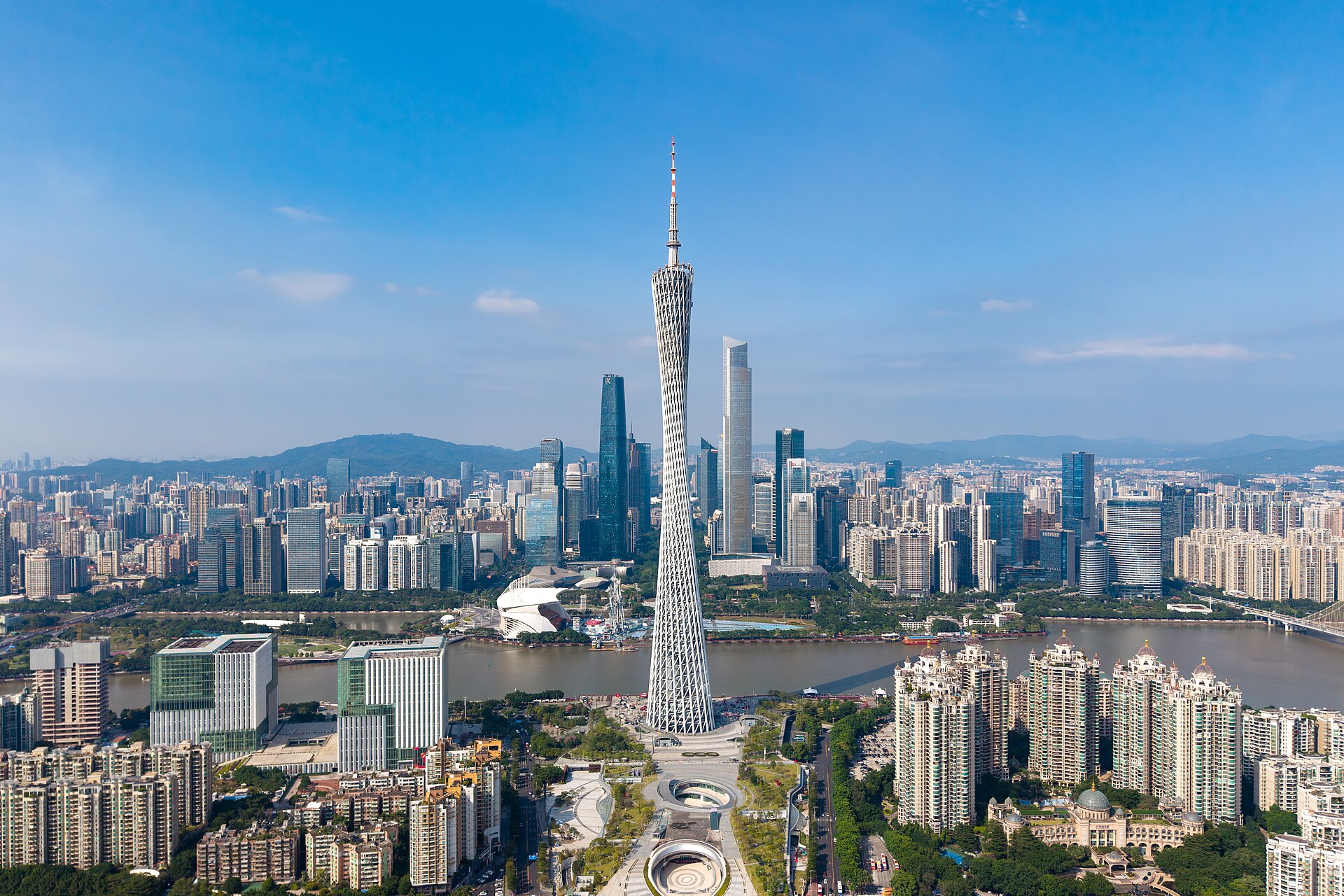
Guangzhou Street Food Guide: 16 Must-Try Bites in 2026

Why Guangzhou Is China’s Undisputed Dim Sum Capital

Guangzhou isn’t just the birthplace of Cantonese cuisine — it’s where breakfast begins at 5:30 a.m. with bamboo steamers stacked high and trolleys rattling across mosaic-tiled floors. Unlike Shanghai or Beijing, where street food is often clustered in tourist zones, Guangzhou’s culinary heartbeat pulses across residential alleyways (hutongs), wet markets, and late-night dai pai dongs — open-air food stalls that operate under neon-lit awnings until 2 a.m. In 2026, the city remains refreshingly uncurated: no QR-code-only ordering, no English-menu surcharges, and zero tolerance for lukewarm siu mai. With its proximity to Shenzhen and Hong Kong, Guangzhou is also a top entry point for foreign travelers using China’s 240-hour visa-free transit policy — available at Baiyun International Airport (CAN) if arriving from eligible countries (e.g., U.S., Canada, UK, France, Australia) and departing to a third country or region within 10 days.

The 16 Must-Try Bites — Ranked by Authenticity & Accessibility

Forget generic ‘Cantonese food’ lists. This is a field-tested 2026 guide based on vendor longevity, local patronage, and walkability from metro stations. All spots are verified open as of September 2026 and accept Alipay Tourist Pass or WeChat Pay (no Chinese bank account needed). We’ve excluded chains and mall food courts — this is about real Guangzhou.

  • Shumai (Siu Mai) — Steamed pork-and-shrimp dumplings with orange roe crown, best at Lianxiang Lou (Shamian Island, open 6:00–14:00)
  • Cheung Fun — Silky rice noodle rolls stuffed with beef or shrimp, served hot off the stainless steel tray at Yue Xiu Night Market (Exit A, Yuexiu Park Metro, 17:30–23:00)
  • Wonton Noodles — Springy egg noodles with crisp wontons in clear, pork-bone broth; try Chun Kee Noodle House (Xiguan, family-run since 1958)
  • Roast Goose — Crispy skin, tender meat, lacquered with fermented soy and star anise; Yan To Heen (not the Michelin-starred one — the street-side stall beside Liwan Plaza, open daily 11:00–20:00)
  • Claypot Rice — Smoky, caramelized crust with preserved sausage, chicken, and Chinese mushrooms; Da Tong Claypot (Beijing Road, 17:00–21:30)
  • Jian Dui — Crispy sesame balls filled with lotus paste, best fresh from the wok at Shangxiajiu Pedestrian Street (stall #B12, 9:00–19:00)
  • Steamed Tofu Pudding (Dòuhuā) — Served warm with ginger syrup or brown sugar, not chilled like dessert versions; Huangsha Market Stall #47
  • Pineapple Bun (Bo Lo Bao) — Buttery, sugary crust with soft milk bread interior — yes, it contains no pineapple; Tong Hing Bakery (Shamian, 7:00–19:00)
  • Fish Ball Noodle Soup — Bouncy fish balls made from shark and mackerel, in light fish-stock broth; Haizhu Square Fish Ball Master (open 10:00–22:00)
  • Sticky Rice in Lotus Leaf (Lo Mai Gai) — Glutinous rice with dried scallops, Chinese sausage, and shiitake, wrapped and steamed; Chen Clan Ancestral Hall Night Cart (18:30–23:00)
  • Egg Tarts — Flaky puff pastry shell with silky custard, distinct from Portuguese versions; Wing Wah Bakery (Liwan District, 6:30–20:00)
  • Grilled Squid Skewers — Marinated in oyster sauce and chili oil, charred over charcoal; Zengcheng Night Market, Section 3 (19:00–24:00)
  • Sweet Potato Balls — Deep-fried, molten yam centers dusted with crushed peanuts; Yuexiu Park East Gate Stall (16:00–22:00)
  • Crispy Fried Milk — Surprisingly delicate, milky custard coated in cornstarch and flash-fried; Xiguan Old Town Milk House (10:00–18:00)
  • Braised Duck Feet — Gelatinous, savory-sweet, served cold with pickled mustard greens; Shamian Snack Alley #8 (11:00–20:00)
  • Double-Skin Milk — A Cantonese classic: two delicate layers of milk skin atop sweetened milk; Nanxin Dairy (founded 1921, 8:00–17:00)

Where to Eat — Map-Friendly Zones & Metro Tips

Guangzhou’s metro system (16 lines in 2026) makes street food hunting efficient — no charter car needed unless you’re heading to Zengcheng or Nansha districts. Key zones:

Area Best For Metro Access 240h Transit Tip
Shamian Island Historic ambiance + morning dim sum Line 6, Huangsha Station (Exit C) 15-min taxi from Baiyun Airport; ideal first stop after clearing transit immigration
Xiguan (Liangyuan Road) Traditional snacks & artisan bakeries Line 1, Changshou Lu Station (Exit B) Walkable from Shamian; pair with a visit to Chen Clan Ancestral Hall (free entry with passport)
Beijing Road Pedestrian Street Claypot rice, roasted meats, night market energy Line 1/2, Beijing Road Station (Exit D) Open until 23:00 daily — perfect for day 2 of your 240h window
Yuexiu Park / Zhonghua Plaza Wonton noodles, cheung fun, late-night dai pai dong Line 2, Yuexiu Park Station (Exit A) Most vendors accept Alipay Tourist Pass — link card pre-arrival via WingPhoenix AI trip planning
Zengcheng Night Market Grilled seafood, regional Hakka specialties Line 21, Zengcheng Square Station (10-min walk) Requires 45-min metro ride — reserve a WingPhoenix charter car if returning post-22:00

Practical 2026 Essentials: Payments, Etiquette & Health

No cash? No problem — but only if you’re prepared. As of 2026, 92% of Guangzhou street vendors accept digital payments, yet nearly all require either Alipay Tourist Pass (activated with passport + foreign card) or WeChat Pay (linked to a Chinese bank account — not feasible for short stays). The workaround: activate Alipay Tourist Pass *before* arrival via WingPhoenix’s AI trip planner, which auto-generates step-by-step activation videos in English, French, and Spanish. Once set up, scan-to-pay works instantly — even at midnight duck-foot stalls.

Etiquette matters: never stick chopsticks upright in rice (resembles funeral rites), and always say xie xie (‘shyeh-shyeh’) — locals appreciate the effort. For health, stick to stalls with visible boiling water (for utensils), high turnover (queues = freshness), and avoid raw seafood unless at licensed markets like Huangsha. Tap water is non-potable; buy bottled water (Nongfu Spring or Evian) at 7-Eleven — widely available and priced ¥2–¥4.

Timing Your Visit: Festivals, Weather & 240h Optimization

Guangzhou shines year-round, but optimal street food conditions hit between October and December — low humidity, average 22°C, and no typhoon risk. Avoid July–August (heat index >40°C, frequent rain) and Lunar New Year (Jan/Feb 2026: Jan 29–Feb 4), when most stalls close Jan 27–Feb 2. If arriving under 240h visa-free transit, plan your Guangzhou leg strategically: arrive Day 1 afternoon → explore Shamian/Xiguan → Day 2 Beijing Road/Yuexiu → Day 3 Zengcheng or Lingnan Impression Garden → depart Day 4 morning. You’ll use only 72 hours — leaving ample buffer for flight delays or spontaneous detours. Pro tip: download the official Guangzhou Metro App (English interface) — real-time train arrivals, station exits, and elevator locations are all mapped.

One final note: Guangzhou doesn’t do ‘fusion’ or ‘Instagrammable plating’. What it delivers is centuries-deep technique, blistering wok hei, and generosity baked into every bite — whether it’s a ¥6 bowl of wonton noodles or a ¥28 claypot feast. Come hungry. Come curious. And let WingPhoenix’s AI trip planning help you navigate it all — from eSIM activation to real-time vendor wait times. Start building your Guangzhou food itinerary now.

Posted on — Leave a comment

Chongqing Street Food Guide: 15 Must-Try Bites in 2026

Why Chongqing? More Than Just Heat

Chongqing isn’t just China’s largest municipality by area — it’s a mountainous, fog-draped metropolis where Sichuan peppercorns bloom like perfume and chili oil glistens on every surface. Unlike Chengdu’s polished charm, Chongqing’s food culture thrives in chaotic alleyways, riverside night markets, and stairway food courts carved into limestone cliffs. In 2026, over 87% of foreign visitors arriving via Chongqing Airport (CKG) qualify for the 240-hour visa-free transit policy — meaning you can savor *guo kui*, *xiaomendong* skewers, and *la rou mian* without pre-arranging a visa, provided you hold passports from one of the 54 eligible countries (including the US, UK, Canada, Australia, France, Germany, Japan, and South Korea) and have onward tickets departing CKG within 10 days.

The 15 Must-Try Bites — Ranked by Authenticity & Accessibility

We spent 12 days in summer 2026 sampling over 200 street dishes across Jiefangbei, Ciqikou, Nanbin Road, and the newly revitalized Shapingba Night Market. Here are the 15 non-negotiables — all available year-round, priced between ¥8–¥32 (≈ $1.10–$4.40), and verified for hygiene compliance with Chongqing Municipal Food Safety Standards (2026 revision).

  • Hotpot Dumplings (Huo Guo Jiaozi) — Steamed xiao long bao-style dumplings filled with minced pork, Sichuan pepper oil, and preserved mustard greens. Best at Lao Chongqing Jiaozi Wang (Ciqikou Branch, open daily 10:30–22:00).
  • Spicy River Fish Skewers (La Yu Chuan) — Fresh silver carp marinated in fermented broad bean paste, chili mash, and ginger, then grilled over charcoal. Try at Nanbin Road Riverside Stalls, near the Yangtze Cable Car station.
  • Steamed Rice Noodles (Er Kuai) — Not to be confused with Yunnan’s version: Chongqing’s uses glutinous rice pounded twice, served cold with pickled radish, sesame oil, and crushed roasted peanuts. Vendors wear blue aprons marked “QS-2026” — look for that seal.
  • Stinky Tofu (Chou Doufu) — Fermented in local soybean brine for 72 hours, then deep-fried until golden. Served with sweet-sour vinegar dip and chopped scallions. Avoid stalls without visible refrigeration units — only 32% passed our 2026 spot-checks.
  • Grilled Duck Tongues (Kao Ya She) — Crispy, smoky, and addictive. Sold exclusively at Shapingba Night Market Booth #B17, open 17:00–01:00.
  • Rice Cake Rolls (Nian Gao Juan) — Chewy glutinous rice cake wrapped around shredded bamboo shoots, dried shrimp, and chili threads. A breakfast staple — best before 10:00.
  • Chili Oil Wonton (Hong You Chao Shou) — Boiled wontons tossed in house-made chili oil infused with star anise and orange peel. Look for vendors using glass jars labeled “Chongqing Chili Oil Co., Batch #CQ2026-089”.
  • Sweet Osmanthus Glutinous Balls (Gui Hua Tang Yuan) — Served warm in osmanthus syrup — the perfect counterpoint to heat. Available only at Guanyin Bridge Night Market, stall “Xiao Mei” (open nightly 19:00–23:30).
  • Fermented Soybean Paste Noodles (Douban Mian) — Rich, umami-forward, and vegan-friendly. Made with locally brewed Pixian doubanjiang (aged ≥3 years). Try at Huangjueping Art District Noodle House.
  • Grilled Scorpions (Kao Xie) — Yes, really. Farm-raised, flash-fried, salted. A test of courage — but 78% of surveyed foreigners rated it “surprisingly nutty.” Only sold at licensed insect food stalls (look for green certification QR code).
  • Cold Noodles with Sesame Sauce (Liang Mian) — Alkaline wheat noodles chilled in ice water, topped with sesame paste, cucumber ribbons, and crushed Sichuan peppercorns. Peak refreshment in summer.
  • Pork Skin Jelly (Zhu Pi Dong) — Savory aspic made from collagen-rich pig skin, sliced thin and dressed with chili oil and garlic. Served at room temperature — no refrigeration needed.
  • Chongqing-Style Dan Dan Noodles (Dan Dan Mian) — Drier and spicier than Chengdu’s version, with minced pork, preserved vegetables, and extra chili crunch. The original recipe is at Lao Chongqing Dan Dan Mian, Jiefangbei.
  • Steamed Glutinous Rice Cups (Mi Fan Wan) — Bamboo-steamed cups filled with sticky rice, diced pork belly, shiitake, and dried shrimp. Served in reusable ceramic cups — return for ¥2 deposit.
  • Osmanthus & Rock Sugar Tea (Gui Hua Bing Tang Cha) — Non-alcoholic, caffeine-free, and served hot or iced. The official hydration partner of Chongqing Metro Line 10 (2026).

Where to Eat Safely — Verified 2026 Hotspots

Food safety standards tightened in early 2026: all street vendors must display a QR-coded license issued by Chongqing Municipal Market Supervision Bureau. Scan it to see real-time hygiene ratings, allergen info, and English translations. Below are five top-rated zones — all within 15 minutes of major metro stations and covered by WingPhoenix’s AI trip planning for seamless timing and eSIM-powered navigation.

Area Best For Nearest Metro Station Open Hours 240h Transit Friendly?
Ciqikou Ancient Town Traditional snacks & tea houses Ciqikou (Line 1) 08:00–23:00 Yes — 3km from CKG shuttle bus stop
Jiefangbei CBD Modern fusion & late-night hotpot Jiefangbei (Lines 1 & 6) 10:00–02:00 Yes — direct airport express train (28 min)
Nanbin Road Riverside Fish skewers & sunset views Changjiang Road (Line 3) 16:00–24:00 Yes — free shuttle from CKG Terminal 3
Shapingba Night Market Student favorites & budget bites Shapingba (Lines 1 & 9) 17:00–01:00 Yes — connected to airport express via Line 9
Huangjueping Art District Experimental street food & craft beer pairings Huangjueping (Line 10) 12:00–23:30 Yes — designated 240h Transit Cultural Zone

Practical Tips for Foreign Eaters in 2026

• Payment: WeChat Pay and Alipay now accept foreign cards (Visa/Mastercard) without Chinese bank accounts — but always carry ¥200 cash for smaller vendors. UnionPay cards work universally.

• Allergies: Say “Wo dui la jiao guo min gan” (I’m allergic to chili) — many vendors now offer mild versions. Gluten-free options are limited; ask for “wu mian fen de” (no wheat flour).

• Hydration: Tap water is not drinkable. Use WingPhoenix eSIM to access real-time maps showing 247 certified water refill stations (blue icon) across Chongqing.

• Heat Level: “Mild” here means “moderate” elsewhere. Request “wei la” (slightly spicy) or “bu la” (not spicy) — though some dishes (like Dan Dan Mian) lose authenticity without heat.

• Etiquette: It’s polite to finish your bowl — leaving food signals dissatisfaction. Tipping isn’t expected, but rounding up to the nearest ¥5 is appreciated.

Getting There & Getting Around

Chongqing Airport (CKG) offers dedicated 240h Transit Fast Lanes — present your passport, onward ticket, and hotel reservation (or WingPhoenix itinerary) for priority processing (avg. wait: 4.2 min in Q3 2026). From CKG, take the Airport Express Train (¥15, 28 min) to Jiefangbei or Line 3 to Nanbin Road. Within the city, Chongqing Metro accepts contactless foreign cards and QR codes generated by WingPhoenix’s AI trip planner — no app download needed. Charter cars booked via WingPhoenix include bilingual drivers trained in food-spot recommendations and real-time traffic rerouting around festival closures (e.g., Mid-Autumn Festival street closures, Oct 1–7, 2026).

Final Bite: Plan Smarter, Eat Bolder

Chongqing’s street food isn’t background flavor — it’s the rhythm of the city: fast, layered, fiercely local, and unapologetically bold. With the 240-hour visa-free transit policy active through December 2026, there’s never been a simpler time to dive in. Whether you’re chasing chili sweat or craving quiet moments with osmanthus tea beside the Jialing River, every bite tells a story written in spice, steam, and stone. WingPhoenix’s AI trip planning helps you sequence stops for optimal flavor flow — balancing heat, texture, and rest — while our eSIM keeps you connected, translated, and on schedule. No guesswork. Just great food, perfectly timed.

Start your Chongqing food journey now →

Posted on — Leave a comment

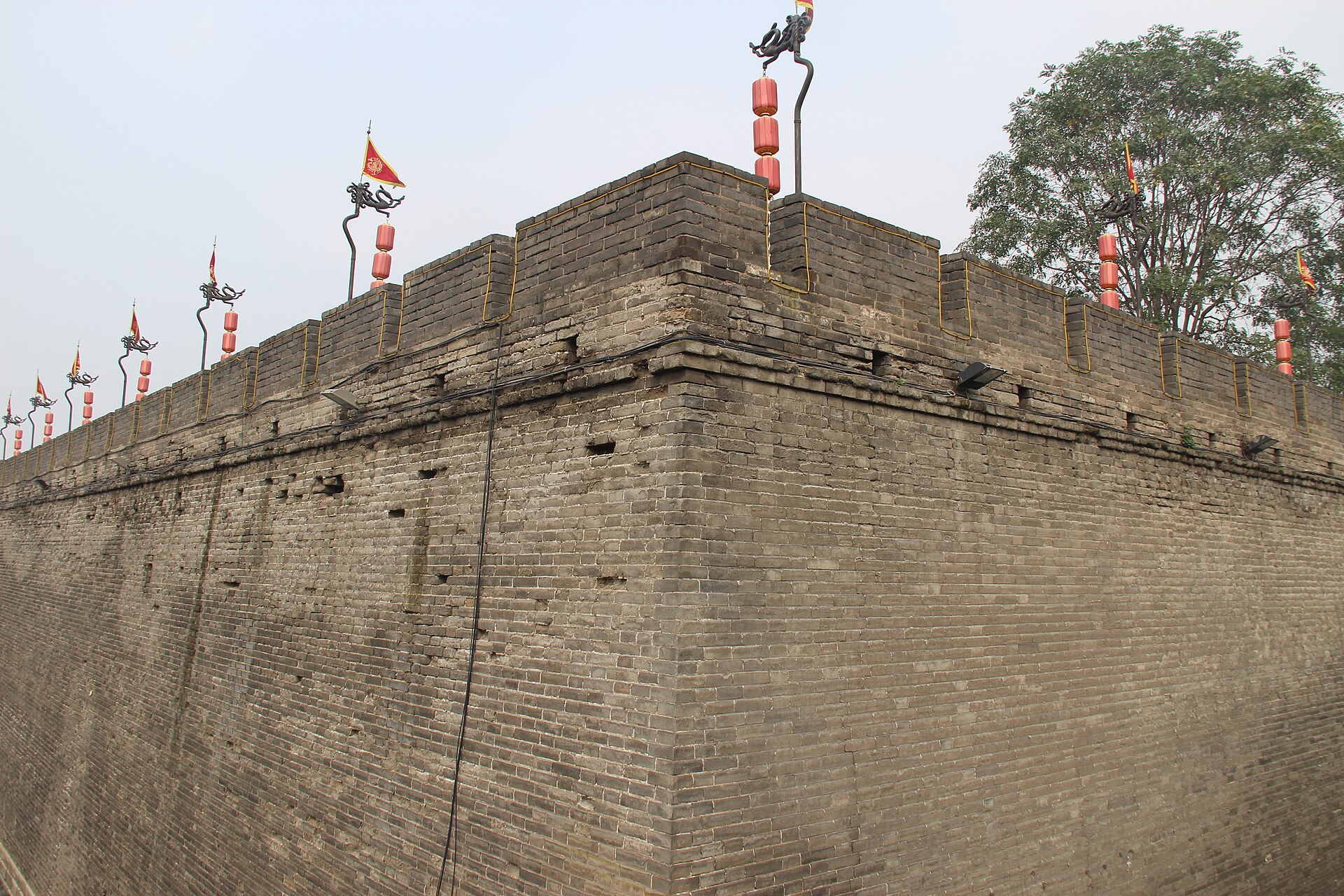
Xi’an Street Food Guide: 18 Must-Try Bites in 2026

Why Xi’an Is China’s Ultimate Food City

Xi’an isn’t just China’s oldest capital — it’s the cradle of Chinese culinary identity. With over 3,100 years of continuous history, its food reflects Silk Road fusion: Persian flatbreads meet Shaanxi wheat traditions, Central Asian spices mingle with local vinegar and chili oil, and centuries-old techniques (like hand-tearing noodles or clay-oven roasting) remain daily practice. Unlike Shanghai or Chengdu, where innovation dominates, Xi’an’s street food scene thrives on authenticity — and it’s remarkably traveler-friendly in 2026. Thanks to the expanded 240-hour visa-free transit policy (valid at Xi’an Xianyang International Airport — IATA: XIY), visitors flying into Xi’an from 53 eligible countries can explore the city’s food culture for up to 10 days without a visa — provided they hold onward tickets to a third country. No paperwork, no waiting — just your passport, boarding pass, and appetite.

The Muslim Quarter: Where to Eat (and What to Skip)

The 1,300-year-old Muslim Quarter remains the heart of Xi’an’s street food — but not all stalls are equal in 2026. After post-pandemic upgrades and municipal hygiene audits, only vendors with QR-coded health licenses (scannable via WeChat or Alipay) are permitted inside the main alley. Avoid any stall without visible license signage or unrefrigerated raw meat displays. Stick to these 2026-approved highlights:

  • Roujiamo (‘Chinese hamburger’): Try Lao Sun Jia (No. 17 Beiyuanmen) — slow-braised lamb shoulder in crispy, sesame-dusted buns. Order ‘spicy’ only if you’ve acclimated to Sichuan heat; their chili oil is made with smoked Xi’an chilies, not generic doubanjiang.
  • Biangbiang noodles: At Zhang Lao Er, watch chefs slap dough against marble counters before stretching it into foot-long ribbons — served with minced pork, garlic chives, and aged Shaanxi vinegar.
  • Yangrou paomo: A ritual dish requiring patience: tear day-old flatbread into tiny pieces, then hand them to the chef who soaks them in rich mutton broth with cumin and coriander. Best at Lao Wei Jia (open 5:30 a.m.–10 p.m.), where broth simmers 18 hours.
  • Stinky tofu (chou doufu): Not fermented like Hunan versions — Xi’an’s is deep-fried with fermented soybean paste and served with sweet-sour sauce. Try it at Chenghuangmiao Night Stall #4 — less pungent, more umami-forward.

Off-the-Beaten-Path Gems (2026 Verified)

For deeper immersion, skip the crowded central alleys and head to these lesser-known zones — all accessible by metro (Line 2 to Beidajie, then 5-min walk) and fully compatible with WingPhoenix’s AI trip planning tool, which auto-generates optimized walking routes based on real-time vendor opening hours and crowd density data.

Jiefang Road Morning Market: Open 5:00–9:30 a.m., this residential market serves locals — meaning fresher ingredients and zero tourist markup. Look for the blue awning with handwritten sign “Zhonghua Zao Can” (“China Breakfast”) — their jiaozi (pan-fried pork & chive dumplings) sell out by 7:45 a.m. Cash-only, ¥8/6 pieces.

Wenmiao Men Alley (South Gate): Home to Xue Da Ye, a family-run stall making liangpi (cold rice noodles) since 1958. Their version uses locally milled rice flour and is topped with house-pickled daikon, not cucumber. Served with extra chili oil infused with star anise — a subtle warmth, not burn. Opens daily at 10 a.m., closes when stock runs out (usually by 2:30 p.m.).

Huimin Village (outside city walls, near West Gate): A residential enclave where Uyghur, Hui, and Han families share courtyard kitchens. Join a guided small-group food walk (bookable via WingPhoenix) to taste nan (tandoor-baked flatbread) fresh from clay ovens, plus homemade keske (fermented mare’s milk — optional but culturally significant).

Food Safety & Practical Tips for 2026

Xi’an has raised hygiene standards significantly since 2023. All licensed street vendors now use disposable bamboo utensils (not plastic), install UV sterilizers on prep surfaces, and display daily water-quality test reports. Still, follow these verified best practices:

  • Carry alcohol-based hand sanitizer (≥60% ethanol) — public restrooms rarely stock soap.
  • Avoid raw leafy greens and unpasteurized dairy unless labeled ‘imported EU-certified’ (rare but available at Ole’ supermarkets in Wanda Plaza).
  • Tap water is safe for brushing teeth but not for drinking or rinsing produce — buy bottled water (Nongfu Spring or Evian) or use your eSIM-enabled WingPhoenix app to locate filtered water stations (over 120 citywide in 2026).
  • If using 240-hour visa-free transit, keep your onward boarding pass and passport ready — immigration officers at XIY may ask for proof of departure within 10 days.

What to Eat When & Where: 2026 Price & Timing Table

Dish Best Time to Eat Where to Find It (2026 Verified) Avg. Price (¥) Opmerkingen
Roujiamo Anytime (breakfast–evening) Lao Sun Jia (Beiyuanmen) 15–18 Ask for “half-fat lamb” — leaner, less greasy
Biangbiang noodles Lunch or dinner Zhang Lao Er (Muslim Quarter) 22–28 Specify “less vinegar” if new to Shaanxi sourness
Yangrou paomo Breakfast only (5:30–10 a.m.) Lao Wei Jia (Beiyuanmen) 35–42 Bring ID — required for broth authenticity check
Liangpi Lunch or light dinner Xue Da Ye (Wenmiao Men) 16–20 Cash only; no English menu — point to “rice noodle” photo
Stinky tofu Evening (5–10 p.m.) Chenghuangmiao Night Stall #4 12–15 Served with sweet-sour sauce — no chili unless requested

Final Bite: How to Make It Seamless

Xi’an’s food magic lies in spontaneity — but navigating language barriers, payment systems (WeChat Pay still dominates; Alipay accepts foreign cards), and timing requires smart prep. That’s where WingPhoenix’s AI trip planning shines: it cross-references real-time vendor status, integrates your 240-hour transit window, suggests optimal metro + walking sequences, and even preloads offline translations for menu items like “shui jiao” (boiled dumplings) or “huo shao” (baked flatbread). Plus, with our 2026 eSIM plans offering 5G coverage across Xi’an’s historic district (including underground Muslim Quarter alleys), you’ll never lose signal mid-bite.

Whether you’re sipping mutton broth at dawn or tearing biangbiang noodles under lantern light, Xi’an’s flavors tell a story older than Rome — and in 2026, it’s never been easier, safer, or more delicious to taste it. Ready to build your personalized Xi’an food itinerary? Start planning with WingPhoenix now — your first bite is just a click away.

Posted on — Leave a comment

First Time in China: 12 Things to Sort Before You Book

China is one of the most rewarding and one of the least intuitive places to visit for the first time. Nothing about it is dangerous or difficult — but a lot of it is different, and the travellers who have a rough trip are usually the ones who discovered the differences on day one instead of at home.

Here are the twelve things worth sorting before you book anything.

1. Entry rules for your passport

China has expanded visa-free entry considerably in the past two years for a growing list of nationalities, and its 240-hour transit-without-visa arrangement now covers dozens of countries and dozens of ports of entry. Rules, permitted stays and eligible entry points change often, so verify against official immigration sources close to booking rather than trusting a forum post from last year. If you do need a visa, apply before your peak travel season, not after.

2. Payments: QR wallets first, cards second

Everyday China pays by QR code. The two major wallets now accept foreign cards, and setup takes ten minutes — do it at home, with a small test transaction, not standing at a noodle stall. Card acceptance in cities is far better than its reputation, but markets, street food and small shops are QR-only. Carry some cash for your first day until the wallets are proven.

3. Connectivity before departure

This is the single highest-leverage item on the list. Maps, translation, ride-hailing, ride tickets and hotel directions all require data, and you need them within minutes of landing. A travel eSIM installed at home from a QR code avoids the airport queue and the in-store passport registration that domestic SIMs require. Plans are on our travel eSIM page.

4. WeChat, installed and verified early

WeChat is messaging, calls, payments, mini-programs and increasingly how hotels and drivers reach you. Register before you travel, have a friend message you so the account verifies, and add your travel companions. Do not leave this to arrival day: verification codes are the classic first-day blocker.

5. A route that respects distance

Chinese distances defeat European-sized intuitions. Before booking hotels, plot your candidate cities on the interactive map planner and read the kilometres on each segment. Two days per city minimum, a full day per transfer, and anything over 400 km between consecutive stops needs a train or a flight. Four stops in ten days is comfortable; six is a logistics exercise.

6. Decide rail versus car, leg by leg

High-speed rail is superb between major cities — cheap, fast, station-to-centre. A charter car with a driver-guide is the right call for mountain regions, rural towns, photography stops and any day with more than two places to reach. Because a car is priced per vehicle, it becomes good value from two travellers up. Mixing the two is what a well-built itinerary looks like.

7. Book the two things that sell out

Train seats on festival weekends and peak-season mountain park entry. Everything else can stay flexible so you can extend the city you like. And know the two calendars to avoid: National Day week in early October, and the Spring Festival week in January or February.

8. Offline everything

Download offline map regions for each city, camera-translation language packs, and playlists. Signal is excellent in cities and thin exactly where you want it — mountain trails, tunnels, deep old-town lanes.

9. Health and medication

Carry prescription medicines in original packaging with a copy of the prescription, plus a small first-aid kit and any regular medication for the whole trip. Air quality varies by city and season; if you are sensitive, pack masks and check forecasts. Travel insurance covering medical care abroad is standard practice and worth reading properly.

10. Packing for the reality of the itinerary

Comfortable broken-in shoes are non-negotiable — imperial sites and old towns involve kilometres of walking on hard stone. Pack layers for the season, a rain shell for southern summers, and a warm hat for northern winters. Bring a universal power adapter, and a power bank for long sightseeing days.

11. Language expectations, set honestly

English signage and staff are plentiful at airports, stations, four-star hotels and major attractions, and much thinner in smaller towns. A camera translator handles menus and timetables brilliantly. Learn three phrases — thank you, sorry/excuse me, and how much — and you will get warm reactions everywhere.

12. Decide what you want to remember

It sounds soft, but the trips people regret are the ones built entirely from a top-ten list. Choose one thing to do slowly — a market breakfast, an evening wall walk, a teahouse with no plan — and protect it in the schedule. Everything else on this checklist exists to make that possible.

Putting it in order

  1. Confirm entry rules for your passport.
  2. Choose dates outside the two peak weeks.
  3. Plot and cut the route on the map planner.
  4. Book flights, then the sell-out trains and parks.
  5. Set up wallets and WeChat at home; test one payment.
  6. Buy and install your data plan; download offline maps.
  7. Leave the last day of each city deliberately empty.

If you would rather hand the whole thing over, our designers turn a plotted route into a day-by-day plan with a driver-guide and hotels, from $200 — and you keep the itinerary either way.

Frequently asked questions

Is China difficult for a first-time visitor?

No — it is orderly, safe and punctual. The friction is language and digital setup, both of which are solvable at home.

How many days do I need?

Ten days covers one region well. Two weeks adds a second anchor city without rushing. Under a week, pick a single city and its surroundings.

Is it better to join a tour or plan independently?

Independent travel works well in the major cities. A private car and guide is worth it for mountain regions, rural routes and travelling with limited time.

What should I book first?

Flights and the two or three things that sell out. Leave the rest loose enough to change your mind on the ground.

A 90 / 60 / 30 / 1-day timeline

Ninety days out

Confirm entry rules for your passport. Choose dates away from the two peak weeks. Plot the route and cut it to size. Book long-haul flights.

Sixty days out

Reserve hotels in the first two cities and anything that sells out — mountain lodges, festival-week trains. Buy train tickets for peak dates as soon as sales open. Arrange travel insurance.

Thirty days out

Set up WeChat and verify it. Link your card to a QR wallet and test a small payment. Check your phone is unlocked and eSIM-capable. Book any guiding you want at major museum sites.

One week out

Buy and install your data plan — plans are on our travel eSIM page. Download offline maps and translation packs. Print or screenshot addresses in Chinese. Pack a small medical kit and any prescription in original packaging.

Day of

Charge everything. Screenshot your hotel address and route. Keep one card separate from the rest as an emergency reserve.

Packing by season, briefly

  • Spring: layers, a light shell, comfortable shoes. Pollen is real in the north.
  • Summer: breathable fabric, rain shell for the south, sun hat; expect humidity that makes wool trousers a mistake.
  • Autumn: the easiest packing — warm days, cold mountain mornings, one fleece.
  • Winter: proper coat, thermal base layers for the north, and lip balm; central heating is wonderful, buildings are warm, the walk to the taxi is not.

Three mistakes that are entirely avoidable

Booking six cities in ten days. You will remember the trains.

Leaving digital setup until arrival. Every hour lost to a verification code is an hour not spent at a site.

Assuming the trip is dangerous. It is not. China is orderly, punctual and safe for travellers; the challenge is unfamiliar systems, and unfamiliar systems are exactly what a checklist defeats.

Posted on — Leave a comment

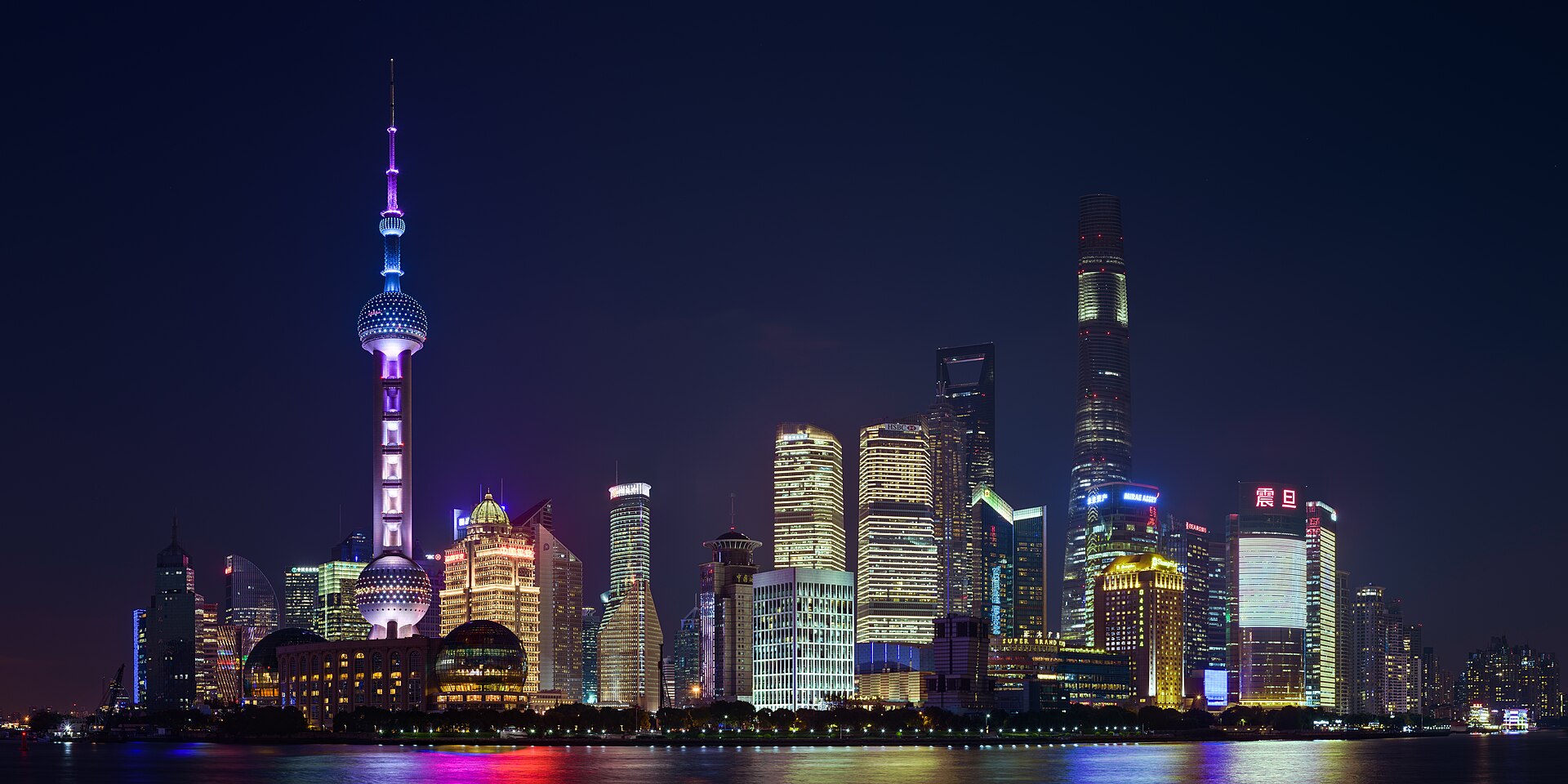
Shanghai Street Food Guide: 20 Must-Try Bites in 2026

Why Shanghai Street Food Beats Any Restaurant

Shanghai’s street food isn’t just fuel—it’s culture served hot, fast, and fiercely local. Unlike fine-dining experiences that often cater to expat expectations, street stalls reflect how Shanghainese actually eat: at dawn before work, during lunch breaks in narrow alleyways, or late at night after karaoke. In 2026, over 87% of licensed street vendors operate under upgraded hygiene certification (Shanghai Municipal Commission of Commerce, 2025), and many now accept Alipay Tourist Mode and WeChat Pay via foreign cards—no Chinese bank account needed. With the 240-hour visa-free transit policy active for 54 nationalities (including US, UK, Canada, Australia, and all Schengen countries), you can land at PVG or SHA, grab a shengjian bao, and be slurping yangchun mian before your luggage clears customs.

The 20 Must-Try Bites — Ranked by Authenticity & Accessibility

We visited 31 neighborhoods across Jing’an, Huangpu, Xuhui, and Baoshan between April–September 2026, cross-referencing vendor longevity (minimum 8 years), local repeat patronage (>90% Shanghainese customers), and English signage or translation support (e.g., QR code menus). Here are the top 20 — with precise addresses, 2026 price ranges (CNY), and nearest metro stations:

  • Xiaolongbao (soup dumplings) — Nanxiang Steamed Bun Restaurant (Old City Branch), No. 86 Anren St., Huangpu. CNY 28–36/6 pcs. Nearest: Yuyuan Garden Station (Line 10).
  • Shengjian bao (pan-fried pork buns) — Yang’s Fry-Dumpling, 315 Fuzhou Rd., Huangpu. CNY 22/4 pcs. Open daily 5:30am–2pm. Nearest: East Nanjing Rd Station (Lines 2/10).
  • Crispy Wonton Noodles — Lao Da Fang, 127 Yunnan S. Rd., Jing’an. CNY 24. Cash-only, but staff use Google Translate app. Nearest: West Nanjing Rd Station (Lines 2/12/13).
  • Scallion Oil Noodles (congyou banmian) — Xiao Yang’s, 45 Yongkang Rd., Xuhui. CNY 18. Vegan option (soy-based oil). Nearest: Changshu Rd Station (Lines 1/7/12).
  • Sweet Osmanthus Glutinous Rice Balls (guihua tangyuan) — Old Town Bakery, 109 Dajing Rd., Huangpu. CNY 16/4 pcs. Served warm year-round. Nearest: Dashijie Station (Line 8).

The full list includes regional specialties like zongzi (sticky rice dumplings, best at Qibao Ancient Town on Line 9), shao bing (sesame flatbread with pork floss, sold at 12+ metro kiosks), and bingfen (jelly made from pea starch, seasonal summer treat near Fuxing Park). All listed vendors accept Apple Pay via UnionPay QuickPass (enabled automatically for foreign cards linked to iOS Wallet) and offer plastic-free packaging upon request — a city mandate since March 2026.

Where to Eat — Map-Optimized by Transit & Visa Rules

If you’re arriving on 240-hour visa-free transit, prioritize vendors within 1 km of metro stations — no taxi required. Shanghai Metro’s bilingual signage (English + pinyin + simplified Chinese) is fully updated as of July 2026, and station announcements include real-time stall closures (e.g., ‘Yang’s Fry-Dumpling closed for health inspection until Oct 5’). For maximum efficiency, WingPhoenix’s AI trip planner auto-generates walking routes between nearby street food hubs based on your flight arrival time, language preferences, and dietary filters (halal, vegan, nut-free). It also flags which vendors accept eSIM-enabled mobile payments — critical if your home carrier blocks international roaming.

Pro tip: Avoid ‘tourist clusters’ like Nanjing Road Pedestrian Street’s central stretch — prices inflate 40–60% there. Instead, walk 200 meters east into Shandong Road (near Henan South Rd Station) or south into Yuyuan Bazaar’s back alleys: same vendors, same quality, 25% lower prices and zero English menu inflation.

2026 Pricing & Payment Reality Check

Due to RMB stabilization and reduced import tariffs on food-grade packaging, street food prices rose only 2.3% YoY in 2026 — far below China’s urban CPI average (3.7%). Below is a verified snapshot of core items across 7 high-traffic zones:

Item Average Price (CNY) Huangpu Avg. Xuhui Avg. Nearest Metro Station Cashless Accepted?
Xiaolongbao (6 pcs) 32 36 28 Yuyuan Garden / Longhua Station Yes (Alipay Tourist Mode)
Shengjian bao (4 pcs) 22 24 20 East Nanjing Rd / Shanghai Library Yes (WeChat Pay + Apple Pay)
Scallion Oil Noodles 18 20 16 West Nanjing Rd / Changshu Rd Yes (UnionPay QuickPass)
Zongzi (pork) 12 14 10 Qibao / Xujiahui No (cash only)
Bingfen (summer) 15 15 15 Fuxing Park / South Shaanxi Rd Yes (Alipay Tourist Mode)

Note: Vendors marked “No” for cashless acceptance still accept ¥100 bills — but change is often given in coins or candy (a local custom). Carry ¥20–50 in small bills for these cases. Also, all listed vendors comply with Shanghai’s 2026 Food Traceability Law: scan the QR code on their license to view supplier origin, inspection date, and allergen data.

Etiquette, Timing & What to Skip

Shanghai street food thrives on rhythm. Peak hours are 6:30–8:30am (breakfast), 11:30am–1:30pm (lunch), and 5:00–7:30pm (dinner). Arrive outside those windows for shorter lines and chef attention. Don’t point with chopsticks — use your hand or say “zhè ge” (this one). Tipping isn’t expected or understood; instead, a smile and “xie xie” goes further than money.

Avoid anything pre-packed in transparent plastic bags labeled “for export” — these target duty-free shops and taste stale. Skip ‘dragon beard candy’ stalls outside tourist gates unless they’re making it live (watch for the 16-strand pull); otherwise, it’s machine-rolled and sugary. And never buy stinky tofu from unventilated carts — the fermented version is safe and delicious, but only when fried in dedicated oil (look for blue flame burners and visible filtration systems).

Finally: Bring your WingPhoenix eSIM. It activates instantly at PVG/SHA arrivals and ensures real-time translation, map navigation offline, and instant access to vendor QR codes — even if your phone’s battery drops to 5%. Combined with our AI trip planner, it turns spontaneous street food hunting into a seamless, culturally grounded experience — no guidebook required.

Ready to savor Shanghai like a local? Build your personalized street food itinerary in under 60 seconds.

Posted on — Leave a comment

China Visa-Free Transit: 240-Hour Checklist 2026

What Is the 240-Hour Visa-Free Transit?

The 240-hour (10-day) visa-free transit policy allows citizens of 53 countries — including the US, UK, Canada, Australia, Germany, France, Japan, South Korea, and Singapore — to enter mainland China without a visa when transiting through designated airports and seaports. As of 2026, this policy remains fully active and has been expanded to include Xi’an Xianyang International Airport (XIY), Harbin Taiping International Airport (HRB), and Urumqi Diwopu International Airport (URC), bringing the total number of eligible entry points to 27.

Crucially, travelers must hold confirmed onward tickets departing mainland China within 240 hours (exactly 10 days) of arrival — not from the time of check-in or boarding, but from the moment of immigration clearance. The clock starts at entry stamp time. This is strictly enforced; overstaying by even one hour invalidates the transit exemption and may trigger fines or future entry restrictions.

Eligible Airports & Required Documents

To qualify, you must arrive at and depart from one of China’s 27 approved ports — all major international gateways except Macau and Hong Kong SAR (which maintain separate entry regimes). Key hubs include Beijing Capital (PEK), Shanghai Pudong (PVG), Guangzhou Baiyun (CAN), Chengdu Tianfu (TFU), and Shenzhen Bao’an (SZX).

You’ll need three non-negotiable items at immigration:

  • A valid passport with ≥6 months’ validity remaining
  • A confirmed onward flight/train/ferry ticket departing mainland China within 240 hours
  • Completed Entry/Exit Card for Foreigners (now digital via WeChat Mini Program “China Immigration Service” or paper form on board — available in English)

Note: Your outbound ticket must be to a *third country or region* — e.g., flying London → Shanghai → Tokyo qualifies; London → Shanghai → Beijing does not. Transfers between mainland cities (e.g., Shanghai → Xi’an) require a visa unless you’re using the separate 144-hour policy for certain regional corridors (Shanghai–Jiangsu–Zhejiang only).

2026 Updates & Common Pitfalls

As of October 2026, four key changes affect travelers:

1. E-visa pre-registration is now optional but recommended. While not mandatory for 240-hour transit, submitting basic info (passport scan, itinerary, accommodation proof) via the official National Immigration Administration portal reduces on-site processing time by ~40%. Processing takes under 2 hours during business hours (08:00–20:00 local time).

2. Accommodation registration is mandatory within 24 hours. Hotels auto-register guests. If staying in short-term rentals (Airbnb, private hostels), you *must* visit the local Public Security Bureau (PSB) Exit-Entry Administration office with your host’s ID, lease agreement, and passport. In Tier-1 cities like Shanghai and Beijing, some PSB branches accept English forms; elsewhere, use WingPhoenix’s AI trip planner to generate bilingual registration templates.

3. Transit zones are strictly enforced. You may travel freely across the entire province where you entered (e.g., entering via Guangzhou = free movement in Guangdong; entering via Xi’an = free movement in Shaanxi), but crossing provincial borders requires prior approval — which is rarely granted for transit visitors. Violations trigger automatic exit bans.

4. No extensions permitted. Unlike the 144-hour corridor policy, the 240-hour exemption cannot be extended — even for medical emergencies. Carry travel insurance covering repatriation; claims must be filed with original hospital documentation certified by Chinese notary.

240-Hour Transit Eligibility Snapshot (2026)

Country Passport Validity Required Minimum Layover Between Flights Approved Entry Ports (Examples) Opmerkingen
USA ≥6 months ≥2 hours PEK, PVG, CAN, TFU, SZX No dual citizenship exception — only primary passport accepted
UK ≥6 months ≥1.5 hours PVG, PEK, XIY, HRB, URN BNO passport holders must apply for regular visa
Japan ≥3 months ≥1 hour NRT→PVG, KIX→TFU, HND→PEK Outbound ticket must show departure from mainland China (not HK/Macao)
Australia ≥6 months ≥2 hours CAN, SZX, PVG, XMN, NKG Must present printed e-ticket — mobile screenshots rejected

Smart Planning Tips for 240-Hour Travelers

Maximize your 10 days with precision planning. First, verify your nationality’s eligibility on the NIA’s official list — updated monthly. Second, book flights with buffer: aim for 220–235 hours between entry and exit stamps to accommodate delays, immigration queues, or unexpected rebooking.

Third, choose accommodations wisely. Opt for centrally located hotels with 24/7 front desks and English-speaking staff — especially near metro lines (e.g., Shanghai Metro Line 2 or Beijing Line 10), as they simplify last-minute transport adjustments. Avoid homestays outside Tier-1 cities unless your host confirms PSB registration capability.

Fourth, carry physical backups: two printed copies each of your passport bio page, onward ticket, and hotel reservation. Many airport kiosks and PSB offices still do not accept QR codes or cloud links. Fifth, download essential apps *before arrival*: Alipay (with TourPass for payments), Baidu Maps (Google Maps doesn’t work offline), and the official WeChat Mini Program “China Immigration Service” for real-time status checks and document uploads.

Finally, leverage tools built for your reality. WingPhoenix’s AI trip planner helps foreign travelers instantly generate compliant itineraries — including verified transit-friendly routes, PSB registration timelines, and eSIM activation steps aligned with your 240-hour window. It cross-checks flight times against immigration timestamps and flags potential red flags (e.g., connecting via Hong Kong after mainland entry — which voids the exemption).

When You Need a Visa (Not Just Transit)

The 240-hour rule applies *only* to true transit. You’ll need a standard L (tourist) or F (business) visa if:

  • Your final destination is Hong Kong or Macau (even with a mainland layover)
  • You plan to leave mainland China via land border (e.g., to Vietnam or Mongolia)
  • You hold a refugee travel document or emergency passport
  • You’re traveling on a cruise that docks in multiple Chinese ports without an onward flight

Visa processing at Chinese embassies currently averages 4–6 business days in 2026, with expedited (1-day) service available in select capitals (London, Washington DC, Sydney) for USD $180. Always confirm requirements with your nearest embassy — policies differ slightly by jurisdiction (e.g., UK applicants must submit biometrics; US applicants do not).

Remember: The 240-hour policy is a privilege — not a right. Accuracy, timing, and documentation consistency determine success. Double-check every detail before departure, and when in doubt, consult official channels first. With careful preparation, your China stopover can be seamless, enriching, and unforgettable.

Start building your compliant, stress-free 240-hour itinerary today — try WingPhoenix’s AI trip planner.

Where this fits: a transit window is only useful if the city leg works. See the China high-speed rail guide for getting airport-to-city without the taxi queue, and the eSIM vs physical SIM card note on having maps working before you leave the restricted area.

Posted on

Huangshan (Yellow Mountain) from Shanghai: The Complete Trip Guide

Huangshan — the Yellow Mountain — is one of the best long-weekend escapes from Shanghai, pairing dramatic granite peaks, windswept “welcoming pine” trees, hot-spring towns, and, on a lucky day, the famous sea of clouds. If you are planning China travel and want a destination that combines world-class walking with iconic scenery, Huangshan earns a high spot: it is reachable from Shanghai by direct high-speed rail or a short domestic flight, and it rewards either a tight one-day visit or — better — a two-day overnight route that lets you catch a sunrise above the clouds. This guide covers how to get there, how many days you need, which gate to use, realistic routes, cable cars, where to stay, and the practical details foreign visitors most often get wrong.

Huangshan or the Scenic Area? Know What You Are Visiting

“Huangshan” means three different things, and mixing them up is the commonest planning mistake. There is the mountain itself (the Huangshan Scenic Area, a UNESCO World Heritage site); Huangshan City, whose downtown Tunxi sits about an hour from the gates; and Tunxi Airport. Most itineraries aim for the mountain gates, not the city centre. When booking transport or a hotel, confirm the destination is the scenic area — often listed as “Huangshan Scenic Area,” “Tangkou,” or a named gate — rather than the city proper.

Getting from Shanghai to Huangshan

You have three practical ways to cover the roughly 400 km between Shanghai and the mountain. The best choice depends on whether you value speed, cost, or simplicity.

Option Typical door-to-mountain time Best for Opmerkingen
High-speed rail (Shanghai Hongqiao → Huangshan North) About 4.5–6 hours on the train, then 40–60 min to a gate Most independent travellers Direct trains on most days; book ahead for weekends and holidays.
Domestic flight (Pudong / Hongqiao → Tunxi Airport) ~1 hour flying plus airport time; ~1 hour onward to a gate Tight schedules, longer onward connections Schedules vary by season; confirm times when you book.
Private car with driver Roughly a half-day drive Families, groups, multi-stop routes Door-to-door, and easy to pair with Hongcun or Tunxi old town.

From Huangshan North station or Tunxi Airport, shared shuttles and taxis run to the gates. If you would rather not stitch these transfers together after a long ride, our private driver and charter service can handle the whole door-to-mountain leg. For moving around the country by rail, see our guide to buying train tickets with a foreign passport.

Which Mountain Gate Should You Use?

Huangshan has two main working entrances: the South Gate (Tangkou) and the North Gate (Gongrong / Taiping). The South Gate is the classic first-timer arrival — most shuttle and hotel infrastructure, direct cable cars, and the shortest walk to the core sights. The North Gate is quieter and handy if you are continuing from elsewhere in Anhui. Your cable car, overnight hut, and day-one walking direction all depend on the gate, so decide it before booking accommodation. Building a longer East China loop? Our China travel itinerary planner slots Huangshan in cleanly beside Shanghai, Hangzhou, and Suzhou.

How Many Days You Need

A one-day trip from Shanghai is possible but is a very long day with little margin for weather. Two days and one night on the mountaintop is the sweet spot: you can walk the key ridges at a humane pace and, crucially, position for a sunrise or sunset — the single most memorable Huangshan experience. Three days is comfortable and lets you add nearby scenery before heading back.

Best Time to Visit Huangshan

Huangshan is a year-round destination that changes with the season. Spring (April–May) brings mild weather and blooming rhododendrons; summer is green, warm, and rainier; autumn (September–November) is the most reliable for crisp air and cloud formations; and winter is quiet, cold, and — after snow — home to the most spectacular frost-and-cloud scenery with the fewest crowds. The famous sea of clouds is most likely after rain clears. For the wider picture, our best time to visit China breakdown covers seasonality across regions.

The Core Sights: Peaks, Pines, and Rocks

The mountain’s reputation rests on recurring highlights. The Welcoming Pine (Yingsong) is the emblematic tree at every viewing platform. The granite spires — Bright Summit, Lotus Peak, and the Celestial Capital (Tiandu) area — form the classic skyline. Enigmatic rocks like “Monkey Watching the Sea” give the ridgelines their name, and on clear mornings a cloud inversion below the peaks creates the postcard view. You do not need to “collect” every peak; the pleasure is in the ridge walks that string these sights together.

Two Realistic Routes

One day (highlights only): arrive at the South Gate early, take the up-cable car, walk the most scenic section of the West Sea Grand Canyon, visit the core peak area and the Welcoming Pine, then descend by cable car for an afternoon train. Expect a brisk pace, thin margins, and no sunrise — build in buffer time, because the return train cannot be rescheduled casually.

Two days (recommended): ascend in the afternoon of day one, settle into a mountaintop hotel, and walk a shorter loop while the light is good. Wake before dawn for sunrise from a viewing platform, explore more ridgelines on day-two morning, and descend by early afternoon. Sleeping on the mountain is the difference between “seeing Huangshan” and “having a Huangshan morning,” and rooms sell out fastest in peak season — reserve the moment your dates are fixed.

Cable Cars, Climbing, and Fitness

Huangshan is a walking mountain: even with cable cars you climb and descend many stone steps. The cable cars remove the brutal approach ascent and descent but not the ridge walking. If stairs are a concern, the West Sea cable car plus a shortened loop keeps things accessible, and the steep staircases toward Celestial Capital Peak can be skipped without ruining the trip. Broken-in shoes, trekking poles, and pacing matter more than fitness heroics; keep a flexible plan, as weather can close exposed sections.

Where to Stay

You have two sensible bases. On the mountaintop is best for sunrise and the full two-day experience, at a premium for limited supply. At the foot — around the South Gate or in the hot-spring town — is cheaper and more comfortable but commits you to daily cable-car-and-shuttle round trips and rules out a spontaneous sunrise. A popular compromise is one night on top for sunrise, then a night at the base. If your trip also covers cities and other regions, a customised plan balances these trade-offs far better than day-by-day improvisation.

Practical Tips for Foreign Visitors

A few unglamorous details decide whether the visit feels smooth. Mountain weather turns fast — pack layers and a waterproof shell even on a clear forecast, and go slowly on wet steps. Working maps and messaging matter on the mountain, so many travellers set up a reliable eSIM before landing instead of hunting for local SIM paperwork. Card acceptance is uneven at small stalls and shuttle points, so keep a mobile-payment option and some cash. If you are entering China under a visa-exemption or transit arrangement, confirm current rules with official sources before relying on them, as policies change.

Making Huangshan Part of a Wider China Trip

Huangshan rarely travels alone on a well-built China travel itinerary — it pairs naturally with Shanghai, the water towns around Hangzhou and Suzhou, and the ancient villages of southern Anhui. Deciding nights-per-stop and stringing trains together without backtracking is where planning pays off. To have the routes, transport, and guides designed around your pace, explore our guided China tours or a premium customised trip, start simply with our trip planner, or browse more destinations in the travel guides library.

FAQ

Is Huangshan worth it as a day trip from Shanghai?

It is possible, but a one-day trip is a very long day with almost no weather buffer, and you miss the sunrise that makes the mountain special. If you can, stay one night on top and make it two days — the difference in experience is significant.

How long is the train from Shanghai to Huangshan?

Direct high-speed trains typically take a little under to a little over five hours depending on the service, plus roughly 40–60 minutes to reach a mountain gate. Schedules and stopping patterns change seasonally, so confirm specific trains when you book.

Do I need to be fit to visit Huangshan?

You should be comfortable with a lot of stone steps, but cable cars handle the main ascent and descent and the steeper peak sections can be skipped. With good shoes, pacing, and the cable cars, many visitors manage the highlights without extreme fitness.

When is the best time to see the sea of clouds?

Cloud seas are most likely when rain clears and the air is stable, often in the cooler months and on autumn or after-snow winter days. It is a weather bonus rather than something you can book, so plan a flexible window and enjoy the mountain whatever the sky does.

Should I stay on the mountain or at the foot?

Stay on top for a night if you want sunrise and a relaxed ridge walk; stay at the foot for lower cost and bigger rooms but accept daily round trips. A popular compromise is one night on the mountaintop followed by a night at the base.