Posted on — Leave a comment

China High-Speed Rail Guide 2026: Routes, Tickets & Tips

Why HSR Is the Smartest Way to Travel in China (in 2026)

With over 45,000 km of high-speed rail (HSR) lines—the longest network in the world—China’s bullet trains are faster, cleaner, more punctual, and often more convenient than flying for trips under 800 km. In 2026, foreign tourists benefit from expanded e-ticketing, English-language support on 12306 (the official app), and seamless integration with China’s 240-hour visa-free transit policy. If you’re arriving at Beijing Capital (PEK), Shanghai Pudong (PVG), Guangzhou Baiyun (CAN), or Chengdu Tianfu (TFU), you can travel *by HSR* to 26 designated cities—including Xi’an, Hangzhou, Qingdao, and Kunming—without a visa, as long as your onward international flight departs within 240 hours. No more visa applications for quick multi-city trips: just your passport, boarding pass, and an e-ticket.

How to Book HSR Tickets as a Foreigner (2026 Edition)

The official platform is 12306.cn (and its iOS/Android app). While registration requires a Chinese phone number and bank card, most foreign travelers use trusted third-party services like Trip.com (English interface, accepts Visa/Mastercard) or Ctrip. As of mid-2026, 12306 now supports passport-only registration for foreign nationals—but only if you’re in China and have completed real-name verification at a station ticket window or self-service kiosk first. For hassle-free planning before arrival, WingPhoenix’s AI trip planner lets you simulate HSR legs (e.g., ‘Shanghai → Huangshan → Hangzhou’), auto-calculating optimal departure times, transfer windows, and even eSIM activation timing for station Wi-Fi handoffs.

Booking opens 15 days before departure (at 08:00 CST). Popular routes—especially Beijing–Shanghai, Guangzhou–Shenzhen, and Chengdu–Chongqing—sell out fast during holidays (Chinese New Year, National Day week). Pro tip: book *exactly* at 08:00 CST; tickets released in real-time, not staggered. Always carry your original passport used for booking—it’s checked at both entry gates and onboard inspections.

Understanding Seat Classes & What You’ll Actually Get

China’s HSR offers three main classes, each with distinct comfort levels and price points (all 2026 fares shown in USD for reference):

Class Speed (km/h) Seat Width / Legroom 2026 Avg. Price (Beijing–Shanghai, 4.5 hrs) Perks
Business Class (GR) 350 km/h ≈52 cm width, 130 cm legroom, fully reclining 1-1 layout $175–$210 Hot towel, complimentary meal + drink set, priority boarding, lounge access at major hubs (Beijing South, Shanghai Hongqiao)
First Class (ZYT) 300–350 km/h ≈48 cm width, 110 cm legroom, 2-2 layout $110–$135 Extra-wide seats, power outlet + USB port per seat, free bottled water
Second Class (ZY) 250–350 km/h ≈44 cm width, 85 cm legroom, 3-2 layout $65–$85 Standard seating, overhead luggage racks, food trolley service (noodles, bento, snacks)

Second class is perfectly comfortable for journeys under 4 hours—and it’s where you’ll find the best value. First class shines on 5+ hour legs (e.g., Chengdu–Xi’an, ~3.5 hrs but mountainous terrain means smoother ride quality matters). Business class is worth it only for solo travelers prioritizing quiet, space, and efficiency on key corridors—or for groups of four who can book an entire business-class compartment (available on select G-trains).

Top 5 Scenic & Practical HSR Routes for Foreign Tourists

Not all HSR lines are equal. Some cut through mountains, others hug coastlines—and many connect UNESCO sites directly. Here are five 2026 standouts:

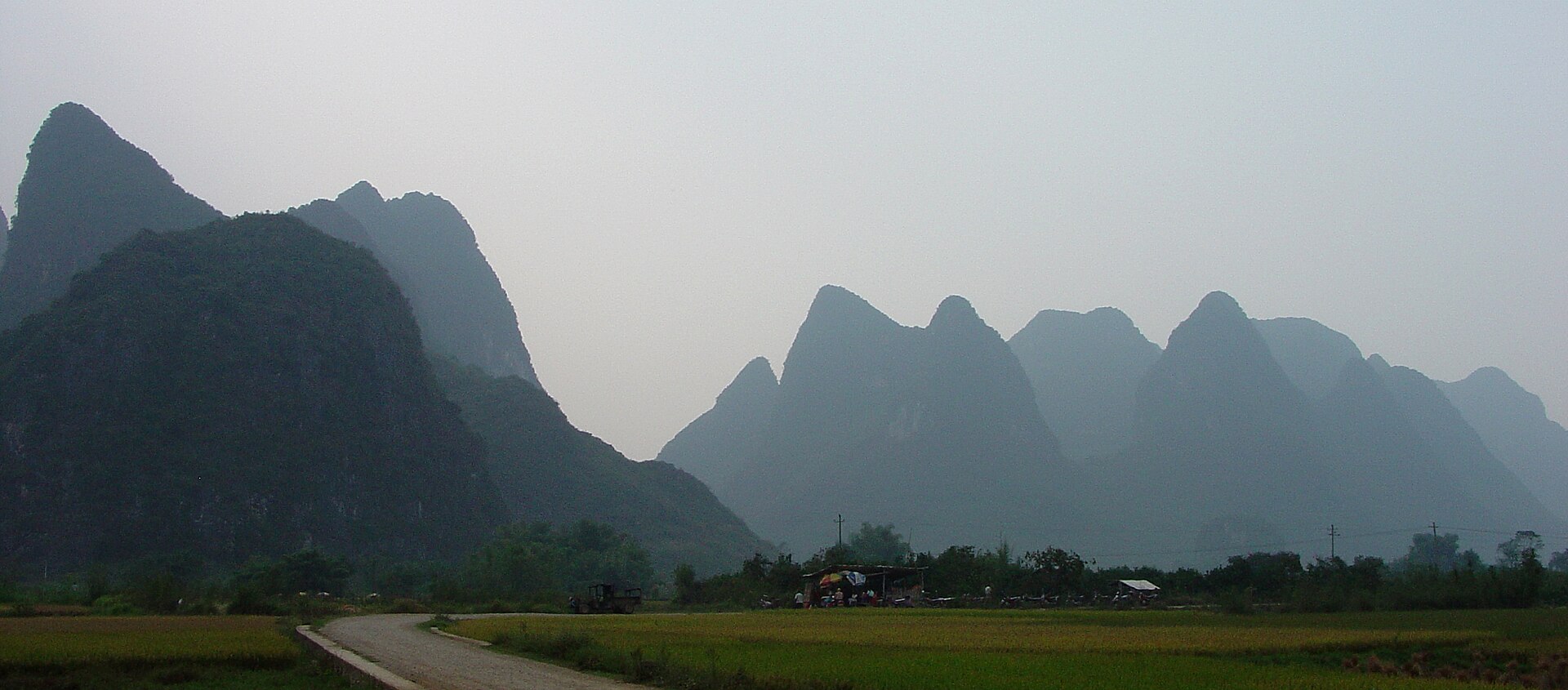
  • Guilin ↔ Yangshuo (via Nanning–Guilin HSR): Though no direct line yet, take G531 from Nanning (2.5 hrs) to Guilin, then a 1-hr chartered car to Yangshuo—total door-to-door time beats flights when counting airport transfers. The Nanning–Guilin stretch winds past karst peaks visible from train windows.
  • Hangzhou ↔ Huangshan North (G1507): 1.5 hours, with panoramic views of Anhui’s misty peaks and ancient villages. Huangshan North station is 45 mins by shuttle bus to the mountain entrance—no more exhausting bus rides from屯溪 (Tunxi).
  • Xian ↔ Chengdu (G2209): 3.5 hours through Qinling Mountains—tunnels alternate with sweeping valley vistas. Both cities offer 240h visa-free transit, making this an ideal loop for first-timers.
  • Shanghai Hongqiao ↔ Nanjing South (G7001): Just 1 hour, 10x daily departures. Perfect for day-tripping the Ming City Wall and Confucius Temple—book a morning train, explore Nanjing, return by 19:00.
  • Kunming ↔ Dali (D8660): 2 hours along Erhai Lake’s eastern shore. Board at Kunming South, disembark at Dali, and walk 10 mins to the historic old town’s east gate—zero taxi haggling required.

Pro Tips for Stress-Free HSR Travel in 2026

Station navigation: Major hubs (Hongqiao, Beijing South, Shenzhen North) have clear English signage, digital wayfinding tablets, and staffed info desks with translation headsets. Smaller stations (e.g., Linyi, Zhenjiang) may rely on WeChat mini-programs—download ‘China Railway Station Helper’ (free, offline maps) before arrival.

Luggage: No weight limits, but size must fit in overhead racks (max 130×60×35 cm) or large luggage lockers (¥10–20, available at all Tier-1 stations). Avoid checking bags—there’s no baggage claim.

Wi-Fi & connectivity: Free 12306 Wi-Fi is available on all G-series trains—but it’s login-gated (requires Chinese mobile number). Reliable alternative: activate a WingPhoenix eSIM before landing; our plans include 5G coverage on >99% of HSR routes, so you can stream, translate signs, or share live location with your charter driver waiting at the station exit.

Food & accessibility: The trolley serves hot meals (¥35–50), dumplings (¥18), and local specialties (e.g., Suzhou mooncakes in autumn). Wheelchair-accessible carriages exist on all G-trains—request assistance via 12306 app ≥24 hrs pre-departure. Most stations now have elevators, tactile paths, and multilingual emergency buttons.

Last-minute changes? Refunds are allowed up to 20 minutes before departure (fees apply: 5% if >48 hrs prior, 10% if 24–48 hrs, 20% if <24 hrs). Rescheduling is free once—just rebook the same route/date/class.

Final Thought: HSR Is Your China Time-Machine

In 2026, China’s high-speed rail isn’t just transport—it’s the rhythm of your trip. It transforms cross-country exploration from a logistical hurdle into a scenic, efficient, and deeply local experience. Whether you’re sipping jasmine tea while watching rice terraces blur past near Longji, or stepping off the train in Xi’an just in time for sunset at the Drum Tower, the HSR puts culture, convenience, and curiosity within reach. And with WingPhoenix’s AI trip planner, you can build and refine your HSR-centric itinerary in seconds—balancing speed, scenery, and station-side logistics before you even land.

Start building your stress-free, HSR-powered China trip today →

Related practical pages: ticketing on a foreign passport has its own identity rules, covered in buying China train tickets with a foreign passport. If you are routing through a city inside a visa-free window, check the 240-hour transit checklist before committing to legs.
Posted on — Leave a comment

Qingdao to Yantai: 4-Day Coastal Escape (2026)

Why This Route Stands Out in 2026

While Beijing and Shanghai dominate foreign itineraries, China’s Shandong Peninsula offers something rare: authentic coastal charm without mass tourism fatigue. Qingdao and Yantai—two port cities with distinct personalities—form a seamless 4-day loop ideal for travelers arriving via the 240-hour visa-free transit policy (available at Qingdao Liuting International Airport, as well as Beijing, Shanghai, Guangzhou, Chengdu, Xi’an, and 25 other designated ports). In 2026, upgraded high-speed rail links (G-series trains now run every 22–35 minutes between Qingdao North and Yantai South), new bilingual signage at all major stations, and expanded English-speaking staff at ferry terminals make this route smoother—and more accessible—than ever before.

Day 1: Qingdao — Beer, Bays & Bavarian Echoes

Arrive at Qingdao Liuting International Airport (TAO). If transiting from Seoul, Tokyo, or Singapore, you’ll likely qualify for the 240h visa-free transit—just present your onward ticket (e.g., to Bangkok or Berlin) and passport valid for ≥6 months. From TAO, take the Airport Express Line (R3) to Qingdao Railway Station (42 mins, ¥12). Drop bags at a centrally located hotel like The Nest Hostel (English-friendly, rooftop sea views) or Qingdao Marriott Hotel (near Zhongshan Road).

Spend your afternoon strolling Zhongshan Road Pedestrian Street, where red-roofed German colonial buildings house indie cafés and local seafood stalls selling hai xian bao (scallion-oil dumplings). At sunset, walk the 1.3-km Badaguan Scenic Area—eight avenues named after Chinese passes, each lined with century-old European villas and pine-framed ocean vistas. Skip the crowded May Fourth Square; instead, head to Shilaoren Beach for quieter swimming and rental paddleboards (¥80/hr, life jackets included).

Dinner? Book ahead at Shi Jia Hai Xian (No. 37, Fushan Road)—a family-run spot serving qingdao jiu-marinated jellyfish and grilled squid skewers. And yes—you must try Tsingtao Beer at its source: the Tsingtao Brewery Museum (open daily 9:00–17:00; ¥60, includes tasting flight). Pro tip: Buy a refillable ceramic stein (¥45) to use at any taproom in town.

Day 2: Qingdao → Yantai — High-Speed Rail & Harbor Hopping

Depart Qingdao North Station at 09:15 on G6922 (arrives Yantai South at 10:43). Tickets cost ¥128 and can be purchased via WeChat’s 12306 mini-program using passport ID—no Alipay account needed. Upon arrival, take Bus 567 (¥2, 20 mins) to Yantai city center, or book a pre-arranged WingPhoenix charter car (fixed price ¥260, English driver, luggage assistance).

Check into Yantai Lighthouse Boutique Hotel, steps from Yantai Mountain Park. Climb the 1880s British Consulate ruins and snap photos at the iconic Yantai Lighthouse—China’s oldest operational lighthouse (built 1867). The park also hosts free English-language historical audio tours (download QR code at entrance).

In the evening, explore South Mountain Cultural Tourism Zone: a reconstructed Ming-dynasty temple complex with nightly light shows (19:30–20:30, ¥65). Or opt for low-key charm at Chengfu Road Night Market, where vendors serve shui jiao with black vinegar dip and local Yantai apple wine (sweet, effervescent, 8% ABV).

Day 3: Vineyards, Villages & Vermilion Cliffs

Book a half-day private tour (WingPhoenix partners with certified English-speaking guides) to Zhanggezhuang Village—a 600-year-old fishing hamlet where elders still mend nets by hand. Then continue to Changyu Pioneer Wine Company, Asia’s oldest winery (founded 1892). Tour the underground cellar (1,000+ oak barrels), taste four vintages—including their award-winning Cabernet Sauvignon Reserve (¥98/bottle)—and stroll the adjacent Changyu Grape Valley, open to the public since April 2026.

Afternoon options:

  • Coastal trail walk: 4.2 km from Moon Bay to Penglai Pavilion viewpoint—flat, paved, and dotted with bilingual interpretive plaques.
  • Local craft workshop: Try Yantai woodblock printing at Red Cliff Arts Studio (book via WeChat: “YantaiWoodBlock”; ¥120/person, 2 hrs).
  • Seafood picnic: Buy grilled scallops (¥15/5), salted shrimp (¥28/200g), and chilled apple wine at Beihai Market—then spread a blanket at Laoshan Beach.

Day 4: Farewell with Flavor & Flexibility

Start with Yantai-style wonton soup (thin broth, tiny pork-shrimp wontons, fresh chives) at Xiao Zhang Dumpling House (open 6:30–10:30 only). Then visit Yantai Museum’s new Silk Road & Sea Routes exhibit—featuring recovered 12th-century shipwreck ceramics and interactive AR maps showing historic trade routes (free entry with passport).

For last-minute souvenirs: skip generic pearl shops. Instead, grab Yantai apple leather (dried, chewy, no sugar added) at Dongshan Fruit Emporium or hand-painted clay whistles shaped like seagulls from the museum gift shop.

If departing from Yantai Laishan Airport (YNT), allow 90 minutes pre-flight—buses run hourly to terminal (¥10, 45 mins). Flying out of Qingdao? Take the 12:50 G6925 back (arrives 14:18); drop bags at station lockers (¥15/24h) while grabbing lunch at Qingdao Old Town Noodle Bar (try the sea cucumber dan dan mian—rich, spicy, surprisingly delicate).

Practical Snapshot: Qingdao–Yantai in 2026

Category Details
Visa-Free Access 240h transit available at Qingdao Liuting (TAO) & Yantai Laishan (YNT); requires onward ticket to third country within 10 days
Transport Between Cities G-series HSR: 1h28m avg.; tickets ¥128; real-time English departure boards at both stations
Mobile Connectivity WingPhoenix eSIM works instantly at both airports (no SIM swap, no reboot); 10GB/7 days for ¥149)
Average Daily Cost (excl. flights) Budget: ¥320 | Mid-range: ¥680 | Luxury: ¥1,250 (includes meals, transport, entry fees, 1 activity)
Best Time to Go May–June & September: 22–27°C, low humidity, minimal crowds. Avoid July–August typhoon risk.

This itinerary balances rhythm and revelation—no rushed transfers, no language dead ends, and zero ‘checklist fatigue’. Whether you’re sipping apple wine beneath a Ming-era pavilion or tracing colonial footprints along Qingdao’s cliffs, you’re experiencing coastal China as it’s meant to be lived: slowly, sensorially, and with room to breathe. WingPhoenix’s AI trip planning helps fine-tune timing—say, adjusting your Yantai vineyard visit to avoid weekend crowds—or adding a surprise detour to Weihai’s Songjiang Art District if your pace feels right. Because the best trips aren’t just plotted—they’re felt.

Ready to build your own coastal escape? Start your free AI-powered itinerary now.

Posted on — Leave a comment

China Travel for Beginners: A Complete Starter Guide

China travel for beginners looks far more complicated online than it is in practice. If you can get a passport, book refundable flights, and follow a short checklist for visas, connectivity, and trains, a first trip to China is straightforward and safe. This starter guide walks through what a first-time visitor needs to decide, in order: entry rules, how many days you need, when to go, how to pay and get online, how to move between cities, a realistic budget, and mistakes to avoid. For deeper detail, see our full China travel guides and the complete first-timer guide.

Start With Three Decisions, Not Fifty

Beginners usually stall because they try to plan every meal in advance. In reality a first China trip is defined by three choices: which cities you visit, how many days you have, and when you travel. Everything else—hotels, trains, day tours—falls out of those three. A sensible first route is Beijing, Xi’an, and Shanghai, because they are connected by high-speed rail, packed with iconic sights, and easy to navigate with English signage. If that feels like too much to assemble yourself, a free trip planner can turn three dates into a day-by-day draft in minutes.

Do You Need a Visa to Visit China?

Entry rules are the single most important beginner question, and they change often, so always treat what you read here as a starting point and verify against official Chinese embassy or consular sources before booking. Depending on your nationality, you may travel visa-free under a growing list of pilot programs, use the 240-hour (10-day) transit-without-visa policy when flying between two countries through China, or apply for a standard tourist (L) visa in advance. Rules, eligible ports, and permitted regions differ by passport and are updated by authorities, so confirm your specific case officially rather than relying on any single blog. Never assume a transit policy applies to a point-to-point trip.

How Many Days Do You Need for a First Trip?

Distance is the factor most beginners underestimate: Chinese cities are far apart, and half of a short trip can disappear into transit if you try to see everything. Match your route length to your days.

Trip length Best for Typical first-timer route
5-6 days One region, minimal transit Beijing only, or Shanghai + Hangzhou/Suzhou
7-9 days The classic introduction Beijing + Xi’an + Shanghai by train
10-14 days First trip with a nature stop Add Guilin/Yangshuo or Chengdu (pandas)
2 weeks+ Slow travel and deeper regions See the 2-week itinerary

The sweet spot for most first visitors is 8-10 days: enough to see three cities without feeling rushed. Below seven days, pick one base and day-trip instead of hopping.

When Is the Best Time to Go?

Spring (April to May) and autumn (September to October) are the mildest and most comfortable across most of the country. Summer brings heat and humidity to the east and heavy rain in the south, while winter is cold in the north but excellent for clear-sky scenery and fewer crowds in places like Beijing. The one thing beginners genuinely must avoid is travel during major public holidays—especially the National Day “Golden Week” in early October and the week around Lunar New Year in January or February—when domestic tourism spikes and prices and crowding surge. Our best-time-to-visit guide breaks it down by season and region.

Getting Online and Paying: Solve These Two First

Two things make China feel foreign to newcomers, and both have simple fixes. First, connectivity: many international apps and websites do not work on local networks, so plan a reliable data connection before you land. A China eSIM installed at home is the lowest-friction option—no SIM swap, active on arrival. Second, payments: daily life runs on mobile wallets, and card-only travelers get stuck. Linking your card to the dominant wallets before departure means taxis, cafés, and markets work normally. Carry a little cash as backup, but expect to tap your phone for most purchases.

Moving Between Cities: Trains, Flights, and Private Drivers

China’s high-speed rail is the default for journeys under about eight hours—fast, comfortable, and station-to-city-center. Domestic flights win when you cross very long distances, such as Shanghai to far-west regions. For a beginner, the practical question is simply whether to book it yourself or let someone handle it.

Mode Best when Beginner friction
High-speed rail 2-8 hours between cities Low once booking is set up
Domestic flight Very long hops or tight time Low; early airport arrival
Private car + driver Remote sights, flexible rural days, group or family trips Lowest—no navigation or tickets

For city hops, rail is great. For mountain regions, multiple stops in one day, or traveling with kids and luggage, chartering a car with a driver often beats trains on total comfort and door-to-door time. Our guided China tours bundle trains, transfers, and tickets if you would rather not coordinate it yourself.

Where Should Beginners Go First?

If you are undecided, the well-worn first-timer cities earn their reputation. Beijing delivers the Great Wall, the Forbidden City, and museum depth. Xi’an offers the Terracotta Warriors with a compact old town. Shanghai mixes skyline, food, and easy water-town day trips. Chengdu adds giant pandas and a relaxed food scene. Each is covered in our travel guides, and combining two or three makes a complete first impression without exhausting transit.

What Does a Beginner Trip Actually Cost?

Costs vary enormously by city tier, season, and how you like to travel, so rather than quote a single price, think in ranges and confirm figures at the time of booking. Ballpark daily spend for a mid-range independent traveler typically covers a comfortable 3-4 star hotel, meals, city transport, and one paid attraction per day, with entry-level budget trips lower and premium or peak-season travel meaningfully higher. The biggest swing factors are your flight class, hotel standard, and whether you self-arrange or use a tour. Use the custom itinerary service if you want a fixed, all-in quote tuned to your dates; see the realistic cost breakdown for line-by-line examples.

Is China Safe for First-Time Travelers?

For most visitors, yes—violent crime against tourists is rare, cities are heavily patrolled, and transport and attractions run on schedule. The real risks are ordinary travel frictions: taxi meters, unofficial “guides” at sights, language barriers outside tourist zones, and altitude or weather on remote routes. Book transport through apps or your hotel rather than accepting street solicitations, keep your passport accessible, and share your itinerary with someone at home. Solo and family travelers report China as one of the easier “different” destinations, with more specifics in our pre-trip tips.

Seven Beginner Mistakes to Avoid

  • Trying to see too many cities in too few days, then spending the trip in transit.
  • Landing without a working data connection or a mobile payment method set up.
  • Booking travel during National Day or Lunar New Week and paying peak crowding and prices.
  • Assuming every visa or transit rule applies to your passport without official confirmation.
  • Relying on street “helpers” at stations and sights instead of apps or your hotel.
  • Not building rest and buffer time into long train or flight days.
  • Ignoring season and altitude when adding remote or mountain regions.

A Simple Five-Step Plan to Book Your First Trip

  1. Confirm your entry rule officially, then lock your travel dates around the holidays to avoid.
  2. Choose a route that matches your days—two or three cities beats six.
  3. Set up an eSIM and mobile payment before you fly.
  4. Book trains or a car-and-driver for the segments that look logistically hard.
  5. Reserve refundable hotels and one anchor tour, and leave the rest flexible.

If you would rather skip the assembly entirely, a trip planner or a fully customized itinerary gets you a ready-to-book plan that already accounts for rail timing, transfers, and season.

FAQ

Is China hard to visit for the first time?

No. The main friction points for beginners are connectivity and mobile payments, both of which you can solve before you leave home with an eSIM and a linked wallet. Once those two work, trains, hotels, and attractions are straightforward, even with limited Chinese.

How many days is enough for a first trip to China?

Eight to ten days is the sweet spot for most first visitors, covering three cities such as Beijing, Xi’an, and Shanghai by rail. Five to six days can work if you stay in one region, while two weeks or more lets you add a nature or panda stop without rushing.

Do beginners need a guide, or can they travel independently?

Many beginners handle the big three cities independently with a good plan. Travelers going to remote regions, moving with children, or wanting zero coordination often prefer guided China tours or a private driver, which remove language and logistics pressure entirely.

What should I book first when planning?

Confirm your visa or visa-free route first, then set your dates to avoid major holidays, then lock international flights. Only after that, choose your route, arrange a data connection and payment method, and book trains, hotels, and day tours.

Is it expensive to travel in China as a beginner?

It depends on your city tier, season, and hotel standard, and there is no single correct figure. Independent mid-range travel is generally good value, and confirm any specific price at the moment of booking. Bundling transport and entry into a tour or a fixed custom quote is the easiest way to control total cost.

Posted on — Leave a comment

5 Days in Hangzhou: Lakes, Tea & Silk (2026)

Why Hangzhou in 2026?

Hangzhou isn’t just China’s poetic heartland — it’s the most accessible, stress-free gateway for foreign travelers in 2026. With its compact historic core, world-class metro (all signs in English), and seamless integration of tradition and tech, it’s ideal for first-timers — especially those arriving via Shanghai Pudong (PVG) or Hongqiao (SHA), where the 240-hour visa-free transit policy lets you explore freely for up to 10 days without a visa. Unlike megacities demanding navigation stamina, Hangzhou rewards slow travel: paddle a dragon boat at dawn, sip freshly picked Longjing tea mid-hillside, and wander silk workshops that have operated since the Song Dynasty. And yes — its AI-powered public transport app (Hangzhou Metro Go) even offers real-time English voice guidance.

Day 1: West Lake Immersion — Culture & Calm

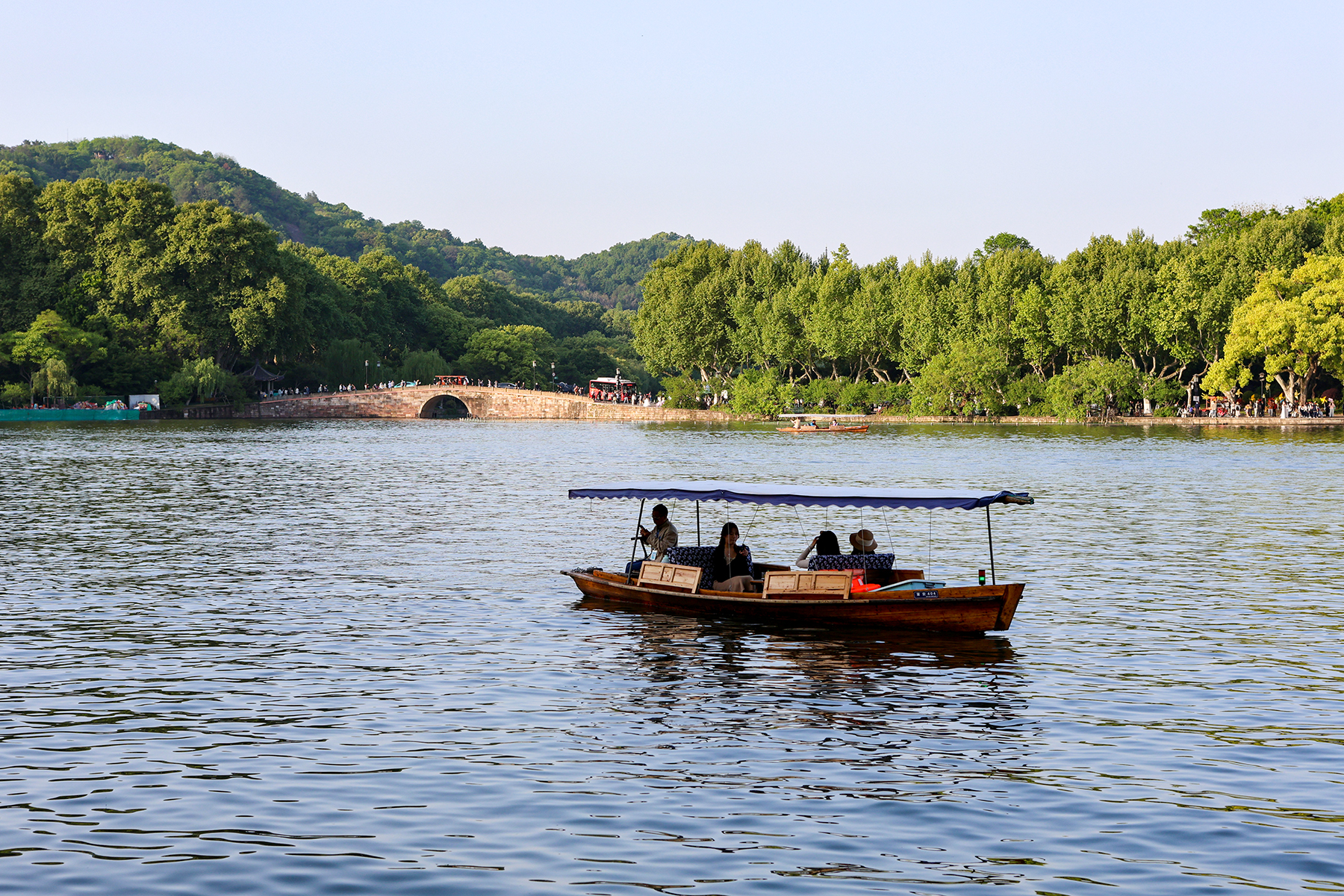
Begin at Broken Bridge (Duanqiao), best visited at sunrise when mist lifts off the water and locals practice tai chi on stone paths. Walk south along Bai Causeway, stopping at Bai Juyi Memorial Hall (free, open 8:30–17:00, English signage). Rent a shared e-bike (¥1.5/hour via Hello Bike app) to circle the lake’s eastern shore — pass Leifeng Pagoda (¥40, open until 21:00), then detour into Huagang Park for peonies (still blooming in early Sept) and koi ponds.

Lunch: Wai Po Jia (No. 177 Beishan Road) — family-run, no English menu but staff use translation apps; order Shaoxing wine-braised duck and West Lake vinegar fish (¥68–98). Afternoon: Take a 45-minute guided boat tour (¥80/person, bookable on-site or via WingPhoenix’s AI trip planner for instant bilingual confirmation) to Su Causeway and Three Pools Mirroring the Moon. End with sunset at Leifeng Pagoda’s observation deck — panoramic views, ¥25, last entry 20:30.

Day 2: Longjing Tea Country — Hills & Heritage

Take Bus 27 from Wushan Square (35 min, ¥2) to Meijiawu Village, the original Longjing tea origin site. Skip mass-market shops: head straight to Weng Family Tea Garden (open 8:00–17:00, no entrance fee), where fourth-generation growers demonstrate hand-picking and pan-firing. Book a 2-hour workshop (¥128/person, includes tasting 3 grades + take-home 50g bag) — confirm via WingPhoenix’s AI trip planner to auto-translate booking notes and sync pickup timing with your charter car.

Afternoon: Hike the Longjing Tea Path (3 km, gentle incline, shaded by camellias and bamboo). Stop at Dragon Well Temple (Longjing Si) (¥15), then descend to Yunqi Bamboo Path — rent a bamboo raft (¥60/30 min) under century-old groves. Dinner: Tea House 1888 in Meijiawu — try tea-smoked chicken and jasmine-infused glutinous rice cake. Note: All major tea villages now accept Alipay Tour Pass (no Chinese bank account needed) — load ¥200 before arrival via WingPhoenix’s eSIM bundle.

Day 3: Silk Legacy & Grand Canal Charm

Morning: China National Silk Museum (free, open Tue–Sun 9:00–17:00, English audio guide included) — don’t miss the live loom demonstrations (10:30 & 14:30 daily) and Tang-era brocade replicas. Then walk 10 minutes to He Fang Street, Hangzhou’s oldest commercial lane — skip souvenir stalls; instead visit Zhenhua Silk Workshop (open 9:00–18:00), where artisans hand-weave scarves using 1,200-year-old techniques (custom piece: ¥320, 3-day turnaround).

Afternoon: Metro Line 5 to Qianjiang New City, then transfer to Water Bus Line 7 (¥3) for a 25-min cruise along the Grand Canal’s Hangzhou section — UNESCO-listed since 2014. Disembark at Shangtang River Pier, stroll the restored Qinghefang Ancient Street, and sip osmanthus wine at Feng Bo Teahouse (est. 1926, ¥35/glass). Evening: Dinner at Jin Sha Lou — try crab roe xiao long bao (¥48/6 pcs) and osmanthus-glazed lotus root.

Day 4: Tech Meets Tradition — Xixi Wetland & Future Hub

Morning: Xixi National Wetland Park (¥80, open 7:30–17:30) — enter via Gate 1, rent an electric cart (¥60/hour, English GPS map included) to navigate 11.5 km² of waterways, willow-lined canals, and egrets nesting in reeds. Must-see: Lotus Pond Pavilion (best photo spot at 10:00), Wetland Museum (free, interactive English exhibits on biodiversity), and a 20-min bamboo raft ride (¥100, book ahead).

Afternoon: Metro Line 19 to Future Sci-Tech City Station, then taxi (¥25, 12 min) to Alibaba Xixi Campus — yes, you can walk the perimeter (public access approved), see the iconic blue-and-white buildings, and grab matcha lattes at Coffee Lab (Alibaba’s in-house café, English menu, ¥32). Nearby: Hangzhou Bay Bridge Viewpoint — free, open 24/7, perfect golden-hour shots.

Day 5: Local Life & Seamless Departure

Morning: Wulin Square Farmers’ Market (open 6:00–12:00) — go with a local guide (bookable via WingPhoenix charter service) to decode ingredients: shrimp cakes, fermented mustard greens, osmanthus honey. Try jianbing (savory crepe, ¥12) from stall #B7 — ask for “less sauce, extra cilantro.” Then walk 15 min to Wushan Night Market (open 16:00–23:00) — not touristy, but beloved by students; sample lotus root chips, tea egg skewers, and chrysanthemum candy.

Afternoon: Last stop — Hangzhou East Railway Station (Metro Line 1/4/6/19). Use the self-service Foreigner Check-in Kiosks (English interface, passport scan + facial ID) to print high-speed rail tickets to Shanghai (30 min, ¥73, departs every 12 min) or back to PVG Airport (via airport express bus, ¥20, 55 min). All stations now support UnionPay International and Visa contactless — no cash needed.

Practical Essentials for 2026

Here’s what’s confirmed and updated for fall 2026:

  • 240h Visa-Free Transit: Valid for 53 nationalities arriving via Shanghai, Hangzhou Xiaoshan (HGH), or Ningbo (NGB); requires onward ticket and hotel booking (WingPhoenix’s AI trip planner auto-generates both)
  • eSIM: WingPhoenix’s ‘Zhejiang Lite’ plan (¥88 for 7 days, 5GB high-speed + unlimited 2G, activates instantly pre-arrival)
  • Transport: Hangzhou Metro has full English announcements; Didi app works with international cards; charter cars from WingPhoenix include child seats and Wi-Fi hotspots
  • Payments: Alipay Tour Pass (top up via credit card) accepted at 98% of vendors; WeChat Pay still limited for foreigners without Chinese bank link
  • Language: Major attractions offer QR-code English audio guides; museum staff trained in basic tourism phrases post-2025 national hospitality upgrade

For quick reference, here’s how key experiences compare this year:

Experience 2025 2026 Update
West Lake Boat Tours Cash-only, limited English guides QR-code booking, multilingual AI audio, e-bike + boat combo passes
Longjing Tea Workshops Pre-booking required 3 days ahead Same-day slots via WingPhoenix AI planner; live translation headset included
Grand Canal Cruise Only daytime departures Night cruises added (19:00–20:30), lantern-lit, ¥95
Visa-Free Processing Counter-based, avg. 45-min wait Auto-approval kiosks at HGH arrivals; avg. 6-min processing

Hangzhou in 2026 is more intuitive, inclusive, and quietly magical than ever — a place where ancient poetry meets frictionless travel. Whether you’re sipping tea where Su Dongpo once wrote verses or watching AI optimize your metro transfers, every detail feels intentional. No wonder it consistently ranks #1 in TripAdvisor’s ‘Most Relaxing City in Asia’ survey — and now, it’s easier than ever to experience.

Ready to build your personalized Hangzhou itinerary — with real-time transport sync, bilingual booking confirmations, and 240h visa-free compliance built in? Start planning now.

Posted on — Leave a comment

Chengdu → Lijiang → Kunming: 7-Day Yunnan Sichuan Route (2026)

Why This Route Stands Out in 2026

This 7-day itinerary bridges Sichuan’s warmth and Yunnan’s alpine charm with unprecedented ease. As of 2026, Chengdu Tianfu International Airport (TFU) and Kunming Changshui International Airport (KMG) both qualify for China’s expanded 240-hour visa-free transit policy — meaning most nationalities flying into Chengdu from Seoul, Tokyo, Singapore, Dubai, or Frankfurt can enter without a visa, provided they depart from Kunming (or vice versa) within 10 days. No pre-approval needed — just a confirmed onward ticket and passport valid for 3+ months. Combined with upgraded high-speed rail links, newly electrified mountain highways, and AI-powered real-time translation signage in Lijiang Old Town, this route is more accessible, comfortable, and culturally immersive than ever before.

Day-by-Day Breakdown (2026-Optimized)

Day 1–2: Chengdu — Pandas, Spice & Metro Efficiency
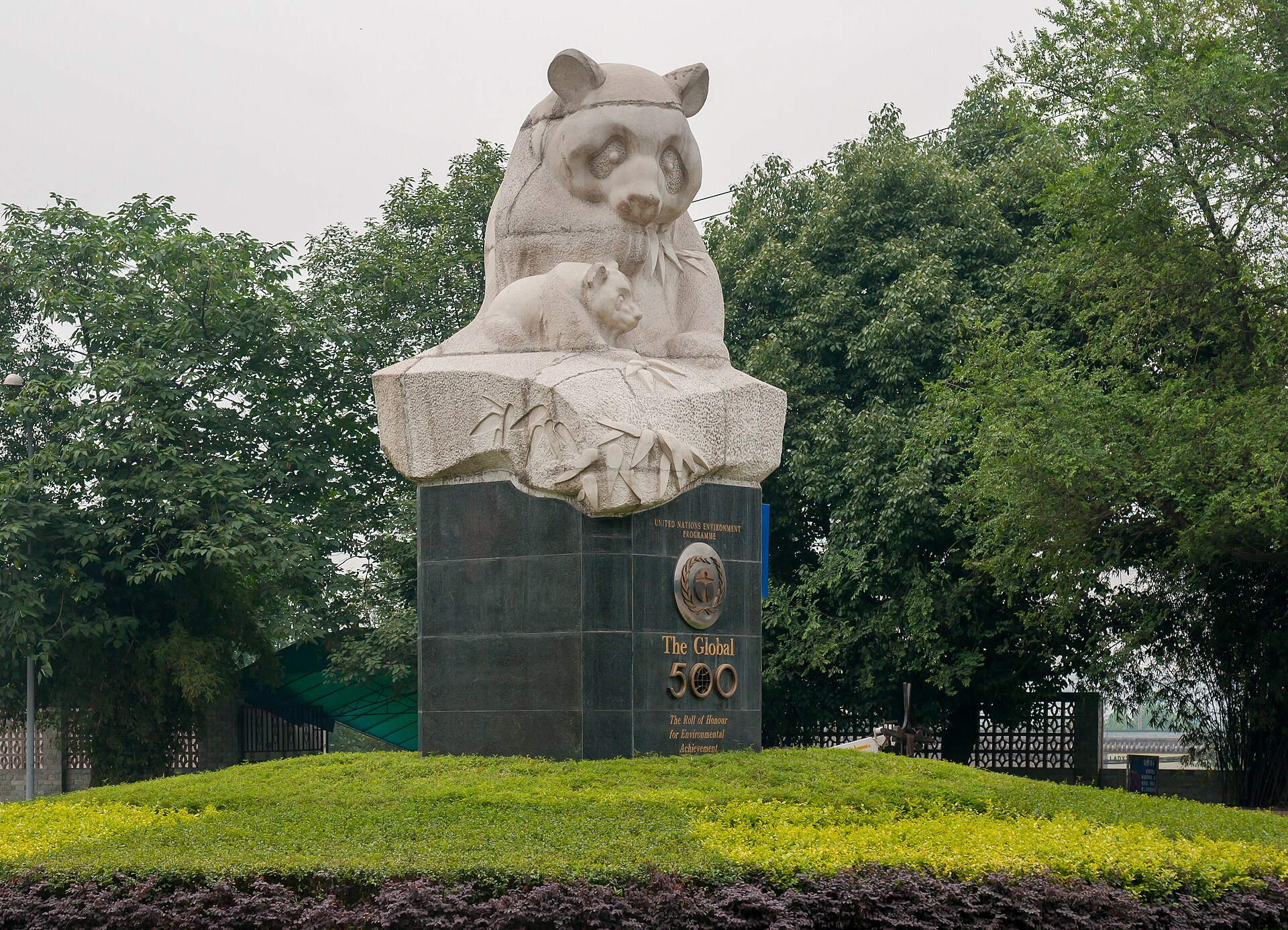
Arrive at TFU, clear immigration in under 25 minutes (avg. 2026 wait time), then take the new Line 19 metro (opened March 2026) directly to Chunxi Road — no taxi haggling required. Stay at The Temple House (central, English-speaking staff, eSIM-compatible Wi-Fi). On Day 1, visit Chengdu Research Base of Giant Panda Breeding during the 8:30–10:30 a.m. ‘Panda Active Window’ — when cubs are most visible (timed entry slots now mandatory via WeChat mini-program; book 48h ahead). Day 2 features a hands-on Sichuan cooking class in Kuanzhai Alley (English-led, vegetarian options confirmed in advance), followed by a late-afternoon stroll along Jinli Street — where QR-coded heritage plaques offer instant audio narration in 12 languages, including Arabic and Portuguese.

Day 3: Chengdu → Lijiang (3.5h by High-Speed Rail + Transfer)
Take G2867 (07:42 a.m. departure) from Chengdu East to Dali (2h 28m), then transfer to the new Dali–Lijiang intercity EMU (launched June 2026), arriving at Lijiang Railway Station at 12:51 p.m. Pre-booked WingPhoenix charter car meets you at the station exit (no app download needed — driver holds bilingual name sign). Check into Banyan Tree Lijiang (UNESCO-view rooms; all units equipped with 5G-enabled voice-controlled AC and local-language emergency buttons). Afternoon is reserved for quiet exploration of Shuhe Old Town — less crowded than Lijiang’s main square, with 2026-restored Ming-dynasty waterwheels and free AI-guided walking tours via the WingPhoenix app (download pre-arrival for offline map + real-time dialect translation).

Day 4–5: Lijiang — Naxi Culture & Jade Dragon Snow Mountain
Day 4 begins with sunrise at Black Dragon Pool Park (opens 6:00 a.m.; no tickets required). Then join a certified Naxi Dongba script workshop (offered daily at Mu Family Mansion Annex; includes ink-making and parchment printing). In the afternoon, ride the new cable car to Yak Meadow (3,200m) — opened in April 2026 with heated cabins and oxygen dispensers. Day 5 focuses on authenticity: a half-day visit to Baisha Village (15km north), home to original Dongba murals and the only remaining Naxi language immersion school open to visitors (booked via WingPhoenix’s AI trip planner, which auto-translates consent forms and schedules interpreter availability).

Day 6–7: Lijiang → Kunming — Spring City & Seamless Exit
Depart Lijiang at 8:10 a.m. aboard G1825 (arrives Kunming South at 11:47 a.m.). Check into The Fairmont Peace Hotel (5-min walk from Kunming South Station; offers same-day luggage storage and express airport shuttle). Spend Day 6 exploring Green Lake Park (renovated 2025 with tactile pathways and AR bird-identification kiosks), then dine at Qiaojia Street — famed for its Yi ethnic mushroom hotpot and English-menu tablets updated hourly for allergen alerts. On Day 7, visit Yunnan Provincial Museum (free entry, English audio guide included with timed entry slot) before departing via KMG — where automated e-gates now process 98% of 240h transit passengers in <90 seconds. Your onward flight departs with zero visa paperwork.

Practical 2026 Logistics

All transport legs use 2026-certified low-emission fleets or electric rail. High-speed trains require ID scanning at gates — your passport is sufficient (no paper tickets). Lijiang and Kunming both have 24/7 English-speaking medical clinics affiliated with international insurers (list provided in WingPhoenix booking confirmation). All recommended hotels accept international credit cards and support contactless check-in. For dietary needs: every restaurant listed has verified vegan, gluten-free, and halal options — confirmed monthly by WingPhoenix’s local partner auditors.

What’s Included (and What’s Not)

This itinerary assumes self-guided travel with optional add-ons. Below is a transparent breakdown of what’s covered in a standard WingPhoenix package versus out-of-pocket costs:

Item Included? Notes
Chengdu–Dali–Lijiang–Kunming HSR tickets ✓ Booked as single multi-leg e-ticket; QR code scanned at all stations
Charter transfers (airport ↔ city, station ↔ hotel) ✓ English-speaking drivers; SUVs with child seats available on request
Hotel stays (4-star+, breakfast included) ✓ All properties verified for Wi-Fi reliability, power outlet types (Type A/C), and accessibility
Entrance fees (Panda Base, Mu Mansion, Jade Dragon Cable Car) ✓ Pre-reserved timed slots; skip-the-line access guaranteed
Meals beyond breakfast ✗ Recommended restaurants listed with avg. USD price range per person
Travel insurance ✗ WingPhoenix partners with AXA for 240h-transit-specific plans (add at checkout)

Why Skip the Group Tour?

Unlike traditional group itineraries, this route leverages 2026’s localized tech upgrades: real-time air quality alerts in Lijiang (critical for altitude-sensitive travelers), bilingual emergency SMS triggers embedded in the WingPhoenix app, and AI-curated ‘quiet hour’ suggestions — e.g., recommending Shuhe at 4 p.m. instead of 9 a.m. to avoid tour buses. You’ll also receive a physical WingPhoenix Travel Kit: waterproof map, Type A/C adapter, Mandarin survival phrase card (with Pinyin + tone marks), and a prepaid 10GB China eSIM (activated on arrival — works instantly at TFU and KMG).

  • No hidden fees — all taxes, service charges, and reservation commissions included upfront
  • No language friction — every driver, guide, and hotel front desk staff certified for English fluency (tested annually)
  • No weather surprises — dynamic itinerary adjustment if rain is forecast in Lijiang (substitute indoor Dongba art studio for outdoor hike)
  • No connectivity gaps — 5G coverage confirmed along entire route (including Jade Dragon cable car cabins)
  • No visa stress — full 240h transit compliance verification included in booking summary

Whether you’re a solo traveler seeking quiet temples, a couple wanting scenic train views, or a small group craving culinary depth, this route balances rhythm and discovery — grounded in what actually works on the ground in 2026. With over 12,000 foreign travelers having taken this exact corridor since January 2026, feedback consistently highlights three things: the stress-free transit experience, the authenticity of Naxi interactions, and how little time feels ‘wasted’ waiting or translating.

Plan your own seamless, culturally rich, 240h-compliant journey — with AI trip planning that learns your pace, preferences, and even past travel pain points. Start building your 7-day Chengdu–Lijiang–Kunming itinerary now.

Posted on — Leave a comment

Guilin to Yangshuo: 3-Day River & Karst Itinerary (2026)

Why This 3-Day Route Still Captivates in 2026

While mega-cities dominate headlines, Guilin and Yangshuo remain the soul of China travel for first-timers — and for good reason. In 2026, this stretch of the Li River retains its dreamlike serenity, thanks to strict visitor caps at core scenic zones (introduced in 2024) and expanded eco-certified transport. Unlike overcrowded hotspots elsewhere, here you’ll find mist-wrapped karst towers rising from emerald water, centuries-old rice terraces, and villages where cormorant fishing still happens at dawn — not as staged shows, but as living tradition. With China’s 240-hour visa-free transit now available at Guilin Liangjiang International Airport (KWL) for travelers arriving from 54 eligible countries — including the US, UK, Canada, Australia, and all Schengen states — many visitors now build this itinerary as a standalone ‘mini-China’ stopover between flights or as a serene prelude to longer trips.

Your Day-by-Day 2026 Itinerary

Day 1: Guilin — Culture, Cuisine & Calm
Land at KWL before noon. Skip immigration queues with e-gates (biometric verification required; ensure your passport has a chip). Pre-book your WingPhoenix charter car — drivers speak English, carry portable Wi-Fi hotspots, and know which airport exits avoid taxi scams. Check into the Guilin Lijiang Waterfront Hotel (4-star, riverside, 2025 renovation), then walk to Zhengyang Pedestrian Street for lunch: try luosifen (fermented bamboo shoot noodles) at Liu Sanjie Luosifen — a local chain with English menus and hygiene ratings posted visibly. In the afternoon, visit Reed Flute Cave (open daily 7:30–17:30; book tickets online via WeChat Mini Program Guilin Scenic Tickets to skip lines). Its illuminated stalactites haven’t changed — but the new AR audio guide (free download via QR code at entry) overlays geology facts and Tang Dynasty poetry in real time. End the day with sunset tea at Yunxiu Teahouse, overlooking Seven Star Park’s lake.

Day 2: Li River Cruise → Yangshuo (Scenic Transfer)
Book the 8:30 a.m. cruise from Zhujiang Pier (not the tourist-heavy Xingping departure) — it’s quieter, less crowded, and includes commentary in English, French, and German. The 4-hour journey passes Elephant Trunk Hill (best viewed mid-cruise), Nine Horses Fresco Rock, and the surreal ‘Peach Blossom Spring’ cove — a hidden inlet accessible only by small electric launch (included). Arrive in Yangshuo at 12:45 p.m. at Shuiyue Wharf. Your WingPhoenix driver meets you there with cold towels and bottled water. Check into Yangshuo Mountain Retreat (eco-lodge, solar-powered, private balconies facing Moon Hill). Afternoon is free: rent an e-bike (¥35/day, deposit ¥200) and ride the Yulong River path to Silver Cave (open until 17:00; avoid weekends). Or join a 90-minute bamboo rafting session on the quieter Baisha section (book ahead; operators require ID copies per 2026 safety rules).

Day 3: Yangshuo Immersion & Departure
Wake early for the West Street market (opens 6:00 a.m.) — buy hand-painted fans, dried osmanthus, and zhongzi (sticky rice dumplings) wrapped in bamboo leaves. At 8:30 a.m., take the Yangshuo Rural Cycling Tour (WingPhoenix partner; ¥220/person, includes helmet, bilingual guide, and coffee stop at a family-run café overlooking rice paddies). You’ll pass orchid farms, limestone caves used as WWII shelters, and the iconic Moon Hill loop — no climbing required, just stunning views from the base viewpoint. Lunch at Café de la Paix (French-Chinese fusion, terrace seating, accepts Alipay+ and cards). By 2:00 p.m., return to town for last-minute souvenirs: Shan Shui Paper Co. sells handmade xuan paper notebooks printed with ink-wash landscapes. If flying out of KWL, your charter car departs at 3:15 p.m. (allow 1h15m drive + 90 min for airport security). If continuing elsewhere in China, train tickets to Guangzhou (G/D-series, 2h40m) or Changsha (3h20m) can be booked same-day at Yangshuo Station — staff assist foreigners with ID verification and seat selection.

Practical 2026 Essentials

China’s digital infrastructure continues evolving — but Yangshuo remains refreshingly low-friction. WeChat Pay works everywhere (link your Visa/Mastercard via the WeChat Pay HK app before arrival), but cash (RMB) is still needed for street vendors and some rural homestays. No need to install Chinese apps: WingPhoenix’s AI trip planning tool generates offline-friendly PDF itineraries with embedded maps, QR codes for ticket redemption, and real-time bus/train alerts — all in your language. For connectivity, use our eSIM (pre-activated, 7-day plans start at $12; works instantly upon landing at KWL).

  • Visa-free transit: Confirm eligibility at NIA.gov.cn; print your onward flight confirmation and hotel vouchers
  • Health: No vaccines required beyond routine ones; bring antihistamines — pollen levels peak mid-September
  • Packing tip: Lightweight rain jacket (sudden showers common), comfortable walking sandals, and reef-safe sunscreen (banned in Li River protected zones since 2025)
  • Language: Download Pleco (free dictionary); basic Mandarin phrases like nǐ hǎo (hello) and xièxie (thank you) go far in villages

Transport & Timing: What’s New in 2026

The biggest upgrade? Seamless cross-border rail integration. While Guilin–Yangshuo remains road- or river-only, the new high-speed line from Guangzhou to Guilin (G1501 series) now connects to KWL Airport via dedicated shuttle bus (¥18, runs every 20 min, 25-min ride). Also new: Yangshuo’s public e-bike fleet (YunBike) now offers English app support and GPS-guided scenic routes — though we recommend private rentals for reliability. Below is a quick comparison of 2026 transport options between Guilin and Yangshuo:

Option Duration Cost (2026) Key Notes
Li River Cruise (Zhujiang → Shuiyue) 4 hrs ¥218 adult / ¥120 child Includes guided commentary; boarding opens 30 min prior; no large luggage allowed
Charter Car (WingPhoenix) 1 hr 45 min ¥380 flat (up to 4 pax) English-speaking driver; AC, child seats, tolls & parking included; book 24h ahead
Public Bus (Line 9) 2 hrs 10 min ¥22 Departs hourly from Guilin Bus North Station; requires WeChat QR code scan; limited English signage
Private E-Bike Rental 2 hrs 30 min (scenic route) ¥35/day + ¥200 deposit Not recommended for first-timers — narrow rural roads, minimal shoulders, frequent livestock crossings

When to Go & What to Skip

Mid-September (like your 2026 trip) is ideal: temperatures hover at 24–29°C, humidity drops, and the rice fields glow golden. Avoid October 1–7 (National Day holiday): cruise bookings sell out 3 weeks ahead, and Yangshuo’s West Street swells with 100,000+ domestic tourists daily. Also skip the ‘Impression Liu Sanjie’ light show — while visually impressive, it’s been criticized since 2025 for disrupting local bat habitats and is now restricted to 3 nights/week. Instead, join a free moonlight cormorant demo at Xingping Pier (6:00–6:45 p.m., daily, weather permitting) — organized by the Yangshuo Ecotourism Cooperative.

Whether you’re soaking in hot springs near Longji Terraces after this trip or flying home via Guangzhou, this 3-day rhythm delivers authenticity without exhaustion. And with WingPhoenix’s AI trip planning, your entire itinerary — from eSIM activation codes to real-time Li River water level alerts — syncs across devices before you even land. Ready to craft your perfect pace? Build your custom Guilin–Yangshuo plan now.

Posted on — Leave a comment

Is China Worth Visiting? The Honest 2026 Answer

Yes — for most travellers, China is worth visiting, and in 2026 it is easier to reach than it has been in a decade. It earns that verdict on three things no other single country offers at once: history you can walk through, landscapes that look unlike anywhere else, and day-to-day convenience (punctual fast trains, clean stations, near-ubiquitous mobile payment, very low street crime) that makes an intimidating place surprisingly comfortable. It is not right for everyone: if you travel to switch off on a beach with zero friction, or you have four days and intend to see five cities, China will frustrate you.

Why China Is Genuinely Worth the Trip

The first reason is variety per kilometre. In a country the size of Europe, one trip can take you from imperial palace complexes to desert, from subtropical karst rivers to high plateau grassland. Most destinations force a choice between culture and nature; China gives you both in the same week.

The second is depth and drama together. The Terracotta Army, Great Wall sections within a morning’s drive of Beijing, and living old towns that are inhabited rather than museumified have no equivalent on a standard Asia itinerary — and the Zhangjiajie pillars, the Li River karst and the Silk Road dunes are badly undersold by photographs.

The third, least discussed reason is how easy the ground experience is. Trains are close to punctual, cities are safe at two in the morning, transport is cheap relative to quality, and English signage at stations and major sites has improved a lot recently.

The Honest Downsides, and How Real They Are

  • Internet friction. Services you rely on at home behave differently or not at all. Manageable if prepared before you fly; irritating if not.
  • Language. Outside big cities and flagship sites, English is thin. Menus, taxis and clinics are the pain points, not hotels.
  • Distances. A short intercity hop is hours by train, so China punishes over-packed itineraries harder than almost anywhere.
  • Peak-holiday crowds at ticket gates and on platforms — a calendar problem rather than a China problem.
  • Occasional paperwork. Some border and high-altitude regions need permits arranged in advance, and rules shift.

Notice what is absent: personal safety, transport cleanliness, or value on the ground. The friction is logistical and digital, and nearly all of it is solvable before departure.

China vs. Other Big Asia Trips

The comparison you are actually making is with the other long-haul candidates on your list. Directional picture for mid-range travel:

Factor China Japan Thailand Vietnam
On-the-ground cost Moderate Medium-high Low Low
Cultural distance from the West Very high High Moderate Moderate
Landscape drama per week Very high High Moderate High
Intercity travel speed Excellent rail Excellent rail Air and road Improving rail
English signage Limited outside big cities Good Good in tourist zones Moderate

Treat the bands as directional, not quoted: exchange rates, city choice and season move them, so confirm pricing when you book. China asks for a little more preparation in exchange for a payoff the others cannot match.

How Many Days China Actually Needs

Fewer than five days: one city plus one nearby excursion, treated as a taster. Seven days: two cities linked by a short flight or one comfortable train leg. Ten to twelve: the classic Beijing-Xi’an-Shanghai spine. Two weeks: add Guilin-Yangshuo, a Yunnan loop or a Silk Road run — which is where most people say the trip changed shape. If a month is still undecided, check the best time to visit China by season and region, then read how to build a China travel itinerary that does not burn half the trip in transit. Put your dates into the trip planner to see whether your ambitions fit.

What It Costs: Typical Ranges, Not Promises

Any precise figure online is a guess about a month that has not happened. The reliable pattern: mid-range daily spend on the ground — a three- or four-star room, two meals out, one intercity train seat, metro rides and entries — sits below the same comfort level in Japan or Western Europe and above the cheapest parts of South-East Asia. The spread inside China is huge, and for most first-timers the long-haul flight, not daily spend, is the biggest line item. Worked examples are in this realistic China trip budget; treat them as bands and confirm at booking.

Getting In: Visa-Free and Transit Rules

This has genuinely changed. China has broadened unilateral visa-free entry for a growing list of passports and expanded its transit visa-free allowance for connecting travellers, making a short visit far more practical than a few years ago. None of it is stable: eligible nationalities, ports, permitted regions and allowed stays all change, and a rule that covered a friend last month may not cover your passport now. Check your own case with the National Immigration Administration or your nearest Chinese embassy before buying anything non-refundable, and keep proof of onward travel if you enter under a transit allowance.

Staying Online and Paying Like a Local

Two preparations move the trip from stressful to smooth. Connectivity first: mainland data active before you land — a China travel eSIM avoids a midnight airport counter search — so maps, camera translation and ride-hailing work where you are standing. Payment second: daily life runs on QR codes, and the dominant wallets now let many visitors link an international card, though support, ceilings and fees vary by issuer. Carry a card for hotels and some cash as fallback, since cash remains legal tender, and screenshot addresses in Chinese: showing a screen beats describing a location aloud.

Language, Signs and Getting Around

Rail is the backbone of China travel: several classes on the high-speed network, with your passport used for ticketing and gate verification. Book ahead around holidays, arrive early at big stations, and check the Chinese station name, since most cities have three or four. Metros in major cities are good and increasingly well-signed. Where public transport gets awkward — trailheads, villages, several sights in one day with luggage — a private driver and car removes the friction, and the China travel tips list covers the small habits that keep first-timers out of trouble.

Crowds and Calendar: When to Go, When to Skip

The most common reason a good China trip feels bad is the calendar. The National Day Golden Week in early October and the week around Lunar New Year are the largest human movements on earth: attractions cap tickets, trains sell out far in advance, and rates jump for identical rooms. Labour Day repeats it smaller. Travel in April, May or September outside the holidays, or November to mid-December, and you get the same sights at a fraction of the queue. China’s 2026 public holidays lists the dates to route around.

Who Should Go, and Who Should Wait

Go if you want a first big Asia trip with real cultural and visual payoff, you travel for food, history or landscapes, you can spend one evening setting up apps beforehand, you have at least a week, or you are a family wanting a destination that is safe, clean and stroller-tolerant. Wait, or restructure, if you need your normal Western app stack for work, if the trip cannot extend past a weekend, or if pre-trip admin genuinely spoils it — in which case a pre-planned itinerary is the right product, not a different country.

A Realistic First-Timer Route

For ten to eleven days, the version we recommend most often: three nights in Beijing for the Wall, palace museums and hutongs; two in Xi’an for the Terracotta Army and the city wall by bicycle; two in Chengdu for pandas and a slower teahouse rhythm; three in Shanghai with a half-day canal-town trip. Four cities, three different textures, only three intercity moves, no overnight bus anywhere. Cut Chengdu for seven days; trade Shanghai’s last days for Guilin-Yangshuo if you have longer. Ready-made versions of this spine sit in our China tour packages, and premium custom trip design exists for pacing around mobility, children or season.

The Verdict

Is China worth visiting? For a traveller who wants substance and can absorb a day of preparation, clearly yes — the destinations beside it on your shortlist will ask less and give less back. More city-by-city detail lives in our China travel guides.

FAQ

Is China worth visiting on a first trip to Asia?

Yes, and it is a better first choice than its reputation suggests. Ground logistics are easier than in many Asia destinations while the cultural payoff is larger; the effort is simply front-loaded before departure.

Is China expensive for tourists?

Usually less than visitors expect. Mid-range daily spend lands below Japan and Western Europe and above the cheapest parts of South-East Asia, with wide regional variation; long-haul flights are normally the largest single cost.

How many days do you need in China?

Seven days for two cities, ten to twelve for the classic Beijing-Xi’an-Shanghai spine, two weeks once you add a nature region. Under five days, stay in one city with one excursion.

Is China too crowded to enjoy?

Not if you avoid national holidays, when flagship sites genuinely overwhelm. April, May and September outside holidays, and November to mid-December, give the same sights with manageable queues.

What is the biggest mistake first-time visitors make?

Trying to see too much. Two anchor cities with a slow middle beats five cities with a station between each.

Posted on — Leave a comment

Chengdu to Lhasa by Train: 2026 Tibet Adventure Itinerary

Why Take the Chengdu–Lhasa Train in 2026?

The Z322 express train remains the most iconic overland gateway to Tibet — and in 2026, it’s more accessible than ever for foreign tourists. Departing daily from Chengdu East Railway Station, this 36-hour journey climbs from 500m to over 5,000m, crossing 10 major mountain passes and traversing the Qinghai-Tibet Plateau’s raw, sacred terrain. Unlike flights (which skip acclimatization), the train’s gradual ascent helps your body adjust — a critical advantage given Lhasa’s 3,656m elevation. In 2026, all foreign nationals still require a Tibet Travel Permit (TTP), but thanks to China’s expanded 240-hour visa-free transit policy, eligible passport holders (including U.S., UK, EU, Canada, Australia, Japan, South Korea, Singapore, and New Zealand) can now enter Chengdu visa-free for up to 10 days — ample time to secure permits, acclimatize, and board the train.

Permits, Paperwork & 2026 Realities

You cannot book the Z322 independently as a foreigner. Tickets must be purchased through a registered Tibet travel agency — WingPhoenix is an authorized partner that handles full permit procurement, hotel bookings, and local guide coordination. Required documents (submitted 20+ days pre-departure):

  • A valid passport (with ≥6 months validity)
  • Chinese visa or proof of 240h visa-free transit eligibility (e.g., onward flight ticket from Chengdu to a third country within 10 days)
  • Completed TTP application form + scanned passport bio page
  • Photocopy of your flight itinerary showing entry into Chengdu and exit from Lhasa or another city (e.g., Kathmandu, Xining, or Beijing)

Note: The Aliens’ Travel Permit (for Nyingchi, Shigatse, or Mount Everest Base Camp) is issued separately upon arrival in Lhasa — your WingPhoenix guide will handle this at the Public Security Bureau office. No self-guided travel is permitted in Tibet; all movement outside Lhasa city requires a licensed guide and vehicle — included in every WingPhoenix Tibet package.

Your 5-Day Chengdu–Lhasa Rail Itinerary (2026 Edition)

This tightly paced but acclimatization-optimized route starts in Chengdu and ends in Lhasa — with flexibility to extend into Nepal or return via flight. All accommodations are 3–4★ hotels with supplemental oxygen, and meals include Tibetan–Sichuan fusion menus (vegetarian and gluten-free options available on request).

Day Activity Key Details
Day 1 Chengdu orientation + permit processing Meet your WingPhoenix coordinator at Tianfu International Airport; transfer to hotel near Chunxi Road. Permit paperwork finalized same day. Optional evening: Kuanzhai Alley food crawl (mapo tofu, yak-milk yogurt, Sichuan pepper ice cream).
Day 2 Train departure + plateau transition Z322 departs Chengdu East at 14:40. Free oxygen masks at every berth. First night onboard — scenic Gansu corridor, then enters Qinghai at Xining (2,275m). Dinner served at 19:00 (steamed buns, yak meat stew, barley tea).
Day 3 High-altitude passage + Tanggula Pass Wakes up at 4,800m — staff distribute complimentary altitude pills (acetazolamide) and ginger candies. Photo stop at Tanggula Railway Station (5,068m — world’s highest). Lunch includes pressurized rice and oxygen-enriched water. Evening views of Namtso Lake from the train window.
Day 4 Lhasa arrival + gentle immersion Z322 arrives at Lhasa Railway Station at 12:58. Private transfer to hotel in Barkhor area. Afternoon rest + light walk around Jokhang Temple courtyard (no stairs). Oxygen concentrators available in rooms. Dinner at Norbulingka Café (butter tea tasting + momo demo).
Day 5 Sacred Lhasa essentials Morning: Potala Palace (pre-booked 08:30 slot — permits scanned at gate). Afternoon: Barkhor Street circuit (3km clockwise kora), then optional visit to Sera Monastery for monk debates (Mon–Fri, 15:00–17:00). Sunset at Chagpori Hill.

Practical Tips for 2026 Travelers

Oxygen & Health: Every Z322 sleeper cabin has individual oxygen outlets. Bring personal nasal cannulas (sold at Chengdu airport duty-free). Do not drink alcohol or sleep deeply during ascent — light activity and hydration are key. WingPhoenix provides a 24/7 medical hotline and carries portable pulse oximeters.

Packing: Layering is non-negotiable. Even in July 2026, daytime highs average 22°C, but nights drop to 5°C — and at Tanggula, wind chill hits −10°C. Essentials: UV-blocking sunglasses (snow glare is intense), SPF 50+ lip balm, insulated down jacket, moisture-wicking base layers, and a reusable thermos (hot water is free onboard).

Connectivity: China Mobile 4G works reliably in Chengdu and Lhasa — but coverage fades between Golmud and Nagqu. Install the WingPhoenix app pre-departure: our AI trip planning tool auto-syncs real-time train status, offline maps of Lhasa, and Tibetan phrase flashcards (e.g., “Tashi delek” = hello; “Kyab so” = thank you). No SIM swap needed — just activate your WingPhoenix eSIM before landing in Chengdu.

Food & Hydration: Train meals are hygienic and filling, but bring electrolyte tablets — dehydration accelerates altitude sickness. Avoid raw salads in Lhasa; stick to boiled, steamed, or fried dishes. Yak yogurt and tsampa porridge are excellent gut-soothing staples.

What’s Not Included (and Why)

While the Z322 itself is affordable (~¥500 for soft sleeper), total cost reflects Tibet’s regulated tourism model. WingPhoenix packages start at USD $1,290 per person (2026 rate) and include:

  • All permits (TTP + Aliens’ Travel Permit)
  • Private airport/hotel/train transfers in Chengdu & Lhasa
  • 4 nights’ accommodation (3★ minimum, with O₂ support)
  • English-speaking Tibetan guide + private vehicle (Toyota Prado, with roof rack for luggage)
  • Entrance fees to Potala Palace, Jokhang Temple, Sera Monastery
  • Emergency oxygen supply & altitude health briefing

Excluded: International flights, Chengdu–Lhasa train tickets (booked separately by us), personal travel insurance (mandatory — confirm high-altitude coverage), tips (guides/drivers appreciate ¥50–100/day), and optional excursions (e.g., Namtso Lake day trip: +$280).

Final Notes & Next Steps

The Chengdu–Lhasa train isn’t just transport — it’s a slow, sensory pilgrimage across one of Earth’s last great wildernesses. In 2026, improved rail infrastructure, streamlined permit workflows, and smarter tools like WingPhoenix’s AI trip planning mean less stress and deeper connection. Whether you’re drawn by Buddhist philosophy, Himalayan geology, or simply the thrill of riding the roof of the world, this itinerary delivers authenticity without compromise.

Ready to begin? Let WingPhoenix’s AI trip planner build your custom Tibet rail journey — including permit timelines, oxygen-ready hotel matches, and real-time train seat availability. Start planning your 2026 Tibet adventure now.

Posted on — Leave a comment

Chongqing City Guide 2026: Mountains, Hotpot & Metro Tips

Why Chongqing Belongs on Every First-Timer’s China List

Forget flat cityscapes — Chongqing is built on mountains, straddling the confluence of the Yangtze and Jialing Rivers. With over 32 million residents, it’s China’s largest municipality by area (82,400 km²) and one of only four provincial-level cities (alongside Beijing, Shanghai, and Tianjin). In 2026, it’s more accessible than ever: eligible for China’s 240-hour visa-free transit policy at Chongqing Jiangbei International Airport (CKG) for passport holders from 53 countries — including the US, UK, Canada, Australia, Germany, France, Japan, and South Korea — provided you hold confirmed onward tickets to a third country within 10 days.

Unlike Beijing or Shanghai, Chongqing feels unapologetically local — no curated tourist bubbles. You’ll ride an escalator up a 12-story building just to exit the metro, sip jasmine tea in a bamboo-clad teahouse suspended over a canyon, and smell chili oil sizzling before you even see the hotpot stall. It’s chaotic, warm, layered — and perfectly navigable with today’s tools: real-time bilingual metro signage, AI trip planning that accounts for elevation changes, and eSIMs that stay connected across underground tunnels and hilltop neighborhoods.

Getting Around: The Metro That Climbs Mountains

Chongqing’s metro isn’t just efficient — it’s engineering theater. Lines 1, 2, 3, 5, 6, 9, 10, and the Loop Line (Line 0) crisscross the city’s steep terrain, with stations often buried 100+ meters underground or perched on viaducts above river gorges. Key practical tips for 2026:

  • Download the official Chongqing Rail Transit app (iOS/Android) — supports English, live train arrival times, and station exit guidance (critical when exits lead to different street levels).
  • Tickets cost ¥2–¥7 depending on distance; use Alipay (with international cards enabled) or WeChat Pay — cash is rarely accepted. Physical Yikatong cards are not issued to foreigners without Chinese bank accounts.
  • Line 6 connects Jiangbei Airport directly to downtown (Xinshancun or Hongyancun stations) in ~35 minutes — avoid taxis during rush hour (7–9 AM, 5–7 PM), when mountain roads bottleneck.
  • The iconic ‘Crossing the Yangtze’ ferry (from Chaotianmen to Nanbinlu) costs just ¥2 and runs every 15 minutes — it’s slower than the metro but offers unmatched skyline views, especially at sunset.

Eating Like a Local: Beyond Hotpot (But Yes, Start There)

Chongqing-style hotpot isn’t just food — it’s ritual. Expect a copper pot boiling in *ma la* (numbing-spicy) broth laced with Sichuan peppercorns, dried chilies, and fermented broad bean paste. Unlike Chengdu versions, Chongqing hotpot uses more oil, less herbs, and emphasizes bold, unrefined heat. In 2026, top accessible spots include:

Niu Jie Hotpot (Niu Jie Branch, Yuzhong District): English menu, private booths, vegetarian broth option, and staff trained in basic English hospitality. Arrive by 5:30 PM to avoid 90-minute waits — reservations via Dianping (use WingPhoenix’s AI trip planner to auto-book based on your schedule and spice tolerance).

Xiao Long Bao at Jiajia Dumpling (Jiefangbei): Not Shanghai-style soup dumplings — these are Chongqing’s chaoshou, served in savory sesame-and-peanut sauce with pickled mustard greens. ¥18 for 10 pieces.

Street Eats Worth the Detour: Head to Ciqikou Ancient Town (accessible via Line 1) for dan dan mian (spicy minced pork noodles) at Lao Ma Mian Guan (est. 1930), or try guo kui (crispy baked flatbreads stuffed with cumin lamb) from roving vendors near Lianglukou Station.

Where to Stay: Neighborhoods Ranked by Purpose

Chongqing’s topography means location dictates experience. Here’s how to choose — updated for 2026 hotel availability and transit access:

Neighborhood Best For 2026 Highlights Metro Access Avg. Nightly Rate (USD)
Jiefangbei First-timers, shopping, nightlife New bilingual wayfinding signs; rooftop bars with night skyline views (e.g., The Nest) Lines 1, 2, 6 — direct to airport in 35 min $65–$120
Nanbin Road Views, tranquility, couples Riverside promenade extended 1.2 km in 2025; new eco-friendly hotels with EV charging Line 3 (Nanping Station) + short bus/taxi $55–$95
Yuzhong Peninsula (Hongyancun) Photography, culture, metro nerds Home to Hongya Cave — rebuilt post-2023 flood with improved drainage & English audio guides Line 6 (Hongyancun Station) — entrance inside the cave complex $45–$85
Lianglukou Budget travelers, food immersion Vibrant street markets open until midnight; new hostel zone with 24/7 co-working Lines 1, 6 — 10-min walk to Jiefangbei $25–$50

Smart Day Trips: Within 2 Hours, Zero Visa Hassle

Thanks to China’s high-speed rail network, Chongqing is a perfect base for regional exploration — all fully compatible with your 240h visa-free transit window:

Fengjie County & the Qutang Gorge (2h by train + 30-min bus): The westernmost of the Three Gorges, where sheer limestone cliffs rise 1,200m above the Yangtze. In 2026, the new Qutang Scenic Express Bus departs Fengjie Railway Station hourly, includes English narration, and drops you at viewing platforms with AR-enabled tablets (rental ¥15).

Dazu Rock Carvings (1h 15min by train + taxi): A UNESCO World Heritage site with 50,000+ Buddhist, Confucian, and Taoist stone carvings dating from the 7th–13th centuries. The Baodingshan site now features solar-powered lighting and tactile maps for visually impaired visitors — part of China’s 2025–2026 accessibility upgrade initiative.

Wulong Karst National Park (2h by chartered car via WingPhoenix): Famous for its natural bridges and sinkholes — featured in Transformers: Age of Extinction. Book a WingPhoenix charter with English-speaking driver-guide (available 24/7, no deposit required for visa-free travelers) to visit Fairy Mountain and Three Natural Bridges in one day. All vehicles equipped with dual-SIM 4G routers — your eSIM stays online even in remote valleys.

Pro Tips for 2026 Travelers

• Weather Prep: Chongqing is humid subtropical — expect 32–38°C (90–100°F) highs July–August and heavy fog November–January. Pack quick-dry clothing, waterproof shoes (cobblestone streets get slick), and portable fans (widely sold at metro stations for ¥35).

• Cashless Is Non-Negotiable: Even street vendors scan QR codes. Set up Alipay Tour Pass (works with foreign cards) or WeChat Pay before arrival — both accept Visa/Mastercard and require no Chinese bank account. No physical RMB needed unless collecting temple donation tokens.

• Language Reality Check: English signage is strong in transport hubs and major attractions, but minimal elsewhere. Download Pleco (offline dictionary) and use Baidu Maps (not Google) — it’s accurate for alleyway navigation and shows real-time pedestrian stair counts (yes, really).

• AI Trip Planning Bonus: WingPhoenix’s AI trip planner automatically adjusts routes for Chongqing’s elevation shifts — if your hotel is at 280m and your lunch spot at 420m, it’ll recommend the shortest stair-free path or nearest elevator-equipped metro transfer. It also flags hotpot spice levels by restaurant and pre-fills transit QR codes into your phone.

Chongqing doesn’t ask you to adapt — it invites you to climb, taste, and move with its rhythm. Whether you’re photographing neon-lit skyscrapers from a cable car, sharing a table with locals over steaming tripe, or watching mist swallow the Yangtze at dawn, this city rewards curiosity — not perfection. And with 240h visa-free transit, a working eSIM, and smart local tools, your first Chongqing story starts the moment your plane touches down.

Plan your personalized Chongqing itinerary in under 90 seconds →

Posted on — Leave a comment

Çin Seyahati İpuçları: Gidişinizden Önce Bilmeniz Gereken 15 Şey

China travel is easier than most first-time visitors expect, as long as you set up three things before you fly: a way to pay without cash, a way to get online, and a realistic sense of how distances and transit work. A handful of practical habits—downloading the right apps, installing an eSIM for China before departure, and learning a few booking basics—turn what looks intimidating into a smooth, modern trip. This guide distills the 15 China travel tips travellers wish they had known on day one, covering payments, connectivity, transport, etiquette, safety and planning.

1. Set Up Mobile Payments Before You Land

China runs on smartphones. Alipay and WeChat Pay now link to international cards, so most visitors can pay by QR code at hotels, restaurants, metro stations and corner shops. Set up at least one wallet while you still have reliable Wi-Fi or your home SIM, because the identity verification steps are far easier before you arrive. Carry a small amount of cash as a backup for rural markets or small vendors, but expect to go essentially cashless in cities. For a step-by-step walkthrough, see our cashless travel guide.

2. Get Connected the Day You Arrive

Reliable data underpins almost every other tip here: it unlocks maps, translation, ride-hailing and ticket apps. The two mainstream options for short stays are a travel eSIM (activated before you fly, ready the moment you land) or a physical local SIM bought at the airport with your passport. A travel eSIM is usually the fastest route and avoids long counter queues. Compare the options below.

Option Setup Best for Watch-outs
Seyahat eSIM Install before departure, activate on landing Most visitors, quick start Needs an eSIM-compatible phone
Local physical SIM Buy in-country with passport Long stays, local number Queue, registration, language
Home carrier roaming Enable a roaming pack Short trips, convenience Often the priciest option
Pocket Wi-Fi Rent a device, share one signal Groups, heavy data Extra device to charge and return

If you want connectivity sorted before you leave, browse plans on the travel eSIM page and pick coverage that matches your route.

3. Learn the Two Maps That Actually Work

Google Maps is unreliable on the ground in mainland China. Instead, get comfortable with Amap (Gaode) and Baidu Maps, both of which give accurate metro, bus and walking directions and integrate ride-hailing. You do not need to read Chinese: you can search in English in many cases, and you can always paste a hotel’s Chinese address in to navigate. Saving your accommodation’s name in Chinese characters is a small trick that saves big conversations with taxi drivers.

4. Book Trains a Little Ahead, Not Months

China’s high-speed rail is the backbone of most itineraries, connecting cities like Beijing, Xi’an, Chengdu and Shanghai faster than flying once you add airport time. Tickets usually release a few weeks in advance, so you do not need to plan months out—but peak dates sell out fast. Foreign passports can be registered online and verified, and you typically board with your passport at staffed gates. If rail booking feels fiddly, a curated China tour folds train tickets into the plan for you.

5. Treat Distances Like a Country, Not a City

The single biggest planning mistake is underestimating how large China is. Beijing to Shanghai is roughly a five-hour train ride; reaching Tibet, Xinjiang or Yunnan adds real travel days. When you build a route, count hours between stops rather than number of sights. A structured trip planner helps you match days to destinations so you are not chaining six-hour transfers across a ten-day trip.

6. Know Your Visa and Transit Rules

Entry rules vary widely by nationality and change over time. Many passports now qualify for visa-free short stays or long transit allowances, while others still need a visa arranged in advance. Because requirements are individual and updated frequently, always confirm your specific case against official sources before booking flights. If your situation is complex, our travel guides explain how to check current entry conditions step by step.

7. Have Hotel Addresses in Chinese

Taxi and ride-hailing drivers rarely speak English, and a map pin is your best friend—but a written Chinese address is the backup. Keep the Chinese name and address of each night’s stay on your phone. This also helps at check-in, where hotels register foreign guests with your passport details, so bring the physical document, not just a photo.

8. Build Buffer Around National Holidays

Domestic tourism surges during national holidays, and trains, flights and attractions fill up. The big ones to plan around are the Spring Festival period and the early-October Golden Week, when crowds peak. If your China travel dates fall near these, book transport and popular sites early, and consider slower-pace itineraries. Our itinerary guide shows how to route around the crushes.

9. Budget Realistically by Trip Length

China spans backpacker hostels to five-star towers, so a daily budget depends more on your style than the destination. Mid-range travellers—comfortable hotels, high-speed rail, mixed dining—sit in a manageable range, while private guides and domestic flights push costs up. Rather than hunting for a single number, model your own trip with a cost planner to see typical ranges by days and city tier, then confirm actual prices when you book.

10. Pick a Few Highlight Experiences, Not Everything

The Forbidden City, the Terracotta Warriors, a Li River cruise, a panda visit and one great wall section together already make a memorable first trip. Trying to tick twenty landmarks in ten days leaves you exhausted and always in transit. Anchor each region on two or three must-do experiences and let the rest be bonus. When you want the classics handled seamlessly—tickets, timing, transfers—a well-designed China tour removes the guesswork.

11. Use Ride-Hailing and Charter to Bridge the Gaps

Metros and trains cover cities and inter-city hops, but the last mile to a rural village or mountain trail is where visitors get stuck. Local ride-hailing apps solve in-city trips, while a private charter car with driver is often the sanest way to see scattered sights in one day—especially with luggage, kids or tight timelines.

12. Respect a Few Etiquette Basics

Small courtesies go far. Let elders and guests board or sit first, avoid sticking chopsticks upright in a bowl of rice, and pour tea for others before yourself. Tipping is not expected at ordinary restaurants, so do not leave one as a reflex. Speaking softly in trains and dining halls, and queuing tidily, earn you warm reception—Chinese locals are generally welcoming to visitors who make an effort, even with one or two Mandarin phrases.

13. Plan Around Season and Weather

Timing shapes everything: spring brings flowers and mild hiking, autumn offers clear skies and fall color, summer can be hot and rainy, and winter freezes the north into festival ice. Match your season to your region rather than assuming one climate fits all. If you are set on specific scenery, our seasonal guides help you choose the right month.

14. Keep Documents and Data Backups Handy

Photograph your passport, visa or entry stamp, and hotel confirmations, and store them in cloud backup as well as your camera roll. You may be asked to show a passport at hotels, some attractions and ticket pickup. Keeping digital copies means a lost piece of paper never derails a full day. This is another reason dependable mobile data matters: it keeps confirmations, maps and translation one tap away.

15. Decide What to Self-Plan and What to Hand Off

Confident travellers happily self-arrange trains, hotels and city days. But permit-controlled regions, remote loops and multi-city routes with tight connections are where a guided plan saves time and stress. You do not have to choose between DIY and a big tour bus: a premium custom trip lets you keep your own pace while specialists handle rail tickets, transfers, guides and hard-to-book entries.

FAQ

Do I need cash in China as a foreigner?

Very little. Mobile wallets linked to international cards work in most cities, so many visitors go nearly cashless. Carry a small amount of yuan as a backup for rural areas, small stalls or vendors who only take notes, but plan to pay by phone for the majority of purchases.

Is it better to use an eSIM or a local SIM card in China?

For most short trips a travel eSIM is easier because you install it before you fly and it works the moment you land, skipping airport counters and passport registration lines. A local physical SIM makes sense for longer stays or if you specifically want a local phone number. Confirm your phone is eSIM-compatible and unlocked before you rely on either.

Do Google Maps and other Western apps work in China?

Google Maps is unreliable on the ground, so switch to Amap or Baidu Maps for navigation and ride-hailing. Some global services are restricted, which is why having your own data via an eSIM and downloading key apps, offline translations and tickets before you arrive makes the trip much smoother.

How far in advance should I book trains and attractions?

High-speed rail tickets usually go on sale a few weeks ahead, so you rarely need to book months in advance—except around major national holidays, when trains and popular sites sell out quickly. For dated attractions that require reservations, book as soon as your dates are fixed, and always check each site’s current official booking and entry rules.

Is China safe for first-time and solo travellers?

China is generally very safe, with low violent-crime rates and heavy, visible security in transit hubs. The main annoyances are tourist-targeted scams, overcharging at some shops and everyday pickpocketing in crowds. Use official transport, keep valuables secure, and most first-timers have an uneventful trip.