Posted on — Leave a comment

Hangzhou Day Trip from Shanghai: Is It Worth It & How to Do It Right

A Hangzhou day trip from Shanghai is feasible, and for many visitors it is the most convenient “second city” escape available. High-speed trains cover the distance in well under an hour each way, and West Lake sits a short metro ride or taxi hop from Hangzhou East station. The caveat is pacing. A rushed day that leaves Shanghai at first light and returns late at night delivers West Lake and little else: no tea villages, no evening quiet, no room for the city to breathe. This guide covers what a day trip realistically contains, how to build a better version, and why many travellers should consider staying overnight instead.

Is a Hangzhou day trip from Shanghai worth it?

Yes, with caveats. The train journey is short enough that Hangzhou works as a day trip in a way that Suzhou, Nanjing or Huangshan do not quite match for a single day. You can leave Shanghai after a normal breakfast and be standing at the lake before lunch.

The trade-off is depth. West Lake is large, and the classic circuit on foot takes hours. Add lunch, transport between sights and the return leg to the station, and a day trip leaves room for perhaps one secondary stop. The Longjing tea villages, the quieter northern shore, and the Lingyin temple area all compete for the same hours.

Weekend crowds are the other factor. West Lake draws heavy domestic tourism, particularly on Saturdays, public holidays and during spring blossom and autumn foliage seasons. A weekday visit is materially calmer. If your dates are flexible, check the China festival and weather calendar before fixing a date.

The rushed version, and what it misses

The standard rushed itinerary looks like this: early train out, metro to the lake, a walk along the causeway, a boat if queues allow, lunch near the water, then back to the station for an evening train. It works, and plenty of people do it happily.

What it misses is the part of Hangzhou that people remember. The tea terraces at Longjing sit a short drive from the lake, and a tasting in the village takes a relaxed half-day on its own. The lake at dusk, once the tour groups have gone, is a different place from the lake at noon. And Hangzhou’s food culture, from lakeside restaurants to street snacks, rewards time rather than a rushed lunch. The Hangzhou street food guide covers what to look for if you do build in an eating stop.

A better-paced day trip

If you are committed to a single day, the fix is to slow the middle rather than add more stops. A mid-morning departure avoids the worst station crush and still gets you to the lake before the main lunch wave. Prioritise one lake experience done properly rather than three done quickly: a boat crossing, a full causeway walk, or a tea village visit, not all three.

Guided day trips typically include a car and guide meeting you at Hangzhou East, which removes the metro transfers and the navigation time. That is the main practical argument for a private or small-group version: not luxury, just recovered hours. If you are weighing guided against independent travel more broadly, the breakdown of what AI travel planners handle well and where they break is a useful reality check on itinerary planning.

Doing it yourself

The independent version is straightforward. Book a high-speed train from Shanghai Hongqiao or Shanghai South to Hangzhou East, then take the metro or a taxi to the lake area. Fares and schedules change, so check the current price and departure times on the official railway booking channel or a reputable ticketing app rather than relying on any figure quoted in a blog. For the mechanics of booking with a non-Chinese passport, see the guide to buying China train tickets with a foreign passport.

Once in Hangzhou, the metro is easy to use and cheap. If you have not ridden a Chinese metro system before, the ticketing and security process is worth reading up on in advance. Bring a payment method that works: most transactions are cashless, and setting up WeChat Pay or Alipay before you travel saves considerable friction. Verify current app availability and any identity verification requirements on the official app pages, since these change.

Why an overnight stay changes the trip

The honest advice is to stay one night if your schedule allows. West Lake at dawn, before the day-trippers arrive, is the difference between a pleasant urban park and the thing poets have written about for a thousand years. An overnight also unlocks the tea villages without rushing, gives you an evening on the lake, and lets you eat dinner somewhere other than a tourist-facing restaurant.

Two days in Hangzhou is not excessive. If you want a structured version, the five-day Hangzhou itinerary shows how the lake, tea country and silk districts fit together, and can be trimmed to a single overnight. Travellers combining cities often pair Hangzhou with Suzhou or Nanjing across a week.

Practical checks before you go

Confirm three things the week before: your train times and ticket collection method, your payment setup, and the weather. Lake-area walking is exposed, and summer heat and humidity are significant. Spring and autumn are the most comfortable windows, though also the busiest.

If you are visiting China on a visa-free transit entry, check that your planned route and duration fit the current rules on the official immigration or embassy page before booking anything non-refundable. The 240-hour visa-free transit checklist walks through what to verify.

Frequently asked questions

How long is the train from Shanghai to Hangzhou?

High-speed services typically take well under an hour between Shanghai and Hangzhou East, though exact journey times vary by service and station pair. Check current timings on the official railway booking channel when you book, and note that Shanghai has several stations serving this route.

Can I see West Lake and a tea village in one day?

It is possible but tight. You would need an early start, a car or taxi between the lake and the Longjing area, and no long lunch. Most people find the day more enjoyable if they choose one and do it properly.

Is Hangzhou better as a day trip or an overnight?

An overnight is better if you have the time. Dawn and evening at the lake are the quietest and most atmospheric hours, and an overnight removes the pressure of catching a return train.

Are weekends much busier at West Lake?

Yes, noticeably. Saturdays, public holidays and peak blossom and foliage weeks draw large domestic crowds. A weekday visit is calmer if your dates allow it.

Do I need cash in Hangzhou?

Most payments are made by phone. Set up a mobile payment app before you travel and keep a small cash backup. Verify current app availability and verification requirements on the official app pages, as these change.

Plan the day trip if that is all your schedule allows, but go in knowing what you are trading away. If you can stretch to one night, do it, and give West Lake a dawn. Sort your train tickets, payment setup and weather expectations first, then let the day run at the pace the lake deserves rather than the pace the timetable demands.

Posted on — Leave a comment

长城日出之旅:私享慕田峪观日出体验

Most people who ask about a Great Wall sunrise are working from a photograph, not a timetable. The wall does not open for sunrise in the way a beach or a mountain summit does. Official entry at the main restored sections begins in the morning, and being on the stones before that usually means either a special arrangement or a hike on an unrestored “wild” section with a licensed guide. What you can realistically do is arrive for first entry, and that turns out to be the better plan anyway: the light is still low and golden, valley mist often has not burned off, and the towers are close to empty.

What “sunrise on the wall” actually means

At restored sections such as Mutianyu, the ticket office and cable car operate to a published daily schedule that changes with the season. Opening is generally in the early morning, earlier in summer than in winter, and the exact time is set by the site rather than by the sun. Do not plan around a number you read on a blog, including this one. Check the official Mutianyu scenic area page or the ticket channel you intend to use, and look specifically for the day’s first entry time and the cable car’s first departure, because these are two different figures and the gap between them matters.

True sunrise on the wall falls into two categories. The first is a permitted early or private arrangement, which some operators and hotels can sometimes organise and which you should confirm in writing, including who holds the permit. The second is a wild-wall hike, where you are on unrestored masonry before dawn with a guide. That second option is genuinely beautiful and genuinely more demanding: unlit paths, loose stone, no railings, and no facilities. If you are not confident on rough ground in the dark, it is not the option for you.

Why first entry beats chasing sunrise

Arriving for the first slot gets you most of what people want from a sunrise visit without the 4am logistics. You walk out onto the wall as the light is still coming in low from the east, which is when the brickwork has texture and the ridges behind it read as layers rather than a flat grey mass. Mist sitting in the valleys is common in the cooler months and usually lifts within an hour or two of opening.

The crowd maths is the real argument. Tour groups and day-trippers tend to arrive in a wave mid-morning. If you are on the wall before that wave, you can walk watchtower to watchtower with very few people around you, and by the time the coaches pull in you are already heading down for coffee. That is a far more reliable experience than gambling on a sunrise slot that may not exist for your date.

Building an early-entry morning that works

The shape of the day is straightforward, but the timing has to be checked rather than assumed.

  • Leave Beijing well before dawn if you want to be at the gate for opening. Traffic on the approach roads is unpredictable, and the last stretch is rural.
  • Confirm your transport the night before, including the driver’s number and the meeting point.
  • Buy or reserve your ticket in advance if the site’s system requires it. Many Chinese attractions now use timed or passport-linked reservations, and the rules for foreign visitors differ from site to site. Our guide to attraction reservations foreigners actually need explains what to check.
  • Take the cable car up if it is running at opening; it saves an hour of switchback climbing and puts you on the wall when the light is best.
  • Walk in one direction rather than doubling back, so you cover more towers before the crowds arrive.

If you are still assembling the wider trip, the China travel guide for first-timers covers the logistics that sit around a day like this.

Photography notes for the first hours

Light comes in from the east, so towers facing that direction catch the first useful light while the rest of the wall is still in shade. Ask your driver or guide which tower numbers face the sunrise side at the section you are visiting, since numbering differs between sections. After rain, cloud can sit below the ridge line and fill the valleys, which is the shot most people are chasing; the odds are better in the clearer, cooler months than in the humid summer.

Bring more layers than you think you need. A wall morning runs several degrees colder than central Beijing, and the wind on an exposed ridge is the part people underestimate. Gloves and a hat in spring and autumn are not excessive. A polarising filter helps with haze, and a cloth for lens mist is worth packing if you are shooting at first light.

Practical details and what to verify

Early-entry arrangements are usually sold as a package: a private car from your hotel before dawn, entry tickets, the cable car, and a driver who speaks English, with a guide available as an add-on. Prices vary by vehicle size, season and whether a guide is included, so treat any figure you see as indicative and confirm the current quote directly with the operator before paying. Ask what happens if the site changes its opening time or closes for weather, and get the cancellation terms in writing.

Book several days ahead in peak season, and longer around public holidays. Pay attention to how you will pay on the day: many operators take mobile payment, and foreign cards are increasingly workable in China but not universally so. The cashless travel guide walks through how WeChat Pay and Alipay work for visitors. If you are booking through an AI tool, be careful about invented opening hours; using AI for a China itinerary without invented opening hours explains how to sanity-check the output.

Frequently asked questions

Can I actually watch the sun rise from the Great Wall?

At restored sections, generally not on a standard ticket, because entry begins after sunrise for much of the year. It can be possible through a special arrangement or on a guided wild-wall hike. Confirm directly with the operator or the site, and ask what permit or permission covers the early access.

What time should I arrive for first entry?

Plan to be at the ticket area shortly before the published opening time, which changes seasonally. Look up the current first entry time and the first cable car departure on the official site or ticket channel for your date, and allow extra time for the drive from Beijing.

Is a wild-wall hike safe?

It carries real risk: unlit paths, loose stone, steep drops and no facilities. Go only with a licensed guide who knows the route, in daylight unless the operator is explicitly permitted for pre-dawn access, and skip it if you are unsure on rough terrain.

How far ahead should I book an early-entry tour?

Several days in peak season is a reasonable minimum, and more around national holidays. Ask about the cancellation policy, what is included, and how the operator handles a change in the site’s opening hours.

What should I wear?

Layers, a windproof outer shell, and gloves and a hat in cooler months. Ridge mornings are noticeably colder and windier than the city, and you will be standing still for long stretches while photographing.

Treat the sunrise question honestly: on most dates you are choosing between a permitted early arrangement, a guided wild-wall hike, or first entry on a normal ticket. First entry is the option that works for almost everyone, and it delivers the empty towers and low light that made you ask about sunrise in the first place. Check the day’s official times before you commit, confirm what your operator actually provides, and the morning will look after itself.

Posted on — Leave a comment

Shanghai Disneyland Private Transfer: Tickets + Car Packages

Shanghai Disneyland sits in Pudong, and the single most common planning mistake is assuming it behaves like a city attraction. It does not. From downtown hotels the journey typically runs 45–60 minutes by road, and the metro is genuinely awkward at park opening and closing because tens of thousands of people move through the same stations in the same narrow window. This guide covers the practical logistics: how to get there, when to arrive, what to bring, and how to fold a Disney day into a wider Shanghai family trip. Prices, park hours and ticket rules change, so always confirm current details on the official Shanghai Disney Resort site before you commit.

Where Shanghai Disneyland Is and Why Distance Matters

The resort is in Pudong New Area, roughly 30 km from the Bund area, and the drive is subject to Shanghai traffic. Morning departures before the peak commute are noticeably faster than mid-morning ones. Because the park sits at the end of a dedicated metro line rather than in the city centre, “just take the metro” sounds simple but rarely is with children, luggage or a stroller.

Park opening times move with the season and with special events. In practice, gates tend to open somewhere in the 8:30–9:00 range on standard days, with earlier entry for guests staying at Disney resort hotels. Treat that as a pattern, not a promise: check the official calendar for your exact date, and check whether your ticket type includes early entry.

Getting There: Metro, Taxi or Private Transfer

The metro is cheap and reliable outside peak windows. The problem is the crush at opening and after the fireworks, when the station queues can be long and the walk from the platform to the gates adds roughly 20 minutes on foot. If you are travelling with young children, that walk at the end of a long day is the part people underestimate.

Taxis and ride-hailing work, but drop-off and pick-up points are designated and can be a walk from the gates. For a family group, a pre-booked vehicle with child seats removes the most stressful variables: a fixed pickup time, a direct drop at the entrance area, and a driver waiting when you exit rather than a scramble for a signal and a car.

Whichever mode you choose, sort out payment and connectivity before you fly. Mobile payment is close to universal in Shanghai, so read our China cashless travel guide and our internet access guide so a dead phone does not strand you at the gate.

Timing Your Day Around the Crowds

Two windows decide whether the day feels calm or chaotic. The first is arrival: being at the gates before general opening buys you the quietest hour in the park. The second is exit: leaving immediately after the fireworks puts you in the largest single movement of the day.

A practical structure for families is a split day. Arrive early, ride the headline attractions before lunch, then take a midday break — back to the hotel, or simply out of the park for a rest — and return for the evening parade and fireworks. This only works if your transport is flexible, which is the main argument for a driver on standby rather than a fixed round trip. If you are checking out of your hotel that morning, ask whether luggage can stay in the vehicle during the day rather than being carried into the park.

Tickets, Entry Rules and What to Verify

Ticket types, date restrictions, resale rules and entry requirements for children by height or age all change. Do not rely on a blog, including this one, for those specifics. Go to the official Shanghai Disney Resort ticketing pages and check: the ticket category, whether your chosen date is peak or regular, the child entry criteria, and the identification document required at the gate.

For foreign visitors, the wider booking landscape in China now involves reservation systems for many major attractions. Our guide to attraction reservations for foreigners explains how these systems generally work and what to prepare. The same principle applies here: book through official channels or a legitimate authorised partner, and keep your passport details consistent with the booking.

Travelling With Children: Practical Kit

Strollers are allowed in the park, and a stroller-friendly vehicle makes the transfer far easier than folding one into a metro car at rush hour. Bring more water than you think you need, sun protection for the exposed walkways, and a light layer for the evening. Snacks help with queue patience.

Child seats in vehicles are not guaranteed by default in China. If you need them, request them explicitly at the time of booking and confirm the seat type for each child’s age and weight. If any family member has dietary requirements, plan meals in advance — our halal and vegetarian food guide covers how to ask and what to expect.

Building a Shanghai Family Itinerary Around It

A Disney day works best as one anchor in a longer trip rather than a rushed add-on. A sensible shape is: day one at the park, day two in the city at a gentle pace, day three on a half-day trip out of Shanghai. For the city day, see our Shanghai city guide. For the third day, a water town such as Zhujiajiao suits families because it is close, walkable and visually rewarding without a full day of travel.

If you are still at the planning stage, our first time in China checklist covers the items that trip up new visitors, from payments to connectivity. Families with several transport legs across China should also read the 12306 train booking guide before locking dates.

Frequently asked questions

Can we reach Shanghai Disneyland by metro?

Yes, there is a dedicated metro line to the resort. The caveats are the walk from the station to the gates and the crowding at opening and after the fireworks. Outside those windows it is a reasonable option; inside them, families with young children often prefer a vehicle.

How early should we arrive?

Aim to be at the entrance before general opening. Exact gate times vary by date and season, so check the official park calendar for your day and confirm whether your ticket includes early entry.

Can we leave the park and come back the same day?

Re-entry rules depend on your ticket type and the park’s current policy. Verify this on the official site or at guest services on arrival before planning a midday hotel break around it.

Are child seats available in transfer vehicles?

Not by default. If you book a private transfer, request child seats explicitly and confirm the seat type suits each child’s age and weight. Do not assume they will be provided.

Should we book tickets in advance?

Advance booking is generally advisable, particularly on weekends and public holidays, and some dates sell out. Buy through official channels or an authorised partner, and confirm the identification document required at entry.

Plan the transport first, verify hours and tickets on the official pages second, and the rest of the day tends to look after itself. If you would like help shaping a Shanghai family itinerary, an AI planner can draft the structure quickly — just be aware of where it invents details, as explained in our guide to using AI for a China itinerary.

Posted on — Leave a comment

Hongqiao (SHA) vs Pudong (PVG): Which Shanghai Airport & How to Transfer

Shanghai has two airports roughly 50 kilometres apart, and which one you land at shapes your first hour in the city. Hongqiao (SHA) sits close to the centre and doubles as the city’s high-speed rail hub. Pudong (PVG) sits far to the east and handles most long-haul international traffic. Many travellers do not get a real choice — the long-haul route decides for them. What you can control is the transfer, the buffer before any onward flight, and whether you accidentally book yourself into the inter-airport trap. This guide covers how the two compare, how to reach the city from each, and what to verify before you commit.

Hongqiao vs Pudong at a glance

Hongqiao is the closer airport, about 15 km from the Bund area, and it is integrated with Hongqiao Railway Station, the departure point for high-speed trains to Suzhou, Hangzhou, Beijing and beyond. It handles domestic routes and a limited set of regional Asian flights.

Pudong is the long-haul airport, roughly 45 km from the centre, and it is where most intercontinental arrivals land. The transfer is longer and more variable. Budget more time than you think you need, particularly in evening traffic.

Neither airport is “bad”. They serve different jobs. The mistake is treating them as interchangeable when you are booking a tight itinerary.

Which airport should you fly into?

If you genuinely have a choice and you are staying centrally, Hongqiao is the easier arrival. The metro ride is shorter, taxis cost less, and if your trip continues by rail to Hangzhou, Suzhou or Beijing, you can walk from the terminal to the railway station rather than crossing the city.

If you are flying long-haul from Europe, North America or most of Asia outside the region, Pudong is usually the only realistic option. Plan around that rather than fighting it: choose a hotel with straightforward access from the Pudong side, or accept a longer first evening.

One practical point for rail connections: seat classes, luggage space and onboard food vary by train type, and it helps to know what you have booked before you arrive at the station. Our guide to China high-speed rail seat classes and onboard food explains the differences.

The inter-airport trap

The single most common Shanghai planning error is booking an inbound flight into one airport and an onward flight out of the other with a tight connection. Hongqiao to Pudong, or the reverse, is a cross-city journey. In good conditions it takes well over an hour; in traffic it can take considerably longer.

If you must switch airports, either leave a very large buffer or move between them the night before and stay near the departure airport. Do not plan a same-day switch around a connection you cannot afford to miss.

If your stopover is short and you are relying on visa-free transit, the rules around which ports and which onward tickets qualify are specific. Check the current conditions on the official immigration or embassy page for your nationality before booking, and compare them against our China airport transit and 240-hour visa-free guide.

Getting to the city from each airport

Metro line 2 links both airports to the centre and is the cheapest option. It is also slow with heavy luggage at peak times, and the Pudong end of the line can be crowded. Metro fares and operating hours change; check the current Shanghai Metro information rather than relying on an old figure.

From Pudong, the Maglev connects the airport to the eastern edge of the metro network. It is fast and unusual, but it does not take you all the way to a central hotel — you still need to continue by metro or taxi. Verify the current timetable, fare and whether luggage restrictions apply on the operator’s own page.

Taxis and pre-booked private cars are simpler with luggage, children or a late arrival. Use the official taxi rank rather than accepting an offer inside the terminal, and if you pre-book, confirm the meeting point in writing. Our China airport transfers guide covers how taxi ranks, ride-hailing pick-up zones and metro connections typically work.

Whichever you choose, sort out connectivity before you fly. Ride-hailing, maps and translation all depend on data working the moment you land. Compare the options in our guide to Wi-Fi, eSIM and roaming in China, and install and test anything you buy before departure rather than at the baggage belt.

Practical checks before you book

Confirm the exact terminal, not just the airport — Pudong in particular is large, and the wrong terminal adds time. Check whether your hotel offers an airport pickup and what it costs, since a fixed price removes guesswork on a first night. If you are arriving late, ask whether reception is staffed overnight; not every property accepts foreign guests, and the rules are worth checking in advance.

For onward travel, buy rail tickets through the official channel and confirm passport requirements for collection or boarding. Our step-by-step guide to booking train tickets on 12306 walks through the process.

Frequently asked questions

Which Shanghai airport is closer to the city centre?

Hongqiao (SHA), which is roughly 15 km from the Bund area, against about 45 km for Pudong (PVG). That distance translates directly into transfer time and taxi cost, so if you have a genuine choice and a central hotel, Hongqiao is the simpler arrival.

Can I get from Pudong to Hongqiao on the metro?

Metro line 2 connects them, but it is a long cross-city ride rather than a quick hop. Only attempt it with a generous buffer before your onward flight, and check the current first and last train times, since an early departure may fall outside metro operating hours.

Should I pre-book an airport transfer in Shanghai?

For late arrivals, heavy luggage, children or a group, a fixed-price private transfer removes the taxi queue and the language barrier at the rank. For a daytime arrival with light bags and a hotel near a metro line, the metro is straightforward and far cheaper. Verify the current price and cancellation terms with the provider directly.

Which airport do high-speed trains leave from?

Hongqiao. The railway station is integrated with the airport, which makes onward trips to Hangzhou, Suzhou, Beijing and other cities much easier than crossing from Pudong. Confirm your specific train’s departure station when you book, as Shanghai has more than one rail terminal.

Do I need to worry about visa-free transit if I am only connecting?

Possibly. Eligibility depends on your nationality, your ports of entry and exit, and your onward ticket. Rules change, so check the official source for your passport before booking, and treat any third-party summary as a starting point rather than a guarantee.

Shanghai rewards a little planning at the booking stage more than most cities. Decide which airport your itinerary actually needs, keep the two airports separate unless you have deliberately built in the time, and sort out data and transfers before you fly. Everything after that — the metro, the food, the river — gets much easier. For the wider picture once you are through arrivals, our Shanghai city guide picks up where the airport ends.

Posted on — Leave a comment

Beijing Daxing Airport (PKX) to Downtown: Distance, Cost & Best Options

Beijing Daxing International Airport (PKX) sits about 46km south of central Beijing, which makes it further out than Capital Airport (PEK) to the northeast. That single fact shapes most transfer decisions. By road, plan roughly 60 to 80 minutes to the city centre in normal conditions. By rail, the Daxing Airport Express runs to Caoqiao station in around 20 minutes, where you change to Metro Line 10 or Line 19. Neither option is wrong, but they suit different travellers, different luggage loads and different arrival times.

Where Daxing Actually Is

The airport lies in Daxing district, south of the city, on the border with Hebei province. It is not a short hop from the ring roads. If your hotel is in Chaoyang, Sanlitun or near Capital Airport, you are crossing the entire city. If you are heading to Fengtai, Daxing itself or onward by high-speed rail from Beijing South, the geography works in your favour.

Before you plan anything, confirm which airport your ticket actually uses. PKX handles a large share of China Southern flights plus many international services. PEK handles Star Alliance carriers and most remaining international traffic. The airport code on your booking, PKX or PEK, is the only reliable answer. Ground transport plans built on the wrong code waste an hour or more.

The Airport Express to Caoqiao

The express rail link is the fastest fixed option. It terminates at Caoqiao, where you transfer to Line 10 or Line 19. Journey time is roughly 20 minutes. Fares and first and last train times change with the operating season, so check the current figures on the official Beijing subway or airport express page before you rely on them, and look specifically for the first and last departure times rather than a general service summary.

The rail option works well if your hotel is within a few stops of Caoqiao or on Line 10 or 19, and if you are travelling light. It works badly if you are hauling large cases through a transfer station at rush hour. Caoqiao is a major interchange, and the walk between platforms is not short. For a broader look at navigating Chinese metro systems with luggage, see this China metro guide.

Road Transfers and What They Cost

A private transfer or taxi removes the transfer problem entirely. At Daxing this matters more than at most airports, because the terminal itself is enormous. Walking from a gate to the arrivals hall can take 15 minutes or more before you have collected a bag. A driver who meets you inside arrivals with a name sign saves a genuine amount of time and stress.

Prices for private transfers vary by vehicle class, time of day and booking channel. Rather than quote a figure that may be out of date, check the current rate on the operator’s booking page and confirm what is included: meet-and-greet inside arrivals, waiting time after landing, tolls, and whether the price is fixed or metered. Ask specifically whether the driver waits inside the terminal or at a car park, because the difference is significant at a terminal this size.

Timing Your Arrival

Beijing traffic is unpredictable. A 60-minute run can become 100 minutes in rain or during evening peak. If you have a same-day onward train or flight, build a buffer rather than assuming the road time holds. If you are connecting to high-speed rail, note that Beijing has several main stations and they are not interchangeable. This high-speed rail guide explains how to check which station your service uses.

Late-night arrivals narrow your options. Confirm the last express train departure and whether your hotel’s metro line is still running before you decide against a car. If your trip involves a visa-free transit entry, the paperwork and the timing interact, so read this 240-hour visa-free transit checklist before you book a tight connection.

Practical Points Before You Land

Sort your payment method and mobile data before departure, not in the arrivals hall. Both are far easier to set up with a working connection and a charged phone. Confirm that your chosen payment app accepts your card and that your data plan activates on landing.

Have your hotel address written in Chinese characters, including the district. Drivers may not read Latin script, and Daxing’s catchment covers a wide area. A screenshot of the address plus a map pin resolves most confusion in under a minute.

Frequently asked questions

Is Daxing Airport further from central Beijing than Capital Airport?

Yes. Daxing sits roughly 46km south of the centre, while Capital Airport is northeast and generally closer to the main hotel districts. Road times vary with traffic, so treat any estimate as a range rather than a fixed figure.

How long does the airport express take from Daxing?

Around 20 minutes to Caoqiao, where you transfer to Metro Line 10 or Line 19. Check the official operator page for current fares and for the first and last train times on your travel date, as these are not fixed year-round.

Should I take the express rail or a private transfer?

Take the rail if you are travelling light and your hotel is near Caoqiao or on Line 10 or 19. Take a car if you have heavy luggage, arrive late, or are heading anywhere north or east of the centre, where the transfer becomes awkward.

How do I know whether I land at PKX or PEK?

Check the airport code on your booking confirmation. PKX is Daxing and PEK is Capital. Do not assume based on your airline alone, as carriers move routes between the two airports.

What should I confirm before booking a transfer?

Ask whether the driver meets you inside arrivals, how long they wait after landing, whether tolls are included, and whether the price is fixed. Verify the current rate on the operator’s own page rather than relying on a quoted figure from elsewhere.

Whichever airport you use, the reliable approach is the same: confirm your airport code, check current rail times and fares at the source, and decide between rail and road based on luggage and destination rather than habit. For the wider picture on arrival logistics, payments and connectivity, work through a first-time in China checklist before you fly.

Posted on — Leave a comment

浦东机场(PVG)至上海市中心:所有交通方式对比

Pudong International Airport (PVG) sits roughly 30 km east of central Shanghai, and the journey into the city is the first real decision of most China trips. Four options cover almost every traveller: the maglev plus metro, the metro on its own, a metered taxi, or a pre-booked private transfer. Which one suits you depends less on speed than on arrival time, luggage volume, and how much you value having someone waiting. This guide explains how each works, what to check before you commit, and why the cheapest option is rarely the best one after a long flight.

The options at a glance

The maglev is the fastest public option when it is running, whisking you to Longyang Road in a matter of minutes, after which you transfer to Metro Line 2 for the rest of the trip. Metro Line 2 runs directly from the airport to the city centre and is the cheapest way in, but it is slow with bags and crowded at peak times. A metered taxi is straightforward but exposed to traffic, and the fare varies with distance, time and queue conditions. A private transfer costs more than a taxi on paper but is fixed in advance, includes a driver who meets you in arrivals, and does not change when the roads clog up.

Rather than quoting figures here, treat every number you read online as indicative. Fares, maglev ticket prices and metro fares change; check the current maglev fare and timetable on the operator’s official site, and confirm metro fares on the Shanghai Metro official information page or at the ticket machine. For taxis, ask the driver to use the meter and expect surcharges at night. For private transfers, the price you are quoted at booking is the price you pay, which is the main reason families choose it.

Maglev and metro combination

The maglev is the headline act: a high-speed train that covers the airport-to-Longyang Road leg in a few minutes rather than the better part of an hour. From Longyang Road you switch to Metro Line 2, which continues into the city. The combination is fast and genuinely memorable, and it works well for solo travellers or couples with light bags.

The caveats matter, though. The maglev has limited operating hours, so late arrivals cannot use it; verify the last departure on the operator’s official page rather than trusting a blog. Luggage space is tight at rush hour, and the Longyang Road interchange involves stairs, escalators and a fair amount of walking with cases. If you are travelling with children, multiple suitcases or a stroller, the transfer is the hardest part of the journey, not the train ride itself. Our China metro guide covers how to buy tickets and navigate interchanges if you plan to rely on the network.

Metro Line 2 direct

Metro Line 2 connects the airport to the city centre without any change, which makes it the simplest public option and the cheapest. The trade-off is time: the full journey takes over an hour, and you may be standing with your luggage during commuter peaks. Stations along the line serve many of the main hotel districts, so check which station is closest to your accommodation before you commit, and confirm current fares and first/last train times on the official metro information channels.

Line 2 is a good choice if you arrive mid-morning or early afternoon, travel light, and are staying near a station. It is a poor choice if you land after the last train, are carrying more than one large case, or are arriving with children who will be tired. For a wider look at paying for transport and daily expenses, see our cashless travel guide.

Taxis and ride-hailing

Official taxis wait at the designated rank outside arrivals. Use the queue, ignore anyone approaching you inside the terminal offering a car, and make sure the meter is running. Journey time swings wildly with traffic: outside peak hours it can be reasonable, but in the evening rush or during rain it can double. The fare depends on distance, time and any night surcharge, so treat any figure you see online as a rough guide only and check the meter at the end.

Ride-hailing apps work in Shanghai but require a working data connection and a payment method set up before you land. If you have not sorted either, a taxi rank or a pre-booked transfer is more reliable. After a long flight, the queue itself can be the deciding factor: at busy periods it is not unusual to wait a long time before you even reach a car.

Private transfers, and why families book them

A private transfer removes the variables. The driver waits in the arrivals hall with your name, helps with luggage, and takes you directly to your hotel door. The price is fixed at booking, so traffic costs you time rather than money. For families, the practical advantages are a pre-installed child seat, space for cases in a larger vehicle, and no wrangling with a metro interchange after a twelve-hour flight. A seven-seat MPV is the usual choice for families or groups with several large bags.

Reputable operators track your flight, so a delayed arrival means the driver adjusts rather than leaving, and include a free waiting window after landing. Confirm the waiting allowance, the meeting point and the vehicle type in writing before you travel. If you are still planning the rest of your trip, our first-time in China checklist covers the things worth arranging before you fly.

Late-night arrivals

This is where planning pays off. The maglev and the metro both stop running in the evening, so if you land late, your realistic options are a taxi queue or a pre-booked private pickup. Taxi queues can be very long at peak arrival periods, and the wait is unpredictable. A pre-booked transfer operates around the clock and is unaffected by the queue. If your flight lands after the last train, decide before you fly rather than improvising in the terminal with no data connection.

Frequently asked questions

Is the maglev faster than a taxi?

For the airport-to-Longyang Road leg it is far quicker, but you still need to reach your final destination by metro or taxi afterwards. Door to door, a private transfer is often comparable or faster, especially with luggage.

Can I use the metro if I land late at night?

Probably not. Metro services stop in the evening, and the maglev has its own earlier last departure. Check the official operator timetables for your date before assuming either will be running.

How do I avoid being overcharged by a taxi?

Use the official rank, refuse offers from people approaching you inside the terminal, and confirm the meter is running at the start. Keep your hotel address written in Chinese to show the driver.

Do private transfers cost more than a taxi?

Usually somewhat more, but the price is fixed and includes meeting you in arrivals, luggage help and a waiting allowance. For groups or families the difference per person is often small.

Should I book a transfer before I fly?

Yes, if you arrive late, travel with children, or carry several large cases. Booking in advance means the driver is already waiting and you are not relying on airport Wi-Fi to arrange anything.

Whichever option you choose, decide before you land and confirm the details that matter, current fares, last train times and waiting allowances, on the operator’s or official page rather than a third-party summary. If you would like help planning the transfer alongside the rest of your itinerary, our team can put a realistic plan together and answer questions about vehicles, child seats and late arrivals.

Posted on — Leave a comment

Wheelchair & Accessible Travel in China: Honest 2026 Guide

China’s accessibility for wheelchair users and travellers with limited mobility is improving faster than most guidebooks admit, but it is uneven. A metro station in Shanghai may have a lift to every platform while a nearby heritage street has nothing but cobbles and a step at every doorway. This guide sets out what genuinely works, where the gaps are, and how to plan a route that does not depend on luck. It is written for travellers who use a wheelchair, travel with a mobility aid, or are accompanying someone who does.

The Reality Check: What Works and What Does Not

Major infrastructure is the strongest part of the picture. Beijing and Shanghai metro systems generally provide lifts or ramps at most stations, though the older lines and some interchange passages still involve stairs or long detours between platforms. Airports in the largest cities are built to a high standard, with wide lifts, accessible toilets and staff assistance on request. High-speed rail stations are usually step-free from entrance to platform, and staff can arrange boarding assistance if you ask in advance at the station service desk.

The gaps appear at street level. Hutong lanes in Beijing, water towns around Shanghai and Suzhou, and many old-town cores are cobbled, narrow and uneven. Public toilets range from excellent to unusable, with the accessible cubicle sometimes locked or used for storage. Pavement parking, scooters and uneven kerbs are a constant feature of city walking routes. Planning around these realities matters more than any single attraction.

Step-Free Transport: Metro, Rail and Airports

Metro travel is often the most reliable step-free option in big cities, but lift outages happen. Before committing to a route, check the operator’s own website or app for station facility information, and look specifically for the lift or accessible-entrance symbol rather than assuming every exit has one. Our China Metro Guide: How to Ride in 2026 explains how station layouts and exits work in practice.

For intercity travel, high-speed rail is generally easier than buses or domestic flights for a wheelchair user, because stations are modern and assistance can be arranged at both ends. Book through the official 12306 channel and request assistance when you book or at least a day ahead; see How to Book Train Tickets in China: 12306 Step by Step for the process. Confirm the assistance procedure with the specific station, since it is not identical everywhere.

Accessible Highlights Worth Building a Trip Around

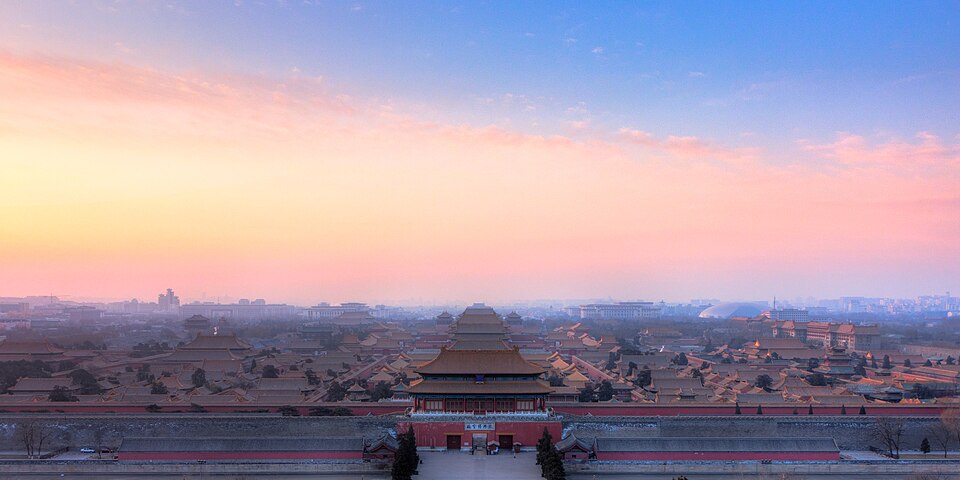
Beijing: the Badaling section of the Great Wall has an accessible stretch served by lifts, but capacity and opening arrangements change, so check the official Badaling site or ticket channel for current lift access rather than relying on older reports. The Forbidden City’s central axis is largely smooth stone and manageable, though the site is vast and some side halls have steps.

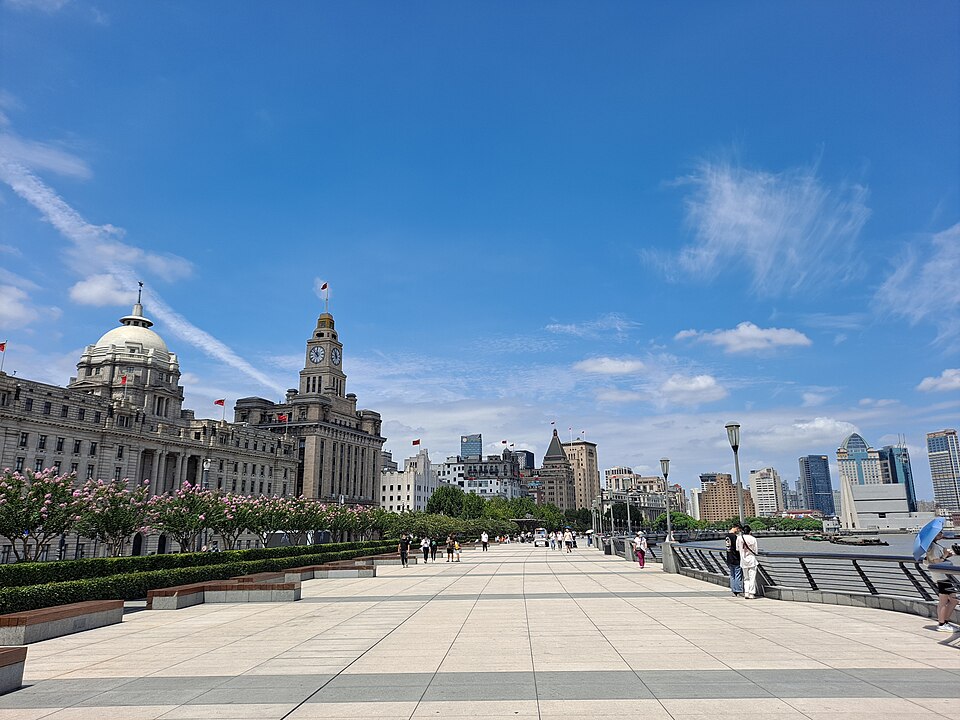
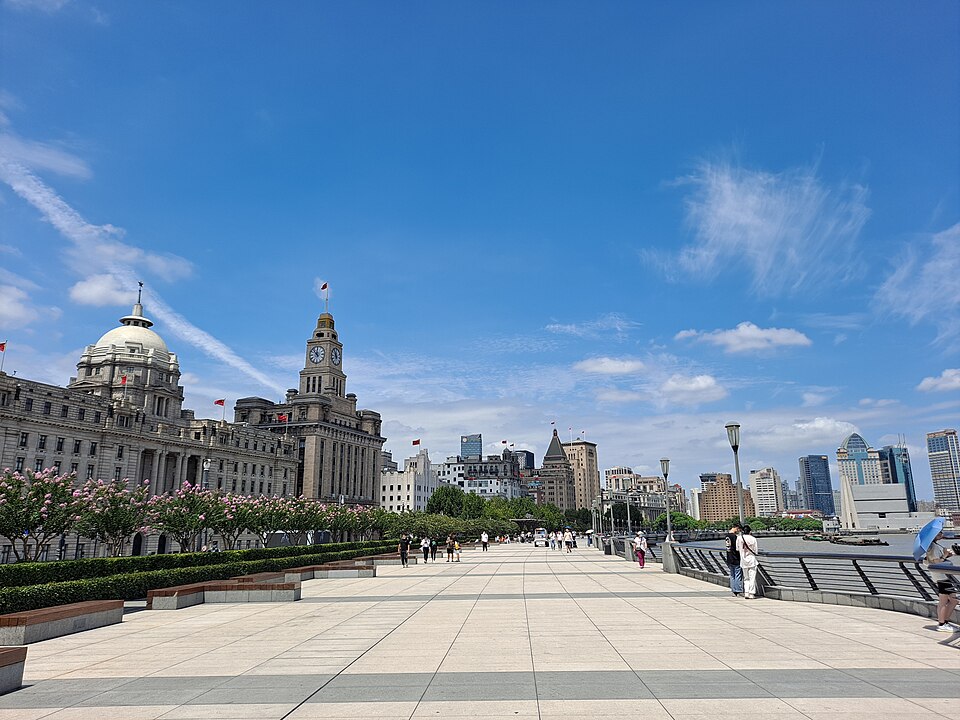
Shanghai: the Bund promenade is flat and wide, and Shanghai Tower provides lift access to its observation levels. Chengdu’s panda base is mostly flat with shuttle vehicles between zones, which suits travellers who cannot walk long distances. On the Li River, some cruise boats can accommodate a wheelchair with staff assistance, but vessel layouts differ sharply, so confirm the specific boat with the operator before booking. Our Li River Cruise: A Complete Guide covers how these sailings are organised.

Hotels, Toilets and Everyday Practicalities

Hotel marketing uses “accessible” loosely. What you need confirmed in writing is a roll-in shower, a step-free route from the entrance to the room, and a doorway wide enough for your chair. Ask for photographs of the actual bathroom. Note also that not every hotel in China is registered to accept foreign guests, which affects your shortlist before accessibility even enters the conversation; see Which Hotels in China Accept Foreign Guests? The 2026 Booking Guide.

Carry a small portable ramp if your itinerary includes water towns, historic lanes or older restaurants, where a single step at the entrance is common. Keep a supply of any medication you rely on, and identify a hospital with an international department in each city on your route before you need one; our Healthcare in China for Travelers guide explains how clinics, pharmacies and insurance typically work.

How to Brief a Tour Operator or Guide

Vague requests produce vague itineraries. State your chair dimensions, whether you can transfer independently, how far you can push in a day, whether you need a vehicle with a ramp, and whether a companion will assist with personal care. Ask for the daily walking and pushing distance and the number of steps at each stop, and ask whether each route has been checked in person rather than inferred from a map. A good operator will tell you which stops they cannot make work.

It also helps to sort the practical layers of the trip early, since accessibility planning sits alongside payments, connectivity and reservations. Our First Time in China: 12 Things to Sort Before You Book covers those basics in one place.

Frequently asked questions

Can I use a wheelchair on the Beijing and Shanghai metros?

Generally yes, as most stations have lifts or ramps, but coverage is not universal and lifts occasionally go out of service. Check the operator’s own station facility information for the accessible entrance before you travel, and allow extra time at interchanges.

Is the Great Wall accessible by wheelchair?

Badaling has an accessible stretch with lift access, but arrangements and availability are not fixed, so verify current lift access and any booking requirement on the official site or ticket channel. Other sections are far less suitable.

Will hotels provide a roll-in shower if I ask?

Some will, but “accessible room” does not guarantee one. Request written confirmation of a roll-in shower, a step-free route and doorway widths, and ask for photographs of the bathroom before you commit.

Should I bring my own ramp?

A lightweight portable ramp is useful for water towns, historic streets and small restaurants where a single step at the threshold is common. Check airline rules for carrying it before you fly.

How do I arrange assistance on trains?

Request assistance when booking or at least a day ahead through the official booking channel, then reconfirm at the station service desk. Procedures vary between stations, so treat each leg separately.

Accessible travel in China rewards preparation over optimism. Verify each lift, each roll-in shower and each boarding arrangement with the operator directly, keep a paper copy of key confirmations, and build slack into every travel day. Where a route cannot be made step-free, a well-briefed operator will usually find an alternative that still shows you the place properly.

Posted on — Leave a comment

China Festival Calendar: When to Visit for Chinese New Year & More

China’s festival calendar runs on the lunar clock, which means the dates shift every year and the practical consequences shift with them. The five events most travellers notice are Chinese New Year, the Lantern Festival, Qingming, Dragon Boat and Mid-Autumn. Each brings its own crowds, closures and transport pressure, and each rewards a different kind of planning. This guide explains what actually changes on the ground, when going is worth it, and when to travel around the festival instead of through it. For exact dates, always check a lunar calendar for the year you are travelling, and confirm any specific event arrangements on the organiser’s or venue’s own page before booking.

Chinese New Year: the biggest disruption of the year

Chinese New Year, also called Spring Festival, falls in late January or February depending on the lunar year, and the official holiday period typically spans about a week, with travel disruption stretching wider on both sides. The defining feature is chunyun, the spring migration, when hundreds of millions of people travel home. Trains and domestic flights sell out early, and popular routes become genuinely hard to book at short notice.

What surprises first-timers is the split personality of the period. Major cities empty out as migrant workers return to their home provinces, so big-city streets, metro lines and some restaurants go quiet. Meanwhile, hometowns, temple fairs and scenic spots that draw domestic visitors become extremely busy. Small shops, family restaurants and some services close for one to two weeks. If you are relying on a specific local restaurant or a small hotel, verify its holiday opening directly rather than assuming.

Go or avoid? An honest decision

Go if you book well ahead, want to see reunion culture and temple fairs, and are happy to base yourself in a large city where museums and major sights stay open. Avoid if you need flexibility, if your itinerary depends on domestic transport booked late, or if you dislike crowds and closed shops. There is no universal right answer; it depends on whether you are chasing the atmosphere or the convenience.

If you do travel during the period, treat transport as the constraint. Seat classes, booking windows and passport requirements are worth understanding before the rush begins, and our guides to booking train tickets on 12306 and high-speed rail seat classes cover the mechanics. Hotel acceptance of foreign guests is another thing to confirm early, since policies vary by property and city.

The other four festivals, briefly

The Lantern Festival closes the New Year period, arriving fifteen days after Chinese New Year. Lantern displays in parks and old towns are the draw, and because the travel migration has largely finished, crowds are noticeably lighter than at New Year itself. It is a good compromise if you want festive atmosphere without peak chaos.

Qingming, in early April, is a tomb-sweeping holiday. It creates a short domestic travel spike and spring outings, with mild weather across much of the country. Dragon Boat Festival in June brings river racing and a long weekend of domestic trips. Mid-Autumn, in September or October, is the harvest moon festival, associated with mooncakes and family gatherings, and it sometimes sits close to the National Day holiday, which can compound the crowds. Check how the two fall in your year before you plan.

Festival-season perks worth knowing

The week after Chinese New Year is one of the quieter windows in major cities: residents have returned home or are still travelling, so headline attractions can feel unusually calm and hotel rates often soften. Mid-Autumn in Hangzhou is a particular pleasure, with osmanthus in bloom and the moon over West Lake. If you are weighing seasons more broadly, our October travel guide and November travel guide set out what each month actually delivers.

Practical planning around the lunar calendar

Two rules cover most of it. First, anchor your dates to the festival you want, then book transport and accommodation as early as the operator allows, checking the release window on the official booking page rather than a third-party summary. Second, keep a flexible day or two in the itinerary, because holiday transport and opening arrangements can change. For attractions that require advance reservations, confirm the current rule on the venue’s official channel; our guide to attraction reservations for foreigners explains which sites typically need them.

Payment, connectivity and language all matter more during busy periods, when queues are longer and staff have less time to help. Sort out mobile payment and a data plan before you fly, and carry a translation app for the moments when English is not available.

Frequently asked questions

When exactly is Chinese New Year?

It follows the lunar calendar, so it falls in late January or February and the date changes each year. Check a lunar calendar for your travel year and confirm the official public holiday dates on a government or major operator page, since the holiday window affects transport and closures.

Is it worth visiting during Chinese New Year?

It can be, if you book months ahead and accept that some shops close and domestic transport is tight. If flexibility matters more than atmosphere, travelling in the quieter week after the holiday is often easier.

Which festival is best for fewer crowds?

The Lantern Festival usually draws lighter crowds than New Year, and the post-New-Year week in big cities is quieter still. Mid-Autumn can be busy, especially when it falls near the National Day holiday, so check the calendar for your year.

Do I need to book trains and hotels in advance?

Yes, for any major festival period. Booking windows and release times are set by the operator, so check the official booking page for the exact rules rather than relying on a fixed number of days quoted elsewhere.

Festival travel in China rewards a little preparation and a willingness to check official sources rather than assume. Pick your festival, verify the dates and booking rules for your year, and build in slack for the days when the whole country is on the move.

Posted on — Leave a comment

China Tea Culture Tour: Longjing Fields to Yunnan Pu-erh Mountains

China’s tea regions are not interchangeable, and a good tea trip is built around what each place actually grows, when it is picked, and how far apart the areas sit. The four classic destinations — Hangzhou for Longjing green tea, Wuyishan for rock oolongs, Yunnan for pu-erh, and Fujian for white teas — each reward a different season and a different pace. This guide covers what to see in each, how to time a visit, what a structured tea tour tends to involve, and how to buy tea you will not regret carrying home.

The Tea Pilgrim’s Map: Four Regions, Four Different Teas

Hangzhou, in Zhejiang, is the home of Longjing (Dragon Well) green tea. The villages around West Lake — Longjing, Meijiawu and the hills behind them — are where most visitors spend their time. Spring is the reason to come: the first flushes are picked in late March and early April, and the terraces are busy with pickers and pans.

Wuyishan, in northern Fujian, produces rock oolongs (yancha) such as Da Hong Pao and Rou Gui, grown in the steep, mineral-rich valleys of the Wuyi range. The scenery is a UNESCO-listed landscape of sheer cliffs and narrow gorges, so a tea trip here doubles as a walking trip.

Yunnan, in the south-west, is pu-erh country — both the ancient tea-tree forests around Menghai, Bulang and Jingmai, and the tea-horse-road towns such as Lijiang and Dali where the trade historically passed through. Pu-erh is fermented and pressed into cakes, and it ages.

Fujian also covers white teas, particularly around Fuding and Zhenghe, and the tulou earth buildings of southern Fujian, which are often combined into the same itinerary. If you are building this into a wider route, our 5 Days in Hangzhou: Lakes, Tea & Silk (2026) shows how the Hangzhou leg fits together with lakes and silk.

Best Season and Timing for Each Region

For Longjing, the pre-Qingming harvest in late March is the peak. This is also the busiest window for workshops and farm visits, so book ahead rather than arriving and hoping. Prices for the earliest pick are at their highest, and quality claims are worth checking rather than taking at face value.

For pu-erh, autumn is generally the most comfortable time to be in the Yunnan mountains — the rainy season has passed and the roads to tea villages are more reliable. Spring is also a picking season, but it is wetter.

Spring more broadly is the season for fresh greens and whites across the country. Wuyishan is workable across a longer window; the rock oolongs are roasted in spring and the landscape is pleasant in both spring and autumn. For a wider view of how the seasons shape a China itinerary, see China in October: Best Places & Travel Tips 2026.

What a Structured Tea Tour Usually Includes

A well-run tea tour is not just a tasting. The useful components are field walks with the growers themselves, where you see the bushes and understand altitude, shade and picking; sessions with roasting masters, who will usually demonstrate the pan-firing or charcoal-roasting process and let you try a hand at it; and vertical tastings, where the same tea from different years is poured side by side so you can taste how it changes.

Factory visits are the other half. Seeing an artisan workshop next to an industrial line makes the difference in leaf handling, sorting and roasting concrete in a way that a description cannot. Treat any specific claim about what a given tour includes as something to confirm with the operator directly before you pay, since programmes change.

Buying Tea to Take Home

Longjing gift tins, mini pu-erh cakes and oolong sample sets are all practical to carry. Pu-erh cakes genuinely do change with age, which makes them a reasonable thing to buy and store rather than drink immediately — but storage conditions matter, so ask how the cake has been kept.

For anything where the price depends on grade or vintage, ask the seller what to look for and verify it yourself rather than relying on a label. If you are buying in volume, check the current rules and paperwork for China Tax Refund for Tourists in 2026: The New Paperless Process Explained before you assume a refund applies. Customs allowances for bringing tea into your home country are set by your own government, not by China, so check that separately.

Practical Logistics for a Tea Route

These regions are far apart. Hangzhou and Wuyishan connect reasonably well by high-speed rail; Yunnan is a flight or a long rail journey from either. Build in travel days rather than trying to taste in the morning and move cities in the afternoon. Our How to Book Train Tickets in China: 12306 Step by Step (2026) covers the booking process, and The Language Barrier in China: Translation Apps and Essential Phrases (2026) is worth reading before you try to discuss roast levels with a grower.

Tea villages are often outside the city, and the last stretch is usually a taxi or a local bus. Confirm the return leg before you go, because transport back from a mountain village can thin out in the late afternoon. Payment in rural areas is worth planning for; see China Cashless Travel Guide: WeChat Pay & Alipay 2026 for how mobile payment works and what to do when a small vendor cannot take it.

Frequently asked questions

When should I visit Hangzhou for Longjing tea?

The pre-Qingming harvest in late March is the main window, with picking continuing into April. This is also the busiest period for farm visits and workshops, so arrange them in advance. Exact dates shift each year with the weather, so confirm with the farm or tour operator rather than fixing your trip to a calendar date.

Is pu-erh really better with age?

Pu-erh is made to be stored and does change over time, which is why cakes are often bought to keep. Whether a specific cake improves depends on how it was produced and how it has been stored. Ask the seller about storage history, and treat age claims as something to verify rather than accept.

Can I join a roasting session myself?

Many workshops let visitors try pan-firing or turning leaves, but this varies by farm and by season, and it is not something to assume. Ask the operator directly what participation is included before booking. Do not rely on a listing that does not state it.

How do I get to the tea villages from the city?

In Hangzhou the main tea villages are a short taxi or bus ride from the lake area. In Yunnan and Wuyishan, village access often involves a longer drive. Check the return journey before you set out and keep a backup plan for the last leg.

Should I buy tea at the farm or in the city?

Both are possible. Farm buying gives you more context about origin and processing; city shops are easier to compare across regions. In either case, ask what distinguishes the grade you are being shown and check it against the leaf yourself.

Plan the route around the harvest you actually want to see, leave slack for travel between regions, and confirm the specifics of any tour, workshop or purchase with the operator before committing. For a personalised route, use our free AI trip planner or message the travel designer on WhatsApp: +86 180 3801 6100.

Posted on — Leave a comment

China’s Underrated Food Cities: Chengdu, Xi’an & Guangzhou Deep Dive

Most first trips to China treat food as a side dish to the sights. A food-focused trip inverts that: the cities are chosen because of what is cooked in them, and the day is built around markets, mealtimes and kitchens rather than around monuments. Three cities carry most of the weight. Chengdu, recognised by UNESCO as a city of gastronomy, is the capital of Sichuan pepper and chilli heat. Xi’an is where Silk Road wheat traditions produced some of the country’s most distinctive noodles and breads. Guangzhou is the birthplace of the Cantonese morning tea ritual, dim sum included. This guide covers what each city is actually known for, how to shape a short itinerary, how to judge a street stall, and what to verify before you commit money.

What each city is actually known for

Chengdu’s reputation rests on a specific flavour profile rather than on heat alone: the numbing quality of Sichuan peppercorn working alongside chilli. Hotpot, mapo tofu and dan dan noodles are the obvious entry points, but the wider point is the city’s density of small, specialist kitchens and its long-standing formal recognition as a gastronomic centre. If you want the food context alongside the rest of the city, our Chengdu city guide sets out the practical layout.

Xi’an sits at the eastern end of the old Silk Road, and its food reflects centuries of wheat rather than rice: hand-pulled and belt-width noodles, stuffed flatbreads, and lamb dishes from the city’s Muslim Quarter. The Xi’an city guide covers how the Muslim Quarter fits into a wider visit. Guangzhou is the reference point for Cantonese cooking, and its morning tea houses are institutions rather than tourist attractions; dim sum here is a breakfast habit, not a dinner show.

Three itinerary shapes

These are structures, not fixed packages. Treat the day counts as minimums and add time for travel between cities.

Chengdu, three days. One day for a cooking class that begins with a market visit, so you learn what the ingredients look like before you cook them. One day for a spice market and a slow walk through an older neighbourhood. One evening for a hotpot meal, ideally with someone who can order for you. If pandas are on your list, the realistic day at the Panda Base explains why that trip needs its own morning.

Xi’an, two days. One day in the Muslim Quarter, eating in small portions across many stalls rather than committing to one large meal. One half-day for a noodle-making session, which is the most transferable skill you can take home from the city.

Guangzhou, two days. One morning for morning tea, taken slowly and properly. One day for an old-town food walk that moves between snack-sized stops. Our Guangzhou street food guide lists specific bites to look for.

How to judge a street stall

The useful signals are operational, not decorative. A queue that keeps moving suggests turnover, and turnover suggests food that has not been sitting. Watch the cooking happen in front of you rather than accepting something pre-plated from a tray. Look at whether locals are eating standing up and leaving quickly; that is a working stall, not a staged one. Stalls that have survived decades in the same spot usually have a reason, and it is rarely marketing.

Communication is the other half. “Not too spicy” and “no MSG” are simple requests, but they only work if the person taking them understands what you actually want. Learn the two or three phrases you need, or travel with someone who can order on your behalf. Neither approach is wrong.

Cooking classes and what to take home

A half-day class that includes market shopping and four dishes is the most durable souvenir available in China: you keep using it after the trip ends. Chengdu and Shanghai both have well-established options, and classes can usually be arranged as part of a food-themed itinerary. Verify what is included before booking — specifically whether market shopping, ingredients, and transport to the class are covered, and whether the class is taught in a language you follow.

Practical verification before you book

Prices, class schedules, tour inclusions and restaurant opening hours change. Rather than relying on any figure you read online, check the operator’s own booking page and look for the specific line items: what the fee covers, the cancellation terms, the meeting point, and the language of instruction. For restaurants, check the current listing on a map app shortly before you go.

Two broader planning points matter for a food trip. First, payment: many stalls and small restaurants work on QR payment rather than cash or foreign cards, so read our cashless travel guide before you fly. Second, transport between cities: high-speed rail makes a Chengdu–Xi’an–Guangzhou sequence feasible, and the train travel guide covers ticketing with a foreign passport. Visa eligibility depends on your nationality and route, so confirm current rules on an official government source rather than a blog.

Frequently asked questions

How many days do I need for a food-focused trip to China?

Two days per city is a workable minimum for Chengdu, Xi’an or Guangzhou, but that assumes you are already there and not spending a day in transit. A three-city trip with travel days realistically needs eight to ten days. Adding a fourth city usually means cutting depth rather than adding it.

Do I need to speak Chinese to eat well?

No, but you need a strategy. Picture menus, translation apps and pointing at what someone else is eating cover most situations. For anything involving dietary restrictions or specific requests, having a written phrase in Chinese, or a guide who can order, removes most of the risk.

Are cooking classes worth it?

If you cook at home, yes — a class that starts in a market teaches you what to buy as well as how to cook it. Check the class size, the language, and whether ingredients and market time are included before you pay.

Is street food safe to eat?

Judgement matters more than blanket rules. Busy stalls with visible cooking and fast turnover are the safer bet. Avoid anything that has clearly been sitting out, and be cautious with raw items in warm weather.

When is the best time to go?

Spring and autumn are the most comfortable for walking between stalls and markets. Summer heat in Chengdu and Guangzhou makes long food walks harder, and major public holidays affect which stalls are open. Check a festival and weather calendar for your specific dates.

Build the trip around two or three cities rather than five, verify every price and schedule on the operator’s own page, and leave room for a meal you did not plan. That is the difference between eating in China and travelling for its food.