Posted on — Leave a comment

Zhangjiajie Travel Guide: Glass Bridges & Tianmen Mountain

Zhangjiajie confuses first-timers: three headline attractions, some distance apart, all with “glass” in the marketing. Here’s how they actually compare.

1. National Forest Park (Wulingyuan)

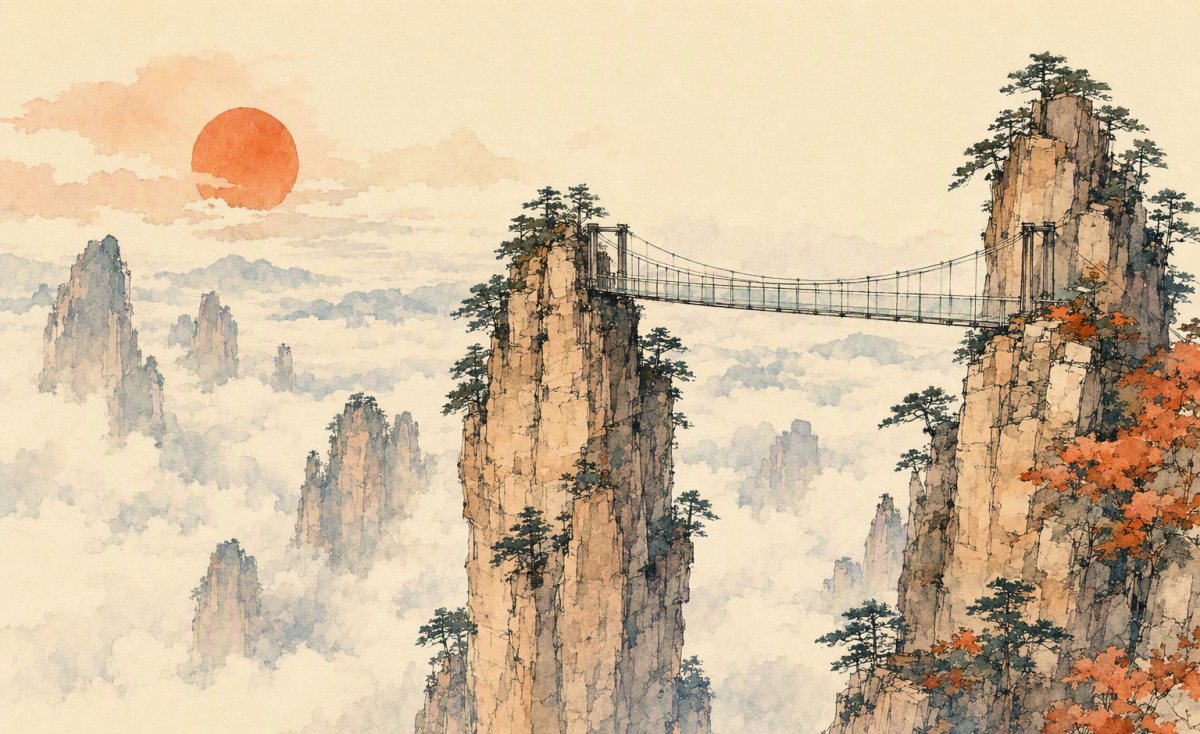
The reason you come. 3,000 sandstone pillars, ticket valid 4 days. The Avatar-scenery loop is Yuanjiajie–Tianzi Mountain via shuttle buses; Golden Whip Stream is the valley-floor walk. This needs two full days minimum.

2. Tianmen Mountain (in the city)

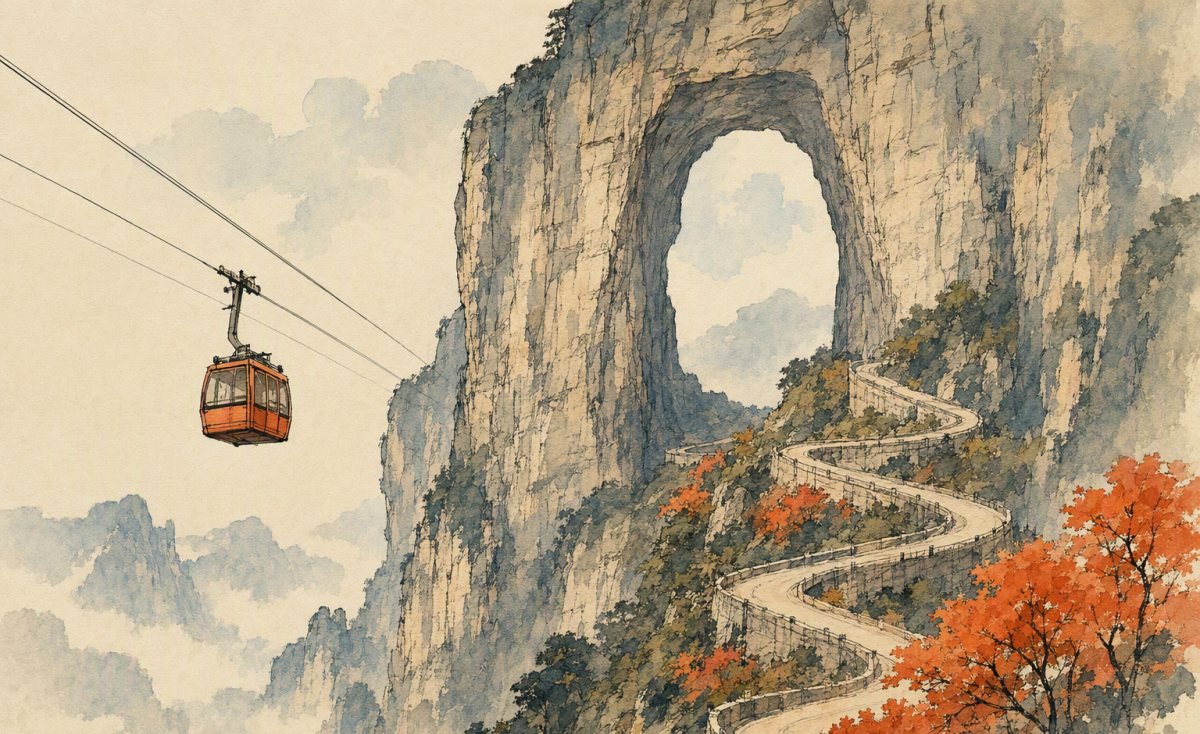
The adrenaline day. World’s longest cableway (7,455m) straight from downtown, cliff walkways bolted to the rock, the 999-step Tianmen Cave arch, and 99 hairpin bends below. One very full day; start when the cable car opens.

3. Grand Canyon & Glass Bridge

The photo-op. A 430m transparent span 300m above the canyon — 15 minutes of nerves, then a canyon-floor walk with waterfalls. Half a day; combine with the park’s Baofeng Lake.

How Many Days Total?

Day 1–2 park, day 3 Tianmen, day 4 glass bridge/caves or Fenghuang = the perfect four.

Tips That Matter

  • Passport required for all real-name tickets; book peak-season slots days ahead.
  • Mountain-top weather changes fast — pack a layer even in summer.
  • Stay in Wulingyuan for the park, the city for Tianmen.
  • Mist after rain = the best photos; fog = whiteout. Check the webcam, be flexible.

Plan It

The AI trip planner builds Zhangjiajie routes with Chengdu or Guilin add-ons; private drivers make the Fenghuang overnight and park transfers painless.
Keep reading

Posted on — 1 Comment

Huangshan Travel Guide: Sunrise, Sea of Clouds & Villages

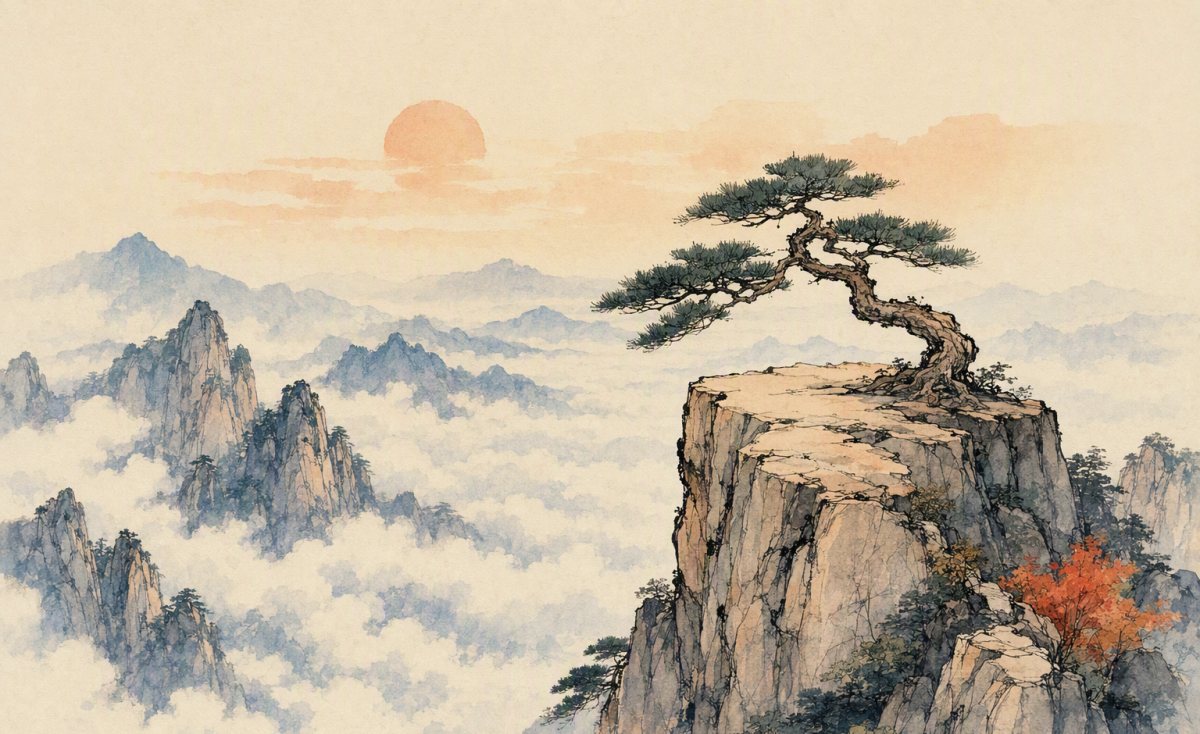
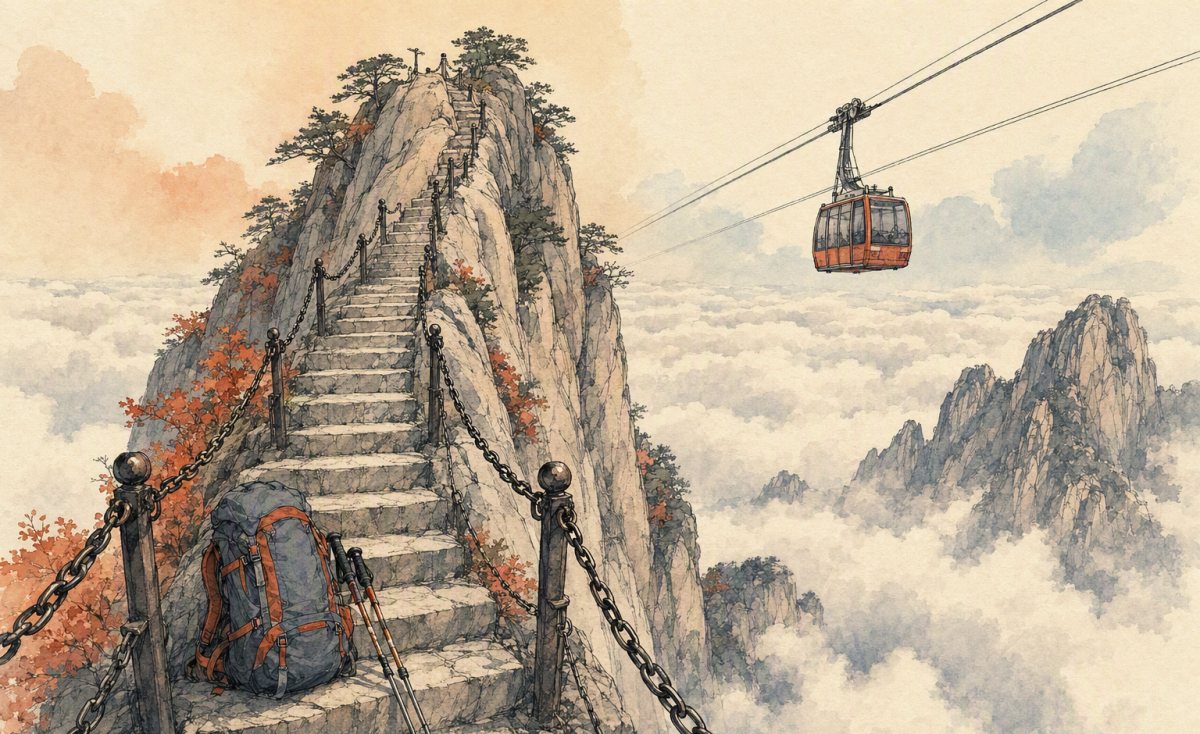
Huangshan is the mountain that defines “Chinese mountain” in a thousand ink paintings — granite spires, weather-beaten pines and seas of cloud. One overnight on the summit is the classic move.

The Classic Route

Day 1: cable car up from Yungu (east) station; hike the Begin-to-Believe Peak and West Sea canyon rim; overnight at a summit hotel (Beihai or Xihai). Day 2: sunrise at Refresh-Fresh/Lion Peak, then Guangmingding (“Bright Summit”), the Flying-Over Rock, and descend via the Jade Screen cable car past the Guest-Greeting Pine.

Sunrise & Cloud Sea

Sunrise from the summit (roughly 5am summer, 6:45am winter — hotels post times). The cloud sea needs recent rain plus clear morning air: June and the days after September fronts are statistically best. Winter brings ice-covered pines and near-solitude.

Logistics

  • Tickets: entry + mandatory cable car (Yungu or Jade Screen). Book with passport.
  • Luggage: leave big bags at Tangkou town; porters deliver to summit hotels.
  • Stay: summit hotels are basic but booked out in peak season; reserve early.
  • Difficulty: stone steps throughout; the West Sea Grand Canyon loop is the demanding highlight.

Add the Villages

Hongcun (the “Crouching Tiger” village with its moon pond) and Xidi — UNESCO-listed Ming/Qing villages an hour’s drive away. Tachuan’s autumn colours are the photographers’ secret next door.

Getting There

HSR to Huangshan North from Shanghai (2.5h) or Hangzhou (1.5h). A private driver links station, mountain and villages in one smooth arc. The AI trip planner prices mountain-plus-village routes instantly.

Keep reading

Posted on — Leave a comment

Huangshan Hiking Guide: Routes, Cable Cars & Where to Stay

You don’t need to be a mountaineer for Huangshan — every path is stone-stepped and railed — but route choice decides whether your legs survive day two.

Up: Cable Car or Steps?

  • Yungu (east) cableway: the standard ascent, 8 minutes to White Goose Ridge near the summit hotels.
  • Jade Screen cableway: lands beside the Guest-Greeting Pine — best for one-day visitors exiting this side.
  • Walking up the east steps: 3 hours, 6km of stairs; only for the proud.

The Two-Day Route (Recommended)

Up by Yungu → Begin-to-Believe Peak → summit hotel check-in → West Sea Grand Canyon (the spectacular slot between the pillars; 2–3h; a sightseeing monorail climbs out of the first section if needed) → sunset from丹xia峰 or Bright Summit. Day 2: sunrise → Flying-Over Rock → Bright Summit → Guest-Greeting Pine → down by Jade Screen.

The One-Day Squeeze

Yungu up, Begin-to-Believe, shuttle across the ridge to Bright Summit, down via Jade Screen past the famous pine. You’ll see the essence, miss the sunrise, and sleep well.

Training & Packing

Walk stairs with a daypack for two weeks before. Pack: layers (summit is 5–8°C colder), headlamp for sunrise, gloves for the chains, snacks (mountain food is expensive — portage is real), and cash-free cards; Alipay works everywhere.

Where to Stay

Summit (Beihai/Shilin/Xihai hotels): basic, pricey, and worth it for sunrise zero-commute. Tangkou: budget base at the gates. Hongcun: the atmospheric village option for before/after.

Plan With Us

Combine the hike with Hongcun and Qiandao Lake — the AI trip planner handles it, and private MPV charter solves the luggage-and-station puzzle.

Before you climb: summit beds and the Tangkou shuttle fill up in peak season — compare private car and driver pricing across China, and read the China SIM and eSIM guide so maps and translation work on the mountain.

Posted on — Leave a comment

Zhangjiajie 4-Day Itinerary: Avatar Mountains Complete Guide

Four days is the right number for Zhangjiajie: two in the national park, one for Tianmen Mountain, and one for the glass bridge or Fenghuang old town.

Day 1: Avatar Country

Enter at Wulingyuan gate; ride the Hundred Dragon Elevator (326m cliff lift) up to Yuanjiajie — the sandstone pillars that inspired Avatar’s floating mountains. Boardwalk circuit, then shuttle to Tianzi Mountain for the west-sea stone forest. Overnight Wulingyuan town.

Day 2: Canyons & Streams

Morning: Golden Whip Stream — a flat 2.5-hour riverside walk beneath the towers, monkeys included. Afternoon: Ten-Mile Gallery’s scenic tram, or Baofeng Lake’s quiet boat. If it rained overnight, skip both and re-climb Yuanjiajie for the cloud sea.

Day 3: Tianmen Mountain

The 7,455m cable car from the city, the 99-bend road below, the cliff-hung walkways, and the giant Tianmen Cave arch up 999 steps. The glass skywalk section is optional but unforgettable. Descend in late afternoon light.

Day 4: Glass Bridge or Fenghuang

Option A: the 430m Grand Canyon glass bridge. Option B: Fenghuang Ancient Town, 2.5h away — Tuojiang river lanterns and stilt houses. Option C: Huanglong cave’s vast chambers.

Tickets & Timing

Park entry (4-day pass) excludes lifts/cable cars — budget extra. Real-name booking with passport. April–June and September–November bring the best mist-to-view ratio; winter offers snow-dusted pillars and no queues.

Getting There & Around

Fly to Zhangjiajie or take HSR to Zhangjiajie West. Inside the park, shuttle buses connect everything — but a private MPV with driver transforms the Fenghuang and cave days. The AI trip planner prices 4-day Zhangjiajie routes instantly.

Keep reading

Posted on — Leave a comment

Chengdu Travel Guide: Pandas, Teahouses & Hotpot

Chengdu’s official city slogan is “a city you won’t want to leave”, and the pandas, teahouses and chilli-laced food do make a strong case.

Pandas Done Right

The Chengdu Research Base of Giant Panda Breeding opens 7:30am — be among the first through, walk straight to the outdoor enclosures, and you’ll watch adults demolish bamboo for an hour before the heat forces them to sleep. The pink, squirrel-sized newborns appear in the nursery August–September. Half a day is right; longer if you join the Dujiangyan volunteer program.

Slow Chengdu

  • People’s Park: bamboo chairs, ¥20 tea, ear-cleaning masters and match-making corners. The most unhurried morning in China.
  • Kuanzhai Alleys: restored Qing lanes — teahouses, brick courtyards, snacks.
  • Jinli Street: lantern-lit night market, best after dark.
  • Wenshu Monastery: working temple with a vegetarian restaurant and garden teahouse.

Hotpot School

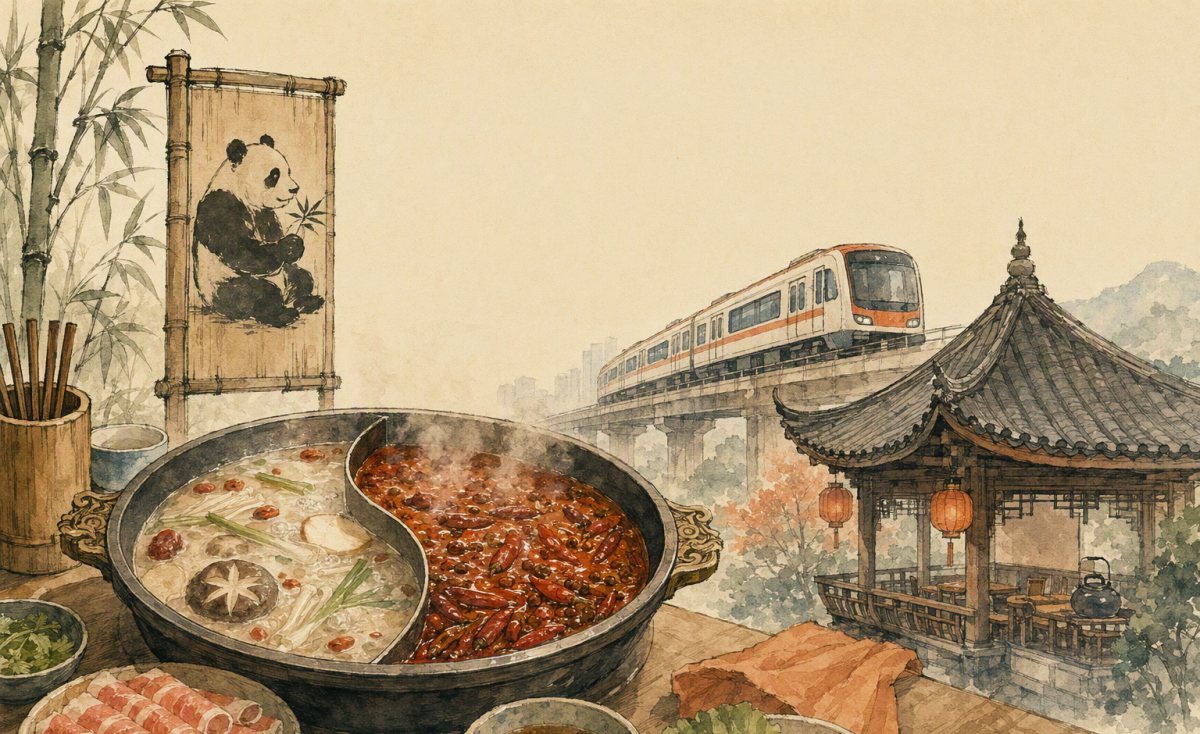
Order the split “yuanyang” pot: clear broth for cooling, red sea of chilli and Sichuan peppercorn for courage. Dip in sesame-oil-garlic sauce (it tames the fire). Order tripe, duck blood, lotus root and beef in oil. Sweat is part of the experience.

Day Trips

Leshan Giant Buddha (71m, carved into a cliff, 1.5h), Dujiangyan’s ancient irrigation works + Mount Qingcheng, and the eastern Chengdu “new landmarks” of Taikoo Li after dark.

Practical

March–June and September–November are mildest. Metro is good; a private driver is best for the panda-base early start. The AI trip planner prices Chengdu routes with Leshan and Dujiangyan included.

Keep reading

Posted on — Leave a comment

48 Hours in Chengdu: The Perfect Layover Guide

Chengdu is one of Asia’s great layover cities — everything worth seeing clusters inside two relaxed days, and the airport express makes the maths easy.

Day 1 Morning: Pandas

Land, drop bags, and reach the Panda Base for the 7:30 opening. By 10am you’ll have hundreds of photos and still make it back for lunch.

Day 1 Afternoon: Old Chengdu

Wenshu Monastery’s garden teahouse for a slow hour, then the Kuanzhai Alleys — wide and narrow Qing-era lanes of teahouses and craft shops. Dinner: your first hotpot (split pot, sesame-oil dip). Night: Sichuan opera face-changing show — the masks switch faster than the eye can follow.

Day 2: The Good Life

Morning: People’s Park — tea, ear cleaning, tai chi and the marriage market board. Lunch: mapo tofu and dan dan noodles at a neighborhood Sichuan restaurant. Afternoon: Taikoo Li’s designer courtyards beside the 1,500-year-old Daci Temple, then Jinli Street’s lanterns for your last stroll. Night: skewers and beer on a rooftop.

Layover Logistics

Direct metro line from both airports to downtown. Visas: China’s 240-hour transit-visa-free policy covers most nationalities — check eligibility before flying.

Longer Stay?

Add Leshan Buddha and Dujiangyan. The AI trip planner expands any layover into a full Sichuan route, and private car charter handles the panda-run and airport transfers.

Make it two days: see China tour routes for combining Chengdu with Leshan and Dujiangyan, and grab a travel eSIM before departure so maps work from the airport express onward.

Posted on — Leave a comment

Beijing 5-Day Itinerary: The Perfect First Visit

Five days is the ideal first Beijing visit: all three UNESCO giants, the Great Wall without the crowds, and time to wander the hutong lanes where the city actually lives.

Day 1: Forbidden City & Jingshan

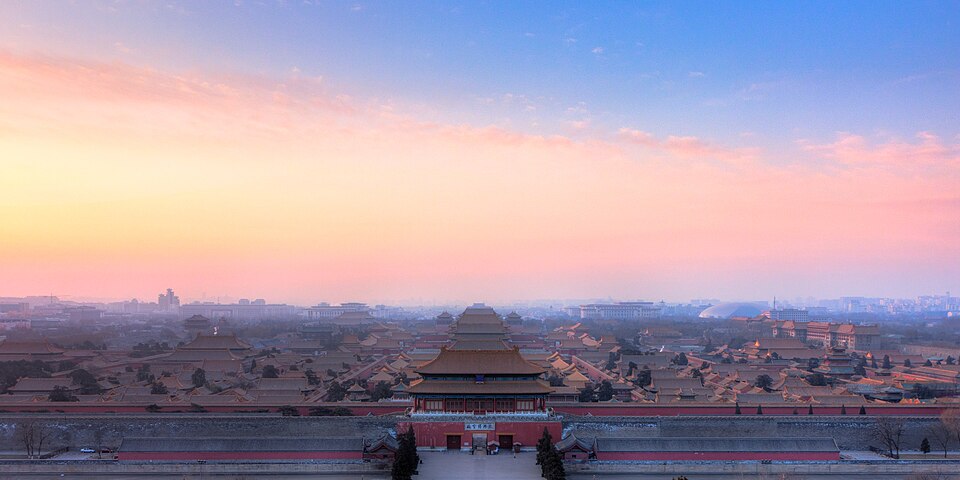
Enter the palace at 8:30 opening through Tiananmen; book tickets 7 days ahead with passport. Exit north, climb Jingshan Park’s hill for the roofscape panorama, then rickshaw through the hutongs to a courtyard dinner.

Day 2: Great Wall at Mutianyu

The sweet-spot section: restored but uncrowded, cable car up, toboggan down. Leave at 7am to beat tour buses; you’ll have the towers to yourself by 9. Farmhouse lunch on the way back; evening free for Wangfujing or a Kung Fu show.

Day 3: Temple of Heaven & Old Beijing

Morning tai chi at Temple of Heaven’s park, then the Hall of Prayer halls. Afternoon: Qianmen street and Dashilar lanes, or the National Museum. Evening: Peking duck at Siji Minfu (book ahead).

Day 4: Summer Palace & Art

Morning boat across Kunming Lake at the Summer Palace — walk the Long Corridor and Longevity Hill. Afternoon: 798 Art District’s factory galleries, then Sanlitun dinner.

Day 5: Choose Your Flavor

Lama Temple and the Confucius Temple; the Summer-less Beijing of Beihai’s lakes and the White Dagoba; or a day trip to the Ming Tombs plus Juyongguan wall section.

Logistics

April–May and September–October are best; winter brings Forbidden City snowscapes with fewer crowds. Metro covers the city; for the wall, a private driver is worth every cent. The AI trip planner prices a 5-day Beijing route in minutes.

Posted on — Leave a comment

Beijing Travel Guide 2026: Hutongs, Museums & New City Sights

You’ve seen the Forbidden City and the Wall on the last trip. Here’s the Beijing that regulars love: courtyard cafés, a brand-new UNESCO listing, and museums worth flying for.

The Central Axis: New UNESCO Site

Beijing’s north-south spine — Yongdingmen to the Bell and Drum Towers — was UNESCO-listed in 2024. Walk it end to end: Yongdingmen gate, Qianmen’s archways, Tiananmen square, the palace, Jingshan, then the lakes and the Drum Tower’s evening drum ceremony.

Hutong Beijing

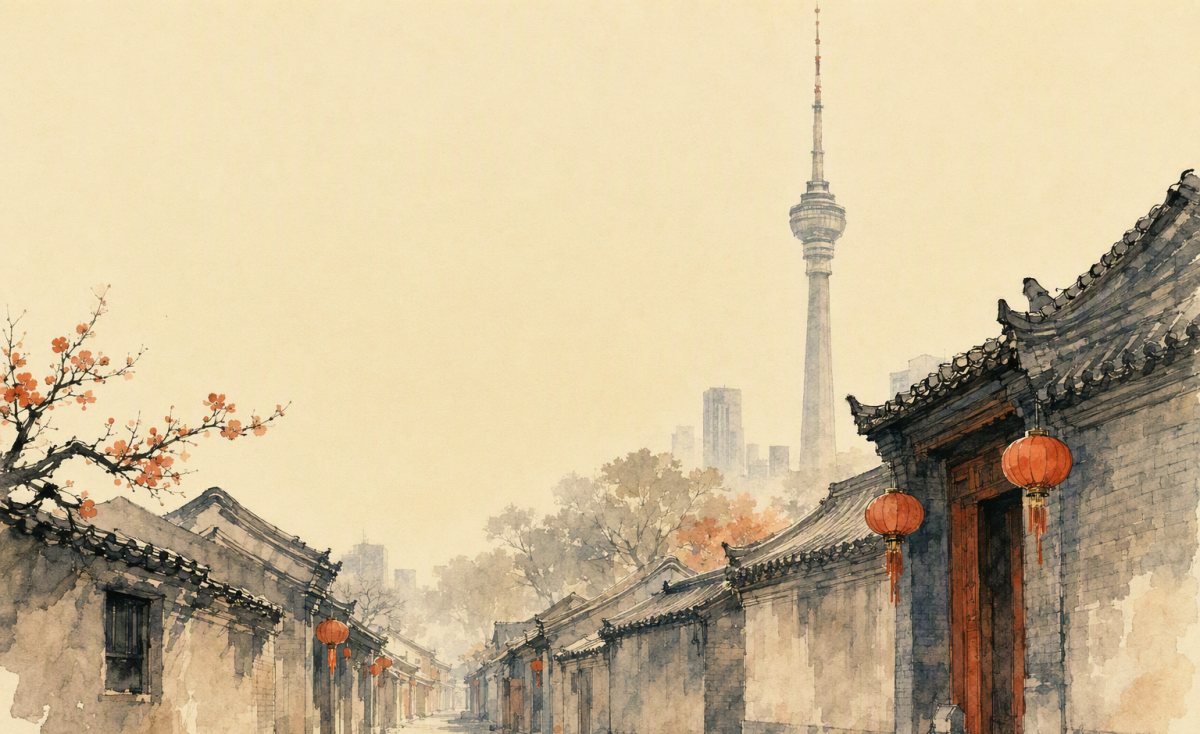
Stay in a courtyard hotel around Nanluoguxiang or Baochao hutong. Mornings: watch elders walk birds and play chess; the lanes now hide third-wave coffee, vinyl bars and dumpling counters with four seats. Wudaoying and Yangmeizhu lanes are the current favourites.

Museum Beijing

  • National Museum: free, colossal, the bronze galleries alone take two hours.
  • Capital Museum: beautifully curated Beijing history.
  • UCCA & 798 district: contemporary Chinese art in decommissioned factories.

New Practical Notes

Daxing Airport’s starfish terminal now serves many international routes; the express train connects to the city in 19 minutes. Foreign cards work smoothly on Alipay/WeChat Pay now — set up before arrival. Passports are still required for Forbidden City and wall tickets.

Seasons

October’s gingko avenues, winter’s frozen Houhai (skate rentals!), spring’s Yuyuantan cherry blossom, and early summer at the ancient observatory. Air quality has improved dramatically since 2017.

Plan With Us

Combine the classics with this deeper Beijing in one AI-planned itinerary; private drivers with English service make hutong-hopping and wall trips seamless.

Keep reading

Posted on — Leave a comment

Xi’an Travel Guide 2026: Terracotta Warriors & Muslim Quarter

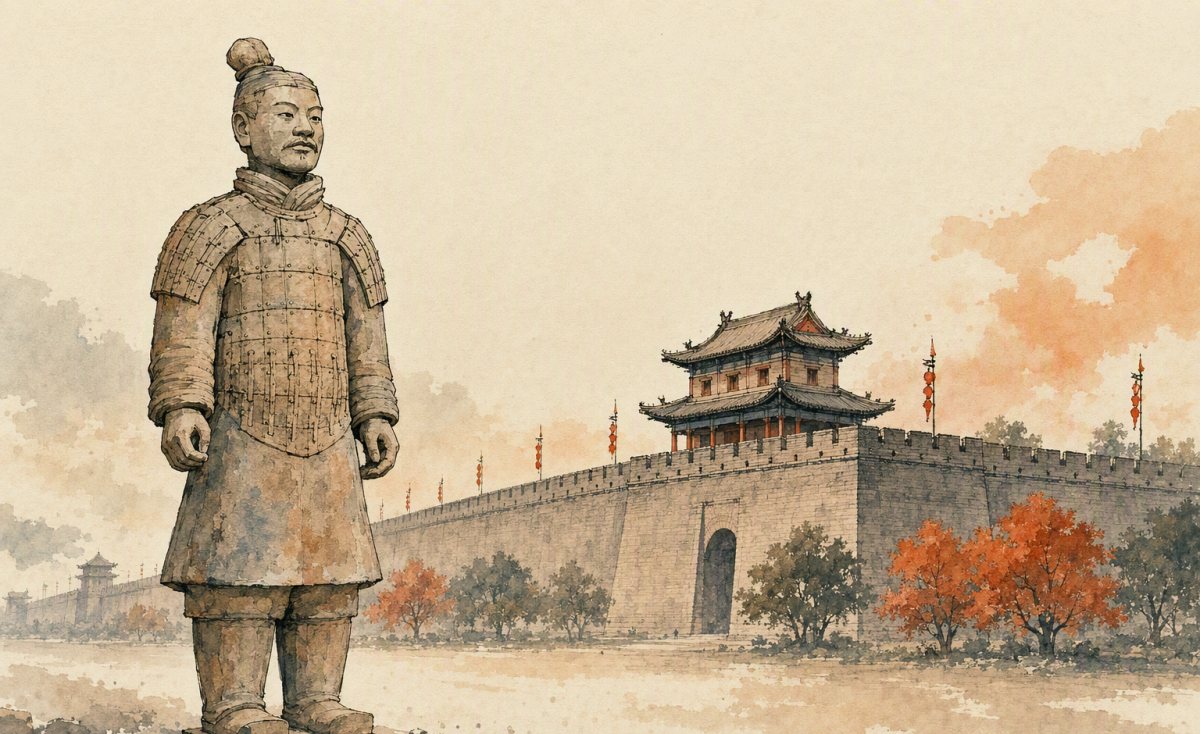
Xi’an was the capital of China for over a thousand years and the eastern end of the Silk Road. It delivers an army of clay soldiers, a wall you can cycle around, and the country’s best street-food quarter.

The Big Three

  • Terracotta Warriors: go at 8:30 opening, Pit 1 first. Hire a guide or you’ll miss the stories — the army’s faces, the bronze chariots, the farmer who found it all in 1974.
  • City wall bike loop: 14 kilometres atop the complete Ming wall at sunset — rent bikes at South Gate.
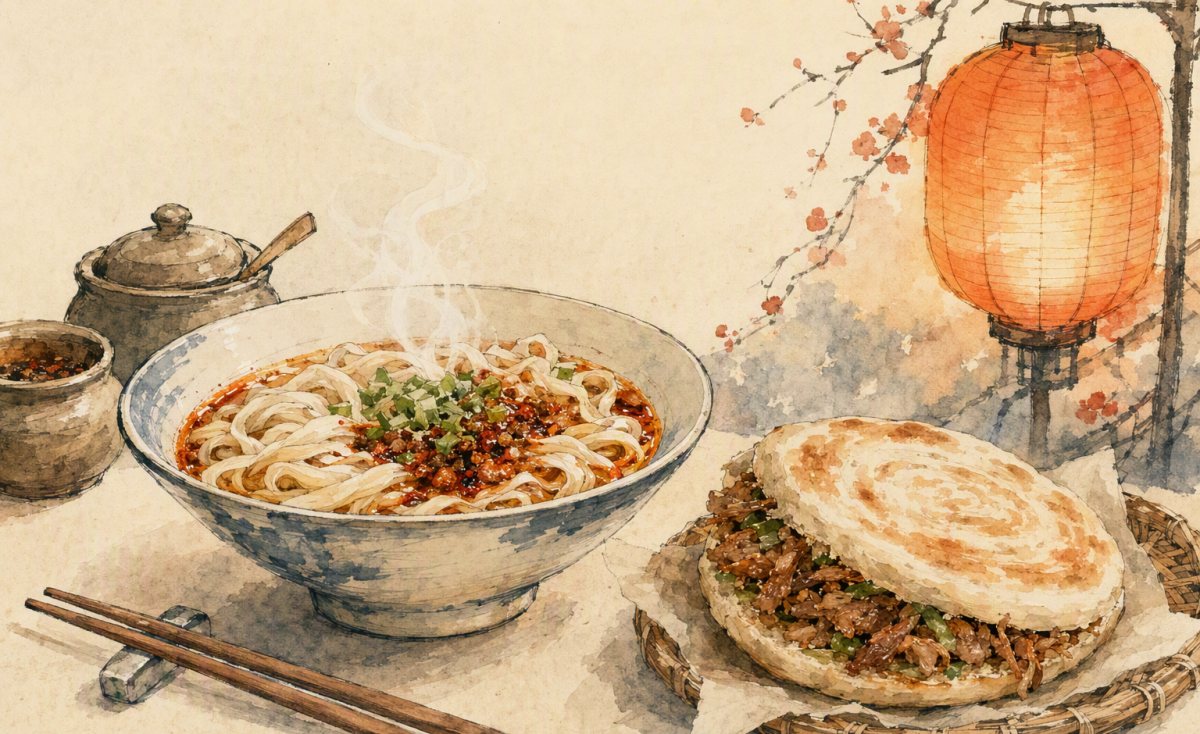
  • Muslim Quarter: Beacon of Xi’an food culture — lamb skewers, roujiamo burgers, biangbiang noodles and pomegranate juice under lantern-lit archways.

More Essentials

Big Wild Goose Pagoda’s square erupts in a fountain-music show at noon and night. Shaanxi History Museum (free but book ahead) holds the Tang gold the Silk Road carried. Tang Dynasty shows pair dinner with court music and dance.

Eat This

Roujiamo (Xi’an’s answer to the burger), yangrou paomo (bread soaked in lamb soup), liangpi cold noodles, and the hand-pulled biangbiang — order it with chilli oil and watch the character with 57 strokes on the wall.

Practical

March–May and September–November are ideal. The metro reaches every major sight except the Warriors (bus 306 or a private driver — worth it for the 7am start). Our Golden Triangle route pairs Xi’an with Beijing and Shanghai; the AI trip planner prices custom versions.

Keep reading

Posted on — Leave a comment

Xi’an Food Guide: What to Eat in the Ancient Capital

Xi’an eats like a Silk Road caravan town: wheat instead of rice, lamb instead of pork, and chilli oil on everything. Bring an appetite.

The Five Dishes

  • Roujiamo: slow-braised pork (or lamb) in a toasted flatbread — get it from the vendors who bake the bread in clay ovens.
  • Biangbiang noodles: belt-wide hand-pulled noodles, named for the sound of dough hitting the board, dressed with chilli, vinegar and cumin.
  • Yangrou paomo: you tear the flatbread yourself; the kitchen turns it into lamb soup. A whole ritual.
  • Lamb skewers: cumin-heavy, charcoal-smoked, best eaten standing on Beilin’s back streets.
  • Liangpi: cold wheat-noodle ribbons — the perfect cooling counterpart.

Where

Muslim Quarter (Beiyuanmen) for the lantern-lit spectacle and fresh pomegranate juice; Sajinqiao two blocks north for where locals actually eat; Yongxingfang food court for province-by-province Shaanxi specialities — and the daredevil chilli-eating stage.

Drink

Xifeng baijiu for the brave; iced sour-plum drink (suannmeitang) for everyone else. Frozen persimmon cakes in winter.

Combine Food & Sights

Circle the city wall by bike at sunset, then descend straight into the Muslim Quarter for dinner — the perfect Xi’an evening. Our AI trip planner builds food-weighted itineraries, and private drivers shuttle you from Warriors to noodle bar without the navigation hassle.

Put it together: pair the eating with the Xi’an Terracotta Warriors and 2-day itinerary, and sort your phone data before you fly — China travel eSIM plans activate the moment you land.