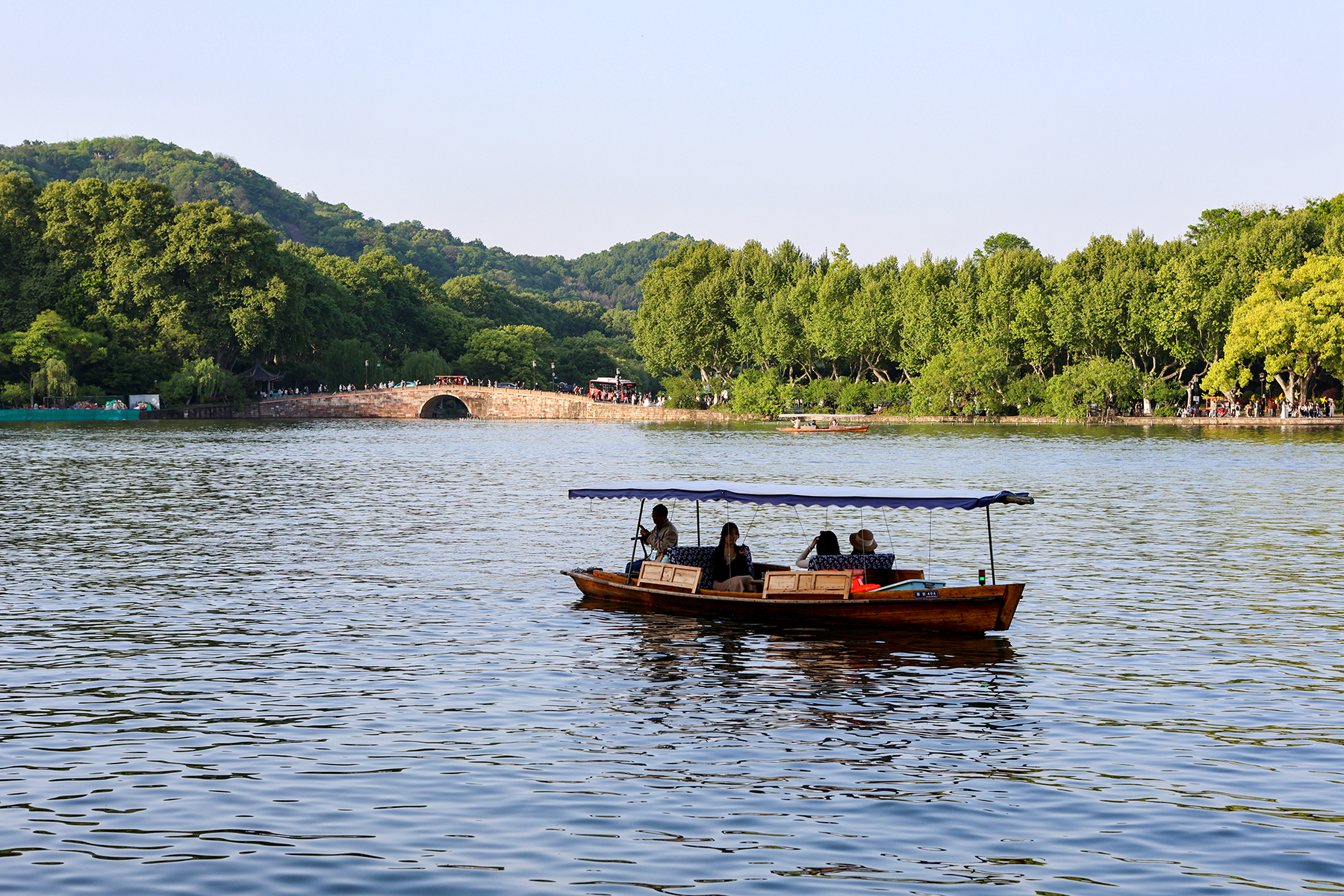
Why Hangzhou Belongs on Your 2026 China Itinerary
Often overshadowed by Beijing’s grandeur or Shanghai’s buzz, Hangzhou is China’s best-kept secret for foreign travelers seeking poetic landscapes, culinary depth, and frictionless logistics. it’s also one of the most accessible Tier-1 cities for tránsito sin visa: Hangzhou Xiaoshan International Airport (HGH) is fully integrated into China’s 240-hour visa-free transit program. If you’re flying into HGH—or connecting via Shanghai Pudong (PVG) or Nanjing Lukou (NKG)—you can enter Hangzhou for up to 10 days without a visa, provided you hold a passport from one of the 54 eligible countries (including the US, UK, Canada, Australia, Germany, France, Japan, and South Korea) and have confirmed onward travel.
What makes Hangzhou especially compelling in 2026? Its world-class infrastructure has matured: the city now hosts over 280 km of metro lines (including Line 19, fully operational since early 2025), real-time English signage at all major stations, and AI-powered navigation kiosks in West Lake scenic areas. Plus, with direct G-train service averaging under 50 minutes from Shanghai Hongqiao (SHH) and just 4.5 hours from Beijing South (BJS), Hangzhou fits perfectly as a 2–3-day cultural counterpoint to a broader China itinerary—or a serene standalone destination.
West Lake: Beyond Postcards — How to Experience It Right in 2026
West Lake isn’t just a landmark—it’s a living UNESCO World Heritage site where history, ecology, and daily life intertwine. In 2026, avoid the crowds and clichés with these practical strategies:
- Go early or late: Enter the main scenic area (Su Causeway, Bai Causeway) before 7:30 a.m. or after 5:30 p.m. to enjoy mist-covered lotus ponds and near-empty teahouses—no tickets required before 8 a.m.
- Rent e-bikes—not scooters: The city’s official Hellobike fleet (blue bikes with QR-code unlock) is licensed, insured, and available at 1,200+ docking points. Avoid unregistered rental shops charging ¥80–120/day; official rates are ¥1.5/hour with a ¥199 WeChat deposit (refundable in minutes).
- Try the new ‘West Lake Audio Trail’: Launched in April 2026, this free app (available on iOS/Android) offers GPS-triggered stories in English about Su Dongpo, Yue Fei, and local dragon boat rituals—no headphones needed, thanks to directional bone-conduction speakers at 12 key stops.
Pro tip: Skip the overpriced West Lake cruise boats (¥50–80, often in Mandarin-only groups). Instead, take the Free Lakeside Ferry (operated by Hangzhou Tourism Group): runs hourly from 9 a.m.–4 p.m. between Su Causeway’s Broken Bridge and Solitary Hill Pier—English announcements included.
Longjing Tea Culture: From Farm to Cup (2026 Edition)
Hangzhou’s famed Longjing (Dragon Well) green tea isn’t just a souvenir—it’s an immersive agricultural experience. In 2026, only four villages retain official Protected Geographical Indication (PGI) status: Shifeng, Meijiawu, Wengjiashan, and Longjing Village. Tourist tea farms outside these zones often serve blended or imported leaves—even if labeled “authentic.”
Here’s how to do it right:
Book a morning visit (8:30–11:30 a.m.) to Meijiawu Tea Village, where family-run cooperatives like Liu Family Tea Garden offer hands-on picking (¥60/person, includes tasting and small pouch), followed by pan-firing demo (April–May peak season). Note: No reservations accepted on-site—book online via Hangzhou Tourism Bureau’s verified portal (hztour.gov.cn/en) at least 48 hours ahead. All guides speak fluent English, and prices are fixed (no haggling).
For serious tea lovers: The newly opened Longjing Tea Museum (Phase II) in Shifeng opened in March 2026. Its English-language interactive gallery covers terroir science, Ming Dynasty trade routes, and even lets you blend your own custom roast using AI-assisted flavor profiling—yes, it’s niche, but wildly popular among Japanese and European visitors.
Getting Around: Metro, Apps & 240h Transit Reality Checks
Hangzhou’s metro is arguably China’s most foreigner-friendly: full English audio + visual announcements, universal icons, and station maps printed with exit-level landmarks (e.g., “Exit C → West Lake Music Fountain, 3-min walk”). But don’t assume everything’s seamless. Here’s what works—and what doesn’t—in 2026:
| Transport Mode | Estado 2026 | Consejo clave |
|---|---|---|
| Hangzhou Metro | Fully operational, 12 lines | Use Alipay’s “Hangzhou Metro” mini-program: scan QR code, ride, auto-deduct. No need for physical cards or deposits. |
| Didi (English app) | Available, but limited driver English fluency | Type destination in Chinese characters into Didi’s search bar (use translation app first); drivers rely on address pins—not voice instructions. |
| Alquiler con conductor (WingPhoenix) | 24/7 English-speaking drivers, airport meet & greet | Book ≥24h ahead for 240h 240 horas arrivals—includes HGH immigration fast-track support and bilingual roadside assistance. |
| Tren de alta velocidad (G-train) | 12 daily departures to Shanghai, 8 to Nanjing | Buy tickets via 12306.cn English site OR WingPhoenix’s AI planificador de viajes (auto-translates ID requirements, books seats, sends QR e-ticket). |
Important 240h reminder: Your visa-free clock starts the moment you clear immigration at HGH—not when your flight lands. If arriving late at night (e.g., 11 p.m.), your first full day begins at midnight. Keep your onward flight e-ticket visible on your phone—immigration officers routinely check it.
Eating Like a Local: Beyond Dongpo Pork
Hangzhou cuisine (Zhejiang cai) is subtle, fresh, and vinegary—not fiery or heavy. In 2026, skip tourist traps along Hefang Street (overpriced, reheated, minimal English menus) and head instead to:
Qinghefang Historic Block’s hidden gems: Xin Feng Xiang (est. 1928) serves perfect shengjian bao (pan-fried pork buns) at ¥12/4 pieces—look for the red awning and line of locals waiting post-10 a.m. For dinner: Yue Bin Lou, a century-old restaurant inside the West Lake Cultural Park, offers set menus from ¥168 (includes xi hú cū yú—West Lake vinegar fish—with seasonal bamboo shoots). Reserve via WeChat Mini-Program “YueBinLou_EN” (no phone needed).
Sweet tooth? Try Guihua Xian’guo (osmanthus rice cakes) at Wang’s Osmanthus Shop near Leifeng Pagoda—made fresh daily, ¥8/piece, gluten-free option available. And yes—most sit-down restaurants now accept Visa/Mastercard and Apple Pay (Alipay+ still preferred for smaller vendors).
Your 2026 Hangzhou Itinerary Blueprint
Here’s a realistic, low-stress 3-day plan optimized for foreign travelers:
- Día 1: Morning metro to Longjing Village (Line 6 → Line 10 transfer); afternoon tea picking + tasting; evening stroll along West Lake’s Su Causeway.
- Día 2: Sunrise ferry to Solitary Hill; visit Zhejiang Provincial Museum (free, English audio guide); lunch at Xin Feng Xiang; afternoon at Lingyin Temple (book timed-entry slot online—¥45, includes English docent).
- Día 3: Half-day at Xixi National Wetland Park (take Metro Line 19 to Zhouwangmiao Station); rent a paddleboat (¥120/hr, English instruction sheet provided); depart via G-train to Shanghai or fly out of HGH.
This rhythm balances culture, nature, and rest—no rushed temple hopping or confusing transfers. And if you’re building a multi-city China trip, WingPhoenix’s AI trip planning helps auto-optimize your Hangzhou stop based on flight times, visa-free windows, and personal interests (e.g., “tea-focused,” “photography-first,” or “family-friendly”). It even preloads offline maps and generates printable QR codes for metro, train, and museum entry—no signal needed.
Ready to craft your perfect Hangzhou escape? Start your 2026 itinerary in under 90 seconds—plan your AI-optimized trip now.
Feature photo of Hangzhou: Windmemories · Wikimedia Commons · CC BY-SA 4.0