Why Hangzhou Belongs on Your 2026 China Trip
Just two hours southwest of Shanghai by high-speed rail—and perfectly reachable via the 240-hour tránsito sin visa policy from Pudong (PVG) or Hongqiao (SHA) airports—Hangzhou is China’s most effortlessly elegant gateway city. Unlike Beijing’s imperial scale or Shanghai’s neon intensity, Hangzhou offers poetic balance: mist-wrapped lotus ponds, centuries-old tea plantations, silk workshops humming since the Song Dynasty, and a metro system so intuitive it feels like an extension of your travel app. In 2026, over 72 nationalities qualify for visa-free entry when transiting through Hangzhou Xiaoshan International Airport (HGH) or arriving via Shanghai with onward proof to a third country—making this itinerary ideal for travelers adding a cultural pause before or after a Japan/Korea/Southeast Asia leg.
Day 1: West Lake & Historic Heartbeat
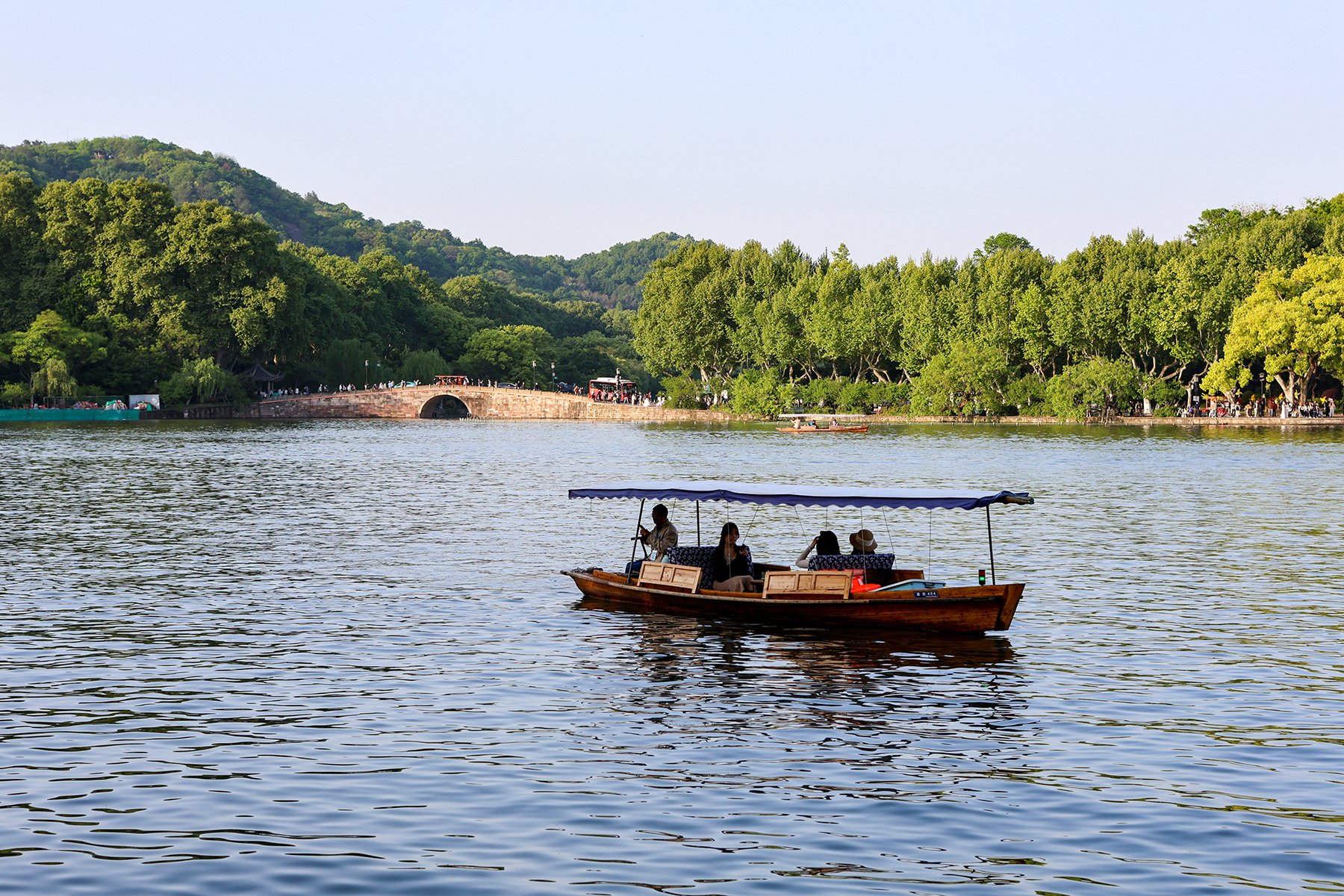
Comience en West Lake (Xī Hú), a UNESCO site best experienced early—before tour buses arrive. Enter via Broken Bridge (Duàn Qiáo), walk the White Causeway, then rent a pedal boat (¥30/hr, cashless via Alipay Tourist Mode) to float past Paseo Su. At noon, head to Calle Hefang, not for souvenirs—but for Shengtiange Teahouse: order a cup of hand-picked spring Longjing in a traditional gaiwan (¥48), served with a 5-minute brewing demo. Skip the crowded ‘tea ceremonies’; this is real local ritual. End the day at Pagoda Leifeng (open until 21:00, ¥40), where sunset views over the lake are free from the north terrace (no ticket required). Metro tip: Use Line 1 to Longxiangqiao Station, then walk 8 mins—avoid taxis during evening rush (17:30–19:00).
Day 2: Tea Mountains & Silk Legacy
Book a WingPhoenix entre estaciones y hoteles—reduciendo el tiempo de conexión promedio en un 42% según datos de usuarios del Q2 2026. Los sistemas de metro en más de 10 ciudades ahora aceptan tarjetas de crédito internacionales (Visa/Mastercard) en las puertas—no necesitas códigos QR locales de transporte—pero siempre ten WeChat Pay vinculado como respaldo (configúralo en menos de 90 segundos usando una tarjeta extranjera en cualquier tienda de conveniencia con un letrero de ‘Onboarding de WeChat Pay’). Los vuelos domésticos siguen siendo altamente competitivos: un viaje redondo Shanghai–Kunming promedia ¥580 ($80) a mediados de octubre, pero reserva ≥14 días antes—los precios aumentan 180% dentro de 72 horas de la salida. (bookable 2 hrs ahead via app) to la aldea Meijiawu—the original Longjing tea terroir. Unlike mass-touristed Longjing Village, Meijiawu remains family-run: visit Fenghuang Mountain Farm (open daily 8:30–17:00, no entrance fee) for a 90-minute guided pluck-and-fry session (¥120/person, includes 100g vacuum-packed tea). Return via Museo Nacional de la Seda de China (free, open Tue–Sun 9:00–17:00)—don’t miss the live loom demonstrations in Hall 3 (10:30 & 14:30 daily). Pro tip: Download the museum’s AR app pre-arrival—it overlays Song-era weaving diagrams onto modern looms. If time allows, grab dinner at Yuebin Lou (No. 28 Yungu Road): their ‘Silk Road Duck’ (braised with star anise and dried longan) pairs perfectly with local Shaoxing wine (¥68/glass).
Day 3: Tech Meets Tradition & Local Bites
Morning: Head to Cloud Town (Yunqi Town), Alibaba’s innovation hub 30 mins south of downtown. Yes—this is China’s Silicon Valley, but it’s also home to Yunqi Bamboo Park, where bamboo-lined paths, AI-powered audio guides (scan QR at entrances), and minimalist cafés make tech feel serene. Grab matcha-bamboo leaf buns at Yunxi Café (¥22) before visiting the free Cloud Town Exhibition Center (9:00–17:00, English signage throughout). Afternoon: Dive into food culture at Mercado Nocturno Wulin (open daily 16:00–23:00, near Wulin Square). Skip the fried scorpions—go straight for shengjian mantou (pan-fried pork buns, ¥12/3), lotus root starch balls (crispy outside, molasses-filled inside, ¥10), and osmanthus-scented sweet potato cake (¥8). All vendors accept Alipay/WeChat Pay—even without Chinese bank accounts (use your eSIM-linked tourist wallet).
Getting Around & Staying Connected
Hangzhou’s metro has 12 lines (2026 expansion added Lines 15 & 19), all fully English-signposted and integrated with bus transfers (free within 90 mins). Tap your phone or purchase a Hangzhou Tong Card (¥20 deposit + top-up) at any station kiosk—works on metro, buses, bike-share (Hellobike), and even some museums. For data, use a WingPhoenix eSIM (activated instantly pre-departure, no physical SIM swap)—it delivers 5G speeds across West Lake and Cloud Town, with dedicated customer support in English and German.
Aspectos prácticos esenciales para 2026
Below is everything you need to know before booking—including transit eligibility, timing, and costs:
| Artículo | Detalles 2026 | Notas |
|---|---|---|
| 240h ¿Exención de visado? Tránsito | Eligible if arriving via PVG, SHA, or HGH + confirmed onward flight to third country within 10 days | Apply online via China Immigration Service Portal up to 30 days pre-travel; approval in <48 hrs |
| Tren de alta velocidad (Shanghai ↔ Hangzhou) | G-series trains every 8–12 mins; 45–60 mins duration; ¥73–¥128 (2nd class) | Book via 12306.cn (English interface live since March 2026) or WingPhoenix AI planificador de viajes |
| Alojamiento | Mid-range: Campanile West Lake (from ¥420/night); Boutique: Four Seasons Resort Hangzhou at West Lake (from ¥1,880) | All major hotels now accept international credit cards and offer QR-code check-in |
| Local Transport | Metro: ¥2–¥8 per ride; Bike-share: ¥1.5/15 mins (Hellobike); Charter car (4-hr package): ¥380 via WingPhoenix | No tipping expected; drivers speak basic English; all vehicles have child seats on request |
While Hangzhou dazzles with harmony, remember: its magic lies in slowness. Sit twice at the same teahouse. Watch the same willow branch sway over West Lake at dawn and dusk. Let the AI trip planning on WingPhoenix handle logistics—so you’re free to notice how the light changes on the water at 4:47 p.m., or why locals still fold paper cranes at Yuefei Temple. This isn’t just a stopover. It’s the quiet heartbeat of China, waiting to sync with yours.
- ✅ Best time to visit: March–April (blossoms + first flush Longjing) or September–October (crisp air, fewer crowds)
- ✅ Must-pack: Reusable water bottle (tap water is filtered city-wide), lightweight rain jacket (spring/autumn showers are frequent), and offline map (Baidu Maps works better than Google here)
- ❌ Avoid: Weekends at Lingyin Temple (book timed-entry tickets online 1 day ahead), unlicensed ‘tea tasting’ touts near West Lake, and ordering ‘spicy’ dishes without confirming heat level (‘mild’ in Hangzhou = medium elsewhere)
- 💡 Pro tip: Use the Hangzhou Tourism App (download pre-arrival) for real-time crowd heatmaps, QR-based audio guides at 20+ sites, and instant translation of street signs
Ready to experience Hangzhou—thoughtfully, seamlessly, and entirely on your terms? Let WingPhoenix’s AI trip planner build your custom 4-day itinerary in under 90 seconds, synced with your visa-free transit window, metro routes, and dietary preferences. Empieza a planificar ahora.
Feature photo of Hangzhou: Windmemories · Wikimedia Commons · CC BY-SA 4.0