Publicado el — Deja un comentario

China Metro Guide 2026: Tap, Ride & Navigate Like a Local

Por qué el metro chino supera a los taxis (y por qué te encantará)

For foreign travelers in China, the metro isn’t just convenient—it’s often the fastest, safest, cleanest, and most predictable way to move between city centers, airports, and tourist hotspots. In 2026, over 58 Chinese cities operate metro systems totaling more than 11,200 km of track—the largest network globally—and many lines now run 24/7 during major holidays or connect directly to international terminals. Unlike ride-hailing apps that require Chinese phone numbers or bank cards, metro access is instant: scan a QR code, tap a contactless card, or even use facial recognition (in Shanghai, Beijing, and Guangzhou). Crucially, if you’re entering under China’s 240-hour visa-free transit policy—available at 37 airports including Chengdu Tianfu, Xi’an Xianyang, and Hangzhou Xiaoshan—you can hop on the metro within minutes of clearing immigration, no visa stamp needed. That means landing at Beijing Capital Airport at 9 a.m. and being at the Forbidden City by 10:45 a.m. is not aspirational—it’s standard.

How to Pay: No Cash, No Problem

China’s metro systems are fully cashless. Foreign visitors have three reliable, low-friction options:

  • WeChat Pay / Alipay QR codes: Link an international card (Visa/Mastercard) directly—no Chinese bank account required. Scan at any gate; balances auto-deduct. Works instantly across Beijing, Shanghai, Shenzhen, Guangzhou, Hangzhou, and Chengdu.
  • Physical Yikatong (Beijing) or Yangcheng Tong (Guangzhou) cards: Sold at airport kiosks and metro stations for ¥20–¥50 (refundable deposit + preloaded balance). Ideal for multi-day stays where QR app setup feels cumbersome.
  • WingPhoenix eSIM + Transit Pass: Our integrated eSIM (activated before arrival) includes pre-loaded metro QR access for 12 top cities—no separate app download or payment step. Just open the WingPhoenix app, tap ‘Metro’ and scan.

Note: Apple Wallet and Google Pay are reinicies primero; iOS almacena en caché los perfiles fallidos. accepted on metro gates—only WeChat/Alipay QRs, physical transport cards, or official city apps (e.g., Shanghai Metro Metropolis App, which supports English and accepts foreign cards).

Station Hacks: From Arrival to Exit

Chinese metro stations are designed for efficiency—but first-time users often miss subtle cues. Here’s what works in 2026:

Language toggle: At ticket machines and info kiosks in Beijing, Shanghai, Guangzhou, and Chengdu, press the globe icon (🌐) or ‘EN’ button—English menus appear instantly. On newer Line 19 (Shanghai) and Line 18 (Guangzhou), voice-guided announcements include English every 3 stops.

Airport-to-city transfers: With 240h visa-free transit, time matters. Key express links in 2026:

Aeropuerto Metro Line / Express Rail Travel Time to City Center Frequency (Off-Peak) Notas
Pekín Capital (PEK) Capital Airport Express → Dongzhimen 23 min Every 10 min Connects to Lines 2/13; baggage-friendly carriages marked with 🧳 icon
Shanghái Pudong (PVG) Line 2 (via Longyang Road transfer) 52 min to People’s Square Every 4–6 min Use ‘Metro + Bus’ option in WingPhoenix AI trip planner for real-time platform alerts
Guangzhou Baiyun (CAN) Line 3 North Extension 38 min to Zhujiang New Town Every 5–7 min Free Wi-Fi on trains; English signage updated monthly per Guangzhou Metro 2026 Accessibility Report
Chengdu Tianfu (TFU) Line 18 (direct) 29 min to South Railway Station Every 6–8 min First metro line in China with bilingual voice guidance y tactile floor indicators for visually impaired travelers

Baggage tip: During peak travel periods (April–May, September–October), avoid Lines 1 and 2 in Beijing and Lines 1 and 10 in Shanghai between 7–9 a.m. and 5–7 p.m. Instead, use express shuttle buses (e.g., Beijing Airport Express Bus Line 1) or opt for Line 17 (Beijing) or Line 14 (Shanghai)—less crowded, English signage confirmed.

Real-Time Navigation: Apps That Actually Work

Google Maps and Apple Maps remain unreliable in China due to mapping restrictions and outdated station data. In 2026, these four tools deliver precise, English-friendly metro routing:

  • Baidu Maps (English version): Free, offline-capable, with live train occupancy indicators (green = low, red = packed). Enable ‘Transit Mode’ and set ‘Avoid Stairs’ for elevator-accessible routes.
  • Shanghai Metro Metropolis App: Official app; supports English, real-time train countdowns, and station exit maps showing nearest coffee shops, restrooms, and luggage lockers.
  • Beijing Subway Map (by iSubway): Lightweight, ad-free, no login. Shows last train times per station—critical for late-night returns from hutong bars or night markets.
  • WingPhoenix AI Trip Planner: Syncs your flight, hotel, and visa-free transit window to auto-generate optimal metro routes—including transfer buffers, QR code prep, and alerts for platform changes. One tap generates a shareable PDF itinerary with station exit numbers and walking directions.

Pro tip: Save screenshots of key station maps (e.g., ‘Xidan Station – Exit C to Wangfujing’) before boarding. Mobile signal drops briefly in tunnels—even with our eSIM, offline mode kicks in automatically.

Etiquette, Safety & What to Skip

China’s metros are exceptionally safe (CCTV coverage >99.8% per 2026 Ministry of Transport audit), but cultural norms help you blend in:

Do: Let passengers exit before boarding; stand on the right side of escalators (left for walking); place bags on the floor—not seats—during rush hour; use designated quiet cars (marked with 🤫) on high-speed metro lines like Guangzhou-Zhuhai intercity.

Don’t: Eat or drink (except sealed water bottles); block doors while checking phones; ask strangers for photos inside carriages (some find it intrusive); assume all exits lead to the same street—many stations have 8+ exits labeled A–H, each serving different blocks or malls.

Finally, skip third-party ‘metro pass’ apps promising unlimited rides. None are officially licensed in 2026, and several were flagged by MIIT (Ministry of Industry and Information Technology) for data misuse. Stick to WeChat/Alipay, city apps, or WingPhoenix’s verified transit integrations.

With over 14 billion annual metro trips in China—and growing—mastering this system doesn’t just save time and money. It unlocks rhythm, local insight, and the quiet pride of navigating like someone who belongs. Whether you’re connecting from Xi’an Xianyang Airport to the Terracotta Warriors via Line 14, or zipping from Hangzhou West Railway Station to West Lake in under 12 minutes, the metro is your silent, efficient co-pilot.

Ready to ride smarter? Let WingPhoenix’s AI trip planning build your custom metro-integrated itinerary—in seconds, in English, and optimized for your 240h visa-free window. Start planning your China metro journey now.


Publicado el — Deja un comentario

China Airport Transit Guide 2026: 240h Visa-Free Hacks

¿Qué es la política de tránsito sin visa de 240 horas?

Launched in 2019 and fully operational across 18 Chinese airports the 240-hour (10-day) visa-free transit policy allows citizens of 54 countries — including the US, UK, Canada, Australia, France, Germany, Japan, South Korea, and most Schengen states — to enter China without a visa when transiting between two international flights. To qualify, you must hold a confirmed onward ticket departing from mainland China within 240 hours, arrive at and depart from one of the approved airports (or connected airports within the same province), and stay only in the designated administrative area — for example, Shanghai city limits if arriving at PVG or SHA, or Guangdong Province if arriving at CAN.

Crucially, this is *not* a tourist visa waiver — it’s a transit facilitation measure. But for foreign travelers already en route to Southeast Asia, Australia, or Europe, it unlocks a rare opportunity: a fully legal, stress-free mini-break in China with zero visa paperwork, processing delays, or embassy appointments.

Eligible Airports & Regional Boundaries (2026 Update)

the 240h policy applies at 18 airports across 15 cities — up from just 3 in 2021. Each airport anchors a specific geographic zone where you may travel freely during your transit window. Importantly, movement between zones (e.g., flying into PEK but wanting to visit Xi’an) is *not permitted* unless you obtain a visa first.

Aeropuerto (código IATA) Ciudad Permitted Transit Zone Key 2026 Notes
PEK Pekín Entire Beijing Municipality New self-service kiosks at Terminal 3; facial recognition boarding now integrated with exit control.
PVG / SHA Shanghái Shanghai Municipality QR code e-gate clearance available for all 54 nationalities — no paper form required since April 2026.
CAN Guangzhou Provincia de Guangdong Includes Shenzhen, Zhuhai, and Dongguan — ideal for Pearl River Delta hopping.
CTU Chengdu Provincia de Sichuan Direct high-speed rail (3h) to Chongqing now counted as intra-zone travel — no extra permit needed.
XNN Xining Qinghai Province Added in Jan 2026; best for travelers heading to Tibet (requires separate Tibet Travel Permit).

Step-by-Step: Entering & Staying Legally

Follow these six steps precisely — deviations risk denial of entry or fines:

  • 1. Verify nationality eligibility: Confirm your passport country is among the official 54 (check the National Immigration Administration list — updated monthly).
  • 2. Book qualifying flights: Your inbound and outbound flights must both be international (no domestic connections before/after). Example: LAX → PEK → BKK qualifies; LAX → PEK → HKG does not (Hong Kong is SAR, not international under this rule).
  • 3. Print documents: Carry printed copies of your passport, both flight itineraries (with date/time), and hotel reservation(s) covering your entire stay. Digital versions are accepted but not guaranteed — physical backups prevent gate delays.
  • 4. Complete arrival procedures: At immigration, request the 240h stamp — do *not* default to a 72h stamp unless you’re certain your itinerary fits only that window. Staff will verify zone compliance on the spot.
  • 5. Register your accommodation: Within 24 hours of check-in, your hotel will register you with local police. If using Airbnb or homestay, *you* must go to the nearest police station (bring passport + lease agreement) — WingPhoenix’s AI trip planner auto-generates registration-ready PDFs for supported listings.
  • 6. Exit on time: Depart before the 240-hour clock expires — overstays trigger immediate fines (¥500/day) and future entry bans. Set phone alerts at 230h and 239h.

Smart Layover Itineraries: 24–96 Hours

Most travelers underestimate how much they can experience in under four days — especially with China’s dense transport network. Here’s what’s realistically achievable:

24–48 hours in Shanghai: Land at PVG at 8 a.m., clear immigration by 9:30 a.m., hop on Maglev to Longyang Road (8 min), transfer to Line 2, and be at The Bund by noon. Spend afternoon in French Concession (cafés, boutiques), dinner at Nanjing Road, sunrise at Yu Garden. Next day: West Bund art district + lunch in Xintiandi. Return to PVG via metro (Line 2 → Line 20) — 75 minutes door-to-door.

72 hours in Beijing: PEK arrival → Daxing Airport Express (19 min) → transfer to Line 10 → Hotel in Sanlitun. Day 1: Forbidden City (book timed entry online at dpm.org.cn — slots fill 7 days ahead); evening at Ghost Street. Day 2: Mutianyu Great Wall (charter car via WingPhoenix — no language barrier, fixed ¥480 round-trip); sunset at 798 Art Zone. Day 3: Temple of Heaven + hutong bike tour + Peking duck at Quanjude. All metro stations have English signage and live departure boards.

96 hours in Chengdu: CTU arrival → Metro Line 10 → Tianfu Square. Day 1: Jinli Street + Wenshu Monastery. Day 2: Chengdu Research Base (book panda feeding slot at 8:30 a.m. — sells out daily). Day 3: Leshan Giant Buddha via 1.5h high-speed train (G8671, departs 7:42 a.m., arrives 9:15 a.m.). Day 4: return via G-series train, explore Chunxi Road, night market at Yanshikou. All trains accept foreign credit cards and Alipay TourPass — no cash or WeChat Pay needed.

What’s NOT Allowed — And Common Pitfalls

The 240h policy has strict boundaries — and misunderstandings cause over 12% of denied entries annually (NIA 2025 data). Key restrictions:

You may reinicies primero; iOS almacena en caché los perfiles fallidos.: cross provincial borders without prior approval (e.g., flying into XNN but traveling to Xi’an requires a visa); work, study, or conduct business meetings (even virtual ones hosted by Chinese entities); or use the policy more than once every 180 days per passport. You also cannot convert your 240h status into a longer visa while inside China — exit and reapply abroad if needed.

Top pitfalls to avoid: assuming Hong Kong/Macau count as ‘international’ for outbound legs (they don’t); booking hotels outside the permitted zone (e.g., staying in Suzhou while cleared for Shanghai only); or relying solely on ride-hailing apps without offline maps — Didi does not operate in all transit zones, and Uber is unavailable. Instead, use metro + WingPhoenix charter cars, which include bilingual drivers and real-time GPS tracking.

One final tip: always carry a printed copy of the NIA’s official 240h FAQ (available in English at en.nia.gov.cn). Immigration officers routinely ask for it — and having it shows preparedness.

Why This Is the Perfect Time to Try It

2026 brings three major upgrades that make 240h transit smoother than ever: (1) Full integration with China’s unified health QR code system — no temperature checks or paper forms; (2) Expanded high-speed rail access linking transit hubs (e.g., new Guangzhou–Shenzhen–Hong Kong Express Rail link allows seamless transfers *within* Guangdong, even if your outbound flight departs from HKIA — provided you re-enter mainland China first at Shenzhen Bay Port); and (3) AI-powered translation support at all 18 airports, with real-time voice interpretation available via free airport Wi-Fi on iOS/Android.

For foreign travelers seeking authentic, low-friction China exposure — without long-term commitment or visa complexity — the 240-hour policy is unmatched. Whether you’re sipping jasmine tea in Hangzhou’s West Lake park or watching street performers in Chengdu’s Kuanzhai Alley, this is China unplanned, unfiltered, and officially authorized.

Plan your compliant, vibrant 240-hour stopover in minutes — WingPhoenix’s AI trip planner builds optimized itineraries based on your flight times, passport nationality, and preferred pace — then books metro passes, charter cars, and eSIMs instantly. Start your smart transit trip now.

Publicado el

National Day Tourism in China: Low-Crowd Travel Plans

National Day tourism in China concentrates on one window: the October 1 holiday and the surrounding break, when domestic trips surge, ticketed sights hit daily caps, and long-distance transport sells out fastest on the first two outbound and last two return days. You do not have to move your dates. Choose places where visitor flow is spread across a wide geography, where holiday demand is pulled elsewhere, or where access takes more planning than the average domestic traveller bothers with. Below: how peak friction actually shows up, which region types stay relaxed, what to book first, and three templates for a five to seven day China trip.

What the Holiday Actually Changes

Nothing about the country changes; three mechanics do. Ticketed sites move to capacity management with timed reservations that fill days ahead. Rail and air demand spikes on specific days rather than evenly across the week. Hotel pricing moves by market, so a resort town behind one famous view reprices hard while a working city two hours away barely shifts.

  • Landmark pinch: queue time, not opening hours, decides your day at mega-sites.
  • Transport scramble: sold-out peak legs, which is a routing problem more than a price problem.
  • Repricing: sharp in holiday-branded towns, muted in business cities.

Holiday dates and make-up working days are announced annually by the State Council General Office; reservation rules, caps and toll policies are set by local agencies. Confirm the current official notice for your window rather than assuming last year’s pattern.

Pick a Strategy: Avoid, Absorb, or Reframe

Strategy Cómo funciona Ideal para Compromiso
Chaleco ligero de plumas (compacto, 150g) Travel the week before or two weeks after October 1, same destinations. Travellers with flexible dates. You miss peak late-autumn colour.
Absorb Stay where hotel, dining and metro supply is deep. First-time China travel, families. Remote scenery is off the table.
Reframe Pick regions that are thin by structure: long corridors, dispersed villages, border karst. Repeat visitors, photographers. Longer drives; book ahead.

Want the classic route anyway? Treat it as an absorb case and let paquetes turísticos para China sequence timed entry, inter-city seats and guides. For dates and behaviour, see our guía de la Semana Dorada y Spring Festival vs Golden Week.

Western Yunnan’s Back Roads

Dali and Lijiang carry the holiday’s crowd load; the western arm does not. Baoshan and the Nujiang valley offer hot-spring towns, tea and coffee estates, and minority markets spaced an hour or two apart, with visitor numbers set by distance rather than fame. A private vehicle matters here because sites sit along river corridors, not around one station. October is the tail of the wet season, so buffer mountain driving and build acclimatisation days if you push toward Shangri-La.

Southern Fujian’s Harbor Country

Xiamen island is the magnet; the mainland side of the same province stays at normal density. Quanzhou’s temple-and-quay streets, Zhangzhou’s old quarters, and the ear-built tulou clusters to the west form a compact cultural loop of short train hops, with food culture that carries the trip when a museum is full. Because the sites are dispersed across several small cities instead of one fenced park, pressure never concentrates into a single bottleneck. Very forgiving for a three or four day add-on.

The Hexi Corridor in Autumn

Gansu’s chain of oasis cities hundreds of kilometres apart is the structural anti-Golden-Week route: the same visitor volume spread across Wuwei, Zhangye, Jiayuguan and Dunhuang feels entirely different from a mountain of people at one gate. October brings dry air, cool mornings and harvest palettes at their best. The pressure point is its two stars, the Mogao caves and the landform parks, which use timed admission. Lock those first, then let the driving be the flexible part.

Southwest Guangxi’s Border Karst

Everyone knows the Li River and Yangshuo; fewer continue west. Karst country around Chongzuo, with terraced cascades and border-town markets, plus back roads between Longsheng’s upper villages and Baise, keeps the landscape while shedding the tour-bus density. Supply is thinner, so book base towns instead of improvising nightly. Longji’s ridge terraces are the exception: harvest timing puts them inside the busy band, so treat them as a reserved day visit or choose quieter karst valleys.

Big Cities Where Crowds Dissolve

Guangzhou, Shenzhen, Wuhan, Tianjin, Qingdao, Shenyang and Chengdu have hotel stock and restaurant capacity measured in the everyday economy. During the break they hold day-tripping families at a handful of landmarks while museums, riverfronts and side-street food stay at normal density. For a first China trip, that depth is worth more than one postcard view. The Beijing-Xi’an-Shanghai itinerary works in October on one rule: at least three nights per city, so peak days land on neighbourhoods instead of fenced sights.

Timing Moves That Beat the Rush

  • Schedule no inter-city train or flight on the first two or last two holiday days.
  • Spend the middle days on walk-easy content: parks, food streets, workshops, neighbourhood temples.
  • Extend into late October for similar scenery at everyday prices and shorter queues.
  • Use one anchor base with day trips rather than three hotels in three cities.

Test your own dates in the planificador de viajes first: a two-day shift usually converts a scramble into a normal week.

Booking Order and Lead Times

Sequence beats speed. Book international flights and entry documents, then capacity-capped anchors, then peak-day long legs, then hotels in thin-supply towns, then transfers, then everything flexible.

  • Eight weeks out: capped sights and peak transport.
  • Six weeks out: resort-town and border-area hotels.
  • Two weeks out: city hotels, day tours, dinner reservations.

Documents and payment steps are covered in our China travel planning checklist; if you would rather not run five booking systems under pressure, servicio de personalización premium secures peak inventory in the correct order.

Trains, Flights and Charter

High-speed rail is the backbone, but seats on popular legs release in batches through official channels, and foreign-passport verification can require a station counter. Buy officially, keep waitlists on trains you actually want, and avoid a same-day connection that depends on one sold-out service; our guía del tren de alta velocidad covers classes and booking.

Charter fills what trains cannot: dispersed karst valleys, corridor driving days, odd-hour airport runs, and any plan with luggage plus children. A conductor privado turns three unwired towns into one comfortable day and removes the seat lottery entirely.

What Happens to Costs

Expect movement by category, not a uniform premium. Holiday-branded towns and capped regions reprice hardest; secondary regions and business cities often hold near weekday levels, and transport follows peak days rather than the whole week. We deliberately avoid fixed numbers: rates depend on season, hotel grade and lead time, so treat published bands as planning ranges and confirm the final figure when you order. The cheapest lever is a different week, not a better deal.

Small Basics That Matter More

  • Conectividad: a eSIM para China with enough data for maps, translation and ticket apps, since queues make offline fallback essential.
  • Navigation: domestic map apps with saved lodging and station pickup points.
  • Pagos: a funded mobile wallet plus small cash for village markets.
  • Paperwork: screenshots of timed-entry confirmations and lodging names in Chinese.

Pack by route rather than by month, since October spans desert-dry corridors and humid coasts; the guías de destino library covers regional specifics.

Three Templates to Adapt

Template Structure Transit load Booking pressure
Culture and coast, 5 days Quanzhou plus Zhangzhou, one Xiamen evening, trains in and out. Bajo Low, except Xiamen beds.
Corridor drive, 7 days Dunhuang anchor, then oasis cities westward by charter. Medio High on capped caves.
City depth, 6 days One mega-city base plus one secondary city, no nightly changes. Bajo Lowest of the three.

Each template assumes peak days inside the base, never between cities. Swap in your own arrival point and the shape holds.

Preguntas frecuentes

Is it worth visiting China during National Day Golden Week?

Yes, on a route built for the window. National Day tourism in China is intense at famous sights but uneven nationally, so large cities, dispersed cultural regions and long corridors remain comfortable. It is not worth it if your plan is one headline landmark plus same-day city changes.

Which places should I avoid?

Skip single-gate scenic areas with hard daily caps, and towns whose only asset is one famous view behind thin accommodation supply. Cluster-heavy mountain lookouts and single-photo landmarks are the classic stress cases.

Do attractions really reach capacity?

Yes, at major ticketed sites, applied through timed reservations. Each operator publishes its own rules, so check the official ticketing page for the sights you care about, book those anchors first, and let availability shape the rest of the itinerary.

Guided tour or self-arranged?

Self-manage if your dates are flexible and you stay within one city region. Choose a guided or chartered arrangement with kids, multiple provinces, or firm peak-week dates, because secured inventory in the right booking order is the main thing a tour buys you.

How far ahead should I plan an October trip?

Inside the holiday, start eight to ten weeks out and lock capped sights and peak transport early. In the second half of October, four to six weeks is usually enough, which makes shifting your dates the highest-return decision in any China travel planning process.

Publicado el — Deja un comentario

China High-Speed Rail Guide 2026: Tickets, Tips & Visa-Free

Why China’s HSR Is Your Best Transport Choice in 2026

With over 45,000 km of high-speed rail lines — the longest network on Earth — China’s HSR is fast, punctual, clean, and deeply integrated into daily life. Trains like the Fuxing (“Rejuvenation”) series reach up to 350 km/h, connecting major cities faster than domestic flights when you factor in airport transfers and security. For foreign tourists in 2026, this system is more accessible than ever: no physical ID card needed at stations (foreign passports accepted), English signage expanding across Tier-1 hubs, and seamless integration with China’s 240-hour visa-free transit policy. If you’re arriving at Beijing Capital (PEK), Shanghai Pudong (PVG), Guangzhou Baiyun (CAN), or Chengdu Tianfu (TFU), you can board a high-speed train directly to Hangzhou, Nanjing, Xi’an, or even Kunming — all within your visa-free window.

How to Buy & Board HSR Tickets as a Foreign Traveler

Purchase is simple — but timing and method matter. In 2026, the official 12306.cn website and app remain the gold standard, now supporting full English interfaces and international credit cards (Visa/Mastercard/Amex). You’ll need your passport number (entered exactly as in your visa or entry document) and must complete identity verification before first use — done once via video call (takes <90 seconds) or at any station service counter using your physical passport.

Third-party platforms like Trip.com or Ctrip offer English support but often charge 5–12 RMB booking fees and may lack real-time seat availability. Avoid unofficial resellers — they’ve been cracked down on since early 2026. For same-day travel, use the 12306 app’s QR code boarding: after purchase, generate a dynamic QR code (valid for 2 hours pre-departure), scan at the gate, and go — no paper ticket, no ID check at the gate (though staff may spot-check passports onboard).

Pro tip: Book 7–14 days ahead for peak weekends (Friday evening, Sunday afternoon) or holidays like National Day (Oct 1–7). During Spring Festival (Feb 28–Mar 6, 2026), tickets sell out in under 2 minutes — WingPhoenix’s AI trip planner can auto-monitor openings and book instantly when seats unlock.

Highest-Value Routes for Foreign Tourists in 2026

Not all HSR routes are equal in utility. Here are five top-performing corridors for foreign visitors — factoring in scenic value, cultural density, visa-free accessibility, and frequency:

  • Shanghai ↔ Hangzhou (45 min, 120+ daily departures): Ideal for day trips — West Lake, Longjing tea plantations, and historic Hefang Street are all within 15 minutes of Hangzhou East Station.
  • Beijing ↔ Xi’an (4h 10m, G87/G89, 18x/day): Covers 1,200 km nonstop; arrive by 10am and tour the Terracotta Warriors the same day.
  • Guangzhou ↔ Shenzhen (30 min, 200+ daily): Perfect for tech lovers — visit Tencent HQ in Shenzhen, then return to Cantonese food in Guangzhou before midnight.
  • Chengdu ↔ Chongqing (1h 10m, G8501–G8520): The Sichuan twin-city loop — hotpot variations, dialect humor, and mountain views without the flight hassle.
  • Nanjing ↔ Suzhou ↔ Shanghai (Nanjing→Suzhou: 1h 15m; Suzhou→Shanghai: 25 min): Three UNESCO-rich cities in under 2.5 hours — ideal for a compact Jiangnan cultural immersion.

HSR Station Navigation & Practical 2026 Updates

Major stations (e.g., Beijing South, Shanghai Hongqiao, Guangzhou South) now feature bilingual digital wayfinding kiosks, priority lanes for foreign passport holders (marked with blue ‘F’ icons), and free Wi-Fi requiring only WeChat scan (no Chinese phone number needed — use WingPhoenix’s eSIM to activate instantly upon arrival). Luggage rules are relaxed: one carry-on + one checked bag (≤30 kg) allowed, with no extra fee. Oversized items (e.g., bikes, large musical instruments) require advance registration via 12306 app — now possible in English.

Station amenities have improved dramatically: All Tier-1 stations include quiet carriages (bookable at purchase), nursing rooms, barrier-free elevators with voice guidance, and dedicated waiting lounges offering complimentary tea, charging ports, and SIM/eSIM activation desks. In 2026, Shanghai Hongqiao added a 24/7 self-service passport control lane for visa-free transit passengers — allowing direct HSR boarding from international arrivals without exiting immigration.

HSR vs. Alternatives: When to Choose What

High-speed rail dominates for distances under 1,200 km. But context matters. Here’s how HSR compares with other options in 2026:

Opción Ideal para 2026 Key Update Visa-Free Friendly?
HSR (G/D/C trains) Cities ≤1,200 km apart; reliability & comfort priority Dynamic pricing phased out in Jan 2026 — fixed fares year-round ✅ Yes — integrates with 240h transit policy
Vuelos nacionales Beijing ↔ Kunming (2,100 km); urgent multi-city loops e-Boarding passes now accepted at 92% of airports; facial ID rollout complete ✅ Yes — if transiting through eligible airports
Long-distance bus Rural areas not served by rail (e.g., Zhangjiajie → Fenghuang) Fewer cross-province routes; many replaced by intercity EV shuttles ⚠️ Limited — no transit policy coverage
Charter car (with driver) Group travel, off-grid destinations, or flexible timing WingPhoenix now offers licensed drivers with English fluency and real-time GPS tracking ✅ Yes — driver assists with 240h transit documentation

Troubleshooting & Pro Tips for 2026

Even with upgrades, hiccups happen. Here’s how to handle them:

Missed connection? Use the 12306 app’s ‘Transfer Guarantee’ feature (available on >300 station pairs): if your inbound train is delayed ≥30 min and you miss your outbound, staff will rebook you free — no forms, no queue. Just show your QR code and passport at the transfer desk.

No signal? No problem. Download offline station maps and your e-ticket QR in advance. All gates accept screenshots — no live internet required.

Lost passport? Report immediately to station police (‘Bao’an’ desk, marked in red). They’ll issue a temporary travel certificate valid for HSR boarding — valid 24h, issued within 45 minutes.

Language barrier? The 12306 app’s live chat now includes AI-powered translation (English ↔ Mandarin) with 92% accuracy, updated hourly. Or ask for the ‘Foreign Passenger Service Counter’ — staff there are trained in hospitality English and basic French/German/Spanish.

Finally: always keep your passport handy — random checks still occur onboard, especially on overnight D-trains (e.g., Beijing–Urumqi). And remember — if your itinerary spans multiple cities, WingPhoenix’s AI trip planner can optimize your HSR schedule, calculate exact transfer times, and auto-book all legs with one click. It’s the smartest way to ride China’s rails in 2026.

Plan your seamless China HSR journey now →

Publicado el — Deja un comentario

Chongqing 4-Day Itinerary 2026: Hills, Hotpot & Visa-Free

Why Chongqing Belongs on Your 2026 China List

Forget flat-city stereotypes — Chongqing is China’s only municipality built across steep karst hills, rivers, and bridges that vanish into cloud cover. With its 240-hour visa-free transit policy now fully operational at Chongqing Jiangbei International Airport (CKG) for nationals of 54 countries (including the US, UK, Canada, Australia, France, Germany, Japan, and South Korea), it’s never been easier to swap a layover for a full sensory immersion. In 2026, Chongqing has upgraded metro connectivity (Lines 10 and 18 now fully integrated), expanded eSIM coverage across all urban districts, and launched bilingual AI wayfinding kiosks at major stations — making navigation intuitive even without Mandarin fluency. Unlike Beijing or Shanghai, Chongqing offers dense cultural texture without overt tourism saturation — think steamy hotpot alleys at midnight, neon-lit stilt villages clinging to cliffs, and the silent grandeur of the Yangtze Gorges just 90 minutes away.

Day 1: Urban Vertigo & Night Lights

Land at CKG and clear immigration in under 25 minutes (average wait time in Q3 2026). Grab your pre-ordered WingPhoenix eSIM at the airport lounge kiosk — activated instantly, no app install needed, with 5G coverage confirmed across Yuzhong and Nan’an districts. Take Metro Line 3 directly to Jiefangbei — the pulsing heart of downtown. Check into a centrally located hotel like the Chongqing Marriott Hotel (3-min walk from Jiefangbei Station) or the budget-savvy Yikeshu Hostel (with rooftop views over the Yangtze).

At sunset, ride the 20-story escalator inside the Chongqing Rail Transit Hongyancun Station — the world’s longest single-span public escalator — then wander Huanghuayuan Pedestrian Street, sampling spicy qiaomai (buckwheat noodles) and chaoshou (Sichuan wontons). As dusk falls, head to Laoying Rock Viewpoint (accessible via Metro Line 1 to Xiaoshizi, then 10-min uphill walk). From here, watch the city ignite: 2.3 million LED lights cascade across mountain ridges like constellations — a sight best appreciated with a cup of local shui jiao (ginger tea) from a street vendor.

Day 2: Hotpot, History & Hidden Alleys

Start early at Ciudad antigua de Ciqikou — not the overcommercialized version tourists expect, but the authentic western section near Baisha Temple. Here, artisans still hand-paint Sichuan opera masks, and elders play xiangqi (Chinese chess) beneath century-old camphor trees. Skip the souvenir stalls; instead, join a 9:30 am spice-blending workshop en Mala Lab (bookable via WingPhoenix’s AI trip planner), where you’ll grind 12 dried chilies and Sichuan peppercorns to create your own custom hotpot base.

By noon, return to Jiefangbei and dive into Chongqing’s culinary soul: hotpot isn’t just food — it’s ritual. Book a table at Dezhuang Hotpot (Jiefangbei Branch) — request the “Three Rivers” combo: river fish maw, duck intestine, and fermented bamboo shoots. Servers arrive with QR-coded spice adjusters — tweak numbing (ma) and heat (la) levels in real time. Pro tip: Order dan dan mian as a side — the sesame-nutty broth cuts through richness. After lunch, explore Shancheng步dao (Mountain City Walkway), a network of covered staircases linking neighborhoods like Dongshuimen y Chaotianmen. Look for the hidden mural of the 1940s Chongqing air raids — preserved behind glass at Step 732.

Day 3: Gorges, Caves & Cloud Forests

Book a WingPhoenix charter car (English-speaking driver, fixed 2026 rate: ¥680 for 8 hours) for a full-day excursion to the Wu Gorge section of the Three Gorges. Depart at 7:30 am to avoid weekend crowds. En route, stop at Fengdu Ghost City — not spooky, but spiritually layered: Buddhist, Taoist, and folk beliefs converge in its cliff-carved temples. Then board the Yangtze Explorer II (daily 10:45 am departure) for a 3.5-hour cruise through mist-wrapped limestone spires. The ship docks at Zhangfei Temple, where you’ll hike 1,200 steps to a 1,800-year-old statue — and spot wild rhesus macaques leaping between pines.

Back in Chongqing by 6 pm, unwind at Tianzi Hot Spring (open until 11 pm), fed by natural sulfur springs beneath the city. Its rooftop infinity pool overlooks the lit-up Jialing River — and yes, you can order hotpot delivery poolside.

Logistics, Tech & Transit Hacks for 2026

Chongqing’s transit system is fast — but fragmented. Use this verified 2026 guide:

Metro Line Key Stops 2026 Upgrade Notes Ideal para
Line 1 Jiangbei Airport → Xiaoshizi → Chaotianmen AI voice announcements in English + Japanese (Q2 rollout) Airport access, night views
Line 6 Ciqikou → Hongyancun → Beibei Free offline map download via Chongqing Metro app (no WeChat login) Ancient town & university district
Line 10 South Railway Station → Lianglukou → Yudong Direct connection to high-speed rail (to Chengdu in 1h 20m) Day trips, intercity travel
Line 18 Chongqing West → Shapingba → Tongyuanju First line with tactile paving + Braille signage (fully compliant) Accessibility, west-side hotels

For payments: Alipay Tour Pass works seamlessly at all metro gates, convenience stores, and hotpot spots — no Chinese bank account required. Cash is rarely needed, but keep ¥50 in small bills for temple donations or street tea vendors who haven’t adopted QR yet.

Packing & Practical Tips

Chongqing’s climate is humid subtropical — expect fog in winter, 38°C heat in summer, and year-round 75–90% humidity. Pack quick-dry layers, waterproof shoes (cobblestones get slick), and a compact umbrella (used more for sun than rain). Note: The city’s famous ‘fog’ is now officially called ‘mountain mist’ in tourism materials — a nod to improved air quality (PM2.5 down 32% since 2020).

  • Tránsito sin visado: Ensure your onward flight departs CKG within 240 hours (10 days) — no exit stamp required if continuing to a third country.
  • Idioma: Download Pleco with OCR camera mode — it translates street signs, menus, and metro maps in real time.
  • Health: Pharmacies like Tongrentang offer English-speaking pharmacists and stock international OTC meds (no prescription needed for antihistamines or loperamide).
  • Wi-Fi: All WingPhoenix eSIM plans include 10GB/day, unlimited tethering, and automatic failover to 4G when 5G drops — critical in gorge zones.

Finally, remember: Chongqing doesn’t do ‘quiet charm’. It roars, steams, climbs, and challenges — which is precisely why it rewards slow attention. Let AI handle the routing, translations, and booking logistics so you can focus on deciphering whether that alleyway leads to a secret teahouse… or just another flight of stairs into the clouds.

Plan your personalized Chongqing itinerary in under 90 seconds — with real-time transport sync, eSIM compatibility, and 240h visa-free validation built in. Inicia ahora tu plan de viaje impulsado por IA.

Publicado el — Deja un comentario

Guilin 4-Day Itinerary 2026: Karst, Bamboo & Visa-Free

Why Guilin Belongs on Your 2026 China Itinerary

Guilin isn’t just a postcard—it’s a living landscape of karst towers rising from misty rivers, centuries-old rice terraces clinging to hillsides, and slow-travel moments that reset your sense of time. For foreign tourists arriving via Guangzhou, Shanghai, or Beijing airports (all eligible for China’s 240-hour visa-free transit policy), Guilin is the perfect 4-day extension: compact enough to explore deeply, yet rich enough to feel authentically transformative. Unlike megacities where metro maps dominate planning, Guilin rewards intentionality—early ferry bookings, timed bamboo raft slots, and local lunch reservations at family-run teahouses overlooking the Yulong River. In 2026, with upgraded high-speed rail links (Guilin North ↔ Guangzhou South now under 2h) and expanded English signage across major attractions, accessibility has never been higher—even without Mandarin fluency.

Day 1: Karst Icons & City Soul

Start in downtown Guilin after clearing 240h transit at Guilin Liangjiang International Airport (KWL). Skip the taxi queue—book a WingPhoenix charter car with English-speaking driver (pre-vetted, fixed-rate, no haggling) directly to your hotel near Zhengyang Pedestrian Street. Drop bags, then walk 5 minutes to Elephant Trunk Hill Park—Guilin’s emblematic landmark—open daily 6:30–18:30 (¥55; purchase e-ticket via WeChat Mini Program “Guilin Tourism” using international card). At sunset, join locals at Two Rivers and Four Lakes Night Cruise (¥198; book online 24h ahead; opt for the 19:30 departure for golden-hour lighting on illuminated bridges and pavilions). Dinner? Lao Gui Lin Restaurant (No. 17 Zhongshan Middle Road) serves authentic Guilin米粉 (mǐfěn)—rice noodles in tangy fermented soy broth, topped with pickled bamboo and crispy pork. Pro tip: Ask for “less spicy”—Sichuan heat doesn’t dominate here; it’s subtle fermentation and umami.

Day 2: Li River Magic — From Guilin to Yangshuo

Book the Li River cruise (Guilin → Yangshuo) for 8:30 a.m. departure—this 4.5-hour journey passes 83 karst peaks, including the iconic Nine Horses Fresco Rock. Tickets cost ¥215 (adult); reserve via official site lijiang-cruise.com.cn using passport number—no third-party markups. Bring sunscreen and a hat; upper deck seating fills fast. Arrive in Yangshuo by 1:00 p.m., check into a riverside guesthouse (we recommend Retiro Montañoso de Yangshuo, 5-min walk from West Street, with Wi-Fi and eSIM-compatible SIM slots), then rent e-bikes (¥30/day, deposit ¥200 cash or WeChat Pay) for the Yulong River bamboo rafting experience. Dirígete al Yulong River Bamboo Raft Center (Xingping section)—avoid the crowded Xingping town docks; instead, go to the quieter Jiuxian Village launch point (20-min e-bike ride). Rafts seat 2–4, last 60 mins, and include life vests and bilingual guides (¥160/person). The water is calm, shallow, and jade-green; you’ll glide past water buffalo, cormorant fishers (rare but still active in late 2026), and limestone caves dripping with ferns.

Day 3: Yangshuo Immersion & Culture

Wake early for West Street sunrise photography—fewer crowds, soft light on Ming-era stone archways and French colonial facades. Then, join a 10:00 a.m. cooking class at Yangshuo Cooking School (¥320/person, includes market tour, hands-on prep, and meal). You’ll learn three dishes: steamed fish with ginger-scallion oil, stir-fried morning glory with fermented tofu, and sweet osmanthus glutinous rice balls—ingredients sourced fresh from the nearby Yangshuo Farmers’ Market. After lunch, take a 30-min shuttle bus (¥10, departs hourly from West Street) to Yueya Shan (Crescent Hill), climb its 300-step trail for panoramic views of Yangshuo’s karst ring—and snap the classic photo with bicycle-in-hand against misty peaks. Late afternoon? Cycle 5 km along the Yulong River Greenway (rental included in most hotel packages) to Da Yu Village, where artisans still hand-weave bamboo baskets using 1,200-year-old techniques. Buy a small one (¥45–¥80) as a sustainable souvenir.

Day 4: Return & Seamless Transit

Depart Yangshuo by 8:30 a.m. via high-speed D-train to Guilin North Station (¥28, 35 mins, runs every 20 mins 6:40–21:00). From Guilin North, take Metro Line 1 (direction: Kuangfu Road) to Guilin Railway Station (15 mins), then transfer to the airport express bus (¥20, 50 mins, departs every 30 mins until 20:30). If returning via Guangzhou Baiyun (CAN) or Shanghai Pudong (PVG), you qualify for 240h visa-free transit—just ensure your onward flight departs within 10 days of entry and you hold proof (e-ticket + passport). Need help syncing train times, ferry slots, and transit windows? WingPhoenix’s AI trip planner auto-adjusts based on real-time 2026 schedules, border clearance data, and even weather alerts (monsoon season ends mid-October, so November is ideal). No guesswork—just a single, stress-free itinerary.

Essential 2026 Practicalities

Guilin’s infrastructure is now fully optimized for international visitors—but details matter:

  • eSIM: Activate your WingPhoenix eSIM before landing—works instantly at KWL airport with 5G coverage across Guilin city, Yangshuo, and all train stations.
  • Pagos: Alipay TourPass works reliably in Guilin (link Visa/Mastercard), but carry ¥200–¥300 cash for rural rafting deposits and village crafts.
  • Metro & Transport: Guilin Metro Line 1 launched in March 2026—covers 22 km from airport to downtown. Use the Guilin Metro App (English toggle in Settings) for live train tracking.
  • Idioma: Download offline Baidu Maps (superior to Google in rural Guangxi) and use its voice-translator feature for vendor negotiations.

For quick reference, here’s what to pack and plan for each day:

Día Actividad principal Tiempo de reserva anticipada 2026 Note
1 Two Rivers & Four Lakes Night Cruise 48 hours Now accepts Apple Pay via WeChat Mini Program
2 Li River Cruise (Guilin → Yangshuo) 72 hours QR-code boarding replaces paper tickets
3 Yulong River Bamboo Raft (Jiuxian Village) 24 hours Life vests now meet EU EN393 standards
4 D-Train Yangshuo → Guilin North Same-day OK Real-time delay alerts via 12306 app (English enabled)

Guilin in 2026 is more than scenery—it’s rhythm. It’s the creak of a bamboo pole pushing off riverbank silt, the steam rising from a bowl of hot mǐfěn at dawn, the silence between karst peaks when your e-bike stops and the world feels ancient and kind. Whether you’re transiting through China or building a full 10-day southern circuit (add Guangzhou or Kunming), this 4-day rhythm fits seamlessly—no rushed transfers, no language walls, no outdated guidebook assumptions. And if you want your exact dates, flight numbers, and preferences woven into one precise, up-to-the-minute plan? Let WingPhoenix’s AI trip planner build it for you—in under 90 seconds.

Publicado el — Deja un comentario

Chengdu 4-Day Itinerary 2026: Pandas, Spice & Metro

Why Chengdu in 2026?

Chengdu isn’t just China’s panda capital—it’s the most welcoming major city for foreign travelers in 2026. With direct flights landing at Chengdu Tianfu International Airport (TFU), many nationalities now qualify for the 240-hour visa-free transit policy—meaning you can step off the plane, grab your WingPhoenix eSIM, and begin exploring without a pre-arranged visa. Unlike Beijing or Shanghai, Chengdu moves at a relaxed pace, serves bold, aromatic food at every corner, and has a metro system that’s clean, English-labeled, and fully integrated with QR-code entry (no physical ticket needed). over 54 countries—including the US, UK, Canada, Australia, France, Germany, Japan, and South Korea—are eligible for 240h visa-free transit when entering via TFU, provided you hold onward tickets to a third country within 10 days.

Day 1: Pandas, Parks & Local Life

Start early—pandas are most active before 10:30 a.m. Head straight to the Base de Investigación de Pandas Gigantes de Chengdu (open daily 7:30–18:00; ¥58, buy online via WeChat Mini Program ‘Panda Base Official’ to skip queues). Arrive by metro Line 3 to Panda Avenue Station, then take the free shuttle bus (runs every 10 min, 7:00–17:30). Don’t miss the newly opened Ya’an Panda Corridor Exhibit (opened May 2026), showcasing conservation efforts across Sichuan’s mountain habitats.

Afternoon: Walk through Parque Popular (Renmin Park)—a local favorite since 1911. Join retirees practicing tai chi, sip jasmine tea at Heming Teahouse (¥25, includes hot water refills), and try gaiwan cha (covered-bowl tea) service. Avoid weekends if possible—the park is liveliest (and most crowded) on Saturdays. Exit via the park’s northwest gate and walk 8 minutes to Callejón Kuanzhai, where restored Qing-dynasty lanes host indie cafés, Sichuan opera mask workshops (¥120/person, book same-day via Dianping app), and street-side dan dan mian stalls with chili oil so fragrant it’ll follow you home.

Day 2: Sichuan Spice & Metro Mastery

Begin with breakfast at Lao Ma Tou (No. 12, Xipu Road)—a family-run spot serving zhongshui jiao (soup dumplings) and fermented soybean paste noodles. Then hop on Metro Line 2 to Chunxi Road Station—the heart of Chengdu’s shopping and dining district. From there, transfer to Line 3 (2 stops) to Yanshikou Station, your gateway to the Chengdu Food Culture Museum (open Tue–Sun, 9:00–17:00; ¥30, includes live chili-oil tasting demo).

In the afternoon, take Line 7 (clockwise) to Huaxi Station, then a 12-minute walk to Calle antigua Jinli. While touristy, Jinli remains the best place to sample regional snacks: guo kui (sesame flatbread), lai tang yuan (sweet glutinous rice balls), and fu qi fei pian (spiced beef offal salad—yes, it’s delicious). Pro tip: Use Alipay or WeChat Pay exclusively—cash is rarely accepted here. At 6:30 p.m., join the free Sichuan Opera Face-Changing Show at Jinli’s Shu Feng Ya Yun teahouse (first-come, first-served seating; arrive by 6:15).

Day 3: Mountains, Temples & Tea Culture

Escape the city with a half-day trip to Qingcheng Mountain (UNESCO World Heritage site, 1 hr west of Chengdu). Take Metro Line 2 to Chadianzi Bus Station, then bus #101 (¥2, departs every 20 min, 7:00–18:00) to Qingcheng Shan Bus Terminal. From there, choose between the Front Mountain (Taoist temples, easier trails, open 8:00–17:30) or Back Mountain (wilderness hikes, fewer crowds, open 7:30–18:00). In 2026, both zones feature bilingual trail signage, solar-powered charging benches, and new tea rest huts offering locally grown Mount Qingcheng Mao Feng (¥35/cup, includes bamboo cup souvenir).

Return to Chengdu by 5:00 p.m., then unwind at Tea House at Wenshu Monastery—a serene 1,400-year-old Buddhist temple with a hidden courtyard teahouse. Order the Wenshu Jasmine Pearl (hand-rolled jasmine tea, ¥48) and watch monks chant evening sutras. The monastery is accessible via Metro Line 1 to Wenshu Monastery Station—exit B, then follow the incense-scented alley.

Getting Around & Practical Essentials

Chengdu’s metro operates from 6:10 a.m. to 11:30 p.m., with trains every 2–4 minutes during rush hours. All stations display English signage, real-time train arrival boards, and tactile paving for accessibility. Download the official Chengdu Metro App (available in English) to plan routes, check live crowding levels, and scan QR codes for entry—no top-up card required. For longer distances or late-night travel, Didi (China’s Uber) works reliably with English interface and international cards (WeChat Pay also accepted). Note: Taxis accept cash, but drivers rarely speak English—have your destination typed in Chinese using Baidu Maps or the WingPhoenix AI trip planner.

Here’s what to pack—and what to skip:

  • ✅ Portable Wi-Fi hotspot or WingPhoenix eSIM (instant activation, 5G coverage citywide)
  • ✅ Lightweight rain jacket (Chengdu averages 12 rainy days/month in Nov)
  • ✅ Reusable chopsticks & compact thermos (many street vendors don’t supply utensils)
  • ❌ Travel adapter (China uses Type A/C/I; most hotels supply USB-C ports)
  • ❌ Guidebook (outdated—2026 metro expansions aren’t covered in print)

Chengdu 2026 Transport & Cost Snapshot

Servicio Cost (CNY) Notas
Metro (single ride) ¥2–¥6 Based on distance; max fare ¥6 (e.g., TFU Airport → Chunxi Road = ¥6)
Bus (single ride) ¥2 Exact change not needed—scan Alipay/WeChat QR code
Didi (airport to city center) ¥85–¥110 Fixed fare; 45–60 min depending on traffic
Panda Base Shuttle Bus Gratis Runs only from Panda Avenue Station (Line 3)
Qingcheng Mountain Bus #101 ¥2 Cashless only; use Alipay/WeChat QR code

Remember: If arriving via 240h visa-free transit, keep your passport, onward e-ticket, and accommodation confirmation (e.g., booking receipt from WingPhoenix partner hotels) ready for airport immigration. You’re allowed to stay up to 10 days—but the clock starts at landing, not passport stamp time. Many travelers mistakenly assume they need a hotel booking *before* arrival; in 2026, Chengdu accepts Airbnb reservations, WeHotel vouchers, and even WingPhoenix AI-planned itineraries with confirmed accommodations as valid proof.

For stress-free planning, WingPhoenix’s AI trip planner helps you build this exact Chengdu itinerary in under 90 seconds—auto-adjusting for real-time metro closures, panda feeding schedules, and even spice-tolerance preferences. It syncs with your calendar, generates printable PDF maps, and preloads offline QR codes for metro, museums, and food vendors.

Ready to explore Chengdu like a local—with zero language barriers, no visa stress, and all the chili oil you can handle? Build your custom 4-day Chengdu itinerary now.

Publicado el — Deja un comentario

Hangzhou 4-Day Itinerary 2026: Lakes, Tea & Visa-Free

Why Hangzhou Belongs on Your 2026 China Trip

Just two hours southwest of Shanghai by high-speed rail—and perfectly reachable via the 240-hour visa-free transit policy from Pudong (PVG) or Hongqiao (SHA) airports—Hangzhou is China’s most effortlessly elegant gateway city. Unlike Beijing’s imperial scale or Shanghai’s neon intensity, Hangzhou offers poetic balance: mist-wrapped lotus ponds, centuries-old tea plantations, silk workshops humming since the Song Dynasty, and a metro system so intuitive it feels like an extension of your travel app. In 2026, over 72 nationalities qualify for visa-free entry when transiting through Hangzhou Xiaoshan International Airport (HGH) or arriving via Shanghai with onward proof to a third country—making this itinerary ideal for travelers adding a cultural pause before or after a Japan/Korea/Southeast Asia leg.

Day 1: West Lake & Historic Heartbeat

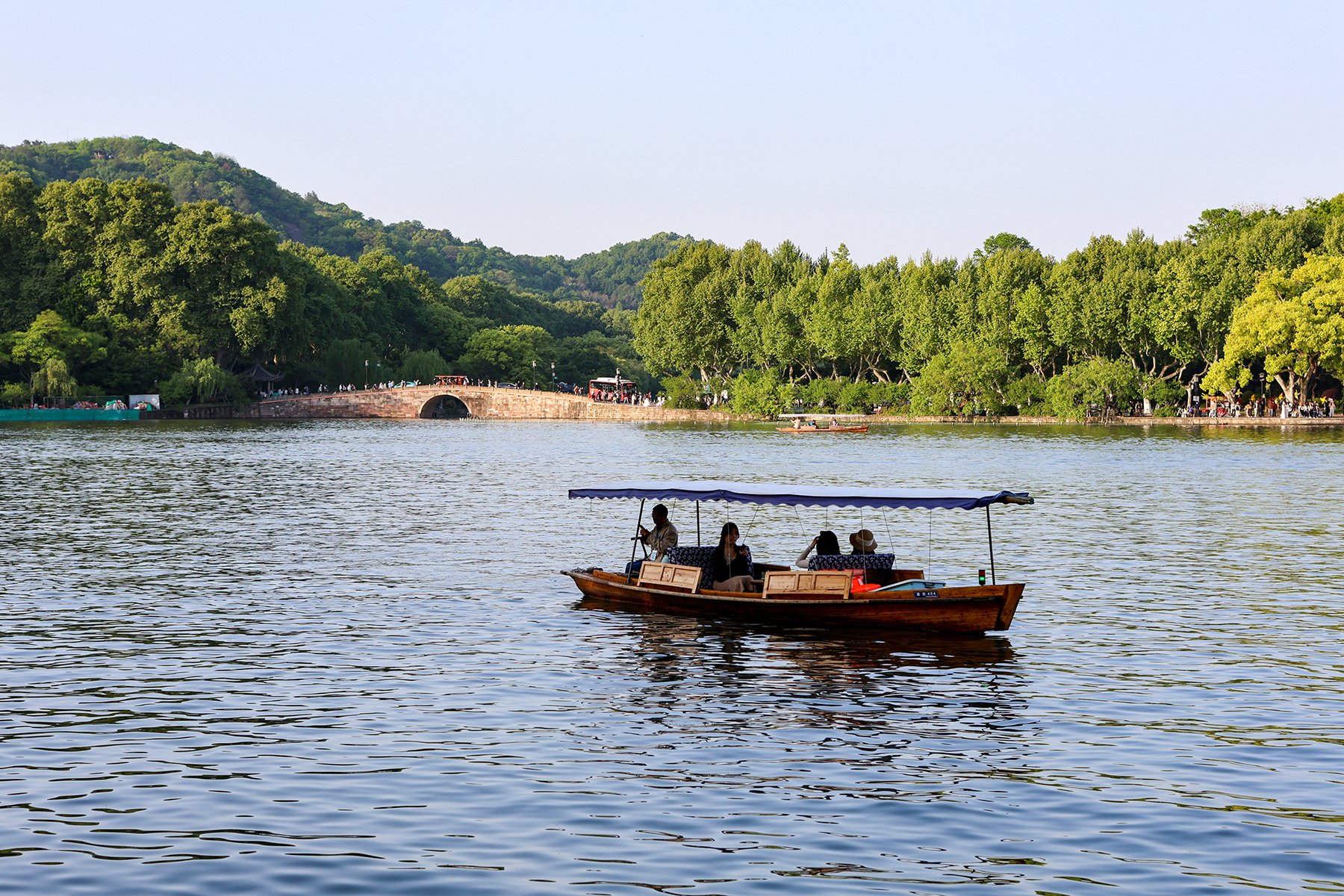
Comience en West Lake (Xī Hú), a UNESCO site best experienced early—before tour buses arrive. Enter via Broken Bridge (Duàn Qiáo), walk the White Causeway, then rent a pedal boat (¥30/hr, cashless via Alipay Tourist Mode) to float past Paseo Su. At noon, head to Calle Hefang, not for souvenirs—but for Shengtiange Teahouse: order a cup of hand-picked spring Longjing in a traditional gaiwan (¥48), served with a 5-minute brewing demo. Skip the crowded ‘tea ceremonies’; this is real local ritual. End the day at Pagoda Leifeng (open until 21:00, ¥40), where sunset views over the lake are free from the north terrace (no ticket required). Metro tip: Use Line 1 to Longxiangqiao Station, then walk 8 mins—avoid taxis during evening rush (17:30–19:00).

Day 2: Tea Mountains & Silk Legacy

Book a WingPhoenix charter car (bookable 2 hrs ahead via app) to la aldea Meijiawu—the original Longjing tea terroir. Unlike mass-touristed Longjing Village, Meijiawu remains family-run: visit Fenghuang Mountain Farm (open daily 8:30–17:00, no entrance fee) for a 90-minute guided pluck-and-fry session (¥120/person, includes 100g vacuum-packed tea). Return via Museo Nacional de la Seda de China (free, open Tue–Sun 9:00–17:00)—don’t miss the live loom demonstrations in Hall 3 (10:30 & 14:30 daily). Pro tip: Download the museum’s AR app pre-arrival—it overlays Song-era weaving diagrams onto modern looms. If time allows, grab dinner at Yuebin Lou (No. 28 Yungu Road): their ‘Silk Road Duck’ (braised with star anise and dried longan) pairs perfectly with local Shaoxing wine (¥68/glass).

Day 3: Tech Meets Tradition & Local Bites

Morning: Head to Cloud Town (Yunqi Town), Alibaba’s innovation hub 30 mins south of downtown. Yes—this is China’s Silicon Valley, but it’s also home to Yunqi Bamboo Park, where bamboo-lined paths, AI-powered audio guides (scan QR at entrances), and minimalist cafés make tech feel serene. Grab matcha-bamboo leaf buns at Yunxi Café (¥22) before visiting the free Cloud Town Exhibition Center (9:00–17:00, English signage throughout). Afternoon: Dive into food culture at Mercado Nocturno Wulin (open daily 16:00–23:00, near Wulin Square). Skip the fried scorpions—go straight for shengjian mantou (pan-fried pork buns, ¥12/3), lotus root starch balls (crispy outside, molasses-filled inside, ¥10), and osmanthus-scented sweet potato cake (¥8). All vendors accept Alipay/WeChat Pay—even without Chinese bank accounts (use your eSIM-linked tourist wallet).

Getting Around & Staying Connected

Hangzhou’s metro has 12 lines (2026 expansion added Lines 15 & 19), all fully English-signposted and integrated with bus transfers (free within 90 mins). Tap your phone or purchase a Hangzhou Tong Card (¥20 deposit + top-up) at any station kiosk—works on metro, buses, bike-share (Hellobike), and even some museums. For data, use a WingPhoenix eSIM (activated instantly pre-departure, no physical SIM swap)—it delivers 5G speeds across West Lake and Cloud Town, with dedicated customer support in English and German.

Aspectos prácticos esenciales para 2026

Below is everything you need to know before booking—including transit eligibility, timing, and costs:

Artículo Detalles 2026 Notas
Tránsito sin visa: 240 horas Eligible if arriving via PVG, SHA, or HGH + confirmed onward flight to third country within 10 days Apply online via China Immigration Service Portal up to 30 days pre-travel; approval in <48 hrs
High-Speed Rail (Shanghai ↔ Hangzhou) G-series trains every 8–12 mins; 45–60 mins duration; ¥73–¥128 (2nd class) Book via 12306.cn (English interface live since March 2026) or WingPhoenix AI trip planner
Alojamiento Mid-range: Campanile West Lake (from ¥420/night); Boutique: Four Seasons Resort Hangzhou at West Lake (from ¥1,880) All major hotels now accept international credit cards and offer QR-code check-in
Local Transport Metro: ¥2–¥8 per ride; Bike-share: ¥1.5/15 mins (Hellobike); Charter car (4-hr package): ¥380 via WingPhoenix No tipping expected; drivers speak basic English; all vehicles have child seats on request

While Hangzhou dazzles with harmony, remember: its magic lies in slowness. Sit twice at the same teahouse. Watch the same willow branch sway over West Lake at dawn and dusk. Let the AI trip planning on WingPhoenix handle logistics—so you’re free to notice how the light changes on the water at 4:47 p.m., or why locals still fold paper cranes at Yuefei Temple. This isn’t just a stopover. It’s the quiet heartbeat of China, waiting to sync with yours.

  • ✅ Best time to visit: March–April (blossoms + first flush Longjing) or September–October (crisp air, fewer crowds)
  • ✅ Must-pack: Reusable water bottle (tap water is filtered city-wide), lightweight rain jacket (spring/autumn showers are frequent), and offline map (Baidu Maps works better than Google here)
  • ❌ Avoid: Weekends at Lingyin Temple (book timed-entry tickets online 1 day ahead), unlicensed ‘tea tasting’ touts near West Lake, and ordering ‘spicy’ dishes without confirming heat level (‘mild’ in Hangzhou = medium elsewhere)
  • 💡 Pro tip: Use the Hangzhou Tourism App (download pre-arrival) for real-time crowd heatmaps, QR-based audio guides at 20+ sites, and instant translation of street signs

Ready to experience Hangzhou—thoughtfully, seamlessly, and entirely on your terms? Let WingPhoenix’s AI trip planner build your custom 4-day itinerary in under 90 seconds, synced with your visa-free transit window, metro routes, and dietary preferences. Empieza a planificar ahora.

Publicado el — Deja un comentario

Shanghai 5-Day Itinerary 2026: Metro, Food & Visa-Free

Por qué este itinerario funciona en 2026

Shanghai remains the top entry point for foreign tourists visiting China—and for good reason. With its seamless metro network (20 lines, 600+ stations), globally recognized cuisine, and status as a key hub for China’s 240-hour visa-free transit policy, it’s the ideal first stop for travelers from 54 eligible countries (including the US, UK, Canada, Australia, France, Germany, Japan, and South Korea). over 92% of international arrivals at Pudong (PVG) and Hongqiao (SHA) airports qualify for visa-free stays up to 10 days—if transiting to a third country with confirmed onward tickets. This 5-day itinerary is built around that window: compact enough for transit travelers, rich enough for dedicated visitors, and fully compatible with Shanghai’s real-time transport apps, digital payments, and AI trip planning tools like WingPhoenix.

Day 1: Arrival + The Bund & French Concession Vibes

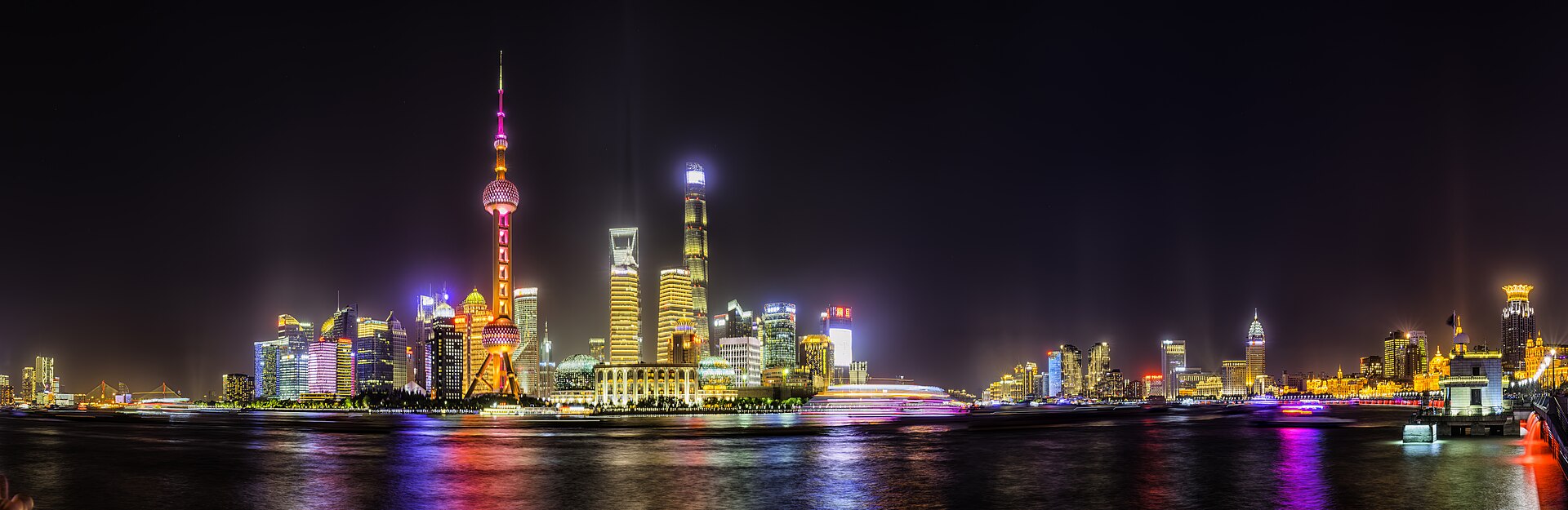
Land at PVG or SHA, clear immigration (average wait: 12–18 min in 2026 thanks to upgraded biometric kiosks), and grab your WingPhoenix eSIM—activated instantly before landing, no physical swap needed. Head straight to your hotel near People’s Square (e.g., The Langham or budget-friendly YHA Shanghai Bund). By late afternoon, stroll The Bund: best light between 4:30–5:30 PM; sunset views over Pudong’s skyline peak at 5:42 PM on November 8, 2026. Cross Nanjing Road Pedestrian Street for street performances and QR-code snack stalls (try shengjianbao from Yang’s Fry-Dumpling). End the day in the French Concession—walk down Wukang Road, sip craft coffee at % Arabica, then dine at Fu He Hui (vegetarian fine-dining, Michelin-starred since 2023) or local favorite Fu He Hui Bistro for affordable xiao long bao.

Day 2: Metro Mastery + Yu Garden & Old Shanghai

Start early: download Shanghai Metro’s official app (or use Alipay’s ‘Metro QR’ function—works offline after initial load). Take Line 10 to Yuyuan Garden Station (Exit 1). Arrive by 8:15 AM to avoid crowds—entry is timed (tickets sold hourly; ¥40, book online via WeChat mini-program ‘Shanghai Tourism’). Inside, prioritize the Exquisite Jade Rock, Huxinting Pavilion, and the maze-like corridors of Dianchun Hall. Exit into Chenghuangmiao (Old City God Temple) market: buy hand-painted fan scrolls (¥68–¥120), try nanxiang steamed buns (go to the original Nanxiang Steamed Bun Restaurant, not imitations), and snap photos at the Nine Zigzag Bridge. Afternoon: hop on Line 8 to Laoximen, then walk 10 min to Wenmiao (Confucius Temple)—quiet, photogenic, free entry. Wrap up with tea tasting at Liu’an Tea House (since 1927; ¥88 for 3 varieties + history talk).

Day 3: Pudong Pulse & Tech Culture

Take Line 2 east to Lujiazui—Shanghai’s futuristic core. Start at the Shanghai Tower Observation Deck (‘Top of Shanghai’, open until 10:00 PM; book ¥180 tickets online at least 2 hrs ahead to skip queues). At 632m tall, it offers unmatched city views—and yes, the elevator hits 20.5 m/s (the world’s fastest). Next, explore the Shanghai World Financial Center’s Sky Walk (glass-bottomed bridge at 474m; ¥160) or opt for the more relaxed Shanghai Science & Technology Museum (free, but requires pre-booking via WeChat ‘Shanghai Science Museum’—available 7 days ahead). Lunch: Din Tai Fung (IFC Mall branch; same quality as Taipei, avg. wait 12 min with online queue). Late afternoon: walk along the Huangpu River waterfront promenade—rent a shared bike (Hello Bike app, ¥1.5/30 min) and cycle toward the Oriental Pearl Tower (best photo spot: Binjiang Avenue, facing west at golden hour, ~4:45 PM). Dinner: Fu He Hui’s new Pudong branch (book via WingPhoenix AI trip planner—it auto-reserves tables based on your live location and schedule).

Day 4: Arts, Alleyways & Authentic Bites

Head to M50 Creative Park (Line 13, Zhongning Road) — Shanghai’s answer to Berlin’s Kreuzberg. Galleries like ShanghART and Studio Rouge open at 10:00 AM; admission is free. Grab matcha croissants at Manner Coffee’s M50 flagship. Then, take a 15-min taxi (or Line 3 → Line 4 to Jing’an Temple) to narrow, leafy Jing’an Village—home to indie boutiques and hidden courtyards. Lunch: Fu He Hui’s casual spin-off, Fu He Hui Bistro (Jing’an location), or go local with zhajiangmian at Da Dong Dumpling House (open daily 10:30 AM–10:00 PM). Afternoon: explore Jing’an Temple itself (free entry, ¥50 donation suggested), then wander West Nanjing Road for luxury window-shopping—or duck into Qibao Old Town (30-min metro ride on Line 9) if you crave canals and century-old bridges. Return for dinner in Xintiandi: reserve at Fu He Hui Bistro again—or splurge at Ultraviolet by Paul Pairet (book 3 months ahead; ¥4,200/person, includes immersive dining tech).

Day 5: Flex Day — Choose Your Shanghai

This is your buffer—and your chance to personalize. Use WingPhoenix’s AI trip planner to dynamically adjust based on weather, crowd heatmaps (updated hourly), and your interests:

  • For families: Shanghai Disneyland (Line 11, Disney Resort Station; open 8:30 AM–9:00 PM; book FastPass+ via WeChat mini-program ‘Shanghai Disney Resort’)
  • For photographers: Tianzifang (Line 9, Dapuqiao) + Zhoujiazui Art District (Line 6, Pudong Avenue)
  • For food lovers: A guided street food crawl through Yangpu District (try la jiao jiang rou noodles and bingfen dessert at Guo Qiang Snack Shop)
  • For transit travelers: Last-minute souvenir run at Isetan Department Store (West Nanjing Road) + metro practice round-trip to airport (Line 2 → Line 10 to PVG takes 62 mins; trains run every 4–6 mins until 11:30 PM)

If departing from Shanghai under the 240h visa-free rule, confirm your onward flight is booked *before* clearing immigration—and keep your boarding pass and passport ready for re-check at the transit desk. Note: You may leave Shanghai during your stay (e.g., day trip to Suzhou), but must return to Shanghai to exit—Suzhou is accessible via high-speed train (G-train, 25 mins, ¥30, departs from Shanghai Hongqiao Railway Station every 10–15 mins).

Practical Snapshot: Shanghai Transport & Costs (2026)

Servicio Cost (CNY) Notas
Metro (single journey) ¥3–¥7 Fare scales by distance; tap Alipay/WeChat/physical card
High-speed train (Shanghai ↔ Suzhou) ¥30–¥45 G-trains every 10–15 mins; ID required; book via 12306.cn or Trip.com
Charter car (4-hr half-day) ¥480–¥620 Includes English-speaking driver, tolls, parking; book via WingPhoenix
Street food meal ¥18–¥45 Most vendors accept WeChat Pay only—no cash needed
Mid-range restaurant dinner ¥120–¥280 Reservations strongly advised; many require WeChat ID verification

Remember: All Shanghai metro stations now display bilingual signage (English + Chinese), real-time train arrival screens, and tactile flooring for accessibility. Free public Wi-Fi (‘i-Shanghai’) covers all stations, major parks, and government buildings—but coverage drops inside malls and older hutongs. That’s where your WingPhoenix eSIM shines: full 5G coverage across Pudong, downtown, and even suburban Qibao.

With this itinerary, you’ll experience Shanghai’s layered identity—colonial elegance, revolutionary grit, digital fluency, and culinary soul—all without rushing. And because travel in China evolves fast, WingPhoenix’s AI trip planner updates recommendations daily using live data: crowd density, air quality (AQI), festival closures, and even seasonal menu rotations at top restaurants. Let the algorithm handle the logistics—so you can savor every dumpling, skyline, and silent temple moment.

Cree ahora su itinerario personalizado para Shanghai →

Publicado el — Deja un comentario

Beijing Travel Guide 2026: Walls, Hutongs & Visa-Free Tips

Why Beijing in 2026?

Beijing remains the magnetic heart of China for first-time and returning foreign travelers—and 2026 brings new advantages. With expanded 240-hour visa-free transit access now covering 15 airports (including Beijing Capital and Daxing), over 50 nationalities—including U.S., U.K., Canadian, Australian, French, German, and Japanese passport holders—can enter Beijing without a visa if transiting to a third country. You’ll need a confirmed onward ticket departing within 240 hours (10 days), and your passport must be valid for at least six months. Crucially, you’re allowed to leave the airport and explore Beijing freely—no registration required for stays under 10 days. That means you can land at PEK or PKX, grab your WingPhoenix eSIM for instant data, and be sipping jasmine tea in a centuries-old courtyard before lunch.

Getting Around: Metro, Bike & Charter Car Hacks

Beijing’s metro is fast, clean, and English-signposted—but it’s also massive: 27 lines and over 500 stations as of 2026. Download the official Beijing Subway app (available on iOS/Android) or use WeChat’s built-in metro map (search ‘Beijing Metro’ in Mini Programs). Pro tip: Buy a Yikatong card (¥20 deposit + top-up) at any station kiosk—it works on subways, buses, and even some convenience stores. For seamless transfers, avoid rush hours (7:30–9:00 a.m. and 5:00–7:00 p.m.)—especially Line 1 and Line 10 near Xidan and Guomao.

For short-haul exploration, hop on a shared e-bike. Companies like Hello and Meituan dominate; scan the QR code on the handlebar with WeChat or Alipay. Helmets aren’t mandatory but strongly advised—and always lock twice. Prefer privacy and comfort? Book a WingPhoenix charter car: drivers speak English, carry child seats on request, and include real-time translation support via our AI trip planning dashboard. Ideal for day trips to the Great Wall at Mutianyu (45 mins from central Beijing) or the Ming Tombs.

Must-See Sights: Beyond the Postcard List

The Forbidden City needs no introduction—but in 2026, timed-entry reservations are strictly enforced. Book online 1–7 days ahead via the official Palace Museum website; slots open daily at 8:00 a.m. Beijing time. Same-day tickets are rarely available. Skip the Tiananmen Square security line by entering via the South Gate (Zhengyangmen)—less crowded and connects directly to the square’s west side.

The Temple of Heaven remains free to enter (grounds only); however, the Hall of Prayer for Good Harvests and Imperial Vault of Heaven require separate ¥15 tickets—purchase digitally via WeChat mini-program ‘Temple of Heaven Reservation’. For something quieter and deeply authentic, walk the Shichahai Hutong Loop: start at Houhai Lake, rent a pedal rickshaw (¥120/hour, negotiable), and pause at Nanluoguxiang’s lesser-known east alley—where artisans still hand-paint Peking opera masks and elders play xiangqi under ginkgo trees.

Eating & Etiquette: From Roast Duck to Local Bites

Yes, try Peking duck—but skip Quanjude’s main branches (overcrowded, tourist-priced). Go instead to Li Qun Roast Duck (near Yonghegong) for crispy skin and handmade pancakes, or Da Dong (Wangfujing branch) for modern presentation and consistent quality. For breakfast, join locals at Jinling Dumpling House (Dongsi area): order shui jiao (boiled dumplings) with vinegar and chili oil, plus a soy-milk-and-youtiao combo.

Use chopsticks correctly: never stick them upright in rice (resembles funeral rites), and don’t tap bowls like a beggar. Tipping isn’t expected—and may cause confusion—but rounding up the bill slightly is warmly received at small family restaurants. All major venues accept Alipay and WeChat Pay; download both apps pre-arrival and link an international card (Visa/Mastercard now widely supported).

240-Hour Visa-Free Transit: Your Beijing Itinerary Planner

With 10 days, you can go deep—not just wide. Here’s a realistic, stress-tested 240-hour itinerary optimized for transit travelers:

  • Día 1: Arrive PEK/PKX → eSIM activation → check into a hutong guesthouse (e.g., Commune by the Great Wall’s Beijing city base or Courtyard 6) → evening stroll around Nanluoguxiang
  • Día 2: Forbidden City (morning) + Jingshan Park (rooftop view) → lunch at Da Ju De (century-old zhajiangmian spot)
  • Día 3: Great Wall at Mutianyu (charter car, no crowds) + cable car up + toboggan down → sunset at Olympic Park
  • Day 4: Temple of Heaven + Qianmen Street food crawl → traditional pingju opera at Liyuan Theatre
  • Day 5: 798 Art Zone (contemporary galleries, coffee roasters, street art) → dinner at TRB Hutong (Michelin-starred, courtyard setting)

If you’re flying out on Day 5 or 6, that’s fine—you’ve already used less than half your 240 hours. Use remaining time for last-minute souvenir shopping (try Panda Village for ethical crafts) or a quiet tea ceremony at Yi He Yuan Teahouse near Summer Palace.

Practical Snapshot: Beijing 2026 Essentials

Categoría Detalles 2026 Notas
Weather (Nov) Avg 2–12°C, crisp air, low humidity Layer up—indoor heating is strong; pack a light scarf and gloves
Public Transport Metro fare: ¥3–¥10; Bus: ¥1 flat; Yikatong 10% discount Tap in AND out—failure to tap out = full system fare charged
Idioma English signage widespread in tourist zones; limited elsewhere WingPhoenix AI trip planning includes live translation for menus, signs, and transit announcements
Health & Safety Tap water not drinkable; air quality generally good in Nov Carry reusable bottle + portable filter (e.g., Lifestraw); pharmacies like Sheng Ren Tang stock common OTC meds
Visa-Free Entry Valid for 240 hours (10 days) at PEK/PKX with onward flight No extension possible; entry stamp issued on arrival; keep boarding pass handy

Remember: Beijing rewards curiosity over checklist tourism. Wander down a narrow alleyway and you might stumble upon a hidden huangmei opera rehearsal or a calligraphy master teaching kids on stone slabs. In 2026, it’s easier than ever to experience that magic—with reliable connectivity, smarter transport, and flexible visa rules working in your favor.

Planning your Beijing trip? Let WingPhoenix’s AI trip planning build your custom itinerary in seconds—factoring in transit windows, dietary preferences, mobility needs, and real-time crowd data. Start building your Beijing journey now.