Publicado el — Deja un comentario

First Time in China: A Practical Guide for Europeans

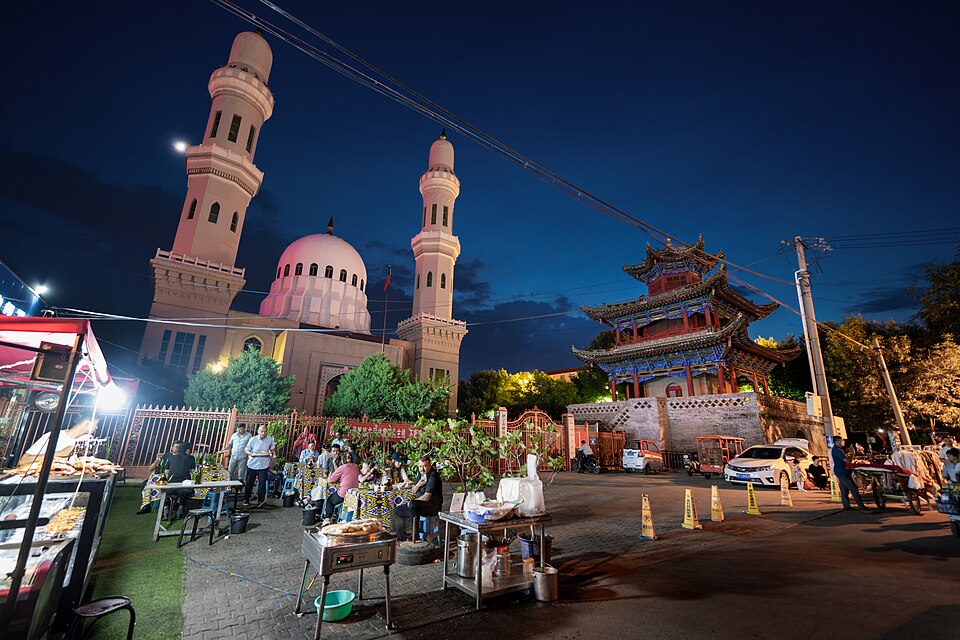
Respuesta breve: China rewards first-time European travellers enormously, and it is far more manageable than its reputation suggests. The four things that decide how a first trip feels are connectivity (Google, WhatsApp and Instagram behave differently on Chinese networks, so install a VPN and a China travel eSIM before you leave home), mobile payments (Alipay and WeChat Pay with a linked foreign card replace almost all cash), entry rules (many European passports currently enjoy short-stay visa-free or transit exemptions — but always confirm the current terms on official immigration pages), and pacing (pick two or three anchor cities joined by high-speed rail rather than trying to see everything). Sort those four and a first visit is smooth, safe and cheap by European standards.

Why a first trip to China feels different

China is a civilisation-sized destination, not a country in the European sense — most trip planning assumes a scale more like driving across a continent. Distances are big, the language is unrelated to European tongues, and daily digital life runs on apps you may not have. None of that is hard, but it does mean the travellers who arrive having set up the practical basics enjoy a very different, calmer trip from those who improvise everything at the airport. Budget three to five days for a first city, and build outward from there.

Getting connected before you fly

This is the number-one thing Europeans tell us they wish they had done earlier. Google, Gmail, WhatsApp, Instagram and Facebook behave differently or do not load on mainland networks, and navigation, translation and payments all depend on mobile data. Two moves fix it. First, install a working VPN while still on European Wi-Fi so it is ready the moment you land. Second, set up a China travel eSIM rather than relying purely on EU carrier roaming: “roam like at home” agreements stop at Europe’s edge, and China is one of the pricier roaming zones on most Vodafone, Orange, T-Mobile, Telefónica or EE price lists. An eSIM is typically far cheaper for the same data, installs at home, and keeps your European SIM live for bank codes and calls. Any eSIM-capable iPhone, Pixel or recent Galaxy will take one — our travel eSIM guide explains setup, and the Internet in China & VPN guide covers staying online.

Using Alipay and WeChat Pay as a foreigner

China is close to cashless. Taxis, markets, museums, cafés and even temple donations expect a QR scan, and while cash is legal, depending on it slows you down. The practical route is to link a foreign Visa or Mastercard to Alipay and to WeChat Pay, then enable the transport and lifestyle mini-apps. Once that works, you can ride the metro, hail a DiDi and pay for dinner with your phone. Full step-by-step instructions are in our Alipay & WeChat Pay guide for foreigners; carry one physical backup card and a little cash for small towns.

Do you need a visa? Check the current rules

A growing list of European passports currently qualify for short-stay visa-free entry or for long transit exemptions without a visa, and the rules have been expanding. This is genuinely good news — but the permitted length, eligible nationalities and conditions change, so treat any summary (including this one) as a signpost, not a source. Before you book flights, confirm your specific nationality on the official National Immigration Administration of China pages or with a Chinese embassy or consulate. Our Do You Need a Visa for China? guide explains the main entry routes to compare against the official page.

Which cities suit a first visit

Most first-timers do well with the classic “Golden Triangle” — Beijing, Xi’an and Shanghai — because it packs imperial history, the Terracotta Warriors and futuristic cityscapes into a manageable route linked by high-speed rail. Add Chengdu for pandas, Guilin or Zhangjiajie for landscapes, or Hangzhou and Suzhou for gardens and canals. The instinct to squeeze in ten cities is the most common first-trip mistake; two or three done well beats seven done badly.

Getting around: trains beat domestic flights

China’s high-speed rail is the traveller’s best friend — punctual, comfortable, city-centre to city-centre, and easy with a foreign passport, which can now be used at the station gates without collecting paper tickets. It usually beats flying between cities like Beijing-Shanghai or Xi’an-Chengdu once you account for airport time. The metro in every big city is cheap and clear, and DiDi ride-hailing works like Uber inside its apps. English support is thin on the ground, so save destinations as Chinese text or share map pins.

Comparing how to see China your first time

Approach Ideal para Esfuerzo Ayuda con el idioma Flexibility
Fully independent (own it: eSIM, apps, rail) Confident travellers, tight budgets Alto Minimal Maximum
Private driver / chartered car for key legs Families, comfort, rural day trips Bajo Driver-assisted Alto
Small-group or private guided tour First-timers, history lovers, seniors Muy bajo Guide handles all Fixed route
Designer-built custom itinerary Special occasions, multi-city trips Bajo Built in Tailored

If you would rather not navigate the logistics in your first week, our tours por China y private car and charter pages show two lower-effort routes; the personalización premium service designs a whole trip around you.

Language: how much English will get you

Fewer people speak English than the phrasebooks imply, especially outside hotel lobbies and big attractions, but this is where preparation pays: translation apps with offline packs, a screenshot of key addresses in Chinese, and a handful of polite phrases go a long way. Mandarin tones trip up most Europeans, yet a smile and a “xièxie” (thank you) open doors. Our Is English Widely Spoken in China? guide sets realistic expectations.

Is China safe, and what about health

For the vast majority of visitors China is very safe for personal security — violent crime against tourists is rare, and you can walk at night in most cities without concern. The bigger everyday issues are road safety as a pedestrian, food hygiene when eating very informally, and altitude if you go to Tibet or the Yunnan highlands. Drink bottled or boiled water, keep your passport accessible (hotels register foreign guests), and take out travel insurance that covers China; details are in our China safety guide.

Money, tipping and what things cost

By Western European standards China is good value: meals, trains, domestic flights and mid-range hotels usually cost noticeably less, though big-city hotels and attractions can match European prices. There is no ingrained tipping culture, so do not expect to tip in ordinary settings. Because prices and mobile-payment acceptance shift, treat any specific number you read online as a typical range and confirm the real figure when you book or order, rather than budgeting to a single hard price.

Cuándo ir y cuánto tiempo quedarse

Spring and autumn are the most comfortable seasons nationwide, summers are hot and humid in the east, and winters are cold and dry in the north. The single biggest thing to avoid is the national public-holiday “Golden Week” travel surges, when domestic crowds overwhelm trains and sights. Our Best Time to Visit China guide breaks it down month by month and region by region.

A realistic first-trip plan

A strong, low-stress first visit for most Europeans is Beijing, Xi’an and Shanghai in eight to eleven days, moving by high-speed rail, with connectivity, payments and any visa questions settled before departure. Lay the days out in the planificador de viajes, or borrow a proven route like the Beijing–Xi’an–Shanghai itinerary and adapt it. Browse the full library on the guías de viaje centro de recursos.

Preguntas frecuentes

Is China worth visiting for a first-time European traveller?

Absolutely. The scale, food, history and sheer efficiency of the cities surprise most first-timers, and once connectivity, payments and entry are sorted it is one of the most rewarding destinations in the world relative to what you get for your budget.

What is the one thing I should do before I fly?

Get connected: install a working VPN on European Wi-Fi and set up a China travel eSIM so your data works the moment you land. Almost every other friction point — maps, translation, payments, ride-hailing, museum tickets — depends on having reliable mobile data.

Can I get by without speaking Chinese?

Yes, in tourist cities, especially with translation apps, offline maps and addresses saved in Chinese. English is limited beyond hotels and major sights, so a little preparation and a few phrases make daily life much easier, but you do not need fluent Mandarin to travel comfortably.

Do I need cash or a Chinese bank card?

You do not need a local bank card. Linking a foreign Visa or Mastercard to Alipay and WeChat Pay covers almost everything, and cash is legal for the occasional place that prefers it. Carry one physical card and a small amount of cash as a backup for smaller towns.

How many days do I need to see China properly?

Plan three to five days per anchor city. For a first trip, eight to eleven days covering Beijing, Xi’an and Shanghai by high-speed rail hits the highlights without rushing; anything shorter means trading depth for travel time, which is the most common first-trip regret.
Publicado el — Deja un comentario

Qingdao & Weihai: 5-Day Coastal Itinerary (2026)

Why Qingdao & Weihai Belong on Your 2026 China List

While Beijing and Shanghai dominate itineraries, Qingdao and Weihai—two under-the-radar coastal gems in Shandong Province—offer foreign travelers something rare in China: walkable seaside charm, European-influenced architecture, zero language friction in tourist zones, and reliably crisp air. Both cities are accessible via direct international flights (Qingdao Liuting Airport: TAO; Weihai Dashuipo Airport: WNH), making them perfect anchors for the 240-hour visa-free transit policy—especially if arriving from Seoul, Tokyo, or Singapore. In 2026, upgraded high-speed rail links (Qingdao–Weihai now takes just 1h 12m on G-trains) and expanded English signage at major attractions make this route more seamless than ever. Unlike crowded inland hubs, Qingdao and Weihai prioritize quality-of-stay over scale: think quiet boardwalks at dawn, craft beer brewed in century-old German cellars, and Weihai’s UNESCO-recognized Liugong Island—where history, ecology, and coastline converge.

Day-by-Day Breakdown: Practical Timing & Transport

Start in Qingdao (3 days), then move to Weihai (2 days). All transfers use public transport or WingPhoenix charter cars—no need to navigate local ride-hailing apps. Trains run every 15–20 minutes between Qingdao North and Weihai stations (¥98, bookable via 12306 app with English UI or through WingPhoenix’s integrated booking portal). For maximum flexibility—and to avoid last-minute ticket shortages during October festivals—we recommend pre-booking round-trip train seats + airport transfers via WingPhoenix’s AI trip planner. It auto-adjusts for 2026 schedule updates and integrates real-time eSIM activation for instant navigation upon landing.

Qingdao: Beer, Bays & Baltic Vibes

Qingdao’s identity is shaped by its 1897–1914 German colonial era—and that legacy lives in red-roofed villas, oak-lined avenues, and the world-famous Tsingtao Brewery (founded 1903). Don’t miss:

  • Zhanqiao Pier: Arrive early (6:30–7:30 AM) for empty views of the sea and iconic Huilan Pavilion—no crowds, ideal for photos.
  • Museo de la Cerveza Tsingtao: Book the 10:00 AM English tour (€18, includes tasting). The 2026 upgrade adds AR headsets showing original 1903 bottling lines.
  • la Playa Shilaoren: Rent an e-bike (¥15/day, available at bike-share kiosks near May Fourth Square) and cycle south along the coastal path to hidden coves like Shidao Bay.
  • Badaguan: A 1 km² enclave of 200+ historic villas—each named after a Chinese pass (e.g., Jiayuguan Road). Free entry; best visited Tuesday or Thursday mornings when guided tours (in English) depart hourly from the East Gate.

Stay in the Shinan District (central, walkable, English menus widespread): Hotel Indigo Qingdao (4-star, ¥420/night, 5-min walk to Zhanqiao) or the budget-friendly Qingdao Seaview Hostel (¥128/night, rooftop sea views, 24/7 multilingual staff).

Weihai: Quiet Coastlines & Living History

Weihai trades Qingdao’s urban buzz for serene maritime authenticity. As China’s first ‘National Ecological City’ (certified 2025), it has zero industrial shoreline—and 98% of its tap water meets WHO drinking standards (yes, you can fill your bottle at public fountains). Key stops:

Liugong Island (UNESCO Tentative List since 2023): Accessible by ferry (¥36 round-trip, departs every 30 min 7:30 AM–5:00 PM from LiuGong Island Wharf). Must-sees: the Sino-Japanese War Museum (English audio guide included), the restored Beiyang Navy Command Post, and the 1888 Naval Academy ruins. Pro tip: Buy the ‘Island Pass’ (¥60) for unlimited ferry rides + museum access all day.

International Bathing Beach: Less crowded than Qingdao’s beaches, with lifeguards, free beach chairs, and a dedicated surf school (¥280 for 2-hour beginner lesson, English-speaking instructors, open April–October).

Chengshantou Cape: China’s easternmost point (latitude 37°23′N). Take bus #7 from Weihai Bus Station (¥2, 1h 15m); arrive by 5:45 AM for sunrise—the lighthouse is lit year-round and visible 20 km offshore.

2026 Logistics: Transit, Tech & Timing

This itinerary aligns perfectly with China’s 240-hour visa-free transit policy—if entering through Qingdao (TAO), Beijing (PEK), Shanghai (PVG), or Guangzhou (CAN). You must hold a valid passport from one of the 54 eligible countries (including US, UK, Canada, Australia, France, Germany, Japan, South Korea), a confirmed onward ticket departing within 240 hours, and a hotel reservation covering your entire stay. WingPhoenix verifies eligibility instantly during AI trip planning—and auto-generates compliant PDF documentation for immigration.

For connectivity, use a WingPhoenix eSIM (2026 plans start at ¥99 for 7 days, 5G coverage across both cities, instant activation via QR scan). No physical SIM swap needed—just install before landing. Offline maps (Baidu Maps with English layer) and translation (Pleco + WeChat Mini-Program ‘TripLingo China’) work flawlessly here—no Google required.

Local Food & Etiquette: What to Eat (and Skip)

Shandong cuisine is China’s oldest culinary tradition—characterized by bold, salty-savory flavors, generous use of scallions, and emphasis on seafood freshness. In Qingdao and Weihai, order these—not generic ‘Kung Pao’:

Plato Where to Try (2026 Verified) Rango de precios (CNY) Notas
Sea Cucumber Stir-Fry (Hai Shen Chao) Yue Lai Seafood Restaurant (Qingdao, Shinan) ¥88–128 Ask for ‘less oil, no MSG’—standard request honored.
Steamed Razor Clams (Xian Yu) Laoma Seafood Market + Cook-Your-Own Stall #12 (Weihai) ¥65/kg raw + ¥15 cooking fee Market open 5:00–11:00 AM; staff speak basic English.
Qingdao Braised Squid (Zaozhu Yu) Old Qingdao Snack Street (near Zhanqiao) ¥22/bowl Served with vinegar + crushed peanuts—don’t skip the garnish.
Weihai Seaweed Dumplings (Zicai Jiaozi) Haibin Dumpling House (Weihai, Huancui) ¥32/plate (12 pcs) Vegan option available; made daily with wild-harvested seaweed.

Avoid street-side ‘sea urchin sashimi’ unless sold at certified stalls (look for blue health-certification QR codes). Also: tipping isn’t expected—but rounding up bills (e.g., ¥103 → ¥110) is warmly received. Cash is rarely needed: Alipay TourPass (linked to Visa/Mastercard) works at 99% of vendors—even fish markets.

With its gentle pace, bilingual infrastructure, and strategic location for 240-hour transit, this Qingdao–Weihai route delivers authentic China without overwhelm. Whether you’re extending a business trip or launching a deeper exploration, it proves that China’s most memorable moments often unfold where the land meets the Yellow Sea. WingPhoenix’s AI trip planner helps you lock in train tickets, charter car pickups, and eSIM activation—all in one flow—so your focus stays on the coast, not the logistics. Build your custom 5-day coastal itinerary now.

Publicado el — Deja un comentario

North China 4-Day Itinerary: Changchun · Yantai (2026)

Thinking about Changchun, Yantai? This 4-day plan strings them together with realistic pacing, high-speed-rail hops and sacred mountains, plus a printable day-by-day breakdown.

Resumen de la ruta

ChangchunYantai

Itinerario día a día

DÍA
1

Changchun

Llegada y primer contacto
Changchun
09:00Arrive in Changchun. Your private driver meets you and transfers you to the hotel (about 45–90 min from the airport).
11:00Check-in anticipado, dejar el equipaje y refrescarse.
12:30Almuerzo de bienvenida — un lugar local recomendado por tu guía.
14:30Orientación suave: paseo guiado por el barrio antiguo de Changchun con breves paradas para fotos.
17:00Regreso al hotel para descansar. Active su eSIM y configure Alipay / WeChat Pay con su tarjeta.
19:00Cena en un restaurante local recomendado — una cena regional.
20:30Noche tranquila: vista nocturna o tiempo libre. Su guía le dará las indicaciones para mañana.
Noche de alojamientoen Changchun.

Recordatorios diarios · aplicables todos los días

  • Lleve su pasaporte (y una copia del visado): hoteles y atracciones pueden solicitar identificación.
  • Confirme con su guía la hora de recogida del conductor para mañana.
  • Lleve efectivo y una aplicación móvil para pagos cargada (Alipay / WeChat Pay).
  • Cargue su teléfono y su power bank antes de salir.
  • Descargue el mapa sin conexión para la zona de hoy.
  • Complete el registro de check-in del hotel.
  • Active su eSIM / SIM local y pruebe la conexión de datos.
  • Guarde la dirección del hotel en chino para mostrársela a los taxistas.
DÍA
2

Changchun

En ruta hacia Yantai
07:30Desayuno en el hotel y preparación de equipaje.
09:00Mañana libre para un último paseo o compras de recuerdos en Changchun.
11:00Check-out; traslado privado a la estación/aeropuerto para el trayecto interurbano a Yantai.
13:00Llegada a Yantai; check-in o depósito de equipaje en el hotel.
14:30Orientación vespertina de Yantai con tu guía — visita guiada a una segunda atracción.
18:30Cena en Yantai — cena regional.
20:30Noche libre. Alojamiento en Yantai.
DÍA
3

Yantai

Acomodación y exploración
Yantai
07:30Desayuno en el hotel.
08:30Salida con su guía para las principales atracciones de esta mañana.
09:15A walking tour of Yantai's centre and landmarks.
11:15Pausa en una cafetería de un barrio animado.
12:30Almuerzo: un lugar local recomendado por su guía.
14:00Tiempo libre para compras y paseos.
16:00Una actividad relajada de la tarde, a su elección.
17:30Regreso al hotel para refrescarse; tiempo libre.
19:00Cena — una cena regional.
20:30Noche libre para relajarse en el hotel.
22:00Regreso al hotel. Alojamiento en Yantai.
DÍA
4

Yantai

Última mañana y salida
07:30Desayuno en el hotel y preparación de equipaje.
09:00Últase paseo o compras finales de recuerdos cerca del hotel.
11:00Check-out y liquidación de gastos adicionales.
12:00Traslado privado al aeropuerto/estación; su guía le ayudará con el check-in.
—Fin de los servicios. ¡Buen viaje! Gracias por viajar con WingPhoenix.

Desplazamientos

Tramo Distancia Recomendado
Changchun → Yantai 778 km El tren de alta velocidad

Consejos prácticos

  • Configure Alipay / WeChat Pay e instale una eSIM para China antes de aterrizar.
  • Reserve con antelación entradas con horario fijo para los principales atractivos (Ciudad Prohibida, Ejército de Terracota, Base de Pandas).
  • Verifique su visado o el tránsito sin visado de 240 horas antes de reservar sus vuelos.
  • Emergencias: Policía 110 · Ambulancia 120 · Línea turística 12301 · WingPhoenix WhatsApp 24/7 +86 180 3801 6100.
¿Desea convertir esto en un viaje completamente reservable — hoteles, coche privado, guías en inglés y precios en tiempo real? Créelo gratis en la planificadora de viajes IA de WingPhoenix o WhatsApp +86 180 3801 6100. Ver todos los itinerarios por China →
Publicado el — Deja un comentario

Chengdu to Leshan & Emeishan: 3-Day 2026 Itinerary

Why This Route Fits Perfectly in 2026

With China’s 240-hour visa-free transit policy now active at Chengdu Tianfu International Airport (CTU), foreign travelers connecting through Chengdu can explore beyond the city without a visa—provided they hold eligible passports (e.g., US, UK, EU, Canada, Australia, Japan, South Korea) and book onward flights departing CTU within 240 hours. In 2026, this window remains unchanged—and it’s ideal for a tightly curated 3-day journey to Leshan and Mount Emei. Unlike longer Silk Road or Yangtze routes, this itinerary balances depth with logistics: two UNESCO World Heritage Sites (Leshan Giant Buddha and Mount Emei), minimal transit time (<2 hrs each way), and full alignment with WingPhoenix’s charter car network and real-time eSIM coverage.

Day 1: Chengdu → Leshan — Giant Buddha & Riverside Culture

Depart Chengdu at 8:30 a.m. via WingPhoenix charter car (booked in advance; ~¥420–¥480, 1h 45m). Avoid the crowded public bus (Line 302) and unreliable ride-hailing apps without Chinese payment. Arrive at Leshan Giant Buddha Scenic Area by 10:30 a.m. Skip the long ticket queue: use the WingPhoenix app to pre-purchase timed-entry tickets (¥80, includes audio guide in English). The Buddha—71 meters tall, carved into limestone cliffside in 713 CE—is best experienced from three vantage points:

  • Front Plaza View: Wide-angle photos (best light: 9–11 a.m. or 3–5 p.m.)
  • Boat Cruise (¥70): 30-min river loop past the Buddha’s feet—book at Pier 1, departures hourly 8:30 a.m.–4:30 p.m.
  • Staircase Descent (91 steps down): Accessible daily 8:30–5:00 p.m.; wear grippy shoes—steps are steep and damp.

Afternoon: Walk along the ancient Wuyou Mountain Path, then lunch at Zhonghua Lou (near East Gate) for authentic Leshan spicy duck (¥68/person). Stay overnight at Jinjiang Hotel Leshan (4-star, ¥320/night, English-speaking staff, free Wi-Fi + WingPhoenix eSIM compatible).

Day 2: Leshan → Mount Emei — Sacred Peaks & Temple Stays

Take the 7:50 a.m. high-speed train (G-series) from Leshan Railway Station to Emeishan Station (¥26, 28 mins, departs every 15–20 mins until 8:30 p.m.). Exit and board the official scenic area shuttle bus (¥15, 40 mins) to Baoguo Temple—the basecamp for Mount Emei. In 2026, the mountain’s cable car system remains fully upgraded: the Wannian Temple → Jinding Cable Car runs daily 7:00 a.m.–5:30 p.m. (¥65 one-way), reducing hiking time dramatically.

We recommend staying at Wannian Temple Guesthouse (¥280/night, bilingual staff, hot water, no Wi-Fi but WingPhoenix eSIM works reliably at 4G+ speeds up to 2,000m elevation). Dinner: vegetarian Emei tofu stew (¥42) served in temple courtyard. Optional sunset walk to Qingyin Pavilion—a 25-minute forest trail with stone bridges and bamboo groves.

Day 3: Summit Sunrise, Golden Summit & Return to Chengdu

Wake at 4:30 a.m. for the 5:00 a.m. cable car to Jinding (Golden Summit, 3,077m). Arrive by 5:45 a.m. to secure front-row viewing of sunrise—visible on ~65% of clear mornings in October (2026 forecast: average 12–14 clear days). Bring layers: temps range from 3°C to 12°C pre-dawn. At Jinding, visit the Golden Buddha Statue (10.8m tall, cast in 2006), ring the Great Bell of Peace (¥10), and photograph the sea of clouds rolling beneath you.

Descend via cable car to Wannian Temple by 9:30 a.m., then catch the 10:20 a.m. G-train back to Chengdu East Railway Station (¥78, 1h 10m). Arrive by 11:40 a.m.—plenty of time to collect your luggage, recharge your WingPhoenix eSIM, and catch a CTU-bound flight before your 240-hour clock expires.

Practical 2026 Essentials: Transport, Tech & Timing

Below is a quick-reference table summarizing key costs and timing for this route in 2026:

Artículo 2026 Cost (CNY) Notas
Chengdu → Leshan charter car (1–3 pax) ¥420–¥480 Includes tolls, driver English support, 4G hotspot
Leshan Giant Buddha entry + boat ¥150 Pre-book via WingPhoenix app to avoid queues
Leshan → Emeishan G-train (one-way) ¥26 Valid ID required; QR code boarding accepted
Emeishan cable car (Wannian → Jinding) ¥65 Cashless only; WeChat Pay / Alipay / WingPhoenix wallet
Emeishan → Chengdu G-train (one-way) ¥78 Book same-day via 12306.cn or WingPhoenix AI planner

Important 2026 updates: All G-trains now accept foreign passports directly (no need for paper tickets); all major scenic areas have bilingual signage updated in Q2 2026; and the 240h visa-free transit window is strictly enforced—arrivals must be documented with an inbound stamp, and outbound flights must depart CTU (not Chengdu Shuangliu). WingPhoenix’s AI trip planner auto-validates eligibility during itinerary creation and flags any schedule risk—especially helpful when building multi-leg routes under tight transit windows.

What to Pack & What to Skip in 2026

Pack: Waterproof hiking shoes, foldable umbrella (Leshan has 120mm avg. Oct rainfall), portable power bank (cable car stations have limited charging), and a physical copy of your outbound e-ticket (some rural scanners don’t read mobile QR codes reliably). Skip: Printed maps (offline Google Maps doesn’t work; use Baidu Maps with WingPhoenix eSIM), bottled water (tap water isn’t safe—but all hotels and temples offer free filtered water stations), and cash-only expectations (WeChat Pay works everywhere here, but always load ¥200+ into your WingPhoenix wallet as backup).

This route thrives because it’s deeply local yet frictionless for foreigners: no language barriers at checkpoints, zero visa paperwork, and precise timing calibrated for 2026 infrastructure realities. And if you’re building a broader China trip—including a stopover in Chengdu—you can use WingPhoenix’s AI trip planner to extend this 3-day sequence into a 7-day Sichuan loop (adding Jiuzhaigou or Ya’an pandas) while keeping your 240h clock intact. Just input your flight times, passport type, and interests—and get a day-by-day PDF export with live transport links and real-time weather alerts.

Build your own 2026 China itinerary in under 90 seconds →

Publicado el — Deja un comentario

Shaoxing & Nanjing — 8 Days in Eastern China (2026)

A 8-day Eastern China itinerary linking Shaoxing, Suzhou, Nanjing, built around tea & silk — with hour-by-hour suggestions, transport and food stops you can copy straight into your trip.

Resumen de la ruta

Itinerario día a día

DÍA
1

Shaoxing

Llegada y primer contacto
Shaoxing
09:00Arrive in Shaoxing. Your private driver meets you and transfers you to the hotel (about 45–90 min from the airport).
11:00Check-in anticipado, dejar el equipaje y refrescarse.
12:30Almuerzo de bienvenida — un lugar local recomendado por tu guía.
14:30Orientación suave: un paseo guiado por el casco antiguo de Shaoxing con breves paradas para fotos.
17:00Regreso al hotel para descansar. Active su eSIM y configure Alipay / WeChat Pay con su tarjeta.
19:00Cena en un restaurante local recomendado — una cena regional.
20:30Noche tranquila: vista nocturna o tiempo libre. Su guía le dará las indicaciones para mañana.
Noche de alojamientoen Shaoxing.

Recordatorios diarios · aplicables todos los días

  • Lleve su pasaporte (y una copia del visado): hoteles y atracciones pueden solicitar identificación.
  • Confirme con su guía la hora de recogida del conductor para mañana.
  • Lleve efectivo y una aplicación móvil para pagos cargada (Alipay / WeChat Pay).
  • Cargue su teléfono y su power bank antes de salir.
  • Descargue el mapa sin conexión para la zona de hoy.
  • Complete el registro de check-in del hotel.
  • Active su eSIM / SIM local y pruebe la conexión de datos.
  • Guarde la dirección del hotel en chino para mostrársela a los taxistas.
DÍA
2

Shaoxing

On the road to Suzhou
07:30Desayuno en el hotel y preparación de equipaje.
09:00Mañana libre para un último paseo o compras de recuerdos en Shaoxing.
11:00Check out; private transfer to the station / airport for the intercity leg to Suzhou.
13:00Arrive Suzhou; check in or drop your bags at the hotel.
14:30Afternoon orientation of Suzhou with your guide — A guided visit to a second attraction..
18:30Dinner in Suzhou — a regional dinner.
20:30Free evening. Overnight in Suzhou.
DÍA
3

Suzhou

Acomodación y exploración
Suzhou
07:30Desayuno en el hotel.
08:30Salida con su guía para las principales atracciones de esta mañana.
09:15A walking tour of Suzhou's centre and landmarks.
11:15Pausa en una cafetería de un barrio animado.
12:30Almuerzo: un lugar local recomendado por su guía.
14:00Tiempo libre para compras y paseos.
16:00Una actividad relajada de la tarde, a su elección.
17:30Regreso al hotel para refrescarse; tiempo libre.
19:00Cena — una cena regional.
20:30Noche libre para relajarse en el hotel.
22:00Regreso al hotel. Noche en Suzhou.
DÍA
4

Suzhou

Exploración de día completo
07:30Desayuno en el hotel.
08:30Salida con su guía para las principales atracciones de esta mañana.
09:15Recorrido orientativo en vehículo por Suzhou con paradas para fotos.
11:15Exploración de una calle o plaza emblemática.
12:30Almuerzo: un lugar local recomendado por su guía.
14:00Visita guiada a una segunda atracción.
16:00Paseo escénico o parada en mirador.
17:30Regreso al hotel para refrescarse; tiempo libre.
19:00Cena — una cena regional.
20:30Espectáculo local o mercado nocturno.
22:00Regreso al hotel. Noche en Suzhou.
DÍA
5

Suzhou

En ruta hacia Nanjing
07:30Desayuno en el hotel y preparación de equipaje.
09:00Mañana libre para un último paseo o compras de recuerdos en Suzhou.
11:00Check-out; traslado privado a la estación o al aeropuerto para el trayecto interurbano hasta Nanjing.
13:00Llegada a Nanjing; registro en el hotel o depósito de equipaje.
14:30Afternoon orientation of Nanjing with your guide — Explore a further highlight or a nearby point of interest..
18:30Cena en Nanjing: una cena regional.
20:30Noche libre. Alojamiento en Nanjing.
DÍA
6

Nanjing

Acomodación y exploración
Nanjing
07:30Desayuno en el hotel.
08:30Salida con su guía para las principales atracciones de esta mañana.
09:15A walking tour of Nanjing's centre and landmarks.
11:15Pausa en una cafetería de un barrio animado.
12:30Almuerzo: un lugar local recomendado por su guía.
14:00Tiempo libre para compras y paseos.
16:00Una actividad relajada de la tarde, a su elección.
17:30Regreso al hotel para refrescarse; tiempo libre.
19:00Cena — una cena regional.
20:30Noche libre para relajarse en el hotel.
22:00Regreso al hotel. Alojamiento en Nanjing.
DÍA
7

Nanjing

Exploración de día completo
07:30Desayuno en el hotel.
08:30Salida con su guía para las principales atracciones de esta mañana.
09:15Recorrido panorámico en vehículo por Nanjing con paradas para fotos.
11:15Exploración de una calle o plaza emblemática.
12:30Almuerzo: un lugar local recomendado por su guía.
14:00Visita guiada a una segunda atracción.
16:00Paseo escénico o parada en mirador.
17:30Regreso al hotel para refrescarse; tiempo libre.
19:00Cena — una cena regional.
20:30Espectáculo local o mercado nocturno.
22:00Regreso al hotel. Alojamiento en Nanjing.
DÍA
8

Nanjing

Última mañana y salida
07:30Desayuno en el hotel y preparación de equipaje.
09:00Últase paseo o compras finales de recuerdos cerca del hotel.
11:00Check-out y liquidación de gastos adicionales.
12:00Traslado privado al aeropuerto/estación; su guía le ayudará con el check-in.
—Fin de los servicios. ¡Buen viaje! Gracias por viajar con WingPhoenix.

Desplazamientos

Tramo Distancia Recomendado
Shaoxing → Suzhou 145 km El tren de alta velocidad
Suzhou → Nanjing 189 km El tren de alta velocidad

Consejos prácticos

  • Verifique su visado o el tránsito sin visado de 240 horas antes de reservar sus vuelos.
  • El tren de alta velocidad es rápido y puntual — reserva tus billetes con nombre real en 12306 con antelación.
  • Abril–mayo y septiembre–octubre son los mejores meses para la mayoría de China; evita las multitudes del 1 al 7 de octubre por el Día Nacional.
  • Emergencias: Policía 110 · Ambulancia 120 · Línea turística 12301 · WingPhoenix WhatsApp 24/7 +86 180 3801 6100.
¿Desea convertir esto en un viaje completamente reservable — hoteles, coche privado, guías en inglés y precios en tiempo real? Créelo gratis en la planificadora de viajes IA de WingPhoenix o WhatsApp +86 180 3801 6100. Ver todos los itinerarios por China →
Publicado el — Deja un comentario

Create an AI Travel Guide for Your Own China Route and Keep It Accurate

If you already know a route well — say Chengdu to Lijiang, or a week of eating across Guangzhou — an AI assistant can turn your notes into a tidy custom guide in an afternoon. The risk is drift. A model will happily fill gaps with plausible detail: a train that sounds right, a temple that closed, a noodle shop that moved. The method below keeps a small private guide useful by separating what you know from what the model guessed, and by giving yourself a way to re-check it later.

Start with the route, not the prompt

Write the itinerary skeleton yourself before opening any AI tool. List the days, the overnight stops and the transport legs in plain text. For a Yunnan route, that might be Chengdu, then a sleeper or high-speed leg, then Lijiang, then Kunming. If you need a reference for how such a route hangs together, this ruta de Chengdu a Lijiang y Kunming is a reasonable shape to compare against. The point is that the model edits your structure rather than inventing one.

Feed it sources, and label them

Give the assistant three kinds of input, kept apart:

Your own notes, marked as verified. These are things you have done, seen or booked.

Published references, marked with the page you took them from. Operator pages, city guides, timetables.

Open questions, marked as unknown. Write them as questions, not blanks, so the model does not answer them silently.

Ask for output that keeps those labels visible. A guide where every line carries a tag — verified, sourced, unconfirmed — is far easier to trust than one smooth paragraph. This is the single habit that prevents most drift.

Write the source notes into the document

A custom guide is only as good as its footnotes. For each factual claim, record where it came from and the date you checked it. Train times, ticket rules, visa-free transit conditions and opening days all change, and none of them should sit in your guide as a bare statement.

For transport legs, note the operator and the booking channel rather than a train number, and check current times on the official page or app before you travel. The same applies to entry rules: transit and visa-free arrangements have conditions attached, so point your guide at the official source and note the date you last read it. Our 240-hour visa-free transit checklist shows the kind of detail worth copying into your own notes.

Keep prices and hours out of the model’s hands

Do not let the assistant estimate costs, opening hours or journey durations. Either you supply the figure from a source you checked, or the guide says where to look. A line such as “check the operator’s page for current fares and departure times” is more useful than a wrong number, because it survives the next timetable change.

Set an update rhythm

Guides rot quietly. Pick a review point before you leave — two weeks out is workable — and go through the document in this order: entry rules, transport, anything with a date attached, then food and sights. Re-check each sourced line against its original page. Delete claims you can no longer verify rather than leaving them in with a soft wording.

If your route involves a cruise or a long rail leg, those sections deserve their own check, since schedules move. A guía completa del crucero por el río Li and a rail reference are both worth re-reading close to departure rather than months ahead.

Keep it small and private

The best version of this is short. One file, one route, a handful of days, with your own notes doing most of the work and the model doing the tidying. Long guides invite padding, and padding is where invented detail hides. If you want to add a city, add it as a separate file with its own source notes rather than folding it into the main document.

When you share the guide with a travel companion, share the source notes too. Anyone relying on it should be able to see which lines are firm and which are still open questions.

Preguntas frecuentes

Can I trust an AI assistant to plan a China route from scratch?

Not for anything with a date, a price or a rule attached. Use it to organise and rewrite what you already know or have sourced, and keep the factual lines tied to a page you checked yourself.

How many sources do I need for a short guide?

Fewer than you expect. One official page per transport leg, one for entry rules, and your own notes for everything you have done before. More sources mainly add maintenance work.

What should I do when a detail changes?

Update the line and the date next to it. If you cannot confirm the new position, replace the claim with a pointer to where the reader should check, rather than guessing.

Is it worth writing source notes for a trip I take alone?

Yes, because you will reuse the file. A guide with dated sources can be refreshed in twenty minutes next year; one without them has to be rebuilt.

How do I stop the guide growing every time I edit it?

Set a length limit and treat additions as replacements. If a new note does not remove or improve an existing line, it probably belongs in a separate file.

Treat the guide as a working document rather than a finished product: short, labelled, dated, and re-checked close to departure. That way the model does the typing and you keep the accuracy.

Publicado el — Deja un comentario

An AI China Itinerary vs Reality: What Changes On Site

An AI China itinerary is a starting point, not a binding schedule. It may assign you to the Forbidden City at 9 a.m., but if that day’s official opening hours shift due to a national holiday, or if ticket quotas sell out by 7 a.m., the plan unravels before breakfast. This gap between algorithm and reality widens around weather disruptions, metro line suspensions, sudden museum closures, and unanticipated queues—especially during Golden Week or school holidays. The fix isn’t more AI; it’s disciplined daily verification using local tools, real-time sources and grounded habits. Below are the five most volatile elements—and exactly how to re-check them each morning.

Opening hours shift without notice

AI tools often pull static opening hours from outdated databases or third-party listings. In practice, major sites like the Chengdu Panda Base o bien a la Jiuzhaigou Valley adjust access based on seasonal staffing, air quality alerts or political events. Some temples close entirely for maintenance every Tuesday; others open only for pre-booked groups. Always check the official WeChat account of the site (search its Chinese name) or the provincial tourism bureau’s app the night before. If your itinerary includes Tibet, note that Lhasa attractions may require permit-linked entry windows—details change weekly and appear only in the Guía de viaje a Tíbet 2026.

Closures happen with little warning

A typhoon in Guangdong, a power outage in Xi’an, or even a VIP visit to a historic district can trigger same-day closures. In 2025, the Summer Palace closed for three days mid-July due to infrastructure upgrades announced only via Beijing Tourism’s WeChat channel at 6 a.m. That same week, Shanghai’s Yu Garden suspended entry for crowd control during a local festival—no English notice, no website update. Do not rely on Google Maps or Tripadvisor for current status. Instead, use the Planificador de viajes con IA to flag high-risk venues, then cross-reference with the local city’s official WeChat mini-program (e.g., “Shanghai Release” or “Guangzhou Tourism”) each morning before leaving your hotel.

Weather reshapes transport and access

Rain in Guilin doesn’t just mean umbrellas—it cancels Li River cruises outright. Fog in Chongqing grounds cable cars and halts ferry services across the Yangtze. Typhoon season (June–October) regularly disrupts high-speed rail on coastal routes like Hangzhou–Ningbo or Shenzhen–Zhuhai. Check the China Meteorological Administration’s English portal for regional warnings, but also monitor live updates on the Li River Cruise guide page, which logs recent cancellations. For train travel, refresh the 12306 app hourly if your route crosses flood-prone provinces—delays aren’t always reflected in third-party booking platforms. Use the guía paso a paso para 12306 to avoid misreading rescheduled departures as cancellations.

Queues scale unpredictably

An AI might schedule 45 minutes for the Terracotta Warriors—but in May 2025, average wait time exceeded 2.5 hours due to a surge in domestic group tours. Queue length depends less on time of day than on domestic school holiday cycles, exam results announcements, or even viral social media posts about a lesser-known temple in Suzhou. Download the official “Visit China” app (where available), or use Alipay’s “City Services” tab to view real-time queue estimates for over 200 major sites. For high-demand venues like the Shanghai Disneyland or the Chengdu Panda Base, book timed-entry slots directly through the venue’s WeChat account—not via aggregators. And remember: foreign passport holders often need separate queues for ID verification, adding 15–30 minutes not accounted for in any AI model.

Transit delays compound silently

Metro line suspensions (e.g., Beijing Line 13 partial closure for track work), bus route diversions after road repairs, or airport shuttle cancellations rarely make international headlines—but they derail tightly scheduled transfers. A 15-minute buffer between a high-speed rail arrival and a booked tour van becomes critical when Beijing West Station’s subway exit closes for cleaning, forcing a 10-minute walk to an alternate gate. Consult the Guía del metro de China 2026 for known disruption patterns, and always allow 45 minutes between transport legs—not the 20 minutes AI tools default to. If your route involves multiple cities, consider a private car & driver to absorb unexpected detours or waiting time.

Daily verification checklist

Set aside 10 minutes each morning to run this sequence: First, open your eSIM data plan—without reliable internet, none of the below works. Use the tarifa de datos eSIM para China to ensure coverage stays active across provinces. Second, check the official WeChat account of each day’s main attraction for last-minute notices. Third, scan the local metro operator’s app (e.g., “Shanghai Metro Official”) for service alerts. Fourth, open Alipay or WeChat Pay and search “Transport” or “Tourism” for live queue and cancellation feeds. Fifth, if travelling with a foreign passport, confirm ID requirements for that day’s sites—some now mandate original passports plus printed QR codes generated 24 hours ahead. Finally, review your AI for a China travel itinerary output not as truth, but as a hypothesis to be tested against ground conditions.

Preguntas frecuentes

Do AI-generated itineraries include accurate opening hours?

No. They often cite generic or annual averages, not daily operational status. Always verify opening hours the evening before using the attraction’s official WeChat account or provincial tourism app.

How do I know if a site is unexpectedly closed?

Check the official WeChat mini-program for that city (e.g., “Visit Hangzhou”) or the national “Culture & Tourism” app. Third-party sites and maps rarely reflect closures within 24 hours.

Can weather really cancel my entire day?

Yes—especially river cruises, mountain parks and outdoor heritage sites. Typhoons, fog and heavy rain trigger automatic suspensions. Monitor the China Meteorological Administration and local transport apps daily.

Why do queues get so long even when I arrive early?

Domestic group tours, school holidays and social media trends drive surges that AI models don’t track. Real-time queue data is available in Alipay’s “City Services”, not in AI planners.

Are transit delays worse for foreign travellers?

Not inherently—but language barriers and unfamiliarity with backup options (e.g., alternative metro exits or bus routes) make delays harder to navigate. Using a China tours & packages provider or viajes personalizados premium adds responsive local support when schedules slip.

What’s the single most reliable tool for daily verification?

A working eSIM with local data. Without it, you cannot access WeChat accounts, Alipay queue feeds, metro apps or 12306 updates. See the Internet Access in China guide for setup steps and coverage tips.

An AI China itinerary saves time in planning—but only if you treat it as a draft, not a decree. Ground truth changes hourly. Your best safeguard is daily verification, local tools and flexibility built into every leg.

Publicado el — Deja un comentario

Xiamen & Gulangyu Island: Complete Travel Guide (2026)

Xiamen is one of the easiest and most rewarding stops in southern de China: a green, walkable seaside city in Fujian where colonial-era villas, car-free lanes, temple incense, and some of China’s best seafood sit within a short ferry ride of one another. The centerpiece is Isla Gulangyu, a UNESCO World Heritage site known for piano museums, garden mansions, and traffic-free streets. Two to three days covers the highlights comfortably, and the city pairs naturally with a wider itinerario de viaje por China heading south toward the coast or onward to the Ruta por Yunnan. This guide explains how to get there, how the ferries work, what to see, where to stay, when to go, and how to fit Xiamen into your trip.

Why Xiamen Is Worth a Stop

Where Beijing and Xi’an deliver history and Shanghai delivers skyline, Xiamen offers a slower appeal. Its old concession districts preserve early-20th-century consulates, churches, and merchant mansions, while the coastline and banyan-shaded boulevards give the city a resort-town rhythm. It is also a gateway to Minnan (Hokkien) culture: tea houses, seafood markets, and the temples linking Fujian to overseas Chinese communities. For first-timers it is a low-stress introduction to coastal China; for veterans it is a genuine rest-and-refuel stop between busier regions.

Getting to Xiamen

Xiamen is served by Xiamen Gaoqi International Airport (XMN), a short metro and taxi ride from the island core, plus Xiamen North and Xiamen railway stations on the high-speed network, with direct trains to Shenzhen, Guangzhou, Fuzhou, and Shanghai. Arrival times and connections change with each timetable, so confirm schedules and book close to your dates rather than trusting cached information. Mapping the trip in a planificador de viajes before you fly keeps the logistics manageable once you land.

Getting Around the City

The metro, buses, and ride-hailing apps cover the main sights, and much of the seafront is pleasant on foot or by shared bike. Traffic around the ferry terminals and Zhongshan Road can slow transfers at peak hours. For families, early flights, or a day trip to Jimei School Village, booking a servicio privado con conductor removes the friction of translating addresses. A working map and messaging app matter here, which is why most visitors set up a eSIM para China before arrival rather than after.

Gulangyu Island: The Heart of the Trip

Gulangyu (Kulangsu) is a small island off Xiamen’s southwest shore, famous for being effectively car-free. Inscribed as a UNESCO World Heritage site in 2017 for its blend of Chinese and Western architecture, it has no buses and very few vehicles, so you explore on foot. Signature draws include Sunlight Rock (Riguang Yan) with panoramic views, Shuzhuang Garden and its seaside walkways, the Piano Museum, and a maze of former consulates and garden cafés. Plan most of a day to appreciate it beyond the main lanes.

How the Gulangyu Ferries Work

The ferry is the single biggest planning detail. Visitors generally board from the Dongdu (Xiamen Ferry) terminal rather than the older Lundu pier used more by locals, and the terminal and departure window are tied to the time slot on your ticket. Tourist tickets are commonly booked in advance through the official channel, and weekend and holiday slots sell out. Operating hours and night service shift by season, so verify the current terminal, schedule, and passport or ID requirements when you book, and keep your ticket for the return crossing.

Dónde alojarse

Each base has a trade-off. Staying on Gulangyu is atmospheric and lets you enjoy the lanes early and late, but you are limited hauling luggage across a short ferry and the island quiets after dark. Staying near the mainland terminals keeps the crossing convenient. Staying on Xiamen Island near Zhongshan Road or the university district gives the widest hotel and restaurant choice, with the island a short ride away. If you are unsure, a personalización premium can match accommodation to your ferry timing and interests.

What to See on Gulangyu

Sunlight Rock and the adjacent scenic area cluster viewpoints and garden sites under combined tickets. Shuzhuang Garden showcases seaside rockery and covered walkways, while the Piano Museum and organ collection trace the island’s musical heritage. The Former Settlement area holds old consulates and villas, and the quieter southern and western shores have cafés and small museums. Because tickets, hours, and which sites a pass covers do change, confirm the current arrangements on the day.

Xiamen Island Highlights

Nanputuo Temple at the foot of Wulao Peak is one of the city’s most active Buddhist temples and a favorite for its vegetarian hall. Xiamen University is among China’s most scenic campuses, though visitor access rules are adjusted from time to time; check the current reservation policy before you plan around it. Zhongshan Road is the old pedestrian shopping spine, the Huandao (Ring) Road is best at sunset, and Shapowei has become a harborfront district of cafés and design shops.

Food, Tea, and Nightlife

Fujian’s coastal capital lives up to its seafood reputation: oyster omelettes, satay noodles (shacha mian), braised snacks, and fish-skin peanuts are local staples. Xiamen is also a tea city, where Tieguanyin and other Fujian oolongs anchor the gongfu tea culture you will meet in neighborhood tea houses. Evening energy concentrates around Zhongshan Road, Shapowei, and the old-harbor bar streets. Specific names and prices change quickly, so treat recommendations as typical and let a local point you to current favorites.

Best Time to Visit Xiamen

Spring and autumn usually offer the most comfortable walking weather. Summer is hot, humid, and within typhoon season, which can disrupt ferries and trains, so keep a flexible day mid-trip and track the weather before committing to ferry timings; winter is cool but rarely cold. A broader seasonal guide to China helps you place Xiamen within the wider calendar of regional weather and holidays.

Gulangyu vs Xiamen Island

Splitting a short visit is easier when you line up the two halves. The table reflects a typical first visit; adjust it to your pace.

Dimension Isla Gulangyu Xiamen Island (mainland)
Ideal para Architecture, gardens, cafés, slow wandering Temples, university, food, nightlife
Getting there Ferry (time-slot ticket) Metro, taxi, ride-hailing, on foot
Vehicles Car-free; walking only Normal city traffic
Stay overnight? Atmospheric but limited, quiet after dark Widest hotel and restaurant choice
Time to enjoy Half to most of a day One to two days

Suggested Xiamen Itineraries

For one day, take an early ferry to Gulangyu, cover Sunlight Rock, Shuzhuang Garden, and the villa lanes, then finish with Nanputuo Temple and seafood. For two days, add Xiamen University, the Huandao Road coast, and evenings on Zhongshan Road and in Shapowei. For three days, work in a half-day at Jimei School Village and keep the extra time as a typhoon buffer. As one stop among several, Xiamen slots neatly into a curated visitas guiadas a China along the southeast coast, or into a plan you assemble through the guías de destino and hand to a customized itinerary, so ferries and hotel changes are handled for you.

Consejos prácticos para visitantes extranjeros

Three things smooth a Xiamen trip. First, connectivity: a travel eSIM gives you maps, translation, and ride-hailing the moment you land. Second, payments: cards from abroad are not always accepted directly, so arrange a mobile-payment setup beforehand. Third, documents: you may need a passport or ID to board the Gulangyu ferry and to check into accommodation. Entry, visa, and transit rules for China change over time; for any visa-free or transit question specific to your nationality, confirm against official sources before you book.

Preguntas frecuentes

How many days do I need for Xiamen and Gulangyu?

Two to three days suits most first visits: about half a day to a full day on Gulangyu, and the rest for the temple, university, coastline, and food on the mainland. One day works for a fast taste, but add a day to breathe or guard against typhoon disruptions.

Do I need to book the Gulangyu ferry in advance?

On weekends, holidays, and peak periods, tourist ferry tickets sell out, so booking ahead through the official channel is strongly advised. Tickets are usually tied to a specific terminal and time slot. Schedules and terminals change, so confirm the current details when you book rather than relying on an older guide.

Is Gulangyu really car-free, and can I bring luggage?

Yes, it is effectively car-free and best seen on foot. You can bring luggage, but the island has steps and slopes, so pack light for an overnight stay or leave big bags at your mainland hotel and day-trip across. Many travelers do exactly that.

¿Cuál es la mejor época del año para visitar?

Spring and autumn are usually most comfortable for walking. Summer is hot, humid, and within typhoon season, which can interrupt ferries and trains, so keep a flexible day. Winter stays cool rather than freezing; check a current seasonal view before locking dates.

Can foreigners visit Xiamen University freely?

Access policies change over time and have often required advance reservation or limited entry for non-students. Check the campus’s current rules for your dates rather than assuming open access, and keep a nearby alternative like Nanputuo Temple or Huandao Road ready in case entry is restricted that day.

Publicado el — Deja un comentario

Yining & Dunhuang — 4 Days in The Silk Road (2026)

Plan 4 days across Yining, Dunhuang on this ready-to-go The Silk Road route — day-by-day timings, inter-city distances and a route map, all tweakable in minutes.

Resumen de la ruta

YiningDunhuang

Itinerario día a día

DÍA
1

Yining

Llegada y primer contacto
Yining
09:00Arrive in Yining. Your private driver meets you and transfers you to the hotel (about 45–90 min from the airport).
11:00Check-in anticipado, dejar el equipaje y refrescarse.
12:30Almuerzo de bienvenida — un lugar local recomendado por tu guía.
14:30Gentle orientation: a guided stroll through Yining old quarter with short photo stops.
17:00Regreso al hotel para descansar. Active su eSIM y configure Alipay / WeChat Pay con su tarjeta.
19:00Cena en un restaurante local recomendado — una cena regional.
20:30Noche tranquila: vista nocturna o tiempo libre. Su guía le dará las indicaciones para mañana.
Noche de alojamientoin Yining.

Recordatorios diarios · aplicables todos los días

  • Lleve su pasaporte (y una copia del visado): hoteles y atracciones pueden solicitar identificación.
  • Confirme con su guía la hora de recogida del conductor para mañana.
  • Lleve efectivo y una aplicación móvil para pagos cargada (Alipay / WeChat Pay).
  • Cargue su teléfono y su power bank antes de salir.
  • Descargue el mapa sin conexión para la zona de hoy.
  • Complete el registro de check-in del hotel.
  • Active su eSIM / SIM local y pruebe la conexión de datos.
  • Guarde la dirección del hotel en chino para mostrársela a los taxistas.
DÍA
2

Yining

On the road to Dunhuang
07:30Desayuno en el hotel y preparación de equipaje.
09:00Free morning for a last stroll or souvenir shopping in Yining.
11:00Check out; private transfer to the station / airport for the intercity leg to Dunhuang.
13:00Arrive Dunhuang; check in or drop your bags at the hotel.
14:30Afternoon orientation of Dunhuang with your guide — A guided visit to a second attraction..
18:30Dinner in Dunhuang — a regional dinner.
20:30Free evening. Overnight in Dunhuang.
DÍA
3

Dunhuang

Acomodación y exploración
Dunhuang
07:30Desayuno en el hotel.
08:30Salida con su guía para las principales atracciones de esta mañana.
09:15Guided hike along Dunhuang's signature trail with viewpoint photo stops.
11:15Desayuno picnic en una clara panorámica.
12:30Almuerzo — comida campestre con platos regionales.
14:00Paseo en barco o saltos entre miradores por el valle (según condiciones climáticas).
16:00Paseo al atardecer hacia un mirador cercano.
17:30Regreso al hotel para refrescarse; tiempo libre.
19:00Cena — guiso reconfortante de alta montaña con verduras de temporada.
20:30Observación de estrellas y noche temprana.
22:00Back to the hotel. Overnight in Dunhuang.
DÍA
4

Dunhuang

Última mañana y salida
07:30Desayuno en el hotel y preparación de equipaje.
09:00Últase paseo o compras finales de recuerdos cerca del hotel.
11:00Check-out y liquidación de gastos adicionales.
12:00Traslado privado al aeropuerto/estación; su guía le ayudará con el check-in.
—Fin de los servicios. ¡Buen viaje! Gracias por viajar con WingPhoenix.

Desplazamientos

Tramo Distancia Recomendado
Yining → Dunhuang 1180 km Vuelo doméstico

Consejos prácticos

  • Abril–mayo y septiembre–octubre son los mejores meses para la mayoría de China; evita las multitudes del 1 al 7 de octubre por el Día Nacional.
  • Configure Alipay / WeChat Pay e instale una eSIM para China antes de aterrizar.
  • Reserve con antelación entradas con horario fijo para los principales atractivos (Ciudad Prohibida, Ejército de Terracota, Base de Pandas).
  • Emergencias: Policía 110 · Ambulancia 120 · Línea turística 12301 · WingPhoenix WhatsApp 24/7 +86 180 3801 6100.
¿Desea convertir esto en un viaje completamente reservable — hoteles, coche privado, guías en inglés y precios en tiempo real? Créelo gratis en la planificadora de viajes IA de WingPhoenix o WhatsApp +86 180 3801 6100. Ver todos los itinerarios por China →
Publicado el — Deja un comentario

Beijing in October: Best Itinerary & 2026 Tips

Why October Is Beijing’s Perfect Month

October sits at the sweet spot between summer humidity and winter chill. Average highs hover at 18–22°C (64–72°F), with low humidity and over 65% days of full sun — ideal for walking the Forbidden City or hiking the Great Wall. Crucially, it avoids both the National Day Golden Week rush (Oct 1–7) *and* the post-holiday lull: by October 8–15, crowds thin dramatically while autumn colors peak across Temple of Heaven Park and Xiangshan (Fragrant Hills). For foreign travelers entering under China’s 240-hour visa-free transit policy (available at Beijing Capital and Daxing airports for 53 nationalities), October offers a seamless window to experience Beijing deeply — no visa required if you’re transiting to a third country and staying ≤10 days.

A Realistic 5-Day Beijing Itinerary (2026 Edition)

This route balances iconic landmarks, local rhythm, and practical timing — all verified against 2026 public holiday calendars, metro schedules, and crowd patterns. We’ve excluded Oct 1–7 to avoid Golden Week closures and inflated prices; this plan assumes arrival on Oct 8 and departure on Oct 12.

  • Día 1: Arrival + Hutong immersion (Nanluoguxiang + Drum Tower)
  • Día 2: Imperial core (Forbidden City → Tian’anmen Square → Jingshan Park sunset)
  • Día 3: Great Wall + Ming Tombs (Mutianyu section — open daily in 2026, cable car operational, no booking quotas)
  • Day 4: Cultural depth (Temple of Heaven → 798 Art District → Donghuamen Night Market)
  • Day 5: Local life & departure (Lama Temple → Panjiayuan Antique Market → airport transfer)

Each day starts by 8:30 a.m. to beat queues. All major sites accept WeChat Pay and Alipay (no international card needed), and English signage is consistent across these locations in 2026. Note: The Forbidden City requires timed-entry tickets — book exactly 7 days in advance via the official WeChat mini-program “故宫博物院” (Palace Museum). Same-day entry is unavailable.

Transport: Metro, Charter Cars & Transit Logistics

Beijing’s subway runs from 5:00 a.m. to midnight, with Line 1 (Tian’anmen/Forbidden City) and Line 2 (Dongzhimen/Mutianyu shuttle access) most critical. A Yikatong transport card (¥20 deposit, reloadable) works on metro, buses, and even some bike-share docks. For Mutianyu or Panjiayuan, ride-hailing apps like Didi are unreliable for foreigners without Chinese bank cards — instead, use WingPhoenix’s pre-booked charter car service. Drivers speak English, carry portable Wi-Fi hotspots, and know 2026 road closures (e.g., Badaling Expressway weekday truck bans).

If arriving via 240-hour transit, note that Daxing Airport offers faster metro links to central Beijing (Line Daxing Airport Express, 19 min to Caoqiao) versus Capital Airport’s slower Airport Express (28 min to Sanyuanqiao). Both airports have dedicated transit immigration lanes — look for blue “240H TRANSIT” signage. Carry printed proof of onward flight (within 10 days) and hotel bookings — officers verify digitally but appreciate physical backup.

Where to Stay: Neighborhoods That Match Your Itinerary

Avoid generic downtown hotels near Wangfujing. Instead, prioritize proximity to metro hubs with real neighborhood texture:

Barrio Ideal para 2026 Avg. Price (Oct) Key Advantage
Nanluoguxiang / Gulou First-time visitors, culture lovers ¥520–¥880/night 5-min walk to Drum Tower; direct Line 8 access to Forbidden City & 798
Guomao / CBD Business travelers, transit efficiency ¥640–¥950/night 22-min express metro to Daxing Airport; Line 10 connects to Temple of Heaven & Dongzhimen
Wudaokou / Zhongguancun Younger travelers, tech-savvy groups ¥420–¥690/night Student cafés, indie galleries, Line 13 to Xiangshan (for late-Oct foliage)

All listed neighborhoods have verified English-speaking front desks and eSIM-compatible Wi-Fi (critical for using Didi, Meituan, or Baidu Maps). Avoid hotels advertising “free airport pickup” unless confirmed via WingPhoenix — many subcontract unlicensed vans that lack insurance or child seats.

Eating Well Without the Tourist Trap

Forget Qianmen Street’s overpriced Peking duck shows. In 2026, locals eat at:

  • Da Dong Roast Duck (Xidan branch): Michelin-recommended, 2026 fixed-price lunch ¥298 (includes duck, pancakes, scallions, hoisin — no upcharges)
  • Jia Yuan (near Lama Temple): Authentic Shandong-style dumplings, open 7 a.m.–10 p.m., English menu laminated
  • Haidilao Hotpot (Sanlitun): Free manicures while you wait — but book via Meituan app 2+ hours ahead (English interface available)
  • Donghuamen Night Market (stalls #12–17 only): Skip skewers near the entrance; head to the back alley for hand-pulled noodles and sesame cakes (¥15–¥28 per dish)

No tipping expected. Most restaurants accept WeChat Pay — set up your account before arrival using a foreign card (works reliably in 2026). If cash-only, withdraw ¥500–¥800 at Bank of China ATMs (no fees for Visa/Mastercard; avoid ICBC machines that reject non-Chinese cards).

AI Trip Planning: When It Saves Time (and When It Doesn’t)

AI tools excel at optimizing sequence, calculating metro transfers, and flagging 2026-specific closures — but they often miss human variables: sudden rain delays at Mutianyu, last-minute Forbidden City ticket sell-outs, or which Donghuamen stall has gluten-free options. On WingPhoenix, our AI trip planner cross-checks real-time site status, weather forecasts, and transit visa windows to build your itinerary — then layers in verified local driver availability and restaurant reservation links. It won’t replace your curiosity, but it removes the guesswork from logistics.

One more 2026 reality: The Beijing Tourism Bureau now requires all guided tours (even private ones) to use licensed guides with QR-coded credentials visible on WeChat. WingPhoenix’s charter cars include certified guides upon request — no gray-market arrangements.

Whether you’re landing for 96 hours en route to Istanbul or staying the full 240-hour window, this October Beijing itinerary delivers authenticity, ease, and seasonal magic — without overpromising or under-delivering. Pack layers, charge your eSIM, and go beyond the postcard.

Build your custom Beijing itinerary in seconds — optimized for October 2026 and your transit visa window.