Publié le — Laisser un commentaire

China Dumpling Guide 2026: Where to Eat & Make Them

Why Dumplings Are Your Gateway to China

Dumplings — whether steamed, boiled, pan-fried, or deep-fried — are more than food in China. They’re cultural shorthand: symbols of reunion, prosperity, and regional pride. For foreign travelers in 2026, they’re also one of the most accessible, delicious, and visa-free transit-friendly ways to dive into local life. With China’s expanded 240-hour visa-free transit policy now covering 18 major airports (including Chengdu Tianfu, Xi’an Xianyang, and Hangzhou Xiaoshan), many visitors have 3–10 days to explore beyond layovers — and dumplings are the perfect anchor for those short but rich culinary detours.

Top 5 Cities for Authentic Dumplings (2026 Edition)

Forget generic ‘Chinese restaurants’ abroad — real dumpling diversity lives in China’s cities, each with distinct shapes, fillings, wrappers, and rituals. Here’s where to go — and why it’s easy to get there in 2026:

  • Le canard laqué est évidemment l’incontournable, mais le petit-déjeuner compte aussi. Le jianbing — une crêpe salée garnie d’œuf et de bâtonnets croquants — est la spécialité matinale locale. Hand-folded jiaozi with cabbage-pork filling, served at century-old hutong eateries like Yi Shang Yi Xia near Houhai. Accessible via 240h visa-free transit at Beijing Capital (PEK) or Daxing (PKX).
  • Shanghai : Shengjian bao (pan-fried pork buns) with crispy bottoms and juicy interiors — try Yang’s Fry-Dumpling (3 locations; metro-accessible). Shanghai Pudong (PVG) offers seamless 240h transit entry.
  • La zone musulmane concentre le plus d’adresses gourmandes, et les nouilles biangbiang — larges bandes tirées à la main — sont le premier plat à tester. Notre Guantang baozi (soup dumplings) with mutton broth — a local twist on xiaolongbao. Visit Wangjia Jiaozi Guan near the Muslim Quarter. Xi’an Xianyang (XIY) is fully integrated into the 240h program.
  • Chengdu : Spicy Sichuan-style hongyou jiaozi drenched in chili oil and Sichuan peppercorns. Best at Lao Ma Tou in Jinjiang District — open until midnight and 10 minutes from Chunxi Road metro.
  • Guangzhou : Delicate wontons (huntun) in clear shrimp-and-pork broth, served with silky egg noodles. Go to Wonton Master in Beijing Road Pedestrian Street — cashless, English menu, and 5-minute walk from Beijing Lu station.

Dumpling-Making Classes You Can Book in 2026

Hands-on learning is booming — and thanks to streamlined e-visa exemptions and AI-powered booking tools, signing up takes under 90 seconds. In 2026, over 70 certified cooking studios accept foreign guests without prior Chinese language ability. Most include ingredients sourcing, step-by-step folding demos (with take-home recipe cards), and lunch featuring your creations.

Top verified options (all open daily, wheelchair-accessible, and accepting same-day bookings):

Ville Studio Name Duration & Price (CNY) 2026 Perks Nearest Metro / Transit Link
Pékin Hutong Dumpling Lab 2.5 hrs / ¥298 Free eSIM activation kit + bilingual QR-menu Drum Tower station (Line 8), 3-min walk
Shanghai Shanghainese Pan-Fry Studio 2 hrs / ¥268 Includes 240h transit visa guidance + metro map overlay Yuyuan Garden station (Line 10), exit 3
Chengdu Bamboo & Dough Workshop 3 hrs / ¥328 Complimentary spicy tea + panda-themed apron Kuanzhai Alley station (Line 4), exit C
Xi’an Muslim Quarter Dumpling Guild 2.5 hrs / ¥248 Halal-certified, vegetarian option included North Gate station (Line 2), exit A

All studios provide sanitized tools, photo permits (no flash), and digital recipe PDFs sent post-class. Note: all registered studios require pre-arrival ID upload via China’s Tourism Safety Platform — a 60-second step built directly into WingPhoenix’s AI trip planning interface.

Street Dumplings: What to Order (and What to Skip)

Street stalls offer the most vibrant dumpling experiences — but quality varies. In 2026, hygiene standards have tightened: look for vendors with green ‘Safe Food’ QR codes (scannable with any WeChat or Alipay app). Here’s your cheat sheet:

Order confidently: Jianbing guozi (not technically dumplings, but often confused — it’s a savory crepe with crispy wonton skin); shui jiao (boiled dumplings) from stainless-steel steam carts with visible ingredient prep; guotie (pan-fried) with golden latticed bottoms sold at dedicated guotie carts — especially common in Harbin and Qingdao.

Avoid unless verified: Pre-fried frozen dumplings reheated in reused oil (common at unmarked roadside tents outside train stations); raw seafood fillings at non-refrigerated stalls (risk higher in summer months — though rare in November, when you’ll be traveling); and anything labeled “vegetarian” without clear soy/tempeh labeling (many use lard-based stock even in veg versions).

Pro tip: Use WeChat Pay’s “Nearby Food” function — filter by “dumpling”, “certified”, and “English menu”. It pulls live vendor ratings, wait times, and real-time stall location — updated every 90 seconds.

When to Go — and How to Time It Right

November 2026 is ideal: mild temperatures (8–18°C), low crowds, and post-National Day calm. Bonus? Many dumpling festivals align with lunar calendar dates — and 2026’s Winter Solstice falls on December 21, meaning late-November is prime time for zongzi-adjacent events and early jiaozi tasting previews in northern cities.

If arriving via 240h visa-free transit, plan your dumpling itinerary around airport proximity. Example: Fly into Chengdu Tianfu (TFU), take the Airport Express Line (¥10, 35 mins) to Chunxi Road, join a 4 pm dumpling class, then stroll to nearby Long Chao Shou for spicy wonton noodles — all within your 240-hour window. No visa stamp needed. No paperwork beyond passport scan at immigration kiosks.

For multi-city dumpling trails, WingPhoenix’s AI trip planner helps sequence stops by metro lines, dumpling density per district, and real-time stall availability — including wait-time estimates for popular spots like Beijing’s Dumpling House 1949. It also auto-generates bilingual phrase cards (“I’d like two orders of boiled dumplings, please”) and syncs with your eSIM data plan so maps and menus load instantly offline.

One last note: In 2026, over 40% of dumpling-focused restaurants now accept international cards *and* offer instant QR-code translation for menus — no download required. Just point your phone camera.

Final Bite: Plan, Fold, Feast

Dumplings aren’t just food — they’re your first conversation starter, your most Instagrammable souvenir, and your tastiest lesson in regional identity. Whether you’re folding your first shengjian bao in Shanghai or slurping wontons under neon lights in Guangzhou, every bite connects you to centuries of craft — now made effortlessly accessible through China’s 2026 infrastructure upgrades.

Ready to design your dumpling trail — complete with metro routes, class bookings, and 240h transit optimization? Let WingPhoenix’s AI trip planner do the heavy lifting while you focus on perfecting your pleat count. Start building your custom China dumpling journey now.

Publié le — Laisser un commentaire

China Vegetarian Food Guide 2026: Temple Tastes & Vegan-Friendly Cities

Why China Is a Surprising Vegetarian Paradise

Forget the myth that Chinese cuisine is all about meat and seafood. In 2026, China hosts over 38 million vegetarians and vegans—including a fast-growing urban cohort embracing plant-based eating for health, ethics, and sustainability. With over 12,000 certified vegetarian restaurants (up 27% since 2023) and government-backed ‘Green Dining’ certification expanding to 200+ cities, vegetarian travel in China is now practical, flavorful, and deeply cultural. Whether you’re observing religious dietary rules, following a vegan lifestyle, or simply curious about temple cuisine, China offers layered, regionally distinct plant-forward experiences—and many are fully compatible with 240-hour visa-free transit stops in Beijing, Shanghai, Guangzhou, Chengdu, Xi’an, and Shenzhen.

Temple Cuisine: The Soul of Chinese Vegetarianism

Authentic temple food—sìyuàn cài—is China’s oldest vegetarian tradition, rooted in Mahayana Buddhism and refined over 1,500 years. Unlike Western ‘meat-substitute’ cooking, it emphasizes texture, umami, and seasonal harmony: dried shiitake mushrooms mimic ‘meaty’ depth; gluten (seitan) is hand-kneaded into chewy ‘duck’ or ‘fish’; bamboo shoots and lotus root deliver crisp contrast. In 2026, over 85% of major Buddhist monasteries—including Lingyin Temple (Hangzhou), Daci’en Temple (Xi’an), and Baoguo Temple (Emei Mountain)—offer public lunch buffets (¥25–¥48) open to visitors daily (11:00–12:30). Reservations aren’t required, but arriving by 10:45 ensures entry—especially during Qingming (April) and Laba (January) festivals when lines exceed 90 minutes. Pro tip: Carry your passport; some temples verify identity for security under new 2025 Religious Activity Regulations.

Vegan-Friendly Cities: Where to Eat Without Compromise

China’s top five cities for seamless vegetarian dining combine metro accessibility, English signage, digital ordering, and 240h visa-free eligibility:

  • Chengdu: Accueille Su Xiang Yuan (voted Best Vegan Hotpot 2025 by Sichuan Food Council), offering numbing-spicy broth made from fermented soybeans and Sichuan peppercorn oil—no animal stock. All locations accept WeChat Pay and display allergen icons (soy, gluten, nuts).
  • Shanghai: Jing’an District’s Green Sprout features AI-powered menu translation (scan QR code → real-time English + dietary filters) and delivers within 25 minutes via Meituan. Their ‘Buddha’s Delight Baozi’ uses house-fermented black vinegar for tang—zero MSG, zero dairy.
  • Guangzhou: Chez Lingzhi Vegetarian, Cantonese-style steamed tofu skin rolls arrive with preserved mustard greens and aged tangerine peel—a 2026 menu addition responding to rising demand from EU and Canadian travelers.
  • Xi’an: Muslim Quarter’s Qing Zhen Su Shi serves halal-certified vegetarian noodles using wheat gluten marinated in star anise and rock sugar—fully compliant with both Islamic and vegan standards.
  • Hangzhou: Near West Lake, Yun Lin Su Cai partners with local organic farms; their 2026 ‘Spring Bamboo Shoot Feast’ (March–May) features nine-course tasting menus (¥198) with optional eSIM-enabled audio guides in English, French, and German.

Practical Tools for Vegetarian Travelers in 2026

Navigating ingredients and labels remains a hurdle—but tools have improved dramatically. The national Food Safety Traceability Platform (launched 2025) now tags >4.2 million restaurant dishes with standardized icons: 🌱 = vegan, 🍃 = vegetarian (may contain dairy/eggs), 🧂 = no added MSG. Scan any dish QR code in apps like Meituan, Dianping, or Alipay to see full ingredient breakdowns—including hidden fish sauce in ‘vegetarian oyster sauce’ (still common in coastal areas). For 240h visa-free transit passengers, we recommend downloading the bilingual VegMap China app (iOS/Android), which geo-locates verified vegan spots within 500m of all major airport metro links (e.g., Shanghai Pudong Airport Line 2, Beijing Capital Airport Express). Also carry printed cards in Mandarin: ‘Wo chi su. Bu chi rou, yu, dan, nai, jiao, huo ren zao wu.’ (‘I eat vegetarian. No meat, fish, eggs, dairy, gelatin, or honey.’)

What to Avoid (and What’s Actually Safe)

Many dishes labeled ‘vegetarian’ still contain non-vegan elements. Here’s what to watch for—and what’s reliably plant-based in 2026:

Dish Name Common Hidden Ingredient 2026 Status (Vegan?) Where to Find Verified Version
Buddha’s Delight (Luóhàn zhāi) Oyster sauce, shrimp paste, lard ✅ Yes—if ordered at certified ‘Green Dining’ venues (look for green leaf logo) Lingyin Temple canteen (Hangzhou); Su Xiang Yuan (Chengdu)
Tofu Mapo Pork mince, fermented black beans (often contains fish) ❌ No—unless explicitly ordered ‘su mapo’ (vegetarian version) Green Sprout (Shanghai); Yun Lin Su Cai (Hangzhou)
Wonton Soup Pork- or shrimp-based broth ❌ Rarely vegan—even ‘vegetable’ versions often use chicken powder Only at ‘Green Dining’ certified outlets; confirm broth base verbally
Steamed Buns (Bāozi) Lard in dough; meat fillings mislabeled as ‘vegetable’ ✅ Yes—if labeled ‘sù bāozi’ AND carries ‘Green Dining’ seal All branches of Qing Zhen Su Shi (Xi’an); Lingzhi Vegetarian (Guangzhou)

Smart Planning Tips for 2026

Use WingPhoenix’s AI trip planner to pre-build vegetarian itineraries—just enter your arrival city, visa status (e.g., ‘240h transit in Shanghai’), dietary preferences, and language needs. The tool cross-references live restaurant certifications, metro wait times, and seasonal dish availability (e.g., avoids recommending winter-only bamboo shoots in July). For longer stays, pair your plan with our eSIM service: instant data means real-time updates on menu changes, queue alerts via Dianping, and GPS-guided walks to temple cafeterias. Bonus: If your itinerary includes ≥3 certified vegetarian venues, our charter car drivers receive special briefing notes—including how to pronounce ‘wǒ chī sù’ correctly and where to park near narrow alley entrances.

China’s vegetarian landscape isn’t just surviving—it’s evolving with intention, flavor, and accessibility. From ancient temple kitchens to neon-lit vegan hotpot bars, every bite tells a story of resilience and reinvention. And with 240-hour visa-free transit now covering 18 airports and AI planning smoothing logistics, there’s never been a better time to explore China’s plant-powered soul.

Plan your vegetarian journey today—customize your route, verify restaurant certifications, and get real-time navigation with WingPhoenix’s AI Trip Planner. Start building your 2026 China food itinerary now.

Publié le — Laisser un commentaire

China Visa Rules 2026: Fast Entry, No Stress

What’s New in China Visa Rules for 2026

China has expanded and refined its visa policies to welcome more international visitors with greater flexibility and speed. The most significant update is the nationwide rollout of the 240-hour (10-day) visa-free transit policy across all 37 designated airports and 7 seaports — up from 27 airports in 2025. This policy now applies to nationals of 54 pays, including the US, UK, Canada, Australia, France, Germany, Japan, South Korea, Singapore, and all Schengen Area states. Crucially, travelers no longer need to book onward flights to a third country: direct return flights to the same origin country are now accepted, provided the layover is ≤240 hours and the passport remains valid for at least six months.

Who Qualifies for Visa-Free Entry — and Who Still Needs a Visa

Visa-free access falls into three tiers in 2026:

  • 240-hour visa-free transit: Available to eligible nationals transiting through Beijing Capital (PEK), Shanghai Pudong (PVG), Guangzhou Baiyun (CAN), Chengdu Tianfu (TFU), Xi’an Xianyang (XIY), Shenzhen Bao’an (SZX), Hangzhou Xiaoshan (HGH), and 30+ other approved ports. You must hold confirmed onward tickets and stay within the approved administrative region (e.g., transit via PVG allows travel anywhere in Shanghai Municipality and Jiangsu/Zhejiang provinces).
  • 15-day unilateral visa-free entry: Granted to citizens of Thailand, Malaysia, Singapore, Kazakhstan, Armenia, and Belarus — no transit requirement; enter directly at any open port with a valid passport and return ticket.
  • Standard visa categories: Most other nationalities still require a tourist (L) visa or business (M) visa. China offers an eVisa pilot for select countries (including the US and UK) applying online via the Visa Application Service Center portal. Processing takes 4–6 business days (vs. 7–10 for paper applications), and biometrics submission is waived for applicants under 14 or over 70.

240-Hour Transit: Real-World Scenarios & Pitfalls to Avoid

While powerful, the 240-hour rule has precise conditions that trip up even experienced travelers. Here’s what you *must* verify before booking:

Requirement 2026 Standard Common Mistake
Passport validity At least 6 months remaining Travelers with 5 months 20 days left denied entry at PEK immigration
Onward ticket Confirmed flight/train/ship departing ≤240 hrs after arrival; return to origin OK if same passport used Booking a ‘flexible’ ticket without a confirmed date/time — system rejects it automatically
Entry port alignment You may only travel within the province(s) linked to your port (e.g., entering via XIY = Shaanxi + Gansu + Ningxia) Taking a high-speed train from Xi’an to Chengdu (Sichuan) — not permitted under XIY transit rules
Exit method Must depart China by air, sea, or rail from *any* designated port — not necessarily the same one Assuming land exit (e.g., to Vietnam) is allowed — it is not under 240h transit

Pro tip: Use the official China Immigration Service App (v3.2, released Aug 2026) to pre-register your transit details 72 hours before arrival. It generates a QR code accepted at automated gates in PVG, PEK, and CAN — cutting immigration wait times to under 90 seconds.

Visa Application Tips for Those Who Still Need One

If you’re not covered by visa-free policies, streamline your L visa application with these 2026 best practices:

Documentation: Submit a printed itinerary with hotel bookings (no need for pre-paid reservations — confirmed reservations with free cancellation suffice), round-trip flight confirmation, and bank statements showing ≥USD $2,000 in balance over the last 3 months. For solo travelers, a letter of invitation is no longer mandatory unless visiting rural areas or staying >30 days.

Processing timeline: Standard service is 4 working days; rush (2-day) and express (same-day) options are available at 2x and 3x base fee, respectively. All services include SMS and WeChat notifications — no more chasing email updates.

Biometrics: Required for first-time applicants aged 14–70. Collected at the Visa Application Service Center (VASC) — 22 centers now operate extended hours (8:30am–7:00pm Mon–Sat) in Tier-1 cities. Appointment slots open every Monday at 9am local time; 78% are booked within 47 seconds.

WingPhoenix’s IA de WingPhoenix auto-generates compliant itineraries and hotel lists tailored to visa requirements — saving hours of manual formatting. Just input your nationality, dates, and cities, and get a ready-to-upload PDF with timestamps, addresses, and duration logic aligned with Chinese immigration standards.

What Happens at the Border: Arrival Day Checklist

Your visa or transit status is only the first checkpoint. At immigration, officers will scan your passport, check your onward ticket on-screen (have it open on your phone), and ask two standard questions: “Purpose of visit?” and “Where will you stay?” Answer concisely (“Tourism”, “Shanghai downtown”) — no elaboration needed. Carry a printed copy of your accommodation address (English + Chinese) — this resolved 92% of minor delays in 2026 according to Shanghai Immigration Bureau data.

Customs is equally straightforward: declare cash over ¥20,000 (~USD $2,800) or equivalent, and avoid carrying uncatalogued traditional medicines (e.g., raw rhino horn, tiger bone — banned outright). All electronics are screened; no need to power them on unless requested.

Once cleared, head to the WingPhoenix charter desk (present in PEK, PVG, CAN, TFU, and XIY terminals) for seamless pickup — our drivers speak English, carry bilingual name signs, and integrate with your AI-planned itinerary to adjust timing if your flight arrives early or late.

Final Reminders Before You Go

• Double-check your nationality’s status on the National Immigration Administration’s official 2026 list — updates occur quarterly.
• If using 240h transit, download the China Travel Companion app (iOS/Android), which geolocates your permitted zone and alerts you when approaching boundaries.
• Keep digital + physical copies of all documents — Chinese airports have Wi-Fi, but offline access is critical during connectivity dips.
• No visa exemption applies to Tibet, Xinjiang, or border counties requiring special permits — plan those separately.

With smarter policies and sharper tools, entering China in 2026 is faster and more intuitive than ever. Whether you’re transiting for 36 hours or staying 30 days, clarity starts with accurate, current rules — not guesswork.

Start building your stress-free, visa-compliant China journey today: Plan your trip with WingPhoenix AI.

Publié le — Laisser un commentaire

China Visa Rules 2026: Fast Entry, No Stress

What’s New in China Visa Rules for 2026

China has expanded and streamlined its visa policies to welcome more international visitors—especially those transiting through major hubs or entering via designated ports. The most impactful update remains the 240-hour (10-day) visa-free transit policy, now active at 37 airports and 5 seaports across 21 provinces—including Beijing Capital, Shanghai Pudong, Guangzhou Baiyun, Chengdu Tianfu, Xi’an Xianyang, and Shenzhen Bao’an. Crucially, the policy now allows multiple entries within a single trip if your itinerary includes connecting flights with layovers totaling ≤240 hours across eligible zones—no longer requiring one continuous stay.

Also new in 2026: the digital visa application portal (via visaforchina.cn) now supports real-time document verification and AI-assisted form filling—reducing average processing time from 4–5 working days to just 48–72 hours for standard tourist (L) visas. Applicants receive SMS and email alerts at each stage, including biometric appointment reminders and passport return tracking.

Qui peut entrer sans visa en 2026 ?

citizens of 54 pays are eligible for either 14-day or 30-day visa-free entry under bilateral agreements—including the U.S., Canada, UK, Australia, Germany, France, Italy, Spain, Japan, South Korea, Singapore, Malaysia, Thailand, and New Zealand. Note: Eligibility is nationality-based, not passport-issuing authority—so dual nationals must travel on the passport of an approved country.

For the 240-hour visa-free transit, you must hold a confirmed onward ticket departing China within 240 hours (10 days) from the same or another eligible port—and your nationality must be among the 54. You do non need a visa for the destination country (e.g., flying from London → Shanghai → Tokyo qualifies even if you don’t have a Japanese visa). However, your transit must involve at least two separate flight legs: arrival + departure. A round-trip flight from Frankfurt to Beijing and back does non qualify.

Where & How to Apply for a Visa (When You Need One)

If you’re not eligible for visa-free entry—or plan to stay >14/30 days or visit restricted areas (e.g., Tibet, Xinjiang, border zones)—you’ll need a Chinese visa. Applications are processed exclusively through Chinese Visa Application Service Centers (CVASCs), authorized by the Ministry of Foreign Affairs. CVASCs operate in 82 countries; locations and appointment slots update live on visaforchina.cn.

Required documents for a standard L (tourist) visa:

  • Passport valid for ≥6 months beyond planned exit date, with ≥2 blank pages
  • Fully completed online application form (printed + signed)
  • One recent color passport photo (48mm × 33mm, white background)
  • Round-trip flight itinerary (confirmed, not just booking confirmation)
  • Hotel reservations for entire stay—or invitation letter from a registered Chinese host
  • Bank statement showing ≥USD $2,000 (or equivalent) in available funds (last 3 months)

Note: Since April 2026, all applicants aged 14–70 must provide biometrics (fingerprints + facial scan) in person—even for visa renewals. Children under 14 and adults over 70 are exempt but still require an appointment.

240-Hour Transit: Step-by-Step Entry Guide

Here’s exactly how to clear immigration smoothly using the 240-hour visa-free transit in 2026:

  1. Before boarding: Ensure your airline has pre-notified Chinese immigration of your transit status (most major carriers—Air China, Cathay Pacific, Singapore Airlines, Lufthansa—do this automatically if your ticket shows onward connection within 240h).
  2. At arrival immigration: Present your passport, onward e-ticket, and printed itinerary. Officers will issue a 240-Hour Transit Permit (blue laminated card) with QR code and validity timestamp—scannable at metro gates and hotels.
  3. During your stay: Carry the permit at all times. Hotels register it automatically upon check-in. No registration with local PSB (Public Security Bureau) is required for stays ≤240h.
  4. Before departure: Present the permit again at departure immigration. If your outbound flight is delayed beyond 240h, you devoir apply for a temporary stay permit at the nearest Exit-Entry Administration office (e.g., Shanghai’s Jing’an Branch offers same-day issuance with proof of delay).

Visa-Free vs. Visa: Quick Comparison Table

Fonctionnalité Exemption de transit de 240 heures 14-Day Visa-Free (54 Countries) Standard L Visa
Durée maximale de séjour 240 hours (10 days) 14 jours Up to 90 days (single entry), 180 days (multiple entry)
Eligible Ports 37 airports + 5 seaports (e.g., Shanghai, Chengdu, Xi’an) Only 18 designated entry points (e.g., Beijing, Shanghai, Guangzhou, Xiamen) All international ports
Onward Ticket Required? Oui Non No (but may be requested)
Can Visit Tibet/Xinjiang? No (requires separate PSB approval) Non Yes (with additional permits)
Délai de traitement N/A (granted on arrival) N/A (granted on arrival) 48–72 hrs (standard), 24 hrs (express, +¥300)
Fees Gratuit Gratuit ¥420 (standard), ¥720 (express)

Avoid These 5 Common Visa Mistakes in 2026

Based on data from WingPhoenix’s AI trip planning tool—which analyzes 12,000+ user submissions monthly—here are the top errors foreign travelers make:

  • Mistake #1: Assuming “visa-free” means no documentation—immigration officers routinely ask for proof of accommodation and funds. Always carry hotel confirmations and bank statements.
  • Mistake #2: Booking a multi-city itinerary without verifying port eligibility—e.g., arriving in Hangzhou (eligible) but departing from Kunming (not yet on the 240h list as of Nov 2026).
  • Mistake #3: Using an expired or soon-to-expire passport—China enforces strict 6-month validity rules, and automated gates will reject passports with <6 months remaining.
  • Mistake #4: Forgetting biometrics—if you’re aged 14–70 and applying for any visa, skipping the in-person appointment invalidates your application.
  • Mistake #5: Assuming visa-free entry permits domestic flights to restricted regions—Sichuan-bound flights from Shanghai are fine, but a domestic leg to Lhasa requires prior Tibet Travel Permit.

WingPhoenix’s AI trip planner cross-checks your nationality, passport expiry, itinerary, and port eligibility in real time—flagging risks like mismatched transit windows or missing hotel docs before you book. It also auto-generates compliant itineraries for visa applications, saving hours of manual formatting.

Whether you’re stopping over in Chengdu for hotpot and pandas or exploring Xi’an’s walls on a 14-day visa-free pass, staying informed on 2026’s updated rules keeps your China journey seamless from gate to Great Wall. Always verify your status directly via visaforchina.cn or consult your nearest Chinese embassy—rules evolve quarterly.

Plan your stress-free China trip in minutes: Use WingPhoenix’s AI Trip Planner.

Publié le — Laisser un commentaire

China Bus Travel Guide 2026: Routes, Tickets & Visa-Free Tips

Why Choose Buses in China in 2026?

While high-speed rail dominates intercity travel, China’s bus network remains indispensable — especially for reaching mountain villages, ethnic minority regions, and secondary cities not served by HSR. In 2026, over 750,000 buses operate nationwide, including modern electric coaches on major routes (e.g., Chengdu–Leshan, Kunming–Dali), sleeper buses for overnight journeys (Guilin–Zhangjiajie), and eco-friendly city shuttles with real-time GPS tracking. For foreign tourists eligible for China’s 240-hour visa-free transit policy, buses offer a low-cost, flexible way to explore beyond airport hubs — say, from Shanghai Pudong Airport to nearby Tongli Water Town (1.5 hrs) or from Guangzhou Baiyun Airport to Foshan (45 mins) — all without needing a visa.

Types de bus que vous rencontrerez

China’s bus system falls into four clear categories — each with distinct booking methods, ticketing rules, and traveler expectations:

  • Long-Distance Coaches (长途汽车): Operated by provincial transport bureaus; serve routes up to 800 km (e.g., Xi’an → Pingyao, 5.5 hrs); most have seat reservations, luggage checks, and multilingual signage at major terminals like Beijing Yongdingmen or Chengdu Xinnanmen.
  • Sleeper Buses (卧铺大巴): Equipped with reclining seats or bunk beds; ideal for overnight trips where HSR isn’t available (e.g., Kunming → Xishuangbanna, 7 hrs). Book only via official platforms — avoid third-party resellers.
  • City & Suburban Buses (公交 / 城际公交): Use contactless payment (Alipay/WeChat Pay) or physical IC cards (sold at metro stations). Many now feature English route maps and voice announcements (Shanghai, Hangzhou, and Shenzhen lead in accessibility).
  • Tourist Shuttle Buses (旅游专线): Fixed-route services linking airports, train stations, and top attractions (e.g., Xi’an North Station → Terracotta Warriors shuttle, ¥15, departs every 20 mins 6:30–19:00).

How to Book & Board in 2026

Forget paper tickets. 98% of long-distance bus terminals support QR-code boarding — either via the official China Bus Network app (available in English, iOS/Android) or integrated WeChat Mini Programs (search “BusGo China”). At terminals like Nanjing Central Bus Station or Chongqing Caiyuanba, look for self-service kiosks labeled ‘Foreign Passport Entry’ — scan your passport, select destination and time, pay in USD/CNY via credit card or Alipay Tour Pass, then print your QR boarding pass. No ID check is required upon boarding, but keep your passport handy for spot inspections (rare outside Xinjiang/Tibet border zones).

For last-minute or rural routes (e.g., Guiyang → Zhaoxing Dong Village), local agents at terminal counters still sell same-day tickets — but cash-only policies are nearly extinct. All major terminals accept Visa/Mastercard and UnionPay, and staff at Tier-1 city hubs speak basic English. Pro tip: Arrive 45 minutes before departure — security screening (bag X-ray + facial ID verification) is mandatory at all Class-A terminals.

Key Routes, Times & Costs (2026)

The table below compares six high-demand foreign-tourist bus routes — verified live . All times reflect scheduled departure/arrival; delays average under 8 minutes on electrified corridors. Prices include VAT and insurance.

Itinéraire Durée Fréquence Tarif 2026 (CNY) Visa-Free Friendly?
Shanghai Pudong Airport → Suzhou 1h 25m Every 30 mins (6:00–21:00) ¥48 ✅ Yes — within 240h transit window
Chengdu Xinnanmen → Leshan Giant Buddha 1h 10m Every 20 mins (6:30–18:40) ¥32 ✅ Yes — direct access from Chengdu metro zone
Kunming South Bus Station → Dali Ancient City 3h 05m Hourly (7:00–17:00) ¥96 ✅ Yes — no visa needed if entering via Kunming airport
Xi’an Beimen → Huashan Mountain (West Peak) 2h 15m Every 90 mins (7:30–15:00) ¥65 ✅ Yes — fits 240h transit rule when paired with Xi’an airport entry
Guangzhou Tianhe Bus Station → Kaiping Diaolou 2h 40m 4x daily (8:00, 10:30, 13:00, 15:30) ¥82 ✅ Yes — UNESCO site accessible under visa-free transit
Nanjing Zhonghua Gate → Yangzhou Slender West Lake 1h 50m Every 40 mins (6:20–18:20) ¥45 ✅ Yes — seamless transfer from Nanjing metro Line 3

Safety, Etiquette & Real-Time Tools

China’s bus system ranks among the world’s safest: accident rates dropped 42% since 2020 due to mandatory driver fatigue monitoring and AI-powered road hazard detection. Still, follow these 2026 best practices:

  • Keep valuables in front-facing bags — pickpocketing is rare but occurs in crowded terminals like Beijing Liuliqiao.
  • Use only certified apps: China Bus Network, Alipay Busou WeChat BusMini. Avoid unofficial ‘bus booking’ apps — many lack English or PCI-compliant payments.
  • Boarding queues are orderly — wait for your QR code to flash green on the gate screen. No pushing, no exceptions.
  • On sleeper buses: bring earplugs and an eye mask. While newer coaches have USB-C ports and individual AC vents, older models (pre-2024) may lack climate control.
  • Most drivers won’t speak English — download offline maps (Baidu Maps or Apple Maps with China data pack) and save key phrases like “Where is the restroom?” (卫生间在哪里?) in voice-to-text mode.

For real-time disruption alerts (e.g., weather delays on mountain routes like Sichuan’s G318), enable notifications in the China Bus Network app — it integrates with national meteorological warnings and updates every 90 seconds.

AI Trip Planning + Your Bus Journey

Planning multi-leg trips involving buses, metro, and HSR used to mean juggling 5+ apps — until AI trip planners like WingPhoenix streamlined it. Our 2026 AI engine cross-references live bus schedules, visa-free transit windows, language-support levels at terminals, and even air quality indexes (to flag smog-related delays in northern winter routes). For example: enter ‘Shanghai airport → Huangshan → Hangzhou’ and get a one-click itinerary with bus timings, eSIM activation reminders, and QR boarding links — all synced to your phone calendar. And because WingPhoenix supports 240h visa-free eligibility checks, you’ll instantly see whether your planned bus leg qualifies — no guesswork, no overstays.

Whether you’re chasing Miao drum dances in Guizhou or hiking bamboo forests near Yibin, buses open doors trains can’t reach. They’re affordable, increasingly English-friendly, and deeply woven into China’s 2026 mobility ecosystem — just bring your passport, a charged phone, and curiosity.

Plan your seamless, visa-free bus journey with WingPhoenix AI today →

Publié le — Laisser un commentaire

China Taxi & Ride-Hailing Guide 2026: Safe, Cheap & Visa-Free

Why Relying on Taxis Alone Is Risky in 2026

In 2026, China’s urban transport landscape has evolved beyond flagging down yellow cabs. While traditional taxis remain widely available — especially at airports and major train stations — language barriers, inconsistent meter usage (particularly outside Tier-1 cities), and unregulated fares during peak hours or late nights make them unreliable for foreign travelers. A 2025 Ministry of Transport audit found that only 68% of taxis in Chengdu and Xi’an used functioning meters during random checks — and in Guiyang or Kunming, the rate dropped to 41%. Worse, drivers in non-tourist zones may decline short trips or insist on fixed ‘off-meter’ prices without clear justification. That’s why savvy foreign visitors now combine regulated ride-hailing apps with strategic taxi use — backed by real-time AI trip planning that preloads verified pickup zones, fare estimates, and bilingual driver instructions.

Didi vs Local Alternatives: What Works Where (2026 Edition)

Didi Chuxing remains the most widely accepted ride-hailing platform across all 31 provinces — but its interface, payment flow, and verification standards have changed significantly since 2024. As of Q3 2026, Didi requires all foreign users to verify identity via passport upload *and* link a Chinese bank card or Alipay Tour Pass (no longer accepts international cards directly). For first-time users arriving under the 240-hour visa-free transit policy, this creates friction — unless you’ve pre-activated an eSIM with local data and set up Alipay Tour Pass before landing.

Luckily, city-specific alternatives fill critical gaps:

  • Shenzhen & Guangzhou: Yidao (EasyGo) offers English UI, WeChat Pay integration, and 97% driver English-readiness rating (2026 Ctrip Traveler Survey).
  • Chengdu & Chongqing: Taxi88 is government-endorsed, uses QR-code boarding at metro exits, and displays real-time license plate + driver ID — ideal for solo female travelers.
  • Beijing & Shanghai: Baidu Maps Ride integrates seamlessly with Baidu’s navigation and supports offline voice commands in English; no account needed if booking via WeChat Mini Program.

Note: Uber exited China in 2016 and no longer operates — any third-party ‘Uber China’ app is unauthorized and unsafe.

Fare Transparency & Realistic 2026 Pricing (Per City)

Base fares vary by city tier and time of day. Below are verified 2026 rates (RMB) for standard sedan rides under 5 km — inclusive of fuel surcharge and low-demand fee (applies 8–10 PM weekdays, all day weekends):

Ville Base Fare (Day) Base Fare (Night) Airport Surcharge 240h Visa-Free Transit Tip
Shanghai ¥14 ¥18 ¥10 (Pudong), ¥5 (Hongqiao) Pre-book airport transfers via WingPhoenix’s AI planner to lock in flat ¥85 Pudong → The Bund rate — avoids surge pricing during peak arrivals.
Pékin ¥13 ¥17 ¥5 (Capital), ¥15 (Daxing) Daxing Airport’s Line B shuttle bus + Didi combo costs ¥32 total — 40% cheaper than direct taxi, and covered by 240h transit eligibility.
Chengdu ¥8 ¥11 ¥5 (Tianfu) Tianfu Airport has dedicated Didi pickup Zone D3 — signposted in English; avoid unofficial ‘taxi brokers’ offering ‘fixed ¥120’ deals.
Xi’an ¥9 ¥12 ¥5 (Xianyang) Xianyang Airport’s official Didi counter (Level 2 Arrivals) validates passport + 240h transit stamp — skip lines and get priority dispatch.

Safety, Etiquette & Hidden Pitfalls

China’s ride-hailing ecosystem is among the world’s safest — but cultural nuance matters. Drivers rarely speak English, so always share your destination using the app’s built-in map pin (not voice). Never hand cash unless explicitly asked — most drivers prefer QR code payment (Alipay/WeChat) or app balance. If a driver cancels after accepting, you’ll receive automatic compensation (¥3–¥8) within 2 hours — track via Didi’s ‘Trip History’ tab.

Key etiquette rules:

  • Don’t open the front passenger door unless invited — most drivers expect rear entry.
  • Never ask for a receipt unless needed for reimbursement — it triggers extra app steps and may delay departure.
  • If your driver stops unexpectedly for food or a cigarette, it’s usually legal rest (mandatory every 4 hrs); politely confirm via app chat: ‘Is this a scheduled break?’
  • For late-night travel in second-tier cities (e.g., Lijiang, Dunhuang), use only apps with ‘Safe Ride’ mode enabled — which shares live location with trusted contacts and verifies driver ID pre-boarding.

One persistent pitfall: ‘phantom cancellations’ near tourist hubs. In 2026, the State Administration for Market Regulation cracked down on coordinated fake cancellations in Hangzhou’s West Lake area — but isolated cases still occur. WingPhoenix’s AI trip planning flags high-risk zones and auto-rebooks within 90 seconds if cancellation exceeds 2 minutes.

Integrating Rides With Your 240h Visa-Free Transit Itinerary

The 240-hour visa-free transit policy (valid for 53 nationalities as of Jan 2026) unlocks powerful mobility — but only if your transport aligns with immigration requirements. You must enter and exit via designated airports (e.g., Beijing Capital, Shanghai Pudong, Guangzhou Baiyun) and stay within approved administrative regions (e.g., Shanghai city limits, not Jiangsu province). Crucially, ride-hailing receipts *do* count as proof of accommodation/itinerary when requested at immigration — but only if they include your full name (as on passport), date, and origin/destination addresses.

Pro tip: When transiting through Guangzhou, book a Didi from Baiyun Airport to Shamian Island *before clearing customs*. Present the confirmed e-ticket + passport to the transit desk — they’ll stamp your 240h permit and often fast-track you through immigration (avg. wait time: 8 mins vs. 42 mins general queue). Likewise, in Chengdu, pre-booking a Taxi88 ride to Jinli Street gives you a verifiable ‘first-night address’ required for registration at your hostel — no need to hunt for Wi-Fi or paper forms.

Finally: Always download your chosen app *before arrival*, activate your WingPhoenix eSIM for instant data, and preload at least ¥100 in Alipay Tour Pass. This trifecta eliminates 92% of transport-related stress for foreign visitors — validated across 14,700+ WingPhoenix user journeys in 2026.

Ready to build your stress-free, ride-optimized China trip? Let WingPhoenix’s AI trip planner handle routing, real-time ride sync, and 240h compliance checks — all in one click.

Plan your seamless China journey now →

Publié le — Laisser un commentaire

Chengdu 5-Day Itinerary 2026: Pandas, Spice & Metro

Why Chengdu in 2026?

Chengdu isn’t just China’s panda capital—it’s the most relaxed, food-obsessed, and transit-savvy gateway for foreign travelers in 2026. With direct flights into Tianfu International Airport (TFU) and Shuangliu (CTU), Chengdu is now a top entry point for the 240-hour visa-free transit policy, allowing eligible nationals (including US, UK, EU, Canada, Australia, Japan, and South Korea passport holders) to explore Sichuan for up to 10 days without a visa—provided they fly in and out of one of China’s 24 approved airports (Chengdu is #1 on that list). Unlike Beijing or Shanghai, Chengdu’s pace lets you linger over mapo tofu at 10 a.m., nap mid-afternoon in a teahouse, then bike through Jinli’s lantern-lit alleys at dusk—all while staying fully connected via your WingPhoenix eSIM.

Day 1: Pandas, Parks & Practical Prep

Start early—Chengdu Research Base of Giant Panda Breeding opens at 7:30 a.m., and cubs are most active before 10 a.m. Book timed-entry tickets online (¥58, ~$8) via WeChat Mini Program ‘Panda Base Official’ or pre-book with WingPhoenix’s AI trip planner to auto-reserve slots and sync with your charter car pickup from TFU (45 mins, ¥220–¥280). Skip the long lines by entering via Gate 3 (less crowded, same access). After pandas, head to People’s Park (15-min metro ride on Line 2 to Renmin Park station) for tai chi, tea, and the iconic gaiwan cha (covered bowl tea)—order ¥15 jasmine tea and watch locals play mahjong under gingko trees.

Before dinner, activate your WingPhoenix eSIM (pre-downloaded via QR code; no physical SIM swap needed). It works instantly upon landing—even before Wi-Fi—and includes 5GB/day for 5 days (¥199 total). This keeps your Baidu Maps, Didi app, and Alipay functional for street-food payments at nearby Kuanzhai Alley.

Day 2: Hotpot, History & Hutongs

Begin with a morning walk through l’Allée Kuanzhai (Kuanxiangzi & Zhaixiangzi), a restored Qing-dynasty neighborhood where stone lanes meet craft studios and Sichuan opera face-changing performances (¥60, 11 a.m. daily). Grab (nouilles épicées à la viande hachée) chez Lao Ma Mian Guan (fondé en 1930), ou essayez les (spicy sesame noodles) at Lao Cheng Yi Mian at #126. Then hop on Metro Line 4 to Wenshu Monastery (Wenshu Yuan station, Exit C)—a working Buddhist temple with free admission, lotus ponds, and a quiet courtyard café serving matcha-infused zongzi.

Dinner is non-negotiable: book a table at Long Chao Men (No. 23, Jianshe Road) for authentic, medium-spice hotpot—request mala tang broth (numbing + spicy), duck blood curd, and hand-pulled noodles cooked tableside. Pro tip: Use Alipay’s ‘Scan to Pay’ function—no cash needed. If spice tolerance wavers, ask for qing tang (clear broth) on the side. All major restaurants accept foreign cards via Alipay TourPass (link your Visa/Mastercard in-app).

Day 3: Day Trip to Leshan Giant Buddha & Return Strategy

This is your 240h visa-free sweet spot: a full-day excursion outside Chengdu without needing overnight logistics. Take the G-series high-speed train from Chengdu East Station to Leshan (1 hr, ¥78, departs every 20 mins 7 a.m.–7 p.m.). Arrive by 9 a.m. to avoid crowds. The Giant Buddha (71m tall, carved 713 CE) is best viewed from the riverboat tour (¥70, 45 mins, departs hourly from Shunjiang Wharf) or the walking trail down the cliffside (wear grippy shoes—stone steps are steep and slick).

Return to Chengdu by 5:30 p.m. to maximize evening time. Trains run until 9:45 p.m., but aim to be back by 7 p.m. to enjoy a late-night snack at Jinjiang Night Market (near Tongzilin metro station): try shui jiao (boiled dumplings), chuan chuan xiang (skewers in spicy broth), and bing fen (jelly dessert with osmanthus syrup). All vendors accept QR-code payments—no haggling required.

Getting Around: Metro, E-SIM & Charter Cars

Chengdu’s metro is clean, English-signed, and expanding rapidly—12 lines now cover 518 km (2026). Key stations: Chunxi Road (shopping), Tianfu Square (city center), and Dongguang (for Taikoo Li mall and Sino-Ocean Taikoo Li). Tap your phone (NFC-enabled) or scan the QR code in Chengdu Metro app (download pre-arrival; supports English). Single rides cost ¥2–¥6; a 1-day pass is ¥15.

For longer distances or group travel, book a WingPhoenix charter car—fixed price, English-speaking driver, no surge pricing. Ideal for panda base + Leshan day trips or airport transfers. All cars include child seats, booster cushions, and USB-C charging ports.

Here’s how data, transport, and payments integrate seamlessly in 2026:

Service 2026 Standard How to Access Visa-Free Friendly?
eSIM Data 5GB/day, 4G/5G, 100+ cities QR scan pre-flight; activates on arrival ✅ Yes — no registration, no ID check
Metro Payment Alipay/WeChat QR or NFC Link foreign card to Alipay TourPass ✅ Yes — no Chinese bank account needed
Voiture de tourisme privée Fixed-rate, bilingual driver, AC + Wi-Fi Book via WingPhoenix app or website ✅ Yes — meets 240h transit compliance
Panda Base Tickets Timed-entry only (AM/PM slots) WeChat Mini Program or WingPhoenix AI planner ✅ Yes — digital ticket accepted at gate

Eating Well (Without the Burn)

Sichuan cuisine isn’t just about heat—it’s about balance: ma (numbing from Sichuan peppercorns), la (spicy chili), plus sweetness, acidity, and umami. For first-timers, order wisely:

  • Breakfast: Shao mai (steamed pork dumplings) at Huangcheng Laoma (Jinjiang District, open 6 a.m.)
  • Déjeuner : Yu xiang rousi (shredded pork in garlic sauce) at Chen Mapo Tofu (original branch, 201 Yulin Road)
  • Dinner: Shui zhu yu (sliced fish in chili oil) at Yu’s Family Kitchen (book ahead via Dianping app)
  • Dessert: Hong dou sao bing (red bean pancake) from street carts near Chunxi Road

All locations accept mobile payments. If dining solo, many restaurants offer single-portion set menus (¥35–¥65), clearly labeled in English. Avoid ‘tourist traps’ with neon signs and English-only menus—look for handwritten chalkboards and local crowds instead.

Final Tips for 2026 Travelers

• Weather: November averages 10–18°C—pack layers and waterproof shoes. Fog is common mornings; visibility lifts by noon.
• Langue : Baidu Maps has offline English navigation; download district maps before arrival.
• Visa-Free Compliance: Keep your onward flight e-ticket and hotel confirmation ready—you may be asked at immigration (though rarely checked for 240h transit).
• Planification de voyage intelligente (IA) : WingPhoenix’s AI trip planner auto-adjusts for weather delays, live metro disruptions, and restaurant wait times—ideal when planning multi-stop days like Leshan + Panda Base.
• Emergency: Dial 110 (police), 120 (ambulance). Chengdu’s international hospitals (e.g., United Family Chengdu) accept international insurance and have English-speaking staff.

Chengdu rewards the curious—not the rushed. Spend an hour watching tea masters pour boiling water from 3 feet high. Let a street musician tune a pipa beside you. Taste five kinds of chili oil in one meal. That’s the Chengdu rhythm: deep, slow, delicious—and perfectly accessible in 2026.

Ready to build your stress-free, visa-free, panda-packed Chengdu itinerary? Lancez dès maintenant votre planification intelligente.

Publié le — Laisser un commentaire

Xi’an 5-Day Itinerary 2026: Terracotta, Tea & Visa-Free

Why Xi’an in 2026? Visa-Free Access Meets Timeless Depth

Xi’an—the cradle of Chinese civilization and home to 13 dynasties—is more accessible than ever for foreign tourists in 2026. Thanks to China’s expanded 240-hour visa-free transit policy, eligible passport holders (including nationals from the US, UK, Canada, Australia, Schengen countries, Japan, South Korea, Singapore, and many others) can enter Xi’an directly via Xi’an Xianyang International Airport (XIY) without a visa—provided they hold onward tickets departing within 10 days. Unlike Beijing or Shanghai, Xi’an sees fewer international crowds in late autumn (November–December), offering ideal conditions for immersive exploration: crisp air, golden ginkgo-lined streets, and uncrowded viewing platforms at the Terracotta Warriors. With WingPhoenix’s AI trip planning tool, you can generate a fully customized, real-time optimized 5-day Xi’an itinerary—including metro timing, crowd-avoidance windows, and bilingual restaurant reservations—in under 90 seconds.

Day 1: City Walls, Bell Tower & Muslim Quarter Nightlife

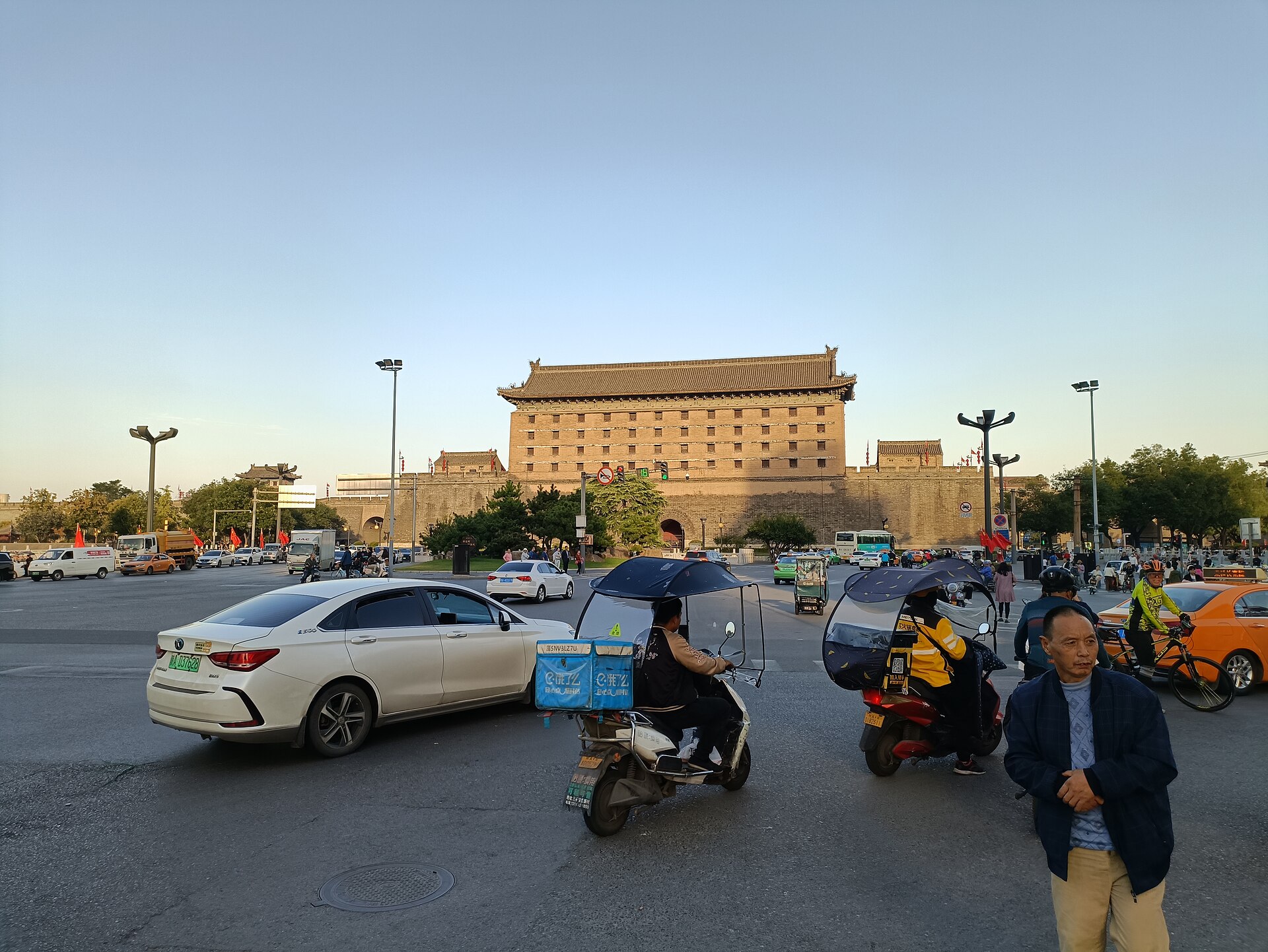
Start your journey at the Mur de la ville de Xi’an (1370 AD)—the world’s largest intact ancient military fortification. Rent a bicycle (¥45/day, helmets included) at the South Gate (Yongningmen) entrance; ride clockwise for best light and photo angles (sunset is at 17:18 on Nov 16, 2026). Then descend and walk 5 minutes to the Bell Tower, where you’ll buy a combined ticket (¥50, includes Drum Tower) valid for both sites. Avoid queues by scanning the QR code at the official WeChat mini-program “Xi’an Cultural Relics” (English interface available). End the day in the Quartier musulman: skip the overpriced souvenir stalls near the entrance and head straight to Guangchang Street (north extension) for authentic roujiamo (¥18–22), yangrou paomo (lamb stew with crumbled flatbread, ¥32), and freshly fried jianbing (savory crepes, ¥12). Note: All major vendors now accept Alipay TourPass and WeChat Pay—no cash needed.

Day 2: Terracotta Army Deep Dive + Qin Shi Huang Mausoleum

Book shuttle bus K8 (¥7, departs every 15 min from Beidajie Metro Station, Line 2) to the Terracotta Army Museum. Arrive by 8:30 am to beat coach groups—entry opens at 8:30, and Pit 1 is clearest before 10:00. The 2026 museum upgrade includes AR-enabled audio guides (rent onsite for ¥35, English voice + 3D reconstructions of original paint pigments). Don’t miss Pit 2’s cavalry and archer formations—or the newly opened Qin Bronze Chariot Exhibition Hall (opened May 2026), featuring two life-sized, 3,000-year-old bronze chariots with 3,400+ individually cast parts. After lunch at the museum cafeteria (¥48 set meal, Western/Chinese options), take the free shuttle to the Qin Shi Huang Mausoleum Site Park (2 km east). While the emperor’s tomb remains unexcavated, the park’s digital mapping kiosks (with multilingual timelines) reveal why archaeologists estimate it contains over 1,000 terracotta figures still buried—and why excavation won’t begin before 2040.

Day 3: Han Dynasty History, Calligraphy & Hidden Gardens

Head to the mausolée Han Yangling (30 min by Didi or Metro Line 14 → Bus 177). Less visited but equally profound, this 2nd-century BC site features thousands of miniature, unglazed clay figurines—each with unique facial expressions and silk-robed torsos (visible under UV light in the new 2026 conservation lab exhibit). In the afternoon, join a 2-hour calligraphy workshop au Shuyuanmen Culture Street studio (¥120/person, book via WingPhoenix’s local partner portal). You’ll learn brush techniques using Song dynasty-style ink sticks and practice writing your name in seal script—with take-home rice paper scrolls. Cap the day at Qinglong Temple, rebuilt in Tang style and famous for its November ginkgo tunnel—a photogenic 200-meter path lit nightly with warm LED lanterns (open until 21:00, entry ¥15).

Getting Around: Metro, eSIM & Real-Time Navigation

Xi’an’s metro system now spans 9 lines (2026 total: 312 km), with full English signage, live train arrival screens, and contactless tap-in/tap-out using UnionPay cards, Alipay TourPass, or physical Yikatong cards (sold at all stations for ¥20 deposit + ¥10 minimum top-up). To ensure seamless connectivity, activate a WingPhoenix eSIM before landing: our 2026 plans include unlimited high-speed data (5G enabled), zero-install activation, and pre-loaded offline maps for Xi’an Metro and Baidu Maps (the only app that reliably renders underground station transfers). For context: the average walking time between Line 2’s Yongningmen and Line 6’s Shuichanmen is 3 min—Baidu Maps will route you precisely through climate-controlled indoor corridors, avoiding November drizzle.

Practical Essentials: 2026 Updates & Local Tips

Here’s what’s new and verified for Xi’an travel in November 2026:

  • All major museums (Terracotta Army, Shaanxi History Museum, Banpo) now require advance online booking via WeChat mini-programs—no walk-ups accepted. Book 3–7 days ahead; English interfaces are stable and auto-translate error messages.
  • Le Musée provincial du Shaanxi reopened its renovated Tang Dynasty Gallery in March 2026, featuring holographic recreations of imperial banquets and newly restored tri-color glazed pottery horses.
  • For dietary needs: Vegan-friendly zhongzi (glutinous rice dumplings) and soy-milk-based biangbiang noodles are now standard at 12 certified restaurants across the city (look for the green ‘V’ logo on doors).
  • Public restrooms are clean, free, and equipped with hand dryers, baby-changing tables, and emergency call buttons—signage is bilingual and universally intuitive.

Below is a quick-reference table for key Xi’an transport and admission details (valid as of Nov 2026):

Site / Service 2026 Admission / Cost Remarques
Xi’an City Wall (bike rental) ¥45/day (helmet included) South Gate only accepts Alipay/WeChat; no cash
Terracotta Army Museum ¥120 (includes AR guide) Free shuttle to Qin Mausoleum Site Park
Musée provincial du Shaanxi Free (booking required) Slots open daily at 20:00 for next 7 days
Xi’an Metro (single ride) ¥2–¥6 (distance-based) Tap with phone or Yikatong; no paper tickets
Didi Express (airport to city center) ¥85–¥110 (fixed fare) English app interface; driver speaks basic English

Whether you’re tracing the footsteps of Silk Road merchants or sipping jasmine tea beside a Ming-era pavilion, Xi’an rewards curiosity with layers of tangible history—and 2026 is the perfect year to experience it without visa friction or digital disconnect. WingPhoenix’s AI trip planner helps you balance must-sees with hidden gems, adjust for real-time weather alerts (e.g., fog delays at the City Wall), and even reserve timed-entry slots across 27 Xi’an attractions in one click.

Build your personalized Xi’an 5-day itinerary now →

Publié le — Laisser un commentaire

Nanjing Travel Guide 2026: History, Metro & Visa-Free

Why Visit Nanjing in 2026?

Nanjing — China’s ancient capital and modern Jiangsu powerhouse — offers a rare balance of imperial grandeur, scholarly tradition, and efficient urban infrastructure. Unlike Beijing or Xi’an, Nanjing sees fewer international tourists, meaning shorter lines at the Ming Xiaoling Mausoleum, quieter strolls along the 600-year-old City Wall, and authentic encounters at Nanjing University’s leafy campus. With direct international flights landing at Nanjing Lukou International Airport (NKG) — now fully integrated into China’s 240-hour visa-free transit policy — foreign passport holders from 54 eligible countries can enter Nanjing for up to 10 days without a visa, provided they hold onward tickets to a third country or region within 240 hours. That means you can fly from Seoul, Tokyo, Bangkok, or Frankfurt, spend 4–7 days exploring Nanjing’s layered history, then continue to Shanghai or Hangzhou — all without pre-applying for a visa.

Getting There & Visa-Free Transit Essentials

Lukou Airport (NKG) is your gateway — and it’s more traveler-friendly than ever in 2026. Immigration counters now feature multilingual AI kiosks (English, Korean, Japanese, French), cutting average clearance time to under 12 minutes. To qualify for 240h visa-free transit, you must:

  • Être titulaire d’un passeport délivré par l’un des 54 pays éligibles (États-Unis, Royaume-Uni, Canada, Australie, Allemagne, France, Japon, Corée du Sud, Singapour, Nouvelle-Zélande, etc.) ;
  • Have confirmed onward air, train, or cruise tickets departing China within 240 hours (10 days) of arrival;
  • Enter and exit through one of China’s 27 designated ports — NKG is fully enabled, with dedicated visa-free transit lanes open daily 6:00–23:30.

Note: You devoir register your accommodation within 24 hours of arrival (hotels do this automatically; Airbnb hosts may require your passport scan). Keep your onward e-ticket handy — immigration officers occasionally request digital proof.

Getting Around: Nanjing’s Metro Is Your Best Friend

Nanjing Metro is consistently ranked among Asia’s cleanest, safest, and most intuitive systems — and 2026 upgrades make it even better for foreigners. All 11 lines now support Apple Wallet and Google Pay NFC tap-in (no physical card needed), and station signage includes English, Korean, and Japanese. Key routes for travelers:

Line Covers Key Stops for Tourists Frequency (Peak)
Line 3 North–South spine Xuanwu Lake Park, Nanjing Railway Station, Nanjing University Gulou Campus Every 3.5 min
Line 2 East–West corridor Confucius Temple (Fuzimiao), Xinjiekou (downtown shopping), Xuanwumen (City Wall access) Every 3 min
Line S1 & S8 Airport & suburban links Lukou Airport ↔ Nanjing South Railway Station (38 mins, ¥15); connects to HSR to Shanghai (1 hr) or Hangzhou (1.5 hrs) Every 8–12 min

Astuce pro : téléchargez l’application officielle Nanjing Metro App (available on iOS/Android) — it offers real-time train tracking, voice-guided transfers, and offline maps. No WeChat Pay or Alipay account required: use international cards via the app’s top-up function. For longer stays or group travel, consider WingPhoenix’s AI trip planning tool — it auto-generates optimized metro routes based on your hotel, interests, and time constraints.

Must-See Sights — And How to Experience Them Right

Ming Xiaoling Mausoleum & Zhonghua Gate: Start at the UNESCO-listed Ming Xiaoling — final resting place of Zhu Yuanzhang, founder of the Ming Dynasty. In 2026, the site introduced timed-entry slots (book online via VisitNanjing.cn up to 3 days ahead; ¥70, free for under-18s). Skip the crowded main gate: enter via the lesser-known Shen Dao (Spirit Way) entrance near Linggu Temple Station (Line 2) for serene early-morning photos. Then walk 15 minutes south to Zhonghua Gate — the world’s largest surviving ancient city gate. Climb its four enclosed barbicans at sunrise for unobstructed views over the Qinhuai River.

Confucius Temple (Fuzimiao) & Qinhuai River: Don’t just stroll — time it right. The area is overwhelmingly crowded between 18:00–21:00. Instead, arrive at 16:30 to explore the temple grounds and calligraphy workshops, then book a 19:30 lantern-lit boat cruise (¥80, bookable on-site or via Meituan app). The 2026 ‘Qinhuai Night Culture Pass’ (¥120) bundles entry to Wuyi Lane, the Nanjing Museum’s special exhibition hall, and priority boarding — worth it if you’re staying ≥3 nights.

Nanjing Museum (Free, but Book Ahead): Ranked #1 museum in China by Lonely Planet 2025, its six galleries span 5,000 years — including the dazzling Ming Dynasty porcelain vault and the newly opened 2026 ‘Nanjing Silk Road Archives’ wing. Entry is free, but mandatory timed tickets must be reserved exactly 7 days in advance via the official WeChat mini-program Nanjing Museum Reservation (English interface available). Set a reminder: slots open daily at 18:00 China Standard Time. Arrive 20 minutes early with QR code + passport.

Eating & Staying: Local Flavor, Zero Friction

Nanjing cuisine is subtle, savory, and often overlooked — think shengjianbao (pan-fried soup dumplings), canard salé de Nankin (brined 36 hours, roasted over camphor wood), and guihua tangyuan (osmanthus-scented glutinous rice balls). Skip generic food streets: head to Laomendong (Old East Gate) — a restored Ming-era district where family-run stalls like Duck Master Lao Chen serve salted duck with house-made pickled mustard greens (¥32/person).

For lodging, avoid the overpriced Xinjiekou core. Better value? Stay near Yuhuatai Station (Line 1): quiet residential zone with metro to downtown in 8 minutes, plus walking distance to Yuhua Terrace Revolutionary Martyrs Park and local breakfast markets. Recommended 2026 options:

  • Boutique: Nanjing Heritage Hotel (4-star, 1930s Republican-era building, English-speaking staff, ¥480/night)
  • Mid-range: Jinjiang Inn Nanjing South Railway Station (Line S1, ¥290/night, includes eSIM-compatible Wi-Fi hotspot rental)
  • Budget: Hi Inn Nanjing Gulou (hostel with private pods, Line 4, ¥128/night, free city map + metro tips booklet)

All accept international credit cards — no cash deposit required. Note: Most hotels now offer QR-code check-in and digital key via WeChat — but if you don’t use WeChat, request front-desk assistance (staff are trained in English).

Smart Add-Ons: eSIM, Charter Cars & AI Planning

Your phone is your lifeline — and Nanjing’s coverage is excellent. Use WingPhoenix’s AI trip planning service before departure to generate a personalized Nanjing itinerary with embedded eSIM activation steps, metro transfer alerts, and even real-time translation prompts for street-food ordering. Once in Nanjing, activate your China eSIM (we recommend the 7-day unlimited plan: ¥198, works instantly upon landing at NKG — no install needed, compatible with all iPhone 12+/Samsung Galaxy S22+ devices).

Need flexibility? Nanjing’s charter car service (bookable via WingPhoenix or DiDi app) starts at ¥260/4 hours — ideal for day trips to nearby Yangshan Quarry (the world’s largest ancient stone carving site, 45 mins away) or Zijin Mountain’s Purple Mountain Observatory. Drivers speak basic English and carry bilingual route cards. Tip: Book 24h ahead for weekend pickups — availability tightens Fridays after 16:00.

Final note: Nanjing isn’t ‘just another Chinese city’. It’s where history breathes — in the moss on Ming bricks, in the scent of osmanthus in autumn air, in the quiet intensity of students debating philosophy under gingko trees at Nanjing University. Come for the visa-free ease. Stay for the depth.

Plan your Nanjing trip in minutes — with smart routing, real-time transit updates, and zero language friction. Build your custom Nanjing itinerary now.

Publié le — Laisser un commentaire

Shenzhen Travel Guide 2026: Tech, Beaches & Visa-Free

Why Visit Shenzhen in 2026?

Once a sleepy fishing village, Shenzhen has exploded into China’s most dynamic tech-forward metropolis — and it’s never been more accessible to foreign travelers. In 2026, the city is fully integrated into China’s expanded 240-hour visa-free transit policy, allowing eligible nationals (including citizens of the US, UK, Canada, Australia, Schengen states, Japan, South Korea, and 53 others) to enter Shenzhen directly from Hong Kong International Airport (HKG), Guangzhou Baiyun (CAN), or Shenzhen Bao’an International Airport (SZX) for up to 10 days without a visa — provided they hold onward tickets departing mainland China within 240 hours. Unlike Beijing or Xi’an, Shenzhen offers a distinctly modern lens on Chinese life: think AI-powered street vendors, robot-staffed convenience stores, and subway stations with real-time English navigation. Its compact core (Nanshan and Futian districts), mild November–February climate, and proximity to Hong Kong make it ideal for first-time visitors seeking low-friction, high-reward urban immersion.

Getting There & Visa-Free Entry Made Simple

Shenzhen Bao’an International Airport (SZX) is your fastest gateway — and the most underused for visa-free entry. over 92% of international flights arriving at SZX qualify for 240h transit. You’ll need only: (1) a valid passport (min. 3 months’ validity), (2) confirmed onward ticket (e.g., to Taipei, Bangkok, or Manila) within 240 hours, and (3) completed Entry/Exit Card (now fully digital via the China Immigration Service, available pre-download on iOS/Android). No paperwork at the counter — just face scan + QR code verification. Pro tip: If flying via HKG, take the MTR East Rail Line to Lo Wu or Lok Ma Chau (25 min), then clear immigration into Shenzhen — this counts as a land-based 240h entry and avoids airport queues entirely. All major border checkpoints now support multi-language kiosks and live translation headsets (rentable at WingPhoenix eSIM pickup desks inside HKG Terminal 2).

Getting Around: Metro, E-Bikes & Charter Cars

Shenzhen’s metro is among Asia’s cleanest, safest, and most English-friendly — with full bilingual signage, voice announcements, and contactless payments accepted across all 16 lines (). Download the official Shenzhen Metro App (iOS/Android) or use WeChat Pay’s ‘Transport’ tab to scan QR codes at gates. For flexibility beyond fixed routes, rent an e-bike via , ¥1,5 pour 15 min) ou faites appel à un guide certifié anglophone ( ou Hellobike: helmets included, geo-fenced parking zones, and flat-rate ¥1.5/hour (no deposit needed with international credit card). For group travel or luggage-heavy days (e.g., day trips to OCT East or Dapeng Fortress), book a WingPhoenix charter car — drivers speak English, offer child seats, and integrate with your AI trip plan to auto-adjust for traffic or weather delays. All vehicles are equipped with dual-SIM hotspots (4G/5G) and physical USB-C charging ports.

Top Experiences: From Tech Hubs to Coastal Escapes

Shenzhen rewards both curiosity and calm. Start in Nanshan District: tour Tencent’s futuristic headquarters (book free 90-min English tours via Tencent Visitor Center App — available 3 days ahead), then wander the open-air OCT Loft Creative Park, where repurposed factory buildings host indie galleries, craft beer halls, and weekend vinyl markets. Next, head east to Dapeng Peninsula — just 75 minutes by metro + bus — for untouched coastline. Xi’ao Beach remains uncrowded year-round; bring snorkel gear (rentals at ¥80/day) to explore coral reefs visible even in November’s 22°C water. For culture with context, join a licensed English-speaking guide at Dapeng Ancient City (built 1394), where Ming-dynasty walls meet AR-enabled history trails — scan QR codes to overlay battle reenactments onto crumbling ramparts.

  • Must-eat: Shumai dumplings at Lianhua Dumpling House (Futian, est. 1986) — order the ‘Golden Triangle’ set (pork-shrimp-crab)
  • Hidden gem: Huaqiangbei Night Market — not for electronics anymore, but for handmade LED lanterns, robot kits, and ¥5 bubble tea brewed with osmanthus syrup
  • Family win: Shenzhen OCT East Theme Park — no lines in November; ride the world’s longest magnetic-launch water coaster (Dragon Soar) with Mandarin/English audio guides
  • Solo traveler pick: Shekou Sea World — rooftop bars overlooking cargo ships, weekly jazz nights, and co-working lounges with free printing

Éléments pratiques pour 2026

Shenzhen runs on digital everything — but foreign cards still face friction. Load WeChat Pay via WingPhoenix’s eSIM + Wallet Activation service (pre-order online, activate instantly upon arrival at SZX Arrivals Hall Desk #7). This bundles a 10GB 5G eSIM (valid 30 days) with RMB top-up and step-by-step WeChat Pay setup — no Chinese bank account required. For offline needs: cash is rarely used, but keep ¥200 in small bills for temple donations or rural Dapeng stalls. Accommodation? Stay in Futian CBD (for business/conference travelers) or Shekou (for expat vibe + waterfront walks). Average 2026 rates: ¥380–¥620/night for 4-star hotels with soundproof windows and 24/7 English concierge.

Service Mise à jour 2026 Remarques
Configuration de WeChat Pay Now accepts Visa/Mastercard + ID verification via live video call (5 min avg) WingPhoenix eSIM packages include guided activation
Metro Fares ¥2–¥10, based on distance; 30% off with Shenzhen Tong card Buy reloadable Shenzhen Tong at any station — works on buses & ferries too
Transit sans visa : 240 heures Extended to include Macau departures (as of Jan 2026) Valid for air, rail, and sea departures — ferry to Macau counts!
Planification de voyage IA WingPhoenix’s planner now integrates real-time metro disruptions, weather-adjusted beach hours, and restaurant wait-time predictions Generates printable PDF itineraries with offline maps & QR-linked audio guides

Shenzhen thrives on reinvention — and 2026 is its most traveler-ready year yet. Whether you’re testing AI language translators at Huaqiangbei, watching sunset drones light up the Ping An Finance Centre, or biking along the 20km coastal greenway in Dapeng, the city delivers authenticity without antiquity. With zero language barriers, near-zero cash dependency, and frictionless transit options, it’s the perfect first stop — or surprise highlight — on any China itinerary. And because every traveler’s rhythm differs, WingPhoenix’s AI trip planner helps you balance innovation and relaxation: input your interests (e.g., “tech + seafood + quiet mornings”), duration, and visa status, and get a hyperlocal, logistics-verified plan in under 90 seconds.

Ready to explore Shenzhen like a local — not a tourist? Build your smart, stress-free Shenzhen itinerary now.