Posted on — Leave a comment

Hangzhou Weekend Guide: West Lake, Tea Fields & Modern Art

Marco Polo called Hangzhou “the most beautiful and magnificent city in the world”, and weekends here still feel like a poem: mist on West Lake, tea pickers on the hillsides, temples in the forest.

Day 1: West Lake Circuit

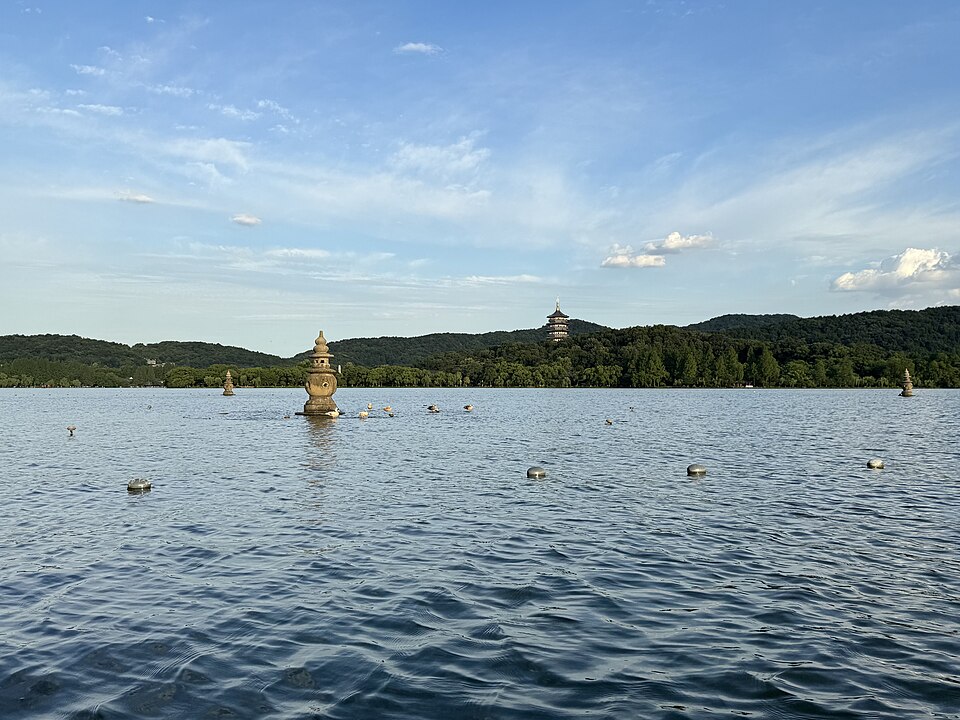
Start at dawn — the lake is at its most photogenic before 8am. Walk the Broken Bridge along Bai Causeway, rent a boat to Three Pools Mirroring the Moon island, then the Su Causeway south. Lunch: West Lake vinegar fish and Dongpo pork. Afternoon: Leifeng Pagoda’s sunset view, then the Impression West Lake night show on the water.

Day 2: Tea, Temple & Art

Morning: Meijiawu or Longjing tea village — walk the terraces, pan your own leaves, drink first-flush Longjing where it grows. Afternoon: Lingyin Temple and Feilai Peak’s rock-carved Buddhas, then the China Academy of Art’s galleries or the Design Museum at Xiangshan. Evening: return via Hefang Street for snacks and silk.

Getting There

45 minutes by bullet train from Shanghai — Hangzhou is the ultimate weekend escape. West Lake is free; the city is compact and bike-friendly.

Best Season

Late March–April for peach blossom and new tea; October for osmanthus perfume across the whole city. Avoid Golden Week.

Extend It

Pair Hangzhou with Shanghai, Suzhou and Huangshan on a classic Jiangnan route. The AI trip planner builds it with real prices, and private drivers cover the tea villages and Qiandao Lake efficiently.

Posted on — Leave a comment

Shanghai 4-Day Itinerary: Bund, French Quarter & Disneyland

Four days lets you see Shanghai properly: the colonial riverfront, the leafy French Concession, the futuristic Pudong skyline and even Disneyland — without rushing.

Day 1: The Bund & Old Town

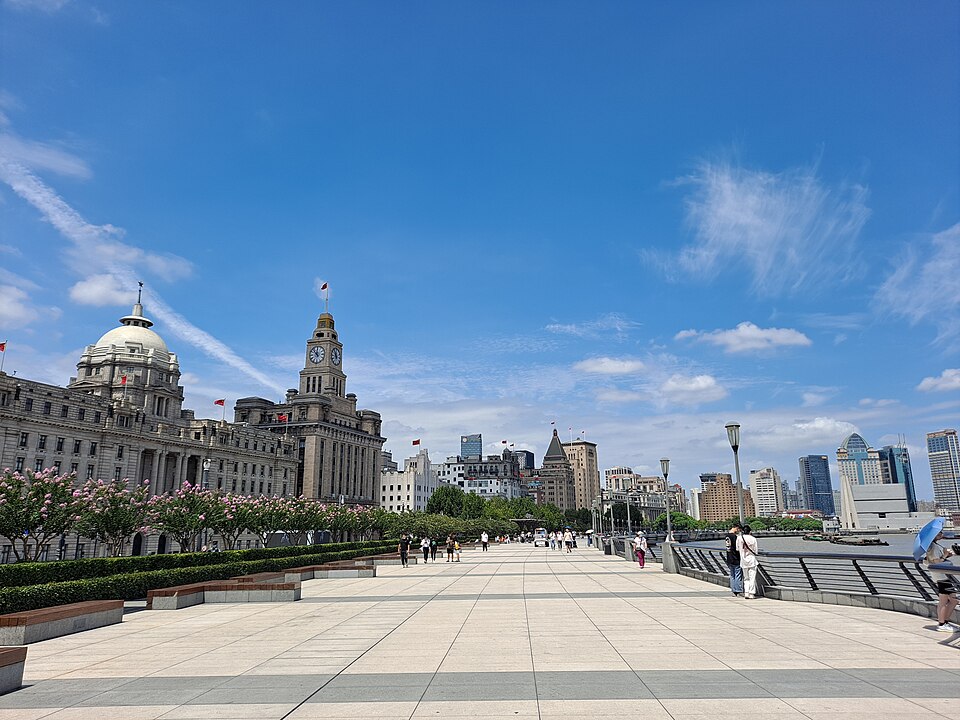
Morning: Yu Garden’s Ming-dynasty rockeries and the surrounding bazaar for soup dumplings (Nanxiang) and wontons. Afternoon: the Bund promenade between the colonial banks; cross to Lujiazui for sunset from the Shanghai Tower’s 118th floor. Night: Huangpu River cruise or rooftop bar.

Day 2: French Concession

A full day in the plane-tree districts: Tianzifang’s lane-market warren, Wukang Road’s art-deco villas, Fuxing Park’s tai chi crowds, and the former French Concession cafes. Lunch at a benbang (Shanghainese) restaurant — braised pork, drunken chicken, scallion-oil noodles. Evening: live jazz at the Fairmont Peace Hotel.

Day 3: Museums & Modern Shanghai

Morning: Shanghai Museum (bronze, ceramics, calligraphy — world class, free). Afternoon: Power Station of Art or the West Bund galleries. Evening: Xintiandi’s shikumen lanes for dinner, or the acrobatics show.

Day 4: Disneyland or Water Town

Families: Shanghai Disneyland — the Tron coaster and Pirates ride are the world’s best versions. Culture seekers: Zhujiajiao water town, 50 minutes away, for stone bridges and canal boats.

Logistics

Metro covers everything; taxis are cheap. Stay at People’s Square or the Bund for centrality. Pair Shanghai with Hangzhou (45-minute bullet train) and Suzhou (25 minutes).

Plan With Us

Our AI trip planner prices Shanghai-plus-satellite-city routes instantly, and private car charter makes the water-town and Disneyland days effortless.

Posted on — Leave a comment

Guangzhou Travel Guide: Canton Tower, Shamian & Day Trips

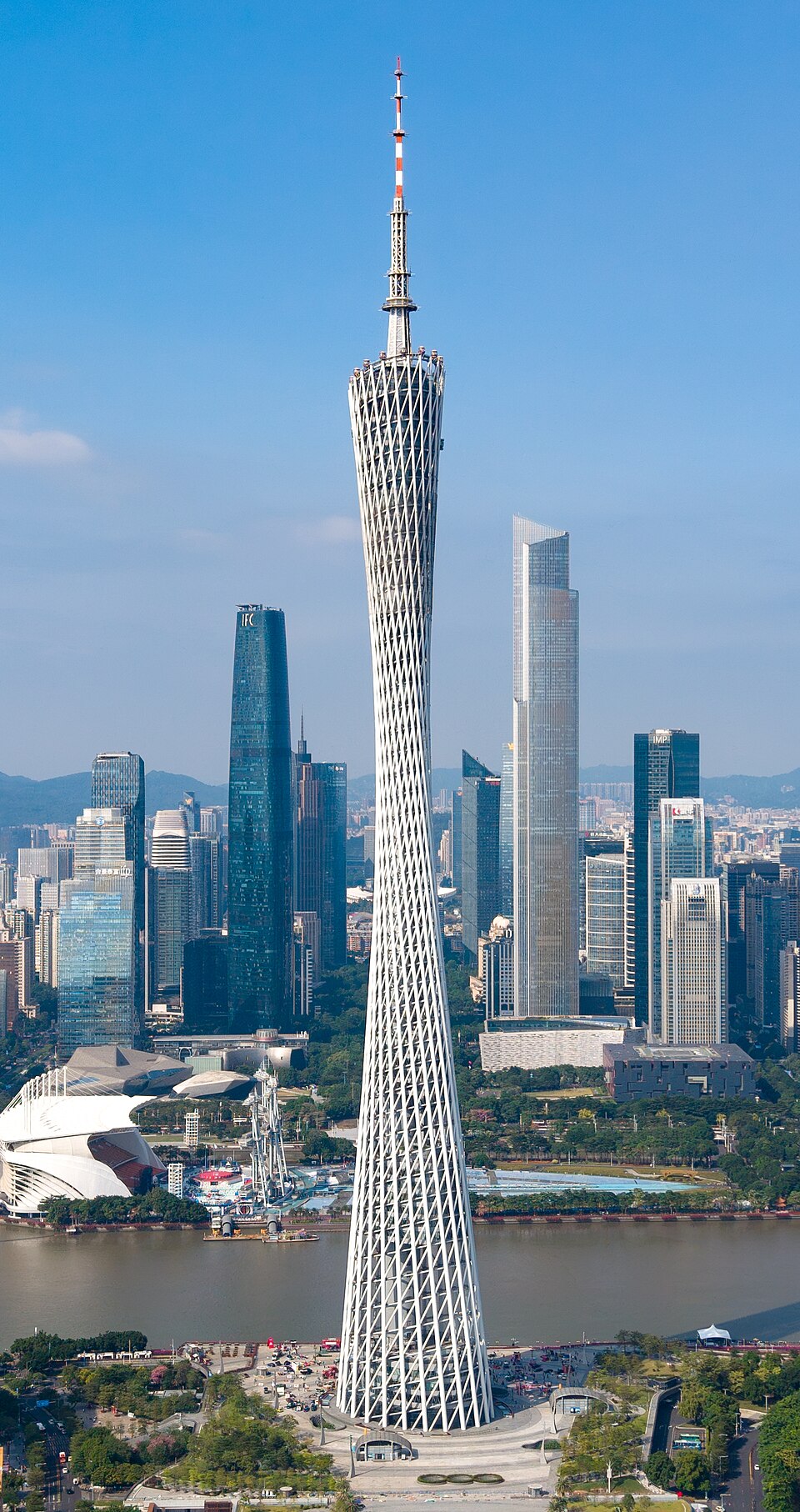
Guangzhou is China’s trading capital with 2,200 years of history — a city of banyan-lined boulevards, imperial academies and a skyline crowned by the 600-metre Canton Tower.

Top Sights

  • Canton Tower: ride to the top for the Pearl River panorama; at night the whole tower becomes a light sculpture.
  • Shamian Island: car-free colonial quarter of Victorian banks and cafes along the river — the city’s most atmospheric stroll.
  • Chen Clan Ancestral Hall: the most lavishly decorated building in South China — roof sculpture, ivory and brick carving.
  • Sacred Heart Cathedral: a full-scale Gothic cathedral built entirely of granite.
  • Pearl River night cruise: the classic way to see the illuminated bridges and towers.
  • Baiyun Mountain: a green escape with cable cars and city views.

Day Trips

Foshan (ancestral temples and kung fu), Shunde (the food capital), and the HZM Bridge to Macau and Zhuhai. High-speed rail reaches Hong Kong in 48 minutes and Shenzhen in 30.

When to Go

November–March: the Canton Fair crowds come and go, but autumn and winter bring the year’s best weather. Avoid the humid height of summer if you can.

Getting Around

One of China’s best metro networks covers everything; bikes and the BRT fill the gaps. For day trips, a private driver saves hours. The AI trip planner builds Guangzhou-centred routes with real prices.

Posted on — Leave a comment

Guangzhou Food Guide: Where & What to Eat Like a Local

Cantonese cuisine was born here, and Guangzhou still eats better than anywhere in China. This is the city where “yum cha” (morning tea) is a daily institution and a two-Michelin-star meal can cost $8.

Morning Tea: The Ritual

Locals queue at grand old teahouses for baskets of har gow (shrimp dumplings), siu mai, cheung fun rice rolls and chicken feet. Guangzhou Restaurant and Tao Tao Ju are the classics; Panxi by the lake is the scenic pick. Order tea by type — pu’er or chrysanthemum — and pace yourself through two hours.

The Icon Dishes

  • Roast goose & char siu: lacquered, smoky, chopped to order at takeaway windows citywide.
  • Wonton noodles: springy bamboo-pressed noodles in clear broth — the benchmark breakfast.
  • White-cut chicken: simplicity itself, dipped in ginger-scallion oil.
  • Claypot rice: crusty-bottomed rice with lap cheong, cooked over charcoal.
  • Double-skin milk & ginger milk curd: silky desserts from Shunde tradition.

Where to Graze

Shangxiajiu pedestrian street and Beijing Road for classics; Huifu East Road for the wonton-noodle old guard; Panyu for farm-to-table Cantonese. For the deep end, day-trip to Shunde — the UNESCO City of Gastronomy 30 minutes away.

Plan the Trip

Combine eating with the Canton Tower light show and a Pearl River night cruise. Book a private car and driver for the Shunde food pilgrimage, or let the AI trip planner route a full food-focused Guangzhou stay.

Posted on — 1 Comment

Macau Travel Guide 2026: Heritage Walks, Casinos & Egg Tarts

Macau is the only place where a 16th-century Portuguese old town, Cantonese street food and Vegas-scale casinos share the same square mile. Two days cover it beautifully.

The UNESCO Heritage Walk

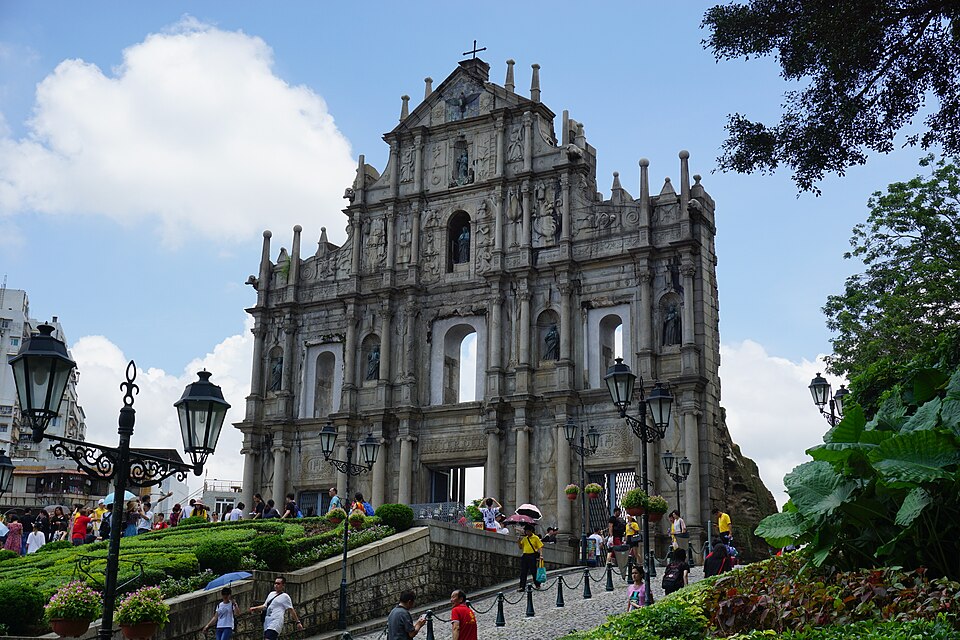
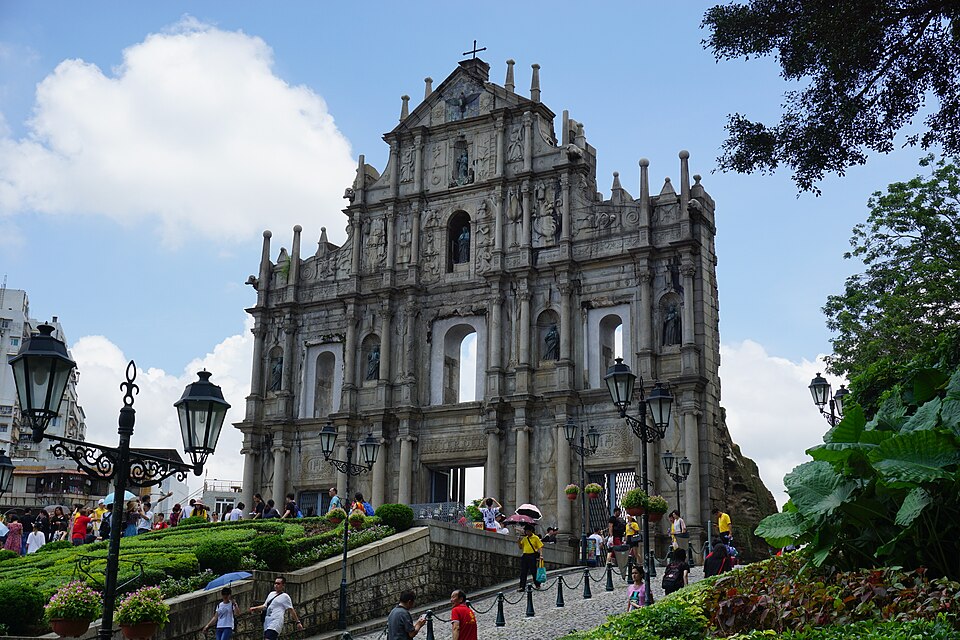
Start at Senado Square’s wave-patterned mosaics, climb to the Ruins of St Paul’s façade (Macau’s icon), then continue past Monte Fort’s cannons and museum. In St Lazarus district, pastel colonial houses hide art studios and cafés.

Taipa & Cotai

Cross to Taipa Village for narrow lanes, Rua do Cunha food street (almond cookies, pork chop buns, jerky) and the A-Ma temple that gave Macau its name. Next door, the Cotai Strip stacks the Venetian, Parisian and Londoner resorts — canals, gondolas and the world’s biggest water show, “The House of Dancing Waters”.

Eat: The Real Reason to Come

Macau invented fusion before the word existed: Portuguese egg tarts (Lord Stow’s on Coloane), African chicken, salted cod, and Macanese minchi. Book one proper Portuguese dinner — top tables here rival Lisbon’s.

Practical Tips

Macau is compact: casino shuttles are free, taxis cheap. Currency is the pataca but Hong Kong dollars are accepted everywhere. October to March is the comfortable season.

Combine It

Pair Macau with Zhuhai (walkable border) and Hong Kong (one-hour ferry or the HZM Bridge). Our AI trip planner handles multi-city Greater Bay itineraries, with private cross-border drivers for zero-hassle transfers.

Posted on — Leave a comment

Zhuhai Travel Guide: The Romantic Coast & Macau Gateway

Zhuhai is what a Chinese resort city looks like when it grows up: a 55-kilometre coastal boulevard, 146 islands, palm-lined streets and the country’s biggest ocean theme park next door to Macau.

What to Do

  • Lovers Road (Qinglü Lu): the signature seafront promenade — walk or cycle between the Fisher Girl statue and the Zhuhai Grand Theatre “Sun Moon Shells”.
  • Chimelong Ocean Kingdom: world-class aquariums, whale sharks and roller coasters; two days are barely enough for the full resort.
  • Wanzai Seafood Street: pick shellfish live from tanks, have it cooked on the spot.
  • Jida & Shijingshan: old-town walks, gardens and hillside cable car views.
  • Island hopping: Dong’ao and Wailingding islands offer white-sand beaches an hour from the pier.

Zhuhai + Macau + Hong Kong

The Hong Kong–Zhuhai–Macau Bridge puts all three in one day trip — 40 minutes across the Pearl River estuary. Zhuhai’s Gongbei border crossing to Macau is walkable from downtown hotels.

Practical Tips

Spring and autumn are ideal; summer brings typhoons and winter a cool sea breeze. The city is flat and bike-friendly — rent shared bikes for the coastal ride.

Plan With Us

Zhuhai is a key stop on our Greater Bay Area routes. Use the AI trip planner for a custom Zhuhai–Macau–Hong Kong itinerary, or book a private car with English-speaking driver for the coastal circuit.

Posted on — Leave a comment

Hong Kong 3-Day Itinerary: Classic Sights & Hidden Islands

Three days in Hong Kong is enough for the classics plus one island escape. This itinerary balances icons, food and green space.

Day 1: Hong Kong Island Icons

Morning: Star Ferry from Tsim Sha Tsui to Central, then Mid-Levels escalator and Tai Kwun heritage arts centre. Lunch: dim sum in Sheung Wan. Afternoon: Man Mo Temple, then the Peak Tram for sunset over the harbour. Night: SoHo bars or a dai pai dong dinner.

Day 2: Kowloon Street Life

Morning: Wong Tai Sin Temple and the Chi Lin Nunnery’s Tang-style gardens. Lunch in Sham Shui Po — the city’s best cheap-eats district (try the tofu pudding and roast goose). Afternoon: Mong Kok markets (ladies’ market, goldfish market, flower market). Evening: Tsim Sha Tsui promenade for the Symphony of Lights, then Temple Street night market.

Day 3: Island or Trail

Choice A: Lantau — Ngong Ping cable car, Big Buddha, Po Lin Monastery and Tai O fishing village stilt houses. Choice B: the Dragon’s Back hike, Big Wave Bay beach and Shek O village for sunset seafood.

Food Checklist

Milk tea, pineapple bun with butter, egg tarts at Tai Cheong, wonton noodles, roast goose, claypot rice, egg waffles. Two food stops a day minimum.

Make It Easy

Hotel bases: Tsim Sha Tsui for views, Central for walkability, Mong Kok for budget. For a seamless Greater Bay trip, our AI trip planner covers Hong Kong plus Shenzhen, Macau and Guangzhou, with private charter cars across borders.

Posted on — 1 Comment

Hong Kong Travel Guide 2026: Peak, Harbour & Local Eats

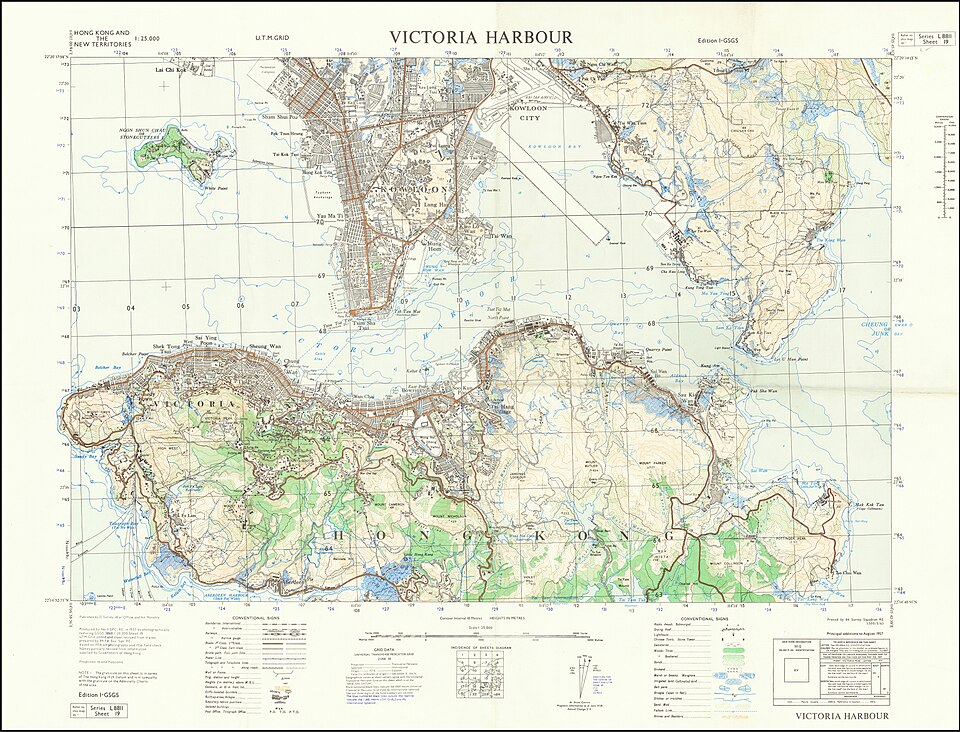
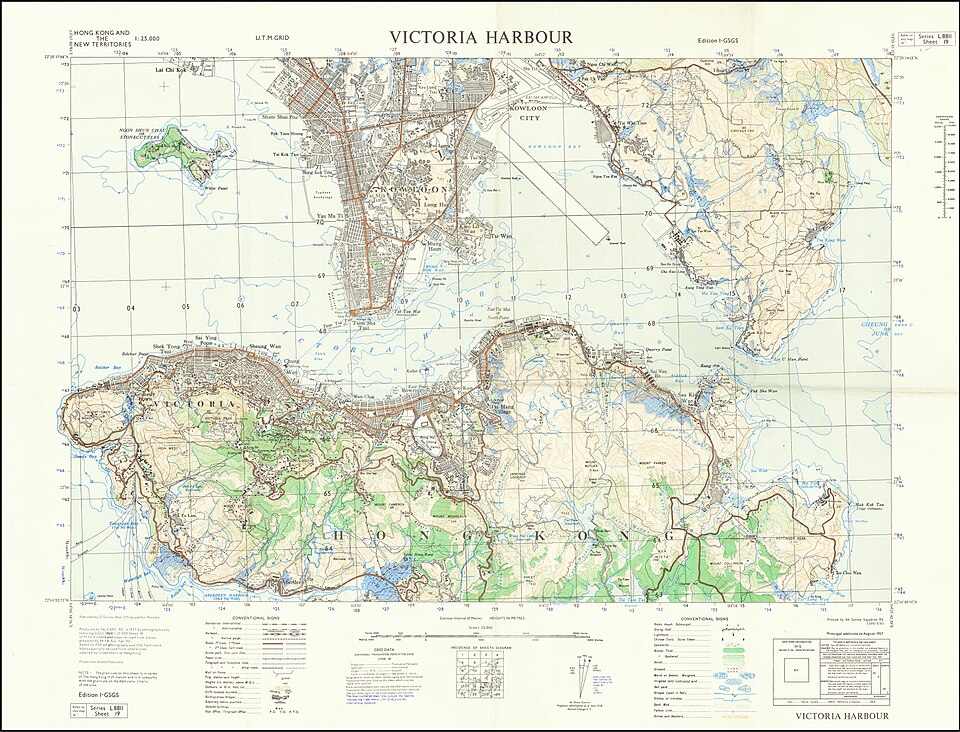
Hong Kong packs a global city, 260 islands and some of Asia’s best hiking into 1,100 square kilometres. Here is how to see it well.

The Unmissables

  • Victoria Peak: take the 1888 Peak Tram (or the cheaper bus) for the classic harbour panorama; walk the circular Lugard Road loop.
  • Star Ferry: the cheapest great cruise on earth — cross Victoria Harbour between Tsim Sha Tsui and Central for pennies.
  • Tsim Sha Tsui promenade & Avenue of Stars: best free view of the 8pm Symphony of Lights.
  • Temple Street Night Market: fortune tellers, Cantonese opera buskers and claypot rice.
  • Big Buddha & Po Lin Monastery: ride the Ngong Ping 360 cable car on Lantau Island.

Eat Like a Local

Start mornings at a cha chaan teng (Hong Kong-style café) with milk tea and pineapple buns. Dim sum at Lin Heung or Tim Ho Wan, roast goose in Sham Shui Po, egg waffles in Mong Kok. Michelin-level meals under $10 are normal here.

Beyond the City

The Dragon’s Back trail is a 2-hour ridge hike ending at Big Wave Bay beach. Cheung Chau island is a car-free weekend escape with seafood on the waterfront.

Practical Tips

Get an Octopus card on arrival — it works on every ferry, bus, tram and 7-Eleven. The MTR is world-class. October–December brings the clearest Peak views.

Combine with the Mainland

Hong Kong connects to Shenzhen by 15-minute high-speed rail and multiple land borders. Our AI trip planner builds combined HK–Shenzhen–Macau itineraries, and private cross-border car charter removes all border friction.

Posted on — Leave a comment

Shenzhen Travel Guide 2026: Tech Capital, Beaches & Day Trips

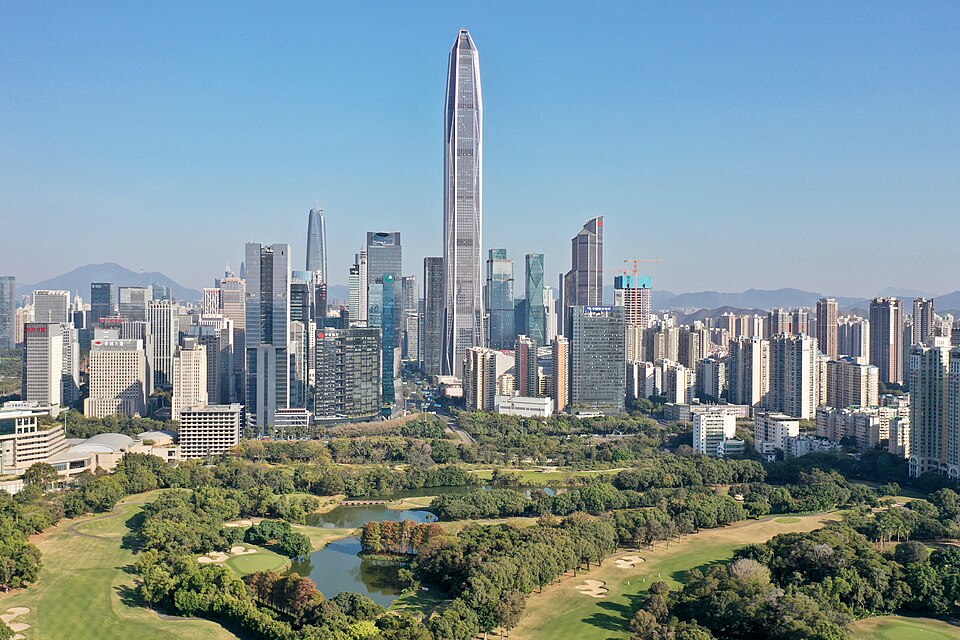
China’s Silicon Valley is also one of its most surprising tourist cities. Forty years ago Shenzhen was a fishing village; today it packs 17 million people, a forest of supertalls, theme parks and subtropical beaches into one hyper-modern package — and it is the perfect gateway between Hong Kong and mainland China.

Top Things to Do in Shenzhen

  • Ping An Finance Centre observation deck: 116 floors up, the best city view in South China. On clear days you can see Hong Kong’s New Territories.
  • OCT-LOFT creative park: converted factory district with galleries, indie bookstores and craft coffee — Shenzhen’s most walkable neighborhood.
  • Dafen Oil Painting Village: thousands of artists painting everything from Van Gogh replicas to custom portraits. Great for unique souvenirs.
  • Dameisha & Xiaomeisha beaches: free city beaches on the east coast, 40 minutes from downtown.
  • Shenzhen Talent Park & Shenzhen Bay promenade: evening light shows against the skyline, best enjoyed by rental bike.
  • Window of the World & Splendid China: miniature-world theme parks, kitschy but genuinely fun for families.

What to Eat

Shenzhen is a city of migrants, so every regional cuisine is here and excellent. Hunt dim sum in Shekou, Hunan spice in Huaqiangbei, and late-night seafood stalls at Shenzhen Bay. Dongmen food street in Luohu is the classic grazing route.

How Many Days?

Two full days cover the highlights; four lets you add a beach day and a side trip. High-speed trains connect Shenzhen to Guangzhou (30 min), Changsha (3.5h) and Guilin (3h).

Getting There & Around

Fly into Bao’an Airport (SZX) or arrive by high-speed rail from Hong Kong West Kowloon (15 minutes). The metro is spotless, English-signed and cheap. Most attractions are within walking distance of a station.

Best Time to Visit

October to April is dry and warm. Summer is hot, humid and typhoon-prone, though hotel prices drop sharply.

Plan Your Trip

Want a private driver who knows the city’s food streets and avoids the tourist traps? Check our Shenzhen car charter services, or let the AI trip planner build your route in minutes.

Posted on — Leave a comment

China Food Guide for First-Timers: What to Order Region by Region

“Chinese food” abroad is a pale shadow of the real thing — a continent of eight great cuisines, thousands of regional dishes, and a street-food scene with no equivalent. Here’s the first-timer’s field guide.

The Regional Big Eight (And What to Order)

  • Beijing: Peking duck (carved tableside, wrapped with hoisin and scallion), zhajiang noodles, jianbing egg crepes for breakfast, “hutong” lamb skewers.
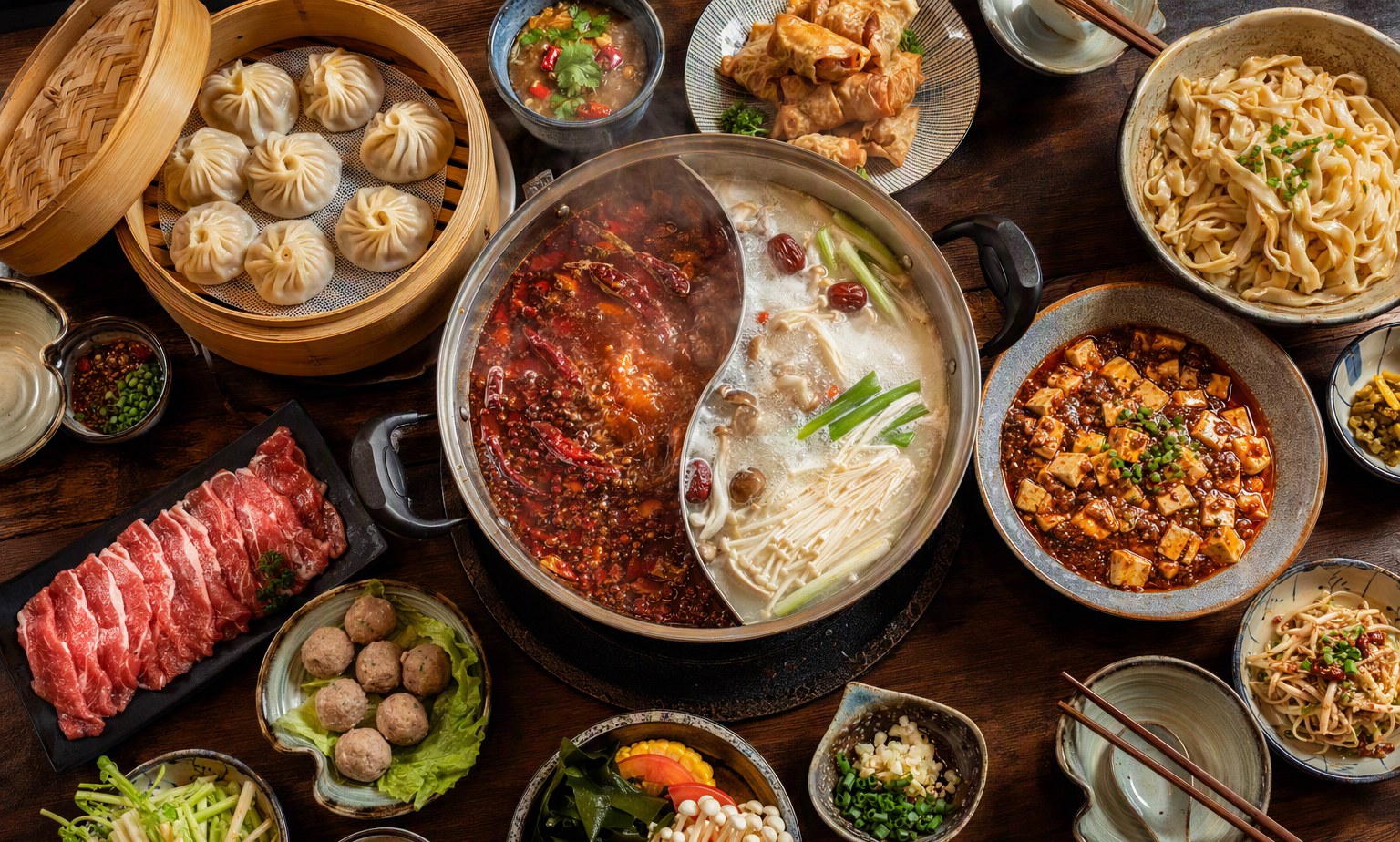
  • Sichuan/Chongqing: hotpot (numbing Sichuan peppercorn + chili oil — order the split “yuanyang” pot for a mild side), mapo tofu, dan dan noodles, wontons in chili oil.
  • Cantonese (Guangzhou/HK): dim sum mornings — har gow shrimp dumplings, char siu bao barbecue pork buns, rice-noodle rolls; roast goose; congee.
  • Shanghai/Jiangnan: xiaolongbao soup dumplings (nibble the skin, slurp the broth), red-braised pork, hairy crab in autumn, scallion oil noodles.
  • Xi’an: Muslim Quarter’s roujiamo (“Chinese burger”), hand-pulled biangbiang noodles, lamb paomo soup, cold-skin liangpi.
  • Yunnan: crossing-the-bridge rice noodles, grilled goat cheese, mushroom hotpot in summer, flower cakes.
  • Hunan: hotter-and-prouder cousin of Sichuan — steamed fish with chopped chili, stinky tofu (better than it smells, truly).
  • Fujian: Buddha Jumps Over the Wall (luxury slow-cooked soup), oyster omelets, supreme soup culture.

Spice Survival

“Mild” in Sichuan means “Western hot.” Learn “bú là” (不辣, “not spicy”) and “wēi là” (微辣, “mildly spicy”) — and point at them on your translation app. Sichuan peppercorns don’t add heat; they add a citrusy numbness (má). Milk beats water for chili emergencies. Every region has non-spine-tingling classics; spice is optional, not mandatory.

How Ordering Actually Works

Restaurants give you a paper menu to tick dishes — often with pictures. Point at what neighboring tables eat; it works. Dishes arrive as ready and are shared — order one dish per person plus one extra, rice as anchor. Lazy Susans are standard at round tables. Tea is usually free; napkins sometimes cost ¥1. Menus without pictures: your translation camera is your friend.

Street Food Rules

Busy stall = fresh oil = safe food. The queue is the review score. Breakfast streets and night markets are the two great arenas: jianbing (crepe), baozi (steamed buns), chuanr (skewers), stinky tofu, tanghulu (candied hawthorn). Bring small bills or Alipay. If a stall looks sleepy at lunch, skip it.

Eating With Your Guide = Eating Deeper

Menus hide the good stuff; locals order off-menu. Our food-forward tours include driver-guides who translate, order regional specialties you’d never find, and steer you to the stall their families actually eat at. Vegetarian, halal (excellent in Xi’an!) and allergy needs: tell us once, handled everywhere.

Drinks & Digestifs

Beer (Tsingtao, local craft everywhere now) is cheap and everywhere at meals. Baijiu is the nuclear option — toast with it, sip politely. Tea culture is the soul: Longjing greens in Hangzhou, pu-erh in Yunnan, jasmine with Cantonese meals. Bring some home from our tea collection — properly sourced, unlike airport “tea.”

The Five Dishes to Prioritize

If you only have two weeks: Peking duck in Beijing, soup dumplings in Shanghai, dim sum in Guangzhou or HK, hotpot in Chengdu, and the Muslim Quarter in Xi’an at night. That’s the pilgrimage. Everything else is glorious gravy.