Posted on — Leave a comment

China Month by Month: Where to Go Every Month of the Year

China is huge, so there is no single “best time” — the right month depends on where you are going. This calendar takes it month by month: what is in season, where to head, and which weeks to avoid because of weather or domestic-holiday crowds.

The short version

Spring (April–June) and autumn (September–October) are the safest bets almost everywhere. Summer is great for Yunnan, the far north and the coast, tough in central cities. Winter is best for Harbin’s ice festival, mild Sanya beaches, and empty, snow-dusted sights elsewhere.

China month by month

Month Go to Skip / watch out
Jan Harbin ice festival, Sanya beaches Cold north; pre-Spring-Festival travel rush
Feb Sanya, lantern festivals Spring Festival — everything crowded and pricey
Mar Nanjing, Wuhan blossoms, Yunnan North still chilly and dusty
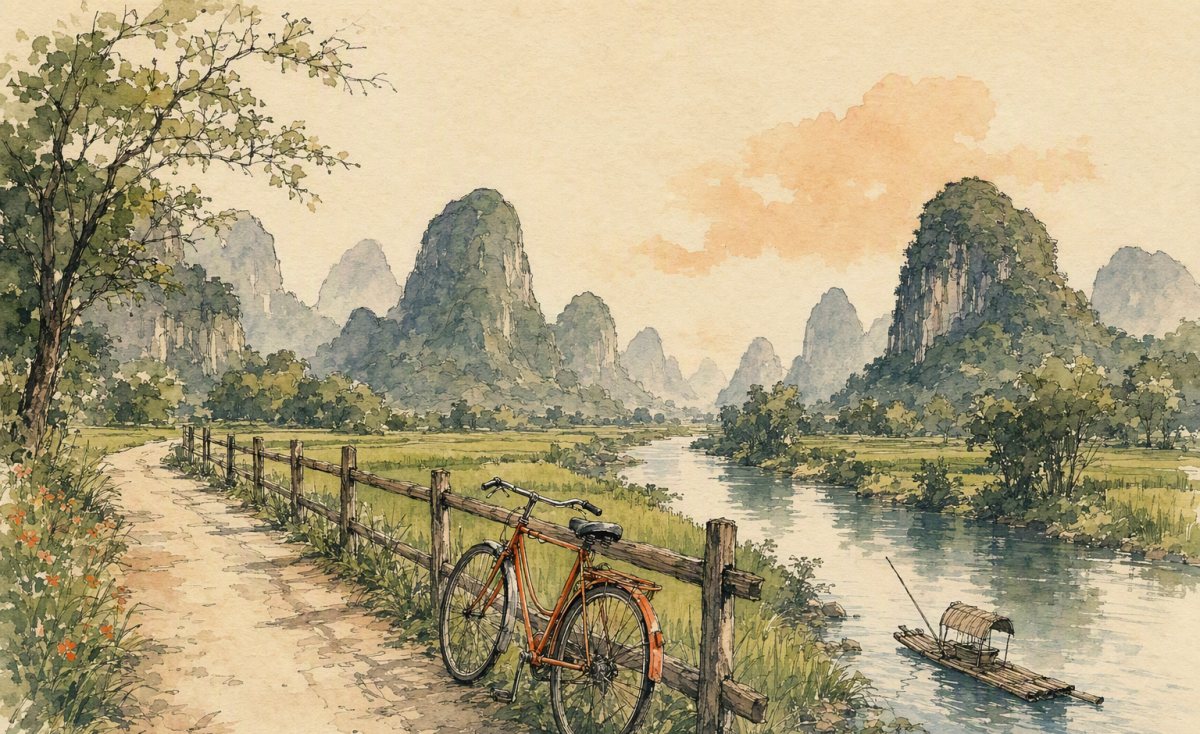
Apr Guilin, Hangzhou, Longji planting Qingming holiday weekend
May Jiuzhaigou, Zhangjiajie, Tibet Labour Day — worst crowds of spring
Jun Inner Mongolia, Qinghai, Guizhou Plum-rain season in the east/south
Jul Qinghai Lake, Yunnan, coastal Qingdao Hot, humid central cities; school-holiday crowds
Aug Xinjiang, grasslands, Guizhou highlands Peak heat and domestic tourism
Sep Zhangjiajie, Huangshan, Guilin Mid-Autumn / early Golden Week
Oct Arsenal of autumn colour: Alxa, Kanas, Emei Golden Week (1–7 Oct) — avoid
Nov Guilin, Zhangjiajie foliage, Hong Kong Rain tapering in the south
Dec Sanya, Harbin prep, city breaks Cold north; short days

The crowds to avoid

Three windows wreck even the best-planned trip: Spring Festival (late Jan–Feb), Labour Day (early May), and National Day Golden Week (1–7 October). Domestic travel explodes and prices jump. If those are your only dates, book everything weeks ahead and expect queues.

FAQ

What is the best month to visit China overall?

April–May and September–October give the most reliably pleasant weather across the popular routes, with fewer crowds than summer.

Which months should I avoid in China?

The public-holiday weeks — Spring Festival, Labour Day, and National Day Golden Week — when trains, flights and attractions are jammed.

Is summer too hot for China travel?

Central and eastern cities are very hot and humid in July–August. Head north or up to the Yunnan and Qinghai highlands instead.

Can I visit China in winter?

Yes — Harbin’s ice festival is spectacular, Sanya stays warm, and the big sights are quiet and often snow-covered. Just pack for the cold in the north.

Posted on — Leave a comment

20 Chinese Foods You Must Try (That You Can’t Get at Home)

Forget your local takeaway – this is the real China in 20 dishes. Save this list, eat through it, thank us later. Each includes where to find the authentic version.

The Bucket List Menu

Forget your local takeaway – this is the real China in 20 dishes. Save this list, eat through it, thank us later. Each includes where to find the authentic version.

The Icons (1-8)

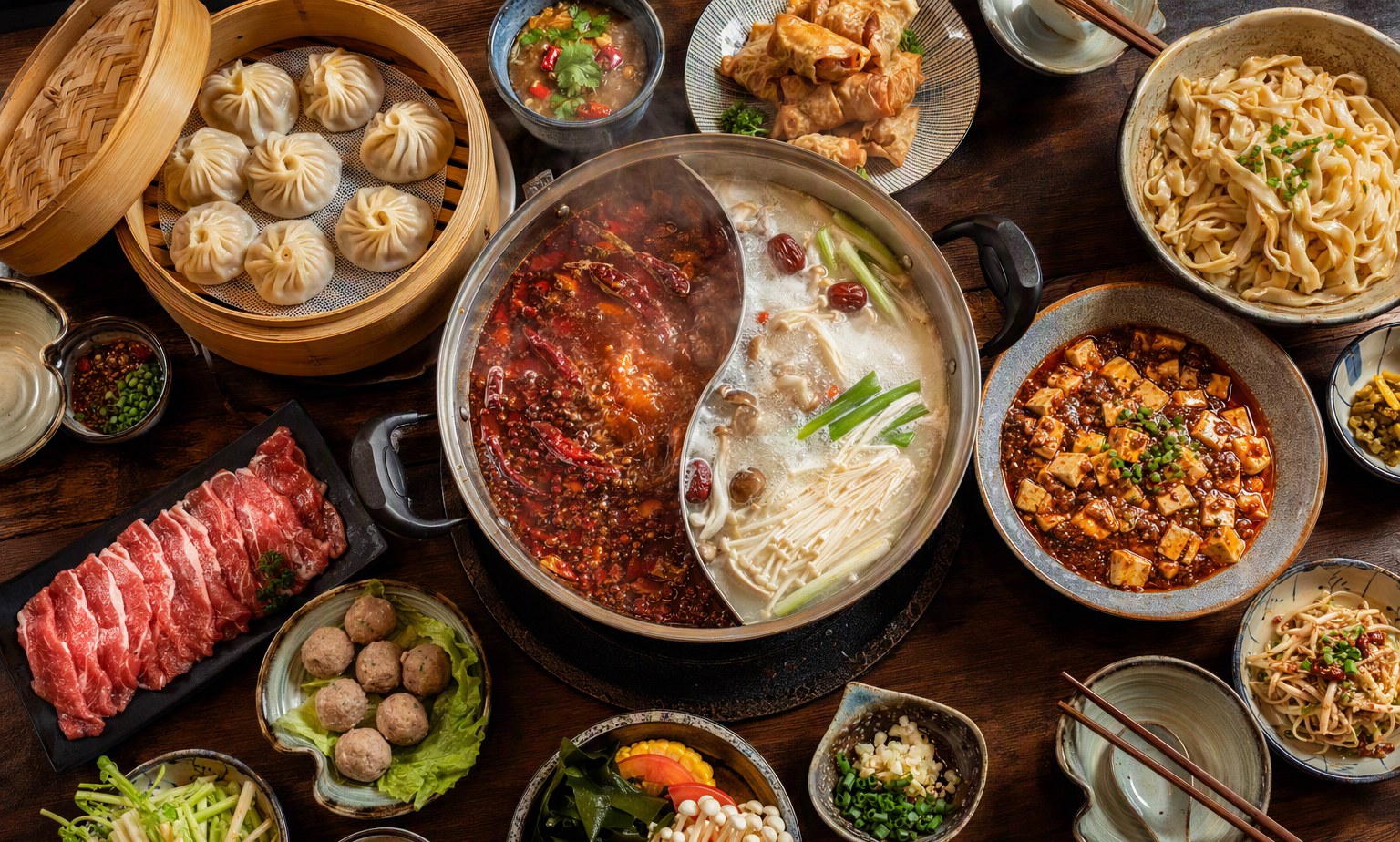
Peking duck (carved tableside, Beijing) · xiaolongbao soup dumplings (Shanghai) · Sichuan hotpot (numbing + spicy, Chengdu) · biangbiang noodles (Xi’an’s hand-pulled monsters) · dim sum morning feast (Guangzhou) · Lanzhou beef noodles (the nationwide religion) · crawfish in garlic (summer night markets) · jianbing breakfast crepes (street corners).

The Regional Legends (9-15)

Mapo tofu at the source (Chengdu) · hairy crab (Shanghai, Oct-Dec) · Buddha jumps over the wall (Fuzhou) · Yunnan mushroom hotpot (summer foraging season!) · crossing-the-bridge noodles (Kunming) · Xinjiang lamb skewers + naan (Uyghur mastery) · tea-smoked duck (Sichuan).

The Adventurous (16-20)

Stinky tofu (braver than it smells – Changsha’s best) · century egg with tofu (acquired, then addictive) · chicken feet (dim sum trial by fire) · sea cucumber (banquet texture) · mooncakes (Mid-Autumn only – the seasonal ritual).

Take the Flavors Home

Our food therapy collection + teas ship worldwide – the souvenir that keeps the trip alive.

Turn Inspiration Into a Trip

Everything above is bookable or plannable: free AI itinerary planner · WhatsApp travel designer +86 180 3801 6100 · full guide library.

Posted on — Leave a comment

China Packing List: What to Bring (And What to Leave Home)

Pin-this material: exactly what four seasons of China travel demand – curated by our guides who’ve seen every packing fail.

The Printable Checklist

Pin-this material: exactly what four seasons of China travel demand – curated by our guides who’ve seen every packing fail.

Always Pack

Passport + visa printout · universal adapter (Type A/C/I) · power bank (20,000mAh legal on flights) · VPN installed · Alipay setup · comfy walking shoes (China = steps) · layers · tissues + hand sanitizer (some restrooms) · your meds + doctor’s note.

Season-Specific

Summer (Jun-Aug): breathable everything, umbrella (sun AND rain), deodorant is scarce locally. Winter north (Nov-Mar): serious down jacket, thermal base, heat packs (buy there cheaply), ice-grip shoe covers for Harbin. Tibet year-round: sun protection x2, altitude meds discussed with doctor.

Smart to Have

Pocket tissues · small gifts from home (magic icebreakers) · offline maps downloaded · name card of every hotel in Chinese (we provide) · spare phone battery-case for photography days.

Leave at Home / Buy There

Hair dryer (hotels have) · towels (hotels) · too much cash (ATMs + Alipay) · heavy shampoo (stores everywhere) · formal wear (nobody checks). Buy locally: slippers, umbrellas, cold-weather gear at 1/3 prices.

Turn Inspiration Into a Trip

Everything above is bookable or plannable: free AI itinerary planner · WhatsApp travel designer +86 180 3801 6100 · full guide library.

Posted on — Leave a comment

15 China First-Timer Mistakes (And How to Avoid Every One)

We’ve debriefed ten thousand first trips. These are the mistakes that repeat – each one avoidable in one line. Tag the friend planning their first China trip.

Learn From Thousands Before You

We’ve debriefed ten thousand first trips. These are the mistakes that repeat – each one avoidable in one line. Tag the friend planning their first China trip.

The Big 5 Time-Thieves

1. Not booking Terracotta/Warriors/Forbidden City ahead (sell-outs in season). 2. Underestimating city size – ‘walking distance’ in Beijing is a hike. 3. Golden Week travel (everything x3 crowds). 4. Airport transfer roulette after midnight landings. 5. DIY day trips that burn 4h in logistics – that’s why charters exist.

The Money Mistakes

6. Exchanging at airport kiosks (worst rates). 7. Skipping Alipay setup – cashless China is frictionless, cash is friction. 8. Tipping confusion: not expected, but rounding up thrills drivers. 9. Not checking if your card works in ATMs before you need it. 10. Paying ‘tourist price’ at unmarked stalls – our guides negotiate.

The Cultural Facepalms

11. Handing business cards one-handed (use two). 12. ‘Yes’ often means ‘I hear you’, not ‘I agree’. 13. Queue-jumping happens – gentle firmness works. 14. Chopsticks in rice bowl = funeral imagery (don’t). 15. Photo-permission with elders: gesture + smile; it’s usually welcomed.

The Meta-Mistake

Overplanning every hour. China rewards breathing room – our private tours build slack in deliberately. See group vs private for the full case.

Turn Inspiration Into a Trip

Everything above is bookable or plannable: free AI itinerary planner · WhatsApp travel designer +86 180 3801 6100 · full guide library.

Posted on — Leave a comment

25 China Travel Tips Locals Swear By (That Guidebooks Miss)

Collected from our drivers, guides and decades of traveler feedback – the tips that make people say ‘why did nobody tell me this?!’ Save this one.

Share-Worthy Wisdom

Collected from our drivers, guides and decades of traveler feedback – the tips that make people say ‘why did nobody tell me this?!’ Save this one.

Money & Tech (1-8)

1. Alipay before arrival. 2. Screenshot your hotel address in Chinese. 3. VPN before flying. 4. Didi needs a local setup – we’re your Didi. 5. Big bills break at convenience stores, not street stalls. 6. WeChat unlocks everything. 7. Your bank’s travel notice: set it. 8. Metro > taxi in rush hour, always.

Food (9-16)

9. Point at neighbors’ dishes – it works. 10. ‘Bu yao la’ = not spicy (learn it). 11. Breakfast is the locals’ secret meal. 12. Chopstick etiquette: never plant them upright. 13. Tap water: no. 14. Tea refills: lid ajar means ‘more please’. 15. The restaurant with the queue is the one. 16. ‘E fen’ splits dishes western-style if you ask.

Getting Around (17-21)

17. Trains: 15-min gate close, station cafes are good. 18. Stations have English signs – follow green. 19. Holiday math: avoid Oct 1-7 entirely. 20. Your driver is your concierge – ask anything. 21. Metro security: no lighters (yes, they check).

Culture (22-25)

22. ‘Face’ is real: never correct someone publicly. 23. Refusing the bill fight? Say ‘xiaci wo qing’ (next one’s mine). 24. Gift-giving: avoid clocks and umbrellas. 25. The compliment ‘ni de zhongwen hen hao’ is thanking them for trying English.

Turn Inspiration Into a Trip

Everything above is bookable or plannable: free AI itinerary planner · WhatsApp travel designer +86 180 3801 6100 · full guide library.

Posted on — 1 Comment

30 Most Instagrammable Places in China (2026 Photo Spots Map)

Instagram changed how people choose destinations – this list is built to be saved, shared and tagged. Every spot includes the exact shot location, best hour and how to ge

The List That Travels

Instagram changed how people choose destinations – this list is built to be saved, shared and tagged. Every spot includes the exact shot location, best hour and how to get there with our services.

The Top 10

1. Great Wall sunrise at Mutianyu tower 20 · 2. Li River mist at Xingping (20-yuan view) · 3. Zhangjiajie sea of clouds after rain · 4. Shanghai Bund blue hour · 5. Longji golden terraces · 6. Potala Palace reflection pond · 7. Yangshuo Yulong River bamboo rafts · 8. Jiuzhaigou Five Flower Lake · 9. Harbin ice castle nights · 10. West Lake dawn with lotus.

Spots 11-20

Xi’an City Wall at golden hour on bike · Tianmen’s 999 steps from above · Mogao’s replica hall · Yuanyang rice terraces sunset · Chengdu panda baby pile (Sep births!) · Xiamen Gulangyu piano pier · Chongqing neon night train · Wuzhen water town lanterns · Kaiping diaolou towers · Shenzhen skyline from talent park.

The Hidden 10

Wuyishan raft through tea cliffs · Jianshanling wild wall morning · Kashgar old city doorways · Pingyao lantern-lit lanes · Zhaoxing drum towers · Kanas lake autumn birch · Chaka salt mirror · Dongchuan red soil · Xidi village doorways · Labrang’s prayer wheel corridor.

How to Shoot Them All

Photography-focused charter routes with drivers who know sunrise parking spots – see our photography tour guide for seasonal calendars and gear notes.

Turn Inspiration Into a Trip

Everything above is bookable or plannable: free AI itinerary planner · WhatsApp travel designer +86 180 3801 6100 · full guide library.

Posted on — Leave a comment

Yangshuo Cycling Guide: Best Routes, Bike Rentals & Safety

Flat karst-country lanes between rice paddies, limestone towers, and rivers – traffic-light, photogenic every 100 meters, and village tea stops everywhere. It’s

Why Yangshuo is China’s Cycling Capital

Flat karst-country lanes between rice paddies, limestone towers, and rivers – traffic-light, photogenic every 100 meters, and village tea stops everywhere. It’s the easy-rider fantasy without the effort.

The Classic Routes

Riverside route (2h, easy): Yulong River bridge to Gongcheng old town. Moon Hill loop (3-4h, moderate): passes the iconic arch with a climb option to the top. Full countryside circuit (5-6h): takes in all + a cooking-school lunch stop.

Rentals & E-Bikes

Regular bikes ¥30-50/day everywhere in town (check brakes!); e-bikes ¥80-120 (the hills vanish); our premium option: guided ride with support vehicle (your water/layers ride in the car).

Safety & Timing

Mornings (before 10) = mist + farmers + cool; afternoons get hot May-Sep. Helmets provided by our partners. Rain turns lanes slippery-fast – guides call weather aborts.

Book or Ask

Plan with AI (free, instant) or WhatsApp +86 180 3801 6100. Full guide library: China travel guides.

Posted on — Leave a comment

Chinese Cooking Classes for Travelers: Dumplings to Hotpot Mastery

Dumpling/potsticker sessions (the classic – folding technique is the fun part), market-to-wok courses (shop with the chef, learn 3-4 dishes), regional intensive

What Classes Actually Teach

Dumpling/potsticker sessions (the classic – folding technique is the fun part), market-to-wok courses (shop with the chef, learn 3-4 dishes), regional intensives (Sichuan hotpot spice-blending in Chengdu, dim sum folding in Guangzhou/Shanghai).

Top Cities for Classes

Chengdu (Sichuan – the UNESCO food city has the best classes), Shanghai (most English options), Xi’an (noodle stretching/pulling is a show in itself), Yangshuo (countryside cooking schools – the most scenic kitchens in China).

Cost & Logistics

¥150-400 per person for 2-4 hour sessions incl. ingredients and eating your work. Our tours book vetted schools (clean, English-taught, small groups); families love the dumpling format.

The Souvenir That Lasts

Recipes travel home with you – our partner schools email recipe cards in English, and the spice-market sourcing tour (Chengdu) teaches you to rebuild the flavors anywhere.

Book or Ask

Plan with AI (free, instant) or WhatsApp +86 180 3801 6100. Full guide library: China travel guides.

Posted on — Leave a comment

Chinese Calligraphy Classes for Tourists: What to Expect & Where

Two hours with brush and ink teaches more about Chinese culture than a museum day: the discipline, the stroke order philosophy, and why calligraphy is considere

Why Try It

Two hours with brush and ink teaches more about Chinese culture than a museum day: the discipline, the stroke order philosophy, and why calligraphy is considered the highest art form here.

Class Formats

Tourist-friendly intro (2h, Shanghai/Beijing/Xi’an art districts, ¥150-300, take home your work) vs masterclass with academy-trained calligraphers (our premium option, includes personalized name-seal carving – a real souvenir).

Booking Reality

Quality varies wildly at walk-in shops; our vetted partners teach in proper studios with English explanation of the philosophy, not just brush mechanics. Bookable as add-on to any city tour.

The Souvenir Upgrade

Your name carved into a traditional stone seal (chop) by a seal-master: the class + custom seal package (¥380-580) is our most-gifted experience.

Book or Ask

Plan with AI (free, instant) or WhatsApp +86 180 3801 6100. Full guide library: China travel guides.

Posted on — Leave a comment

Tai Chi in China: Where to Watch, Learn & Take Morning Classes

Every Chinese park at dawn: retirees practicing tai chi, sword forms, and fan dances. Temple of Heaven (Beijing) at 7 AM is the iconic scene; Shanghai’s Fuxing

The Morning Magic

Every Chinese park at dawn: retirees practicing tai chi, sword forms, and fan dances. Temple of Heaven (Beijing) at 7 AM is the iconic scene; Shanghai’s Fuxing Park and People’s Park have equally authentic circles.

Taking a Class

Free circles welcome curious joiners (gesture + smile works). For real instruction: our Beijing/Shanghai tours arrange 1-hour morning classes with English-speaking masters, ¥200-350 in small groups – the most memorable hour many travelers report.

Deeper Study

Multi-day tai chi immersion exists in Chen Village (the art’s birthplace, Henan) – we arrange study trips for serious practitioners (2+ weeks for real progress).

Where It Fits

Perfect day-1 activity: jet lag wakes you early anyway; parks are at peak energy 6:30-8:00; and it recalibrates you into China’s rhythm.

Book or Ask

Plan with AI (free, instant) or WhatsApp +86 180 3801 6100. Full guide library: China travel guides.