Why Chengdu in 2026?
Chengdu isn’t just China’s panda capital—it’s the most livable megacity for foreign tourists in 2026. With its relaxed cháguǎn (tea house) culture, world-class metro system (13 lines, all with English signage and QR-code ticketing), and status as one of China’s 24 officially approved 240-hour 240 jam cities, Chengdu is the ideal low-stress entry point—or highlight—of any China trip. Unlike Beijing or Shanghai, crowds here feel manageable year-round; even during National Day (Oct 1–7), the Panda Base opens at 7:30 a.m. with timed-entry slots, and reservations are enforced via WeChat mini-programs (no more 3 a.m. queues). And yes—Chengdu Tianfu International Airport (TFU) accepts 240h visa-free transit for nationals from 53 countries, including the US, UK, Canada, Australia, and all Schengen states—provided you hold onward tickets and stay within Sichuan Province.
Pandas Done Right: Ethics, Timing & Booking
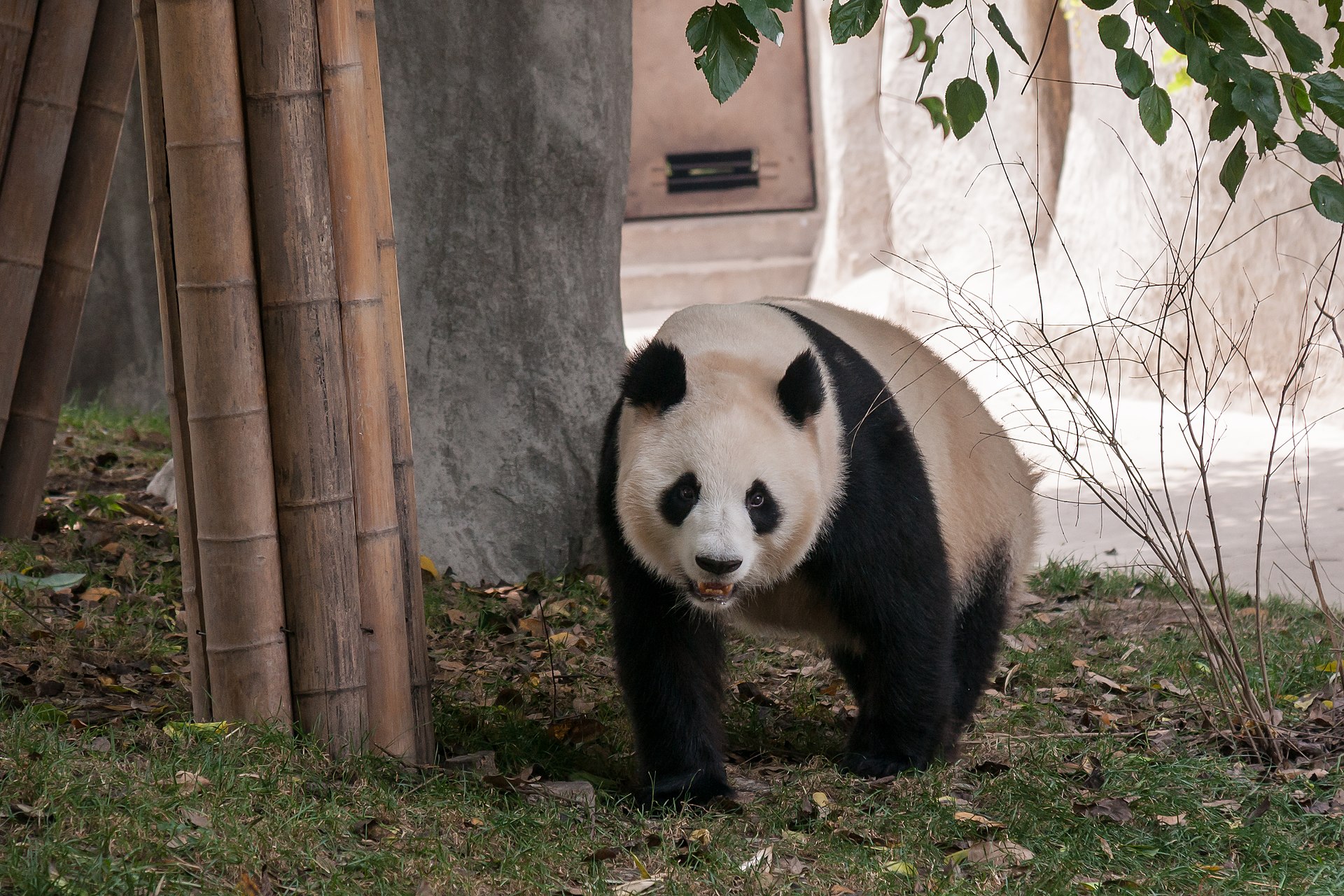
The Chengdu Research Base of Giant Panda Breeding remains iconic—but ethical tourism means knowing *how* and *when* to visit. the Base has phased out public feeding sessions and replaced them with observation-only viewing platforms (newly expanded in Zone 3, opened April 2025). To avoid disappointment: book your 90-minute timed entry slot *exactly 7 days in advance* at 8:00 a.m. CST via the official WeChat mini-program Chengdu Panda Base Reservation. Slots open daily at 8 a.m.; popular morning windows (7:30–9:30 a.m.) sell out in under 90 seconds. Bring your passport for on-site ID verification—no printed tickets needed. Pro tip: Visit on Tuesday or Thursday—least crowded weekdays—and head straight to the Ya’an Wild Release Training Area, where semi-wild cubs practice climbing and foraging under natural canopy (open only to pre-booked small-group tours, ¥120/person, limited to 20 people/day).
For deeper context, skip the commercial ‘Panda Hotels’ and opt for the non-profit China Conservation and Research Center for the Giant Panda (Wolong, 2 hours away)—accessible via WingPhoenix mobil sewaan with bilingual guide (bookable same-day). Wolong offers real habitat immersion—not photo ops—and includes a mandatory 30-minute conservation briefing led by field researchers.
Eating Sichuan: From Street Stalls to Hotpot Etiquette
Chengdu’s food scene is defined by *málà* (numbing + spicy), but balance is key—and 2026 brings new hygiene transparency: over 92% of licensed street vendors now display live-streamed kitchen feeds via QR codes (scannable with any eSIM-enabled phone). Start at **Jinli Ancient Street**—but skip the touristy center and head west to the quieter Qingyanggong Lane, where vendors like Lao Ma Dumplings serve hand-folded hóngyóu chāoshǒu (spicy wontons in chili oil) for ¥12/bowl (cashless only).
Hotpot is non-negotiable—but etiquette matters. At top-rated spots like Haidilao (Chunxi Road branch), expect complimentary manicures and phone-sanitizing stations—but know this: order má (Sichuan peppercorn) and là (chili) levels separately (e.g., ‘medium má, mild là’) since they trigger different physiological responses. Dipping sauces? Skip raw egg (banned in all licensed venues since Jan 2026 due to salmonella concerns); use the standard base of sesame paste, garlic, cilantro, and crushed peanuts instead. Vegetarians: request sù guō (vegetarian broth) and verify no chicken stock—many ‘veg’ broths still contain animal-derived umami enhancers.
- Top 3 must-try dishes: Dan dan noodles (spicy minced pork), mapo tofu (soft tofu in fermented bean-chili sauce), and kung pao chicken (dry-fried, not saucy—authentic version uses Sichuan pickled vegetables)
- Best late-night bite: Xiao Chi Jie (Snack Street) near Kuanzhai Alley—open until 2 a.m., with ¥5 skewers of grilled lotus root and beef tendon
- Tea ritual: Order gaiwan cha (lidded bowl tea) at Yi Yuan Teahouse; the third pour is always the best—don’t rush it.
Getting Around: Metro, Didi & Charter Cars
Chengdu’s metro is China’s second-most punctual (99.98% on-time rate in Q2 2026) and fully integrated with Alipay/WeChat Pay. Tap in/out with any NFC-enabled phone—even without data, offline QR codes work for 72 hours post-generation. Key routes: Line 1 (north-south spine), Line 2 (east-west), and Line 18 (direct TFU Airport ↔ city center in 38 minutes, ¥10). Avoid rush hour (7:45–9:15 a.m., 5:30–7:00 p.m.)—trains run every 90 seconds, but platforms get dense.
For door-to-door convenience: Didi works flawlessly for foreigners (English UI, no WeChat Pay required—Apple Pay/Visa accepted), but surge pricing applies during rain or festivals. Better yet: book a WingPhoenix charter car with fixed-rate pricing (e.g., ¥280 for 4 hours, includes bilingual driver, child seat, Wi-Fi hotspot, and 240h transit assistance). Drivers carry physical copies of the latest 240h transit policy—handy when clearing customs at TFU after a long layover.
| Transport Mode | Cost (CNY) | Speed (City Center ↔ TFU) | Catatan |
|---|---|---|---|
| Metro Line 18 | ¥10 | 38 min | Runs 6 a.m.–11:30 p.m.; buy QR code via Alipay “Chengdu Metro” mini-program |
| Didi Express | ¥110–¥160 | 45–75 min | Surge possible; English-speaking drivers flagged in app |
| WingPhoenix Charter Car | ¥280 (4 hrs) | 50–60 min | Fixed price, no surge; includes 240h transit document support |
| Taxi (street hail) | ¥90–¥120 | 55–80 min | Drivers rarely speak English; insist on meter (¥10 flag fall, then ¥2.5/km) |
Smart Itinerary Planning for 2026
Aim for 3–4 nights minimum: Day 1 (arrival + Jinli/Qingyanggong food crawl), Day 2 (Panda Base + Kuanzhai Alley), Day 3 (Wenshu Monastery + teahouse culture + Sichuan Opera face-changing show at Shufeng Yayun), Day 4 (day trip to Leshan Giant Buddha or Qingcheng Mountain). If transiting via TFU on a 240h visa-free window, prioritize the Panda Base and hotpot—you’ll need 2 full days for ethical, unhurried access. Note: All major attractions now require online ID registration 24 hours prior—upload your passport to their WeChat mini-programs or use WingPhoenix’s AI perencana perjalanan to auto-generate and store compliant QR passes across 12+ Chengdu venues.
Speaking of AI planning: WingPhoenix’s AI trip planner syncs real-time crowd data (from metro turnstiles and venue APIs), adjusts your itinerary minute-by-minute if rain cancels an outdoor activity, and even translates menu items mid-order using your phone’s camera. It’s not magic—it’s 2026 infrastructure, optimized for you.
Whether you’re here for pandas, spice, or seamless transit, Chengdu delivers—with zero compromise on authenticity or comfort. Just remember: slow down, sip your tea, and let the city’s rhythm set your pace.
Plan your Chengdu trip with AI-powered precision →
Feature photo of Chengdu: CEphoto, Uwe Aranas · Wikimedia Commons · CC BY-SA 3.0