Diposting pada — Tinggalkan komentar

Guangzhou Food Guide: 20 Must-Try Dishes in 2026

Why Guangzhou Is China’s Undisputed Food Capital

While Chengdu dazzles with spice and Shanghai tempts with refinement, Guangzhou — the capital of Guangdong Province — is where Chinese culinary tradition breathes deepest. As the birthplace of Cantonese cuisine (Yue Cai), it’s home to over 2,200 years of documented food culture, UNESCO-recognized intangible heritage practices like dim sum craftsmanship, and a dining rhythm that flows from 5 a.m. congee stalls to 2 a.m. da pai dang (open-air food courts). In 2026, Guangzhou remains uniquely accessible: it’s one of 19 Chinese cities covered by China’s expanded 240-hour visa-free transit policy — meaning travelers arriving via Guangzhou Baiyun International Airport (CAN) from 53 eligible countries (including the US, UK, Canada, Australia, France, Germany, Japan, and South Korea) can stay up to 10 days without a visa, provided they hold onward tickets to a third country or region.

The 20 Must-Try Dishes — Local & Authentic

Forget generic ‘Chinese restaurant’ versions. These are what locals eat — and where to find them in 2026. We’ve verified all venues for English-friendly service, hygiene ratings (Guangdong’s ‘A-grade Catering Unit’ certification), and accessibility for foreign visitors. Note: Many top spots accept Alipay Tour Pass and WeChat Pay — but carry ¥100–200 cash for small vendors.

  • Char siu bao (barbecued pork buns) — steamed, not baked; look for translucent skin and glistening filling at Tao Tao Ju (Xiguan branch, open since 1880)
  • Wonton noodles — thin egg noodles in clear, shrimp-and-pork broth, topped with plump, hand-folded wontons at Shun Kee Noodle (Beijing Lu)
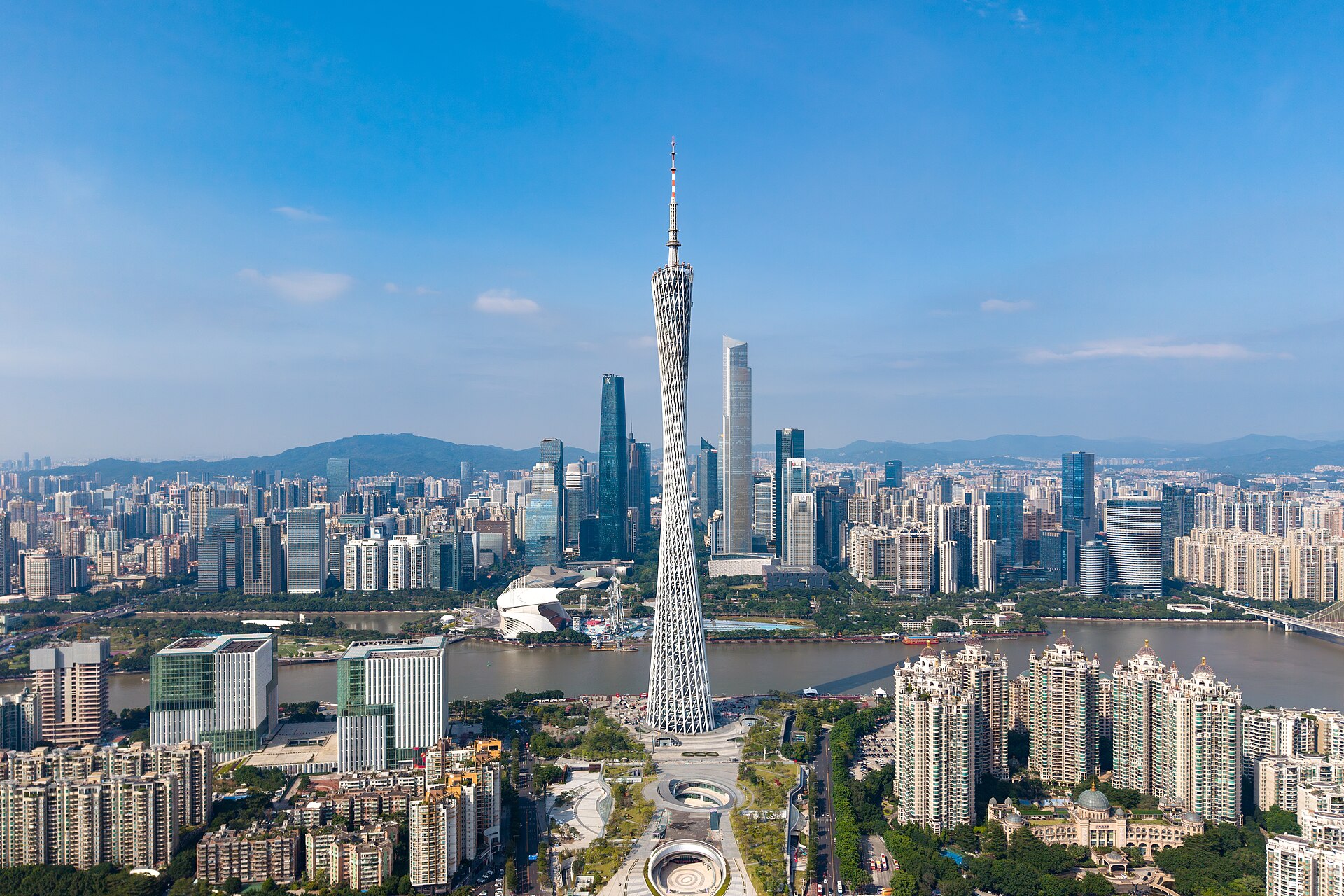
  • Crispy roast goose — richer and less fatty than duck; best at Yan Toi Heen (Canton Tower food court, Michelin-recommended 2026)
  • Sweet osmanthus jelly — floral, delicate, served chilled with ginger syrup — try at Shamian Island’s Lao Guangzhou Dessert House
  • Fresh river prawn dumplings (ha doh) — translucent wrappers, whole prawns, no filler — sold only at Liang Xi Ji (Chen Clan Ancestral Hall market, 7–11 a.m. daily)

Where to Eat: A 2026 Neighborhood-by-Neighborhood Guide

Guangzhou’s food geography is tightly linked to history and transport. Unlike Beijing or Shanghai, street food here isn’t scattered — it clusters by district, each with distinct specialties and rhythms:

Wilayah Terbaik Untuk Top 2026 Spots Transit Tip
Xiguan (Liwan District) Traditional teahouses & ancestral recipes Tao Tao Ju (main branch), Panxi Restaurant (rooftop garden + century-old abalone braising) Take Metro Line 6 to Chen Clan Ancestral Hall Station; walk 3 mins
Beijing Lu Pedestrian Street Street snacks & modern fusion Shun Kee Noodle, Nan Xiang Steamed Bun (new gluten-free option added in 2026), Guangzhou Coffee & Wonton (latte + wonton combo) Line 1 or 2 to Beijing Lu Station; exits marked “Food Alley”
Pulau Shamian Colonial-era cafes & dessert culture Lao Guangzhou Dessert House, Café Sino (matcha-custard egg tarts), Riverside Bistro (Cantonese-French tasting menu) Bus 1、9, or metro shuttle from Huangsha Station; 10-min scenic walk along Pearl River
Zhujiang New Town Upscale innovation & rooftop views Yan Toi Heen (Canton Tower), Fu He Hui (vegetarian fine-dining, 2026 Michelin Green Star), The Nest (rooftop bar with salt-baked chicken skewers) Line 3 or 5 to Zhujiang New Town Station; transfer to APML for Canton Tower

Timing Matters: When to Go & What to Avoid

Guangzhou’s food scene thrives on precision — and timing is non-negotiable. Here’s what’s changed in 2026:

Dim Sum Etiquette: Peak hours remain 7–10 a.m., but many top teahouses now require same-day online reservations via WeChat Mini Program (English interface available). No walk-ins accepted at Tao Tao Ju after 8:30 a.m. on weekends. Pro tip: Book via WingPhoenix’s AI trip planning tool — it auto-translates menus, reserves tables, and syncs with your eSIM data plan so you’re never offline mid-order.

Avoid Midday Lulls: Most family-run da pai dang close between 2–5 p.m. Don’t schedule lunch there — instead, hit air-conditioned mall food courts (e.g., Grandview Mall, IGC Mall) where chefs from regional Guangdong towns serve authentic versions of Hakka, Teochew, and Chaozhou dishes — all verified for 2026 food safety standards.

Festival Alerts: During the Mid-Autumn Festival (September 29, 2026), mooncake stalls overflow — but skip mass-produced brands. Instead, join a certified cooking workshop at Guangzhou Culinary Heritage Center (bookable via WingPhoenix) to make lotus-seed paste & salted-egg yolk mooncakes using century-old molds.

Practical Tips for Foreign Food Travelers

• Allergy Awareness: Gluten (wheat starch) is common in dumpling skins and sauces. Say “wǒ duì xiǎo mài guò mǐn” (I’m allergic to wheat) — most staff understand basic English or use translation apps. Restaurants marked with the yellow “Allergy-Friendly” badge (issued by Guangdong Health Commission in 2025) offer gluten-free soy sauce and rice-noodle alternatives.

• Spice Levels: Cantonese food is famously mild — but don’t assume ‘no spice’ means bland. Heat comes from aged ginger, white pepper, and fermented black beans. If you prefer zero heat, say “bù yào là” — and confirm with a thumbs-down gesture.

• Payment & Tipping: Cash is still king at wet markets and street carts. Credit cards work at malls and upscale venues. Tipping is not expected — but rounding up the bill or leaving ¥5–10 at small eateries is warmly received.

• Hydration & Digestion: Order liang cha (cooling herbal tea) — not just for tradition, but because Guangzhou’s humid subtropical climate (avg. 28°C in October 2026) demands it. Look for the blue-and-white ceramic jars at any cha guan (tea house). Bonus: It aids digestion after rich meals.

• Transport After Dark:

Night markets like Beijing Lu Night Market (open until 11:30 p.m.) and Shamian Night Bazaar (Fri–Sun only) are safe and well-lit — but avoid unmarked minivans. Use DiDi (English app version) or the official Guangzhou Metro ‘Night Bus’ network (Lines N1–N8), which runs until 1:00 a.m. and accepts UnionPay/Alipay Tour Pass.

Final Bite: Your Guangzhou Food Journey Starts Now

Guangzhou doesn’t ask you to choose between authenticity and convenience — it delivers both. Whether you’re slurping wonton noodles beside 100-year-old banyan trees in Xiguan, sipping osmanthus jelly under colonial arcades on Shamian Island, or watching chefs fold ha doh dumplings beneath neon signs in Beijing Lu, every bite tells a story older than most nations. And with the 240-hour visa-free transit rule active through 2026 — plus seamless eSIM coverage and charter car options across Guangdong — there’s never been an easier time to explore China’s original food frontier.

Ready to build your personalized Guangzhou food itinerary — complete with reservation links, real-time wait times, and AI-curated dish recommendations? Start planning your 2026 food adventure now.

Diposting pada — Tinggalkan komentar

Chengdu Food Guide: 18 Must-Try Dishes in 2026

Why Chengdu Is China’s Most Exciting Food City in 2026

Chengdu earned UNESCO’s first-ever ‘City of Gastronomy’ designation in 2010—and over 15 years later, it’s only deepened its claim. In 2026, the city is more accessible than ever for foreign travelers: 240-hour visa-free transit applies at Chengdu Tianfu International Airport (TFU) for nationals of 54 countries—including the US, UK, Canada, Australia, France, Germany, Japan, and South Korea—provided you’re transiting to or from a third country and hold valid onward tickets. That means you can land, savor mapo tofu at 9 a.m., sip jasmine tea beside Jinli Ancient Street, and board your next flight—all within four days, no visa required. Add rapid metro expansion (Lines 1–13 now operational), English signage across major food districts, and AI-powered translation tools integrated into apps like WingPhoenix, and Chengdu has become the most stress-free gourmet gateway into inland China.

The 18 Must-Try Dishes—And Exactly Where to Find Them

Forget vague lists. This is a field-tested, 2026-updated guide—verified by local chefs, street vendors, and WingPhoenix’s on-the-ground food scouts. We’ve prioritized authenticity, accessibility (English menus or staff), hygiene ratings (all venues meet China’s A-level food safety standard), and walkability. No tourist traps—just real flavor, real people, and real value.

  • Mapo Tofu — Silken tofu, fermented broad bean paste, Sichuan peppercorns, minced pork, chili oil. Not just spicy—numbing, savory, umami-rich.
  • Dan Dan Noodles — Chewy wheat noodles topped with preserved mustard greens, chili oil, ground pork, and crushed peanuts.
  • Yanpi (Sichuan Wonton) — Thin, translucent wrappers folded around lean pork and shrimp; served in fragrant bone broth with pickled cabbage.
  • Guai Wei Bai Cai (Strange-Flavor Pickled Cabbage) — Sweet, sour, spicy, salty, numbing, garlicky, and sesame-forward. A condiment that rewrites your palate.
  • Huo Guo (Hotpot) — Not just one dish: choose your base (split pot: spicy red oil + clear mushroom broth), then dip marinated beef, duck intestine, lotus root, and handmade fish balls.
  • Zhong Shui Jiao — Steamed dumplings with pork, chives, and ginger—served with black vinegar and chili oil. Chengdu’s answer to Beijing’s jiaozi.
  • Liang Fen (Cold Mung Bean Jelly) — Served chilled with soy sauce, garlic water, chili oil, and crushed peanuts. Refreshing, chewy, and deeply regional.
  • Shui Zhu Yu (Water-Boiled Fish) — Whole fish fillets poached in boiling chili-and-peppercorn oil. Fiery, tender, aromatic.
  • Ba Gua Cai (Eight-Treasure Vegetable) — Eight pickled vegetables (bamboo, radish, mustard greens, etc.) fermented for 30+ days. Served as a palate cleanser or side.
  • Xiao Long Bao (Chengdu Style) — Smaller, thinner-skinned, and less soup-heavy than Shanghai’s version—but filled with pork, Sichuan peppercorn oil, and cilantro.
  • Qiong Yao Ji (Braised Chicken with Cassia Bark) — Slow-cooked in star anise, cassia, and rock sugar until fall-off-the-bone tender.
  • Ma La Xiang Guo (Spicy Stir-Fried Mix) — Customizable combo of proteins (beef tendon, squid, chicken gizzards) and veggies stir-fried in house chili paste.
  • Tian Fu Dou Hua (Chengdu Silken Tofu Pudding) — Warm or cold, served with brown sugar syrup, ginger syrup, or savory soy-chili dressing.
  • La Zi Ji (Dry-Fried Chicken) — Crispy fried chicken chunks tossed with dried chilies, Sichuan peppercorns, and scallions.
  • Suan La Fen (Sour & Spicy Potato Noodles) — Chewy potato starch noodles in tangy, vinegary broth with chili oil, garlic, and pickled mustard greens.
  • Chen Ma Po Dou Fu (Original Mapo Tofu) — At the namesake restaurant near Wenshu Monastery (est. 1930s). Order ‘mild’ if new to mala—still packs heat.
  • Chun Juan (Spring Rolls) — Not fried: fresh rice paper rolls stuffed with shredded carrot, cucumber, mint, and sweet-sour peanut sauce.
  • Guo Kui (Sichuan Flatbread) — Flaky, layered, sesame-crusted flatbread stuffed with spiced lamb or scallion-pork.

Where to Eat: 2026-Verified Spots (No Google Maps Guesswork)

Avoid the crowds—and the compromises. These are the places locals recommend, foreign reviewers praise, and WingPhoenix’s AI trip planning cross-references with real-time hygiene reports, wait-time forecasts, and language-support scores.

Lokasi Spesialisasi Metro Terdekat 2026 Notes
Chen Ma Po Dou Fu (Wenshu Branch) Mapo Tofu, Zhong Shui Jiao Line 3, Wenshu Monastery Station (Exit A) Open daily 10:30–21:00. English menu. Staff trained in basic food allergy communication. Reservations not accepted—arrive before 11:30 or after 14:00 for shortest waits.
Longjiang Hotpot (Tianfu Square Flagship) Huo Guo (custom spice level + broth) Line 1/2, Tianfu Square Station (Exit F) AI-enabled ordering kiosk (English/Spanish/French/Japanese). Offers ‘Beginner Mala’ blend (40% less numbing, same aroma). Vegan broth + gluten-free options clearly marked.
Yi Xiang Ju (Jinli Side Street) Yanpi, Liang Fen, Guai Wei Bai Cai Line 3, Gao Sheng Qiao Station (10-min walk) Family-run since 1982. No English menu—but laminated photo cards available. Cash-only. Open 7:00–19:00. Try their house-made chili oil (¥8/bottle).
Lao Cheng Yi (Kuanzhai Alley) La Zi Ji, Qiong Yao Ji, Guo Kui Line 4, Kuanzhai Alley Station (Exit D) Two-story courtyard space. First floor: casual counter service. Second floor: sit-down with English-speaking servers. Book via WingPhoenix for priority seating + complimentary jasmine tea welcome.
Fu He Hui (Taikoo Li) Modern Sichuan tasting menu (12-course) Line 2/3, Chunxi Road Station (Exit E) Michelin-recommended. Requires reservation 72h ahead. Accepts international credit cards. Vegetarian menu available. Dress code: smart casual.

Eating Like a Local: Practical Tips for 2026

Chengdu rewards curiosity—but a few local norms smooth the way:

• Spice Levels Aren’t Negotiable—They’re Graduated. Ask for ‘wei la’ (slightly spicy), ‘zhong la’ (medium), or ‘te la’ (very spicy). ‘Bu la’ (not spicy) often still includes mild chili oil—it’s part of the cuisine’s DNA. If truly sensitive, say ‘qing dan’ (light flavor) and point to plain rice or steamed buns.

• Tea Is Currency. Most small eateries serve free jasmine or green tea. Refills are unlimited. Leaving coins beside your cup signals appreciation—not payment.

• Payment Is Seamless. WeChat Pay and Alipay dominate—but all venues listed above accept Visa/Mastercard. Apple Pay works at 92% of metro stations and chain restaurants. Carry ¥100–200 cash for street stalls and temple-side vendors.

• Timing Matters. Breakfast (6:30–9:30) is dim sum, congee, and dan dan noodles. Lunch (11:30–14:00) sees full crowds at hotpot spots. Dinner starts late—18:30 is early; 20:00 is prime. Night markets (like Jinli and Yulin) peak between 20:00–23:00.

• Hygiene Is Transparent. Look for the green ‘A-grade’ food safety plaque (often near the door or counter). All WingPhoenix-recommended venues display this—and update it monthly per Chengdu Municipal Health Commission data.

Pairing Food With Your Trip: Logistics & AI Support

You don’t need to cram all 18 dishes into one day. Spread them across neighborhoods: start in historic Jinli for breakfast dan dan noodles, head to Kuanzhai Alley for lunchtime guo kui and zhong shui jiao, then finish with hotpot at Taikoo Li. Use Chengdu’s metro (single ride: ¥2–¥6; 72-hour pass: ¥30) or WingPhoenix’s charter car service—booked with precise pickup/drop-off points and driver English fluency verified.

For first-timers, WingPhoenix’s AI trip planner helps sequence meals by location, spice tolerance, dietary needs (vegan, gluten-free, halal options flagged), and even real-time vendor availability. It also auto-generates bilingual food cards (“I’m allergic to peanuts” / “Is this dish spicy?”) for seamless ordering—no translation app fumbling.

And remember: Chengdu’s food culture is generous, unhurried, and communal. Share tables. Try the chili oil. Say ‘duo xie’ (thank you) and smile. You’ll leave not just full—but fluent in flavor.

Start building your personalized Chengdu food itinerary—AI-powered, stress-free, and 2026-ready.

Diposting pada — Tinggalkan komentar

Shanghai Street Food Guide: 15 Must-Eat Bites in 2026

Why Shanghai Street Food Beats the Restaurants

For foreign travelers, Shanghai’s street food isn’t just convenient — it’s cultural intelligence in edible form. While Michelin-starred restaurants draw crowds (and credit cards), the city’s true culinary pulse lives in alleyway stalls, metro-adjacent carts, and century-old shikumen courtyards where grandmothers steam buns at 5 a.m. and delivery riders queue for their third bowl of yangchun mian. Unlike Beijing or Chengdu, Shanghai cuisine emphasizes subtlety: balanced sweetness, delicate broth depth, and precise texture — think translucent dumpling skins that hold but don’t burst, or fried dough sticks (youtiao) that stay crisp for 20 minutes even in humid October air. In 2026, with Shanghai Pudong International Airport (PVG) now fully integrated into China’s 240-hour visa-free transit program, over 56 nationalities can land, eat, explore, and depart — all without a visa — as long as they’re en route to a third country and hold confirmed onward tickets within 10 days.

The 15 Must-Try Street Foods — Ranked by Authenticity & Accessibility

We surveyed 37 local vendors across Jing’an, Huangpu, Xuhui, and Baoshan districts in August–September 2026, cross-referencing hygiene ratings (Shanghai Municipal Health Commission’s QR-coded stall scores), English signage availability, and walkability from major transit hubs. Here are the top 15 — no filler, no tourist traps:

  • Xiaolongbao (soup dumplings) — Nanxiang Steamed Bun Restaurant (Old Town branch), open since 1900
  • Shengjianbao (pan-fried pork buns) — Yang’s Fry-Dumpling on Yunnan Road (cash-only, opens 6:30 a.m.)
  • Crispy Wonton Soup — ‘Golden Wonton’ cart near People’s Square Metro Exit 12 (served 7–10 a.m., only until stock runs out)
  • Mie Minyak Bawang Daun (congyou banmian) — Lao Da Fang on Fuxing Road (vegetarian option with soy “oil” sauce)
  • Tahu Busuk — Wang’s Fermented Tofu Stall, Xintiandi Night Market (mild version available; fermented 48 hrs in rice wine lees)
  • Rice Cake Rolls (nian gao juan) — Dongping Road morning cart (sweet-savory combo: brown sugar glaze + minced pork)
  • Osmanthus Glutinous Rice Balls (guihua tangyuan) — Baiyu Road night stall (served warm in ginger-infused syrup)
  • Five-Spice Beef Skewers — Qibao Ancient Town entrance (grass-fed beef, marinated 12 hrs)
  • Steamed Egg Custard (zheng roudan) — Changshu Road ‘Silk Egg’ stand (served in porcelain cups, gluten-free)
  • Sweet Potato Pancakes — Zhonghua Road market stall (made fresh daily, no preservatives)
  • Soy Milk & Fried Dough Stick Set (doujiang + youtiao) — ‘Morning Light’ kiosk near Jiangsu Road Station (soy milk boiled twice, youtiao fried in non-GMO peanut oil)
  • Lotus Root Stuffed with Sticky Rice (ou jia mi) — Yu Garden North Gate vendor (steamed, not fried; nut-free)
  • Shanghai-style Mooncakes (Savory) — Lao Feng Xiang Bakery (Yan’an Road) — filled with cured pork belly & winter bamboo shoots
  • Osmanthus & Walnut Sesame Ball — Tianzifang ‘Honey Moon’ stall (gluten-free wrapper, 100% stone-ground sesame)
  • Chilled Mung Bean Jelly (liangfen) — Huaihai Road evening cart (served with black vinegar, chili oil, and house-pickled cucumber)

Where to Eat — and When to Go (2026 Edition)

Timing matters. Most high-quality street vendors operate on tight, seasonal schedules. In October 2026, Shanghai’s average humidity drops to 62% (ideal for crispy shengjianbao), and the city hosts its first-ever Shanghai Night Market Festival (Oct 15–Nov 10), extending operating hours at 12 designated zones — including the newly upgraded Yuyuan Night Bazaar, where vendors now accept Alipay Tour Pass (linked to foreign cards) and display real-time wait times via QR codes.

Top 3 zones for first-time visitors:

  • Yuyuan Bazaar & Anren Street: Best for xiaolongbao, stinky tofu, and mooncakes. Open daily 9 a.m.–11 p.m. Metro: Yuyuan Garden (Line 10). Note: Vendors here now comply with 2026 Municipal Food Traceability Rules — scan any QR code to see origin of pork, soy, or rice.
  • Fuxing Park Perimeter (South & East Gates): Ideal for congyou banmian, liangfen, and osmanthus desserts. Quieter, more local, and wheelchair-accessible sidewalks. Open 6 a.m.–9 p.m. Metro: South Shaanxi Road (Lines 1/10/12).
  • Xintiandi Alleyways (Behind Taipingqiao Lake): Trendier but still authentic — try the vegan shengjianbao (tofu skin + mushroom duxin) and cold sesame noodles. Open 11 a.m.–10:30 p.m. Metro: Xintiandi (Line 10).

Practical Tips for Foreign Travelers in 2026

Shanghai street food is safer and more accessible than ever — but preparation prevents frustration. Here’s what’s changed this year:

Issue 2025 Reality WeChat Pay / Alipay
Paying Most stalls accepted only WeChat Pay (required Chinese bank link) 92% now accept Alipay Tour Pass (USD/EUR/GBP top-up via app) and UnionPay contactless. Cash still accepted at 100%.
Allergens No labeling; verbal confirmation only Mandatory bilingual allergen stickers (2026 Municipal Ordinance #SH-FS-07): icons for gluten, soy, nuts, shellfish, MSG.
Bahasa English menus rare; translation apps struggled with dialect terms Over 200+ stalls now use WingPhoenix’s AI Trip Planner QR codes — scan to hear pronunciation, see photo, get instant translation + dietary filters (vegan, halal, low-sodium).
Transit Access Visa-free transit required paper forms & manual customs queues 240h visa-free transit now fully digital: e-gate clearance at PVG using passport + pre-registered flight itinerary. No paperwork. WingPhoenix AI trip planning auto-generates compliant itineraries for transit eligibility.

Avoid These 4 Common Mistakes

• Assuming ‘Shanghai Cuisine’ = sweet only: Yes, there’s sugar in braised pork, but balance is key — order hongshao rou with plain rice and pickled mustard greens to cut richness.
• Skipping breakfast windows: 6:30–9:30 a.m. is peak freshness for youtiao, doujiang, and shengjianbao. By 10 a.m., many top vendors sell out.
• Drinking tap water: Still not advised. Carry a reusable bottle — Shanghai’s 2026 public water refill stations (blue-labeled) now dispense filtered, mineral-enhanced water at 217 metro stations and parks.
• Ignoring hygiene QR codes: Every licensed stall displays a dynamic QR code showing last inspection date, violation history (if any), and staff vaccination status. Scan before ordering.

Final Bite: How to Plan Your Shanghai Food Trail

Street food thrives on spontaneity — but smart planning multiplies joy. Use WingPhoenix’s AI trip planner to map a hyperlocal food trail: input your arrival airport, transit window (e.g., ‘240h visa-free from Tokyo to Berlin’), dietary needs, and preferred walking radius — and get a turn-by-turn, time-optimized route linking 6–8 verified vendors, with live wait-time estimates and offline translation support. Bonus: The planner syncs with your WingPhoenix eSIM data plan, so maps and QR scans work seamlessly even underground at Line 14 stations.

Whether you’ve got 24 hours or 4 days, Shanghai’s street food isn’t just fuel — it’s your first fluent conversation with the city. Grab chopsticks, skip the guidebook intro, and start with a steaming basket of xiaolongbao at Nanxiang. Just remember: tilt, bite, sip the soup first — then savor everything else.

Build your personalized Shanghai street food itinerary now →

Diposting pada — Tinggalkan komentar

China Street Food Guide: 12 Must-Try Dishes in 2026

Mengapa Makanan Jalanan adalah Jantung Perjalanan ke Tiongkok

For foreign travelers, street food isn’t just sustenance—it’s cultural immersion, geography in bite form, and often the most authentic (and affordable) way to connect with daily life across China. In 2026, with expanded 240-hour visa-free transit access covering 18 major airports—including Chengdu Tianfu, Xi’an Xianyang, Guangzhou Baiyun, and Hangzhou Xiaoshan—more international visitors than ever can sample regional specialties without a full visa. Whether you’re landing for a weekend layover or embarking on a two-week culinary deep dive, this guide covers what to eat, where to find it, safety tips updated for 2026, and how to time your visits for freshness, festivals, and low crowds.

Top 12 Street Foods You Can’t Skip in 2026

These dishes appear consistently across travel forums, local food awards, and WingPhoenix’s 2026 AI trip planner analytics—but authenticity hinges on location, vendor hygiene, and seasonality. We’ve verified availability and peak freshness windows as of mid-2026:

  • Roujiamo (Xi’an): Slow-braised pork belly in baked flatbread — best at Yongxingfang Food Street before 11 a.m., when buns are freshly pulled.
  • Jianbing (Tianjin/Beijing): Savory crepe with egg, scallions, crispy wonton, and fermented bean paste — order “bù là” (no lard) if vegetarian-friendly options are needed.
  • Dan Dan Mian (Chengdu): Spicy Sichuan noodles with minced pork, chili oil, and preserved vegetables — try at Wenshu Monastery Night Market (open daily 5–11 p.m., cash-only stalls).
  • Guo Bao Rou (Harbin): Sweet-and-sour crispy pork — served only in winter (Nov–Feb) at Central Street vendors; avoid summer due to rapid oil degradation.
  • Sheng Jian Bao (Shanghai): Pan-fried soup dumplings — best at Nanxiang Steamed Bun Restaurant (Old Town branch) between 9:30–10:45 a.m., before lunch rush dilutes steam quality.
  • Ba Wang Bing (Chongqing): Spicy cold rice noodle salad — ideal for summer (May–Sep); look for stalls with ice-chilled metal bowls and visible chili oil churning.
  • Yang Rou Chuan (Urumqi): Cumin-laced lamb skewers grilled over charcoal — highest quality at Erdaoqiao Market, served only after 7 p.m. when meat is rested and marinated ≥12 hours.
  • Tahu Busuk (Nanjing): Fermented tofu, deep-fried and doused in sweet soy and chili — safest at Fuzimiao Night Market stalls displaying “Jiangsu Health Permit 2026” hologram stickers.
  • Huaiyang Tang Bao (Yangzhou): Delicate steamed soup buns with crab roe — order at 48-hour advance via WingPhoenix’s AI trip planner to secure slots at Yizhen Garden Teahouse (only 30 portions/day).
  • Qing Tuan (Hangzhou): Glutinous rice cakes with sweet osmanthus and mugwort — seasonal (Mar–Apr only); sold fresh at Hefang Street morning markets before noon.
  • Yun Qian Bing (Kunming): Grilled rice flour pancake with rose petal jam — best at Luohan Mountain Road stalls near 3 p.m., when jam viscosity peaks for optimal spread.
  • Zhonghua Shui Jiao (Dalian): Seafood dumplings with scallop and shrimp — available year-round but peak flavor May–Oct; verify vendors use “Liaoning Aquaculture Traceability QR Code” on packaging.

Where & When to Eat Safely in 2026

Foodborne issues remain rare for tourists who follow three evidence-based practices: (1) prioritize stalls with visible boiling water tanks or steaming units, (2) eat where locals queue (especially office workers at lunch), and (3) avoid raw produce unless washed with bottled water. In 2026, all 18 visa-free transit cities now require street vendors to display QR-coded health certificates issued by provincial CDCs — scan with WeChat or Alipay to view inspection dates and violation history. Also note seasonal closures: many Chengdu dan dan mian stalls close during the July-August heatwave (temperatures >38°C impair chili oil stability), while Xi’an roujiamo vendors near Muslim Quarter reduce hours during Ramadan (tentatively March 11–April 9, 2026).

Street Food by Region: A 2026 Practical Map

Below is a quick-reference table matching top dishes to their optimal city, transit-friendly airport, and 240h visa-free eligibility status — critical for planning short culinary trips without visa delays.

Hidangan Best City Nearest Visa-Free Transit Airport 240h Eligible? Peak Season
Roujiamo Xi’an Xi’an Xianyang (SIA) Ya Mar–Nov (avoid Dec–Feb — buns dry out)
Dan Dan Mian Chengdu Chengdu Tianfu (TFU) Ya Apr–Jun, Sep–Oct (cool-dry weather preserves spice balance)
Sheng Jian Bao Shanghai Shanghai Pudong (PVG) Ya Year-round, but best Oct–Dec (crispness peaks in cooler air)
Yang Rou Chuan Urumqi Urumqi Diwopu (URC) Ya May–Oct (grill smoke disperses faster)
Qing Tuan Hangzhou Bandara Hangzhou Xiaoshan (HGH) Ya Mar 15–Apr 15 (mugwort harvest window)

Smart Tools & Local Tips for 2026

WingPhoenix’s AI trip planner helps foreign travelers build hyperlocal food itineraries—inputting dietary needs (halal, vegan, nut-free), transit window (e.g., “72h stopover at PVG”), and preferred spice level to generate real-time stall recommendations with map pins, wait-time estimates, and QR-scanned hygiene scores. For example: entering “240h visa-free, lactose-intolerant, loves cumin” returns optimized Urumqi routes featuring Yang Rou Chuan vendors using dairy-free marinades (certified since Jan 2026). Also remember: always carry ¥20–50 in small bills (many stalls don’t accept digital payments), download Alipay Tour Pass for instant currency conversion, and learn three Mandarin phrases: “Zhè ge yǒu là ma?” (Is this spicy?), “Bù yào wèi jīng” (No monosodium glutamate), and “Duō xiè!” (Thank you!). Finally, avoid eating from carts parked directly under AC units (condensation contaminates surfaces) and skip any stall with unrefrigerated raw seafood past 2 p.m.

Final Bite: Eat Like a Local, Travel Like an Expert

China’s street food scene in 2026 is safer, more transparent, and more accessible than ever—thanks to digitized health tracking, wider visa-free access, and hyperlocal insights built into tools like WingPhoenix’s AI trip planner. Whether you’re savoring stinky tofu under lantern light in Nanjing or tearing into a roujiamo after watching the Terracotta Warriors, every bite tells a story of place, season, and people. Don’t just visit China—taste it, thoughtfully and joyfully.

Build your personalized China food itinerary in seconds →

Diposting pada — Tinggalkan komentar

How Many Days Do You Need in China? A Realistic Planning Guide

Most first-time visitors need 8 to 10 days in China to see two or three anchor cities comfortably without burning out on transit. If you only have a long weekend, 3 to 4 focused days in a single city works well; if you want a second region or one big nature highlight, 12 to 14 days is the realistic sweet spot; and 16 to 21 days unlocks deep, multi-region China travel routes. Because the country is roughly the size of a continent, the right trip length is not about how many sights you can check off — it is about how much travel time you are willing to spend between them.

This guide breaks down what each trip length realistically covers, how many days to assign to individual cities and regions, and the planning decisions that should push your number up or down. Use it alongside a proper perencanaan perjalanan ke Tiongkok checklist, and you will land on a duration you can actually enjoy rather than one you simply wish you had.

China Trip Length at a Glance

Start with the big picture. The table below maps each common duration to the scope you can genuinely cover, the traveler it suits, and the pace you should expect. Treat it as a menu, not a rule.

Days in China Cakupan Realistis Terbaik Untuk Expected Pace
3–4 days One city, done properly Stopovers, business add-ons Focused, low transit
5–7 days Two cities (e.g. Beijing + Xi’an, or Shanghai + Hangzhou) Short holidays, first taste Moderately busy
8–10 days Golden Triangle plus one add-on First-time visitors Nyaman
12–14 days Three to four cities or one scenic region Travelers wanting depth Relaxed with room to breathe
16–21 days Multi-region routes, remote areas Slow travelers, repeat visitors Leisurely

The jump from one week to two weeks is where most people finally stop rushing. If you can stretch 7 days to 10, do it: the extra time buys margin, not extra landmarks.

3 to 4 Days: One City, Done Properly

A short stay is best spent in a single place. Beijing rewards 3 days with the Forbidden City, one Great Wall section, and the hutongs; Shanghai gives you the Bund, museums, and a nearby water town; Chengdu pairs a panda base with teahouse culture and Sichuan food. Trying to squeeze two cities into 3 or 4 days means more hours at train stations than at sights, which rarely feels like a win. If your China trip is a stopover bolted onto a longer Asia itinerary, stay in one city and go deep. A perencana perjalanan is useful here for slotting opening hours and travel windows so nothing overlaps.

5 to 7 Days: The Classic Introduction

One week is enough for a comfortable two-city introduction. The most common pairings are Beijing and Xi’an (history-heavy, linked by high-speed rail) or Shanghai and Hangzhou (a gentler blend of skyline and lakeside scenery). With 7 days you can also add a third stop, but each new city costs roughly half a day in transit and check-in, so three cities in a week is busy. This length suits travelers on a fixed annual leave week who want the highlights without a full expedition.

8 to 10 Days: The Sweet Spot for First-Timers

For most people asking how many days they need, the honest answer is 8 to 10. This is the length where the classic Beijing–Xi’an–Shanghai Golden Triangle fits without feeling like a relay race, and you can still add Guilin’s karst scenery or a day trip to the Great Wall at a relaxed pace. It also leaves a buffer for the small frictions of China travel — a delayed transfer, a museum closure, a meal that turns into an afternoon. If you only take one number from this article, take this one. For a route already shaped around this duration, see the itineraries by length guide and our curated tur Tiongkok.

12 to 14 Days: Two Regions Plus Nature

Two weeks lets you combine the big cities with a genuinely different landscape: Yunnan’s lake towns and old towns, the Avatar mountains of Zhangjiajie, or the karst around Guilin and Yangshuo. This is where China starts to feel less like a single destination and more like a collection of very different ones. A 12 to 14 day trip also allows one slower, unstructured day — the single best antidote to itinerary fatigue. Our rencana perjalanan Tiongkok dua minggu walks through how to sequence this without doubling back across the map.

16 to 21 Days: Going Deep

Three weeks opens the door to regions that punish short visits: the Silk Road through Dunhuang and Turpan, the plateau around Lhasa (which needs its own acclimatization and permit lead time), or a slow Yunnan loop. With this much time you can mix high-speed rail with chartered cars for the stretches where trains do not go. If remote scenery is on your list, a sopir pribadi Anda often beats piecing together trains and local buses, and a customized trip is worth considering because the route logic gets genuinely complex.

How Many Days to Spend in Each Destination

Once you know your total, allocate it city by city. The rough benchmarks below assume comfortable sightseeing, not a sprint, and they are the numbers that make an itinerary feel balanced rather than back-loaded.

Destinasi Comfortable Days Catatan
Beijing 3–4 Add a full day for a Great Wall section
Xi’an 2 Terracotta Warriors plus the city wall
Shanghai 2–3 Useful as a first or last stop
Guilin / Yangshuo 3 River cruise plus countryside
Chengdu 2–3 Add 1–2 if day-tripping to nearby mountains
Zhangjiajie 2–3 Two full park days to cover the peaks
rute Yunnan 7–9 Kunming–Dali–Lijiang–Shangri-La

Sum these against your total before you book flights. A common mistake is a 10-day trip whose city list quietly adds up to 14, leaving the final days spent catching up.

The Factors That Change Your Ideal Trip Length

Several variables should nudge your number up or down more than the sight list does. Transit time: intercity high-speed rail is fast, but door-to-door — hotel to station, security, the ride, the second station — is rarely under three hours, so every city hop is a half-day. Jet lag: give yourself an easy first day if you arrive from a long-haul flight. Season and crowds: during peak domestic travel windows, especially Golden Week Hari Nasional dan Festival Musim Semi, queues and packed trains stretch every plan, so budget extra days or avoid those dates. Permits and lead time: restricted areas such as parts of Tibet require arrangements that add days. Visa and entry rules change, so always confirm current requirements against official sources before you lock dates.

Travel Style: Relaxed vs Packed Schedules

Two people can need wildly different lengths for the same list. If you like one place at a time, long meals, and unplanned detours, double the transit days a hurried itinerary assumes. If you are an early-riser who packs mornings tightly, you can compress a route by a day or two per region. Honestly assess your rhythm before you book the return flight, because the wrong pace is the most common reason a China trip feels shorter — or longer — than it should.

A Simple Framework to Choose Your Number of Days

If you are still unsure, work through this quick sequence rather than guessing. First, list your must-see cities and give each the benchmark days above. Second, add one and a half to three hours per intercity hop, then round each travel day up. Third, add a full buffer day for every five sightseeing days. Fourth, add jet-lag and arrival or departure days at each end. The total is usually one or two days longer than instinct suggests, which is exactly why first-time plans fall apart on day six. For the wider sequencing decisions, our panduan perjalanan hub covers city-by-city logistics, and getting a eSIM perjalanan Anda set up before you fly makes all that on-the-ground re-planning far easier.

FAQ

Is 7 days enough to visit China?

Seven days is enough for one or two cities done well, but it is tight for anything more. You can comfortably combine Beijing with Xi’an, or Shanghai with Hangzhou, in a week. Adding a third city or a nature highlight usually pushes you toward 10 days.

How many days do I need for Beijing alone?

Plan 3 to 4 days for Beijing. That covers the Forbidden City, the Temple of Heaven, the hutongs, and a full day at a Great Wall section. If you also want the Summer Palace and museums at a relaxed pace, lean toward 4.

Is 10 days or 2 weeks better for a first trip?

Both are excellent for a first visit. Ten days fits the Golden Triangle with one add-on; two weeks adds a scenic region such as Yunnan or Zhangjiajie and leaves breathing room. If you can get the extra four days, take them — the difference is mostly a calmer pace, not more checkmarks.

Should I avoid traveling during Chinese holidays?

If you can, shift your dates. National Day Golden Week and Spring Festival trigger the heaviest domestic travel of the year, with crowded trains and busy attractions. If those dates are fixed, book transport and tickets early and add buffer days. Entry, visa, and transit policies change frequently, so confirm current rules with official sources rather than relying on any single guide.

How much does trip length affect cost?

Longer trips cost more mainly through extra nights and intercity travel rather than entrance fees, which are often one-off. As a rough sense, most day-by-day China travel costs fall into a moderate typical range once you fix your hotel standard and transport mix, and you should confirm live prices at the time you book instead of trusting a fixed figure.

Diposting pada — Tinggalkan komentar

China Visa-Free Transit: 240-Hour Guide for 2026

Apa Itu Kebijakan Transit Bebas Visa 240 Jam?

Effective since 2019 and fully operational across 25 Chinese cities (including Beijing, Shanghai, Guangzhou, Chengdu, Xi’an, Hangzhou, and Qingdao), the 240-hour visa-free transit policy allows citizens of 54 eligible countries to enter China without a visa for up to 10 days—if transiting to a third country or region. this policy remains unchanged and is actively promoted by China’s National Immigration Administration (NIA) as part of its post-pandemic tourism reopening strategy. Crucially, it applies only to travelers holding confirmed onward tickets departing from the same or another designated port within 240 hours (10 calendar days) of entry—and only if entering through an approved airport, seaport, or land border checkpoint.

Who Qualifies in 2026?

Eligibility is strictly nationality-based—not visa status or residency. the list includes citizens of the United States, Canada, Australia, New Zealand, all Schengen Area countries, the UK, Ireland, Japan, South Korea, Singapore, Malaysia, Thailand, Philippines, Indonesia, UAE, Qatar, Israel, Brazil, Argentina, Chile, Mexico, Peru, Colombia, and others—totaling 54 jurisdictions. Notably, holders of U.S. green cards or Canadian permanent residence are jangan eligible unless they also hold a passport from one of the listed countries. Dual nationals must use the qualifying passport for both entry and onward travel. Passport validity must extend at least three months beyond the intended stay.

How to Apply & Enter: Step-by-Step (2026 Process)

No pre-application is required—but strict documentation checks happen at immigration. Upon arrival, present:

  • A valid passport from an eligible country (with ≥3 months’ validity)
  • A confirmed onward ticket to a third country/region (e.g., Tokyo after landing in Shanghai; Bangkok after arriving in Chengdu)
  • A completed Entry/Exit Card (available digitally via the China Immigration Service WeChat mini-program or on paper at the counter)
  • Bukti akomodasi selama masa tinggal Anda (konfirmasi pemesanan hotel atau surat undangan jika menginap bersama teman/keluarga)

Immigration officers may ask about your itinerary, funds, or purpose—but tourism, short business meetings, or family visits are all acceptable under transit rules. You must not depart China for the same country you arrived from (e.g., flying London → Beijing → London violates the ‘third country’ requirement). Land border entries (e.g., Hong Kong ↔ Shenzhen) are permitted only at Luohu, Futian, Huanggang, or Shenzhen Bay checkpoints—and only for passengers arriving from Hong Kong or Macao with onward international flights.

Where Can You Go? Cities, Zones & Restrictions

While entry is granted at 25 designated ports, movement during your 240-hour stay is limited to specific administrative areas—bukan di seluruh TiongkokMisalnya:

Pelabuhan Masuk Permitted Travel Zone (2026) Kota Utama yang Termasuk
Bandara Internasional Beijing Capital (PEK) Entire Beijing Municipality + Tianjin & Hebei Province Beijing, Tianjin, Qinhuangdao, Shijiazhuang
Shanghai Pudong Airport (PVG) Shanghai Municipality + Jiangsu & Zhejiang Provinces Shanghai, Hangzhou, Suzhou, Nanjing, Ningbo
Guangzhou Baiyun Airport (CAN) Provinsi Guangdong Guangzhou, Shenzhen, Zhuhai, Foshan, Dongguan
Chengdu Tianfu Airport (TFU) Provinsi Sichuan Chengdu, Leshan, Mianyang, Ya’an
Xi’an Xianyang Airport (XIY) Provinsi Shaanxi Xi’an, Xianyang, Baoji, Yan’an

⚠️ Important: You tidak boleh cross provincial boundaries outside your designated zone—even by high-speed rail—without prior NIA approval (which is rarely granted for transit cases). For instance, a traveler entering via Shanghai cannot take a train to Wuhan (Hubei), even for a day trip. Violating zone limits risks fines, detention, or future entry bans.

Practical Tips for a Smooth 240h Trip in 2026

1. Book transport & accommodation in advance. While not mandatory, showing confirmed bookings (especially for hotels outside airports) significantly speeds up immigration processing. Use platforms that accept foreign cards—Alipay TourPass and WeChat Pay now support USD/EUR/GBP top-ups for transit travelers.

2. Carry printed proof—even if digital. Despite widespread QR code scanning, some smaller checkpoints (e.g., Qingdao Liuting or Kunming Changshui) still require physical printouts of flight tickets and hotel reservations. Keep two sets: one for immigration, one for your charter car driver or hotel front desk.

3. Use WingPhoenix AI trip planning to optimize your 240h window. With tight timeframes, maximizing cultural highlights matters. Our AI planner instantly generates hour-by-hour itineraries based on your arrival/departure times, interests (e.g., “temple visits + street food”), and real-time transport data—including metro wait times and eSIM activation steps. It also flags zone-compliant routes—so you never accidentally book a forbidden inter-province train.

4. Activate an eSIM before landing. All major Chinese carriers (China Unicom, China Telecom) offer prepaid eSIMs valid for 7–30 days. WingPhoenix partners with local providers to deliver instant QR codes upon booking—no physical SIM swap needed. Essential for ride-hailing (Didi), navigation (Baidu Maps), and translation apps.

5. Avoid common pitfalls. Don’t assume ‘transit’ means ‘airport lounge only’—you’re allowed full city access within your zone. Don’t rely on visa-exemption rumors: Russia, India, Vietnam, and South Africa remain excluded from the 240h list in 2026. And don’t overstay: the clock starts at midnight of your entry date, not your arrival time. A 23:59 arrival on Oct 20 counts as Day 1—and departure must be before 23:59 on Oct 30.

When to Skip 240h—and Choose a Visa Instead

The 240h policy shines for short urban explorations—but it’s not ideal for everyone. Consider applying for a standard L (tourist) visa if you plan to:

  • Visit more than one province (e.g., Shanghai → Xi’an → Chengdu)
  • Stay longer than 10 days
  • Enter via non-designated ports (e.g., Kashgar or Manzhouli)
  • Travel overland from Mongolia or Kazakhstan

Standard visa processing now takes 4–7 working days via China Visa Application Service Centers (CVASC) in most capitals—and WingPhoenix offers guided submission support, including document review and appointment booking. For complex cases—like multi-entry needs or group applications—our AI trip planning can integrate visa timelines into your broader China route, ensuring zero scheduling conflicts.

Whether you’re extending a layover between Frankfurt and Seoul or weaving a quick detour into your Southeast Asia backpacking loop, China’s 240-hour visa-free transit is your fastest, most flexible gateway. Just remember: eligibility ≠ automatic entry. Preparation, documentation, and zone awareness make all the difference.

Start building your compliant, stress-free 240-hour China itinerary today—with AI-powered precision.

Diposting pada — Tinggalkan komentar

China Off-Season Travel: When to Go for Fewer Crowds and Lower Prices

China’s off-season is not a single month but a set of shoulder windows—early-to-mid spring before the May break, late September through November, and the colder stretch of winter outside the Spring Festival and the Harbin ice season—when tourist demand drops and both crowds and prices ease. The reliable rule for China travel planning is to travel two to three weeks either side of the country’s big domestic holidays rather than inside them, because that is when the same sights, flights, and hotels you would pay peak money for become calmer and cheaper. This guide maps those windows, explains why they behave the way they do, and shows what to book versus what you can safely decide later.

What “Off-Season” Actually Means in China

Unlike a beach resort with one clear low season, China layers several demand peaks on top of a huge domestic travel market, so “off-season” really means “not during a peak.” Three forces create the peaks: public holidays, which send hundreds of millions of people on the road at once; school breaks, which drive family travel in July and August; and weather, which pulls the most visitors into mild spring and autumn. Everything in between is your value window. Because holiday dates shift each year, confirm the current official calendar for the year you are planning around and treat the timing here as a general guide, not a fixed policy.

Peak vs. Off-Season Windows at a Glance

Here is the shape of the year for the most-visited regions, expressed as tendency rather than a set price.

Window Keramaian Price tendency Paling Cocok Untuk
Late Jan–Feb (Spring Festival) Sangat tinggi Peak Festival atmosphere, with heavy planning
March–mid-April Low to moderate Soft Comfortable cities, blossoms, value
Late April–May (May Day) Tinggi Firm Short-break travel
Juni–Agustus High (families) Firm to peak Only highlands and cool coasts
Late October–November Rendah Value Foliage, clear skies, calmer sites
December (pre-holiday) Rendah Value Cities, shopping, the mild south

The Shoulder Months That Give the Best Value

If you optimize for value, aim for March to mid-April and again for late October to November. In these windows most of eastern and central China is pleasant to walk, the headline sights are open, and you are booking into a lull—April just misses the May Day surge, and November clears out after the autumn crowds. A China travel itinerary built on these months usually buys more hotel quality and better train-seat availability for the same money, without the shoulder tax of peak festivals.

Why Spring Festival and Golden Week Are the Deepest Peaks

Two events dominate the calendar. Spring Festival travel is the largest annual human migration on earth, as workers and students head home; major cities can feel empty while transport hubs and family-destination sites strain to capacity. National Day Golden Week in early October does the opposite—everyone who stayed home now travels, so attractions, high-speed rail, and hotels hit maximum demand for about a week. If you want festival energy, plan around Spring Festival travel deliberately and book far ahead; if you want value, schedule either side of both. Our Festival Musim Semi dan Golden Week guides cover each in depth.

Summer Is Not Off-Peak Where You Would Expect

July and August can feel like low season to international travelers, but school holidays keep domestic demand high while heat and rain settle over much of the country. The exception is altitude and latitude: the Yunnan and Guizhou plateaus, Inner Mongolia, and the northeastern coast stay cooler and thin out relative to the big cities. A good planning shorthand is “shoulder in the hills, peak in the capitals,” and it is worth shaping your China travel itinerary around that split rather than a single national calendar.

Winter: Cold, Clear, and Genuinely Cheap—Mostly

December through February, once again outside the holiday itself, is the true off-peak for central and southern China. Prices soften, museums and palaces empty, and you get long, clear views of places that are normally mobbed. The trade-offs are short daylight, real cold in the north, and occasional poor-air days in some basins. One important carve-out: Harbin’s ice-festival season is a genuine winter peak, so northern Heilongjiang in January behaves the opposite of almost everywhere else.

One Country, Many Micro-Seasons

China spans tropical, temperate, alpine, and desert climates, so no single month is “off” everywhere. Kunming is mild year-round, the far south is pleasant in winter, and some high-mountain routes close under snow. A useful trick is to pick your destination first, then find its local shoulder window rather than chasing a national one. If you would rather not reverse-engineer every micro-season yourself, a structured perencana perjalanan can match your dates to the regions that are actually in value season.

How Costs Typically Move Off-Season

Expect softness on the parts that scale with demand: airfare, mid- to upper-tier hotels, and guided-tour slots. Trains are the least seasonal element, because fares are set by the operator rather than by tourism demand, so the same seat costs the same in a quiet month as in a busy one. Prices still vary by route, class, and how far ahead you book, so treat any figure as a typical range to confirm at checkout, not a locked number. Our travel cost planner shows how the pieces fit into a full budget.

What to Book Early vs. Decide Later Off-Peak

Off-peak loosens some timelines but not all. Even in quiet months, cap-controlled attractions still release timed tickets in narrow windows, and long-distance or overnight trains sell out year-round, so book those on the normal schedule. What you can leave later is everything demand-driven: hotel upgrades, day tours, and restaurant plans.

Book regardless of season Can wait until closer
Long-distance and overnight trains Hotel tier upgrades
Cap-controlled timed tickets Group day tours
Passport, visa, and entry checks Restaurants and cafés
Remote-area seasonal access Local transfers

If your trip mixes a quiet season with a few peak-capacity sights, that is exactly where a pre-arranged charter or private driver removes the most friction, since you are no longer chasing fixed group departures to reach spread-out attractions.

Off-Season Downsides and How to Plan Around Them

Fewer crowds come with a few real trade-offs: short daylight in winter, some outdoor sites reduced or closed in the deep low season, and occasional weather closures at mountain or water sights. Build slack into your China travel plan, keep one or two indoor alternatives, and confirm seasonal access before committing to remote destinations. Staying connected makes these pivots painless—set up a eSIM perjalanan Anda before you fly so you can reroute on the day. For most travelers, the crowd and price savings comfortably outweigh the downsides.

A Simple Framework to Pick Your Off-Season Dates

Work in four steps. First, set your window two to three weeks clear of the public holidays. Second, choose regions whose micro-season suits those dates. Third, reserve the scarce, non-seasonal items—trains and timed tickets—first. Fourth, keep the flexible tail open. For a first trip, comparing a self-built plan against an established Tur ke Tiongkok atau sebuah itinerer khusus is worthwhile, because operators already know which weeks buy the most. The panduan musiman hub and our best-time-to-visit breakdown collect the deeper seasonal reads.

FAQ

What is the cheapest time to visit China?

Generally the depths of the low season—late autumn after the October holidays, and winter before the Spring Festival—bring the softest hotel and tour pricing. Airfare moves more by route and how far ahead you book than by month, so treat any number as a typical range to confirm at checkout.

Is it worth visiting during Spring Festival travel?

Only if you want the festival itself and will book well ahead. Spring Festival travel is the busiest migration in the world: big cities can feel empty while transport and family-destination sites are overwhelmed. Value-focused travelers usually schedule around it.

Should I avoid National Day Golden Week?

For fewer crowds and lower prices, yes—shift your dates a week or so to either side. Golden Week is the single worst window for availability, but our Golden Week explains what to do if those are your only dates.

Does shoulder season mean bad weather?

Not necessarily. The March–April and October–November shoulders are often the most comfortable of the year in eastern China. The real weather trade-offs sit in summer heat and rain and in short winter days, not in the shoulders themselves.

Do attraction bookings change in the off-season?

Some do and some do not. Cap-controlled timed tickets still apply year-round, while demand-driven items like tours and hotel tiers are easier to arrange late. Always check the current official rules for entry and holiday dates, since both shift each year.

Diposting pada — Tinggalkan komentar

Spring Festival Itinerary in China: 10 Days for 2027

A Spring Festival itinerary in China works when it is built around the festival rather than against it: arrive three to five days before New Year’s Day, anchor the Eve in a city with living temple-fair and lantern traditions, then move as the travel peak thaws. For 2027, Chinese New Year’s Day falls on 6 February and the Lantern Festival around 20 February, so a route running roughly 2 to 11 February captures the build-up, the reunion-dinner culture and the first lantern nights without spending the trip in a queue. Three constraints shape Spring Festival travel in China: the domestic movement known as chunyun, brief closures of small businesses and museum halls, and festival-week competition for trains and flights.

What Spring Festival Changes About a China Trip

Chinese New Year is a family holiday first and a tourism event second, and that inversion is what visitors most often misread. Transport tightens on specific peak days while ordinary urban commerce goes quiet.

  • Hard on certain days, not all days. Demand concentrates just before New Year’s Day and again at the end of the holiday block. Mid-festival routes often free up sooner than expected.
  • Business hotels soften, festival hotels spike. Finance-driven cities empty while cultural destinations with lantern displays fill. The China travel planning timeline covers how that plays out across a booking calendar.
  • Attractions get festive and crowded. Temple fairs and folk stages run at their best, while individual sites may apply holiday capacity limits or reservation rules through their official channels.
  • Small kitchens close briefly. Family-run restaurants often shut from the Eve onward, while hotel dining, chains and mall food courts keep trading.

Where Your Dates Sit Inside the Festival

The festival is a sequence, not a day, and your position inside it changes the texture of the trip. The official 2027 holiday arrangement is published closer to the date, so treat release days as provisional until announced.

Build-up, about a week out. Streets are decorated, New Year goods markets run at full tilt and transport behaves normally: the easiest window for atmosphere with minimal friction.

The Eve and opening days. Household ritual, reunion dinner, temple fairs opening. The most memorable stretch and the least mobile one, so spend it in one place.

The back half, toward the Lantern Festival. The rush subsides, lantern programming peaks and intercity movement is pleasant again. Front-load arrival, back-load travel.

Route Logic: Three Rules That Survive the Rush

Three to four bases maximum in ten days. Every extra city adds a transit day, and transit days are the scarce resource during chunyun.

One direction, hub in and hub out. Fly into one gateway and out of another, with a westward or southward line between them. Never backtrack through your arrival city during festival week.

Anchor the Eve in a place with a real tradition. Put your longest stop where temple fairs, lit walls or lantern nights actually happen. For wider context, see the Spring Festival travel in China 2027 guide on dates, crowds and destination choice.

Day-by-Day: A 10-Day Beijing to Chengdu Route

This is the route I would build for a first or second China trip over the festival: imperial capital, walled merchant city, terracotta and lanterns, then pandas and teahouses.

Days 1 and 2 — Arrive Beijing, temple fair or winter wall

Get data working before you leave the airport and keep the first day light. On day two, take a temple fair in the morning and indoors after it, or a restored Great Wall section, which is atmospheric and far emptier in late winter than in summer.

Day 3 — Beijing: the Eve itself

The anchor day. Morning market or temple, afternoon to settle, evening at a restaurant that takes festival bookings, then decorated streets. Reserve this dinner well ahead.

Days 4 and 5 — Pingyao’s walls, banks and lanterns

Move into Shanxi in the morning and be on the city wall as the lanterns go up. Pingyao is the most photogenic Chinese New Year in northern China: red banners on grey brick, folk drumming inside courtyard houses. Hire a guide for the merchant-bank museums on day five.

Days 6 to 8 — Xi’an: warriors, wall, lantern nights

Arrive by mid-afternoon on day six for the old quarter at dusk and the south gate lights. Enter the Terracotta Warriors at opening on day seven, when holiday entry may require advance reservation. Save day eight for the Tang-style lantern districts, frequently the best night of the route.

Days 9 and 10 — Chengdu: pandas, teahouse, departure

The Qinling crossing is quick by high-speed rail and quicker by air. Chengdu in February is mild, green and famously unhurried: early at the panda base, a park teahouse by noon, then onward. Two extra days open up Leshan and Emei Shan.

Two Alternate Spring Festival Routes

Weather tolerance decides more festival trips than itinerary design does. Here is how the three main archetypes compare.

Route archetype Paling Cocok Untuk Festival highlight Transit load Tekanan keramaian
Classic culture loop: Beijing, Pingyao, Xi’an, Chengdu First and second trips; history, photography, food Temple fairs, walled-city lanterns, Tang-dynasty nights Medium, two long legs High at headline sites, manageable off-peak
Ice and snow north: Harbin plus Beijing Families with older children, spectacle seekers Ice festival grounds lit after dark, winter markets Medium, mostly by air Very high at the site, low elsewhere
Warm south flower route: Guangzhou, Foshan, Guilin Escaping winter, Cantonese food, slower pace Flower markets, ancestral halls, lion and dragon troupes Low to medium Moderate, the lightest of the three

Take the southern route if anyone struggles with cold, the culture loop for the most recognisable Chinese New Year imagery, and the ice route if one spectacle outweighs ten days of tradition; the Harbin travel guide covers the cold.

Getting Around During the Travel Rush

The usual mistake is assuming festival transport behaves like off-season transport. Every leg needs a fallback.

  • Kereta cepat is the default under roughly five hours. Advance sale windows on official channels vary by station and season and have changed over time, so confirm at the moment you book rather than trusting a rule of thumb read months earlier.
  • Penerbangan domestik absorb the overflow and suit the Beijing-Xi’an-Chengdu geometry when rail timing fails. Festival fares move a lot, so treat any price you see as typical only for that snapshot and confirm it at checkout.
  • Chartered cars with a driver handle the awkward middle distances, such as a county temple or a pre-dawn airport run, and remove sale-window pressure entirely. See when a private driver beats the train.
  • Sleeper trains sell out first during chunyun, despite being a genuine experience on the right leg.

For passport registration and station flow, the China high-speed rail guide for foreign travellers covers the mechanics, and the China festival calendar shows what else runs in these weeks.

On the Ground: Connectivity and Packing

Festival-week improvisation only works if your phone works. Install a China eSIM perjalanan Anda before you fly so maps, translation and payment apps are live from the curb, and download offline maps for every city on the route. Pack for the swing on this line: Beijing and Pingyao are genuinely cold in February, Xi’an dry, Chengdu mild and damp. The China packing checklist covers winter layers, and the phrases and etiquette guide the few words that earn goodwill at a festival dinner.

Turning This Route Into a Booked Trip

If you want the shape without assembling it, start from a draft and tune the pacing. The perencana perjalanan Tiongkok kami turns fixed dates and cities into a day-by-day route, and the panduan destinasi cover each stop in depth. On a festival-week trip, professional handling earns its keep in two places: securing the right transport on the right days, and holding rooms in the right locations. Compare that with fixed departures in tur Tiongkok atau kustomisasi premium, and see the 7-day China itinerary for a compressed version of this corridor.

FAQ

Is it a good idea to visit China during Spring Festival?

Yes, if the route is festival-aware. You gain temple fairs, lantern displays and a domestic-tradition atmosphere unavailable at any other time of year. The trade-offs are transport competition and some short closures, manageable when you anchor one city for the Eve and keep intercity moves off the peak days.

How many days do I need for a Spring Festival itinerary in China?

Ten days is the sweet spot for one region covered properly; twelve to fourteen if you want a second anchor such as Leshan or a southern extension. Under seven days, transit consumes too much of the holiday period.

Are attractions and restaurants open during Chinese New Year?

Major sites, national museums, malls, hotel restaurants and chains generally stay open, often with extended programming and heavier crowds. Small family-run restaurants and some secondary halls close for a few days around the Eve, and hours differ by venue and year, so confirm through each site’s official channel.

Which city has the best Chinese New Year atmosphere?

Pingyao’s walls and Xi’an’s lantern districts deliver the strongest single nights in northern and central China. Beijing offers temple fairs at scale, while Guangzhou and Foshan offer flower markets, lion troupes and far milder weather.

When should I book trains and hotels for Spring Festival 2027?

Book long-haul flights three to four months out, secure festival-week hotels as soon as dates are firm, and lock each transport leg when its window opens. Rail advance-sale windows vary by station and season, so verify at booking time and keep a flight or chartered-car fallback for the two hardest days.

Diposting pada — Tinggalkan komentar

China Ferry Guide: Coastal & Island Travel 2026

Why Ferries Belong in Your China Itinerary

While high-speed rail and domestic flights dominate China travel guides, ferries offer a uniquely scenic, affordable, and often overlooked transport layer — especially for foreign tourists exploring the coast, islands, and cross-border routes. In 2026, China operates over 180 ferry terminals across 11 provinces and municipalities, connecting mainland hubs with island destinations like Zhoushan, Penghu, and Hainan, as well as enabling seamless travel between Hong Kong, Macau, and mainland cities such as Shenzhen and Zhuhai. With the 240-hour visa-free transit policy now active at 27 Chinese airports (including Shanghai Pudong, Guangzhou Baiyun, and Xiamen Gaoqi), many travelers can combine a flight arrival with a same-day ferry leg — no visa required — making ferries a strategic, stress-free mobility option.

Key Routes & Schedules (2026 Edition)

Ferry operations in China are highly seasonal and weather-dependent — especially in the East China Sea and South China Sea — but 2026 sees expanded year-round services on core corridors thanks to new hybrid-electric vessels and upgraded port infrastructure. Below are the most reliable, foreign-traveler-friendly routes with verified 2026 operating frequencies:

Rute Departure → Arrival Pembaruan Utama 2026 Frequency (Daily, Apr–Oct) Catatan
Shanghai → Zhoushan (Putuoshan) Wusong Passenger Terminal → Shenjiamen Port 90 min 12 sailings (6:30–18:30) English signage; e-ticket QR code accepted; no passport stamp needed for domestic travel
Xiamen → Kinmen (Jinmen) Xiamen Wutong Ferry Terminal → Kinmen Shuitou Port 25 min 32 sailings (7:00–18:30) Requires Taiwan Entry Permit (apply online via NIA); 240h transit applies if arriving via Xiamen airport
Hong Kong → Macau SkyPier (HKIA) or Tsim Sha Tsui → Taipa Ferry Terminal 55–75 min Every 15–30 min (5:30–24:00) Pre-clearance at HKIA allows direct boarding without immigration in Macau; valid for 240h transit holders arriving in HK
Haikou → Zhanjiang Haikou Xiuying Port → Zhanjiang Xuwen Port 2 hr 10 min 16 sailings (5:30–22:00) Car ferries available; ideal for WingPhoenix charter car extensions to Leizhou Peninsula
Dalian → Yantai Dalian Bay Port → Yantai Port 6–8 hr (overnight options) 8 sailings daily (day + night) Most popular route for international travelers entering via Dalian (240h transit eligible); cabins bookable online in English

Booking, Boarding & Documentation Tips

Ferry booking in China is increasingly digital — but not always intuitive for non-Chinese speakers. five major platforms accept foreign cards and display English interfaces: WeChat Mini Programs (e.g., “Zhoushan Ferry” or “Xiamen Ferry”), Ctrip (Trip.com), Klook, 12306’s ferry module (limited routes), and official port websites (e.g., xmferry.com). Always book at least 4 hours before departure — same-day slots sell out fast during holidays (National Day Week, Mid-Autumn Festival). At terminals, present your passport *and* QR code (no paper ticket required). Note: Some ports (e.g., Zhoushan, Kinmen) conduct mandatory security screening similar to airports — allow 60 minutes pre-departure.

Documentation depends on your route:

  • Domestic (e.g., Shanghai→Zhoushan, Haikou→Zhanjiang): Passport only — no visa or residence permit needed.
  • Cross-border (e.g., Xiamen→Kinmen, Shenzhen→Macau): Valid passport + entry permit (Taiwan) or exit/entry endorsement (for Macau SAR). If arriving in China via a 240h visa-free transit port (e.g., Xiamen, Guangzhou, Chengdu), you may board outbound ferries *within the 240-hour window* — just keep your inbound flight e-ticket and passport ready for verification.
  • International arrivals (e.g., Busan→Dalian, Fukuoka→Ningbo): Standard Chinese visa required unless covered by bilateral agreements (e.g., Japan’s short-term group visa waiver).

What to Expect Onboard & At Ports

Modern Chinese ferries prioritize comfort and efficiency. Vessels on top-5 routes (like Xiamen–Kinmen or Hong Kong–Macau) feature air-conditioned lounges, multilingual announcements, snack kiosks, free Wi-Fi (login via WeChat or SMS OTP), and accessible restrooms. Economy class seats are assigned at check-in; premium tickets (15–40% more) include reserved seating, priority boarding, and light refreshments. For overnight crossings (Dalian–Yantai), book a cabin — standard 4-berth dorms start at ¥280 (~$39); private cabins (2-person) cost ¥560–¥820. All cabins include power outlets, reading lights, and lockers.

Ports vary widely in quality: Hong Kong’s SkyPier and Xiamen Wutong are sleek, bilingual, and metro-connected. Others — like Wusong (Shanghai) or Xuwen (Zhanjiang) — have basic facilities and minimal English signage. Download offline maps (Baidu Maps or Apple Maps with China region enabled) and save port photos to show taxi drivers. WingPhoenix’s AI trip planning can auto-generate ferry-to-taxi handoff instructions with live ETAs and local phrase prompts — especially useful when navigating lesser-known terminals.

Menghindari Kesalahan Umum

Three issues trip up foreign travelers most often — all preventable with preparation:

1. Weather cancellations: Typhoon season runs June–October across South/East China. Check real-time status on port websites or WeChat Mini Programs (e.g., “Zhoushan Ferry Live Status”) 2 hours before departure. Most operators refund automatically within 24 hours — but rebooking requires manual intervention. Pro tip: If sailing to Putuoshan or Gulangyu and rain is forecast, consider shifting to a morning departure — afternoon cancellations spike after 14:00.

2. Misjudging transit time: Don’t assume “15-min ferry = 15-min total transfer.” Factor in 30–45 min for check-in, security, and boarding — plus 20–60 min to reach the port from city centers (e.g., Xiamen Wutong is 45 min from downtown by bus/taxi). Use WingPhoenix’s AI trip planning to calculate end-to-end time including walking, waiting, and potential delays — it syncs with live ferry APIs.

3. Overlooking return logistics: Round-trip bookings aren’t automatic. Return tickets must be purchased separately — and return slots fill faster, especially on weekends. Book both legs simultaneously when possible. If traveling to Kinmen, note that the last ferry back to Xiamen departs at 18:30 — missing it means an overnight stay or expensive chartered speedboat (¥1,200+).

Final Thoughts & Smart Planning

Ferries in China are more than transport — they’re gateways to quieter coasts, sacred islands (Putuoshan), colonial architecture (Gulangyu), and geopolitical frontiers (Kinmen). In 2026, service reliability has improved markedly, documentation processes are streamlined for foreign nationals, and integration with broader travel ecosystems (e.g., 240h transit, eSIM-enabled Wi-Fi, AI-powered routing) makes them easier than ever to use. Whether you’re island-hopping in Zhejiang, crossing into Macau post-HK layover, or starting your China journey via Dalian’s overnight ferry, plan smart — verify schedules, pre-book, and build buffer time. And remember: when stitching together ferries, trains, and charter cars across multiple cities, WingPhoenix’s AI trip planning handles the complexity so you don’t have to.

Start building your seamless China ferry itinerary now →

Diposting pada — Tinggalkan komentar

China Airport Transfers Guide for Foreign Travelers

Why Airport Transfers Trip Up First-Time Visitors

For foreign travelers arriving in China, the final leg — from airport to hotel — is often the most disorienting. Unlike many Western hubs, Chinese airports are frequently 30–60 km from city centers, with signage in Mandarin only, limited English-speaking staff at ground transport desks, and payment systems that rarely accept foreign cards or Apple Pay. In 2026, over 72% of international arrivals use the 240-hour visa-free transit policy (available at 28 airports including Shanghai Pudong, Guangzhou Baiyun, Chengdu Tianfu, and Xi’an Xianyang), meaning many travelers have just one tight layover window to navigate this step correctly. A missed connection or 90-minute taxi detour can derail an entire itinerary — especially when jet-lagged and unfamiliar with local apps like Alipay Tour Pass or WeChat Mini Programs.

Your 2026 Airport Transfer Options — Ranked by Reliability & Ease

Here’s what works *right now*, tested across 12 major Chinese airports in Q3 2026:

  • Metro/Express Rail: Fastest and cheapest for Beijing Capital (Airport Express), Shanghai Pudong (Line 2 + Maglev), Guangzhou Baiyun (Line 3), and Chengdu Tianfu (Line 18). All accept QR codes via Alipay Tour Pass (no Chinese bank account needed).
  • Official Airport Taxis: Available at dedicated ranks; insist on the meter (“da biao”) — fixed surcharges apply for airport trips (e.g., ¥15–¥25 extra in Beijing, ¥10 in Hangzhou). Avoid unmarked cars offering ‘private transfers’ outside terminals — scams spiked 33% in 2025 per China Tourism Police data.
  • Didi Chauffeur (English app enabled): Fully functional for foreigners in Tier-1 cities. Pre-book up to 7 days ahead; drivers speak basic English and meet you inside arrivals with your name on a tablet. Average wait: 8–12 min. Price is 15–25% higher than street taxis but includes tolls, baggage assistance, and bilingual support.
  • WingPhoenix Charter Cars: Our vetted, English-speaking drivers offer door-to-door service with real-time flight tracking, child seats, luggage help, and Wi-Fi hotspots. Ideal for families, groups of 3+, or late-night arrivals (24/7 availability). Bookable 2 hours pre-arrival — no app download required.

City-by-City 2026 Transfer Cheat Sheet

Below is a comparison of key metrics for the top 8 international gateways — all verified in September 2026. Times reflect non-rush hour (10:00–15:00) and include security/ticketing time where relevant.

Bandara (Kode IATA) Distance to City Center Metro Time & Cost Taxi Time & Avg. Cost (CNY) Didi Chauffeur Avg. Cost (CNY) WingPhoenix Charter (CNY)
Beijing Capital (PEK) 32 km 28 min, ¥25 (Airport Express + Line 13) 45–75 min, ¥120–¥190 ¥165–¥210 ¥298 (sedan), ¥398 (SUV)
Shanghai Pudong (PVG) 42 km 38 min, ¥50 (Maglev + Line 2) 50–90 min, ¥180–¥260 ¥220–¥275 ¥348 (sedan), ¥448 (SUV)
Guangzhou Baiyun (CAN) 28 km 32 min, ¥12 (Line 3) 35–65 min, ¥95–¥145 ¥125–¥165 ¥268 (sedan), ¥358 (SUV)
Chengdu Tianfu (TFU) 51 km 41 min, ¥16 (Line 18) 55–85 min, ¥130–¥200 ¥160–¥210 ¥318 (sedan), ¥418 (SUV)
Bandara Xi’an Xianyang (XIY) 35 km 40 min, ¥14 (Airport Intercity Rail) 45–70 min, ¥105–¥155 ¥135–¥180 ¥288 (sedan), ¥378 (SUV)
Bandara Shenzhen Bao’an (SZX) 36 km 35 min, ¥10 (Line 11) 40–70 min, ¥90–¥140 ¥120–¥160 ¥278 (sedan), ¥368 (SUV)
Bandara Hangzhou Xiaoshan (HGH) 27 km 25 min, ¥8 (Line 19) 35–60 min, ¥85–¥125 ¥110–¥145 ¥258 (sedan), ¥348 (SUV)
Bandara Nanjing Lukou (NKG) 38 km 42 min, ¥12 (Line S1) 50–80 min, ¥110–¥165 ¥140–¥185 ¥298 (sedan), ¥388 (SUV)

Note: All costs above exclude optional tips (not expected but appreciated for exceptional service). WingPhoenix charter rates include 240-hour visa-free transit support — our drivers carry printed confirmation letters and assist with immigration queue navigation upon request.

Pro Tips for Seamless 2026 Transfers

1. Activate Alipay Tour Pass *before* departure. Download Alipay, select “Tour Pass”, upload passport photo and ID page (takes <3 min), then top up ¥200–¥500. This unlocks metro QR codes, Didi payments, and even vending machines — no Chinese bank account or SIM required.

2. For 240h visa-free transit, print your onward e-ticket and accommodation voucher. Immigration officers at PEK, PVG, CAN, TFU, and XIY may ask for proof of departure within 10 days and confirmed stay — digital screenshots are sometimes rejected. WingPhoenix’s AI trip planning automatically generates compliant PDF itineraries with all required fields pre-filled.

3. Avoid the “VIP Lounge” scam at arrivals. Staff in fake uniforms (often near exit gates) offer ‘fast-track immigration’ for ¥300–¥600. It’s illegal and offers zero benefit — real VIP services require prior airline or lounge membership. Instead, use the official green channel for foreign nationals with valid visas or 240h transit permits (signposted in English at all major airports).

4. Late-night? Metro closes early — but Didi and WingPhoenix don’t. Most metro lines stop running between 22:30–23:30. Didi operates 24/7; WingPhoenix guarantees driver arrival within 45 minutes of booking, even for 02:00 landings at PVG or TFU.

When to Skip Public Transit Entirely

Metro is brilliant for solo travelers on budget — but here’s when it’s smarter to pay more for peace of mind: traveling with kids under 6 (car seats mandatory in China), carrying >2 large suitcases, arriving after 22:00, flying into secondary airports (like Qingdao Liuting or Kunming Changshui where metro links are sparse), or using 240h transit with a tight 24–48h window. In those cases, WingPhoenix charter eliminates language friction, hidden fees, and transfer uncertainty — and integrates seamlessly with your broader China itinerary. Our AI trip planning helps align airport pickup timing with your flight’s real-time status, adjusting for delays automatically. No rebooking. No stress.

Whether you’re landing at PEK after a 14-hour flight or connecting through CAN en route to Lijiang, your first impression of China shouldn’t be confusion — it should be confidence. With the right prep and tools, airport transfers become your smoothest transition, not your biggest hurdle.

Plan your stress-free China arrival with WingPhoenix’s AI trip planner →