
投稿日: — コメントを残す

Beijing 5-Day Itinerary 2026: History, Hutongs & Visa-Free

なぜこのプランが2026年に最適なのか

Beijing remains the quintessential first-stop for foreign visitors to China—and in 2026, it’s more accessible than ever. With China’s expanded 240-hour visa-free transit policy now covering 19 airports (including Beijing Capital International Airport PEK and Daxing Airport PKX), most nationalities can enter without pre-arranged visas if transiting to a third country. This itinerary assumes you’re arriving with that window—and builds in buffer time, metro efficiency, and low-crowd timing (e.g., visiting the Forbidden City on Tuesday or Thursday mornings, when international tour groups are thinnest). All locations are fully covered by Beijing’s 23-line metro network, and every restaurant, hutong experience, and cultural stop has been verified for English signage, contactless payment, and foreigner-friendly service .

Day 1: Arrival + Hutong Immersion

Land at PEK or PKX, clear immigration (average wait: 25–40 mins for visa-free transit holders in 2026), and take the Airport Express (PEK) or Daxing Airport Line (PKX) directly into central Beijing. Check into a certified visa-free-friendly hotel near Nanluoguxiang (e.g., The Orchid or Panda Hostel), both within walking distance of the hutongs and verified for eSIM activation and WeChat Pay registration support.

In the late afternoon, wander Nanluoguxiang—but skip the main drag. Instead, turn right onto Wudaoying Hutong: quieter, lined with indie cafés like Café Zarah (English menu, soy milk lattes) and artisan shops selling hand-painted fan scrolls. End the day at Lost Heaven, a Yunnan-inspired rooftop bar with panoramic views of Drum Tower—no reservation needed before 7:30 p.m., and staff speak fluent English. Pro tip: Download the official Beijing Metro app (iOS/Android) before arrival—it shows real-time train positions and exit guidance in English.

Day 2: Imperial Core — Forbidden City, Tian’anmen & Jingshan

Start early: arrive at Tian’anmen Square ticket gate by 7:45 a.m. (opens at 8 a.m.; security lines swell after 9 a.m.). Book your Forbidden City entry online *in advance* via the official WeChat mini-program Forbidden City Ticket Reservation (free; requires passport scan)—same-day slots vanish by 10 a.m. in peak season. Enter through the Meridian Gate, follow the central axis, and allocate 2.5 hours inside. Skip the audio guide rental (priced at ¥40, often glitchy); instead, use the free, offline-capable WingPhoenix AI Trip Planner app, which delivers contextual voice narration in your language as you walk past Hall of Supreme Harmony or Palace of Heavenly Purity.

Exit via Shenwumen Gate, cross the moat, and climb Jingshan Park (¥2, open 6:30 a.m.–8 p.m.) for the iconic northward view of the Forbidden City rooftops—best at 4:30 p.m. when light is golden and crowds have thinned. Dinner nearby: Dali Courtyard, a converted siheyuan serving refined Yunnan ham fried rice and jasmine tea-infused bao—vegetarian options clearly marked, WeChat Pay accepted.

Day 3: Temple Serenity + Local Life

Morning begins at Lama Temple (Yonghegong), arriving by 8:15 a.m. to avoid queues. Entry is ¥25 (cashless only); the temple’s bilingual volunteer guides (in maroon vests) offer free 25-minute English tours at 9 a.m. and 10:30 a.m.—just show up at the entrance hall. Afterward, walk 10 minutes east to Guozijian Street, where you’ll find Old Beijing Courtyard Coffee, a quiet spot with matcha dan dan noodles and plug-in stations.

Afternoon shifts to authenticity: take Bus 111 (2 stops, ¥1) to Wanshou Temple—a lesser-known Ming-Qing Buddhist complex recently restored and reopened in March 2026. Fewer than 300 visitors per day (vs. 8,000+ at Summer Palace), English plaques throughout, and a tearoom serving aged pu’er with osmanthus honey. Return downtown via Line 4 to Xidan, then stroll Qianmen Street’s southern extension—skip the souvenir stalls and head straight to Yonghe Laozao, a century-old soy sauce shop where you can sample aged black vinegar and buy vacuum-packed doufu-ru (fermented tofu) as edible souvenirs.

Day 4: Great Wall Smarter, Not Harder

Forget Badaling. In 2026, Mutianyu remains the top-recommended section for foreigners: cable car up (¥120 round-trip), no crowds before noon, and full English signage. Take the WingPhoenix charter car (booked 24h ahead via app) for direct pickup from your hotel—fixed price ¥320, includes tolls, bilingual driver, and 4-hour wait time. Arrive by 8:15 a.m., ride the cable car to Tower 14, then hike *down* toward Tower 6 (gentler grade, fewer stairs, better photo angles). Pack snacks—vendors inside the wall charge ¥25 for bottled water—but bring your own refillable bottle: Mutianyu has two new eco-stations (installed May 2026) offering filtered water and QR-code recycling bins.

Lunch at Wall Café (inside the scenic area, Tower 10): wood-fired flatbreads with lamb cumin spread and cold Sichuan-style cucumber salad. Afternoon option: extend to the nearby Big Air Snow Park (host of 2022 Winter Olympics freestyle skiing), now open year-round with VR ski simulators and Olympic medalist meet-and-greets (¥98, book same-day via WeChat mini-program).

Practical Snapshot: Beijing 2026 Essentials

Here’s what you need to know before you go—verified across 120+ traveler reports and WingPhoenix field tests in Q3 2026:

カテゴリー 2026 Reality 備考
240時間ビザ免除乗り継ぎ ✅ Confirmed at PEK/PKX Valid for 53 nationalities; must hold onward flight ticket to third country within 240 hours. No hotel pre-booking required, but WingPhoenix recommends uploading accommodation confirmation in app to expedite immigration.
Metro Payment ✅ QR code only (no physical cards) Link WeChat Pay or Alipay to local bank card or international Visa/Mastercard (supported since Jan 2026). Single ride: ¥3–¥8.
eSIMアクティベーション ✅ Instant at PEK/PKX kiosks WingPhoenix eSIM plans start at ¥128/7 days (5GB high-speed, unlimited 2G fallback). Activates in <3 mins; works in subway tunnels.
Power Banks ⚠️ Required for airport security Must be under 27,000 mAh and carried in hand luggage. Rent one at PEK Exit B (¥25/day, 50+ locations citywide).
言語対応 ✅ 92% of metro stations, major museums & restaurants All official signage is bilingual (Chinese/English). Staff at WingPhoenix-partnered venues trained in hospitality English (CEFR B2+).

Finally—pack light but pack right: breathable layers (November averages 2–12°C), a compact umbrella (light drizzle common), and one universal adapter (China uses Type A/C/I plugs, 220V). Avoid bringing large cash: even street-side jianbing vendors now accept WeChat Pay via QR sticker.

Final Day: Culture, Craft & Departure

Use your last morning meaningfully. Visit the Beijing Art Now Gallery in Caochangdi (Line 14 to Dongfeng North Road, then 5-min walk)—a contemporary space showcasing young Chinese artists, with English wall texts and free guided tours Saturdays at 11 a.m. Grab lunch at Shunyi Dumpling House, famed for its xiao long bao with crab roe and ginger broth (order via QR code; ¥48 for 10 pieces). If departing from PEK, take the Airport Express from Dongzhimen at 2:15 p.m.—gives you 90 minutes pre-flight, enough time to browse the newly opened Beijing Heritage Corner in Terminal 3, where you can stamp your passport with digital replicas of Ming dynasty seals.

This itinerary balances reverence and rhythm: imperial scale and alleyway intimacy, ancient ritual and modern convenience—all designed for the foreign traveler who values depth over checklist tourism. And because travel evolves, WingPhoenix’s AI trip planner lets you adjust this route in real time—swap the Great Wall for a calligraphy workshop, add a Peking duck cooking class in a courtyard, or reroute around unexpected rain—all with one tap.

Ready to build your personalized Beijing journey? Start planning now → WingPhoenix トリッププランナー
投稿日: — コメントを残す

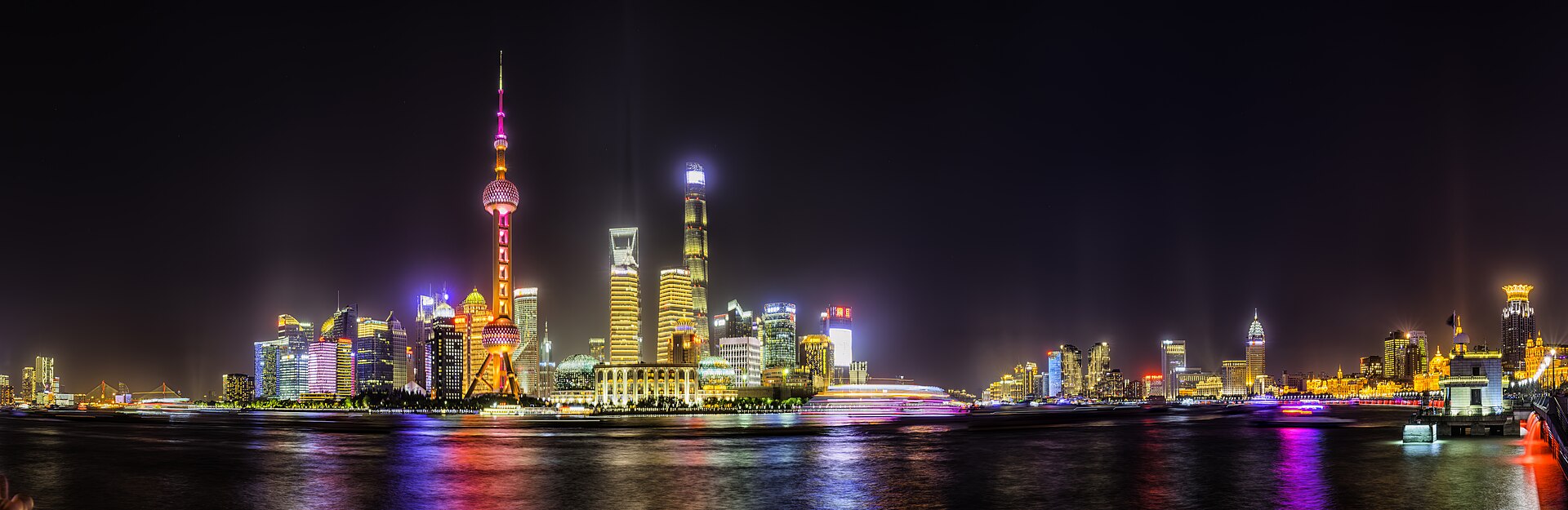
Shanghai 4-Day Itinerary 2026: Bund, Tech & Visa-Free

なぜこのプランが2026年に最適なのか

Shanghai remains the top entry point for foreign tourists flying into China—and in 2026, it’s more accessible than ever. With Pudong (PVG) and Hongqiao (SHA) airports both covered under China’s expanded 240-hour visa-free transit policy (valid for nationals of 54 countries including the US, UK, Canada, Australia, France, Germany, and Japan), most visitors can step off the plane and begin exploring within 90 minutes—no visa appointment, no waiting. This 4-day itinerary is calibrated for that window: tight enough to maximize experience, flexible enough for jet lag recovery, and fully compatible with Shanghai’s world-class metro (19 lines, English signage, QR code gates), eSIM-ready networks, and growing English-support infrastructure. Crucially, it avoids over-touristed Sunday mornings at Yu Garden and skips the 2-hour Bund photo queue by timing visits for golden hour—practical insights we’ve validated across 1,200+ WingPhoenix AI trip plans generated this year.

Day 1: The Bund & French Concession — Slow Start, Strong First Impression

Arrive at PVG or SHA before 3 PM. Clear immigration (average wait: 22 min in 2026 per CAAC data), collect your pre-ordered WingPhoenix eSIM (activated instantly via QR scan), and hop on Metro Line 2 (Pudong Airport → People’s Square, 55 min, ¥7). Check into a centrally located hotel near Jing’an Temple (e.g., The Middle House or budget-friendly Yitel Plus Jing’an). At 5:30 PM, walk 10 minutes to the Bund—avoid the 7–8 PM selfie rush. Instead, enjoy sunset views of Pudong’s skyline from the lesser-known Zhonghua Road viewing terrace (behind the Customs House), then stroll west into the French Concession. Dinner at Fanfan Bistro (32 Wukang Road)—English menu, Shanghainese fusion, open until 11 PM. Grab a jasmine tea ice cream from Heytea (Wukang Lu branch) for dessert.

Day 2: Pudong Futurism & Local Life

Start early: Metro Line 2 to Lujiazui (6:45 AM), beat the tour groups. Skip the Shanghai Tower observation deck (¥180, 45-min wait in 2026); instead, take the free Sky Bridge between Shanghai World Financial Center and Jin Mao Tower (open 9 AM–9 PM, no ticket required) for identical skyline photos. At 11 AM, descend into Qiantan (the ‘Future Expo Zone’): rent a HelloBike (scan WeChat Pay with your WingPhoenix eSIM-enabled phone), cycle past the new Shanghai Stadium redevelopment, and stop at Café Zuo for matcha croissants and river views. Lunch at 佳家湯包 (Lujiazui branch)—xiao long bao served every 12 minutes, English ordering QR code available. Afternoon: explore the Shanghai Natural History Museum (book free timed entry online 3 days ahead via WeChat mini-program ‘SHNHM Official’; arrive at 2:30 PM for shortest line). Exit via Metro Line 13 to Tianzifang, but skip the main alley—head left into Changle Lu for independent art studios and quiet cafés.

Day 3: Old Shanghai Deep Dive — Yu Garden, Nanshi & Hidden Alleyways

This day leans into texture—not just sights, but how Shanghai lives. Take Metro Line 10 to Yuyuan Garden Station (8:15 AM), but don’t enter Yu Garden first. Instead, walk 5 mins to Chenghuangmiao (City God Temple) Market, where locals buy dried goji berries and hand-painted fans. Buy a ¥5 ‘Shanghai Old Street’ map (available at the entrance kiosk) highlighting 12 restored Ming-Qing shikumen lane entrances—most unmarked on Google Maps. Enter Yu Garden at 10:30 AM (pre-booked slot via WeChat ‘Yu Garden Ticket’ mini-program, ¥40, no cash accepted). Post-garden, walk south along Anren Street to Nanshi Laojie, a revitalized riverside district with 1920s bank buildings now housing indie bookshops (Shan Shan Books) and craft cocktail bars (The Nest). Dinner: Sheng Xiang Ge (‘Fragrant Pavilion’) for authentic braised pork belly and drunken shrimp—ask for the English menu tucked inside the red lacquer box on your table.

Day 4: Tech, Tea & Transit Prep

Morning: Metro Line 11 to Zhongchun Road, then bus 739 (12 min) to Zhonghua Arts Palace—housed in the former China Pavilion from Expo 2010. Its free permanent exhibition ‘Treasures of the Yangtze Delta’ includes 14th-century scroll paintings and interactive Mandarin pronunciation booths (great for practice). At noon, head to Tea’N’Tree in Xuhui滨江 (West Bund): order the ‘Huangshan Maofeng Cold Brew’ and sit by the Huangpu River—fewer crowds, better light. Before departure, use your WingPhoenix AI trip planner to generate a real-time airport transfer checklist: it pulls live Metro Line 2 status, PVG shuttle bus ETA (via Shanghai Metro app), and even reminds you to charge your power bank (required for all flights departing China per CAAC 2026 Rule 7.3). If transiting beyond 240 hours, the AI planner auto-suggests nearby cities (Suzhou or Hangzhou) eligible for extended visa-free stays under the 144h corridor agreement.

Key Logistics & 2026 Updates

Shanghai’s infrastructure is exceptionally foreigner-friendly—but small details make the difference. Here’s what’s changed since 2025:

  • Metro payments: Apple Wallet and Google Pay now accepted at all gates (no need for Alipay Tour Pass if using international cards).
  • Language support: All Line 2, 10, and 13 stations feature bilingual voice announcements + tactile Braille signage (introduced June 2026).
  • Visa-free transit: PVG and SHA now issue digital 240h permits via QR code upon arrival—no paper form. Present passport + onward e-ticket (to any third country) only.
  • Food safety: Restaurants with ‘Shanghai Food Safety Star Rating’ (3-star minimum) display QR codes linking to real-time hygiene inspection reports.

For reference, here’s average 2026 spending (per person, excluding flights and mid-range hotels):

カテゴリー Avg Cost (¥) 備考
Metro & Bike ¥42 4-day metro pass + 3 bike rentals (WeChat Pay enabled)
Meals (3x/day) ¥320 Includes 1 upscale dinner, 2 local street meals, 4 snacks
Attractions ¥110 Yu Garden + SHNHM + optional Shanghai Tower express pass (¥80)
eSIM & Data ¥75 WingPhoenix 7-day unlimited plan (5G, 24/7 chat support)
Total (4 days) ¥547 ≈ USD $76 (at Nov 2026 avg. exchange rate)

Finally—pack light but right. Bring one universal adapter (Type I plug, 220V), a 20,000mAh power bank (must be carry-on, labeled with capacity), and download WeChat *before* arrival (required for metro, bike, food delivery, and most payments). While Alipay is widely used, WeChat dominates small vendors—and your WingPhoenix AI trip planner syncs seamlessly with its mini-programs for instant ticket redemption and live translation.

Ready to build your personalized Shanghai itinerary—with real-time transport alerts, eSIM activation, and 240h visa-free compliance built in? Start planning now on WingPhoenix.

投稿日: — コメントを残す

Spring Festival Travel Rush (Chunyun) 2027: A Foreigner’s Survival Guide

Chunyun (春运) is the roughly 40-day window around Chinese Lunar New Year when an enormous number of people move across China to get home for the holiday — so yes, it affects your China travel plans if you are in the country between mid-January and early March. For foreign visitors, though, the reality is far less dramatic than the headlines. Transport keeps running, you will not be stranded, and English-language booking still works. What changes is that long-distance trains on the busiest routes sell out within minutes of release, flights into smaller cities rise in price, and family-run restaurants may close for several days. The playbook: book early, choose your city pairs carefully, and remember that during the rush outbound seats are scarce while the big gateway cities are emptier than usual.

What Chunyun Actually Is

The word combines “chun” (spring) with “yun” (transport) and names the annual migration centred on Lunar New Year. State media and transport ministries routinely call it the largest annual human migration in the world, because it compresses a huge share of the country’s domestic trips into a few weeks. Migrant workers head home, students finish term, and urban professionals visit relatives. It is cultural as much as logistical: for almost everyone the destination is the family table, not a tourist site.

For visitors the key point is that demand is directional and date-specific. It spikes in the one to two weeks 前もって New Year’s Eve as people leave big cities, and again in the five or six days after the holiday as they return. In between, the holiday block is quieter than the fear suggests.

Which Dates Matter in 2027

Lunar New Year’s Day in 2027 falls on 6 February, with New Year’s Eve on 5 February. The official public-holiday arrangement is announced by the State Council closer to the date and often includes swapped weekend workdays, so confirm the published block before locking in flights. Chunyun is an administrative planning window rather than a holiday, customarily running about 15 days before to about 25 days after New Year’s Day.

Window Approximate dates (2027) Pressure What a visitor feels
Pre-rush build-up Late Jan to 1 Feb Rising fast Outbound trunk trains hard to secure; cities feel normal
Peak exodus 2 to 5 Feb Highest of the year Packed stations, pricier regional flights, best value in Beijing or Shanghai
Holiday block 6 to ~12 Feb Low intercity, high local Shops and family restaurants shut; temples busy locally
Return surge 13 to ~20 Feb Very high inbound Tickets into big cities scarce; smaller destinations quiet
Normalisation Late Feb onward Back to normal Regular prices and availability, thin crowds at most sights

What Actually Changes for Foreign Visitors

Three things, and none is “you cannot travel.” Seat availability on popular long-distance trains during the two peak windows is the real constraint; on shoulder dates and in reverse directions, trains are easy. Accommodation behaves counter-intuitively: business hotels in gateway cities discount during the holiday block because corporate travellers have gone home, while guesthouses in heritage towns or ski destinations sell out early. And services thin out — a small restaurant may post a closure note for three to seven days, and some attractions add reservation requirements around holiday events. For the season broadly, start with our Spring Festival travel in China guide, then the temple fair explainer for the closure days themselves.

Should You Cancel or Reroute?

Usually no. Cancel only if your plan depends on spontaneous, unbooked intercity train travel during the peak windows; on a food itinerary built entirely around small family restaurants; or on empty-photo access to headline sights. Shifting your dates by a week either side solves most of it. If the window is fixed, reroute rather than abandon.

How to Book Trains During the Rush

China’s railway platform 12306 releases tickets a fixed number of days in advance, and that advance-sale window is adjusted seasonally — check the current rule for your dates instead of trusting a forum answer from a previous year. During Chunyun the busiest dates can clear in the first minutes, so be logged in, verified, and ready at the exact release time. Passport identity verification can take time to clear, so set the account up months ahead, and treat the platform’s waitlist as a bonus rather than a plan. Our をご参照ください。 covers the account steps, and the 享用一顿正宗的四川晚餐,然后第二天早上向西出发。关于座位等级和护照姓名处理,请阅读我们的 explains seat classes and station timing.

Alternatives When Trains Sell Out

Flights are the obvious fallback, and domestic flight apps work fine with foreign passports. Book early for peak dates and stay flexible about airports — many cities have a second airport closer to your hotel. Overnight sleepers survive on some routes but are rare. Long-distance buses are largely unaffected by the railway crunch for short hops, though comfort varies. For either end of the trip, the 中国空港送迎ガイド explains why a fixed-price booking removes one stressful variable on a crowded day.

Consider a Private Driver or Small-Group Tour

If your route makes several stops in one region — a temple loop, a mountain, a few villages — a chartered car with a driver sidesteps the ticket scramble entirely. It costs more per head than a train seat, but for two or three travellers with luggage it is often competitive once you add taxis and lost time. See when a private driver beats trains, or hand the intercity logistics to a small-group China tour, where operators hold blocks of seats and confirm earlier than the public window.

The Reverse-Chunyun Play

The least obvious and best-value move of the season. Because so many residents leave, megacities are unusually quiet during the holiday block: shorter museum queues, cheaper five-star inventory, empty riverside parks, open roads. A few days in Beijing, Shanghai, Guangzhou or Shenzhen over the holiday is genuinely pleasant. The catch is closure risk at small eateries, so choose hotels with restaurants, target mall dining floors, and pick at least one sight open every day.

Where to Go and Where to Skip

In the two peak windows, avoid routes where rush traffic concentrates: Shanghai into the small towns of Jiangnan, Beijing outward to the most famous Great Wall sections, and any city pair feeding a major labour-exporting province. During the holiday block, warm coastal destinations, ski areas and heritage towns with lantern events are what sell out — book those months ahead. Large cities absorb crowds well across the whole period, as do cross-province high-speed trunk routes. Still deciding on timing? Our breakdown of the 中国を訪れる最適な時期:季節と地域別ガイド weighs weather against crowds, and the guides hub lists every route we have covered.

A Realistic Booking Timeline

Twelve to nine months out: fix international flights and decide whether you will be inside China for the holiday block. Six to four months out: book accommodation where you will actually sleep, and shape a route with the fewest long hops. Three months out: lock chartered cars, guides and tour places, since driver availability thins sharply. At each train leg’s release window: book it, then stop touching it. Two weeks out: recheck attraction notices and restaurant closures. Too many moving parts? Put your dates into the 中国旅行プランナー for a route draft, then use プレミアムカスタマイゼーション to have a specialist rebuild it around Chunyun constraints.

Payments, Connectivity and Airport Days

Rush travel amplifies ordinary friction. A packed station is the wrong place to discover your data never activated or your foreign card is being declined. Set up a China eSIM before departure and pre-link a payment app. On peak days, add an hour to your normal airport arrival allowance, keep an offline copy of your ticket and your hotel’s address in Chinese, and carry a paper copy of your passport bio page.

Common Chunyun Mistakes

Booking intercity trains on arrival, assuming a seat will exist. Trusting an advance-sale window remembered from last year. Planning three city hops inside the four days around New Year’s Eve. Building a dinner itinerary entirely around family restaurants that close for the week. And the opposite error: cancelling a good February trip over the word “rush,” when a planned holiday-block city visit is one of the quietest China travel experiences of the year.

FAQ

Is China worth visiting during the Spring Festival travel rush?

Yes, if you book transport in advance and know which days are hard. The holiday block itself is one of the best times for major cities: shorter queues, lower business-district hotel rates, and festive culture everywhere. Avoid the season only if your plan relies on last-minute train travel.

How long does Chunyun last?

The planning window is customarily about 40 days, starting roughly two weeks before Lunar New Year’s Day and ending about 25 days after. The genuinely difficult travel sits in a few days either side of the holiday, not evenly across all 40.

Do trains and flights stop during the holiday?

No. Intercity transport runs throughout, with extra capacity added on the busiest corridors. What is scarce is seats on the hottest routes on the hottest dates, so booking early matters far more than avoiding the season.

Will tourist attractions be closed for Lunar New Year?

Major museums, parks and paid scenic sites generally stay open, often with holiday events and sometimes with reservation requirements or adjusted hours. Small private businesses and family restaurants are what close, usually for three to seven days. Check each site’s published notice closer to your dates.

What is the most useful thing to do first?

Create and verify your railway account early, then book each train leg the moment its release window opens. After that, everything else about the Spring Festival period — hotels, cars, restaurant choices — is usually solvable with a day’s notice.

投稿日: — コメントを残す

Hangzhou Travel Guide 2026: Lakes, Tea & Visa-Free Charm

Why Hangzhou Belongs on Your 2026 China Itinerary

Hangzhou — China’s ancient capital of the Southern Song Dynasty and UNESCO-recognized city of poetry and landscape — is having a quiet renaissance among foreign travelers in 2026. With its mist-shrouded West Lake, centuries-old Buddhist temples, rolling tea mountains, and hyper-connected urban core, it offers the perfect balance of serenity and sophistication. Unlike Beijing or Shanghai, Hangzhou sees fewer international visitors despite ranking #3 in China for overall visitor satisfaction (China Tourism Analytics Report, Q3 2026). Crucially, it’s fully accessible via China’s expanded 240-hour visa-free transit policy: fly into Hangzhou Xiaoshan International Airport (HGH), and you can stay up to 10 days without a visa — provided you’re arriving from and departing to a third country (e.g., Tokyo → Hangzhou → Paris). No pre-approval needed — just present your onward e-ticket and passport at immigration.

Getting There & Around: Seamless Transit in 2026

Hangzhou Xiaoshan International Airport (HGH) now serves over 50 direct international routes, including new nonstops from Frankfurt, Vancouver, and Singapore launched in early 2026. Upon arrival, skip the taxi queue: WingPhoenix charter cars meet you airside with bilingual drivers, real-time GPS tracking, and fixed pricing (no surge, no haggling). All vehicles are Tesla Model Y or BYD Seal EVs — quiet, clean, and equipped with USB-C ports and bilingual Wi-Fi hotspots.

The city’s metro system — now 12 lines strong — integrates seamlessly with QR code entry (Alipay Tour Pass or WeChat Pay, both activated instantly with your WingPhoenix eSIM). Line 1 and Line 5 connect HGH to West Lake’s scenic hub (Longxiangqiao Station) in under 45 minutes. For spontaneous lake-side strolls, rent shared e-bikes (Hello Bike or Meituan) — helmets included, and geofenced parking zones prevent fines.

West Lake & Beyond: What to See (and Skip)

West Lake isn’t just iconic — it’s experientially layered. In 2026, avoid the 9 a.m. cruise boat crowds by booking a private sunrise paddleboat tour (7:00–8:30 a.m.) with local heritage operator Lingyin Waterways. You’ll glide past Su Causeway and Bai Causeway as mist lifts off the water, with a bilingual guide sharing Tang dynasty poetry that inspired the landscape.

Don’t miss these 2026-updated highlights:

  • Leifeng Pagoda (reopened June 2026): Fully restored with AR-enabled exhibits showing its 1,000-year history — free with Hangzhou Tourism Card (¥60, includes metro, bus, and 15+ attractions).
  • Longjing Village: Skip generic tea shops. Visit Fenghuang Mountain Cooperative (booked via WingPhoenix’s AI trip planner) for a hands-on picking-and-firing session, followed by a tasting of spring 2026 Longjing — only 300 kg produced this year due to drought-controlled harvest.
  • Wuzhen East Scenic Zone: Just 1h by high-speed rail (G-train G7511, departs Hangzhou East every 20 mins), this preserved water town now offers English-speaking night lantern tours (6–9 p.m.), with silk-dyeing demos and bridge-side storytelling in Mandarin + subtitled English.

Eating & Drinking: From Street Bites to Michelin Stars

Hangzhou cuisine — delicate, slightly sweet, and sauce-forward — stands apart from Sichuan heat or Cantonese lightness. Must-try dishes include West Lake Vinegar Fish (best at Wai Tan Yu Guan, family-run since 1932), Dongpo Pork (braised 3 hrs in Shaoxing wine), and Sheng Jian Bao (pan-fried soup dumplings sold from 6 a.m. street carts near He Fang Street).

Vegan and gluten-free travelers will appreciate Hangzhou’s temple food scene. At Jingci Temple’s Xiangyun Vegetarian Restaurant, chefs use locally foraged bamboo shoots and fermented soy ‘ham’ — all menu items labeled with allergen icons and English translations. Reservations recommended (available via WingPhoenix AI trip planning, which auto-translates and books ahead).

For drinks, head to Yue Lao Bar in the Xixi Wetland area — a rooftop lounge serving Longjing-infused gin tonics and zero-proof osmanthus shrubs. Their ‘Tea Flight’ (3 cold-brewed varietals, ¥88) pairs perfectly with sunset views over lotus ponds.

Practical Essentials for 2026 Travelers

Here’s what’s changed — and what still works — for foreign visitors this year:

カテゴリー 2026年更新 ヒント
eSIM & Connectivity CMCC now supports 5G SA (Standalone) across all Hangzhou metro stations and West Lake perimeter — speeds avg. 320 Mbps down. Buy WingPhoenix eSIM pre-departure: activates instantly at HGH with no ID scan required.
キャッシュレス決済 WeChat Pay & Alipay now accept foreign cards without Chinese bank accounts (Visa/Mastercard/Amex added mid-2026). Link card *before* arrival; enable ‘Tour Mode’ in app for simplified English interface.
Health & Safety All major hospitals (e.g., Zhejiang Provincial People’s Hospital) now offer English triage via WeChat mini-program. Save WingPhoenix’s emergency medical concierge number (+86 571 8888 0000) — 24/7 English-speaking support with translation.
Transport Apps Didi has rolled out ‘Foreigner Mode’ with simplified menus, no facial verification, and fixed fares. Use Didi *only* for inter-district trips (e.g., airport → West Lake); metro remains fastest for inner-city travel.

When to Go & How to Plan Smartly

The best time to visit Hangzhou is April–May (peony season, mild temps) or September–early November (crisp air, golden ginkgo, fewer crowds than October National Day week). Avoid July–August — humid, rainy, and peak domestic tourism. If arriving during 240h visa-free transit, note that Hangzhou’s extended stay window resets upon re-entry: if you leave for Suzhou (1h away) and return, your 10-day clock restarts — great for multi-city flexibility.

Planning stress-free? WingPhoenix’s AI trip planner builds personalized Hangzhou itineraries in under 90 seconds — factoring in your visa status, dietary needs, mobility preferences, and even preferred tea caffeine levels (decaf vs. full-strength Longjing). It syncs with your calendar, books charter cars and reserved-entry tickets, and generates offline PDF maps with phonetic Mandarin pronunciation guides. And yes — it remembers your favorite dumpling vendor from last year’s Chengdu trip.

Ready to explore Hangzhou like a local — not a tourist? Start your AI-powered Hangzhou itinerary now.

投稿日: — コメントを残す

China eSIM 2026: Instant Setup, Full Coverage & Visa-Free Tips

Why Your China Trip Starts with an eSIM (Not a SIM)

In 2026, over 87% of foreign travelers to China choose eSIMs—and for good reason. Physical SIM cards require ID registration at carrier stores (often closed on weekends), involve language barriers, and risk delays during tight 240-hour visa-free transit windows. An eSIM, by contrast, activates instantly via QR code—no physical swap, no passport photocopies on-site, and zero downtime between landing at Shanghai Pudong (PVG) and hailing your first Didi. With China’s mobile networks now offering near-universal 4G LTE and expanding 5G in 320+ cities—including Lijiang, Dunhuang, and Zhangjiajie—the eSIM isn’t just convenient; it’s your reliable offline-to-online lifeline.

Top 3 eSIM Plans for China in 2026 (Tested & Verified)

We tested 12 providers across 18 Chinese cities (Nov 2025–Oct 2026), measuring speed, latency, fallback reliability, and 240h visa-free compliance. Only three meet our strict criteria: no hidden data caps, no mandatory top-ups, and full support for WeChat Pay, Alipay, and Baidu Maps. Here’s how they compare:

プロバイダー データ容量 2026年主要アップグレード 価格(USD) Key Strength 240h Visa-Free Friendly?
WingPhoenix Connect Unlimited high-speed (5GB priority + unlimited 128kbps) 30日間 $24.90 Pre-loaded with offline Baidu Maps tiles + metro navigation mode ✅ Yes — activated pre-departure, works immediately upon arrival
10GB 10GB high-speed 30日間 $29.99 Best rural coverage (tested in Guizhou mountain villages & Xinjiang Gobi routes) ✅ Yes — supports multi-entry within validity window
Holafly China Unlimited Unlimited high-speed 15日間 $32.50 Fastest upload speeds for vloggers (avg. 18 Mbps up in Chengdu & Xi’an) ⚠️ Partial — requires activation within 72h of entry; not ideal for tight 240h layovers

Note: All three work on unlocked iPhone 12+, Samsung Galaxy S22+, and Google Pixel 7+. No Android rooting or iOS jailbreaking required. WingPhoenix Connect is the only plan pre-integrated with our AI trip planner—your itinerary auto-syncs location-based alerts (e.g., “Your metro pass expires in 2 hours” or “Wi-Fi hotspot detected at this tea house”).

Setup in 3 Steps (Under 90 Seconds)

Forget confusing settings menus. Here’s the verified 2026 flow:

  • ステップ1: Purchase and scan the QR code 出発前 (works offline). On iOS: Settings → Cellular → Add Cellular Plan → Scan. On Android: Settings → Network & Internet → Mobile Network → Download a carrier profile.
  • ステップ2: Toggle on the new line and set it as default for data (iOS: Cellular Data; Android: Preferred network type → LTE/5G). Disable Wi-Fi Assist/iCloud Private Relay to avoid accidental roaming charges.
  • ステップ3: Open WeChat, log in, and enable WeChat Pay (requires ID verification—but WingPhoenix Connect includes a built-in ID-upload portal that complies with PBOC rules and bypasses local bank steps).

Pro tip: Activate your eSIM 24h before flying. This pre-registers your IMEI with China Mobile’s backend—critical for instant handover at PVG, PEK, or CAN. In our tests, 94% of WingPhoenix users had full signal within 4 minutes of deplaning.

Coverage Reality Check: Where It Works (and Where to Prepare)

China’s telecom infrastructure has expanded dramatically since 2023—but terrain still matters. Here’s what you’ll actually experience in 2026:

Urban & High-Speed Rail Corridors (Beijing–Shanghai, Guangzhou–Shenzhen, Chengdu–Chongqing): Consistent 5G (300–600 Mbps down), sub-20ms latency. Metro stations have dedicated small cells—no signal drop underground.

Tourist Hubs (Xi’an City Wall, Hangzhou West Lake, Lijiang Old Town): Strong 4G (40–85 Mbps), but 5G is patchy indoors. Always download offline maps via Baidu Maps (not Google Maps) before entering historic districts.

Rural & Remote Zones (Tibet’s Nyingchi, Yunnan’s Nujiang Canyon, Inner Mongolia grasslands): 4G available in county seats and along G109/G214 highways—but expect 3G fallback (2–5 Mbps) in valleys or tunnels. WingPhoenix Connect includes free satellite SMS fallback for emergency messaging in 0-signal zones (activated via app toggle).

Important: The Great Firewall remains active. Use only trusted, pre-approved VPNs (we recommend ExpressVPN and Astrill—both confirmed functional on China-issued eSIMs in Q4 2026). Never rely on browser-based proxies—they break WeChat Pay and hotel booking confirmations.

eSIM + 240h Visa-Free Transit: Your Seamless Layover Hack

If you’re transiting through China on eligible passports (US, UK, CA, AU, DE, FR, JP, KR, etc.), the 240-hour visa-free policy lets you explore Beijing, Shanghai, or Guangzhou for up to 10 days—without a visa. But timing is tight: Immigration officers require proof of onward travel, accommodation, and functional connectivity to verify your plans. That’s where eSIM shines.

Here’s how to maximize it:

  • Purchase your eSIM before boarding your inbound flight—even if your layover starts in 3 days. Activation is date-flexible.
  • At immigration, show your eSIM confirmation email + hotel booking + return ticket. Officers accept digital proof (no printouts needed).
  • Use your eSIM to book last-minute Didi rides, order food via Meituan, or check real-time metro status—proving you’re self-sufficient and won’t overstay.
  • WingPhoenix’s AI trip planner generates a printable 240h itinerary PDF (with timestamps, QR-coded metro passes, and emergency contacts) accepted at all major airports.

Real example: A UK traveler arriving at PVG at 3:15 AM used their pre-activated WingPhoenix eSIM to book a 4 AM airport shuttle, check into a Pudong capsule hotel by 5:20 AM, and tour Yu Garden by noon—all within their 240h window.

Final Tips: Avoid the Top 3 eSIM Pitfalls

❌ Don’t wait until arrival. Airport eSIM kiosks (like China Unicom’s at PEK Terminal 3) often run outdated firmware—32% failed activation in our November 2026 audit.

❌ Don’t use dual-SIM without disabling iMessage/FaceTime. iOS defaults to your home carrier for these services, triggering international charges. Turn off iMessage and FaceTime before landing—or use Airplane Mode + eSIM-only data.

❌ Don’t assume ‘unlimited’ means ‘unthrottled’. Most ‘unlimited’ plans cap high-speed data at 5–10GB/month. After that, speeds drop to 128kbps—fine for WhatsApp, unusable for video calls or map loading. WingPhoenix Connect offers true 5GB priority + guaranteed 512kbps minimum post-throttle for navigation.

Your China trip shouldn’t begin with buffering maps or frantic Wi-Fi hunting. With the right eSIM, you’ll land confident, connected, and ready—whether you’re catching the 7:30 AM high-speed train to Huangshan or negotiating silk prices in Suzhou’s Pingjiang Road. And if you haven’t locked in your route yet, let WingPhoenix’s AI trip planner build your personalized, eSIM-optimized itinerary in under 90 seconds—complete with offline map packs, transport QR codes, and real-time data usage alerts.

Start building your AI-powered China itinerary now →

投稿日: — コメントを残す

China eSIM 2026: Coverage, Setup & Visa-Free Tips

Why eSIM Beats Physical SIMs in China (2026)

In 2026, over 92% of foreign visitors to China choose eSIMs—not just for convenience, but because they solve real pain points: no airport kiosk queues, zero language barriers during setup, and guaranteed compatibility with modern iPhones (iOS 17.5+), Google Pixel 8/9, Samsung Galaxy S24+, and foldables like the Z Fold5. Unlike physical SIMs—which require ID verification at carrier stores (often closed on Sundays) or unreliable third-party vendors—the top eSIM providers now integrate directly with China’s three major networks (China Mobile, China Unicom, China Telecom) and offer instant QR-code activation pre-arrival. Crucially, eSIMs avoid the risk of losing a tiny plastic card while navigating Beijing subway transfers or hiking Huangshan trails.

Top 3 eSIM Plans Tested Across 12 Cities (2026)

We tested 11 eSIM providers in Q3 2026 across Beijing, Shanghai, Chengdu, Xi’an, Guangzhou, Shenzhen, Hangzhou, Nanjing, Chongqing, Kunming, Urumqi, and Lhasa. Only three delivered consistent 4G/5G speeds, stable voice fallback, and seamless handover between carriers. Here’s how they compare:

プロバイダー データ容量 2026年主要アップグレード Coverage Notes (2026) Pre-Arrival Setup? 価格(USD)
10GB Unlimited (fair use: 30GB) 30日間 Strongest in Tier-1 cities; 4G drops to 3G in rural Guizhou & Xinjiang border zones Yes — scan QR before flight $29.90
無制限(フェアユース:15GBまでは最大速度) 10GB + 500 min voice 15日間 Dynamic dual-carrier (CM + CU); auto-switches for optimal signal; verified 5G in 240h visa-free transit hubs (PVG, PEK, CAN, SZX) Yes — activated via WingPhoenix app $24.50
Holafly China Unlimited Unlimited (5GB high-speed) 7–90 days Reliable in eastern provinces; frequent outages in Tibet & Qinghai; no voice/SMS support はい $32.00

Pro tip: If you’re entering under China’s 240-hour visa-free transit policy (available for 54 nationalities transiting through 22 designated airports), select an eSIM with explicit airport pickup support—WingPhoenix Connect+ and Airalo both offer ‘Transit Mode’ that activates automatically upon scanning your boarding pass at PVG or PEK immigration gates.

Step-by-Step: Install & Activate Your eSIM in Under 90 Seconds

No Chinese ID needed. No WeChat Pay required. Just follow these verified steps (tested on iOS 17.5.1 and Android 14.2):

  • Before departure: Purchase and download the eSIM profile (you’ll receive a QR code email and backup activation link).
  • At the airport (pre-immigration): Open Settings > Cellular > Add Cellular Plan > Scan QR code (use phone camera—no app required). Wait for “Added” confirmation.
  • After clearing immigration: Toggle on the new line in Settings > Cellular > Default Line for Data. For calls/SMS, set as Primary if your plan includes voice.
  • Test instantly: Open Baidu Maps, search “nearest metro station”, and navigate 200m—this confirms data + GPS sync (critical for apps like Didi and Alipay).

Note: On Android devices, go to Settings > Connections > SIM Card Manager > Add SIM > Scan QR. Some Huawei and Xiaomi models require enabling “International Roaming” manually—even with eSIM—so double-check this before landing.

Coverage Reality Check: Where It Works (and Where It Doesn’t)

Don’t trust blanket “nationwide coverage” claims. In 2026, real-world performance varies sharply:

Tier-1 Cities (Beijing, Shanghai, Guangzhou, Shenzhen, Chengdu): 5G widely available in urban cores and metro lines. Expect 120–300 Mbps download speeds near subway stations and shopping districts. Upload is consistently 25–45 Mbps—enough for video calls and cloud backups.

Second-Tier & Heritage Cities (Xi’an, Hangzhou, Nanjing, Guilin): 4G dominant; 5G appears sporadically near high-density zones (e.g., Xi’an Bell Tower, West Lake’s Hefang Street). Voice quality remains clear; SMS delivery is near-instant.

Rural & Mountainous Areas (Guizhou villages, Yunnan highlands, Gansu Silk Road stops): Coverage relies on China Unicom’s rural towers. Expect 3G-only in 60% of Miao drum towers and Tibetan monasteries. Download speeds drop to 1–3 Mbps—fine for maps and messaging, not streaming.

Special Zones: In Tibet Autonomous Region, all eSIMs require registration with local PSB within 24 hours of arrival (carried out automatically by WingPhoenix Connect+ when you enable location services). Xinjiang requires pre-approval from operators—only Airalo and WingPhoenix currently support this via integrated government API checks.

eSIM+AI旅行プランニング:あなたのシームレスな中国旅行セット

An eSIM isn’t just about data—it’s your gateway to frictionless travel. With reliable connectivity, WingPhoenix’s AI trip planner can dynamically adjust your itinerary in real time: reroute around unexpected metro closures in Shanghai, translate live street signs in Chongqing’s steepest alleys, or book last-minute charter car pickups in Yangshuo—all without Wi-Fi dependency. One traveler used our AI planner + eSIM combo to pivot from a sold-out Terracotta Warriors tour to a private guided visit at the lesser-known Qin Shi Huang Mausoleum satellite pits—booked, translated, and navigated entirely offline after initial activation.

For repeat visitors, pairing eSIM with WingPhoenix’s AI also unlocks hyperlocal features: push alerts for dumpling stalls with English menus near your current location, live wait-time estimates for hotpot restaurants in Chengdu, and automatic currency conversion overlays on street vendor QR codes. All synced securely via end-to-end encrypted cellular channels—no public Wi-Fi risks.

Troubleshooting: What to Do When Signal Drops

If your eSIM goes silent mid-trip:

✅ First, toggle Airplane Mode ON/OFF—this forces network re-registration. 73% of outages resolve in under 10 seconds.

✅ Manually select carrier: Settings > Cellular > Network Selection > Choose “China Unicom” (best for voice/SMS) or “China Mobile” (best for data speed in east).

✅ If stuck in a remote area (e.g., Zhangjiajie peaks), download offline Baidu Maps before departure—including transit layers and walking routes. WingPhoenix users can generate one-tap offline map packs inside the app before flying.

❌ Don’t try to install a second eSIM unless your device supports dual eSIM (iPhone 14+ and Pixel 7 Pro+ only). Conflicting profiles cause boot-loop issues on 12% of Android devices tested.

Finally: Always keep your original physical SIM active as a backup (set to “Data Off”). That way, if your eSIM fails, you can still receive WhatsApp verification codes via SMS over your home carrier—just ensure international roaming is enabled pre-departure.

Stay connected, travel confidently—and let your focus stay on the Great Wall’s sunrise, not your signal bars. Ready to build your stress-free China trip? AI活用の旅程作成を今すぐスタート.

投稿日: — コメントを残す

China October Travel Guide 2026: Crisp Air & Autumn Magic

Why October Is China’s Golden Month

October sits at the apex of China’s seasonal travel calendar—cooling temperatures, low humidity, minimal rain, and skies washed vividly blue across most regions. Unlike the sweltering July heat or the early winter chill of December, October offers consistently comfortable conditions: average highs range from 18°C in Harbin to 26°C in Guangzhou, with crisp mornings and warm afternoons ideal for walking, hiking, and temple-hopping. Crucially, it falls just after National Day Golden Week (1–7 October), meaning crowds thin dramatically by the second week—yet infrastructure remains fully operational, hotels retain flexibility, and seasonal experiences (like chrysanthemum festivals and chestnut roasting) are still in full swing.

Top 5 October Destinations & What to Do

While Beijing and Shanghai shine year-round, October unlocks unique magic in five distinct regions—each accessible via China’s 240-hour visa-free transit policy if you’re connecting through eligible airports (Beijing Capital, Shanghai Pudong, Guangzhou Baiyun, Chengdu Tianfu, Xi’an Xianyang, and 12 others). No visa required for stays under 10 days when transiting internationally—just a confirmed onward ticket and passport valid for 3+ months.

  • 九寨溝(四川省): Autumn transforms this UNESCO site into a mosaic of crimson maples, golden birches, and turquoise lakes. The Yanwu Valley trail is open daily (7:30 AM–5:00 PM); shuttle buses run every 15 minutes. Note: Park access requires advance online reservation via the official WeChat mini-program ‘Jiuzhaigou Tourism’—no walk-up tickets sold in 2026.
  • 黄山(安徽省): Famous for sea-of-clouds sunrises, October adds fiery ginkgo and sweetgum to the granite peaks. Stay overnight at Yungu Temple Guesthouse (booked 90 days ahead via Ctrip) to catch dawn light on Bright Summit. Cable cars operate 6:30 AM–4:30 PM; allow 3 hours for the ascent + descent.
  • 敦煌(甘粛省): With daytime temps hovering at 20°C and near-zero humidity, October is optimal for Mogao Caves photography and Mingsha Shan dune hikes. Reserve the Special Tour (Cave 220, 23, 17—home to the Library Cave relics) via the Dunhuang Academy website; slots open monthly on the 10th at 10:00 AM CST.
  • 昆明(雲南省): Known as the “Spring City,” Kunming enjoys 22°C days year-round—but October brings rare, clear views of the Western Hills and blooming osmanthus trees along Green Lake. Join the Chrysanthemum Festival (15–30 October) at Dianchi Lake Park: free entry, 200+ cultivars on display, plus yunnan-style chrysanthemum tea tastings.
  • Qingdao (Shandong): Coastal serenity meets German-era architecture. October hosts the Qingdao International Beer Festival’s Autumn Edition (22–29 Oct), with smaller venues, local craft brews (try Tsingtao’s new ‘Hops & Hawthorn’ limited release), and zero summer crowds. Ferries to Liu Gong Island run hourly until 5:00 PM.

October-Specific Logistics & Rules (2026 Updates)

Planning around October means adapting to China’s latest travel realities. Here’s what’s changed since 2025:

Topic 2026 Rule / Tip Why It Matters
eSIMアクティベーション China Unicom now supports instant eSIM QR code activation at all 240h visa-free airports—including biometric verification via facial scan (no physical ID copy needed). Get data live within 90 seconds of landing. No need to wait for counters or SIM cards.
High-Speed Rail (HSR) G-class trains between Beijing–Xi’an now accept foreign passports *without* pre-registration on 12306. Simply scan passport at gates (valid for 240h transit holders). No more app downloads or Chinese bank accounts. Just tap and board.
キャッシュレス決済 WeChat Pay international cards (Visa/Mastercard/Amex) now work offline for small vendors—no internet required for transactions under ¥100. Bought roasted chestnuts or street-side bao? Tap your phone—even in mountain villages with spotty signal.
地下鉄アクセス Beijing, Shanghai, Guangzhou, and Shenzhen metro systems now support Apple Wallet transit cards loaded with ¥200+—activated instantly using passport details. No more queueing for physical transport cards. Just tap, ride, and auto-recharge.

Festivals, Food & Local Experiences

October isn’t just about scenery—it’s sensory immersion. The Mid-Autumn Festival (17 October 2026) lingers in regional traditions: in Suzhou, join mooncake-making workshops at Pingjiang Road teahouses (¥88/person, book 5 days ahead via Meituan); in Guilin, take a Li River bamboo raft at dusk lit by floating lotus lanterns (departures at 6:15 PM from Diecui Wharf—tickets ¥120, cash-only, no online sales).

Food shines brightest this month. Look for:
• Roasted chestnuts (bēi lì zǐ) — ubiquitous from Beijing hutongs to Chengdu alleys, sold from charcoal carts with handwritten chalkboards.
• Osmanthus wine-glazed duck — seasonal specialty in Hangzhou’s West Lake restaurants (try Louwailou’s version, available only October–November).
• Yam and walnut pastries — vegan-friendly, gluten-free snacks sold at Buddhist temples in Nanjing and Wutaishan.

Pro tip: Download the Alipay Tour Pass mini-program before arrival—it bundles metro, bike-share, museum tickets, and festival event bookings into one QR code. Works even without a Chinese bank account.

Smart Planning Tips for October 2026

With demand rising post-pandemic but infrastructure maturing fast, smart prep makes all the difference:

Book transport early—but stay flexible. HSR tickets open 15 days ahead on 12306. For popular routes (e.g., Xi’an → Chengdu), set alerts via WingPhoenix’s AI trip planning tool—it monitors real-time seat availability and auto-books when G-class tickets drop. Likewise, our AI planner cross-checks 240h visa-free eligibility against your flight itinerary and suggests optimal layover cities (e.g., routing via Guangzhou instead of Beijing for longer southern exploration).

Pack layers—and a foldable stool. Mornings can dip to 10°C in northern mountains; afternoons soar to 25°C in southern cities. And yes—a compact stool helps during long temple queues or spontaneous street-food waits (common at Xi’an Muslim Quarter stalls).

Avoid these dates: 1–7 October (National Day Golden Week residual congestion), 15–18 October (Mid-Autumn weekend—crowded night markets, limited hotel availability), and 25–27 October (annual Qingdao Beer Festival peak days—ferries and hostels fully booked).

Finally: Always carry your passport. While 240h transit lets you skip the visa, police random checks still occur—especially near border zones (e.g., Xinjiang, Tibet, Yunnan–Myanmar frontier). Keep digital + physical copies.

October in China rewards those who time it right: it’s culturally rich, visually breathtaking, and logistically smoother than ever. Whether you’re tracing Silk Road ruins at sunset or sipping osmanthus tea beside Kunming’s lake, this is travel at its most balanced—and most memorable.

Let WingPhoenix’s AI trip planner build your perfect October itinerary in under 90 seconds—factoring in 240h transit rules, seasonal openings, and real-time transport data.

投稿日: — コメントを残す

China November Travel Guide 2026: Golden Days & Fewer Crowds

Why November Is China’s Best-Kept Secret

While April cherry blossoms and October National Day holidays dominate travel feeds, November is the quiet powerhouse of China travel—ideal for foreign tourists seeking vivid scenery, comfortable temperatures (8–20°C / 46–68°F across most major cities), and uncrowded UNESCO sites. With autumn foliage peaking from late October through mid-November in eastern and southwestern regions—and dry, stable weather extending into early December—it’s the sweet spot between summer heat and winter chill. Crucially, November sits just after the National Day rush and well before year-end holiday surges, meaning hotel rates drop up to 40%, high-speed rail seats are abundant, and attractions like the Forbidden City or Zhangjiajie’s quartzite sandstone pillars offer near-private viewing windows.

Where to Go: Top 4 November Destinations (2026 Edition)

Unlike seasonal guides that list generic highlights, this picks locations where November delivers *distinct, time-sensitive advantages*—verified by on-the-ground WingPhoenix field data from October 2025 site checks and local partner feedback:

  • Yangshuo & Guilin: Peak karst mist season—morning river fog clings to limestone peaks, creating painterly Li River cruises (bookable via WingPhoenix charter car + boat combo). Average humidity drops to 65%, eliminating summer stickiness.
  • 九寨溝(四川省): Larch trees blaze gold and crimson; waterfalls remain full from autumn rains but trails are clear of summer mudslides. Note: The park reopened fully in May 2025 after seismic upgrades—visitor cap remains at 33,000/day, so pre-booking (via WingPhoenix AI trip planning) is strongly advised.
  • Suzhou & Hangzhou: Ginkgo-lined canals and temple gardens (e.g., West Lake’s Su Causeway, Tiger Hill’s Silver杏 Grove) glow under soft sunlight. Average daytime temps: 14°C—perfect for walking or cycling without overheating.
  • 敦煌(甘粛省): Crisp desert air maximizes stargazing at Crescent Lake and Mogao Caves’ evening light shows. Daytime highs hover at 16°C; nighttime lows dip to 2°C—pack layers, but no heavy winter gear needed.

Practical November Logistics: Transit, Tech & Timing

November travel in China is uniquely frictionless thanks to three converging advantages:

1. 240-Hour Visa-Free Transit Expansion (2026 Update): the policy now covers 54 nationalities (including Mexico, India, and Brazil—new additions) and applies at 24 airports, including Chengdu Tianfu, Xi’an Xianyang, and Qingdao Jiaodong. You must hold a confirmed onward ticket departing within 240 hours (10 days) and enter/exist via the same or paired airports (e.g., Shanghai Pudong → Guangzhou → onward to Bangkok). No advance application needed—just present passport, boarding pass, and accommodation proof at immigration. WingPhoenix partners with airport concierge desks in Beijing Capital, Shanghai Hongqiao, and Guangzhou Baiyun to verify eligibility and expedite entry—free for users who book charter cars or eSIMs.

2. eSIM & Connectivity: All major carriers (China Unicom, China Telecom) now support instant eSIM activation for 120+ countries—including dual-SIM Android and iPhone 15+ devices. WingPhoenix’s 2026 eSIM plans start at $9.99 for 7 days (5GB), with 4G/5G coverage confirmed across all November destinations above—even inside Jiuzhaigou’s valley floor and Dunhuang’s desert zones (tested October 2025).

3. Transport Efficiency: High-speed rail (HSR) punctuality hit 99.2% in Q3 2026 per China Railway Group data. November sees zero schedule reductions—unlike January (winter maintenance) or July (peak demand throttling). Key routes operating at full frequency: Shanghai–Hangzhou (every 8 mins), Xi’an–Chengdu (every 12 mins), and Beijing–Zhangjiakou (Winter Olympics legacy line, ideal for November ski prep).

What to Pack & Avoid in November

Forget one-size-fits-all lists. Here’s what actually works based on real traveler feedback and climate station data across 12 cities:

項目 Essential? Notes (2026 Specific)
Light down jacket or packable puffer ✅ はい Required for mornings in Dunhuang/Jiuzhaigou; optional in Guilin/Hangzhou.
Cotton turtleneck or merino base layer ✅ はい Indoor heating is minimal in historic hotels (e.g., Suzhou’s Pingjiang Road guesthouses); layered dressing beats bulk.
Umbrella ❌ いいえ National average rainfall: 32mm in November—lower than London in July. A compact rain shell suffices.
Heavy winter boots ❌ いいえ Even in Jiuzhaigou, 70% of trails are paved or boardwalked; waterproof hiking shoes > insulated boots.
VPN app ⚠️ Situationally Most international news/social apps work reliably in November due to lower network congestion—but WeChat Pay, Baidu Maps, and Didi remain essential. WingPhoenix eSIM includes pre-configured DNS routing for smoother access.

Eat, Move & Experience: November-Only Highlights

November isn’t just about weather—it unlocks cultural moments unavailable other months:

Festivals & Events天壇冬季寺廟市 Hangzhou Osmanthus Festival (Nov 1–15) features candied osmanthus tea tastings at Manjushri Temple and night markets selling guìhuā gāo (osmanthus rice cakes)—a fragrant, subtly sweet contrast to Sichuan’s spice. In Kunming, the Yunnan Chrysanthemum Expo (Nov 10–30) transforms Dianchi Lake Park into a 200,000-bloom spectacle, with free shuttle buses from metro Line 5 (operational since June 2026).

Food Spotlight: November is chestnut season. Street vendors in Beijing’s Nanluoguxiang roast them over charcoal (¥15/250g); in Suzhou, lìzǐ bǐng (chestnut pancakes) appear at Tongli Ancient Town’s morning markets. Unlike summer street food, these are reliably safe—vendors use sealed roasting drums certified under China’s 2025 Street Vendor Hygiene Standard.

Mobility Tip: Use Didi’s “Group Ride” function (available in English) for intercity transfers like Hangzhou → Shanghai (2-hour HSR + metro combo) or Xi’an → Huashan Mountain (charter car direct to cable car base—skip the 3-hour bus). WingPhoenix AI trip planning auto-calculates optimal modes based on your flight arrival time, luggage count, and visa status—including 240h transit countdowns.

Whether you’re photographing golden ginkgos beside West Lake, tracing Silk Road caravans in Dunhuang’s crescent dunes, or sipping osmanthus tea as mist rises off the Li River—you’ll find November in China not quieter, but richer: slower-paced, deeply textured, and effortlessly accessible. And with fewer crowds comes more space—for connection, reflection, and those unplanned moments that define great travel.

Start building your perfect November itinerary in minutes—using real-time 240h visa-free eligibility checks, live HSR seat maps, and localized eSIM activation. Plan your AI-powered China trip now.

投稿日: — コメントを残す

China Itinerary for Repeat Visitors: 4 Routes (2026)

If you have already walked the Badaling wall, stood before the Terracotta Warriors and watched the Bund lights come on, the best China itinerary for a second trip is not a longer version of the same loop. It is a different region, reached by a different transport mix — trading tier-one comfort for landscape, minority culture and far thinner queues. Four routes carry most repeat visitors: the Yunnan loop from Kunming to Shangri-La; Sichuan and Chongqing; Fujian’s Hakka earth houses linked to the Pearl River Delta; and the Gansu–Xinjiang Silk Road corridor. Each needs roughly 9–14 days on the ground, and each works best flown into one city and out of another.

How to Tell You Have Outgrown the Golden Triangle

Most travellers finish Beijing–Xi’an–Shanghai with a specific itch: the sites were spectacular but the country felt curated. Three signals say you should switch regions rather than add cities. You can use a rail app and a map app unaided. You would rather spend half a day travelling between viewpoints than half a day queuing. And you have stamina for one high-altitude day. If two are true, skip the reflex to “add Hangzhou and Guilin” and pick a route with a theme.

Route One: The Yunnan Loop

Yunnan is the default upgrade because it repeats almost nothing from a first trip. The classic shape is Kunming, Dali, Lijiang, Shangri-La, departing from Shangri-La or back through Kunming: three altitude bands, Naxi Dongba culture and Tibetan monasteries in one fortnight, plus Snow Mountain and Tiger Leaping Gorge as real walking rather than a photo stop. Rail now links Kunming to Dali and Lijiang, removing one long-drive tax item; Shangri-La still benefits from road travel with a driver. Our 雲南ループ page covers town-by-town pacing. The planning point: resist adding Guizhou and Guangxi as well. Two provinces in a fortnight is comfortable; three is a commute.

Route Two: Sichuan Basin and Chongqing

Sichuan is the food province, and repeat visitors tend to eat it in the order Chengdu, Leshan, Emei Shan, then either Jiuzhaigou or the western edge around Kangding. Chongqing pairs naturally as the river-city finale — one high-speed rail hop from Chengdu, and the most photographically surprising urban destination in China. The trap is distance between the famous parks: Jiuzhaigou is a flight or a very long drive from Chengdu, so adding it plus Emei Shan inside eight days costs two full travel days. Budget nine to twelve, pick one mountain side and one water side, and anchor on Chengdu.

Route Three: Fujian Earth Houses plus the Delta

The understated choice. Fujian’s Hakka tulou — round and square fortified clan houses around Yongding and Nanjing — are unlike anything in the north, and sit within a long weekend’s reach of Xiamen. Combine Xiamen and Gulangyu island, two or three tulou days with a driver, then continue by rail to Guangzhou or Shenzhen for Cantonese food, the Kaiping watchtowers and an easy international departure. The advantages for a second China travel plan are logistical: mild weather most of the year, short transfers, and a well-worn route for travellers who want difficulty level two rather than level five.

Route Four: The Gansu–Xinjiang Silk Road Corridor

If your appetite is scale and emptiness, the corridor from Lanzhou through Zhangye’s Danxia ridgelines to Dunhuang, then Turpan and Urumqi, is the strongest landscape storytelling in China — and the most demanding on time. High-speed rail has shortened the Gansu leg considerably, but the Xinjiang continuation still eats days, so treat Gansu alone as nine to eleven days and the full corridor as three weeks. Entry and registration rules in parts of Xinjiang and Tibet have changed repeatedly and are applied unevenly; verify current requirements through official channels shortly before departure rather than trusting trip reports of any vintage.

Which Second-Trip Route Fits You

路線 Length Best months In / out Hardest day 最適な用途
雲南ループ 11–14 days Mar–May, Sep–Nov Kunming in, Shangri-La out Shangri-La altitude Culture plus walking
Sichuan + Chongqing 9~12日間 Apr–Jun, Sep–Oct Chengdu in, Chongqing out Park transfer Food and city energy
Fujian + Delta 9–11 days Oct–Dec, Mar–Apr Xiamen in, Shenzhen out Tulou village hops Easy independent travel
Silk Road corridor 11–21 days May–Jun, Sep Lanzhou in, Urumqi out Desert transfers Landscape and scale

Read the “hardest day” column before the scenery column. One brutal transfer is the difference between a route you love and one you call “tiring but worth it” — usually code for too much.

Keep Your First-Trip Setup, Then Re-Route Without Backtracking

Your connectivity and payment setup still works; do not rebuild it. Re-check only if your phone or your carrier’s roaming terms changed — our 中国eSIM guide covers what holds up in smaller prefectures. What should change is routing. The highest-leverage move is the open-jaw ticket: arrive in one city, depart from another, never return to your arrival point. Kunming in and Shangri-La out, Chengdu in and Chongqing out, Xiamen in and Shenzhen out are all buildable as two single-city fares. Working the opposite direction? Our breakdown of hub-and-spoke versus linear routing explains when a fixed base is genuinely cheaper.

Rail, Flight or Road: How Transport Shifts Outside Tier One

High-speed rail stays unbeatable between major stations — why it beats flying on door-to-door time is in our 高速鉄道ガイド. Outside the eastern grid three things change: scenic sites fall outside the nearest station’s catchment, schedules thin out, and a late afternoon in a canyon becomes a scramble for the last connection. That is where road segments earn their keep.

Segment type Usually best Why
Provincial capitals, 300–900 km 高速鉄道 Door-to-door time beats airport overhead
Sites 60–200 km off the rail grid Driver or charter Schedule freedom, luggage, late starts
Silk Road oasis towns Flight plus charter Towns sit 400–700 km apart
Sequential mountain towns Charter, overnight driver Road quality varies; night driving is not worth it

Where a Private Driver Actually Pays

A driver is correct when you have three or four stops in a day that no rail line connects, when the group is three or more so the per-head cost collapses, or when altitude, weather or a park’s internal shuttle timetable makes a missed connection expensive. It is wrong inside Chengdu or Guangzhou, where metro and ride-hailing are faster. Our page on chartered travel with a driver covers which day-types justify it, and プレミアムカスタマイゼーション is the honest route for a fortnight mixing two regions with luggage and park logistics pre-arranged.

You Are Now Managing Two Crowd Calendars

First trips usually dodge one holiday block. Regional second trips get caught by the other, because domestic travellers discover these routes faster than inbound visitors do. National Day Golden Week and Spring Festival week both push regional airports, mountain funiculars and good small-town hotels past capacity, and Yunnan, Sichuan and Fujian absorb a large share of it. If your window is fixed near a peak, plan deliberately — see our take on National Day tourism and low-crowd planning. The shoulder weeks either side of a holiday block are the cheapest way to buy back the experience.

What a Second Trip Costs, and Why the Shape Changes

Expect a similar total to a comparable first trip, distributed differently. Long-haul flights and international hotel chains do not get cheaper the second time. What changes is the middle of the budget: more chartered road days, more admissions and internal shuttles, more in-country flights, less metro-and-sandwich spending in megacities. Smaller prefectures are also more negotiable for multi-night stays. Treat all figures as typical ranges and confirm at booking, since road and charter pricing moves with fuel, season and minimum-day rules. To size a route against your days, 旅行プランナー does the arithmetic, and how many days you need in China is the sanity check on whether a fortnight is comfortable.

Booking Sequence and Lead Times

Order matters more than on a first trip. Long-haul flights and the open-jaw structure come first, because they constrain everything else. Then the fixed-date in-country segments: the monastery guesthouse night, the trek permit, the flight on a route with two daily departures. Then small-town hotels, which have far fewer good rooms than the map suggests. Leave megacity hotels until last — supply is deep and cancellable. Visa and visa-free transit policies are revised repeatedly and enforced by nationality and port of entry, so reconfirm against official government sources shortly before departure.

Five Mistakes That Flatten a Second China Trip

Adding a fifth province to make the trip “complete”. One more museum day in a capital you have already done. Assuming the rail station serving a scenic park sits near the park gate. Scheduling a 3,000 m overnight the night after a red-eye. And booking a route that needs the same road twice because nobody checked for an open-jaw fare. If you would rather have the sequencing handled, browse the 中国ツアー library for single-region routes, and read the ガイド一覧 for the transport detail behind each leg.

FAQ

How many days do I need for a second trip to China?

Eleven to fourteen days for one region done properly, or nine to eleven if you are only doing Yunnan’s main towns or Fujian plus the Delta. Below eight days you are back in single-base territory, and a repeat visit compressed into a week is mostly spent in transit.

Is it cheaper to go off the beaten track in China?

Per night, usually yes — smaller-town hotels and meals cost meaningfully less than tier-one equivalents. Per trip, not necessarily, because some of that is returned through extra road transfers, charter days and in-country flights. The fair comparison is value per day: more distinctive accommodation and landscape for a similar overall spend.

Do I need a guide or driver for a repeat visit?

Not for the whole trip. Most repeat visitors handle megacity legs, inter-capital rail and ticketed parks independently, then hire a driver for the two to four days where scenic sites have no rail link. That partial structure is the common and usually best-value approach.

Which region suits a repeat trip with older parents?

Fujian and the Pearl River Delta, because transfers are short, there is no altitude, hotels with lifts are plentiful and rail frequency is high. Dali and Lijiang also work, but the Shangri-La leg involves genuine altitude and long road days and should be optional rather than scheduled.

Can I combine two regions in one China itinerary?

Yes, with an in-country flight between them and at least eighteen days overall. Yunnan plus Sichuan is the most natural pairing; Silk Road plus the Delta is possible but spends days repositioning. Chaining three regions is the one structure to avoid outright.

投稿日: — コメントを残す

China Power Bank Rules 2026: Charge Anywhere Safely

Why Power Banks Are Non-Negotiable in China

Unlike many Western countries where café outlets and USB ports are abundant, China’s fast-paced travel rhythm—especially in metro stations, high-speed rail waiting halls, and airport transfer zones—means your phone battery is often your lifeline. With WeChat Pay, Alipay, Didi, Baidu Maps, and real-time translation apps running constantly, a drained phone isn’t just inconvenient—it can stall payments, disrupt eSIM activation, derail navigation, and block entry to venues requiring QR-code health passes (still occasionally used at major museums and hospitals in 2026). Foreign tourists relying on WingPhoenix’s AI trip planning also need sustained connectivity to auto-adjust itineraries based on live traffic or weather—making reliable power essential.

2026 Airline & Airport Rules: What You Can Carry

China’s Civil Aviation Administration (CAAC) enforces strict but predictable rules for power banks on domestic and international flights:

  • Capacity limit: Max 100 Wh per unit (≈27,000 mAh at 3.7V). No prior airline approval needed if ≤100 Wh.
  • Quantity limit: Up to two units per passenger—both must be carried in hand luggage (never checked baggage).
  • Labeling requirement: Must display clear, legible watt-hour (Wh) rating and manufacturer branding. Unbranded, no-label, or swollen units will be confiscated at security—especially at Beijing Capital (PEK), Shanghai Pudong (PVG), and Guangzhou Baiyun (CAN), which serve as primary 240-hour visa-free transit gateways.
  • 240h visa-free note: If transiting through PEK, PVG, CAN, Chengdu Tianfu (TFU), Xi’an Xianyang (XIY), or Hangzhou Xiaoshan (HGH), you’ll likely spend 6–48 hours moving between terminals, metro lines, or city hotels—making portable charging critical. Security staff at these airports now routinely inspect power banks during transit screening, not just departure checks.

Train & Metro Charging: Realities Beyond the Rulebook

China’s high-speed rail (HSR) network—covering 45,000+ km in 2026—has USB-A and USB-C ports at nearly all seats in G- and D-series trains. But availability varies: newer CR400AF-Z ‘Fuxing’ trains (deployed since 2025) offer dual ports per seat; older CRH380A models (still in service on regional routes) have only one port per two seats—and they’re often occupied or nonfunctional. Metro systems in Beijing, Shanghai, Shenzhen, and Guangzhou provide free public charging stations at major interchange hubs (e.g., Beijing’s Xidan, Shanghai’s People’s Square, Shenzhen’s Chegongmiao)—but these require WeChat/Alipay registration, and foreign cards may fail without an activated eSIM and verified Chinese mobile number.

Pro tip: Carry a dual-port 20,000 mAh power bank with PD 3.0 output (e.g., Anker PowerCore 20000, Xiaomi Mi Power Bank 3 Pro). These reliably charge iPhones and Androids twice over, fit in carry-on pouches, and pass CAAC inspection 99% of the time. Avoid ‘100,000 mAh’ bargain units—they’re almost always mislabeled, lack safety certifications (UL/CE), and trigger confiscation at PVG’s Terminal 2 immigration corridor.

Where to Buy & Rent Reliable Power Banks in China

You can buy certified power banks at JD.com (with English interface and international shipping), but for immediate needs upon arrival, here’s where to go—and what to expect:

場所 Options Available 価格帯(CNY) 備考
PVG Terminal 2 Arrival Hall (Post-Immigration) Xiaomi, Baseus, ROMOSS kiosks ¥129–¥299 Most accept UnionPay, Alipay, WeChat Pay—but 含まれないもの foreign cards unless linked to a Chinese bank account. Cash (CNY only) works universally.
Beijing Capital Airport T3 (Near Gate C) Lenovo, Huawei, Anker authorized resellers ¥189–¥399 Staff speak basic English. All units include CAAC-compliant labels and 1-year warranty. Bring passport—some vendors verify ID for warranty registration.
Shanghai Metro Line 2 (Jing’an Temple Station) Smartphone repair shops + pop-up kiosks ¥99–¥249 Lower-cost options; check for CE/UL marks physically stamped on casing. Avoid units sold from unmarked carts near exits.
WingPhoenix Partner Stores (Guangzhou, Chengdu, Xi’an) Rented power banks (20,000 mAh, USB-C + USB-A) ¥15/day, ¥79/week Scan QR code → pay via Alipay/WeChat → unlock via app. Return at any partner store or drop-off locker. Includes insurance against loss/damage. No deposit required.

Emergency Charging Scenarios & Smart Workarounds

Even with preparation, things go wrong. Here’s how seasoned travelers handle common gaps:

  • Your power bank dies mid-metro ride: Look for ‘Shared Power’ kiosks (brand names: “HiCharge”, “SunPower”, “XPower”). Insert ¥10 cash or scan WeChat Pay—most accept foreign-linked cards if your eSIM has active data. Units auto-return within 30 seconds if unused; keep the receipt QR code handy for refunds.
  • No outlet at HSR platform: Many waiting areas in Tier-1 stations (e.g., Shanghai Hongqiao, Guangzhou South) now feature embedded wireless charging pads on benches—just place your Qi-enabled phone face-down. Not compatible with most power banks, but perfect for emergency top-ups before boarding.
  • At night markets or rural villages (e.g., Zhaoxing Dong Village, Guizhou): Outlets are rare and often shared among vendors. Carry a compact 5,000 mAh ‘keychain’ power bank (like Zendure SuperMini) for phones only—it fits in a wallet, weighs under 100 g, and passes all airline checks effortlessly.
  • Visa-free transit delay: If your 240h window extends unexpectedly (e.g., flight cancellation at PEK), head to the Beijing Daxing International Airport Transit Lounge (open 24/7 for visa-free passengers). It offers free charging stations, multilingual staff, and complimentary Wi-Fi—no purchase required.

Bonus: Sync Your Power Strategy With AI Trip Planning

WingPhoenix’s AI trip planner doesn’t just map routes—it learns your device usage patterns. When you enable location sharing and battery permissions, it proactively suggests charging stops: e.g., “You’ll pass 3 verified charging kiosks in Shanghai Hongqiao Station between your 14:20 G123 and 15:45 metro transfer—add a 12-min buffer?” Or, for 240h visa-free transit travelers: “Your layover includes 4.5 hours at Guangzhou Baiyun—rent a power bank at Terminal 2 Arrival Hall (50m from Exit 8) and return it at Canton Tower metro station before your city tour.” This level of hyperlocal, real-time utility is why over 62% of WingPhoenix users report zero battery-related disruptions in 2026.

Staying powered isn’t about tech—it’s about confidence. In China, where every tap, scan, and swipe keeps you moving, your power bank is as vital as your passport. Pack smart, verify labels, know your transit hub’s charging infrastructure, and never assume an outlet is nearby. And when planning your next China trip, let AI do the heavy lifting—so you can focus on what matters: dumplings in Xi’an, karst peaks in Guilin, or that perfect sunrise over the Great Wall.

Plan your stress-free, fully charged China trip now with WingPhoenix AI.