Beijing and Xi’an are the two cities that carry the weight of imperial China, and they sit close enough together to combine in a single short trip. Beijing holds the Ming and Qing palaces and the most accessible stretches of the Great Wall; Xi’an was the capital of thirteen dynasties and holds the Terracotta Army, a largely intact city wall and one of the country’s best eating districts. This guide covers how to link them, what to book in advance, how to verify the details that change, and how to extend the route if you have more time.
Por que essa combinação funciona
The pairing is efficient because the two cities are complementary rather than repetitive. Beijing is monumental and spread out; Xi’an is compact and walkable inside the walled centre. Together they cover the Qin, Han, Tang, Ming and Qing storylines without requiring long internal flights. Five days is tight but workable if you accept one major sight per day and resist adding a third city. Seven days is comfortable and lets you slow down in Xi’an, which rewards lingering more than Beijing does.
Both cities are well served by high-speed rail, which means you are not dependent on flight schedules or airport transfers. For a broader picture of how the network fits together, see this guia de trens-bala na China.
Roteiro de cinco dias, dia a dia
Dias 1–2: Pequim. Give the Forbidden City a full morning, entering from the south and exiting north toward Jingshan Park for the view back over the roofs. Note that the palace museum typically closes on Mondays and requires advance timed entry booked through its official channel; confirm current opening days, entry times and the passport-based booking process on the museum’s own site before you travel, because these details change. Pair the Forbidden City with Tiananmen Square on the same day. Use the second day for the Great Wall. Mutianyu and Badaling are the usual choices from the city; check current opening hours, shuttle arrangements and whether a reservation is required on the relevant official page rather than relying on older blog posts.
Day 3, Beijing to Xi’an. Take a morning high-speed train and arrive around lunchtime. The journey is roughly four and a half hours at high speed, though you should confirm actual timings and train numbers when booking, as schedules are revised seasonally. Afternoon: hire a bike on the Xi’an city wall and ride a circuit. The wall is one of the few complete urban fortifications left in China and the ride takes a couple of hours at an easy pace.
Dia 4: Exército de Terracota. This is a half-day trip east of the city, best started early. The site is large and the crowds build through the morning. Hanyangling, the Han dynasty tomb complex nearby, is a quieter counterpoint if you have the energy. Buy tickets through the site’s official channels and verify opening hours and last entry times directly, as they vary by season.
Day 5, Xi’an and departure. Passe a manhã no Bairro Muçulmano e depois siga viagem. Para uma lista completa do que comer, nosso Xi’an street food guide destaca os pratos prioritários, e o Xi’an city guide complementa com detalhes sobre metrô e bairros.
Trem ou avião entre as duas cidades
O trem normalmente é a melhor opção nesse trecho. Os serviços de alta velocidade ligam centro a centro, enquanto os aeroportos acrescentam tempo de deslocamento nas duas pontas e exigem chegada antecipada para segurança. No trem, você acompanha a paisagem mudar da Planície da China do Norte para o Vale do Rio Wei. A segunda classe é a escolha padrão; a primeira classe oferece assentos mais largos, não uma viagem mais rápida.
Reserve pelo canal oficial da Ferrovia 12306 ou por um agente confiável, e verifique se seu tipo de passaporte é aceito para reserva online no momento da compra. Nosso guia sobre como comprar bilhetes de trem na China com passaporte estrangeiro explica todo o processo, e o guia de viagem de trem na China detalha os procedimentos nas estações. Os preços variam conforme classe, data e demanda, então consulte a tarifa na página de reserva — não faça orçamento com base em um valor fixo.
Práticas: pagamentos, conectividade e ingressos
Na China, o pagamento móvel é regra. Configure WeChat Pay ou Alipay antes de chegar e vincule um cartão internacional; depois, teste se o cartão funciona com uma pequena transação. O guia de viagens sem dinheiro explica como configurar. Mantenha uma quantia pequena em dinheiro como plano B.
Para conectividade, um eSIM instalado antes da viagem é a opção mais simples para a maioria das viagens curtas. Confira se seu plano escolhido cobre as cidades do seu roteiro e confirme com o provedor os passos para ativação. Para uma checklist de primeira viagem com visto, aplicativos e bagagem, veja Primeira Viagem à China.
Visa rules are the single most changeable element of any China trip. Depending on your nationality and itinerary you may need a standard visa, or you may qualify for visa-free transit if you are passing through to a third country. Eligibility, permitted regions and the length of stay all have conditions attached, so check the current rules on your nearest Chinese embassy or consulate website and on the official immigration pages before booking anything non-refundable.
Estendendo o roteiro
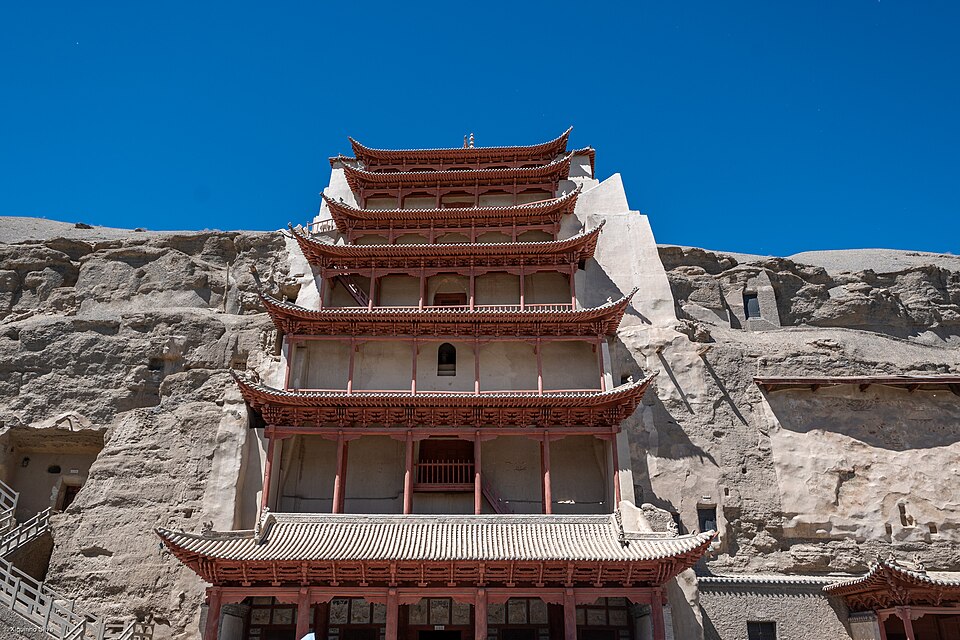
With more time, the natural addition is Shanghai, which turns the trip into the classic Beijing–Xi’an–Shanghai triangle. Shanghai is reachable from Xi’an by high-speed rail or a short flight; our guia da cidade de Xangai covers what to do once you are there. Alternatively, push west from Xi’an toward Dunhuang and the Silk Road corridor, or head south to Chengdu for the panda base and Sichuan food.
Se você tiver duas semanas em vez de uma, vale a pena planejar cuidadosamente um roteiro mais longo com várias cidades; este planejador de itinerário na China de duas semanas oferece um esqueleto dia a dia que você pode adaptar.
Perguntas frequentes
Is five days enough for Beijing and Xi’an?
It is enough for the headline sights: two days in Beijing covering the Forbidden City and one Great Wall section, a travel day, then the Terracotta Warriors and the Muslim Quarter in Xi’an. It is rushed. Seven days allows a slower pace and room for a cancelled or rescheduled train without losing a major sight.
Devo reservar as passagens de trem com antecedência?
Sim, especialmente se você viaja em data fixa ou durante feriados. As vagas nos trens matutinos mais procurados esgotam rapidamente. Reserve pelo canal oficial 12306 ou por um agente confiável e confirme, no momento da reserva, o processo de retirada do bilhete ou uso do bilhete eletrônico para estrangeiros com passaporte.
Preciso reservar com antecedência a Cidade Proibida e o Exército de Terracota?
Ambos os locais operam com entrada agendada ou limitada por capacidade na maior parte do ano, e ambos atualizaram seus sistemas de reserva recentemente. Consulte o site oficial de cada atração para saber os dias de funcionamento, janelas de entrada e dados do passaporte exigidos, e reserve assim que o sistema permitir.
Posso fazer essa viagem sem falar chinês?
Sim, com preparação. As placas nas estações e nos metrôs são bilíngues nas duas cidades, e aplicativos de tradução resolvem o restante. Tenha o endereço do seu hotel escrito em chinês, configure o pagamento móvel com antecedência e guarde prints das suas reservas caso a conexão fique instável.
Qual é a melhor época do ano para esta rota?
Primavera e outono oferecem as temperaturas mais agradáveis para caminhar pela Muralha da China e pela muralha da cidade. O verão é quente e lotado; o inverno é frio, mas mais tranquilo, e a Grande Muralha coberta por leve neve é inesquecível. Verifique as datas dos feriados públicos antes de definir sua janela de viagem, pois o turismo doméstico atinge picos acentuados.
Treat the outline above as a framework rather than a fixed script. Confirm opening days, ticket systems, train times and visa eligibility on the official sources close to your departure date, build in slack for the one thing that will inevitably shift, and the Beijing–Xi’an pairing remains one of the most rewarding short trips in China.