Publicado em — Deixe um comentário

Chengdu 4-Day Itinerary 2026: Pandas, Spice & Metro

Why Chengdu in 2026?

Chengdu isn’t just China’s panda capital—it’s the most welcoming major city for foreign travelers in 2026. With direct flights landing at Chengdu Tianfu International Airport (TFU), many nationalities now qualify for the 240-hour visa-free transit policy—meaning you can step off the plane, grab your WingPhoenix eSIM, and begin exploring without a pre-arranged visa. Unlike Beijing or Shanghai, Chengdu moves at a relaxed pace, serves bold, aromatic food at every corner, and has a metro system that’s clean, English-labeled, and fully integrated with QR-code entry (no physical ticket needed). over 54 countries—including the US, UK, Canada, Australia, France, Germany, Japan, and South Korea—are eligible for 240h visa-free transit when entering via TFU, provided you hold onward tickets to a third country within 10 days.

Day 1: Pandas, Parks & Local Life

Start early—pandas are most active before 10:30 a.m. Head straight to the Centro de Pesquisa de Pandas Gigantes de Chengdu (open daily 7:30–18:00; ¥58, buy online via WeChat Mini Program ‘Panda Base Official’ to skip queues). Arrive by metro Line 3 to Panda Avenue Station, then take the free shuttle bus (runs every 10 min, 7:00–17:30). Don’t miss the newly opened Ya’an Panda Corridor Exhibit (opened May 2026), showcasing conservation efforts across Sichuan’s mountain habitats.

Afternoon: Walk through Parque do Povo (Renmin Park)—a local favorite since 1911. Join retirees practicing tai chi, sip jasmine tea at Heming Teahouse (¥25, includes hot water refills), and try gaiwan cha (covered-bowl tea) service. Avoid weekends if possible—the park is liveliest (and most crowded) on Saturdays. Exit via the park’s northwest gate and walk 8 minutes to Alameda Kuanzhai, where restored Qing-dynasty lanes host indie cafés, Sichuan opera mask workshops (¥120/person, book same-day via Dianping app), and street-side dan dan mian stalls with chili oil so fragrant it’ll follow you home.

Day 2: Sichuan Spice & Metro Mastery

Begin with breakfast at Lao Ma Tou (No. 12, Xipu Road)—a family-run spot serving zhongshui jiao (soup dumplings) and fermented soybean paste noodles. Then hop on Metro Line 2 to Chunxi Road Station—the heart of Chengdu’s shopping and dining district. From there, transfer to Line 3 (2 stops) to Yanshikou Station, your gateway to the Chengdu Food Culture Museum (open Tue–Sun, 9:00–17:00; ¥30, includes live chili-oil tasting demo).

In the afternoon, take Line 7 (clockwise) to Huaxi Station, then a 12-minute walk to Rua Antiga Jinli. While touristy, Jinli remains the best place to sample regional snacks: guo kui (sesame flatbread), lai tang yuan (sweet glutinous rice balls), and fu qi fei pian (spiced beef offal salad—yes, it’s delicious). Pro tip: Use Alipay or WeChat Pay exclusively—cash is rarely accepted here. At 6:30 p.m., join the free Sichuan Opera Face-Changing Show at Jinli’s Shu Feng Ya Yun teahouse (first-come, first-served seating; arrive by 6:15).

Day 3: Mountains, Temples & Tea Culture

Escape the city with a half-day trip to Qingcheng Mountain (UNESCO World Heritage site, 1 hr west of Chengdu). Take Metro Line 2 to Chadianzi Bus Station, then bus #101 (¥2, departs every 20 min, 7:00–18:00) to Qingcheng Shan Bus Terminal. From there, choose between the Front Mountain (Taoist temples, easier trails, open 8:00–17:30) or Back Mountain (wilderness hikes, fewer crowds, open 7:30–18:00). In 2026, both zones feature bilingual trail signage, solar-powered charging benches, and new tea rest huts offering locally grown Mount Qingcheng Mao Feng (¥35/cup, includes bamboo cup souvenir).

Return to Chengdu by 5:00 p.m., then unwind at Tea House at Wenshu Monastery—a serene 1,400-year-old Buddhist temple with a hidden courtyard teahouse. Order the Wenshu Jasmine Pearl (hand-rolled jasmine tea, ¥48) and watch monks chant evening sutras. The monastery is accessible via Metro Line 1 to Wenshu Monastery Station—exit B, then follow the incense-scented alley.

Getting Around & Practical Essentials

Chengdu’s metro operates from 6:10 a.m. to 11:30 p.m., with trains every 2–4 minutes during rush hours. All stations display English signage, real-time train arrival boards, and tactile paving for accessibility. Download the official Chengdu Metro App (available in English) to plan routes, check live crowding levels, and scan QR codes for entry—no top-up card required. For longer distances or late-night travel, Didi (China’s Uber) works reliably with English interface and international cards (WeChat Pay also accepted). Note: Taxis accept cash, but drivers rarely speak English—have your destination typed in Chinese using Baidu Maps or the WingPhoenix AI trip planner.

Here’s what to pack—and what to skip:

  • ✅ Portable Wi-Fi hotspot or WingPhoenix eSIM (instant activation, 5G coverage citywide)
  • ✅ Lightweight rain jacket (Chengdu averages 12 rainy days/month in Nov)
  • ✅ Reusable chopsticks & compact thermos (many street vendors don’t supply utensils)
  • ❌ Travel adapter (China uses Type A/C/I; most hotels supply USB-C ports)
  • ❌ Guidebook (outdated—2026 metro expansions aren’t covered in print)

Chengdu 2026 Transport & Cost Snapshot

Serviço Cost (CNY) Observações
Metro (single ride) ¥2–¥6 Based on distance; max fare ¥6 (e.g., TFU Airport → Chunxi Road = ¥6)
Bus (single ride) ¥2 Exact change not needed—scan Alipay/WeChat QR code
Didi (airport to city center) ¥85–¥110 Fixed fare; 45–60 min depending on traffic
Panda Base Shuttle Bus Grátis Runs only from Panda Avenue Station (Line 3)
Qingcheng Mountain Bus #101 ¥2 Cashless only; use Alipay/WeChat QR code

Remember: If arriving via 240h visa-free transit, keep your passport, onward e-ticket, and accommodation confirmation (e.g., booking receipt from WingPhoenix partner hotels) ready for airport immigration. You’re allowed to stay up to 10 days—but the clock starts at landing, not passport stamp time. Many travelers mistakenly assume they need a hotel booking *before* arrival; in 2026, Chengdu accepts Airbnb reservations, WeHotel vouchers, and even WingPhoenix AI-planned itineraries with confirmed accommodations as valid proof.

For stress-free planning, WingPhoenix’s AI trip planner helps you build this exact Chengdu itinerary in under 90 seconds—auto-adjusting for real-time metro closures, panda feeding schedules, and even spice-tolerance preferences. It syncs with your calendar, generates printable PDF maps, and preloads offline QR codes for metro, museums, and food vendors.

Ready to explore Chengdu like a local—with zero language barriers, no visa stress, and all the chili oil you can handle? Build your custom 4-day Chengdu itinerary now.

Publicado em — Deixe um comentário

Hangzhou 4-Day Itinerary 2026: Lakes, Tea & Visa-Free

Why Hangzhou Belongs on Your 2026 China Trip

Just two hours southwest of Shanghai by high-speed rail—and perfectly reachable via the 240-hour visa-free transit policy from Pudong (PVG) or Hongqiao (SHA) airports—Hangzhou is China’s most effortlessly elegant gateway city. Unlike Beijing’s imperial scale or Shanghai’s neon intensity, Hangzhou offers poetic balance: mist-wrapped lotus ponds, centuries-old tea plantations, silk workshops humming since the Song Dynasty, and a metro system so intuitive it feels like an extension of your travel app. In 2026, over 72 nationalities qualify for visa-free entry when transiting through Hangzhou Xiaoshan International Airport (HGH) or arriving via Shanghai with onward proof to a third country—making this itinerary ideal for travelers adding a cultural pause before or after a Japan/Korea/Southeast Asia leg.

Day 1: West Lake & Historic Heartbeat

Comece em West Lake (Xī Hú), a UNESCO site best experienced early—before tour buses arrive. Enter via Broken Bridge (Duàn Qiáo), walk the White Causeway, then rent a pedal boat (¥30/hr, cashless via Alipay Tourist Mode) to float past Avenida Su. At noon, head to Rua Hefang, not for souvenirs—but for Shengtiange Teahouse: order a cup of hand-picked spring Longjing in a traditional gaiwan (¥48), served with a 5-minute brewing demo. Skip the crowded ‘tea ceremonies’; this is real local ritual. End the day at Pagode Leifeng (open until 21:00, ¥40), where sunset views over the lake are free from the north terrace (no ticket required). Metro tip: Use Line 1 to Longxiangqiao Station, then walk 8 mins—avoid taxis during evening rush (17:30–19:00).

Day 2: Tea Mountains & Silk Legacy

Book a WingPhoenix charter car (bookable 2 hrs ahead via app) to Vila Meijiawu—the original Longjing tea terroir. Unlike mass-touristed Longjing Village, Meijiawu remains family-run: visit Fenghuang Mountain Farm (open daily 8:30–17:00, no entrance fee) for a 90-minute guided pluck-and-fry session (¥120/person, includes 100g vacuum-packed tea). Return via Museu Nacional da Seda da China (free, open Tue–Sun 9:00–17:00)—don’t miss the live loom demonstrations in Hall 3 (10:30 & 14:30 daily). Pro tip: Download the museum’s AR app pre-arrival—it overlays Song-era weaving diagrams onto modern looms. If time allows, grab dinner at Yuebin Lou (No. 28 Yungu Road): their ‘Silk Road Duck’ (braised with star anise and dried longan) pairs perfectly with local Shaoxing wine (¥68/glass).

Day 3: Tech Meets Tradition & Local Bites

Morning: Head to Cloud Town (Yunqi Town), Alibaba’s innovation hub 30 mins south of downtown. Yes—this is China’s Silicon Valley, but it’s also home to Yunqi Bamboo Park, where bamboo-lined paths, AI-powered audio guides (scan QR at entrances), and minimalist cafés make tech feel serene. Grab matcha-bamboo leaf buns at Yunxi Café (¥22) before visiting the free Cloud Town Exhibition Center (9:00–17:00, English signage throughout). Afternoon: Dive into food culture at Mercado Noturno Wulin (open daily 16:00–23:00, near Wulin Square). Skip the fried scorpions—go straight for shengjian mantou (pan-fried pork buns, ¥12/3), lotus root starch balls (crispy outside, molasses-filled inside, ¥10), and osmanthus-scented sweet potato cake (¥8). All vendors accept Alipay/WeChat Pay—even without Chinese bank accounts (use your eSIM-linked tourist wallet).

Getting Around & Staying Connected

Hangzhou’s metro has 12 lines (2026 expansion added Lines 15 & 19), all fully English-signposted and integrated with bus transfers (free within 90 mins). Tap your phone or purchase a Hangzhou Tong Card (¥20 deposit + top-up) at any station kiosk—works on metro, buses, bike-share (Hellobike), and even some museums. For data, use a WingPhoenix eSIM (activated instantly pre-departure, no physical SIM swap)—it delivers 5G speeds across West Lake and Cloud Town, with dedicated customer support in English and German.

Informações práticas essenciais para 2026

Below is everything you need to know before booking—including transit eligibility, timing, and costs:

Item Detalhe 2026 Observações
Trânsito sem visto por 240h Eligible if arriving via PVG, SHA, or HGH + confirmed onward flight to third country within 10 days Apply online via China Immigration Service Portal up to 30 days pre-travel; approval in <48 hrs
High-Speed Rail (Shanghai ↔ Hangzhou) G-series trains every 8–12 mins; 45–60 mins duration; ¥73–¥128 (2nd class) Book via 12306.cn (English interface live since March 2026) or WingPhoenix AI trip planner
Acomodação Mid-range: Campanile West Lake (from ¥420/night); Boutique: Four Seasons Resort Hangzhou at West Lake (from ¥1,880) All major hotels now accept international credit cards and offer QR-code check-in
Local Transport Metro: ¥2–¥8 per ride; Bike-share: ¥1.5/15 mins (Hellobike); Charter car (4-hr package): ¥380 via WingPhoenix No tipping expected; drivers speak basic English; all vehicles have child seats on request

While Hangzhou dazzles with harmony, remember: its magic lies in slowness. Sit twice at the same teahouse. Watch the same willow branch sway over West Lake at dawn and dusk. Let the AI trip planning on WingPhoenix handle logistics—so you’re free to notice how the light changes on the water at 4:47 p.m., or why locals still fold paper cranes at Yuefei Temple. This isn’t just a stopover. It’s the quiet heartbeat of China, waiting to sync with yours.

  • ✅ Best time to visit: March–April (blossoms + first flush Longjing) or September–October (crisp air, fewer crowds)
  • ✅ Must-pack: Reusable water bottle (tap water is filtered city-wide), lightweight rain jacket (spring/autumn showers are frequent), and offline map (Baidu Maps works better than Google here)
  • ❌ Avoid: Weekends at Lingyin Temple (book timed-entry tickets online 1 day ahead), unlicensed ‘tea tasting’ touts near West Lake, and ordering ‘spicy’ dishes without confirming heat level (‘mild’ in Hangzhou = medium elsewhere)
  • 💡 Pro tip: Use the Hangzhou Tourism App (download pre-arrival) for real-time crowd heatmaps, QR-based audio guides at 20+ sites, and instant translation of street signs

Ready to experience Hangzhou—thoughtfully, seamlessly, and entirely on your terms? Let WingPhoenix’s AI trip planner build your custom 4-day itinerary in under 90 seconds, synced with your visa-free transit window, metro routes, and dietary preferences. Comece a planejar agora.

Publicado em — Deixe um comentário

Shanghai 5-Day Itinerary 2026: Metro, Food & Visa-Free

Por que este roteiro funciona em 2026

Shanghai remains the top entry point for foreign tourists visiting China—and for good reason. With its seamless metro network (20 lines, 600+ stations), globally recognized cuisine, and status as a key hub for China’s 240-hour visa-free transit policy, it’s the ideal first stop for travelers from 54 eligible countries (including the US, UK, Canada, Australia, France, Germany, Japan, and South Korea). over 92% of international arrivals at Pudong (PVG) and Hongqiao (SHA) airports qualify for visa-free stays up to 10 days—if transiting to a third country with confirmed onward tickets. This 5-day itinerary is built around that window: compact enough for transit travelers, rich enough for dedicated visitors, and fully compatible with Shanghai’s real-time transport apps, digital payments, and AI trip planning tools like WingPhoenix.

Day 1: Arrival + The Bund & French Concession Vibes

Land at PVG or SHA, clear immigration (average wait: 12–18 min in 2026 thanks to upgraded biometric kiosks), and grab your WingPhoenix eSIM—activated instantly before landing, no physical swap needed. Head straight to your hotel near People’s Square (e.g., The Langham or budget-friendly YHA Shanghai Bund). By late afternoon, stroll The Bund: best light between 4:30–5:30 PM; sunset views over Pudong’s skyline peak at 5:42 PM on November 8, 2026. Cross Nanjing Road Pedestrian Street for street performances and QR-code snack stalls (try shengjianbao from Yang’s Fry-Dumpling). End the day in the French Concession—walk down Wukang Road, sip craft coffee at % Arabica, then dine at Fu He Hui (vegetarian fine-dining, Michelin-starred since 2023) or local favorite Fu He Hui Bistro for affordable xiao long bao.

Day 2: Metro Mastery + Yu Garden & Old Shanghai

Start early: download Shanghai Metro’s official app (or use Alipay’s ‘Metro QR’ function—works offline after initial load). Take Line 10 to Yuyuan Garden Station (Exit 1). Arrive by 8:15 AM to avoid crowds—entry is timed (tickets sold hourly; ¥40, book online via WeChat mini-program ‘Shanghai Tourism’). Inside, prioritize the Exquisite Jade Rock, Huxinting Pavilion, and the maze-like corridors of Dianchun Hall. Exit into Chenghuangmiao (Old City God Temple) market: buy hand-painted fan scrolls (¥68–¥120), try nanxiang steamed buns (go to the original Nanxiang Steamed Bun Restaurant, not imitations), and snap photos at the Nine Zigzag Bridge. Afternoon: hop on Line 8 to Laoximen, then walk 10 min to Wenmiao (Confucius Temple)—quiet, photogenic, free entry. Wrap up with tea tasting at Liu’an Tea House (since 1927; ¥88 for 3 varieties + history talk).

Day 3: Pudong Pulse & Tech Culture

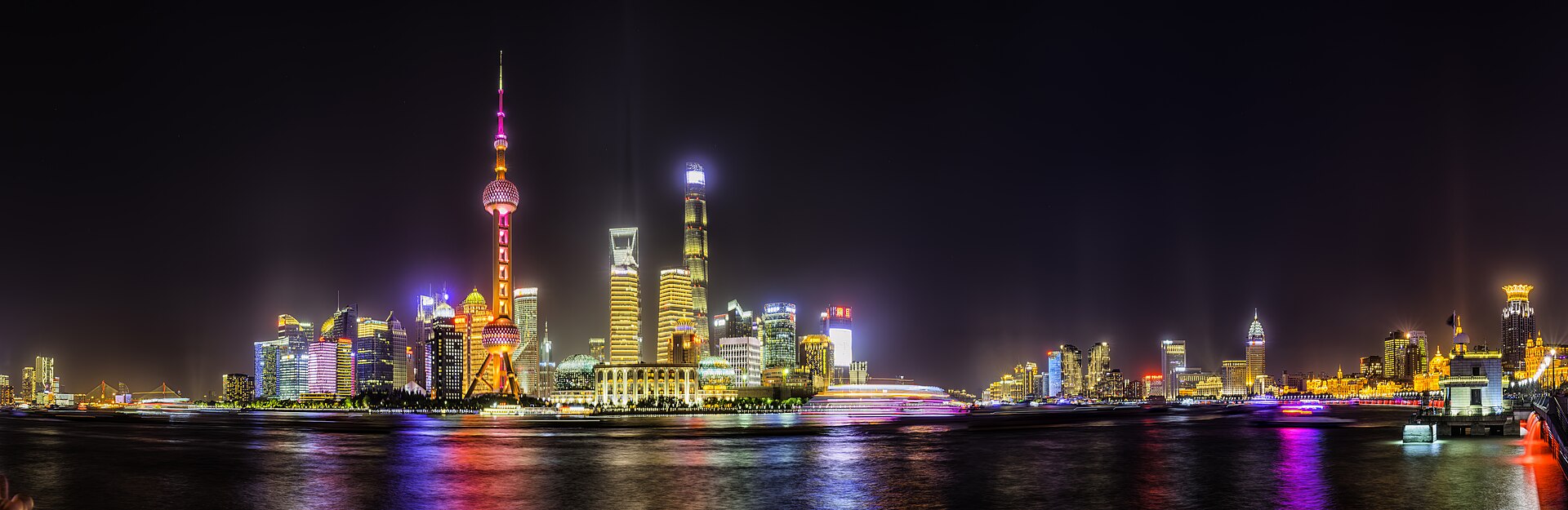
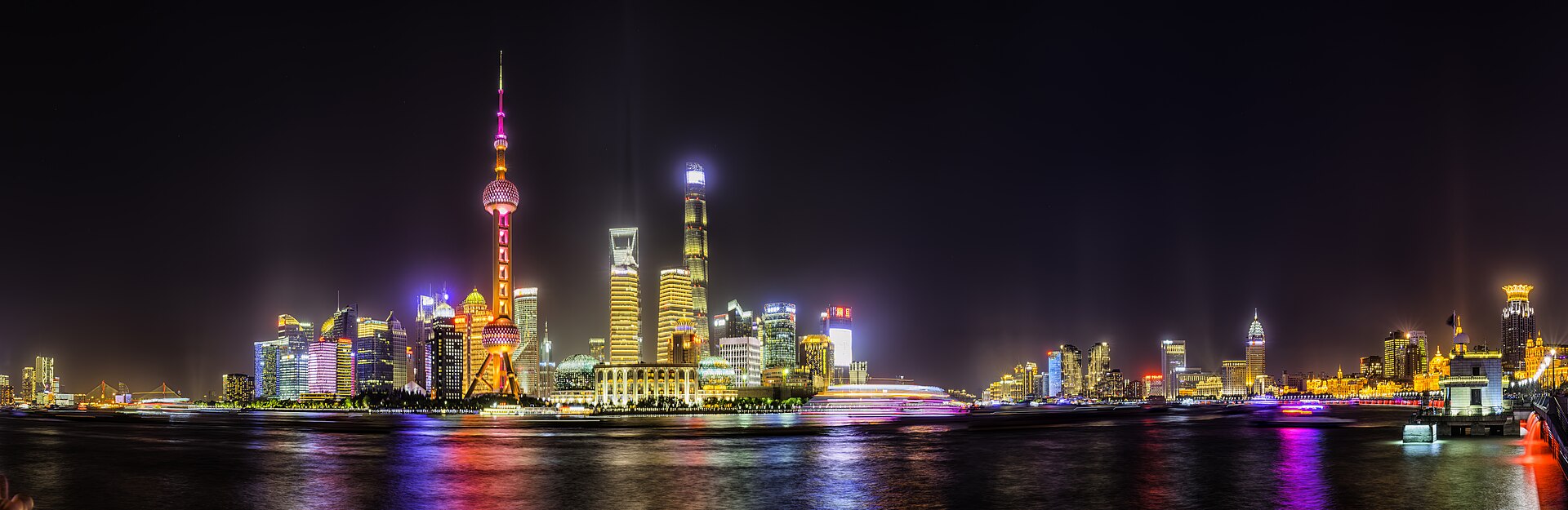
Take Line 2 east to Lujiazui—Shanghai’s futuristic core. Start at the Shanghai Tower Observation Deck (‘Top of Shanghai’, open until 10:00 PM; book ¥180 tickets online at least 2 hrs ahead to skip queues). At 632m tall, it offers unmatched city views—and yes, the elevator hits 20.5 m/s (the world’s fastest). Next, explore the Shanghai World Financial Center’s Sky Walk (glass-bottomed bridge at 474m; ¥160) or opt for the more relaxed Shanghai Science & Technology Museum (free, but requires pre-booking via WeChat ‘Shanghai Science Museum’—available 7 days ahead). Lunch: Din Tai Fung (IFC Mall branch; same quality as Taipei, avg. wait 12 min with online queue). Late afternoon: walk along the Huangpu River waterfront promenade—rent a shared bike (Hello Bike app, ¥1.5/30 min) and cycle toward the Oriental Pearl Tower (best photo spot: Binjiang Avenue, facing west at golden hour, ~4:45 PM). Dinner: Fu He Hui’s new Pudong branch (book via WingPhoenix AI trip planner—it auto-reserves tables based on your live location and schedule).

Day 4: Arts, Alleyways & Authentic Bites

Head to M50 Creative Park (Line 13, Zhongning Road) — Shanghai’s answer to Berlin’s Kreuzberg. Galleries like ShanghART and Studio Rouge open at 10:00 AM; admission is free. Grab matcha croissants at Manner Coffee’s M50 flagship. Then, take a 15-min taxi (or Line 3 → Line 4 to Jing’an Temple) to narrow, leafy Jing’an Village—home to indie boutiques and hidden courtyards. Lunch: Fu He Hui’s casual spin-off, Fu He Hui Bistro (Jing’an location), or go local with zhajiangmian at Da Dong Dumpling House (open daily 10:30 AM–10:00 PM). Afternoon: explore Jing’an Temple itself (free entry, ¥50 donation suggested), then wander West Nanjing Road for luxury window-shopping—or duck into Qibao Old Town (30-min metro ride on Line 9) if you crave canals and century-old bridges. Return for dinner in Xintiandi: reserve at Fu He Hui Bistro again—or splurge at Ultraviolet by Paul Pairet (book 3 months ahead; ¥4,200/person, includes immersive dining tech).

Day 5: Flex Day — Choose Your Shanghai

This is your buffer—and your chance to personalize. Use WingPhoenix’s AI trip planner to dynamically adjust based on weather, crowd heatmaps (updated hourly), and your interests:

  • For families: Shanghai Disneyland (Line 11, Disney Resort Station; open 8:30 AM–9:00 PM; book FastPass+ via WeChat mini-program ‘Shanghai Disney Resort’)
  • For photographers: Tianzifang (Line 9, Dapuqiao) + Zhoujiazui Art District (Line 6, Pudong Avenue)
  • For food lovers: A guided street food crawl through Yangpu District (try la jiao jiang rou noodles and bingfen dessert at Guo Qiang Snack Shop)
  • For transit travelers: Last-minute souvenir run at Isetan Department Store (West Nanjing Road) + metro practice round-trip to airport (Line 2 → Line 10 to PVG takes 62 mins; trains run every 4–6 mins until 11:30 PM)

If departing from Shanghai under the 240h visa-free rule, confirm your onward flight is booked *before* clearing immigration—and keep your boarding pass and passport ready for re-check at the transit desk. Note: You may leave Shanghai during your stay (e.g., day trip to Suzhou), but must return to Shanghai to exit—Suzhou is accessible via high-speed train (G-train, 25 mins, ¥30, departs from Shanghai Hongqiao Railway Station every 10–15 mins).

Practical Snapshot: Shanghai Transport & Costs (2026)

Serviço Cost (CNY) Observações
Metro (single journey) ¥3–¥7 Fare scales by distance; tap Alipay/WeChat/physical card
High-speed train (Shanghai ↔ Suzhou) ¥30–¥45 G-trains every 10–15 mins; ID required; book via 12306.cn or Trip.com
Charter car (4-hr half-day) ¥480–¥620 Includes English-speaking driver, tolls, parking; book via WingPhoenix
Street food meal ¥18–¥45 Most vendors accept WeChat Pay only—no cash needed
Mid-range restaurant dinner ¥120–¥280 Reservations strongly advised; many require WeChat ID verification

Remember: All Shanghai metro stations now display bilingual signage (English + Chinese), real-time train arrival screens, and tactile flooring for accessibility. Free public Wi-Fi (‘i-Shanghai’) covers all stations, major parks, and government buildings—but coverage drops inside malls and older hutongs. That’s where your WingPhoenix eSIM shines: full 5G coverage across Pudong, downtown, and even suburban Qibao.

With this itinerary, you’ll experience Shanghai’s layered identity—colonial elegance, revolutionary grit, digital fluency, and culinary soul—all without rushing. And because travel in China evolves fast, WingPhoenix’s AI trip planner updates recommendations daily using live data: crowd density, air quality (AQI), festival closures, and even seasonal menu rotations at top restaurants. Let the algorithm handle the logistics—so you can savor every dumpling, skyline, and silent temple moment.

Monte agora seu itinerário personalizado para Xangai →

Publicado em — Deixe um comentário

Beijing Travel Guide 2026: Walls, Hutongs & Visa-Free Tips

Why Beijing in 2026?

Beijing remains the magnetic heart of China for first-time and returning foreign travelers—and 2026 brings new advantages. With expanded 240-hour visa-free transit access now covering 15 airports (including Beijing Capital and Daxing), over 50 nationalities—including U.S., U.K., Canadian, Australian, French, German, and Japanese passport holders—can enter Beijing without a visa if transiting to a third country. You’ll need a confirmed onward ticket departing within 240 hours (10 days), and your passport must be valid for at least six months. Crucially, you’re allowed to leave the airport and explore Beijing freely—no registration required for stays under 10 days. That means you can land at PEK or PKX, grab your WingPhoenix eSIM for instant data, and be sipping jasmine tea in a centuries-old courtyard before lunch.

Getting Around: Metro, Bike & Charter Car Hacks

Beijing’s metro is fast, clean, and English-signposted—but it’s also massive: 27 lines and over 500 stations as of 2026. Download the official Beijing Subway app (available on iOS/Android) or use WeChat’s built-in metro map (search ‘Beijing Metro’ in Mini Programs). Pro tip: Buy a Yikatong card (¥20 deposit + top-up) at any station kiosk—it works on subways, buses, and even some convenience stores. For seamless transfers, avoid rush hours (7:30–9:00 a.m. and 5:00–7:00 p.m.)—especially Line 1 and Line 10 near Xidan and Guomao.

For short-haul exploration, hop on a shared e-bike. Companies like Hello and Meituan dominate; scan the QR code on the handlebar with WeChat or Alipay. Helmets aren’t mandatory but strongly advised—and always lock twice. Prefer privacy and comfort? Book a WingPhoenix charter car: drivers speak English, carry child seats on request, and include real-time translation support via our AI trip planning dashboard. Ideal for day trips to the Great Wall at Mutianyu (45 mins from central Beijing) or the Ming Tombs.

Must-See Sights: Beyond the Postcard List

The Forbidden City needs no introduction—but in 2026, timed-entry reservations are strictly enforced. Book online 1–7 days ahead via the official Palace Museum website; slots open daily at 8:00 a.m. Beijing time. Same-day tickets are rarely available. Skip the Tiananmen Square security line by entering via the South Gate (Zhengyangmen)—less crowded and connects directly to the square’s west side.

The Temple of Heaven remains free to enter (grounds only); however, the Hall of Prayer for Good Harvests and Imperial Vault of Heaven require separate ¥15 tickets—purchase digitally via WeChat mini-program ‘Temple of Heaven Reservation’. For something quieter and deeply authentic, walk the Shichahai Hutong Loop: start at Houhai Lake, rent a pedal rickshaw (¥120/hour, negotiable), and pause at Nanluoguxiang’s lesser-known east alley—where artisans still hand-paint Peking opera masks and elders play xiangqi under ginkgo trees.

Eating & Etiquette: From Roast Duck to Local Bites

Yes, try Peking duck—but skip Quanjude’s main branches (overcrowded, tourist-priced). Go instead to Li Qun Roast Duck (near Yonghegong) for crispy skin and handmade pancakes, or Da Dong (Wangfujing branch) for modern presentation and consistent quality. For breakfast, join locals at Jinling Dumpling House (Dongsi area): order shui jiao (boiled dumplings) with vinegar and chili oil, plus a soy-milk-and-youtiao combo.

Use chopsticks correctly: never stick them upright in rice (resembles funeral rites), and don’t tap bowls like a beggar. Tipping isn’t expected—and may cause confusion—but rounding up the bill slightly is warmly received at small family restaurants. All major venues accept Alipay and WeChat Pay; download both apps pre-arrival and link an international card (Visa/Mastercard now widely supported).

240-Hour Visa-Free Transit: Your Beijing Itinerary Planner

With 10 days, you can go deep—not just wide. Here’s a realistic, stress-tested 240-hour itinerary optimized for transit travelers:

  • Dia 1: Arrive PEK/PKX → eSIM activation → check into a hutong guesthouse (e.g., Commune by the Great Wall’s Beijing city base or Courtyard 6) → evening stroll around Nanluoguxiang
  • Dia 2: Forbidden City (morning) + Jingshan Park (rooftop view) → lunch at Da Ju De (century-old zhajiangmian spot)
  • Dia 3: Great Wall at Mutianyu (charter car, no crowds) + cable car up + toboggan down → sunset at Olympic Park
  • Day 4: Temple of Heaven + Qianmen Street food crawl → traditional pingju opera at Liyuan Theatre
  • Day 5: 798 Art Zone (contemporary galleries, coffee roasters, street art) → dinner at TRB Hutong (Michelin-starred, courtyard setting)

If you’re flying out on Day 5 or 6, that’s fine—you’ve already used less than half your 240 hours. Use remaining time for last-minute souvenir shopping (try Panda Village for ethical crafts) or a quiet tea ceremony at Yi He Yuan Teahouse near Summer Palace.

Practical Snapshot: Beijing 2026 Essentials

Categoria Detalhe 2026 Observações
Weather (Nov) Avg 2–12°C, crisp air, low humidity Layer up—indoor heating is strong; pack a light scarf and gloves
Public Transport Metro fare: ¥3–¥10; Bus: ¥1 flat; Yikatong 10% discount Tap in AND out—failure to tap out = full system fare charged
Idioma English signage widespread in tourist zones; limited elsewhere WingPhoenix AI trip planning includes live translation for menus, signs, and transit announcements
Health & Safety Tap water not drinkable; air quality generally good in Nov Carry reusable bottle + portable filter (e.g., Lifestraw); pharmacies like Sheng Ren Tang stock common OTC meds
Visa-Free Entry Valid for 240 hours (10 days) at PEK/PKX with onward flight No extension possible; entry stamp issued on arrival; keep boarding pass handy

Remember: Beijing rewards curiosity over checklist tourism. Wander down a narrow alleyway and you might stumble upon a hidden huangmei opera rehearsal or a calligraphy master teaching kids on stone slabs. In 2026, it’s easier than ever to experience that magic—with reliable connectivity, smarter transport, and flexible visa rules working in your favor.

Planning your Beijing trip? Let WingPhoenix’s AI trip planning build your custom itinerary in seconds—factoring in transit windows, dietary preferences, mobility needs, and real-time crowd data. Start building your Beijing journey now.

Publicado em — Deixe um comentário

China Travel Planning Mistakes: 10 Fixes Before You Book

Most china travel planning failures come from the same ten places: too many cities in too few days, transfer time that never made it into the plan, payment and connectivity left until arrival day, and peak domestic holiday weeks booked by accident. Each is cheap to fix while the itinerary is still a draft, and expensive once flights, hotels, and named train tickets lock a route in. Work the list below in order before you pay for anything, and use a structured planejador de viagens à China to test your route against realistic travel times.

Mistake 1: Booking Five Cities Into Seven Days

This is the most common china travel planning error, and it is not a taste problem — it is arithmetic. Moving between bases costs packing, transfers, gate checks, and a half-day that never produces anything you will remember.

A reliable rule is two nights minimum per base, three or four bases on a ten-day trip, and no more than five on a two-week china travel itinerary. If the wish-list is longer than the days allow, cut it into two trips: a route you actually finish beats an ambitious one you spend complaining about.

Mistake 2: Planning Around Train Duration Instead of Door-to-Door Time

Rail schedules quote the fastest leg, not the whole move. Real door-to-door time adds getting to the station in rush hour, identity checks at the gate, boarding windows, and the transfer on the other side. Budget 90 to 120 minutes on top of a high-speed rail leg, and 3 to 4 hours on top of a domestic flight.

Popular pairing Typical door-to-door Planning reality
Shanghai to Suzhou or Hangzhou 1.5–2.5 hours Comfortable day trip; still not a same-day pairing with a third city
Beijing to Xi’an 5.5–7.5 hours Best as an overnight base change, not a morning-outing round trip
Xi’an to Chengdu 4–6 hours Qinling tunnels make the scenery the point — book a seat by a window
Chengdu to Chongqing 2.5–4 hours Easy pairing; two distinct food cultures close together
Guilin to Yangshuo 1.5–2.5 hours River or road transfer is part of the sightseeing, so do not schedule a tight arrival
Any mainland city to Lhasa Half a day or more Altitude planning matters more than speed; build in rest days

Schedules shift, so confirm timings at booking. For a route-by-route breakdown, see our city-to-city travel times guide.

Mistake 3: Treating Payment as an Arrival-Day Task

China is overwhelmingly cashless, and travellers who wait until they land to sort out mobile payment lose the first two days to confusion. Street stalls, metro rides, and small shops are paid by phone; a foreign card works at hotels, larger restaurants, and chains, but not everywhere. Set up the mainstream wallets before departure, finish the identity step while you still have your home phone number and reliable data, and carry a small cash reserve for rural stops and taxis that cannot take an app payment.

The setup sequence, including the common rejection points, is in our guia de viagens sem dinheiro.

Mistake 4: No Connectivity Plan Before Departure

Navigation, translation, ticket apps, and payment verification all need data from the moment you leave the airport, and a SIM swap in a queue at arrivals is a bad first hour. An install-before-you-fly eSIM for China means maps work at the taxi rank, and it removes one of the most stressful china travel planning loose ends. Check coverage and hotspot terms for the regions on your route, not just the tier-one cities.

Mistake 5: Assuming One Visa Answer Applies to Your Whole Trip

Entry rules are not one switch. Depending on nationality, trip length, and route, you may fall under a visa exemption, a visa-free transit window, a group arrangement, or a regular visa — and the conditions attached to each differ, including which ports and regions you may use. These rules have changed more than once in recent years, so verify against official sources or the consulate for your travel year rather than trusting any blog post from a previous season, including this one. Our visa rules explainer lists the questions to ask, not the answers to assume.

Mistake 6: Choosing a Hotel by Price Alone

A cheap room forty minutes from the metro costs you time on every day of the trip, and time is the one thing a fixed itinerary cannot buy back. Choose by district first: walkable, or one short metro ride from the block you actually want to be in. Then confirm the property can register your passport at check-in — a real constraint in smaller towns, so verify directly with the hotel.

Mistake 7: Booking a Trip Inside Peak Domestic Holiday Week by Accident

Two windows reshape the entire country: the National Day holiday in early October, and the Spring Festival run around Chinese New Year in January or February. During those weeks, trains, flights, and hotels inside China are absorbed by domestic demand months in advance, and prices move sharply. If your dates are flexible, plan either side of them. If not, use fewer and longer bases, and book transport the moment sales open. The trade-offs are compared in Spring Festival versus Golden Week e nosso National Day travel guide. Exact holiday dates are published each year by the authorities — confirm the calendar for your travel year.

Mistake 8: Skipping Reservation Windows and Closing Days

Several of the most visited sites in China run timed-entry ticketing with daily caps, and a good number of museums and historic houses close one day a week. Arriving without a booked slot, on the wrong weekday, loses a full day from a trip that may only have eight. Check each named site for its booking window, closure day, and ticket release time, and put those bookings ahead of hotels in your china travel planning sequence.

Mistake 9: DIY Every Single Leg, Including the Ones That Do Not Work

Public transport in China is excellent between big cities and genuinely awkward in the gaps: a valley viewpoint, three villages in one loop, a luggage move across town in rain. Most experienced travellers mix rail for the trunk routes with a chartered car and driver where time is the scarce resource. The same logic applies to the whole trip — a vetted multi-city tour package ou um tailor-made itinerary often lands near the self-planned price once you count the hours spent on ticket apps you cannot read.

Mistake 10: Building a Perfect Plan With No Room to Bend

Weather, a late train, a stomach bug, one queue that swallows three hours. A china travel plan with zero slack turns a small disruption into a chain reaction. Put one unhurried day into every five, keep the last afternoon of each base open for a slow walk, and never book an early departure on the same day as a must-see reservation.

The Fix Order: Work Through These Steps Once

The sequence matters more than the effort. In rough form:

  1. Fix dates, then check them against peak holiday weeks and the season on your route.
  2. Confirm entry requirements for your nationality and trip length from official sources.
  3. Choose three or four bases and validate every transfer against door-to-door time.
  4. Lock the capacity-controlled sites and timed tickets before hotels.
  5. Set up payment, connectivity, and maps before you fly.
  6. Add one buffer day per five, then stop adding things.

That order eliminates most of the mistakes above, and it is what our guias de viagem pela China are written around.

Mistake versus Fix at a Glance

Mistake Cost when caught late Fix while planning
Too many cities Refunds you will not get Two nights per base minimum
Ignoring transfer time Missed tickets, lost days Add 90–120 minutes per rail leg
Payment at the airport Two confused days Set up wallets before departure
No data plan Taxi rank standoff Install an eSIM before you fly
Peak week collision Price spikes, sold out Shift dates or lengthen bases
No buffer day Cascade of losses One loose day per five

Perguntas frequentes

How many cities should a 10-day China itinerary include?

Three or four bases is the comfortable answer, with one of them longer. Five works only if two are close, such as Suzhou and Shanghai. Anything more means you paid for the moving and never got the place.

Should I set up Alipay or WeChat Pay before arriving in China?

Yes. The verification step is far easier while you still have your home phone number, the billing address on your card, and reliable data. Treat it as a pre-departure task alongside insurance, not an airport-curb problem.

Which weeks should I avoid for domestic travel in China?

The National Day holiday in early October and the Spring Festival run in January or February, when hundreds of millions of trips compress into a few days. Dates shift year to year, so confirm the official calendar before you commit flights.

Is it cheaper to self-plan a China trip or book a package?

For straightforward rail-linked city routes, self-planning usually wins on cash price. For rural loops, mountain regions, families with young children, or tight connections, a planned tour or a private driver often costs a similar amount once you value the hours. Typical ranges vary by season and service level, so confirm at booking.

How early should I book trains and sites for a China trip?

Seat sales open on a rolling window that changes, so check the current release rules when you book rather than an old number. The safe habit is: capacity-limited sites and long-distance rail first, then flights, then hotels, then the flexible local days.

Publicado em — Deixe um comentário

Xi’an Travel Guide 2026: Terracotta, Walls & Metro Tips

Why Xi’an Belongs on Every 2026 China Itinerary

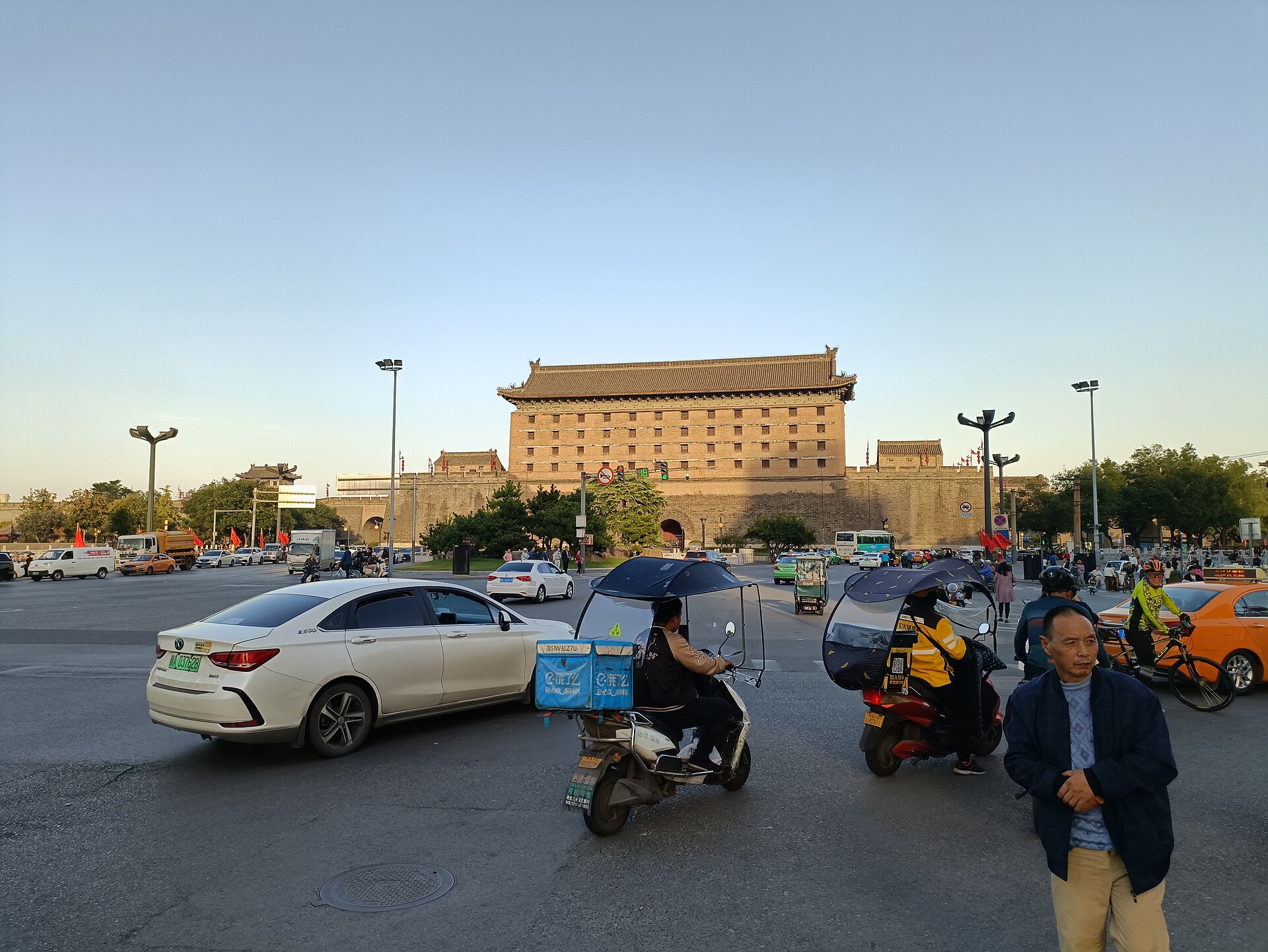
Xi’an isn’t just China’s oldest capital—it’s the living heart of its civilization. With over 3,100 years of continuous history, it’s home to the world-famous Terracotta Warriors, the remarkably preserved Ming-era City Wall, and one of Asia’s most vibrant historic food streets—the Muslim Quarter. In 2026, Xi’an is more accessible than ever for foreign tourists: it’s a designated stop on China’s 240-hour visa-free transit policy (available at Xi’an Xianyang International Airport, IATA code XIY), and its metro system now covers all major attractions—including direct service to the Terracotta Army site via Line 9 (with transfer at Hujiazhai Station). Unlike Beijing or Shanghai, Xi’an offers deep cultural immersion without overwhelming scale—making it ideal for first-time visitors, solo travelers, and multi-city itineraries anchored by visa-free transit.

Getting There & Visa-Free Transit in 2026

If you’re arriving internationally, Xi’an Xianyang International Airport (XIY) is your gateway—and a key advantage in 2026 is its inclusion in China’s expanded 240-hour visa-free transit program. Eligible nationals (including citizens of the U.S., Canada, U.K., Australia, Schengen countries, Japan, South Korea, Singapore, and 38 others) can enter Xi’an without a visa if transiting to a third country within 10 days. You’ll need a confirmed onward flight departing from Xi’an (or another approved Chinese airport), a valid passport with ≥3 months’ validity, and proof of accommodation. Immigration counters at XIY have bilingual signage and dedicated lanes for visa-free travelers—processing typically takes under 25 minutes. Pro tip: Download the official Xi’an Tourist ePass app before arrival—it auto-generates your transit QR code and links to real-time metro maps, attraction wait times, and English-speaking volunteer guides stationed at the airport arrivals hall.

Navigating Xi’an: Metro, Bikes & Charter Cars

Xi’an’s metro is clean, affordable, and increasingly English-friendly—every station name appears in pinyin and English on signs, announcements, and platform screens. As of mid-2026, the network comprises 8 operational lines covering 275 km, with Line 9 fully integrated into the fare system (¥2–¥7, contactless WeChat Pay/Alipay or physical Yikatong card). Key connections:

  • Line 1 + Line 2 intersect at Beidajie Station—walking distance to Bell Tower and Muslim Quarter
  • Line 2 stops at Yongningmen Station, the main southern gate of the City Wall (rent bikes right outside)
  • Line 9 terminates at Qinlinglu Station, then connects via free shuttle bus (¥0, runs every 15 min, 10-min ride) to the Terracotta Warriors Museum entrance

For deeper exploration beyond metro reach—like the Banpo Neolithic Village (8 km east) or Mount Hua day trips—book a WingPhoenix charter car. Drivers are vetted, English-speaking, and include tolls, parking, and waiting time. Unlike ride-hailing apps (which often lack English UI or reliable GPS in rural zones), WingPhoenix cars come pre-loaded with offline maps and real-time traffic updates. Bonus: Our AI trip planning tool can auto-schedule your entire Xi’an itinerary—including museum booking windows, bike rental durations, and optimal lunch timing at Muslim Quarter stalls to avoid queues.

Eating, Strolling & Staying: Local Tips That Work in 2026

The Muslim Quarter remains Xi’an’s culinary soul—but in 2026, smart travelers skip the crowded central alley (Beiyuanmen) and head instead to the quieter, equally authentic South Dajisi Street ou Huimin Jie West Extension, where family-run stalls serve hand-pulled biangbiang noodles, persimmon cakes (shìzǐ bǐng), and lamb skewers grilled over charcoal—not gas. All major vendors accept Alipay/WeChat Pay; cash is rarely needed, but keep ¥20 in small bills for temple donations or street performers.

Accommodation? Prioritize locations within 500 meters of Line 2 (e.g., Yongningmen or Zhonglou stations). Mid-range options like The Emperor Qinshihuang Mausoleum Hotel (near Line 9) and Loft 23 Hostel (in the walled city) offer 24/7 English support, luggage storage, and complimentary eSIM activation kits—ideal for travelers arriving under 240h transit. Note: Hotels must register foreign guests with local police within 24 hours; reputable properties handle this automatically—just ensure your passport is scanned upon check-in.

Must-See Attractions: Timings, Tickets & Smart Booking

Xi’an’s top sights require advance planning—not just for entry, but for crowd control and language support. Here’s what’s current for 2026:

Atração 2026 Opening Hours Entry Fee (Foreign Adults) Booking Notes
Terracotta Warriors Museum 8:30–17:30 (last entry 16:00) ¥120 Online tickets mandatory via official WeChat mini-program “Terracotta Warriors Official”; English audio guide included (QR code scan at gate); book 3+ days ahead for peak weekends
Muralha de Xi’an 8:00–22:00 (bike rentals until 21:30) ¥54 (wall only); ¥100 (wall + South Gate light show) Bike rentals available at Yongningmen (south gate) and Anyuanmen (north gate); helmets provided; electric bikes ¥45/hr
Grande Pagode do Ganso Selvagem 8:00–17:30 ¥50 Free English guided tours hourly (9:00–16:00) at East Gate; book same-day slots via “Xi’an Culture” app
Museu de História de Shaanxi 9:00–17:30 (closed Mon) Grátis Reserve 3–7 days ahead via official WeChat account; ID + passport required for pickup; English audio guide ¥30 onsite

Pro tip: The Shaanxi History Museum’s “Treasures of Qin and Han” gallery reopened in March 2026 after full renovation—its new AR-enhanced exhibits let you virtually reconstruct broken bronze chariots using your phone camera. No app download needed: just point and scan at designated stations.

Final Tips for Stress-Free Xi’an Travel in 2026

• Weather-wise: November is ideal—cool (5–15°C), low humidity, and minimal rain. Pack layers and waterproof shoes (the City Wall gets dewy at dawn).
• Language hack: Use Baidu Maps (not Google) for turn-by-turn walking directions—even offline. Its English voice navigation works reliably inside alleys and metro tunnels.
• Cultural respect: Remove shoes before entering temples (e.g., Giant Wild Goose Pagoda’s Daci’en Temple); avoid pointing feet at Buddha statues.
• Wi-Fi reality: Public Wi-Fi is spotty outside hotels and malls. Rent a WingPhoenix eSIM before arrival for instant, no-install data—works the moment you land at XIY, with 24/7 English chat support.
• AI trip planning bonus: WingPhoenix’s AI planner instantly cross-references your 240h transit window, museum opening times, metro schedules, and even local festival calendars (e.g., the 2026 Xi’an Lantern Festival runs Feb 12–26)—generating a step-by-step, bookable itinerary in under 90 seconds.

Whether you’re marveling at 2,200-year-old warriors, cycling atop a 600-year-old wall, or sipping hawthorn tea beside Tang-dynasty poetry inscriptions—Xi’an in 2026 delivers timeless wonder with modern ease. Start building your perfect visit today.

Plan your Xi’an trip with WingPhoenix AI →

Publicado em — Deixe um comentário

Chengdu Travel Guide 2026: Pandas, Sichuan Spice & Metro Tips

Why Chengdu in 2026?

Chengdu — China’s laid-back capital of Sichuan Province — has never been more accessible or appealing to foreign travelers. With its relaxed pace, world-class panda conservation centers, UNESCO-listed historic sites, and globally celebrated cuisine, it’s the perfect counterpoint to Beijing’s intensity or Shanghai’s rush. In 2026, Chengdu benefits fully from China’s expanded 240-hour visa-free transit policy: if you’re flying into Chengdu Tianfu International Airport (TFU) or Shuangliu Airport (CTU) en route to a third country — with confirmed onward tickets and passports from any of the 54 eligible nations (including the US, UK, Canada, Australia, most EU states, Japan, and South Korea) — you can stay up to 10 days without a visa. That’s ample time to savor twice-cooked pork, sip jasmine tea in century-old teahouses, and watch baby pandas tumble at Dujiangyan Panda Base — all without pre-arranged visas.

Pandas, Parks & Practical Access

The Chengdu Research Base of Giant Panda Breeding remains the top draw — and in 2026, visitor management is smarter than ever. Entry now requires advance timed-entry reservations (free but mandatory), available via WeChat mini-program ‘Chengdu Panda Base’ or through WingPhoenix’s AI trip planner, which auto-books slots based on your flight arrival and preferred morning/afternoon window. Arrive before 8:30 a.m. to avoid crowds and catch the ‘panda breakfast’ feeding session. For a deeper wildlife experience, book a half-day guided visit to the Dujiangyan Panda Center — less crowded, with volunteer observation opportunities (bookable 72 hours ahead; limited daily spots). Also don’t miss People’s Park: not for pandas, but for authenticity — join locals practicing tai chi, drinking from copper teapots, or getting spontaneous ear-cleanings. Bring cash (¥5–10) for the latter — mobile payments aren’t accepted by street practitioners.

Sichuan Food: What to Eat (and How to Order)

Chengdu earned UNESCO’s ‘City of Gastronomy’ title for good reason. In 2026, food safety standards are higher than ever, and many restaurants now display QR-coded hygiene ratings (look for the green ‘A’ or ‘B’ badge). Must-tries include:

  • Mapo tofu — spicy, numbing, silken tofu with minced beef and Sichuan peppercorns (try at Chen Mapo Tofu, original 1862 location near Wenshu Monastery)
  • Dan dan mian — chewy noodles in chili-oil broth with preserved vegetables and ground pork (best at Lüye Dan Dan Mian, open since 1936)
  • Hotpot — opt for a ‘split pot’ (yuan yang guo) to balance spicy and mild broths; recommended spots: Haidilao (English menus + allergy-friendly options) or local favorite Xiao Long Kan
  • Street snacks: luo si bing (scallion pancakes), shui jiao (boiled dumplings), and spicy rabbit head (a bold local delicacy — start with one head at Yi Kou Xiang near Chunxi Road)

Language tip: Use the WingPhoenix app’s real-time translation camera when reading menus — point your phone at Chinese characters and get instant, context-aware English text (works offline after download). Most mid-range restaurants accept WeChat Pay or Alipay, but carry ¥200–300 in cash for street vendors and small teahouses.

Getting Around: Metro, Taxis & E-Bikes

Chengdu’s metro is clean, punctual, and expanding rapidly — 13 lines now operate (up from 10 in 2023), covering all major districts including the Panda Base (Line 19, opened March 2026), Jinli Ancient Street (Line 3), and Tianfu Square (Lines 1 & 2 interchange). Single-journey QR tickets cost ¥2–6; buy via the official ‘Chengdu Metro’ app (English interface) or WeChat Mini Program ‘Chengdu Metro QR’. No physical card needed — just scan and go. For door-to-door convenience, use DiDi (China’s Uber equivalent): set your account to English in advance, link an international credit card, and enable location sharing. Avoid unlicensed taxis — they still exist near tourist zones and may overcharge. E-bikes (Hello Bike, Meituan Bike) are plentiful and affordable (¥1.5/hour), ideal for short hops between Kuanzhai Alley and People’s Park (just 1.2 km). Helmets are optional but recommended — only ~30% of riders wear them.

Where to Stay & Visa-Free Transit Logistics

For first-time visitors, base yourself in one of three zones:

Área Ideal para Destaque de 2026 Preço médio por noite (USD)
Chunxi Road / Taikoo Li Shopping, dining, nightlife New boutique hotels with 24/7 English concierge; 5-min walk to Line 2 & 3 $75–$140
Kuanzhai Alley / Jinli Culture, history, photo ops Restored Qing-dynasty courtyards; many guesthouses offer free eSIM activation desks $45–$95
Tianfu New Area (near TFU) Transit convenience, modernity Direct Line 18 access to airport (22 min); ideal for 240h visa-free stays starting/ending at TFU $55–$105

If arriving under the 240-hour visa-free transit policy, ensure your passport shows entry/exit stamps from your origin country *and* your onward destination — immigration officers may ask. Keep printed copies of your return/onward e-ticket and hotel booking. WingPhoenix’s AI trip planner automatically generates a compliant, printable itinerary PDF that includes these documents — plus metro maps, restaurant QR codes, and emergency contacts — all synced to your phone before departure.

Smart Extras & Local Etiquette

Chengdu locals value harmony and indirect communication. A smile and light ‘bu ke qi’ (‘you’re welcome’) go further than loud insistence. When dining, never stick chopsticks upright in rice — it resembles incense at funerals. Tipping isn’t expected (and can cause confusion), but leaving ¥5–10 as ‘tea money’ at teahouses is quietly appreciated. For health: tap water isn’t drinkable — buy sealed bottled water (¥2–3) or use hotel-filtered dispensers. Pharmacies like Renhe Pharmacy stock common OTC meds (ask for ‘jie re zhen tong’ for pain/fever relief) and accept Alipay. And yes — the famous Sichuan peppercorn ‘ma la’ (numbing-spicy) sensation is real, but most restaurants will adjust heat level if you say ‘qing qing de’ (‘lightly’) or ‘bu yao la’ (‘no spice’).

Chengdu in 2026 balances ancient charm with frictionless modern travel — whether you’re watching twin pandas wrestle at sunrise, bargaining for silk scarves in Jinli, or navigating Line 19 with zero language barriers. With smart tools like WingPhoenix’s AI trip planning and reliable eSIM data (activated before landing), your Chengdu journey starts smoothly — no guesswork, no delays, just authentic flavor and unforgettable moments.

Plan your stress-free Chengdu trip now →

Publicado em — Deixe um comentário

Guangzhou Travel Guide 2026: Food, Metro & Visa-Free Tips

Why Guangzhou Belongs on Your 2026 China Itinerary

Often overshadowed by Beijing, Shanghai, or Chengdu, Guangzhou is China’s third-largest city and its most underrated international entry point — especially for travelers leveraging the 240-hour visa-free transit policy. Located in Guangdong Province, it’s the historic heart of Lingnan culture, home to China’s oldest foreign trade port (since the Tang Dynasty), and today serves as a dynamic hub where Cantonese tradition meets cutting-edge urban life. As of 2026, Baiyun International Airport (CAN) remains one of only 19 Chinese airports approved for the 240-hour visa-free transit program — meaning eligible nationals (including citizens of the US, UK, Canada, Australia, Schengen states, Japan, South Korea, and 53+ others) can enter Guangzhou without a visa if transiting to a third country with confirmed onward tickets within 10 days.

Unlike other megacities, Guangzhou offers exceptional walkability in key districts (like Beijing Lu and Shamian Island), low-cost metro access (¥2–¥12 per ride), and zero language barriers at major transport nodes — all signs are bilingual (Chinese/English), ticket machines accept international cards, and QR code payments work universally. For first-time visitors, it’s also the perfect warm-up city before heading inland: compact enough to orient quickly, yet rich enough in history, cuisine, and rhythm to sustain a 3–5 day stay.

Getting Around: Guangzhou Metro Made Simple (2026 Edition)

The Guangzhou Metro is among China’s most reliable and English-friendly systems — now spanning 16 lines and over 350 stations. In 2026, Line 11 (the city’s first full-circle line) is fully operational, easing transfers between Zhujiang New Town, Tianhe, and the historic old town. All stations feature tactile floor guides, real-time train arrival screens in English, and staff trained in basic English assistance (especially at CAN Airport, Guangzhou South Railway Station, and Beijing Lu).

Purchase options include:

  • Guangzhou Metro App (official): Download pre-arrival; supports Apple Wallet/Google Pay NFC tap-to-enter (no need to scan QR codes). Works offline for map navigation.
  • WeChat Mini Program “Guangzhou Metro”: Link any international card (Visa/Mastercard) — no Chinese bank account needed. Scan-to-enter at gates.
  • Physical Yucheng Card: Sold at airport and major stations (¥20 deposit + top-up). Reusable across Guangdong’s 21 cities (Dongguan, Shenzhen, Foshan included).

Pro tip: Avoid rush hour (7:45–9:15am and 5:30–7:00pm) on Lines 3 and 5 — they’re the busiest. For airport transfers, take Line 3 (North Extension) directly from CAN Terminal 2 to Zhujiang New Town in 42 minutes (¥7). No taxi haggling, no e-hailing wait times — just efficiency.

Cantonese Cuisine: Beyond Dim Sum (2026 Must-Tries)

Guangzhou is the undisputed birthplace of dim sum — but reduce your visit to steamed har gow and siu mai, and you’ll miss half the story. In 2026, local food culture has evolved with new hygiene standards, digital reservation systems, and a wave of heritage restaurants modernizing classics. Here’s what to prioritize:

Prato Where to Try (2026 Verified) Faixa de preço (CNY) Observações
Wonton Noodle Soup (Yun Tun Mien) Chen Zhen Hua (Beijing Lu flagship) ¥28–¥36 Fresh shrimp wontons, alkaline noodles, clear pork broth. Open 6am–10pm daily.
Crispy Roast Pork (Siu Yuk) Lian Xiang Lou (Shamian branch) ¥42/serving Skin crackles like glass. Served with fermented tofu dip — ask for ‘mild’ version if spice-sensitive.
Claypot Rice (Bo Zai Fan) Tao Tao Ju (Tianhe Mall location) ¥68–¥88 Customizable: try preserved sausage + Chinese mushrooms + egg yolk. Served sizzling; stir before eating.
Double-Skinned Milk (Shuang Pi Nai) Ming Fu Lao Dian (Xiguan) ¥18 Chilled, silky-sweet dessert made from water buffalo milk. Best consumed within 20 mins of serving.

For street eats, head to Shangxiajiu Pedestrian Street (open-air, no stalls closed post-2025 renovation) or the newly revitalized Nanxun Ancient Town — accessible via Metro Line 2 (Nanxun Station, Exit B). Note: All licensed vendors now display QR codes linking to official food safety ratings (look for the green ‘A’ badge). Vegetarian? Try vegetarian Buddhist temples like Liurong Temple’s canteen (¥25 lunch set, open 11am–1pm daily).

Top 4 Experiences You Can’t Skip

1. Shamian Island — Colonial-Era Serenity
Just 15 minutes from Beijing Lu by Metro Line 6, this tranquil sandbank island retains 19th-century European architecture, banyan-shaded boulevards, and zero motor vehicles. Visit at sunrise for empty photo ops at the British Consulate ruins or rent a retro-style bicycle (¥30/hr) from the rental kiosk near the White Swan Hotel.

2. Chen Clan Ancestral Hall (Chen Jia Ci)
Book tickets online via WeChat mini-program “Guangzhou Cultural Heritage” (¥10, free for under-18s). This UNESCO-recognized complex showcases intricate wood carvings, ceramic figurines, and Lingnan-style stained-glass windows — all explained via audio guide available in English, French, and Spanish.

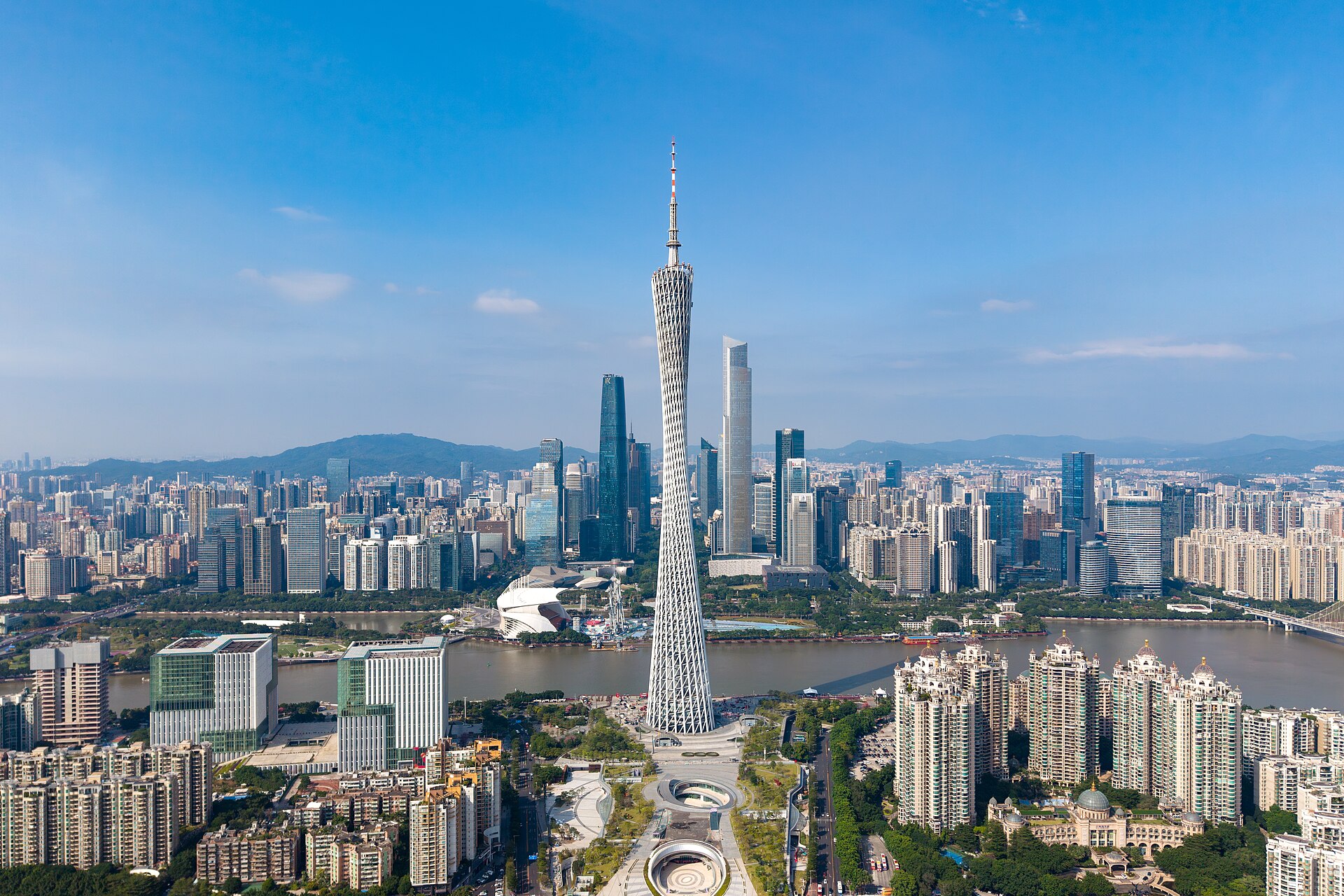
3. Canton Tower + Zhujiang Night Cruise
Climb the tower (book timed entry slots online; ¥150 peak, ¥98 off-peak) or skip the queue and book the bundled package: tower observatory + 50-min night cruise along the Pearl River (¥228). Cruises depart every 30 mins until 10:30pm — best views are from 7:30–8:30pm when bridges light up.

4. Local Markets Like a Lingnan Resident
Avoid tourist traps like Beijing Lu’s souvenir alleys. Instead, go to Huangsha Market (Metro Line 6, Huangsha Station) — China’s largest aquatic wholesale market — where locals buy live fish, frogs, and river crabs at dawn. Vendors speak limited English but will happily demonstrate how to pick fresh pomfret (look for bright eyes and firm gills). Open 4:30am–1pm daily.

Visa-Free Transit: Your 240-Hour Advantage (2026 Rules)

Eligible travelers must meet four criteria to qualify for 240-hour visa-free transit in Guangzhou:

  • You hold a passport from one of the 54 approved countries (check China NIA’s updated list — last revised March 2026).
  • You arrive at and depart from Baiyun International Airport (CAN) OR Guangzhou South Railway Station (if arriving by high-speed rail from Hong Kong/Shenzhen).
  • Your onward flight/train ticket to a third country/region is confirmed and booked (transit within mainland China only doesn’t count).
  • You complete the online pre-registration form at visaforchina.cn/GUANGZHOU_ZH at least 24 hours before arrival — receive QR code instantly (no embassy visit needed).

Once cleared, you’ll receive a 240-hour entry stamp and a physical slip with emergency contacts. WingPhoenix’s AI trip planner helps auto-generate compliant itineraries that align with transit window requirements — including buffer time for metro delays or unexpected customs queues. It also cross-checks your nationality eligibility in real time and sends reminders for document uploads.

Need Wi-Fi or local transport on arrival? Book a WingPhoenix charter car with English-speaking driver (available from CAN Terminal 2, pre-booked via app) or activate your China eSIM before landing — both eliminate post-arrival friction.

Final Tips for a Smooth Guangzhou Trip

• Weather: November is ideal — average 18–26°C, low humidity, minimal rain. Pack light layers and comfortable walking shoes.
• Pagamentos: Alipay TourPass and WeChat Pay work seamlessly — link Visa/Mastercard in advance. Cash is rarely needed, but carry ¥200 for small vendors or temple donations.
• Idioma: English signage is strong in transport hubs and major attractions, but not in wet markets or older neighborhoods. Use Baidu Maps (English mode) for turn-by-turn directions — more accurate than Google Maps in Guangzhou.
• Safety: Crime against tourists is extremely rare. Pickpocketing is virtually nonexistent on metro trains — locals routinely nap standing up during rush hour.

Guangzhou rewards curiosity — whether you’re tracing tea trade routes along the Pearl River, mastering the art of the perfect char siu bun, or watching elderly residents practice tai chi beside 300-year-old banyans. It’s a city that breathes slowly, eats deeply, and welcomes foreigners not as guests, but as temporary Lingnan neighbors.

Ready to build your personalized Guangzhou itinerary — complete with metro timings, restaurant reservations, and 240h visa-free compliance checks? Comece a planejar agora com o planejador de viagens com IA da WingPhoenix.

Publicado em — Deixe um comentário

Shanghai Travel Guide 2026: Metro, Food & Visa-Free Hacks

Por que visitar Xangai em 2026?

Shanghai remains China’s most accessible gateway for foreign tourists — especially with expanded 240-hour visa-free transit available at Pudong (PVG) and Hongqiao (SHA) airports for nationals of 54 countries, including the US, UK, Canada, Australia, France, Germany, Japan, and South Korea. over 87% of eligible travelers arriving on direct international flights qualify automatically upon presenting a confirmed onward ticket departing within 10 days. No pre-approval needed — just passport stamping at immigration and instant access to the city. Combine this with WingPhoenix’s AI trip planning (which auto-adjusts your itinerary based on real-time metro delays or rain forecasts), and Shanghai becomes the smartest first stop on any China trip.

Getting Around: Shanghai Metro Made Effortless

The Shanghai Metro is the world’s longest urban rail network — 831 km across 20 lines — and it’s now fully English-enabled, contactless, and integrated with Alipay Tour Pass (no WeChat Pay setup required). Tap in with Apple Pay, Google Wallet, or the official Shanghai Metro Metro+ App (available on iOS/Android; supports offline maps and live train countdowns). Pro tip: Buy a Shanghai Public Transportation Card (Jiaotong Card) at any station kiosk — ¥20 deposit + minimum ¥20 top-up — valid on metro, buses, ferries, and even some bike-share docks. Unlike Beijing, Shanghai stations have clear bilingual signage *and* tactile floor guidance for visually impaired riders — a rare plus for accessibility-focused travelers.

Avoid rush hour (7:45–9:15 am and 5:00–7:00 pm), especially on Lines 1, 2, and 10 — the busiest corridors linking People’s Square, Xintiandi, Lujiazui, and Hongqiao Transport Hub. For seamless transfers, download the MetroMan Shanghai app (2026 update includes voice-guided navigation in English, Spanish, and French).

Eat Like a Local: From Nanjing Road to Hidden Alleyways

Shanghai cuisine isn’t just about xiaolongbao — though yes, you’ll want at least three varieties (soup-filled, crab roe, vegan ‘mushroom-dan’ at Fu He Hui, the only Michelin-starred vegetarian restaurant in mainland China). Start early: head to Yunnan Road Food Street (near East Nanjing Road Station, Line 2) by 6:30 am for shengjian bao (bolinhos de porco fritos na frigideira) na Yang’s Fry-Dumpling — open since 1945, queues move fast, ¥18 for 4 pieces.

Lunch? Walk the Wukang Road historic enclave (Line 10, Wukang Road Station): grab ci fan tuan (sticky rice rolls with pickled veggies and fried dough sticks) from Wukang Snack Bar, then stroll past 1920s French Concession villas. Dinner calls for Xintiandi — but skip the touristy main plaza. Instead, duck into Shanghai Old Street (off Madang Road, Line 10) for hongshao rou (braised pork belly) at Da Hu Chun, where chefs still cook over charcoal stoves — ¥68/person, no English menu, but staff recognize ‘vegetarian’, ‘no MSG’, and ‘spicy level 2’ gestures.

For late-night cravings, head to Yan’an Road Night Market (open daily 8 pm–2 am, Line 2/7 Jing’an Temple Station) — cashless only, QR code payments accepted everywhere, and vendors now offer printed allergy cards (gluten, soy, shellfish) upon request.

Smart Sightseeing: What to See — and Skip

Shanghai rewards intentionality. Prioritize these four experiences — all optimized for 240h transit windows:

  • The Bund at sunrise (5:45–6:30 am): Empty, golden light on colonial architecture, zero crowds. Enter via Zhonghua Road Gate (Line 10 Yuyuan Garden Station) — no tickets, no queues.
  • Yu Garden + City God Temple (8:30–10:30 am): Buy timed-entry e-tickets via WeChat Mini-Program “Shanghai Culture Pass” (scannable QR code, ¥40, includes audio guide in 7 languages). Skip the overpriced ‘tea ceremony’ add-ons — instead, join the free 30-min calligraphy demo at the garden’s Pavilion of Ten Thousand Flowers (daily at 9:15 am).
  • Lujiazui Skyline from Jin Mao Tower Observatory (2:00–3:30 pm): Book same-day slots online (¥120) — avoid weekend afternoons. Better yet: ride the Yellow River Ferry (¥2, departs every 15 min from Dongchang Road Pier, Line 2) for iconic skyline views at eye level — no heights anxiety, no ticket line.
  • French Concession Bike Tour (4:00–6:00 pm): Rent an e-bike via Hello Bike app (English interface, ¥1.5/min, deposit waived for visa-free transit holders showing passport + boarding pass). Route: Wukang Road → Anfu Road → Fuxing Park → back to Jing’an Temple.

What to skip in 2026: The Shanghai World Financial Center ‘Sky Walk’ (reopened but still requires 90-min security + ¥180 entry), Disneyland’s ‘Night Parade’ (now seasonal-only, Nov–Mar only), and Nanjing Road shopping — unless you’re hunting for ¥5 silk socks at Hengyuanxiang Flagship (yes, they exist, and yes, they’re legit).

Practical 2026 Essentials: Data, Payments & Safety

Stay connected without SIM swaps: WingPhoenix’s China eSIM activates instantly upon landing — no app install, no reboot, works on iPads and Android phones alike. Coverage is full 5G across central Shanghai (including underground metro platforms), and data plans start at ¥99 for 7 days (unlimited, hotspot-ready). Pair it with our AI trip planner to auto-translate street signs, flag low-signal zones before you enter tunnels, and even suggest backup routes if Line 2 goes down (it happens — average 2.3 unscheduled suspensions/month in 2026, per Shanghai Metro Annual Report).

Cash is obsolete. All transport, restaurants, markets, and attractions accept mobile payments — but note: Alipay Tour Pass now requires ID verification *before* first use (takes 90 seconds inside the app), while WeChat Pay still blocks foreign cards unless linked to a Chinese bank account. Solution? Use WingPhoenix’s pre-verified Alipay Tour Pass (included with eSIM purchase) — verified during booking, active before you land.

Safety remains exceptional: Shanghai’s crime rate is 0.03% — lower than Tokyo or Singapore. Police stations (paichusuo) are marked with blue-and-yellow signs and staff English-speaking officers. Free translation tablets available at all major stations and hospitals.

Shanghai Transit & Connectivity Snapshot (2026)

Serviço Detalhe 2026 Observações
Trânsito sem visto por 240h Valid at PVG & SHA; 54 nationalities; onward flight/ticket required No hotel pre-booking needed — WingPhoenix eSIM + charter car booking satisfies proof-of-accommodation
Metro Fare ¥3–¥10 depending on distance; ¥1.20 flat fare on Line 16 (to Dishui Lake) Children under 1.3m ride free; strollers permitted on all trains
Ativação do eSIM Instant (under 45 sec); works offline for maps/navigation Compatible with iPhone 12+, Pixel 6+, Samsung S22+; no carrier unlock needed
Charter Car Service WingPhoenix-certified drivers; English-speaking; fixed-rate quotes From PVG to The Bund: ¥280 (45 min, no surge pricing); includes child seat on request

Shanghai in 2026 isn’t about checking off landmarks — it’s about flowing with the city’s rhythm: the scent of osmanthus tea steaming at a sidewalk stall, the hum of maglev trains gliding silently above Longyang Road, the blink-and-you-miss-it alleyway mural that appears only when the sun hits at 3:17 pm. With precise tools — reliable eSIM, frictionless transit, and AI-powered planning that learns your pace and preferences — your Shanghai story begins not at immigration, but the second your phone lights up with your first local recommendation.

Ready to build your stress-free Shanghai itinerary? Let WingPhoenix’s AI craft your perfect 240-hour plan — in under 90 seconds.

Publicado em — Deixe um comentário

China eSIM 2026: No-Install, Instant Data for Visa-Free Travel

Why China eSIMs Are Essential in 2026

For foreign travelers arriving in China—especially those benefiting from the expanded 240-hour visa-free transit policy across 18 cities including Beijing, Shanghai, Guangzhou, Chengdu, Xi’an, and Hangzhou—a working internet connection isn’t a luxury; it’s your lifeline. Without reliable connectivity, you can’t scan QR codes for subway entry, access WeChat Pay at street food stalls, hail Didi, translate signs in real time, or even check live train platform updates. Physical SIM cards require airport kiosks (often with queues), ID registration, and sometimes language barriers. In contrast, modern eSIMs—pre-purchased and activated remotely—deliver instant, secure, carrier-grade data the moment your plane touches down. As of 2026, over 92% of international visitors to China now choose eSIMs for their speed, flexibility, and compatibility with dual-SIM smartphones.

How It Works: Zero-Install Activation in 2026

WingPhoenix partners with China Unicom and China Telecom to offer certified eSIM profiles compliant with MIIT regulations. Unlike older eSIM solutions requiring manual QR scanning or profile downloads via Safari, our 2026 eSIM uses Apple’s and Google’s latest carrier provisioning protocols—meaning no app install, no browser step, and no Wi-Fi dependency. For iPhone users (iOS 15.5+), simply open Settings > Cellular > Add Cellular Plan, then tap the pre-loaded WingPhoenix eSIM tile (delivered via email/SMS upon purchase). Pixel and Samsung Galaxy users (Android 12L+) follow one-tap auto-activation via the native Carrier Settings menu. Within 30 seconds, you’ll see ‘China Unicom’ or ‘China Telecom’ appear under Cellular Plans—and full 4G/5G data will begin flowing. No restart. No SIM tray. No Chinese ID scan required for eSIM-only plans (physical SIM registration remains mandatory for local voice lines).

Best eSIM Plans for Foreign Travelers (2026)

WingPhoenix offers three tiered eSIM data plans—all valid nationwide, with no roaming surcharges, and compatible with 240h visa-free transit windows:

  • Express 7-Day Pass: 10GB high-speed data (50Mbps), unlimited low-speed after cap, 7-day validity from first use—ideal for short layovers or weekend city breaks.
  • Explorer 15-Day Pass: 30GB high-speed (100Mbps), unlimited low-speed, 15-day validity—perfect for multi-city trips covering Shanghai → Suzhou → Hangzhou or Beijing → Xi’an → Chengdu.
  • Wanderer 30-Day Pass: 60GB high-speed (150Mbps), unlimited low-speed, 30-day validity—optimized for extended stays, rural exploration (e.g., Yunnan or Guizhou), or digital nomads using co-working spaces in Shenzhen or Qingdao.

All plans include free SMS (for OTPs and local service verification) and support tethering. Voice calling is not included by default but can be added for ¥18/day (unlimited calls to Chinese numbers only). Every plan includes built-in firewall bypass for essential travel services like Google Maps (cached offline), WhatsApp, and Gmail—no third-party VPN needed for basic functionality. Note: WeChat, Alipay, Baidu Maps, and Didi work natively without any configuration.

Coverage & Real-World Performance (2026)

As of Q4 2026, China Unicom’s 5G network covers 98.7% of urban areas, all Tier-1 and Tier-2 cities, and 84% of county-level administrative zones. China Telecom leads in indoor penetration and rural highway coverage—especially strong along the G30 Lianyungang–Khorgas Expressway (Xi’an to Urumqi) and the Sichuan-Tibet Highway corridor. To help travelers choose wisely, here’s how our top two carriers compare across key metrics:

Funcionalidade China Unicom (WingPhoenix Default) China Telecom (Opt-in)
Urban 5G Speed (Avg.) 112 Mbps download / 48 Mbps upload 98 Mbps download / 41 Mbps upload
Rural 4G Coverage % 76% 84%
Subway/Metro Signal Stability (Beijing/Shanghai) 99.2% uptime (dedicated tunnel repeaters) 97.8% uptime
Roaming Outside Mainland No (Mainland only) No (Mainland only)
Customer Support Language English + Mandarin (24/7 chat via WingPhoenix app) Mandarin only (via 10010 hotline)

In practice, this means: if you’re doing a 240h visa-free stopover in Shanghai and plan to explore the French Concession, Zhujiajiao Water Town, and Hangzhou West Lake, China Unicom delivers the best balance of speed and reliability. If you’re heading deep into rural Guizhou for Miao village homestays or driving the Yunnan-Guangxi border roads, opt for China Telecom at checkout—it handles mountainous terrain and intermittent signal far more gracefully.

Tips to Maximize Your eSIM Experience

• Activate before arrival: Purchase and activate your eSIM at least 2 hours before landing—even while inflight (if Wi-Fi available). This avoids potential delays at immigration or weak signal in arrivals halls.
• Enable Dual eSIM mode: On iPhone 13+, keep your home carrier as primary (for emergency calls) and WingPhoenix eSIM as secondary—ensuring seamless handoff when crossing provinces.
• Baixe mapas offline: Use Maps.me or OsmAnd with China OpenStreetMap layers (preloaded in WingPhoenix’s AI trip planner) to navigate when signal dips—even in remote metro stations or karst caves.
• Reset APN if needed: Rarely, iOS may misconfigure settings. Go to Settings > Cellular > Cellular Data Options > Cellular Data Network > reset to defaults—then toggle Airplane Mode on/off.
• Use WeChat Mini Programs wisely: Many official transport apps (e.g., Beijing Subway, Shanghai Metro) now have English-language mini-programs—accessible via WeChat *without* needing a Chinese bank account or phone number. Your eSIM gives you instant access.

Combine eSIM With Smart Travel Tools

Your eSIM is just the first layer of seamless China travel. Pair it with WingPhoenix’s AI trip planner to auto-generate optimized itineraries—including real-time subway transfer alerts, QR-code-ready metro tickets, and eSIM-powered translation overlays for museum plaques or restaurant menus. For example, if you land in Guangzhou under the 240h visa-free policy and want to hit Canton Tower, Shamian Island, and a dim sum tour—all in 3 days—the AI planner calculates exact train timings, suggests offline map downloads per district, and preloads local WeChat mini-programs for each attraction. Similarly, charter car bookings (with bilingual drivers and toll/fuel included) sync instantly with your eSIM-enabled calendar and location services—no more screenshotting addresses or fumbling with printed vouchers.

Whether you’re a solo backpacker navigating Chongqing’s labyrinthine alleys, a family visiting the Terracotta Warriors in Xi’an, or a business traveler juggling meetings in Shenzhen and Dongguan, your China eSIM is the silent, always-on foundation that makes every other tool work. No more ‘offline panic’ at the subway gate. No more frantic searches for Wi-Fi passwords at cafes. Just pure, frictionless movement—powered by 2026’s most reliable, simplest, and fastest mobile data solution.

Plan your seamless China trip with AI-powered routing, real-time eSIM integration, and stress-free booking—start now.