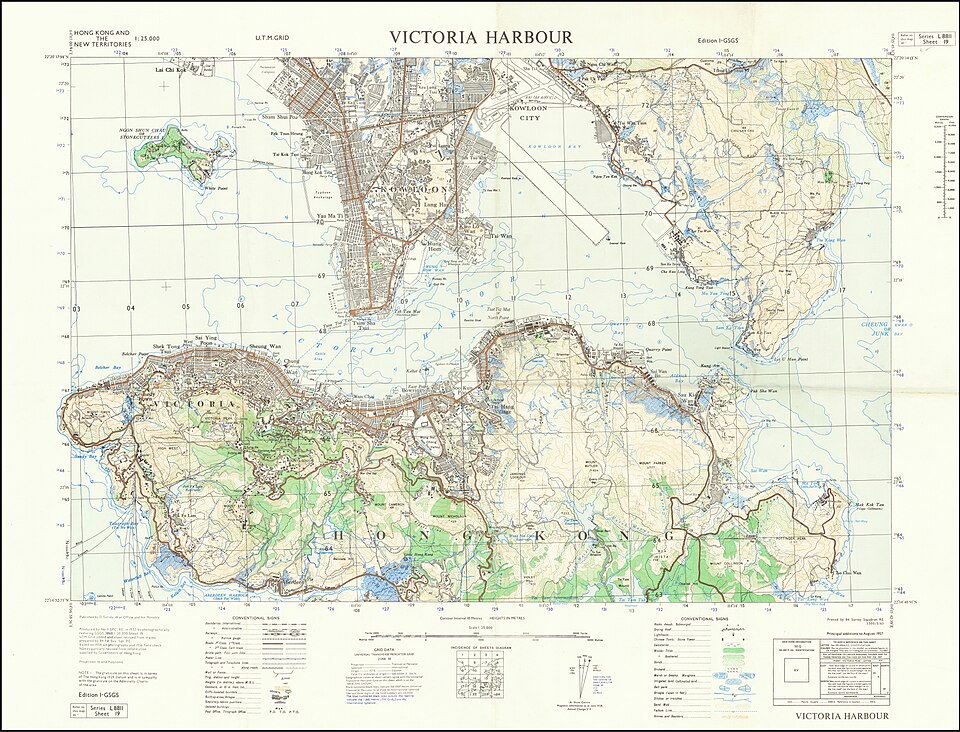
Hong Kong packs a vertical city, island trails and a working harbour into a space you can cross in under an hour. It also runs on its own immigration, currency and transport systems, separate from mainland China, which is the single most useful thing to understand before you book. This guide covers the essential sights, the hiking that surprises most visitors, food through the day, and how to combine Hong Kong with Shenzhen, Guangzhou or Macau. Verify all prices, opening hours and entry rules on official operator or government pages before you travel, since these change.
The essential Hong Kong experience
Start with Victoria Peak, ideally in the late afternoon so you catch the harbour in daylight and again as the lights come on. The Peak Tram has long queues at peak times; check the tram operator’s own site for current operating hours and consider walking up via the Central Green Trail or taking a bus or taxi instead. The Star Ferry between Central and Tsim Sha Tsui remains one of the cheapest and most scenic crossings anywhere; fares are low, but confirm the current timetable and fare on the Star Ferry’s official page rather than relying on old figures.
Dim sum is best treated as a morning or lunch ritual. Traditional teahouses and modern Michelin-listed rooms both exist, and prices vary enormously, so check menus on arrival. In the evening, the Tsim Sha Tsui promenade and the Avenue of Stars give you the skyline and the harbour together. Mong Kok’s markets are worth an hour after dark. The Mid-Levels escalator is a genuine commuter route as well as a curiosity, running downhill in the morning and uphill later; check the official hours if you plan to ride it in a specific direction.
Hong Kong’s hiking, close to the city
Roughly two-thirds of Hong Kong’s land is country park, which is why trails start within a short bus or taxi ride of dense urban areas. Dragon’s Back on Hong Kong Island is the best-known ridge walk, with sea views and a finish near Big Wave Bay; it takes a few hours at an easy pace. The Victoria Peak circle trail is a gentle loop with skyline views and no climbing. On Lantau, Sunset Peak is a steeper, more exposed climb, and Sai Kung’s coves are often reached by boat or a long walk. Check the Agriculture, Fisheries and Conservation Department’s country park pages for trail conditions, and carry water, sun protection and shoes with grip. Weather in summer is hot and humid, and typhoon signals can close trails and ferries at short notice.
Entry, borders and the mainland question
Hong Kong operates its own immigration policy, separate from mainland China. Whether you need a visa, and for how long you may stay, depends on your nationality; check your own government’s travel advice and the Hong Kong Immigration Department’s official pages for the current rules rather than any summary, including this one. If you also plan to enter mainland China, you will need a separate Chinese visa or a безвизовом arrangement that applies to you. Crossing between Hong Kong and Shenzhen means clearing immigration on both sides, even if you already hold a China visa. See the China visa rules 2026 overview and the Чек-лист транзитного безвизового въезда на 240 часов for how the mainland side works.
Eating through the day
Mornings belong to the cha chaan teng: milk tea, pineapple buns and French toast. Lunch is dim sum, from bargain trolley places to refined dining rooms. Mid-afternoon calls for an egg tart, ideally warm. Dinner might be roast goose, claypot rice or a dai pai dong stall, and late evening means sweet soup desserts. Hygiene standards are generally high, but if you have dietary restrictions, the руководством по халяльной и вегетарианской еде covers how to explain requirements clearly. Tipping is not expected in most restaurants; the руководство по чаевым и этикету explains the exceptions.
Hong Kong alone, or with the Greater Bay Area
Hong Kong on its own fills three to four comfortable days: one for the Peak and Central, one for Kowloon and the markets, one for a hike or a beach, and one for Lantau or the outlying islands. Combined with Shenzhen, Guangzhou or Macau, it becomes a Greater Bay week. Cross-border transport includes скоростных поездах from West Kowloon, ferries to Macau and Shenzhen, and buses over the land crossings. For rail, read the руководстве по поездкам на поездах по Китаю и пошаговое руководство по бронированию на 12306. Note that mainland payment apps and internet access behave differently from Hong Kong’s; the Руководстве по бесконтактным платежам и руководство по доступу в интернет explain what to set up before you cross.
Практические советы по планированию
Hong Kong’s MTR is fast and easy to use with a contactless card or a stored-value card; check the MTR’s own site for fares and airport line details. Трансфер из аэропортаs range from the Airport Express to buses and taxis. Accommodation is expensive by regional standards, so book early. For onward mainland travel, confirm hotel registration requirements in advance using the гайд по отелям, принимающим иностранцев. If you want help sequencing Hong Kong with the mainland, an itinerary planner can help, but always verify the resulting opening hours and transport times yourself.
Часто задаваемые вопросы
Do I need a visa for Hong Kong?
It depends entirely on your nationality. Hong Kong sets its own immigration policy, separate from mainland China. Check the Hong Kong Immigration Department’s official website and your own government’s travel advice for the current rules and permitted length of stay.
Can I visit Shenzhen from Hong Kong without a China visa?
Some nationalities qualify for транзит без визы or short-stay arrangements under specific conditions. These rules change, so verify your eligibility on the official Chinese embassy or immigration pages before travelling, and carry the documents the scheme requires.
Сколько дней нужно провести в Гонконге?
Three to four days covers the main sights, one hike and a day on the outlying islands at a relaxed pace. Add more if you want beaches, museums or day trips to Macau and Shenzhen.
Гонконг дорогой?
Accommodation and some dining are costly, while transport, ferries and street food are affordable. Set a budget by checking current prices on operator websites rather than relying on older figures.
Когда лучше всего посещать Гонконг?
Autumn and early winter generally bring clearer, cooler weather. Summer is hot, humid and within typhoon season, which can disrupt ferries and trails. Check seasonal guides such as Китае в октябре и Октябрь–декабрь — самые комфортные месяцы для посещения всех пяти городов. Июль–сентябрь — сезон тайфунов: паромы и мостовые переходы могут отменяться в кратчайшие сроки, поэтому оставляйте буферное время между пересадками. Особенно удачный период — ноябрь; подробнее — в разделе for context.
Treat this as a framework rather than a fixed plan: confirm fares, timetables, trail conditions and entry rules on the relevant official pages close to your travel dates, and build the trip around what is actually open when you arrive.