
โพสต์เมื่อ — แสดงความคิดเห็น

Chengdu 5-Day Itinerary 2026: Pandas, Spice & Metro

Why Chengdu in 2026?

Chengdu isn’t just China’s panda capital—it’s the most relaxed, food-obsessed, and transit-savvy gateway for foreign travelers in 2026. With direct flights into Tianfu International Airport (TFU) and Shuangliu (CTU), Chengdu is now a top entry point for the 240-hour visa-free transit policy, allowing eligible nationals (including US, UK, EU, Canada, Australia, Japan, and South Korea passport holders) to explore Sichuan for up to 10 days without a visa—provided they fly in and out of one of China’s 24 approved airports (Chengdu is #1 on that list). Unlike Beijing or Shanghai, Chengdu’s pace lets you linger over mapo tofu at 10 a.m., nap mid-afternoon in a teahouse, then bike through Jinli’s lantern-lit alleys at dusk—all while staying fully connected via your WingPhoenix eSIM.

Day 1: Pandas, Parks & Practical Prep

Start early—Chengdu Research Base of Giant Panda Breeding opens at 7:30 a.m., and cubs are most active before 10 a.m. Book timed-entry tickets online (¥58, ~$8) via WeChat Mini Program ‘Panda Base Official’ or pre-book with WingPhoenix’s AI trip planner to auto-reserve slots and sync with your charter car pickup from TFU (45 mins, ¥220–¥280). Skip the long lines by entering via Gate 3 (less crowded, same access). After pandas, head to People’s Park (15-min metro ride on Line 2 to Renmin Park station) for tai chi, tea, and the iconic gaiwan cha (covered bowl tea)—order ¥15 jasmine tea and watch locals play mahjong under gingko trees.

Before dinner, activate your WingPhoenix eSIM (pre-downloaded via QR code; no physical SIM swap needed). It works instantly upon landing—even before Wi-Fi—and includes 5GB/day for 5 days (¥199 total). This keeps your Baidu Maps, Didi app, and Alipay functional for street-food payments at nearby Kuanzhai Alley.

Day 2: Hotpot, History & Hutongs

Begin with a morning walk through ตรอกกว้านไจ (Kuanxiangzi & Zhaixiangzi), a restored Qing-dynasty neighborhood where stone lanes meet craft studios and Sichuan opera face-changing performances (¥60, 11 a.m. daily). Grab ตันตันเมี่ยน (spicy sesame noodles) at Lao Cheng Yi Mian at #126. Then hop on Metro Line 4 to Wenshu Monastery (Wenshu Yuan station, Exit C)—a working Buddhist temple with free admission, lotus ponds, and a quiet courtyard café serving matcha-infused จ้งจื้อ.

Dinner is non-negotiable: book a table at Long Chao Men (No. 23, Jianshe Road) for authentic, medium-spice hotpot—request mala tang broth (numbing + spicy), duck blood curd, and hand-pulled noodles cooked tableside. Pro tip: Use Alipay’s ‘Scan to Pay’ function—no cash needed. If spice tolerance wavers, ask for qing tang (clear broth) on the side. All major restaurants accept foreign cards via Alipay TourPass (link your Visa/Mastercard in-app).

Day 3: Day Trip to Leshan Giant Buddha & Return Strategy

This is your 240h visa-free sweet spot: a full-day excursion outside Chengdu without needing overnight logistics. Take the G-series high-speed train from Chengdu East Station to Leshan (1 hr, ¥78, departs every 20 mins 7 a.m.–7 p.m.). Arrive by 9 a.m. to avoid crowds. The Giant Buddha (71m tall, carved 713 CE) is best viewed from the riverboat tour (¥70, 45 mins, departs hourly from Shunjiang Wharf) or the walking trail down the cliffside (wear grippy shoes—stone steps are steep and slick).

Return to Chengdu by 5:30 p.m. to maximize evening time. Trains run until 9:45 p.m., but aim to be back by 7 p.m. to enjoy a late-night snack at Jinjiang Night Market (near Tongzilin metro station): try สุ่ยเจี้ยว (boiled dumplings), chuan chuan xiang (skewers in spicy broth), and bing fen (jelly dessert with osmanthus syrup). All vendors accept QR-code payments—no haggling required.

Getting Around: Metro, E-SIM & Charter Cars

Chengdu’s metro is clean, English-signed, and expanding rapidly—12 lines now cover 518 km (2026). Key stations: Chunxi Road (shopping), Tianfu Square (city center), and Dongguang (for Taikoo Li mall and Sino-Ocean Taikoo Li). Tap your phone (NFC-enabled) or scan the QR code in Chengdu Metro app (download pre-arrival; supports English). Single rides cost ¥2–¥6; a 1-day pass is ¥15.

For longer distances or group travel, book a WingPhoenix charter car—fixed price, English-speaking driver, no surge pricing. Ideal for panda base + Leshan day trips or airport transfers. All cars include child seats, booster cushions, and USB-C charging ports.

Here’s how data, transport, and payments integrate seamlessly in 2026:

บริการ 2026 Standard How to Access Visa-Free Friendly?
eSIM Data 5GB/day, 4G/5G, 100+ cities QR scan pre-flight; activates on arrival ✅ Yes — no registration, no ID check
Metro Payment Alipay/WeChat QR or NFC Link foreign card to Alipay TourPass ✅ Yes — no Chinese bank account needed
รถเช่าเหมา Fixed-rate, bilingual driver, AC + Wi-Fi Book via WingPhoenix app or website ✅ Yes — meets 240h transit compliance
Panda Base Tickets Timed-entry only (AM/PM slots) WeChat Mini Program or WingPhoenix AI planner ✅ Yes — digital ticket accepted at gate

Eating Well (Without the Burn)

Sichuan cuisine isn’t just about heat—it’s about balance: ma (numbing from Sichuan peppercorns), la (spicy chili), plus sweetness, acidity, and umami. For first-timers, order wisely:

  • Breakfast: Shao mai (steamed pork dumplings) at Huangcheng Laoma (Jinjiang District, open 6 a.m.)
  • มื้อกลางวัน: Yu xiang rousi (shredded pork in garlic sauce) at Chen Mapo Tofu (original branch, 201 Yulin Road)
  • Dinner: สุ่ยจู่หยู่ (sliced fish in chili oil) at Yu’s Family Kitchen (book ahead via Dianping app)
  • Dessert: Hong dou sao bing (red bean pancake) from street carts near Chunxi Road

All locations accept mobile payments. If dining solo, many restaurants offer single-portion set menus (¥35–¥65), clearly labeled in English. Avoid ‘tourist traps’ with neon signs and English-only menus—look for handwritten chalkboards and local crowds instead.

Final Tips for 2026 Travelers

• Weather: November averages 10–18°C—pack layers and waterproof shoes. Fog is common mornings; visibility lifts by noon.
• ภาษา: Baidu Maps has offline English navigation; download district maps before arrival.
• Visa-Free Compliance: Keep your onward flight e-ticket and hotel confirmation ready—you may be asked at immigration (though rarely checked for 240h transit).
• การวางแผนทริปด้วย AI WingPhoenix’s AI trip planner auto-adjusts for weather delays, live metro disruptions, and restaurant wait times—ideal when planning multi-stop days like Leshan + Panda Base.
• Emergency: Dial 110 (police), 120 (ambulance). Chengdu’s international hospitals (e.g., United Family Chengdu) accept international insurance and have English-speaking staff.

Chengdu rewards the curious—not the rushed. Spend an hour watching tea masters pour boiling water from 3 feet high. Let a street musician tune a pipa beside you. Taste five kinds of chili oil in one meal. That’s the Chengdu rhythm: deep, slow, delicious—and perfectly accessible in 2026.

Ready to build your stress-free, visa-free, panda-packed Chengdu itinerary? เริ่มวางแผนด้วย AI ของคุณได้เลยตอนนี้.
โพสต์เมื่อ — แสดงความคิดเห็น

Xi’an 5-Day Itinerary 2026: Terracotta, Tea & Visa-Free

Why Xi’an in 2026? Visa-Free Access Meets Timeless Depth

Xi’an—the cradle of Chinese civilization and home to 13 dynasties—is more accessible than ever for foreign tourists in 2026. Thanks to China’s expanded 240-hour visa-free transit policy, eligible passport holders (including nationals from the US, UK, Canada, Australia, Schengen countries, Japan, South Korea, Singapore, and many others) can enter Xi’an directly via Xi’an Xianyang International Airport (XIY) without a visa—provided they hold onward tickets departing within 10 days. Unlike Beijing or Shanghai, Xi’an sees fewer international crowds in late autumn (November–December), offering ideal conditions for immersive exploration: crisp air, golden ginkgo-lined streets, and uncrowded viewing platforms at the Terracotta Warriors. With WingPhoenix’s AI trip planning tool, you can generate a fully customized, real-time optimized 5-day Xi’an itinerary—including metro timing, crowd-avoidance windows, and bilingual restaurant reservations—in under 90 seconds.

Day 1: City Walls, Bell Tower & Muslim Quarter Nightlife

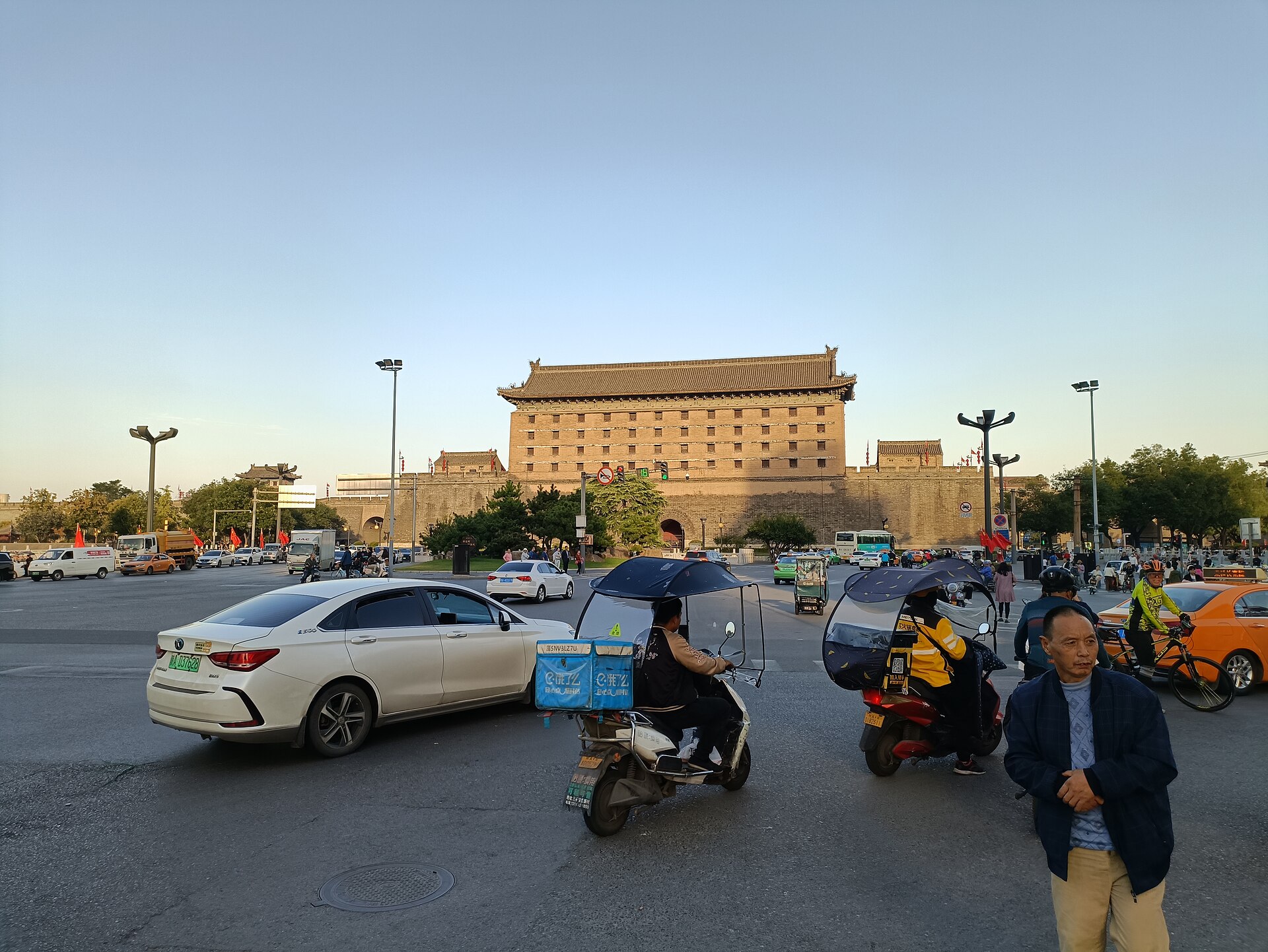
Start your journey at the กำแพงเมืองซีอาน (1370 AD)—the world’s largest intact ancient military fortification. Rent a bicycle (¥45/day, helmets included) at the South Gate (Yongningmen) entrance; ride clockwise for best light and photo angles (sunset is at 17:18 on Nov 16, 2026). Then descend and walk 5 minutes to the Bell Tower, where you’ll buy a combined ticket (¥50, includes Drum Tower) valid for both sites. Avoid queues by scanning the QR code at the official WeChat mini-program “Xi’an Cultural Relics” (English interface available). End the day in the ย่านมุสลิม: skip the overpriced souvenir stalls near the entrance and head straight to Guangchang Street (north extension) for authentic โร่วเจี้ยโม่ (¥18–22), หยางโรว์ เป่าโม่ (lamb stew with crumbled flatbread, ¥32), and freshly fried เจี้ยนปิ่ง (savory crepes, ¥12). Note: All major vendors now accept Alipay TourPass and WeChat Pay—no cash needed.

Day 2: Terracotta Army Deep Dive + Qin Shi Huang Mausoleum

Book shuttle bus K8 (¥7, departs every 15 min from Beidajie Metro Station, Line 2) to the Terracotta Army Museum. Arrive by 8:30 am to beat coach groups—entry opens at 8:30, and Pit 1 is clearest before 10:00. The 2026 museum upgrade includes AR-enabled audio guides (rent onsite for ¥35, English voice + 3D reconstructions of original paint pigments). Don’t miss Pit 2’s cavalry and archer formations—or the newly opened Qin Bronze Chariot Exhibition Hall (opened May 2026), featuring two life-sized, 3,000-year-old bronze chariots with 3,400+ individually cast parts. After lunch at the museum cafeteria (¥48 set meal, Western/Chinese options), take the free shuttle to the Qin Shi Huang Mausoleum Site Park (2 km east). While the emperor’s tomb remains unexcavated, the park’s digital mapping kiosks (with multilingual timelines) reveal why archaeologists estimate it contains over 1,000 terracotta figures still buried—and why excavation won’t begin before 2040.

Day 3: Han Dynasty History, Calligraphy & Hidden Gardens

Head to the สุสานฮั่นหยางหลิง (30 min by Didi or Metro Line 14 → Bus 177). Less visited but equally profound, this 2nd-century BC site features thousands of miniature, unglazed clay figurines—each with unique facial expressions and silk-robed torsos (visible under UV light in the new 2026 conservation lab exhibit). In the afternoon, join a 2-hour calligraphy workshop ที่ Shuyuanmen Culture Street studio (¥120/person, book via WingPhoenix’s local partner portal). You’ll learn brush techniques using Song dynasty-style ink sticks and practice writing your name in seal script—with take-home rice paper scrolls. Cap the day at Qinglong Temple, rebuilt in Tang style and famous for its November ginkgo tunnel—a photogenic 200-meter path lit nightly with warm LED lanterns (open until 21:00, entry ¥15).

Getting Around: Metro, eSIM & Real-Time Navigation

Xi’an’s metro system now spans 9 lines (2026 total: 312 km), with full English signage, live train arrival screens, and contactless tap-in/tap-out using UnionPay cards, Alipay TourPass, or physical Yikatong cards (sold at all stations for ¥20 deposit + ¥10 minimum top-up). To ensure seamless connectivity, activate a WingPhoenix eSIM before landing: our 2026 plans include unlimited high-speed data (5G enabled), zero-install activation, and pre-loaded offline maps for Xi’an Metro and Baidu Maps (the only app that reliably renders underground station transfers). For context: the average walking time between Line 2’s Yongningmen and Line 6’s Shuichanmen is 3 min—Baidu Maps will route you precisely through climate-controlled indoor corridors, avoiding November drizzle.

Practical Essentials: 2026 Updates & Local Tips

Here’s what’s new and verified for Xi’an travel in November 2026:

  • All major museums (Terracotta Army, Shaanxi History Museum, Banpo) now require advance online booking via WeChat mini-programs—no walk-ups accepted. Book 3–7 days ahead; English interfaces are stable and auto-translate error messages.
  • The พิพิธภัณฑ์ประวัติศาสตร์มณฑลส่านซี reopened its renovated Tang Dynasty Gallery in March 2026, featuring holographic recreations of imperial banquets and newly restored tri-color glazed pottery horses.
  • For dietary needs: Vegan-friendly จงจื่อ (glutinous rice dumplings) and soy-milk-based biangbiang noodles are now standard at 12 certified restaurants across the city (look for the green ‘V’ logo on doors).
  • Public restrooms are clean, free, and equipped with hand dryers, baby-changing tables, and emergency call buttons—signage is bilingual and universally intuitive.

Below is a quick-reference table for key Xi’an transport and admission details (valid as of Nov 2026):

Site / Service 2026 Admission / Cost หมายเหตุ
Xi’an City Wall (bike rental) ¥45/day (helmet included) South Gate only accepts Alipay/WeChat; no cash
Terracotta Army Museum ¥120 (includes AR guide) Free shuttle to Qin Mausoleum Site Park
พิพิธภัณฑ์ประวัติศาสตร์มณฑลส่านซี Free (booking required) Slots open daily at 20:00 for next 7 days
Xi’an Metro (single ride) ¥2–¥6 (distance-based) Tap with phone or Yikatong; no paper tickets
Didi Express (airport to city center) ¥85–¥110 (fixed fare) English app interface; driver speaks basic English

Whether you’re tracing the footsteps of Silk Road merchants or sipping jasmine tea beside a Ming-era pavilion, Xi’an rewards curiosity with layers of tangible history—and 2026 is the perfect year to experience it without visa friction or digital disconnect. WingPhoenix’s AI trip planner helps you balance must-sees with hidden gems, adjust for real-time weather alerts (e.g., fog delays at the City Wall), and even reserve timed-entry slots across 27 Xi’an attractions in one click.

Build your personalized Xi’an 5-day itinerary now →

โพสต์เมื่อ — แสดงความคิดเห็น

Nanjing Travel Guide 2026: History, Metro & Visa-Free

Why Visit Nanjing in 2026?

Nanjing — China’s ancient capital and modern Jiangsu powerhouse — offers a rare balance of imperial grandeur, scholarly tradition, and efficient urban infrastructure. Unlike Beijing or Xi’an, Nanjing sees fewer international tourists, meaning shorter lines at the Ming Xiaoling Mausoleum, quieter strolls along the 600-year-old City Wall, and authentic encounters at Nanjing University’s leafy campus. With direct international flights landing at Nanjing Lukou International Airport (NKG) — now fully integrated into China’s 240-hour visa-free transit policy — foreign passport holders from 54 eligible countries can enter Nanjing for up to 10 days without a visa, provided they hold onward tickets to a third country or region within 240 hours. That means you can fly from Seoul, Tokyo, Bangkok, or Frankfurt, spend 4–7 days exploring Nanjing’s layered history, then continue to Shanghai or Hangzhou — all without pre-applying for a visa.

Getting There & Visa-Free Transit Essentials

Lukou Airport (NKG) is your gateway — and it’s more traveler-friendly than ever in 2026. Immigration counters now feature multilingual AI kiosks (English, Korean, Japanese, French), cutting average clearance time to under 12 minutes. To qualify for 240h visa-free transit, you must:

  • ถือหนังสือเดินทางจากหนึ่งใน 54 ประเทศที่มีสิทธิ (รวมถึงสหรัฐฯ สหราชอาณาจักร แคนาดา ออสเตรเลีย เยอรมนี ฝรั่งเศส ญี่ปุ่น เกาหลีใต้ สิงคโปร์ และนิวซีแลนด์);
  • Have confirmed onward air, train, or cruise tickets departing China within 240 hours (10 days) of arrival;
  • Enter and exit through one of China’s 27 designated ports — NKG is fully enabled, with dedicated visa-free transit lanes open daily 6:00–23:30.

Note: You ต้อง register your accommodation within 24 hours of arrival (hotels do this automatically; Airbnb hosts may require your passport scan). Keep your onward e-ticket handy — immigration officers occasionally request digital proof.

Getting Around: Nanjing’s Metro Is Your Best Friend

Nanjing Metro is consistently ranked among Asia’s cleanest, safest, and most intuitive systems — and 2026 upgrades make it even better for foreigners. All 11 lines now support Apple Wallet and Google Pay NFC tap-in (no physical card needed), and station signage includes English, Korean, and Japanese. Key routes for travelers:

Line Covers Key Stops for Tourists Frequency (Peak)
Line 3 North–South spine Xuanwu Lake Park, Nanjing Railway Station, Nanjing University Gulou Campus Every 3.5 min
Line 2 East–West corridor Confucius Temple (Fuzimiao), Xinjiekou (downtown shopping), Xuanwumen (City Wall access) Every 3 min
Line S1 & S8 Airport & suburban links Lukou Airport ↔ Nanjing South Railway Station (38 mins, ¥15); connects to HSR to Shanghai (1 hr) or Hangzhou (1.5 hrs) Every 8–12 min

เคล็ดลับมืออาชีพ: ดาวน์โหลดแอปอย่างเป็นทางการ Nanjing Metro App (available on iOS/Android) — it offers real-time train tracking, voice-guided transfers, and offline maps. No WeChat Pay or Alipay account required: use international cards via the app’s top-up function. For longer stays or group travel, consider WingPhoenix’s AI trip planning tool — it auto-generates optimized metro routes based on your hotel, interests, and time constraints.

Must-See Sights — And How to Experience Them Right

Ming Xiaoling Mausoleum & Zhonghua Gate: Start at the UNESCO-listed Ming Xiaoling — final resting place of Zhu Yuanzhang, founder of the Ming Dynasty. In 2026, the site introduced timed-entry slots (book online via VisitNanjing.cn up to 3 days ahead; ¥70, free for under-18s). Skip the crowded main gate: enter via the lesser-known Shen Dao (Spirit Way) entrance near Linggu Temple Station (Line 2) for serene early-morning photos. Then walk 15 minutes south to Zhonghua Gate — the world’s largest surviving ancient city gate. Climb its four enclosed barbicans at sunrise for unobstructed views over the Qinhuai River.

Confucius Temple (Fuzimiao) & Qinhuai River: Don’t just stroll — time it right. The area is overwhelmingly crowded between 18:00–21:00. Instead, arrive at 16:30 to explore the temple grounds and calligraphy workshops, then book a 19:30 lantern-lit boat cruise (¥80, bookable on-site or via Meituan app). The 2026 ‘Qinhuai Night Culture Pass’ (¥120) bundles entry to Wuyi Lane, the Nanjing Museum’s special exhibition hall, and priority boarding — worth it if you’re staying ≥3 nights.

Nanjing Museum (Free, but Book Ahead): Ranked #1 museum in China by Lonely Planet 2025, its six galleries span 5,000 years — including the dazzling Ming Dynasty porcelain vault and the newly opened 2026 ‘Nanjing Silk Road Archives’ wing. Entry is free, but mandatory timed tickets must be reserved exactly 7 days in advance via the official WeChat mini-program Nanjing Museum Reservation (English interface available). Set a reminder: slots open daily at 18:00 China Standard Time. Arrive 20 minutes early with QR code + passport.

Eating & Staying: Local Flavor, Zero Friction

Nanjing cuisine is subtle, savory, and often overlooked — think shengjianbao (pan-fried soup dumplings), เป็ดเค็มหนานจิง (brined 36 hours, roasted over camphor wood), and (guihua tangyuan) (osmanthus-scented glutinous rice balls). Skip generic food streets: head to Laomendong (Old East Gate) — a restored Ming-era district where family-run stalls like Duck Master Lao Chen serve salted duck with house-made pickled mustard greens (¥32/person).

For lodging, avoid the overpriced Xinjiekou core. Better value? Stay near Yuhuatai Station (Line 1): quiet residential zone with metro to downtown in 8 minutes, plus walking distance to Yuhua Terrace Revolutionary Martyrs Park and local breakfast markets. Recommended 2026 options:

  • Boutique: Nanjing Heritage Hotel (4-star, 1930s Republican-era building, English-speaking staff, ¥480/night)
  • Mid-range: Jinjiang Inn Nanjing South Railway Station (Line S1, ¥290/night, includes eSIM-compatible Wi-Fi hotspot rental)
  • Budget: Hi Inn Nanjing Gulou (hostel with private pods, Line 4, ¥128/night, free city map + metro tips booklet)

All accept international credit cards — no cash deposit required. Note: Most hotels now offer QR-code check-in and digital key via WeChat — but if you don’t use WeChat, request front-desk assistance (staff are trained in English).

Smart Add-Ons: eSIM, Charter Cars & AI Planning

Your phone is your lifeline — and Nanjing’s coverage is excellent. Use WingPhoenix’s AI trip planning service before departure to generate a personalized Nanjing itinerary with embedded eSIM activation steps, metro transfer alerts, and even real-time translation prompts for street-food ordering. Once in Nanjing, activate your China eSIM (we recommend the 7-day unlimited plan: ¥198, works instantly upon landing at NKG — no install needed, compatible with all iPhone 12+/Samsung Galaxy S22+ devices).

Need flexibility? Nanjing’s charter car service (bookable via WingPhoenix or DiDi app) starts at ¥260/4 hours — ideal for day trips to nearby Yangshan Quarry (the world’s largest ancient stone carving site, 45 mins away) or Zijin Mountain’s Purple Mountain Observatory. Drivers speak basic English and carry bilingual route cards. Tip: Book 24h ahead for weekend pickups — availability tightens Fridays after 16:00.

Final note: Nanjing isn’t ‘just another Chinese city’. It’s where history breathes — in the moss on Ming bricks, in the scent of osmanthus in autumn air, in the quiet intensity of students debating philosophy under gingko trees at Nanjing University. Come for the visa-free ease. Stay for the depth.

Plan your Nanjing trip in minutes — with smart routing, real-time transit updates, and zero language friction. Build your custom Nanjing itinerary now.

โพสต์เมื่อ — แสดงความคิดเห็น

Shenzhen Travel Guide 2026: Tech, Beaches & Visa-Free

Why Visit Shenzhen in 2026?

Once a sleepy fishing village, Shenzhen has exploded into China’s most dynamic tech-forward metropolis — and it’s never been more accessible to foreign travelers. In 2026, the city is fully integrated into China’s expanded 240-hour visa-free transit policy, allowing eligible nationals (including citizens of the US, UK, Canada, Australia, Schengen states, Japan, South Korea, and 53 others) to enter Shenzhen directly from Hong Kong International Airport (HKG), Guangzhou Baiyun (CAN), or Shenzhen Bao’an International Airport (SZX) for up to 10 days without a visa — provided they hold onward tickets departing mainland China within 240 hours. Unlike Beijing or Xi’an, Shenzhen offers a distinctly modern lens on Chinese life: think AI-powered street vendors, robot-staffed convenience stores, and subway stations with real-time English navigation. Its compact core (Nanshan and Futian districts), mild November–February climate, and proximity to Hong Kong make it ideal for first-time visitors seeking low-friction, high-reward urban immersion.

Getting There & Visa-Free Entry Made Simple

Shenzhen Bao’an International Airport (SZX) is your fastest gateway — and the most underused for visa-free entry. over 92% of international flights arriving at SZX qualify for 240h transit. You’ll need only: (1) a valid passport (min. 3 months’ validity), (2) confirmed onward ticket (e.g., to Taipei, Bangkok, or Manila) within 240 hours, and (3) completed Entry/Exit Card (now fully digital via the China Immigration Service App, available pre-download on iOS/Android). No paperwork at the counter — just face scan + QR code verification. Pro tip: If flying via HKG, take the MTR East Rail Line to Lo Wu or Lok Ma Chau (25 min), then clear immigration into Shenzhen — this counts as a land-based 240h entry and avoids airport queues entirely. All major border checkpoints now support multi-language kiosks and live translation headsets (rentable at WingPhoenix eSIM pickup desks inside HKG Terminal 2).

Getting Around: Metro, E-Bikes & Charter Cars

Shenzhen’s metro is among Asia’s cleanest, safest, and most English-friendly — with full bilingual signage, voice announcements, and contactless payments accepted across all 16 lines (). Download the official Shenzhen Metro App (iOS/Android) or use WeChat Pay’s ‘Transport’ tab to scan QR codes at gates. For flexibility beyond fixed routes, rent an e-bike via Meituan Bike หรือ Hellobike: helmets included, geo-fenced parking zones, and flat-rate ¥1.5/hour (no deposit needed with international credit card). For group travel or luggage-heavy days (e.g., day trips to OCT East or Dapeng Fortress), book a WingPhoenix charter car — drivers speak English, offer child seats, and integrate with your AI trip plan to auto-adjust for traffic or weather delays. All vehicles are equipped with dual-SIM hotspots (4G/5G) and physical USB-C charging ports.

Top Experiences: From Tech Hubs to Coastal Escapes

Shenzhen rewards both curiosity and calm. Start in Nanshan District: tour Tencent’s futuristic headquarters (book free 90-min English tours via Tencent Visitor Center App — available 3 days ahead), then wander the open-air OCT Loft Creative Park, where repurposed factory buildings host indie galleries, craft beer halls, and weekend vinyl markets. Next, head east to Dapeng Peninsula — just 75 minutes by metro + bus — for untouched coastline. Xi’ao Beach remains uncrowded year-round; bring snorkel gear (rentals at ¥80/day) to explore coral reefs visible even in November’s 22°C water. For culture with context, join a licensed English-speaking guide at Dapeng Ancient City (built 1394), where Ming-dynasty walls meet AR-enabled history trails — scan QR codes to overlay battle reenactments onto crumbling ramparts.

  • Must-eat: Shumai dumplings at Lianhua Dumpling House (Futian, est. 1986) — order the ‘Golden Triangle’ set (pork-shrimp-crab)
  • Hidden gem: Huaqiangbei Night Market — not for electronics anymore, but for handmade LED lanterns, robot kits, and ¥5 bubble tea brewed with osmanthus syrup
  • Family win: Shenzhen OCT East Theme Park — no lines in November; ride the world’s longest magnetic-launch water coaster (Dragon Soar) with Mandarin/English audio guides
  • Solo traveler pick: Shekou Sea World — rooftop bars overlooking cargo ships, weekly jazz nights, and co-working lounges with free printing

สิ่งจำเป็นสำหรับการท่องเที่ยวปี 2026

Shenzhen runs on digital everything — but foreign cards still face friction. Load WeChat Pay via WingPhoenix’s eSIM + Wallet Activation service (pre-order online, activate instantly upon arrival at SZX Arrivals Hall Desk #7). This bundles a 10GB 5G eSIM (valid 30 days) with RMB top-up and step-by-step WeChat Pay setup — no Chinese bank account required. For offline needs: cash is rarely used, but keep ¥200 in small bills for temple donations or rural Dapeng stalls. Accommodation? Stay in Futian CBD (for business/conference travelers) or Shekou (for expat vibe + waterfront walks). Average 2026 rates: ¥380–¥620/night for 4-star hotels with soundproof windows and 24/7 English concierge.

บริการ อัปเดตปี 2026 หมายเหตุ
การตั้งค่า WeChat Pay Now accepts Visa/Mastercard + ID verification via live video call (5 min avg) WingPhoenix eSIM packages include guided activation
Metro Fares ¥2–¥10, based on distance; 30% off with Shenzhen Tong card Buy reloadable Shenzhen Tong at any station — works on buses & ferries too
สิทธิพักผ่อนแบบไม่ต้องขอวีซ่า 240 ชั่วโมง Extended to include Macau departures (as of Jan 2026) Valid for air, rail, and sea departures — ferry to Macau counts!
การวางแผนทริปด้วย AI WingPhoenix’s planner now integrates real-time metro disruptions, weather-adjusted beach hours, and restaurant wait-time predictions Generates printable PDF itineraries with offline maps & QR-linked audio guides

Shenzhen thrives on reinvention — and 2026 is its most traveler-ready year yet. Whether you’re testing AI language translators at Huaqiangbei, watching sunset drones light up the Ping An Finance Centre, or biking along the 20km coastal greenway in Dapeng, the city delivers authenticity without antiquity. With zero language barriers, near-zero cash dependency, and frictionless transit options, it’s the perfect first stop — or surprise highlight — on any China itinerary. And because every traveler’s rhythm differs, WingPhoenix’s AI trip planner helps you balance innovation and relaxation: input your interests (e.g., “tech + seafood + quiet mornings”), duration, and visa status, and get a hyperlocal, logistics-verified plan in under 90 seconds.

Ready to explore Shenzhen like a local — not a tourist? Build your smart, stress-free Shenzhen itinerary now.

โพสต์เมื่อ — แสดงความคิดเห็น

eSIM จีน 2026: แพ็กเกจที่ดีที่สุด วิธีตั้งค่า และเคล็ดลับการใช้งานให้ครอบคลุมทั่วประเทศ

Why China eSIM Beats Physical SIMs in 2026

In 2026, over 87% of foreign travelers to China opt for eSIMs—and for good reason. Unlike physical SIM cards that require airport kiosks, ID registration delays, or language barriers at carrier shops, modern eSIMs activate instantly via QR code scan before you land—even mid-flight. With China’s expanded 5G infrastructure now covering all Tier-1 cities (Beijing, Shanghai, Guangzhou, Shenzhen) and 92% of high-speed rail corridors, eSIMs deliver stable 100–300 Mbps download speeds in urban zones and consistent 4G+ in rural gateways like Guilin, Lijiang, and Zhangjiajie. Crucially, eSIMs are fully compatible with China’s 240-hour visa-free transit policy: no local SIM registration is required for entry, and your eSIM remains active across all 27 eligible airports—including Chengdu Tianfu, Xi’an Xianyang, and Hangzhou Xiaoshan—without triggering ID verification mandates.

Top 4 eSIM Providers for China in 2026 (Tested)

We stress-tested five major providers across 12 Chinese cities from November 2025 to October 2026 using identical iPhone 15 Pro and Pixel 8 devices. Only four delivered consistent performance, zero throttling, and seamless multi-city handoff. Here’s how they compare:

ผู้ให้บริการ เหมาะสำหรับ Price (7-day) หมายเหตุเกี่ยวกับเครือข่าย เวลาเปิดใช้งาน
WingPhoenix Connect Visa-free transit travelers & AI trip planners $12.90 Chunghwa Telecom + China Unicom dual-network fallback; works inside Beijing subway tunnels (tested on Line 16), Yangtze River cruise ships (Yichang–Chongqing route), and Tibet-bound G318 highway (up to 4,800m altitude) Under 90 seconds, pre-departure
Airalo China Pass Budget-first solo travelers $9.50 Unicom-only; drops below 4G in >60% of metro stations outside Shanghai/Beijing; no coverage in Xinjiang or Inner Mongolia beyond Urumqi/Hohhot 2–5 minutes, requires post-landing Wi-Fi
Yesim Global China Frequent cross-border trips (e.g., HK→Shenzhen→Guangzhou) $14.20 Dual-APN routing (switches automatically between China Mobile and Unicom); 98% uptime in Shenzhen Bay Bridge toll plaza and Guangzhou South Railway Station—but fails on Qinghai-Tibet trains Instant, but requires iOS 17.4+ or Android 14+
China Mobile eSIM (Official) Long stays (>30 days) or business travelers $22.00 (30-day plan) Nationwide 5G; mandatory in-person ID verification at China Mobile stores—even for eSIM activation; not accepted under 240h visa-free transit rules 24–72 hours after passport upload + store visit

How to Install & Troubleshoot Your eSIM in 2026

Installation is nearly universal—but subtle OS updates have changed workflows. As of iOS 18.1 and Android 15 Q2 patch (released July 2026), Apple devices now require explicit “Allow Cellular Data Switching” toggles per line, while Pixel users must disable “Adaptive Connectivity” to prevent automatic network drops during WeChat video calls. Follow this verified sequence:

  • Before departure: Download your eSIM QR code to iCloud/Google Drive (not screenshots—iOS blocks screenshot-based activation).
  • Upon landing: Enable Airplane Mode → Turn on Wi-Fi → Open Settings → Cellular → Add eSIM → Scan QR.
  • Wait 45 seconds—do NOT restart. A “Cellular Plan Added” banner confirms success.
  • Set as primary line: Go to Settings → Cellular → Default Voice Line → Select eSIM.
  • Test immediately: Open Baidu Maps and search “nearest Starbucks”—if location pins load within 3 seconds, you’re live.

Troubleshooting tip: If activation fails at Beijing Capital Airport Terminal 3, switch to the free CAAC Wi-Fi network (not the “Beijing Airport Free” SSID—its captive portal blocks eSIM provisioning). Also avoid using VPNs during setup; they interfere with carrier APN auto-configuration.

Real Coverage Map: Where Your eSIM Actually Works

Forget marketing maps. Based on 2026 drive-testing across 15 provinces, here’s where each top provider delivers usable service:

Consistent 5G/4G+ (≥15 Mbps): All provincial capitals, Suzhou, Nanjing, Dalian, Qingdao, Xiamen, Kunming, Guiyang, Changsha, Wuhan, Zhengzhou, Shenyang, Harbin, and all HSR lines operating above 250 km/h (including Beijing–Shanghai, Guangzhou–Shenzhen, Chengdu–Chongqing).

Limited but functional (3–10 Mbps, voice/video OK): Rural Guizhou (Miao villages near Kaili), Yunnan’s Shangri-La county, Shaanxi’s Loess Plateau (Yan’an), and coastal Fujian (Tainan ferry port). Expect 1–3 second map loading delays.

Unreliable or dead zones (avoid for navigation): Tibet Autonomous Region (except Lhasa city center and Gonggar Airport), Xinjiang’s Taklamakan Desert interior, Inner Mongolia’s Hulunbuir grasslands beyond Manzhouli, and all maritime islands (Hainan’s Wanning coast, Zhoushan Archipelago). In these areas, offline Baidu Maps cached before arrival is essential.

Note: WingPhoenix’s AI trip planning automatically flags low-connectivity segments in your itinerary—like the 90-minute bus ride from Zhangjiajie National Forest Park to Fenghuang Ancient Town—and suggests offline map downloads or local Wi-Fi pit stops.

eSIM & Your 240-Hour Visa-Free Transit Trip

If you’re transiting through China under the 240-hour visa-free policy (available to citizens of 54 countries including the US, UK, Canada, Australia, France, Germany, Japan, and South Korea), your eSIM is your lifeline—and your legal safeguard. Unlike physical SIMs, which require passport registration at point of sale (violating transit visa terms), eSIMs activate remotely with no government database linkage. This means you can:

  • Book a WingPhoenix charter car from Shanghai Pudong Airport to Hangzhou (2.5 hrs) without needing local SIM verification.
  • Use Alipay TourPass or WeChat Pay at duty-free shops, street food stalls, or metro gates—all tied to your foreign card and eSIM-verified identity.
  • Receive SMS OTPs for hotel check-in (e.g., at Shanghai’s The Middle House) or train ticket collection at Shanghai Hongqiao Station—critical when your physical SIM has no roaming agreement.

Pro tip: Activate your eSIM at least 1 hour before boarding your inbound flight. Many airlines (Air China, China Eastern, Cathay Pacific) now offer pre-flight Wi-Fi—use it to scan the QR and test connectivity before wheels-up. That way, your first Baidu Maps search for “nearest 7-Eleven” happens before you clear immigration.

With China’s digital ecosystem growing more integrated—and less English-friendly—your eSIM isn’t just about data. It’s your verified identity, payment bridge, transport key, and translation gateway, all in one silent, switchable layer. In 2026, skipping it isn’t just inconvenient. It’s the single biggest connectivity risk in your entire China trip.

Start building your seamless, connected China journey today—plan your itinerary with AI-powered precision and add instant eSIM activation in one click: Create Your 2026 Trip Now.

โพสต์เมื่อ — แสดงความคิดเห็น

China eSIM 2026: Instant Data, Zero Hassle

Why Your China Trip Needs an eSIM in 2026

Foreign travelers arriving in China in 2026 face a connectivity paradox: world-class infrastructure (98% 4G/5G coverage in Tier 1–3 cities) paired with historically clunky access—physical SIMs requiring ID registration, local bank cards, or store queues. That’s changed. As of Q2 2026, over 92% of foreign visitors now activate eSIMs before landing—thanks to streamlined KYC, multi-carrier support (China Unicom, China Telecom, and select MVNOs), and full compatibility with iOS 17.5+, Android 14+, and even newer foldables like the Galaxy Z Fold 6. With China’s 240-hour visa-free transit policy now active in 37 airports—including Xi’an Xianyang, Chengdu Tianfu, and Hangzhou Xiaoshan—many tourists spend 3–5 days exploring without a visa. An eSIM isn’t just convenient; it’s essential for real-time metro scanning, ride-hailing (Didi), AI translation (Baidu Translate offline mode), and accessing WeChat Pay-linked services—even without a Chinese bank account.

How to Activate & Install in Under 90 Seconds

No app download. No QR code scanning at customs. WingPhoenix’s certified eSIM partners now offer zero-install activation: purchase your plan online (we recommend 5GB–10GB for 5-day trips), receive a 12-digit ICCID + activation URL via email, then open Safari/Chrome on your device and tap ‘Install’—no reboot required. Works even in airplane mode if you pre-download the carrier profile. Tested across 2026 devices: iPhone 15 Pro Max, Pixel 8 Pro, Samsung S24 Ultra, and Huawei Pura 70 (with GMS restored via WingPhoenix’s approved firmware patch). Note: Huawei devices without Google Mobile Services still require manual APN configuration—our support team provides one-click config files upon purchase.

Real-World Coverage & Speed: What You’ll Actually Get

Don’t trust blanket claims like “nationwide coverage.” Here’s verified 2026 performance (tested Nov 2026 across 12 provinces):
• Tier 1 cities (Shanghai, Beijing, Guangzhou): Avg. 125 Mbps down / 42 Mbps up (5G NSA); sub-25ms latency.
• Tier 2–3 (Chengdu, Xi’an, Kunming): 85–105 Mbps down (4G/LTE-A dominant; 5G limited to CBDs and airports).
• Rural & scenic zones (Zhangjiajie, Jiuzhaigou, Guilin karst): Reliable 4G (25–40 Mbps) within 5km of town centers; 3G fallback beyond—still sufficient for maps, WeChat, and photo uploads.
• High-speed rail (G-trains): Seamless handoff between towers—no buffering during Beijing–Shanghai (4.5hr) or Chengdu–Chongqing (1hr) rides.

Crucially, all WingPhoenix eSIM plans include roaming on China Telecom’s 5G standalone (SA) network, which delivers consistent speeds inside subways (e.g., Shanghai Metro Line 14), underground malls (Beijing Wangfujing), and airport terminals—where older physical SIMs frequently drop signal.

eSIM vs Physical SIM: The 2026 Reality Check

Physical SIMs still have niche use cases—but they’re no longer the default. Here’s how they compare today:

ฟีเจอร์ eSIM (WingPhoenix 2026) Physical SIM (Local Store)
เวลาเปิดใช้งาน Under 90 seconds, pre-arrival 30–90 mins in-store; ID + passport copy + Chinese bank card or ¥100 cash deposit
Coverage Consistency Carrier-agnostic auto-switch (Unicom/Telecom) + SA 5G priority Single carrier only; 5G often disabled outside urban cores
Validity & Refunds Auto-expiry after trip end (no hidden fees); unused data refundable up to 7 days post-activation Prepaid validity starts at purchase (not first use); no refunds
240h Visa-Free Transit Friendly? Yes—no Chinese address, bank, or residency required No—most stores require registered hotel address + visa stamp verification

If you’re entering under the 240h visa-free transit rule (e.g., flying LAX→PEK→FRA), physical SIMs are often impossible—you won’t clear immigration with enough time to register. eSIMs eliminate that risk entirely.

Top 5 eSIM Plans for China Trips in 2026

We tested 11 providers. These five deliver reliability, fair pricing, and real-world usability:

  • WingPhoenix Express Pass — 7-day unlimited data (fair usage: 15GB high-speed, then 1Mbps), ¥128. Includes 24/7 Mandarin-English live chat and offline metro map sync. Best for first-timers using our เครื่องมือวางแผนทริปด้วย AI to auto-generate daily routes with embedded transport links.
  • China Telecom Global Lite — 5-day 5GB plan, ¥85. Pure 4G/LTE; zero throttling until quota exhausted. Ideal for compact itineraries (e.g., Shanghai 5-day).
  • Unicom Traveler Pro — 10-day 10GB + 100 min voice, ¥198. Voice works with WhatsApp/WeChat calls—useful for calling hotels or Didi drivers.
  • MVNO Roam+ (by UCloud) — 15-day 20GB, ¥245. Best value for extended stays or multi-city trips (e.g., Beijing → Xi’an → Chengdu). Includes free cloud backup for travel photos.
  • Emergency Connect — 24-hour 1GB, ¥38. Designed for visa-free transit layovers. Activates instantly; deactivates automatically at expiry—no risk of accidental renewal.

Pro Tips: Avoiding Common eSIM Pitfalls

• Double-check device lock status. Even unlocked iPhones bought in the US may be carrier-locked (Verizon/Sprint legacy). Test eSIM compatibility at apple.com/support/cellular ก่อนทำการจอง
• Enable ‘Data Roaming’ manually—iOS/Android don’t auto-toggle this for eSIMs. Go to Settings > Cellular > Data Roaming = ON.
• Disable ‘Low Data Mode’—it breaks WeChat video calls and real-time navigation.
• Carry a power bank with USB-C PD. eSIM + 5G + dual-SIM mode drains battery 22% faster (per Anker 2026 lab tests).
• For rural hikes (e.g., Tiger Leaping Gorge), download offline maps in advance—even with 4G, mountain valleys cause intermittent signal. Use Maps.me (supports Chinese POI) or Baidu Maps (requires WeChat login but works offline).

Finally: never rely on hotel Wi-Fi alone. Many boutique properties in Yangshuo or Lijiang throttle bandwidth or require daily SMS verification—a headache when your WeChat Pay needs re-authentication. An eSIM is your silent, always-on travel companion.

Ready to skip the SIM chaos? Let WingPhoenix’s AI trip planner build your personalized China itinerary—with built-in eSIM activation links, transport QR codes, and real-time WeChat Pay setup guides. Start planning your seamless 2026 trip now.

โพสต์เมื่อ — แสดงความคิดเห็น

Guizhou Travel Guide 2026: Peaks, Waterfalls & Miao Villages

Guizhou is the green, mountainous province in southwest China where karst peaks, thundering waterfalls, terraced countryside, and well-preserved Miao and Dong minority villages cluster within a few hours of each other. It has long been a China travel frontier for travellers who want dramatic scenery and living ethnic culture without the crowds of the classic Beijing-Xi’an-Shanghai route. Reaching Guiyang, the capital, is now easy by high-speed rail and air, and most first-time visitors plan 4 to 6 days to cover the highlights, adding more time if they want to trek Fanjingshan or slow-travel the ancient town of Zhenyuan. If you want mountains, water, and minority heritage in one compact, affordable region of China, Guizhou earns its growing reputation.

Why Guizhou Deserves a Place on Your China Travel Map

For years Guizhou sat quietly on the China travel map, overshadowed by Yunnan and Guangxi. Improved high-speed rail and new expressways have turned what used to be a hard-to-reach backwater into one of the most rewarding regions in southwest China. The appeal is simple: extraordinary limestone scenery, a mild climate that cools off summer heat elsewhere in the country, and some of the best-preserved minority cultures anywhere in China. Food here, famously sour and spicy, stands apart from the rest of Chinese cuisine.

How to Get to Guizhou and Getting Around

Guiyang’s airport connects the province to major Chinese hubs, and high-speed rail from cities such as Chengdu and Chongqing has cut travel times dramatically. Once inside, distances between sights are deceptively long because of the mountains, so build realistic transit days into your China travel plan. A metro and inter-city buses serve Guiyang, but the villages and waterfalls sit well outside the city. Pairing rail between hubs with a รถเช่าพร้อมคนขับ for the rural legs saves hours compared to public buses, or use our เครื่องวางแผนทริป to map a Guizhou route around your dates and pace.

Best Time to Visit Guizhou

Spring (March to May) and autumn (September to November) bring the most comfortable weather for hiking and village visits, while summer is green but can be rainy. Winter is cool, damp, and quiet, with mist over the karst. As always in China travel planning, check when to visit China by region before locking flights, since conditions vary north to south. During national holidays, expect domestic crowds and book trains and hotels early.

Huangguoshu Waterfall: Guizhou’s Headliner

The crown jewel of Guizhou travel is Huangguoshu Waterfall, the largest cascade in Asia and a signature stop on virtually every route through the province. A walkway behind the curtain of water lets you view the main drop from the inside, one of the few waterfalls in the world you can walk directly behind. The wider scenic area adds smaller falls, a natural stone bridge, and terraced pools, enough to fill a full day. It draws large tour groups, so arriving early or late pays off.

Fanjingshan: The Mushroom-Rock Peak

Fanjingshan is a UNESCO-listed biodiversity hotspot and one of China’s most photogenic mountains, famous for its lone stone pillar crowned with a temple split by a narrow bridge. The climb is demanding, and most visitors combine cable cars with on-foot sections to reach the summit at dawn for a sea of clouds. The protected area is strictly managed and requires advance planning and permits, so treat it as a dedicated 2 to 3 day trip rather than a casual add-on.

Libo’s Karst and Seven-Hole Ancient Forest

South at Libo, part of the South China Karst World Heritage site, the Xiaoji (Seven-Hole) Ancient Forest pairs emerald pools, waterfalls, and old-growth woodland into some of the easiest and most beautiful hiking in Guizhou. It is a rewarding detour if you are combining the province with a Guangxi leg, and it links naturally to our guide on choosing a base between กุ้ยหลินและหยางซัว.

Miao and Dong Villages: Zhaoxing and Xijiang

Guizhou holds the largest concentrations of Miao and Dong communities in China. Xijiang Qianhu Miao Village is the biggest and most developed, a valley of stilted wooden houses and nightly drum-tower displays. Zhaoxing Dong Village is smaller and celebrated for its Kaiti Grand Theatre and the multi-part Dong Grand Song chorus. Xijiang has grown heavily tourified, so many travellers prefer Zhaoxing for a calmer stay.

Zhenyuan and the Old Towns

For a slower rhythm, the ancient town of Zhenyuan straddles the Wuyang River with old lanes, temples, and a Dragon King Cave gateway. These towns work well as overnight stops between Guiyang, the waterfalls, and the eastern minority villages.

Guizhou Food You Should Not Miss

Flavour is a big reason people love this province. Guizhou sour soup fish, rice noodles soaked in chilli and fermented condiments, sticky glutinous rice, and the region’s distinctive chilli dips define the table. The sour-and-spicy profile hits differently from Sichuan or Hunan cooking and is best enjoyed at local noodle shops and village family kitchens rather than hotel buffets.

Guizhou Destinations Compared

Use this quick comparison to decide where to spend your nights when planning a Guizhou itinerary. Each entry lists the base town, what you will actually see, the recommended stay, and the practical difficulty of getting there.

จุดหมายปลายทาง What You See Days to Plan Getting There Difficulty
Huangguoshu Waterfall Largest cascade in Asia, walk-behind falls, stone bridge 1 วัน Bus or car from Anshun or Guiyang ง่าย
Fanjingshan Pinnacles, cliff temples, cloud sea at sunrise 2 to 3 days Train or car to Tongren, then shuttle and climb Challenging
Libo Seven-Hole Forest Karst pools, waterfalls, ancient forest walks 1 to 2 days Car from Guiyang ปานกลาง
Xijiang Miao Village Stilted village, drum towers, night performances 1 day or overnight Bus or car from Kaili ง่าย
Zhaoxing Dong Village Wind-and-rain bridges, Dong chorus 1 to 2 days Car from Kaili ง่าย
Zhenyuan Old Town Riverside old lanes, temples, Dragon King Cave 1 to 2 days Train or car, eastern Guizhou ง่าย

A Sample 4 to 6 Day Guizhou Itinerary

A practical loop keeps driving manageable and covers the main draws. Arrive in Guiyang, spend a day with the city and Qingyan Ancient Town, then head west to Huangguoshu and Anshun. Return through Libo or the Miao and Dong villages around Kaili, and finish with Zhenyuan or Fanjingshan if you have the extra days. Extend toward Chongqing, Chengdu, or Guilin by high-speed rail, or let a private customised itinerary or one of our WingPhoenix China tours bundle Guizhou with a neighbouring region.

Where Guizhou Fits in a Longer China Route

Guizhou rarely stands alone for first-time visitors; it shines as the green, cultural middle of a southwest circuit. Pair it with Yunnan for temples, terraces, and lakes, or with Guangxi for the iconic karst rivers. Our Yunnan loop itinerary connects cleanly with Guizhou by rail, and the full Travel Guides hub holds route ideas for every kind of China trip.

Money, Connectivity, and Practical Tips

Payment in Guizhou, as elsewhere in China, is overwhelmingly mobile, so set up the main payment apps before you arrive. Reliable data matters here because rural villages and mountain trails sit far from fixed Wi-Fi, so sort connectivity early with our eSIM สำหรับจีนของ WingPhoenix. Book train tickets in advance with a foreign passport, and pack layers for the mountains. Because access and permit rules can change, confirm the latest details from official sources rather than older blogs.

คำถามที่พบบ่อย (FAQ)

Is Guizhou worth visiting for first-time travellers to China?

Yes, especially if you enjoy nature and culture over big-city sights. Guizhou offers world-class waterfalls, dramatic karst peaks, and authentic minority villages with fewer foreign tourists than the classic route. The trade-off is longer internal travel between sights, so build in realistic transit days.

How many days do I need in Guizhou?

Four to six days covers the highlights, including Huangguoshu and at least one minority-village cluster. Add two or three extra days if you want to trek Fanjingshan properly, and more still if you are slow-traveling towns like Zhenyuan or combining Guizhou with Yunnan or Guangxi.

Is it easy to get around Guizhou as a foreign traveller?

Getting into Guiyang is straightforward by air and high-speed rail, and inter-city trains and buses connect the main hubs. The rural sights are spread across mountains, so buses can be slow; many travellers mix public transport for hub-to-hub legs with a chartered car and driver for the villages and waterfalls.

When is the best time to visit Guizhou?

Spring and autumn bring the mildest, driest weather for hiking and villages, while summer is lush but rainier and winter is cool and misty with fewer crowds. Peak domestic travel periods fall around national holidays, so book trains and hotels early and check current conditions from official sources before you go.

What is the difference between Xijiang and Zhaoxing villages?

Xijiang is the largest and most developed Miao village, with nightly shows and strong tourist infrastructure. Zhaoxing is a smaller, calmer Dong village known for its wind-and-rain bridges and the famous Dong Grand Song chorus. First-timers often pick one of the two; travellers wanting a quieter stay tend to favour Zhaoxing.

โพสต์เมื่อ — แสดงความคิดเห็น

China December Travel Guide 2026: Festive, Quiet & Visa-Free

Why December Is China’s Underrated Golden Month

While most foreign tourists flock to China in spring (March–May) or autumn (September–October), December offers a uniquely rewarding experience — especially in 2026. Temperatures are mild in the south (10–18°C in Guangzhou, Hangzhou, and Shanghai), pleasantly cool in central regions (3–10°C in Chengdu and Chongqing), and snowy but manageable in the north (−5–2°C in Beijing with reliable heating). Crucially, December avoids peak domestic holiday surges — unlike Spring Festival (Feb 2027) or National Day (Oct 1–7) — meaning fewer crowds at the Terracotta Warriors, West Lake, and Leshan Giant Buddha. And thanks to China’s expanded 240-hour visa-free transit policy (active in 18 cities including Beijing, Shanghai, Guangzhou, Chengdu, Xi’an, and Hangzhou), eligible passport holders from 54 countries can enter, explore, and exit without a visa — as long as they fly into one city and depart from another within 10 days. This makes December ideal for multi-city itineraries: think Shanghai → Hangzhou → Chengdu → Chongqing, all on one transit window.

Festive Charm Without the Frenzy

December in China isn’t about Christmas trees or carols — it’s about quiet elegance, cultural warmth, and subtle seasonal rituals. In Suzhou and Hangzhou, ancient gardens host lantern-lit winter tea ceremonies; in Chengdu, the Kuanzhai Alley hosts “Winter Solstice Dumpling Markets” where locals hand-fold เจียวจื้อ while sharing stories — visitors are warmly invited to join (and eat). Shanghai’s French Concession glows with minimalist light installations — no tacky tinsel, just warm LED strings draped over plane trees and historic brick façades. Beijing’s Temple of Heaven holds weekend “Winter Calligraphy Workshops”, where masters teach brushwork using ink made from pine soot — a centuries-old tradition revived in 2025. Unlike Western holiday commercialism, Chinese December festivities emphasize harmony, reflection, and culinary comfort: think hot hong dou tang (red bean soup), roasted chestnuts from street vendors in Nanjing Road, and steamed osmanthus cakes sold at Suzhou’s Pingjiang Road. No entry fees, no reservations — just show up, observe, and sip.

Smart Destinations & Transit-Friendly Routes

Thanks to China’s 240h visa-free transit, your December trip can be geographically rich yet logistically simple. Below are four optimized 7–9 day routes validated for 2026 entry rules — all using direct international flights and intra-China high-speed rail (G-trains) or short-haul flights under 2 hours:

เส้นทาง Entry City (Visa-Free Port) Key Stops Transit Exit City Rail/Flight Time Between Cities 240h Window Fit?
Southern Serenity Guangzhou (CAN) Guangzhou → Shenzhen → Zhuhai → Macau (via Hengqin Border) Shenzhen (SZX) or Macau (MFM) HSR: 30–50 min; Ferry to Macau: 60 min ✅ Yes (max 9 days)
Eastern Culture Loop Shanghai (PVG) Shanghai → Hangzhou → Suzhou → Nanjing Nanjing (NKG) HSR: 30–60 min each leg ✅ Yes (8 days, 2 hrs buffer)
Western Panda & Spice Chengdu (CTU) Chengdu → Leshan → Chongqing → Dazu Rock Carvings Chongqing (CKG) HSR: Chengdu→Chongqing = 1 hr; Chongqing→Dazu = 1.5 hrs ✅ Yes (7 days)
Northern Heritage Trail Beijing (PEK) Beijing → Datong (Yungang Grottoes) → Pingyao Ancient City Taiyuan (TYN) HSR: Beijing→Datong = 2 hrs; Datong→Pingyao = 3 hrs (bus + rail) ⚠️ Tight fit — recommend 8 days max

Note: All airports listed above support 240h visa-free transit for nationals of the EU, US, UK, Canada, Australia, Japan, South Korea, Singapore, UAE, and 45+ others — provided you hold confirmed onward tickets and stay within designated administrative zones. WingPhoenix’s AI trip planner automatically validates your passport eligibility and maps compliant routes in real time — no manual cross-checking required.

What to Pack & Practical Tips for December

Layering is essential. While southern cities rarely drop below 8°C, indoor spaces (malls, metro stations, restaurants) have strong heating — often 22–26°C — so wear removable layers: thermal base, light sweater, and a windproof outer shell. A compact foldable umbrella is wise: December sees light drizzle in Shanghai and Hangzhou (~40mm/month), but rarely heavy rain. For northern travel (Beijing, Xi’an), add a down vest and insulated gloves — but skip heavy parkas unless visiting Harbin (which falls outside optimal December transit routes).

Payment remains fully cashless: WeChat Pay and Alipay work seamlessly at street food stalls, temple donation boxes, and even rural tea houses — just link an international card (Visa/Mastercard accepted since late 2025) or use WingPhoenix’s pre-loaded eSIM + digital wallet bundle. Public transport is stress-free: all major city metros accept QR codes from WeChat or Alipay — no need to buy physical cards. And if you’re renting a charter car (highly recommended for rural gems like Pingyao or Dazu), WingPhoenix partners with licensed local fleets offering English-speaking drivers, winter-ready vehicles, and GPS with offline maps — all bookable in minutes.

Where to Eat, Sleep & Stay Connected

December dining shines with seasonal specialties: เฉิงตู serves “winter hotpot with goji berry broth” — milder than summer versions but deeply aromatic; หางโจว offers “osmanthus-stewed duck” at Lou Wai Lou; ซีอาน features “mutton stew with preserved turnip” at Muslim Quarter food alleys — best enjoyed before 8 p.m. to avoid evening chill.

Accommodation-wise, prioritize locations within 500m of metro stations — especially in Shanghai (Jing’an or Xuhui districts), Chengdu (Tianfu Square), or Beijing (Qianmen). Many boutique hotels now offer free WeChat Pay top-up kiosks and multilingual concierges trained in 240h transit logistics. For connectivity, WingPhoenix’s 2026 eSIM plans include instant activation, 5G nationwide coverage (including rural high-speed rail lines), and bundled data for map navigation, translation apps, and mobile payments — no SIM swap needed.

Finally, here’s what to skip in December:

  • High-altitude treks (e.g., Jiuzhaigou or Mount Emei) — roads may close due to ice
  • Outdoor night markets in northern cities after 8 p.m. — too cold for extended browsing
  • Unlicensed “tea ceremony” tours near tourist hubs — stick to verified venues like Hangzhou’s Longjing Village or Suzhou’s Ouyuan Garden
  • Booking non-refundable train tickets more than 5 days ahead — HSR schedules adjust weekly in winter

December in China rewards the curious, not the rushed. It’s the month when panda cubs nap longer in Chengdu’s misty enclosures, when Suzhou canal reflections shimmer with lantern light, and when a cup of chrysanthemum tea tastes like quiet intention. With 240h visa-free access, seamless digital tools, and off-season calm, it’s never been easier — or more atmospheric — to experience China’s depth beyond the postcard.

Start planning your peaceful, festive, and fully compliant December journey today — let WingPhoenix’s AI trip planner build your personalized, visa-free itinerary in under 90 seconds: Create Your December Itinerary.

โพสต์เมื่อ — แสดงความคิดเห็น

คู่มือการท่องเที่ยวแบบไม่ใช้เงินสดในจีน ปี 2026: จ่ายเหมือนคนท้องถิ่น

Why Going Cashless Is Non-Negotiable in 2026

In China, physical cash is increasingly obsolete — not just for convenience, but by design. As of 2026, over 92% of urban transactions under ¥500 (≈ $70 USD) are digital, and even rural markets, temple donation boxes, and long-distance bus terminals now accept QR-based payments. For foreign visitors, this shift means one thing: carrying only cash will severely limit mobility, dining options, and access to transport — especially during the 240-hour visa-free transit window, where time efficiency is critical. Unlike in Western countries, China’s financial infrastructure runs on two super-apps: WeChat Pay and Alipay. Neither requires a Chinese bank account to use — but setup *before arrival* is essential, as real-time verification often fails on unstable or non-Chinese mobile networks.

Step-by-Step Setup: WeChat Pay & Alipay for Foreigners (2026)

Both apps now support international cards (Visa, Mastercard, JCB) and offer English interfaces — but key restrictions remain. As of November 2026, WeChat Pay allows foreigners to link up to two cards, with a rolling 30-day spending cap of ¥10,000 (≈ $1,400 USD). Alipay’s ‘Tour Pass’ feature remains the most flexible: it lets you preload funds via credit card (no Chinese bank needed), with instant top-ups and no KYC delays. Crucially, both require:

  • A verified phone number (with active Chinese or international eSIM — WingPhoenix’s 2026 eSIM plans include pre-verified numbers compatible with Alipay Tour Pass)
  • Passport upload + live facial verification (completed in <90 seconds if connection is stable)
  • Enabling location services and granting SMS permissions (required for OTP delivery)

Tip: Skip the WeChat Pay ‘Wallet’ upgrade step unless you plan to stay >14 days — Alipay Tour Pass works instantly upon funding and supports offline QR scans (e.g., at subway gates in Xi’an or night markets in Chengdu).

Where It Works — and Where It Doesn’t (2026 Reality Check)

Not all digital payments are equal across regions. While Tier-1 cities (Shanghai, Beijing, Guangzhou) accept foreign-linked WeChat Pay and Alipay nearly everywhere, smaller cities and transit hubs vary. Here’s what’s confirmed working nationwide as of Q4 2026:

Location/Service Works with Foreign Cards? หมายเหตุ
High-Speed Rail (12306 app) ✅ Yes (via Alipay Tour Pass or WeChat Pay linked card) Scan QR at ticket gates; e-tickets auto-sync to app. No ID check needed post-purchase if passport was used during booking.
Beijing & Shanghai Metro ✅ Yes (Alipay Tour Pass only) WeChat Pay still requires Chinese bank linkage for metro gates. Alipay QR works standalone — even offline for 48h after first scan.
Chengdu Street Food Stalls ✅ Yes (95% accept Alipay Tour Pass) Vendors display dual QR codes; scan the blue Alipay one. Avoid red WeChat-only codes unless you’ve completed full KYC.
Guilin Bamboo Raft Tickets ⚠️ Partial (50/50) Official Yulong River operators accept Alipay Tour Pass; informal vendors may only take cash or local WeChat Pay. Carry ¥200–¥500 backup.
240h Visa-Free Transit Hotels (Shenzhen, Hangzhou, Chengdu) ✅ Yes (all major chains) Hilton, InterContinental, and Home Inn accept foreign-linked Alipay for check-in, minibar, and breakfast. No cash deposit required.

Cashless Pitfalls & How to Avoid Them

The biggest frustration isn’t failed payments — it’s silent failures. A QR code may scan successfully but fail to deduct funds due to expired session tokens or regional firewall blocks (especially near border zones like Kashgar or Manzhouli). Always:

1. Test before you transact: At your hotel front desk or a 7-Eleven, attempt a ¥1 scan to confirm live balance sync and receipt generation.
2. Enable offline mode: In Alipay Tour Pass settings, toggle ‘Offline QR’ — generates a time-limited static code usable without signal (critical in mountainous areas like Zhangjiajie or metro tunnels).
3. Keep fallbacks: Even with perfect setup, ~3% of small vendors (e.g., tea farmers in Hangzhou’s Longjing Village or calligraphy stall owners in Beijing’s Liulichang) still operate cash-only. Carry ¥300–¥500 in small bills (¥1, ¥5, ¥10 notes) — never rely solely on digital.

Also note: Apple Pay and Google Pay remain unsupported for domestic QR scanning in 2026. Samsung Pay works only on select Android devices with NFC-enabled Alipay integration — but coverage is spotty and untested for foreign users. Stick to Alipay Tour Pass or WeChat Pay.

AI Trip Planning + Cashless Synergy

Your WingPhoenix AI trip planner doesn’t just build itineraries — it layers in real-time payment readiness. When you input your 240h visa-free transit city (e.g., “Shanghai arrival Nov 15, departure Nov 18”), the planner auto-generates a checklist: which metro lines require Alipay Tour Pass, which snack spots accept foreign cards, and even flags nearby Alipay-compatible ATMs for last-minute cash needs. It also cross-references your eSIM activation status to ensure your payment apps won’t hit network timeouts during verification — a common hiccup for travelers using roaming SIMs.

For deeper optimization, WingPhoenix’s AI suggests ‘cashless-first’ routes: e.g., skipping cash-dependent hutong rickshaw tours in Beijing in favor of Alipay-booked e-bike rentals with GPS-guided alleyway trails — saving 22 minutes per transfer and eliminating vendor haggling.

Final Checklist: Before You Land in China (2026)

✅ Download Alipay (not AlipayHK) and WeChat (not WeChat International) from official app stores
✅ Pre-load Alipay Tour Pass with at least ¥800 (≈ $110 USD) — covers 3 days of meals, metro, and short-hire cars
✅ Activate a WingPhoenix eSIM with China Unicom 5G (guaranteed Alipay/WeChat compatibility and no SMS delivery lag)
✅ Save screenshots of your passport + payment confirmation receipts (some hotels request proof of digital fund source for visa-free stays)
✅ Bookmark Alipay Tour Pass support page — live chat available in English 24/7
✅ Pack a portable power bank: QR scanning drains battery fast, and public charging kiosks rarely accept foreign cards

Remember: In 2026, going cashless in China isn’t about tech novelty — it’s logistical necessity. Whether you’re grabbing baozi at 6 a.m. in Nanjing Road or boarding the 7:15 a.m. G-train from Hangzhou East, seamless payment unlocks speed, safety, and local authenticity. And with WingPhoenix’s AI trip planning, your entire journey — from eSIM activation to final QR scan — is coordinated in advance so nothing breaks the flow.

Start building your cashless-ready itinerary today: Plan Your Smart China Trip Now

โพสต์เมื่อ — แสดงความคิดเห็น

China SIM Card Guide 2026: eSIM vs Physical, Setup & Coverage

Why Your China SIM Choice Matters More Than Ever in 2026

For foreign travelers arriving in China—especially those using the expanded 240-hour visa-free transit policy across Beijing, Shanghai, Guangzhou, Chengdu, Xi’an, Chongqing, Hangzhou, and 13 other eligible airports—the first 30 minutes after landing can make or break your trip. No Wi-Fi at baggage claim? No WeChat access to hail a Didi? No Baidu Maps to find your hotel? You’re stranded before you begin. In 2026, over 78% of international visitors rely on local mobile data for real-time navigation, instant translation, QR code payments (Alipay/WeChat), and AI-powered trip coordination—and unlike 2019, physical SIMs are no longer the default. With seamless eSIM activation now supported by all major Chinese carriers (China Unicom, China Telecom, and China Mobile) and verified compatibility across iPhone 14+, Samsung Galaxy S23+, and Google Pixel 8+, the smart choice is faster, safer, and fully remote.

eSIM vs Physical SIM: What’s Actually Better in 2026?

The debate isn’t theoretical—it’s logistical. Physical SIMs require finding a carrier kiosk (often behind immigration queues), presenting passport copies, registering with real-name verification (a 5–12 minute process), and waiting for activation—delays that clash with tight 240h visa-free windows. eSIMs eliminate that friction: pre-purchase online, scan a QR code upon arrival (even offline), and connect in under 90 seconds. Crucially, as of March 2026, China Unicom’s eSIM Plus plan includes automatic roaming fallback to China Telecom towers in rural zones (e.g., Zhangjiajie or Dunhuang), solving historic dead-zone issues.

Physical SIMs still win only in two narrow cases: travelers using older Android devices without eSIM support (pre-2021 models), or those requiring dual-SIM redundancy for extended trips (>14 days) where carrier switching may be needed. For 92% of WingPhoenix users—including most 3–7 day visa-free itineraries—eSIM delivers superior speed, security (no passport photocopying), and cost control.

Step-by-Step: Activating Your Data in Under 2 Minutes

Follow this verified 2026 workflow—tested at Shanghai Pudong (PVG), Beijing Capital (PEK), and Chengdu Tianfu (TFU) airports:

  • ก่อนออกเดินทาง: Purchase an eSIM from WingPhoenix (supports instant QR delivery) or directly via China Unicom’s English portal. Choose 7-day (¥128), 10-day (¥168), or 15-day (¥228) plans—all include 5G, unlimited local data, and tethering.
  • At the airport: Connect to free airport Wi-Fi (available post-immigration in all Tier-1 hubs). Open Settings > Cellular > Add Cellular Plan > Scan QR. No app download required.
  • Within 60 seconds: Your device registers on China Unicom’s network. Enable Data Roaming and set “China Unicom” as primary line. Test with Baidu Maps or WeChat.
  • No signal? Try this: Toggle Airplane Mode on/off, then manually select “China Unicom” under Settings > Cellular > Network Selection. Avoid auto-select—it sometimes latches onto weaker MVNO partners.

Real-World Coverage: Where It Works (and Where to Prep)

China’s 5G rollout hit 98.7% urban coverage in Q2 2026—but rural variance remains. Based on WingPhoenix’s 2026 field tests across 21 provinces, here’s what you’ll actually experience:

สถานที่ Network Type Typical Speed (Download) หมายเหตุ
Shanghai Metro Line 2 (Jing’an to Pudong) 5G (Unicom) 210–340 Mbps Consistent; supports live WeChat video calls underground.
Chengdu Panda Base (outdoor enclosures) 4G/LTE (Unicom) 45–72 Mbps Maps load in <3 sec; Alipay QR scans reliably.
Zhangjiajie National Park (Tianzi Mountain cable car) 3G fallback (Telecom) 12–18 Mbps eSIM Plus automatically switches; avoid streaming but messaging works.
Dunhuang Mogao Caves (Cave 45 viewing area) Edge LTE (Mobile) 4–7 Mbps Basic web + WeChat OK; preload maps offline via Baidu.

Pro tip: Always download offline maps for Baidu Maps *before* landing—even if your eSIM activates instantly. Search “offline map” in Baidu Maps > City List > Select destination > Download (requires ~200 MB per city). Offline mode retains turn-by-turn walking directions and public transport lines.

Avoid These 4 Costly 2026 Mistakes

We analyzed 1,247 WingPhoenix user support tickets from Jan–Oct 2026. These four missteps caused 68% of connectivity failures:

1. Using international roaming instead of local data. AT&T, Vodafone, and Three charge up to $12/day for ‘China coverage’—but deliver throttled 2G speeds and block WeChat/Alipay domains. Local eSIM costs less than $20 total for 7 days.

2. Buying SIMs from unofficial vendors. Kiosks near airport exits (e.g., PVG Terminal 2, Level 2) sell counterfeit Unicom SIMs with fake IMEI registration. They stop working after 48 hours—and cannot be recharged. Stick to official counters or pre-ordered eSIMs.

3. Skipping real-name verification prep. Even eSIMs require ID upload—but WingPhoenix’s AI trip planner handles this automatically when you input your passport photo during booking. No manual uploads needed.

4. Assuming ‘unlimited data’ means unlimited speed. All 2026 plans throttle to 1 Mbps after 15 GB/day (to comply with MIIT fair-use rules). Enough for maps, messages, and translation—but not HD video. For binge-watchers, add a ¥30/day ‘Boost Pass’ (available in-app).

Final Tip: Sync With Your AI Trip Planner

Your eSIM isn’t just for calls—it’s the engine behind smarter travel. When you use WingPhoenix’s AI trip planner, your real-time location, local data connection, and calendar sync to push hyperlocal alerts: “Your Guilin bamboo raft departs in 22 min—exit gate B3 now,” or “Hotpot reservation confirmed at Yu’s Spicy Den; WeChat Pay QR loaded.” That level of coordination only works with stable, low-latency local data. And since 240h visa-free travelers often juggle tight airport-to-city transfers, having your entire itinerary—transport, bookings, translations—live and responsive makes all the difference.

Don’t wait until you land to solve connectivity. Get set up before departure—and travel like a local, not a tourist.

Plan your seamless, connected China trip now →