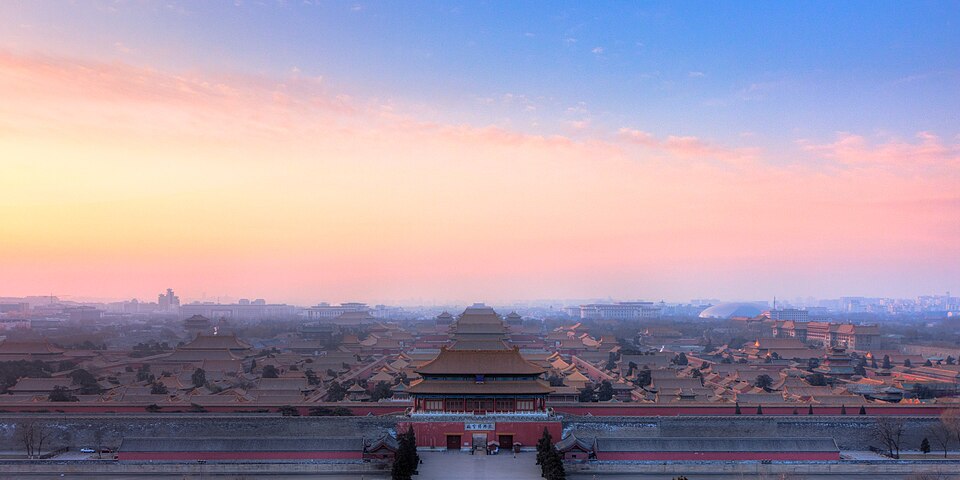
Five days in Beijing is enough to see the headline sights without spending the whole trip in transit, but only if you accept one thing: this city is large, and its famous attractions are spread across it. The itinerary below keeps to one anchor sight per half-day, groups nearby stops together, and leaves room for the queues, security checks and walking that realistically fill a day. Ticket rules, opening days and reservation windows for major sights change, so treat every booking detail here as something to confirm on the official channel before you travel.
Day 1: Tiananmen Square and the Forbidden City
Start with Tiananmen Square and the Forbidden City, which sit back to back on the central axis. The Forbidden City is the priority: it is vast, and a full morning lets you cover the Hall of Supreme Harmony, the imperial living quarters and the Imperial Garden without rushing. Entry to the Forbidden City is by timed reservation and the palace is normally closed on Mondays, though this can shift with public holidays. Check the official Palace Museum booking page for the current release window, passport requirements and closed days, and reserve as early as the system allows.
Security screening applies to the square, and access can be restricted when state events are scheduled. Carry your passport. In the afternoon, head north to the 798 Art District, a former factory complex turned gallery and studio quarter. It is a good low-stakes counterweight to a heavy morning, and opening patterns for individual galleries vary, so check a few you want to see rather than assuming everything is open.
Day 2: Mutianyu Great Wall and Peking duck
Mutianyu is the most practical Great Wall section for a short trip: restored, scenic and equipped with a cable car up and a toboggan down. Confirm current operating hours and last admission for both the cable car and toboggan on the official site or at the ticket office, since they can close in high wind or snow. Aim to arrive at opening; tour groups build through the late morning, and the walk between watchtowers is steep in places. Two hours on the wall is a sensible target for most fitness levels.
Back in the city, finish with a Peking duck dinner. Several long-established restaurants carve the bird at the table, and booking ahead is wise for weekend evenings. If you are moving around Beijing independently, read our notes on the China metro before you rely on it for a late return.
Day 3: Temple of Heaven and a slower afternoon
The Temple of Heaven opens early, and the surrounding park is where you will see locals doing tai chi, playing cards and practising calligraphy. The Ming architecture of the Hall of Prayer for Good Harvests is the centrepiece. Park and hall tickets are usually separate, so check the official booking page for what each covers and for the current opening times.
Keep the afternoon light. This is a good slot for a market, a tea house or simply recovering from two full days. If you are still deciding what to add, our China travel tips cover the practical details that catch first-timers out.
Day 4: Hutongs and a family visit
The old alley districts north of the Forbidden City reward slow walking. Rickshaw tours and family visits are sold through operators rather than a single official ticket office, so the quality varies. Ask exactly what is included before paying: how long the rickshaw ride lasts, whether the family visit involves a meal or just tea, and whether a guide or driver accompanies you. If a stop involves shopping, that should be stated up front.
This is also the day to sort practicalities. Payment apps, mobile data and train tickets are the three things that most often trip up visitors, and our guides to cashless payment and train travel explain how to set each up and verify it works before you need it.
Day 5: Summer Palace
The Summer Palace is a half-day at minimum and easily a full one. The Long Corridor, Kunming Lake and Longevity Hill form the core; a boat across the lake is a pleasant way to cover distance, though sailings are weather-dependent. Buy the combined ticket if you intend to enter the main halls, and check the official site for current hours, since the park and its inner halls do not always share the same schedule.
Pacing, transport and when to go
One anchor sight per half-day is the rhythm that works in Beijing. Attempting three major attractions in a day usually means long taxi rides and tired evenings. Private car and driver hire removes navigation and parking stress and lets a driver time arrivals before the coach crowds, but it is not essential: the metro reaches most of this itinerary, and taxis are plentiful outside peak hours.
Shoulder seasons, roughly March to May and September to November, give the best balance of weather and crowd levels. Avoid the October Golden Week holiday and the early-May Labour Day period, when domestic travel surges and hotel rates and ticket availability tighten. Our autumn travel guide covers what to expect in the busiest shoulder month.
Multi-day packages that bundle hotels, guides and tickets can simplify logistics, but compare what is actually included against booking the same components yourself before deciding.
Frequently asked questions
Do I need to book the Forbidden City in advance?
Yes. Entry is by timed reservation and tickets are released on a schedule, not sold at the gate for general admission. Check the official Palace Museum booking page for the current release window, passport requirements and any closed days, and book as soon as your dates open.
Is Mutianyu or Badaling better for a five-day trip?
Mutianyu is generally easier to combine with a city-based itinerary and has cable car and toboggan options. Badaling is closer by train but busier. Verify current transport links and opening hours for whichever you choose before committing.
Can I see all of this without a private car?
Yes. The metro covers the Forbidden City, Temple of Heaven and Summer Palace areas, and the Great Wall is reachable by scheduled bus or a pre-booked transfer. A private car mainly saves time and effort, particularly on the Great Wall day.
How much walking should I expect?
A lot. The Forbidden City and Summer Palace each involve several kilometres on foot, often on uneven stone. Comfortable shoes and a willingness to slow down matter more than any scheduling trick.
When should I avoid visiting Beijing?
The October Golden Week holiday and the early-May Labour Day period are the busiest windows, with higher prices and tighter availability. Confirm exact dates each year, as they shift with the lunar and public holiday calendar.
Treat this five-day outline as a frame rather than a fixed script. Confirm every reservation, opening day and transport detail on the official operator page before you travel, build in slack for the unexpected, and Beijing will reward the slower approach.