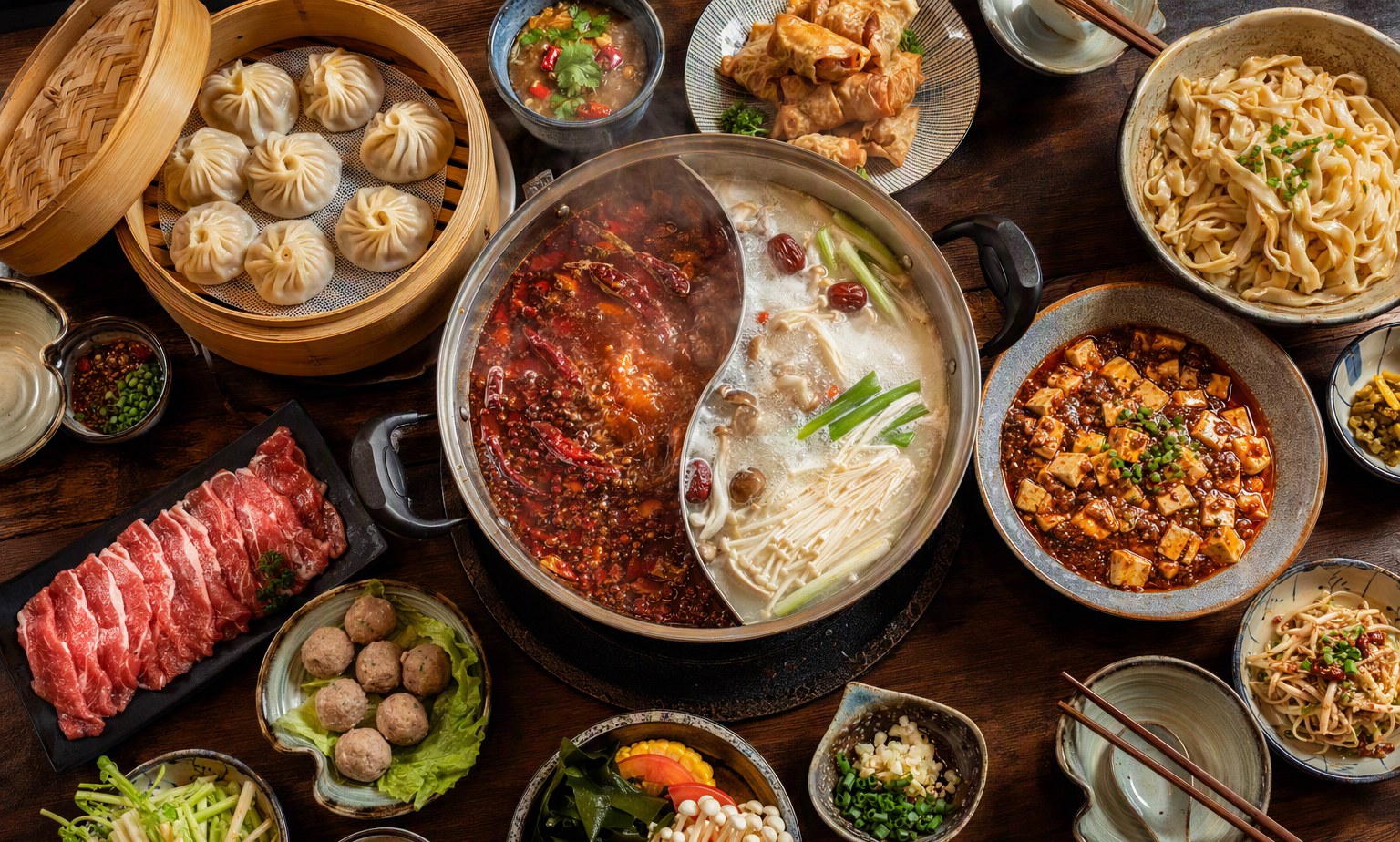
Cooking classes are one of the few travel activities where you leave with something you can use for the rest of your life. A half-day in a Chinese kitchen teaches you a technique, not just a dish, and the folding, kneading and wok work is usually the part people remember longest. This guide covers the main formats of cooking class you will find across China, which cities suit which style, what to check before you pay, and how to get the recipes home in a form you will actually cook from.
What Classes Actually Teach
Most short courses fall into three broad formats, and they differ more in rhythm than in difficulty.
Dumpling and potsticker sessions are the classic entry point. You mix and rest a dough, roll wrappers, prepare one or two fillings, then spend most of the session folding. The folding technique is the fun part, and it is also the part that transfers: once you can pleat a wrapper, you can make jiaozi, guo tie and wontons at home with shop-bought wrappers. Expect to eat what you make, usually with a cold dish or two alongside.
Market-to-wok courses start earlier. You shop with the chef, usually in a neighbourhood wet market rather than a tourist market, then cook three or four dishes in a teaching kitchen. The shopping leg is where you learn the practical vocabulary of a Chinese kitchen: how to pick a live fish, what a good bunch of greens looks like, which soy sauce is for braising and which is for dipping. Ask before booking whether the market visit is included or offered as a separate add-on, as some schools split the two.
Regional intensives go deeper into one cuisine. In Chengdu that often means Sichuan cooking with a focus on spice blending, including how chilli oil and mala flavour bases are built. In Guangzhou and Shanghai, dim sum sessions concentrate on wrappers, pleating and steaming. These run longer, sometimes across two sessions, and suit travellers who already cook at home.
Top Cities for Classes
Chengdu is the most common recommendation for Sichuan cooking, and the local food culture gives classes plenty of context. If you are basing yourself there, a Chengdu city guide is useful for pairing a class with the rest of your days, and the panda base day trip fits neatly around a morning session.
Shanghai has the widest choice of classes taught in English, which makes it the easiest place to book if your Chinese is limited. Guangzhou and the wider Pearl River Delta are the place for dim sum and Cantonese technique. Xi’an is known for noodle work, where stretching and pulling by hand is a demonstration in itself. Yangshuo runs countryside cooking schools, and the setting is part of the appeal for travellers already heading down the Li River.
If you are choosing between cities, note that class quality varies far more than class availability. A well-run school in a smaller city can beat a rushed session in a big one.
Cost, Group Size and Logistics
Short sessions of two to four hours are the norm, usually including ingredients and eating your own cooking. Prices vary widely by city, format, group size and whether a market visit is included, so treat any figure you see online as indicative only. Before paying, ask the school directly for the current price, what is included, the cancellation policy and whether the class is private or shared. If a booking platform shows a price, check it against the school’s own page or messaging account, because third-party listings go stale.
Group size matters more than most people expect. A session capped at six to eight people gives you hands-on time with the wok and the dough; a group of twenty often becomes a demonstration with a photo opportunity. Ask for the maximum number, not the average.
Also confirm the language of instruction, whether the kitchen can accommodate dietary requirements, and whether aprons and equipment are provided. Families tend to do well with the dumpling format, since children can fold at their own pace and the results are immediate. If you have dietary restrictions, our guide to halal and vegetarian food in China explains how to raise them clearly.
Getting There and Booking Practicalities
Cooking schools are rarely near the main sights, so plan the journey. Metro is usually the fastest option in big cities; see the China metro guide for how to pay and ride. If you are travelling between cities to reach a class, book rail in advance and check seat classes before you commit to a morning start.
Send the school your booking details in writing, including the date, time, address in Chinese characters and a contact number, so a taxi driver can find it. Screenshot everything before you leave your hotel, since mobile data can be unreliable in markets and older buildings.
The Souvenir That Lasts
Recipes travel home with you, but only if you capture them properly. Photograph the ingredient layout before cooking, note brand names on bottles and packets, and ask the teacher to write quantities rather than saying them aloud. Many schools email recipe cards in English after the class; ask at the time of booking whether this is included, and follow up if nothing arrives.
A spice-market sourcing session, most commonly in Chengdu, is the other half of this: it teaches you what to buy and how to rebuild the flavours once you are home. If you plan to bring ingredients back, check your own country’s customs rules on food imports before you shop.
Frequently asked questions
Do I need to speak Chinese to join a cooking class?
No, but you should confirm the instruction language when booking rather than assuming. Shanghai generally has the largest number of English-taught sessions, and most schools that market to international visitors list their languages clearly. If your class is in Chinese only, a translation app and a few food phrases will carry you a long way.
How far ahead should I book?
In peak seasons and around public holidays, popular schools fill up, so booking a week or more ahead is sensible. In quieter periods, a few days is often enough. Ask the school directly about their current lead time rather than relying on a booking page’s availability calendar.
Can children join?
Many schools accept children, particularly for dumpling sessions, but age minimums and supervision rules vary by kitchen. Ask before booking, and be specific about your child’s age. Knives, hot oil and open flames are present in most teaching kitchens.
What should I wear or bring?
Closed shoes, sleeves you can roll up and clothes you do not mind splashing are the practical answer. Most schools provide aprons. Bring a small notebook or use your phone, and a container if you want to take leftovers back to your hotel.
How do I know a school is reputable?
Look for a specific address, recent reviews that mention the teacher by name, a stated maximum group size and a clear cancellation policy. Be cautious of listings that show no address or only a meeting point. If you book through a tour operator, ask which school they use and check it independently.
Treat the class as the centre of a day rather than an add-on: shop, cook, eat, then walk the neighbourhood while the flavours are still fresh in your mind. Confirm prices, hours and inclusions directly with the school before you pay, keep your booking details offline, and you will come home with a technique you can repeat rather than a photograph of someone else’s kitchen.