Three days is enough to see Hangzhou properly if you accept one thing: the city rewards slow mornings and short hops, not long transfers. This guide sets out a workable three-day structure built around West Lake, the tea hills, Lingyin Temple and the wetlands, with notes on pacing, transport and how to check details that change. It is written for independent travellers who may book some elements locally and arrange others in advance. Where a price, timetable or opening time matters, verify it on the operator’s own page rather than trusting any third-party summary, including this one.
Hangzhou 3-Day Itinerary at a Glance
The plan below keeps one anchor sight per half-day. That is the single most useful rule for Hangzhou, because the lake area alone can absorb a full day without any effort.
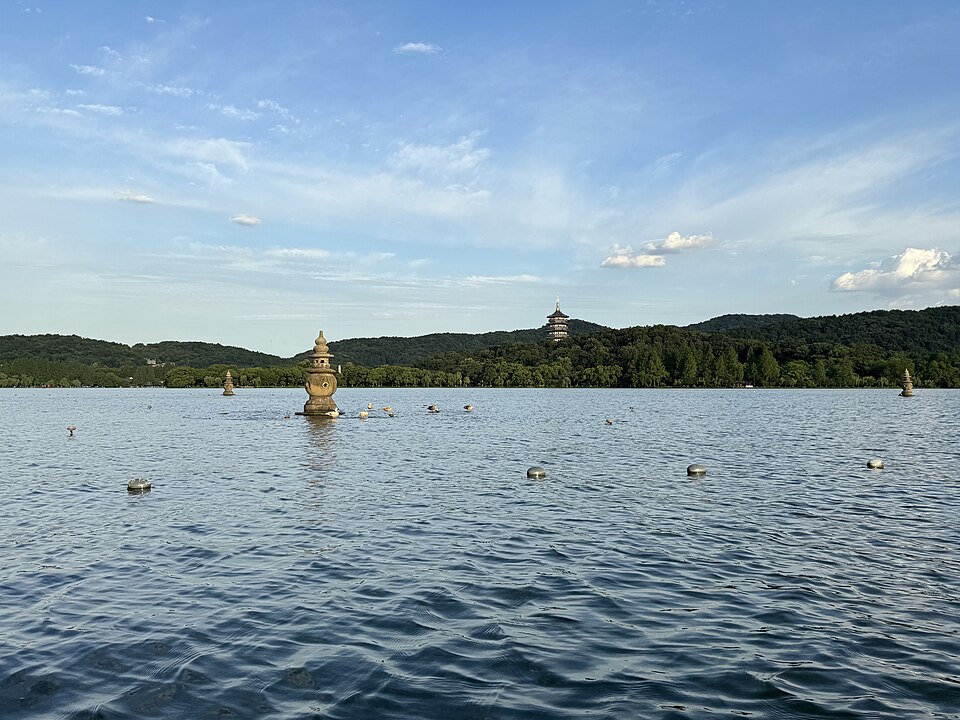
Day 1 — West Lake and the old streets. Start with a boat crossing or short cruise on West Lake, then walk or ride the Su Causeway. In the afternoon, visit Leifeng Pagoda for the elevated view back across the water, then finish on Hefang Street for silk, fans and traditional medicine shops. Hefang Street is tourist-facing and busy; treat it as an introduction rather than the whole of Hangzhou’s shopping.
Day 2 — Longjing tea village and Qiandao Lake. Morning in the Longjing tea terraces, where you can see the fields, watch wok-roasting and taste the tea. Be aware that Qiandao Lake is a substantial transfer from central Hangzhou, so pairing it with a tea-village morning only works if you have a car and driver and start early. If you would rather not rush, move Qiandao Lake to a separate day and give the tea hills a full morning plus lunch.
Day 3 — Lingyin Temple and Xixi Wetland. Lingyin is an active Buddhist temple with cliff carvings, so go early and dress respectfully. Xixi Wetland in the afternoon is a slower, quieter contrast: reed marshes navigated by traditional boat. Confirm boat operating times and last departures on site, as these shift with season and weather.
Pacing and Transport
Hangzhou’s sights are spread out, and traffic around the lake is heavy at weekends and during holidays. Two practical approaches work well. First, use the metro for the lake’s edge and central districts, then walk or take a short taxi for the last stretch. Second, if your budget allows, hire a car and driver for the tea hills and Qiandao Lake days, where public transport involves multiple changes and long waits.
If you are new to Chinese cities, read up on payment apps and metro etiquette before you arrive. Our China cashless travel guide explains how WeChat Pay and Alipay are typically set up, and the China metro guide covers ticketing and how to ride. For arrivals, China airport transfers sets out taxi, metro and eSIM options. Check current app availability and any restrictions yourself before relying on a specific payment method.
When to Go
Spring (March to May) and autumn (September to November) generally give the best balance of weather and crowds. Summer is hot and humid, and winter is cool and grey but quieter. Avoid the major national holiday periods, when domestic travel surges and hotel rates rise sharply. Golden Week in early October and the Labour Day holiday in early May are the two to plan around; check the exact dates for your travel year, as they are announced annually. Our China in October guide covers what that month looks like in practice.
Where to Stay and What to Eat
Staying within walking distance of West Lake saves a lot of time, though it costs more. The area around Hefang Street and the eastern lakeside is convenient for evenings. For food, Hangzhou cooking is mild and freshwater-led; the street-food scene is worth a half-day of wandering on its own. Our Hangzhou street food guide lists specific dishes and where to find them.
If you have more time, a five-day version of this trip adds Wuzhen or the Grand Canal districts comfortably. See 5 days in Hangzhou for that extension.
Booking and Practical Checks
Book train tickets to and from Hangzhou as early as your booking window allows; popular services fill up around holidays. Foreign passports can be used for ticket purchase, but the process has quirks worth understanding in advance, covered in how to buy China train tickets with a foreign passport. For entry rules, including visa-free transit eligibility, check the official immigration source for your nationality and confirm the current conditions rather than relying on any summary, including ours.
For hotels, temple tickets and lake boats, book through the operator or an established platform, and read the cancellation terms. Prices and timetables change seasonally; check the operator’s own page for the current figure.
Frequently asked questions
Is three days enough for Hangzhou?
Yes, for the core sights: West Lake, Lingyin Temple, the tea hills and one wetland or water town. It is not enough to add Qiandao Lake comfortably without cutting something else, because the transfer eats most of a day.
Do I need a private car in Hangzhou?
No. The metro and taxis cover the lake and central districts well. A car and driver becomes worthwhile for the tea hills and Qiandao Lake, where public transport requires changes and long waits.
How do I check opening hours and ticket prices?
Use the official website or the site’s own booking channel for each attraction, and look for the seasonal timetable section, which often differs from the headline hours. Avoid relying on aggregated listings, which go stale.
Can I pay by card or cash in Hangzhou?
Mobile payment is dominant. Many places accept cash by law, but in practice small vendors may struggle to give change. Set up a payment app before you travel and keep a small cash backup. Verify current app availability for foreign cards yourself.
What should I avoid?
Do not schedule Qiandao Lake and a full West Lake day back to back. Do not visit Lingyin in the middle of the day during peak season. And do not travel during Golden Week unless you have booked everything well in advance.
Treat this itinerary as a frame rather than a fixed script. Pick the two or three things you most want from Hangzhou, build the days around those, and leave room for the lake itself, which is where most visitors end up spending more time than they planned.