Five days across Hong Kong, Shenzhen and Guangzhou is a tight but workable route, provided you accept one honest constraint: three cities in five days means roughly one anchor sight per half-day, not a full checklist. The three cities sit within a short high-speed rail corridor, so the travel itself is quick. The time goes on border formalities, station transfers and the simple fact that each city is large. This guide sets out a realistic day-by-day shape, the logistics that decide whether the trip feels smooth or rushed, and what to verify before you book anything.
Day-by-day outline
Day 1 — Hong Kong. Victoria Peak and the Star Ferry make a sensible first day because they sit close together and need no advance planning beyond timing. Go up to the Peak earlier than you think necessary; queues build through late morning. The Star Ferry crossing between Central and Tsim Sha Tsui is short, cheap and one of the few genuinely unmissable Hong Kong experiences. Keep the evening loose for Kowloon or a harbourfront walk.
Day 2 — Shenzhen. Shenzhen rewards a clear theme. Choose either the tech and design side (museum and gallery districts) or the coastal side (beaches and seaside parks), not both. The city is spread out and traffic between districts eats time.
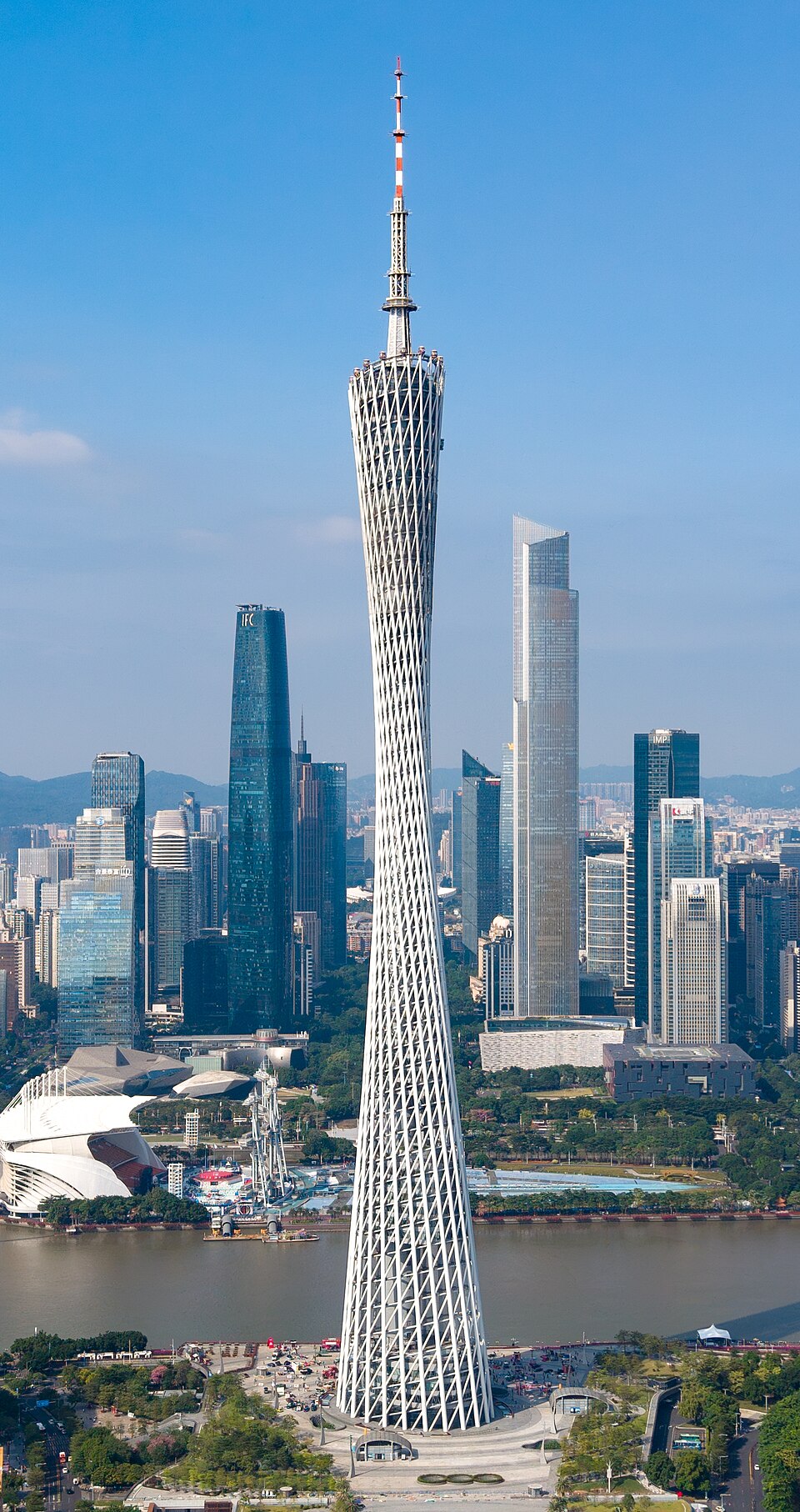
Day 3 — Guangzhou. Dim sum in the morning, then the Canton Tower area and the riverside in the afternoon or evening. Guangzhou is the Cantonese capital in food terms as much as anything else, so build the day around eating rather than around monuments.
Day 4 — rail connections. The Hong Kong–Shenzhen–Guangzhou corridor is served by frequent high-speed trains with short journey times between the main stations. Treat this as a travel day with a light sightseeing anchor at each end rather than a full programme.
Day 5 — flexible. Keep this day unbooked. Use it for shopping, a spa, a return to whatever you liked most, or simply an easier departure. A buffer day is what stops a five-day trip feeling like a forced march.
Border crossing and rail logistics
The Hong Kong–mainland border is the single biggest variable in this itinerary. Crossing points have different opening hours, different transport connections and very different queue patterns depending on the day and time. Check the official immigration or transport operator page for the crossing you intend to use, and look specifically at opening hours, last-entry times and whether the crossing connects to rail or only to road transport.
For the rail legs, book through the official China Railway booking channel or a reputable agent, and check two things on the operator’s page: whether your passport type can be used for online collection, and whether the station you are departing from is the one you think it is. Guangzhou and Shenzhen each have multiple stations serving different lines. Our guide to buying China train tickets with a foreign passport covers the collection and ID steps, and the high-speed rail guide explains how station choice affects your day.
If you are entering mainland China on a visa-free transit arrangement rather than a full visa, the eligible ports, the permitted travel area and the length of stay all matter, and they change. Verify your specific case on the official immigration source before booking flights, and use the 240-hour visa-free transit checklist to work through the conditions in order.
Pacing that actually works
One anchor sight per half-day is the sweet spot. That gives you a morning and an afternoon block, with meals and transit filling the gaps. Two major sights in a half-day is possible in Hong Kong if they are adjacent; it is usually a mistake in Shenzhen or Guangzhou, where distances are longer.
Build in slack around every station transfer. Arriving at a large rail station 45–60 minutes before departure is not excessive once you account for security, ticket checks and finding the right waiting area.
Private car and driver arrangements remove navigation and parking stress, and a driver who knows the site can time arrival ahead of the largest tour groups. That is a real advantage at popular attractions, but it does not override opening hours or ticketing rules. Confirm any timed-entry requirement on the attraction’s own page before assuming a car gets you in earlier.
When to go
Spring (March to May) and autumn (September to November) generally give the best balance of weather and crowd levels across all three cities. Summer is hot and humid with heavy rain risk, and winter is mild in this part of China but can be grey.
Avoid Chinese national holidays. Golden Week in early October and the Labour Day period in early May see domestic travel surge, which affects train availability, hotel rates and queue times at every major sight. Exact dates shift with the official holiday calendar, so confirm the current year’s arrangement rather than relying on last year’s dates. Our month-by-month festival and weather calendar is a useful cross-check when picking dates.
Practical preparation
Sort mobile data before you fly. A travel eSIM that works across Hong Kong and the mainland avoids the awkward gap at the border, but check the plan’s coverage terms carefully, since Hong Kong and mainland China are often treated as separate regions. Payment apps are the other thing to set up in advance; linking an international card to WeChat Pay or Alipay before departure is far easier than doing it while standing in a shop. The cashless travel guide walks through the setup.
Carry your passport at all times. It is required for rail travel, hotel check-in and border crossing, and a photograph on your phone is not a substitute.
Frequently asked questions
Is five days enough for Hong Kong, Shenzhen and Guangzhou?
It is enough to see one strong highlight in each city, but not enough to cover any of them properly. If you want depth, drop one city and give the remaining two more time. If you want a taste of all three, five days works provided you keep the schedule light and accept that Day 4 is largely a travel day.
Do I need a visa for this route?
That depends on your nationality and on whether you are entering mainland China on a visa or under a visa-free transit arrangement. Rules and eligible ports change, so check the official immigration source for your specific passport and entry point rather than relying on a general summary. Hong Kong and the mainland have separate immigration regimes, which is why the border crossing matters even on a short trip.
Should I book trains in advance?
Book as early as the official channel allows, particularly around weekends and public holidays. Seats on the Hong Kong–Shenzhen–Guangzhou corridor are frequent but not unlimited, and popular departure times sell out. Confirm the collection method for foreign passports on the operator’s page at the time of booking.
Is a private car worth it here?
It helps most in Shenzhen and Guangzhou, where attractions are spread out and public transport requires changes. In Hong Kong, the metro and ferry network is dense enough that a car is often slower. Decide per city rather than buying one arrangement for the whole trip.
What should I verify before paying a deposit?
Check the current opening hours and any closure days for each attraction on its own official page, confirm the border crossing hours you plan to use, confirm your visa or visa-free eligibility, and confirm the exact station names for your rail legs. Prices and inclusions should be stated in writing on the booking page; if a figure is not shown there, ask rather than assume.
Treat this itinerary as a frame rather than a script. The three cities are close enough that the route works, but the details that decide whether it runs smoothly — border timing, station choice, entry eligibility and attraction hours — are all things to confirm on official sources in the week before you travel.