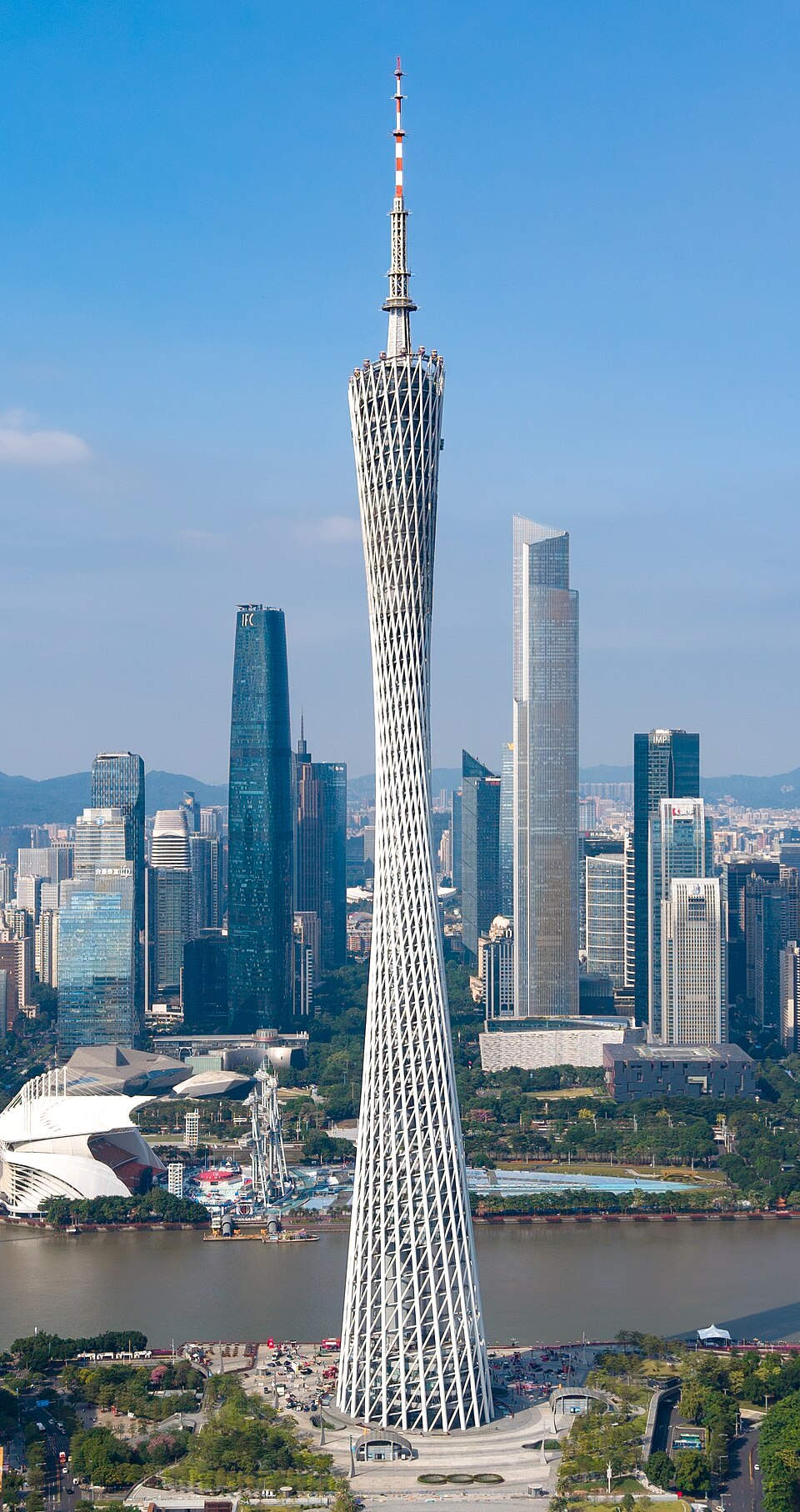
Guangzhou, still called Canton in older English-language sources, sits at the head of the Pearl River Delta. It is where Cantonese cuisine was codified, where maritime Silk Road traffic met the South China Sea, and where much of modern China’s export trade still passes through. For a visitor, that history shows up in practical ways: a riverfront of colonial-era buildings, teahouses that have served morning dim sum for generations, and a metro system that makes the whole city reachable without a car.
Why Guangzhou Is Worth Your Time
The city has been a trading port for roughly two millennia, and the old foreign-trade system known as the Canton Trade left a visible mark on Shamian Island and the riverfront. It is also the ancestral home of dim sum, and locals treat the morning meal as a social institution rather than a tourist activity. Compared with Shanghai or Beijing, the pace is slower and the scale is more manageable, which makes it a good first or second stop in China.
It also works as a base. High-speed rail connects Guangzhou to Shenzhen, Hong Kong, Foshan and the wider delta quickly, so you can see several places without changing hotels. If you are still sorting out arrivals and payments, start with this first time in China checklist before you book anything.
What to See and Do
A realistic first day mixes the old city with the new skyline. Morning dim sum in a traditional teahouse, then the Chen Clan Ancestral Hall, a compact masterpiece of Lingnan carving, pottery and ironwork. Yuexiu Park holds the Five Rams statue that the city uses as its emblem, and the excavated roadways under Beijing Road show how many layers of city have been built on the same spot.
Shamian Island is the easiest place to understand the treaty-port period: a flat, walkable grid of colonial buildings and banyan-lined lanes. In the evening, Canton Tower and the Pearl River banks light up, and a river cruise is a straightforward way to see the skyline without fighting traffic. The metro covers all of this; the city’s system is dense and English-signed, and the general principles in this China metro guide apply here too.
Day Trips from Guangzhou
Foshan is the closest worthwhile trip and a strong one: it is a centre for Cantonese martial arts and ceramics, and locals will tell you the food there is at least as good as Guangzhou’s. Kaiping, further west, is known for the diaolou, fortified watchtowers built by overseas Chinese families and recognised by UNESCO; check current opening arrangements for individual towers before you go, as some are privately managed.
Shenzhen and Hong Kong are both reachable by high-speed rail in well under an hour on many services. Timetables, journey times and fares change, so confirm them on the official railway booking channel rather than relying on any fixed figure. For how ticketing works with a foreign passport, see this guide to buying China train tickets with a foreign passport.
Canton Fair Timing and What It Does to the City
The Canton Fair runs twice a year, in spring and autumn, over roughly three weeks each session. It is one of the largest trade exhibitions in the world, and it changes the city completely: hotel rates rise sharply, trains and flights into Guangzhou fill early, and restaurant queues lengthen. If your trip overlaps with a session, book accommodation well in advance and expect to pay a premium.
Exact dates are published by the fair organiser and can shift, so check the official Canton Fair site for the current session dates and phase breakdown rather than planning around last year’s calendar. If you are travelling for business, arrange airport pickups and inter-hotel transport ahead of time, because taxis are hard to find at peak hours.
How to Eat Well in Guangzhou
Dim sum is a morning ritual. The best halls fill between early morning and mid-morning, and the food is freshest then. Yum cha literally means drinking tea; the tea and the conversation are the point, and the dishes are shared. Order from the trolleys as they pass if you are new to it, and expect to pour tea for others at the table before yourself.
Beyond dim sum, the city rewards grazing. Roast meats, rice noodle rolls, congee and double-skin milk are all worth seeking out, and street-level snacks are often better than hotel restaurants. This Guangzhou street food guide covers specific dishes and where to find them. Payment is mostly by phone, so set up WeChat Pay or Alipay before you arrive; the steps are in this cashless travel guide.
Practical Planning Notes
Guangzhou has a large international airport with direct connections across Asia and beyond, plus a good metro link into the city. Visa rules depend on your nationality and route, and transit-without-visa schemes have specific conditions, so verify your own case on an official immigration or embassy page before booking. If you are routing through China en route to a third country, the 240-hour transit arrangements may apply, but confirm eligibility rather than assuming it.
Weather matters: summers are hot, humid and wet, while autumn and winter are far more comfortable for walking. Build in slack for afternoon rain in the wet months.
Frequently asked questions
How many days do I need in Guangzhou?
Two full days covers the main sights and a proper dim sum morning. Add a third if you want a day trip to Foshan or Kaiping, and more if you are combining business at the Canton Fair with sightseeing.
Is Guangzhou expensive compared with other Chinese cities?
Generally it sits below Shanghai and Beijing for accommodation and food, but prices spike during Canton Fair sessions. Check current rates for your specific dates rather than relying on general figures.
Do I need to speak Cantonese or Mandarin?
Locals speak Cantonese day to day and Mandarin in most formal settings. English is limited outside hotels and major attractions, so have a translation app and your destination written in Chinese characters.
Can I visit Hong Kong or Shenzhen as a day trip?
Both are reachable by high-speed rail, but cross-border travel involves immigration formalities and, for Hong Kong, separate entry rules depending on your nationality. Check your own visa position and current train times before committing.
When is the best time of year to visit?
Late autumn through early spring is the most comfortable for walking. Summer is hot and rainy, and typhoon season can affect travel in the delta, so check forecasts close to your dates.
Plan around the food and the river rather than a checklist of monuments, verify anything with a date or a price on the operator’s own page, and Guangzhou rewards you with a version of China that feels lived-in rather than staged.
Ways to visit Guangzhou with WingPhoenix
Tours and goods for Guangzhou
- Guangzhou & HK-Macau Bay & Beyond: Coastal Charms 9-Day China Tour II
- Guangzhou & HK-Macau Bay & Beyond: Coastal Charms 9-Day China Tour
- Guangzhou & HK-Macau Bay & Beyond: Coastal Charms 7-Day China Tour II
- Guangzhou & HK-Macau Bay & Beyond: Coastal Charms 7-Day China Tour
- Guangzhou & HK-Macau Bay & Beyond: Coastal Charms 15-Day China Tour II
- Guangzhou & HK-Macau Bay & Beyond: Coastal Charms 15-Day China Tour
- Guangzhou & HK-Macau Bay & Beyond: Coastal Charms 11-Day China Tour II
- Guangzhou & HK-Macau Bay & Beyond: Coastal Charms 11-Day China Tour
- Guangzhou & HK-Macau Bay & Beyond: Coastal Charms 13-Day China Tour II
- Guangzhou & HK-Macau Bay & Beyond: Coastal Charms 13-Day China Tour
- Guangzhou & HK-Macau Bay & Beyond: Coastal Charms 3-Day China Tour II
- Guangzhou & HK-Macau Bay & Beyond: Coastal Charms 3-Day China Tour
- Icons & Insights Guangzhou & HK-Macau Bay Day Tour B
- Best of Guangzhou & HK-Macau Bay Day Tour