Guangzhou is the city where Cantonese cooking began, and it remains the most rewarding place in China to eat it. Morning tea is a daily habit rather than a tourist event, roast meats are chopped to order at street windows, and the range runs from a few yuan of noodles to formal banquet rooms. This guide covers the rituals worth learning, the dishes to prioritise, the districts to graze, and how to build the food into a wider trip. Prices shift, so treat any figure you see online — including on this page — as a starting point and confirm at the venue.
Morning tea: the ritual that structures the day
Yum cha translates roughly as “drink tea”, and the tea is the point as much as the food. Locals arrive mid-morning, order a pot, and work through steamed baskets over an hour or two. The classic repertoire: har gow (prawn dumplings with a translucent wrapper), siu mai (open-topped pork and prawn dumplings), cheung fun (silky rice rolls), chicken feet braised in black bean sauce, and char siu bao. Order tea by type — pu’er for something earthy that cuts through fried items, chrysanthemum for something light — and top up the pot with the kettle on the table.
Guangzhou Restaurant and Tao Tao Ju are the long-established teahouses; Panxi, by the lake in Liwan, is the scenic option. All three are busy at weekend brunch, so arrive early or expect a wait. Dim sum is usually priced per basket, and some houses charge a per-person tea fee, so check the menu rather than assuming a total.
The icon dishes and where they come from
Roast goose and char siu. Lacquered, smoky and chopped to order at takeaway windows across the city. Goose is the Guangzhou speciality; char siu (barbecued pork) is the everyday version. Buy by weight and eat it while it is still warm.
Wonton noodles. Springy noodles pressed with bamboo, served in a clear broth with prawn-and-pork wontons. It is the benchmark breakfast and the dish most likely to ruin you for the versions back home.
White-cut chicken. Poached, cooled, chopped, and served with ginger-scallion oil. The simplicity is the test: it depends entirely on the bird.
Claypot rice. Rice cooked over charcoal with lap cheong (cured sausage) and other toppings, scraped out with the crusty bottom layer intact. Best in cooler months.
Double-skin milk and ginger milk curd. Silky set desserts from Shunde tradition. Ginger milk curd is made by pouring hot milk onto ginger juice and letting it set at the table.
Where to graze, district by district
Shangxiajiu pedestrian street and Beijing Road cover the classics in a walkable strip, though they are also the most tourist-facing. Huifu East Road is where the wonton-noodle old guard sits. Panyu, out towards the south, does farm-to-table Cantonese in a more spread-out setting. Our Guangzhou street food guide lists specific bites to target, and the Guangzhou city guide covers metro access so you can link the districts without long taxi rides.
For the deep end, day-trip to Shunde, roughly half an hour away by rail and recognised by UNESCO as a City of Gastronomy. It is the source of much of what Guangzhou cooks, and the farm-to-table restaurants there are the reason people make the trip. Check current train times and fares on the official 12306 site or app rather than relying on a cached timetable — see our 12306 booking walkthrough if you have not used the system before.
Practical eating: payment, language and timing
Mobile payment dominates. Set up WeChat Pay or Alipay before you arrive and link an international card; our cashless travel guide covers the setup and the fallbacks. Small roast-meat windows and older teahouses may still prefer cash, so carry a little.
Menus in tourist areas often have photographs or English, but neighbourhood places frequently do not. A translation app with camera input solves most of it; our language barrier guide lists the phrases worth having offline. If you keep halal or vegetarian, plan ahead rather than improvising — the halal and vegetarian guide explains what to look for.
Timing matters. Morning tea runs from opening until roughly midday. Roast meat windows sell out by early evening. Claypot rice is a winter dish. Dessert shops stay open late.
Building food into a wider Guangzhou trip
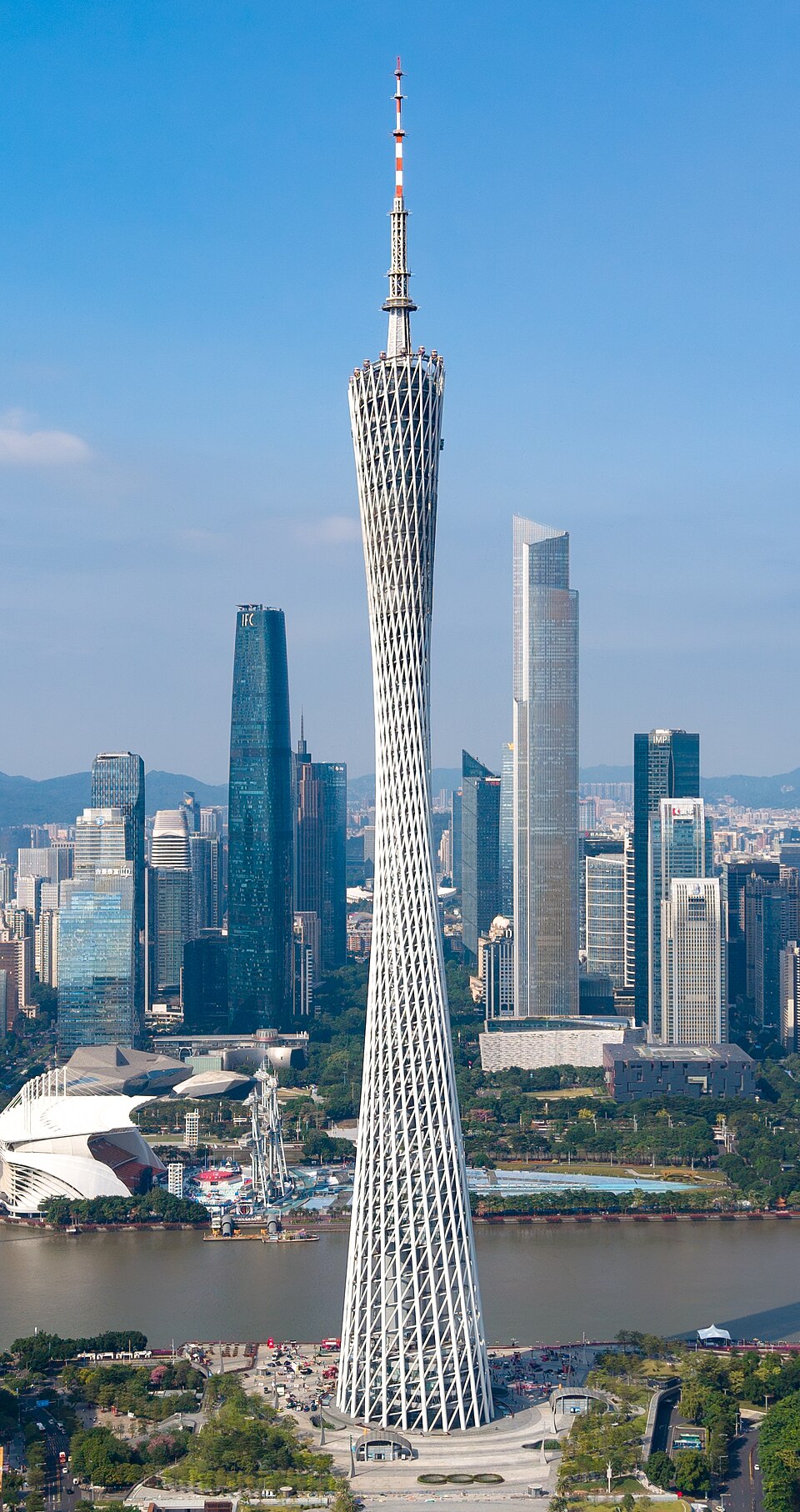
Eating is not a separate activity here, but it helps to anchor the day. Pair a morning-tea session in Liwan with a walk through the old streets, then take the metro south for the Canton Tower area in the evening. The Pearl River night cruise runs from several piers; check current departure times and ticket prices at the pier or on the operator’s official page, since schedules change seasonally.
If you want a driver for the Shunde run, book through your hotel or a licensed operator and agree the waiting time in advance. For routing a food-focused stay — including which neighbourhood to base yourself in — an AI planner can handle the structure, but verify opening hours and reservation requirements yourself. Our notes on using AI for a China itinerary explain where these tools are reliable and where they invent details.
Frequently asked questions
Do I need to book teahouses in advance?
Usually not for weekday breakfast, but weekend brunch at well-known houses can involve a queue or a numbered ticket system. Large groups should call ahead. Reservation policies vary by venue, so confirm directly rather than assuming.
Is Guangzhou expensive to eat in?
It spans a very wide range. Street noodles and roast meat by weight are inexpensive; formal Cantonese restaurants and hotel dining rooms are not. Check menus at the door — most display prices — and confirm any service or tea charge before ordering.
Can I eat well without speaking Cantonese or Mandarin?
Yes in central districts and shopping streets, where photo menus and English are common. Elsewhere, a camera translation app and a few written phrases go a long way. Have both ready offline.
How do I get to Shunde?
By intercity rail from Guangzhou South, or by road. Confirm current departure times and fares on the official 12306 platform, and allow a full half-day for the round trip plus a meal.
What should I avoid?
Nothing in particular — the food is safe and the water in restaurants is treated. If you have allergies or dietary restrictions, carry a written card in Chinese explaining them, and check sauces and broths rather than assuming they are free of what you avoid.
Eat early, eat often, and let the tea set the pace. Confirm prices, hours and transport times on official pages before you go, and the rest of Guangzhou will look after itself.